
Notary Publics Before the Foundation of the United States
The very first notary public in America lived in the Connecticut colony of New Haven. His name was Thomas Fugill. He was given the title of notary public and earned the right to use Connecticut notary supplies on October 25, 1639, but make sure you follow all of the rules and regulations as a Connecticut notary, so you avoid his fate! He was thrown out of holding office for falsifying documents. He's a perfect example of why following regulations and knowing your notary history is so important!
Historians record that the first notary publics were found in Rome where
they were known as "scriba", "notarii", "tabularii" and "tabelliones,” according to the Connecticut Notary Public Manual. These early notary publics were charged with writing down important information for other people, because most people were illiterate.A long time before Fugill started using (and abusing) Connecticut notary supplies, the Pope and then the Archbishop of Canterbury appointed notary publics. At that time, they were considered important members of the Church of England.



From the Enlightenment to the 20th Century
As more people arrived in Connecticut, the need for notary publics rose because merchants used them to record important information on sales that they made in faraway lands. They used their Connecticut notary supplies to send messages to kings, queens, and important people in foreign governments. By 1784, the Connecticut legislature gave the power to the government to decide who could use Connecticut notary supplies.
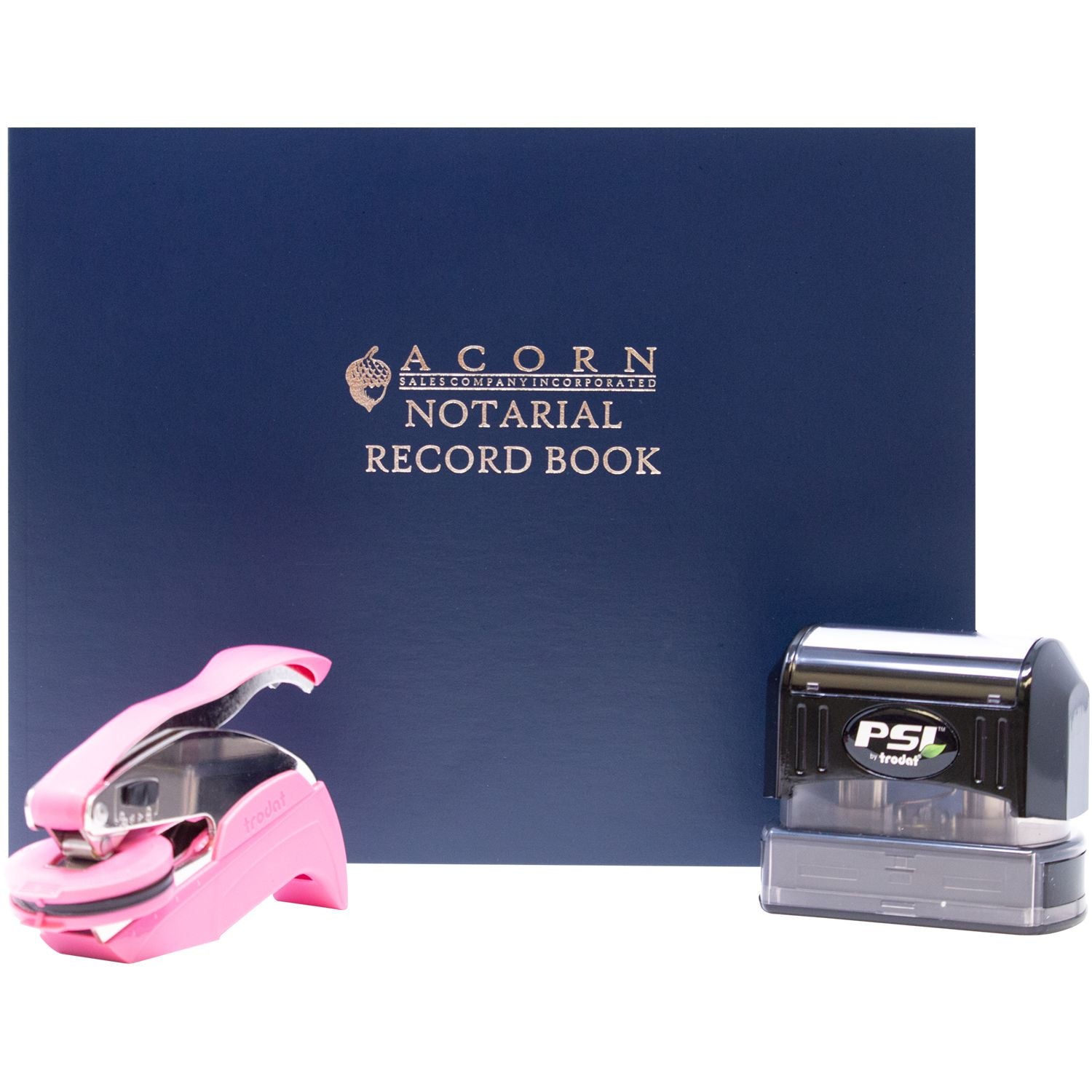

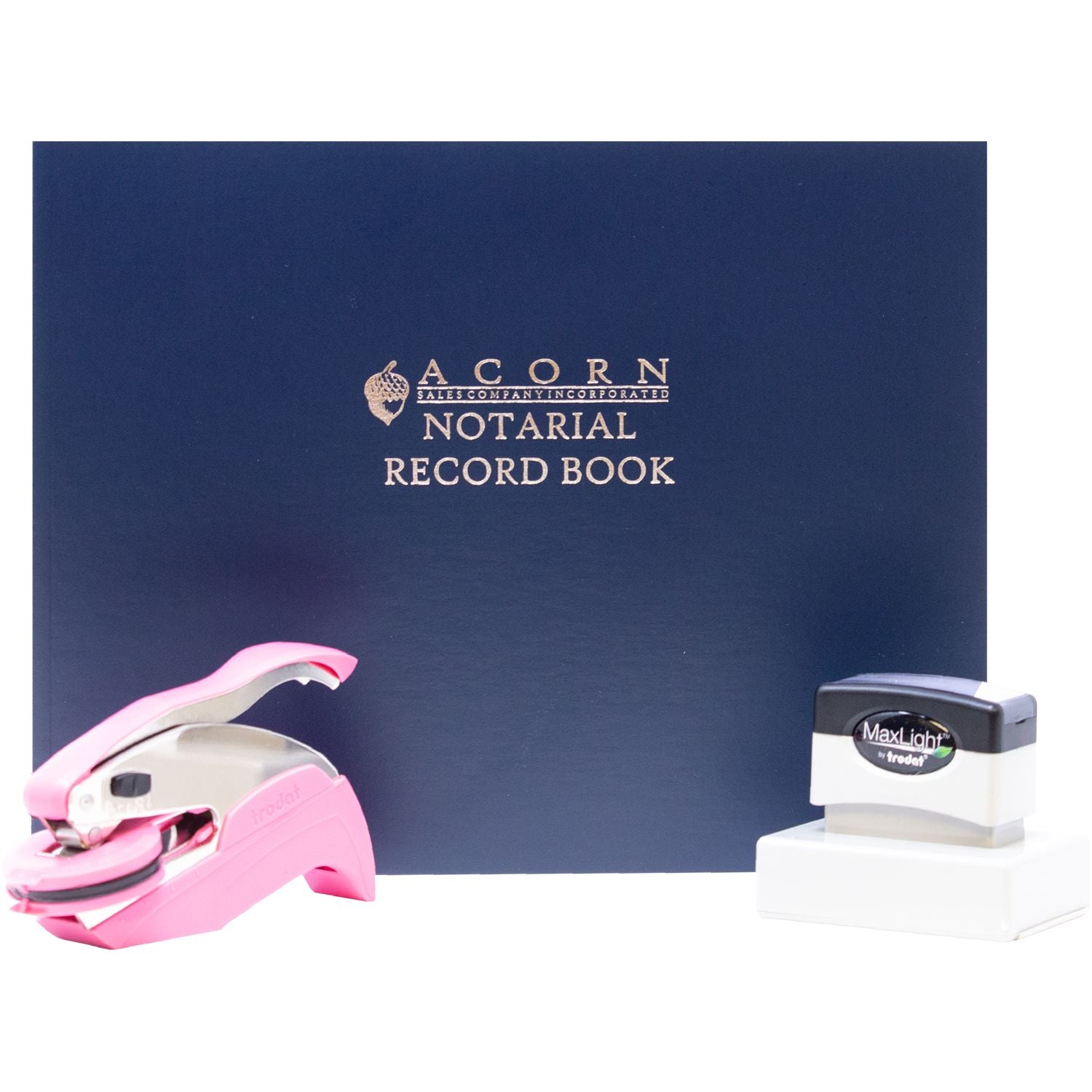

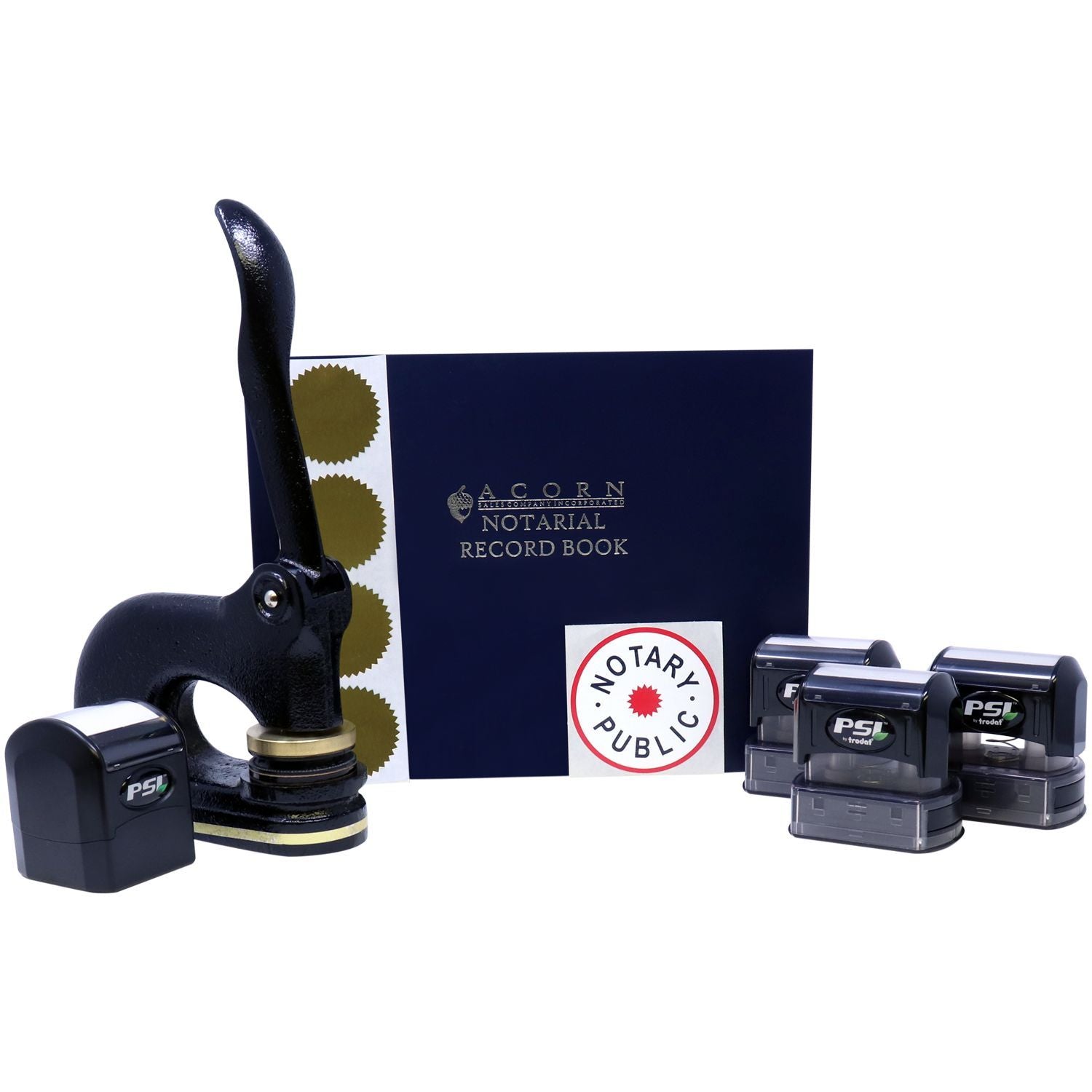
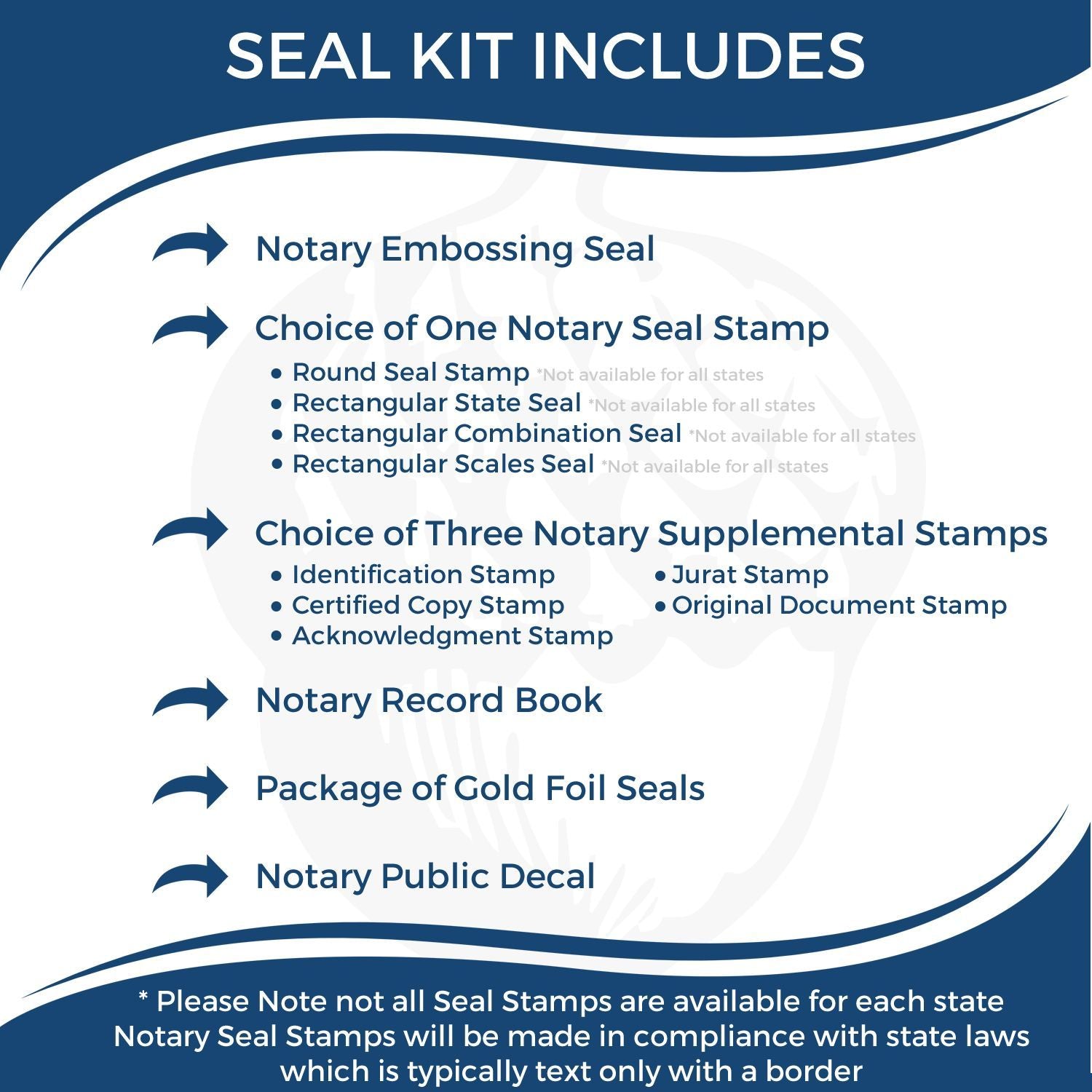
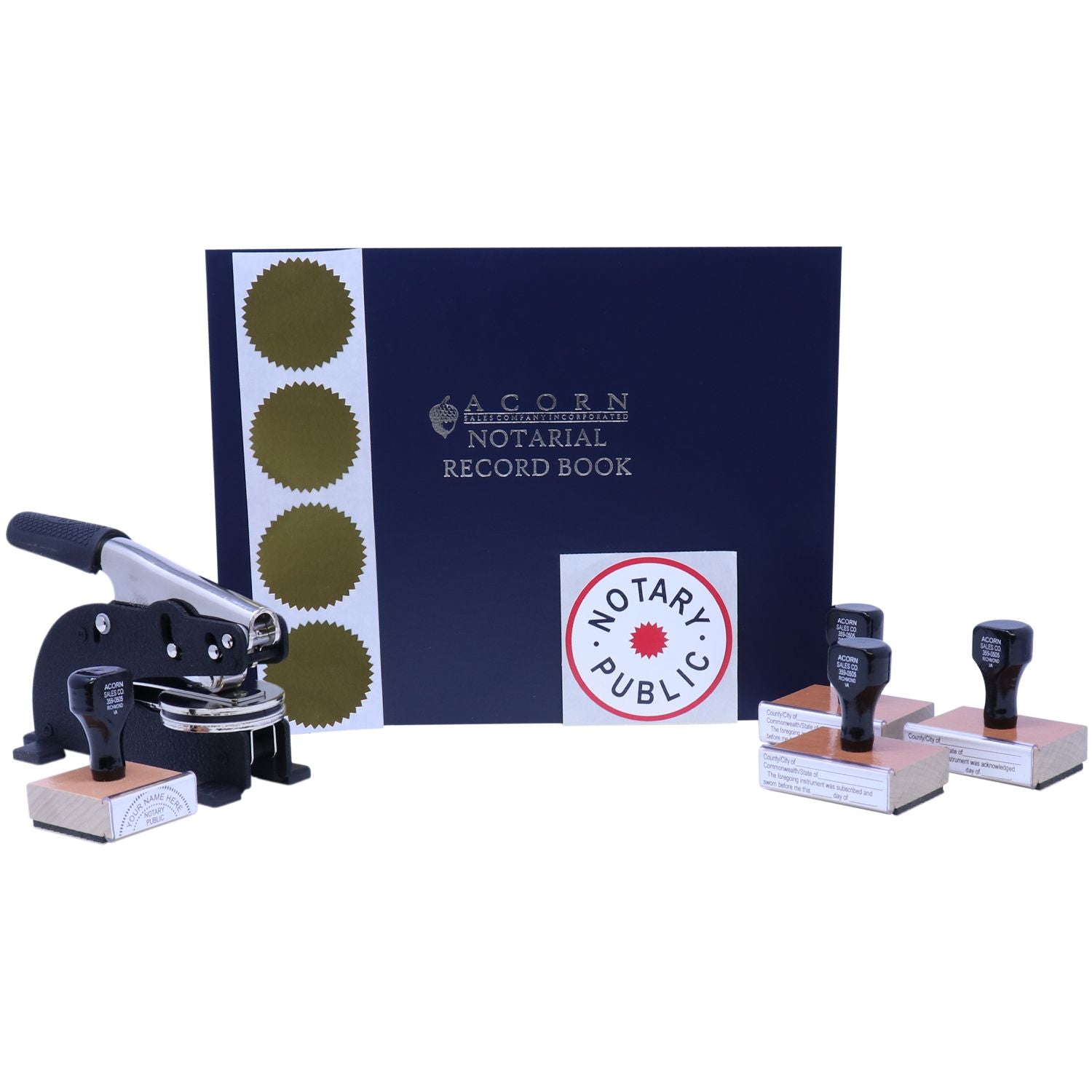
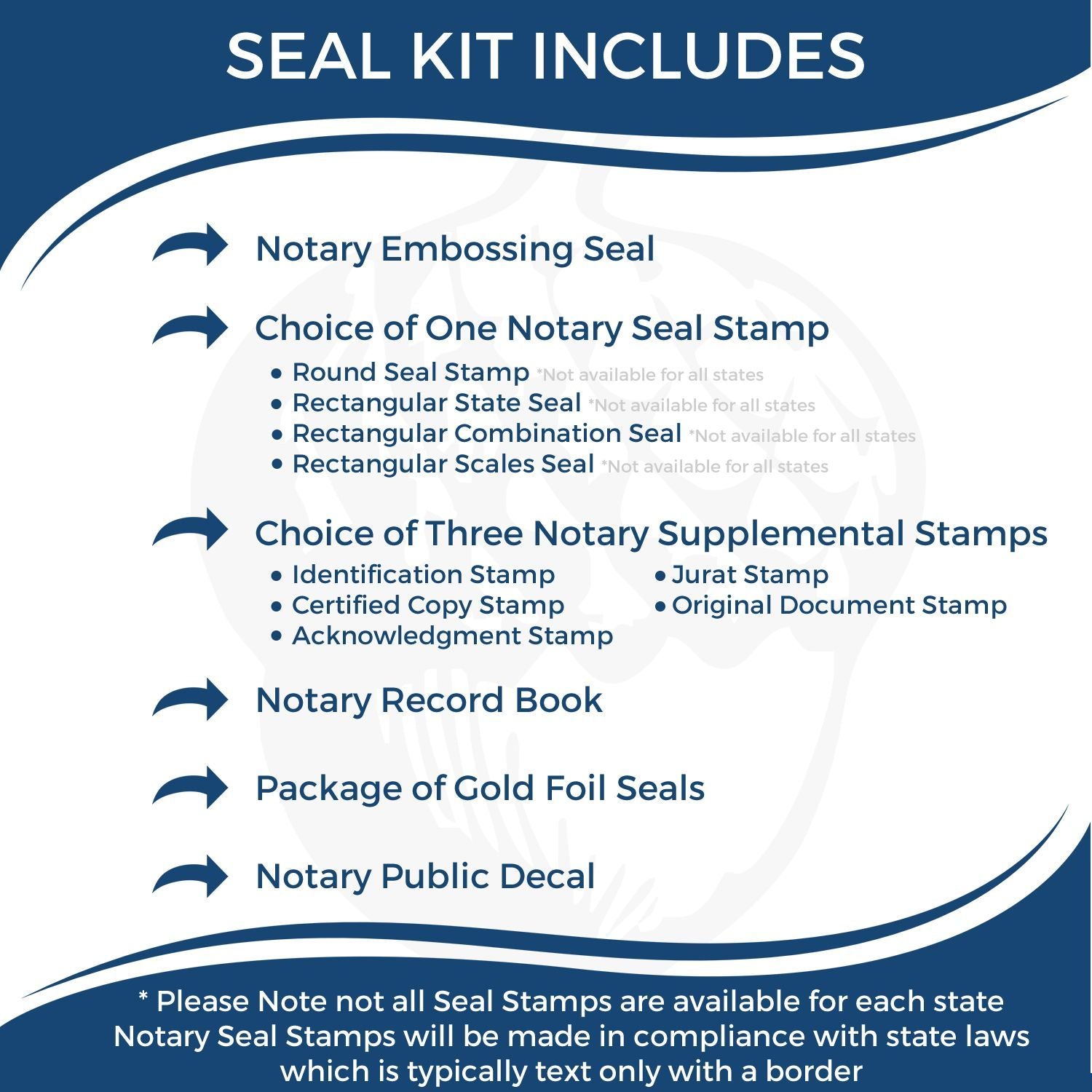
It was not for almost another 100 years that the Connecticut legislature would finally spell out what Connecticut notary publics should do with their Connecticut notary supplies. They listed those duties as administering oaths, taking depositions, and acknowledging deeds. These are the exact duties that a Connecticut notary public uses their Connecticut notary supplies to do today.






Over the course of the next 100 years, the need for notary publics grew immensely. By 1932, the state had 10,000 notary publics. That number is still far less than the 53,000 people who are eligible to use Connecticut notary supplies today.
Modern Notary Procedures in Connecticut
Today, in Connecticut a person must take and pass a state exam to become a notary public.
While many states have computerized the process of becoming a notary public, Connecticut still requires that the person wanting to be a notary public make a statement of their intent in their own handwriting.
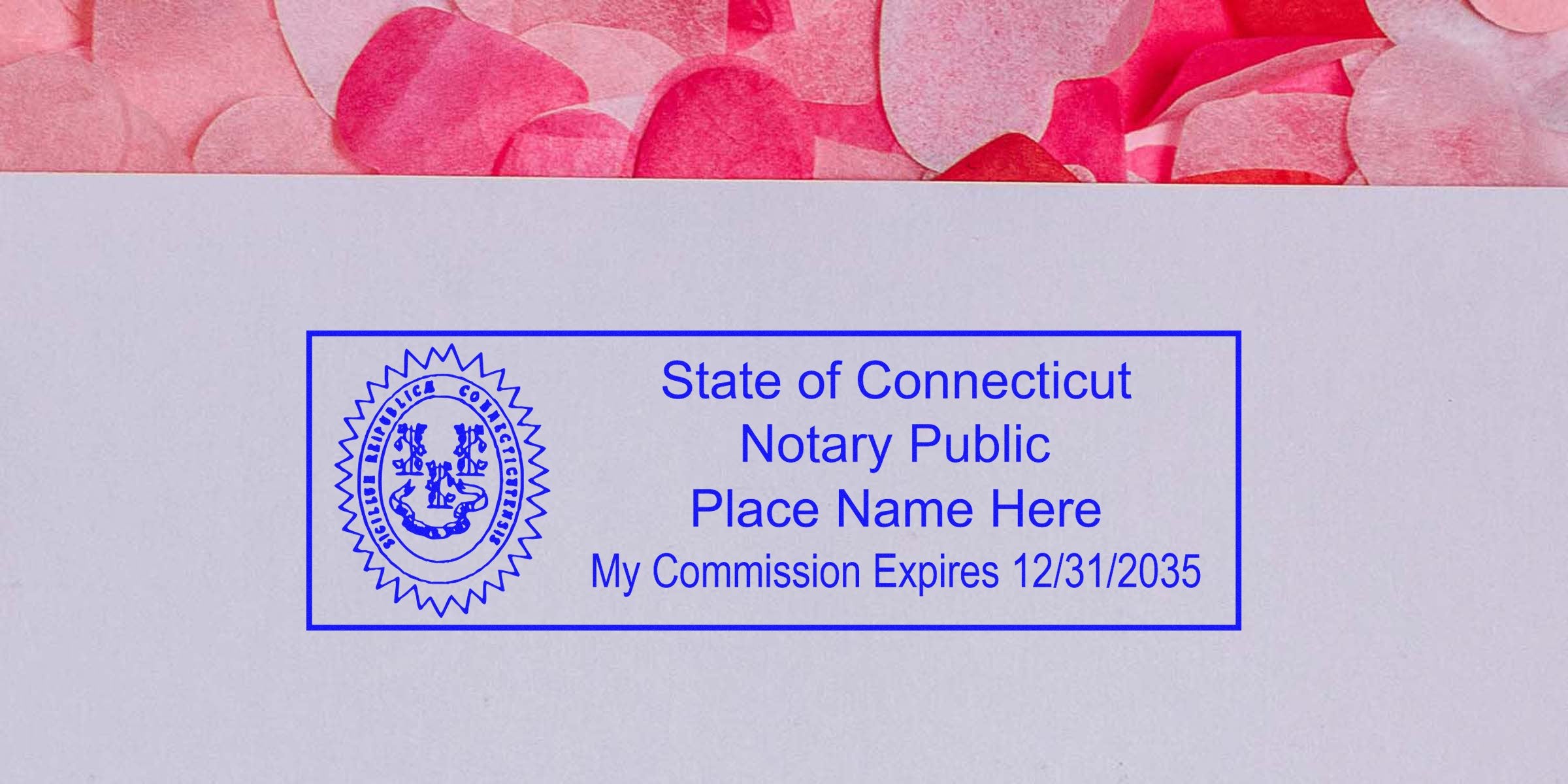
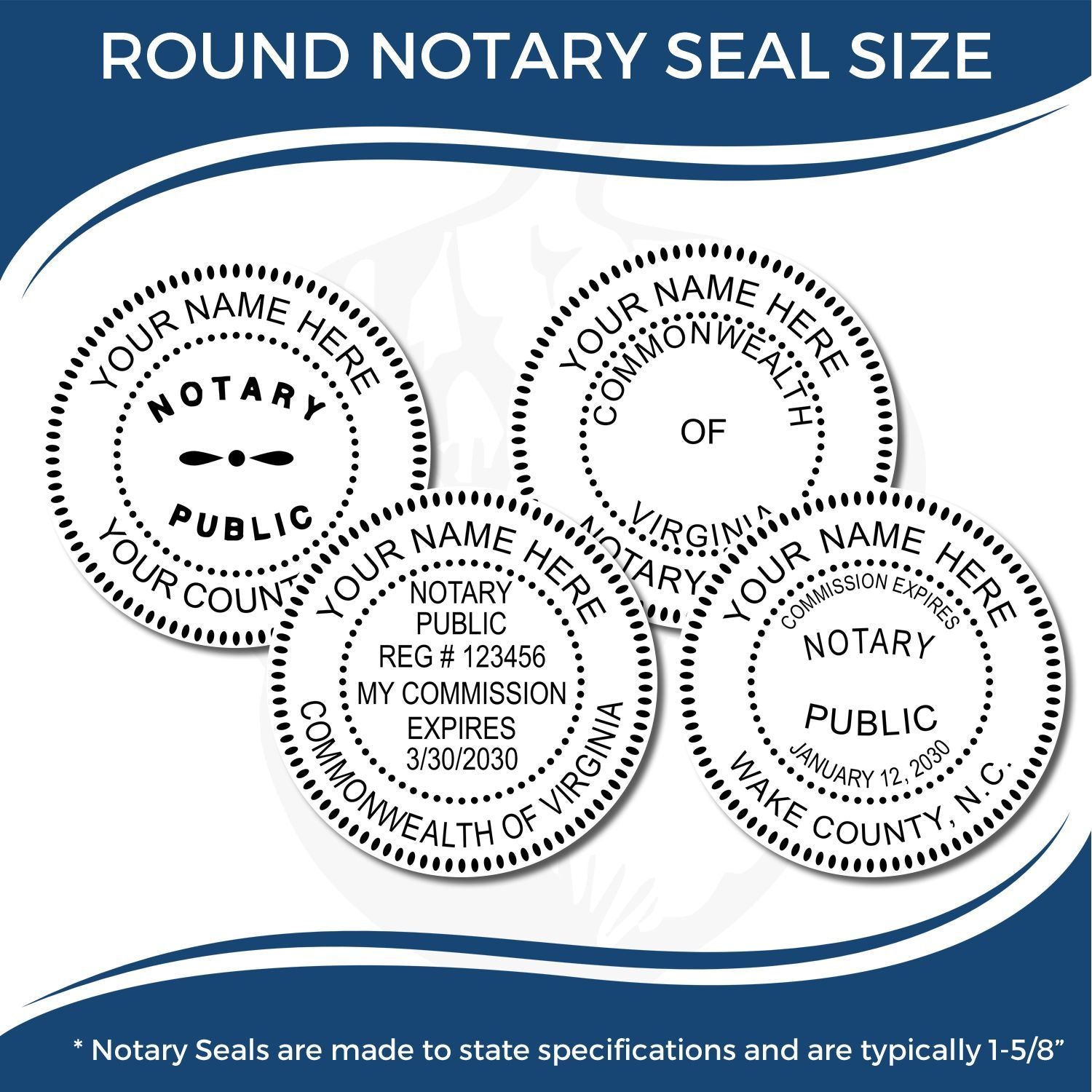
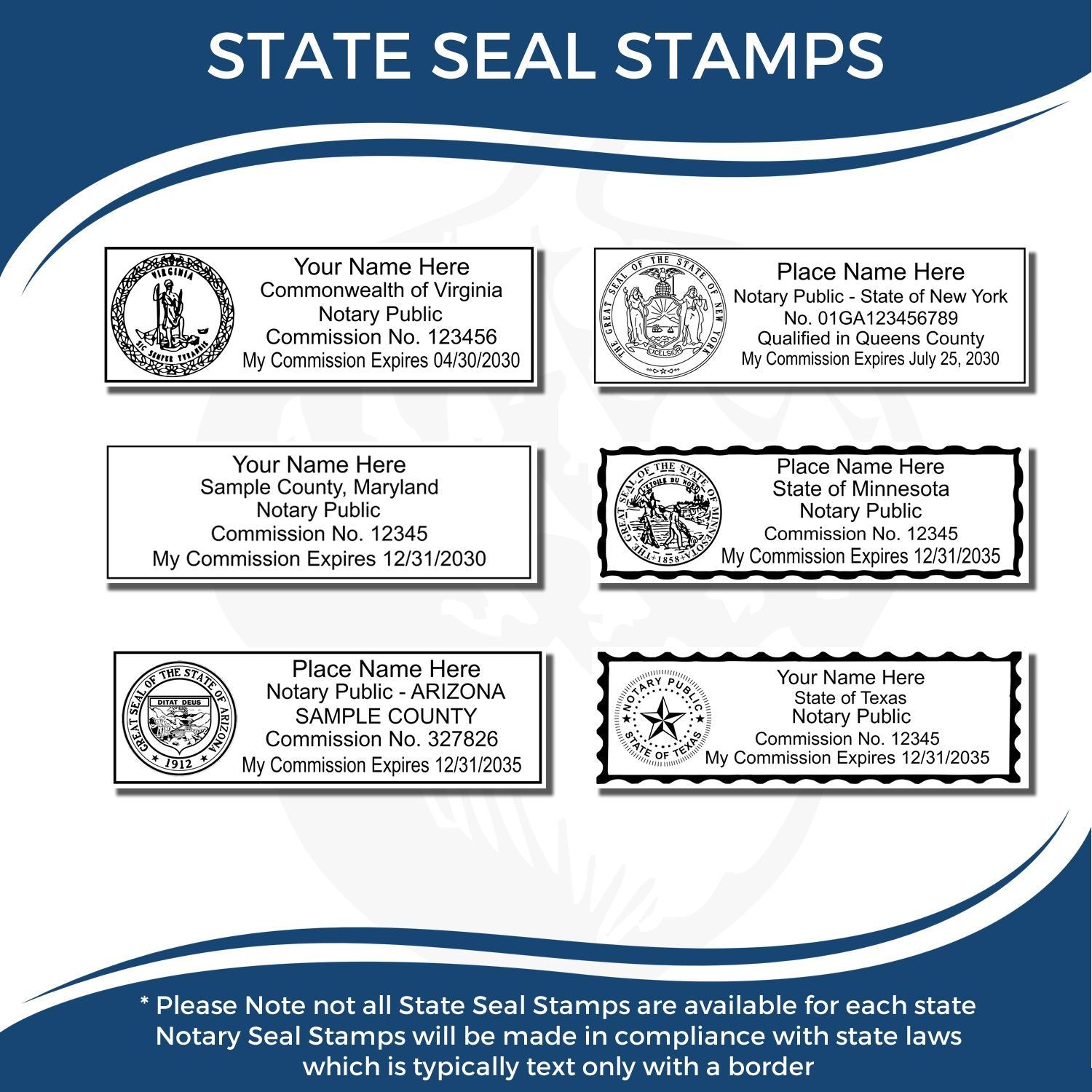
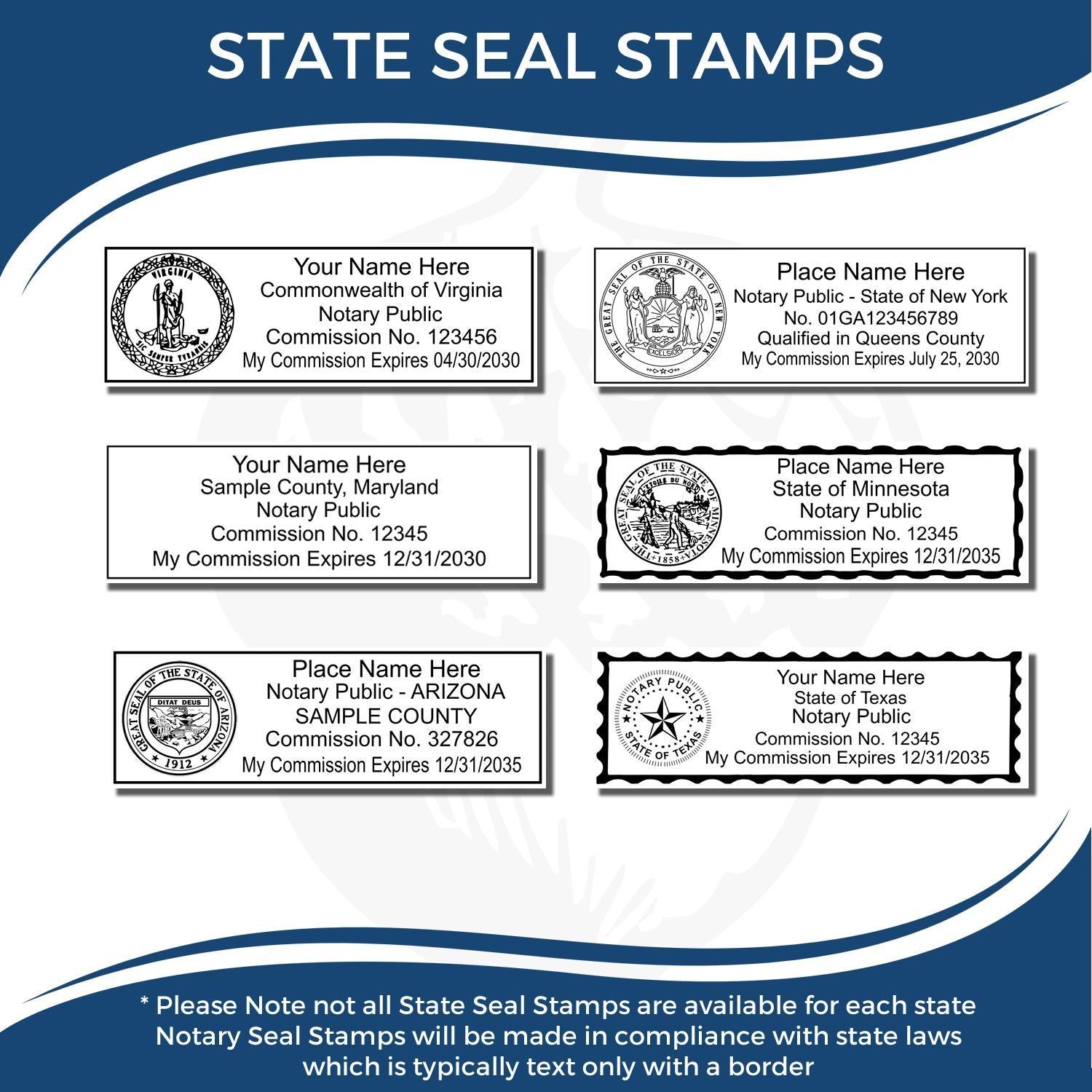
Connecticut is one of very few states in the Union that does not require a notary public to have a stamp or embosser among their Connecticut notary supplies. Nonetheless, most notaries use one. State law does say that if the person uses one that it must be circular in shape. If used, it must say the notary public’s name, the words “notary public” and the name of the state.
Frequently Asked Questions
What is the history of Connecticut notaries and why does it matter today?
Connecticut notaries have a long history dating back to 1639, when Thomas Fugill became the first notary public in the American colonies. The role evolved from recording important information in colonial and church settings to handling oaths, acknowledgments, and depositions. This history matters because it shows how notary law and Connecticut notary supplies have shaped public trust for centuries.
What notary supplies are commonly used by Connecticut notaries today?
Most Connecticut notaries use a circular notary stamp or embosser, a notary journal, and proper recordkeeping tools. Even though Connecticut does not require a stamp or embosser, many notaries still use one for professionalism and convenience. These Connecticut notary supplies help support accurate, recognizable, and compliant notarizations.
Does Connecticut require a notary stamp or embosser?
No, Connecticut does not require a notary public to have a stamp or embosser. However, if a notary chooses to use one, it must be circular and include the notary’s name, the words “notary public,” and the name of the state. Many notaries still buy Connecticut notary supplies like stamps and embossers to make notarizations faster and more consistent.
What duties were Connecticut notaries historically responsible for?
Historically, Connecticut notaries were responsible for administering oaths, taking depositions, and acknowledging deeds. These are still the core duties of a Connecticut notary public today. The same Connecticut notary supplies used in the past helped verify important acts and protect the integrity of official documents.
How do you become a notary public in Connecticut today?
To become a Connecticut notary public, an applicant must take and pass a state exam and submit a handwritten statement of intent. Connecticut remains one of the few states with this handwritten requirement. Once commissioned, a notary may choose to purchase Connecticut notary supplies such as a stamp, embosser, or journal to help perform duties efficiently.
Why are Connecticut notary supplies important for modern notarizations?
Connecticut notary supplies are important because they help notaries complete official acts accurately, consistently, and professionally. Whether using a stamp, embosser, or other tools, these supplies support the integrity of acknowledgments, oaths, and depositions. For many customers, having the right Connecticut notary supplies also makes notarization smoother and easier to verify.








