
Know the Purpose
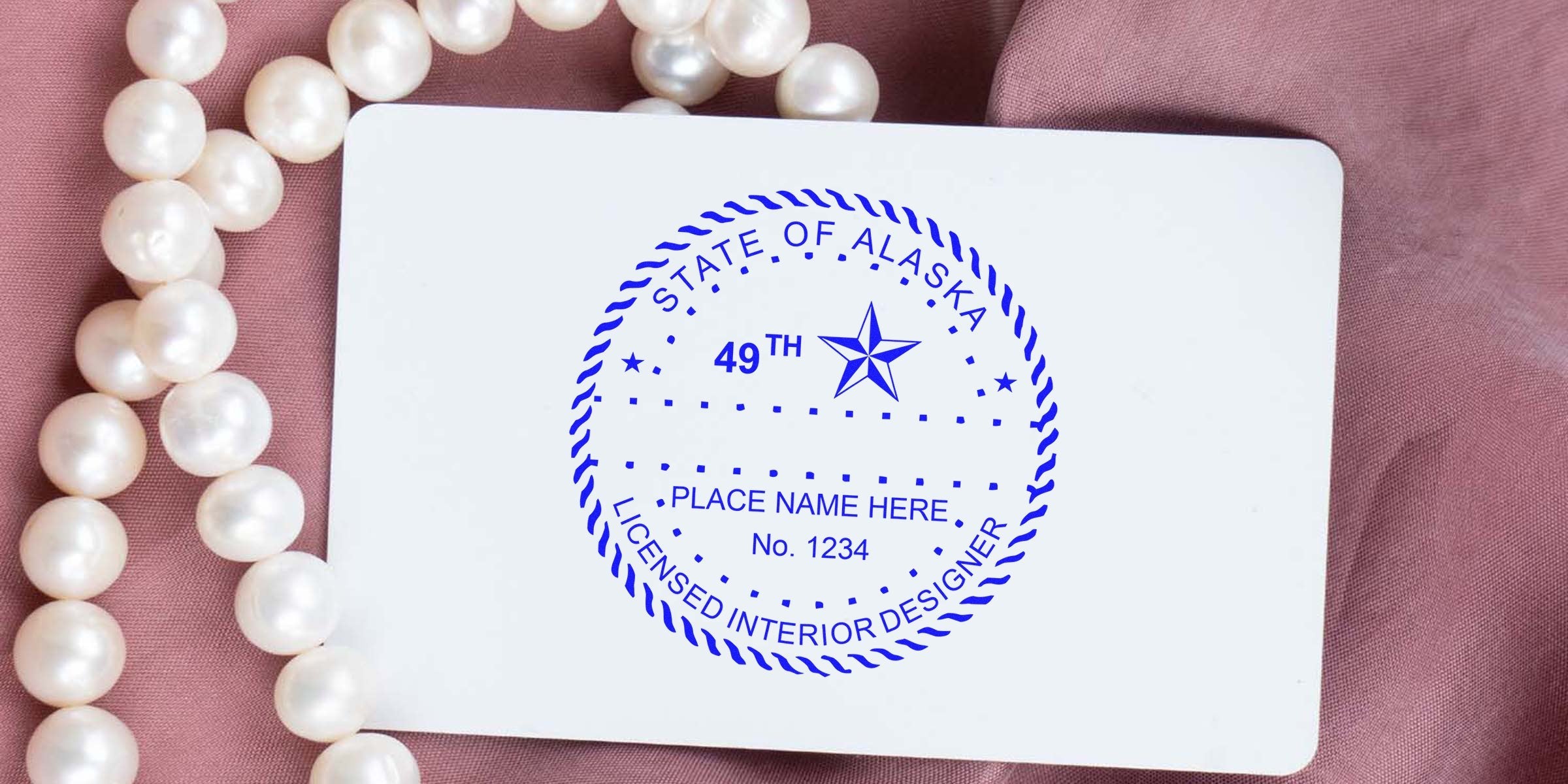
Choosing the right Alaska State Interior Designer Stamp can feel a bit like choosing the perfect tool for a job that hinges on every detail. You’re committed to creating gorgeous, code-compliant spaces, but you also want to ensure all paperwork meets Alaska’s official requirements. The state’s regulatory guidelines—particularly for accreditation and project submissions—mean you’ll need a properly formatted stamp to confirm your qualifications. If you’ve ever paused and thought, “Do I really need a specialized stamp just for Alaska?” the short answer is yes. That stamp isn’t just a formality, it’s a credential marker that verifies your standing as an interior design professional in the state.
The Role of a Professional Stamp
The first thing to know is that your Alaska State Interior Designer Stamp serves as a professional seal of approval, one that indicates you have the necessary credentials recognized by the state. In many cases, sealed documents can stand as part of your official project file, confirming that you’re taking full responsibility for design integrity and code compliance. Without this stamp on specific documents, permits could be delayed or even denied, leaving you juggling unfinished tasks when you’d rather be moving forward with your next exciting project.
Why Alaska Has Specific Requirements
You may wonder, “What makes Alaska so unique when it comes to interior designer seals?” Alaska’s vast geography and varied climates bring an extra layer of scrutiny to anything that influences built environments. There’s a focus on structural soundness, material quality, and occupant safety. Because of these factors, state authorities require a clearly identifiable stamp for interior designers, ensuring that each project’s drawings and documents meet rigorous local standards.
Follow the Regulations
Understanding what local regulations demand is crucial before buying or using a stamp. Alaska typically outlines specific details for how a stamp or seal must look, including the size, wording, and arrangement. It’s not uncommon for these guidelines to evolve over time, so keeping an eye on updates is wise. After all, you don’t want to invest in a stamp that becomes outdated as soon as new rules roll out.
Checking Updated Guidelines
The Alaska Boards overseeing design and construction professions often post any new regulations on their official website. While reviewing these documents can feel like digging into a novel of dense text, focusing on the stamp- or seal-specific sections makes everything more manageable. If the official language is confusing, many professionals and suppliers—like Acorn Sales—can point you to resources that clarify exactly how your stamp should look.
Formatting Details to Remember
- Check size requirements, which often include a specific diameter for round stamps or precise width and height for rectangular versions.
- Look for mandated text, such as your professional title and license number, spelled out exactly how Alaska wants it.
- Confirm that your official signature or name fits correctly, so it’s easy to read and not cramped.
Pick the Right Type
Now that you get the importance of compliance, let’s talk about what kind of stamp might work for your needs. Not all stamps are created equally, and you want something that can handle repeated use, produce crisp imprints, and streamline your workflow.
Pre-Inked vs. Self-Inking
Both pre-inked and self-inking stamps can save you from fumbling with a separate ink pad. The main difference lies in performance and price.
- Pre-Inked: These use oil-based ink, often delivering sharper impressions. They typically last longer between re-inking but can be pricier upfront.
- Self-Inking: This style generally uses water-based ink. While impressions can be slightly lighter, self-inking options typically cost less and come in a broader range of designs.
The Classic Embosser
If you prefer a raised, tactile seal for documents like formal contracts or clients’ design portfolios, an embosser is probably your pick. Embossed imprints look professional and resist tampering—nobody can easily photocopy the raised seal. However, bear in mind that embossers can be a bit bulky and may not always meet digital requirements. If your work often moves between physical and electronic formats, consider both a stamp and an embosser.
Electronic Stamps
In today’s digital-friendly age, electronic stamps or seals are becoming standard. Purchasing from a reputable supplier can get you a free electronic version in addition to your physical stamp. That’s a huge help when sending design drawings via email or uploading them to a client portal. Electronic stamps mirror traditional stamps in appearance, but they streamline the process for digital submissions—super handy if you’re working with remote clients or simply prefer to cut down on printing costs.
Consider Supplier Reputation
While it’s tempting to search online and click on the cheapest option, the consequences of a subpar stamp can cost you more in the long run (both in money and lost time). Supplier reputation matters, especially for professional stamps that need to meet official regulations.
Why Acorn Sales?
At Acorn Sales, we’ve spent more than 60 years perfecting the art of creating stamps and seals that match each state’s specific requirements. We also feature a trusted Alaska Interior Designer Stamp that aligns with current guidelines. Our customers love the reliability of crisp, consistent impressions, plus the added bonus of a free electronic stamp for digital workflows. It’s not just about stamping documents, but giving you peace of mind that your seal meets industry standards and stands up under scrutiny.
Look for Quality Guarantees
Reputable companies often back their stamps with guarantees—whether that’s a satisfaction promise, a refill policy, or quick turnaround times if your stamp is damaged. You’ll also want to verify whether they offer expert consultation to ensure your design meets Alaska’s specifications precisely. A well-crafted stamp might look and feel sturdy, but it should also strictly follow the mandated layout. The right supplier verifies that compliance for you, so you don’t have to chase after every detail on your own.
Apply and Maintain Properly
Securing your Alaska State Interior Designer Stamp is only half the battle. Once you have it, you’ll want to keep it in top shape. Stamps require a little love, like occasional re-inking, to maintain sharp impressions. Meanwhile, an embosser should be stored carefully to prevent bent plates or misalignment that can compromise those crisp raised seals.
Make the Most of Your Tools
Any professional tool deserves respect, and that goes double for devices used to produce legally recognized seals:
- Use Smooth, Flat Surfaces: An uneven tabletop can lead to incomplete imprints.
- Apply Steady Pressure: Quick, light presses might blur the stamp, so aim for a firm, consistent hand.
- Test Before Important Documents: Always imprint on a scrap sheet first, just to be sure the stamp works correctly.
Extending the Lifespan
- Clean Up Ink Residue: Gently wipe the stamping surface to avoid smudges.
- Store in a Protective Case: Keeping your stamp or embosser in a small box or pouch helps prevent intake of dust.
- Re-Ink as Needed: Watch for fading edges or partial impressions, which indicate it’s time to top up the ink reservoir.
Summarize Key Takeaways
With so many details, it’s easy to feel overwhelmed. That’s why it helps to break down the process into simple steps:
- Always confirm your stamp matches Alaska’s current regulations, from size and layout to text formatting.
- Decide on the style (pre-inked, self-inking, or embosser) that best fits your workflow.
- Choose a reputable supplier, such as Acorn Sales, that offers not only a durable physical stamp but also a free electronic version.
- Take good care of your stamp or embosser by storing, cleaning, and re-inking properly when needed.
- Stay updated on any changes in Alaska’s professional requirements, so your documentation remains valid and official.
Once you’ve got the right stamp and you’re following standard protocols, you’re free to focus on what you love—crafting incredible interiors that bring clients’ visions to life. The time you spend getting the perfect Alaska State Interior Designer Stamp will pay off in smoother project approvals, bolstered client confidence, and a compliance record that speaks volumes about your expertise.
Remember, investing in a quality Alaska State Interior Designer Stamp is much more than just a regulatory box you have to check. It’s a reflection of your professionalism, readiness, and commitment to quality design. With the right supplier and a little routine maintenance, that single piece of equipment can keep your projects rolling smoothly from concept to final approval. Happy stamping!
Frequently Asked Questions
Do I Need Both a Stamp and a Seal (Embosser)?
That depends on your personal preference and whether you regularly submit paper or electronic documents. Many interior designers like having both, especially for formal presentations—others will lean on a digital stamp for speed.
How Often Do I Need to Replace the Ink?
It varies with usage. If you seal documents daily, you might re-ink monthly or quarterly. Watch for faded edges or patchy impressions and refill as soon as you notice changes in print clarity.
Are Electronic Stamps Accepted by All Clients?
Digital acceptance depends on the agency or client. If you’re working with strictly paper-based submissions, you’ll definitely need a physical imprint. But many government bodies and private clients accept electronic files these days, which makes free electronic stamps helpful.
What Happens If the Alaska Requirements Change?
Reputable suppliers like Acorn Sales can help you stay informed. If there’s a major update, you may need a revised stamp that meets those fresh guidelines. Check regularly with state boards or your chosen vendor to ensure you’re always current.
How Can I Order a Replacement Quickly If Mine Breaks?
When you order through an experienced supplier such as Acorn Sales, you can often get a replacement in just a few days. Keep your design file handy, and you’ll have a new stamp or embosser shipped before you know it.








