

If you need an interior designer seal embosser Rhode Island professionals can depend on, you might feel a bit overwhelmed by the options. After all, accuracy and professionalism matter in every project you stamp. Luckily, understanding what to look for in your embosser is easier than you think. In this article, you’ll learn why your seal is important, what Rhode Island regulations require, and how to choose an embosser that works perfectly for your needs. Let’s walk through each step so you can confidently finalize your search.
Understand Why It Matters
As an interior designer, your seal embosser is more than a simple tool. It represents your professional identity, confirms compliance with local regulations, and assures clients of your credentials. Think of it like a personal signature that verifies you have the authority and expertise to design spaces in Rhode Island. Especially in fields where regulations can change over time, having a compliant and high-quality embosser supports your credibility.
A good seal embosser also speeds up your workflow. Instead of constantly verifying qualifications or worrying about where to sign, you can simply press your seal and move on. This efficient step reduces red tape and helps maintain consistency across your project documents. On final plans and on official documents for review, a clear, sharp imprint signals that you adhere to the highest professional standards.
Get Familiar With Rhode Island Requirements
Before you rush to buy your embosser, it’s important to know the specific regulations for interior designers in Rhode Island. While the state rules can sometimes be confusing, here are a few key items to keep in mind:
- Rhode Island typically requires that licensed interior designers use a seal that meets a specific layout and text format.
- The design often must include your name, license number, and the phrase “Licensed Interior Designer” or an equivalent label. That way, clients, contractors, and regulatory bodies immediately recognize your authority.
- The state may specify a particular diameter for the seal or require legibility standards (sharpness, no distortion, etc.). Double-check the exact stamp or seal guidelines so you don’t end up with a design that doesn’t fulfill local criteria.
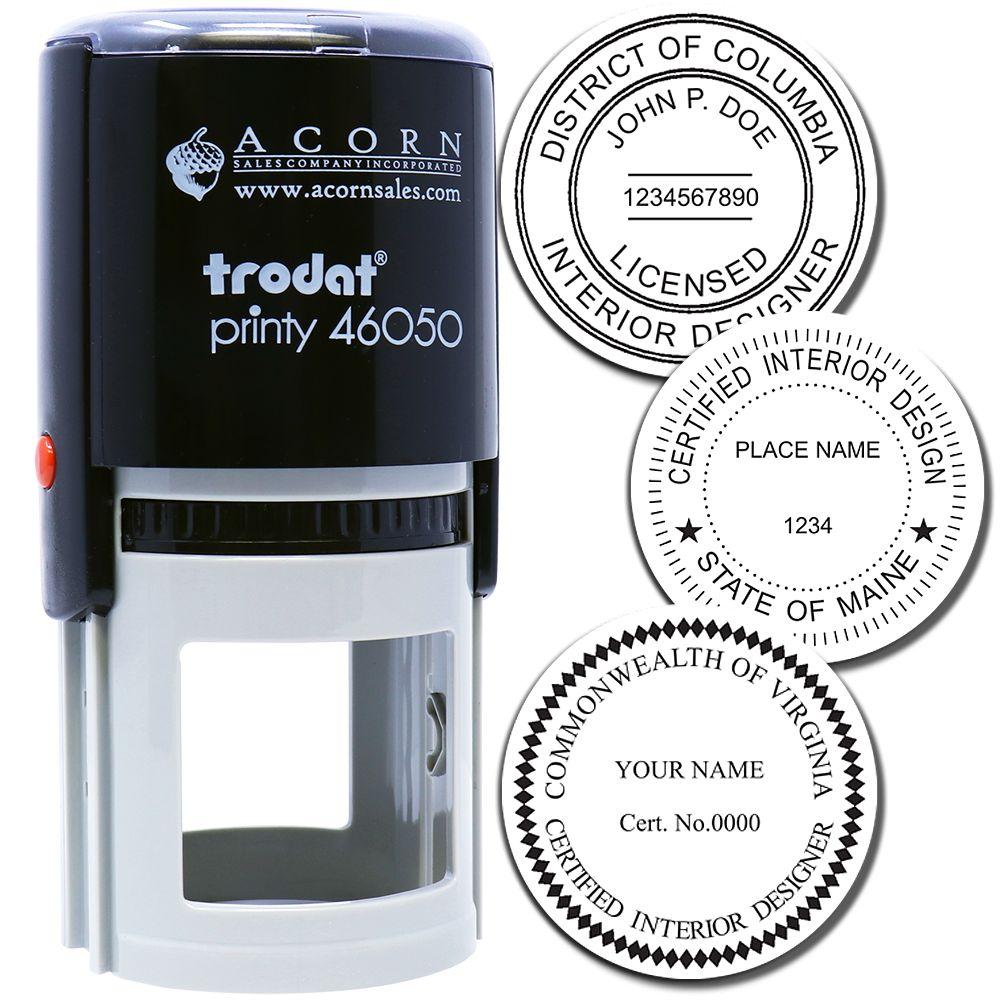
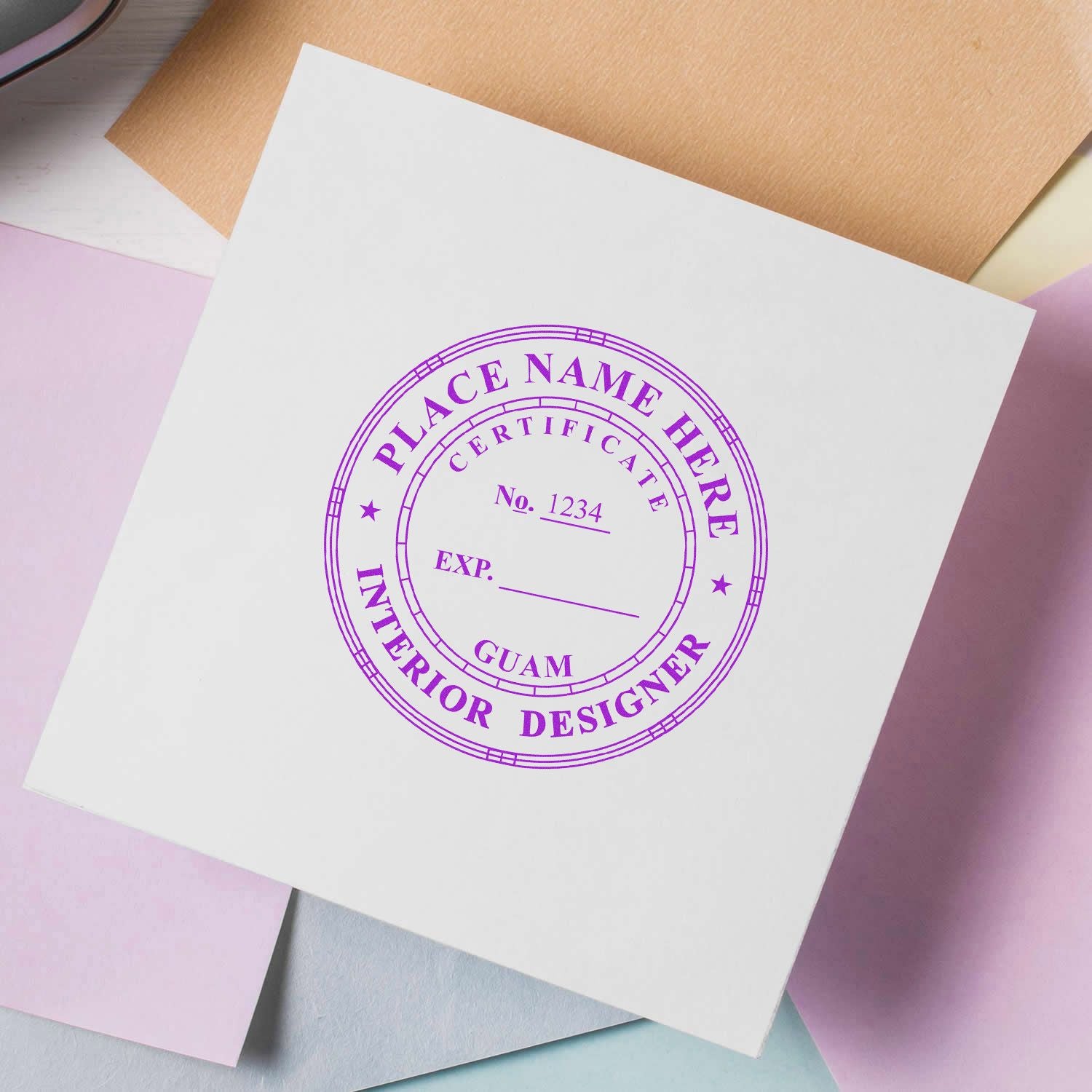
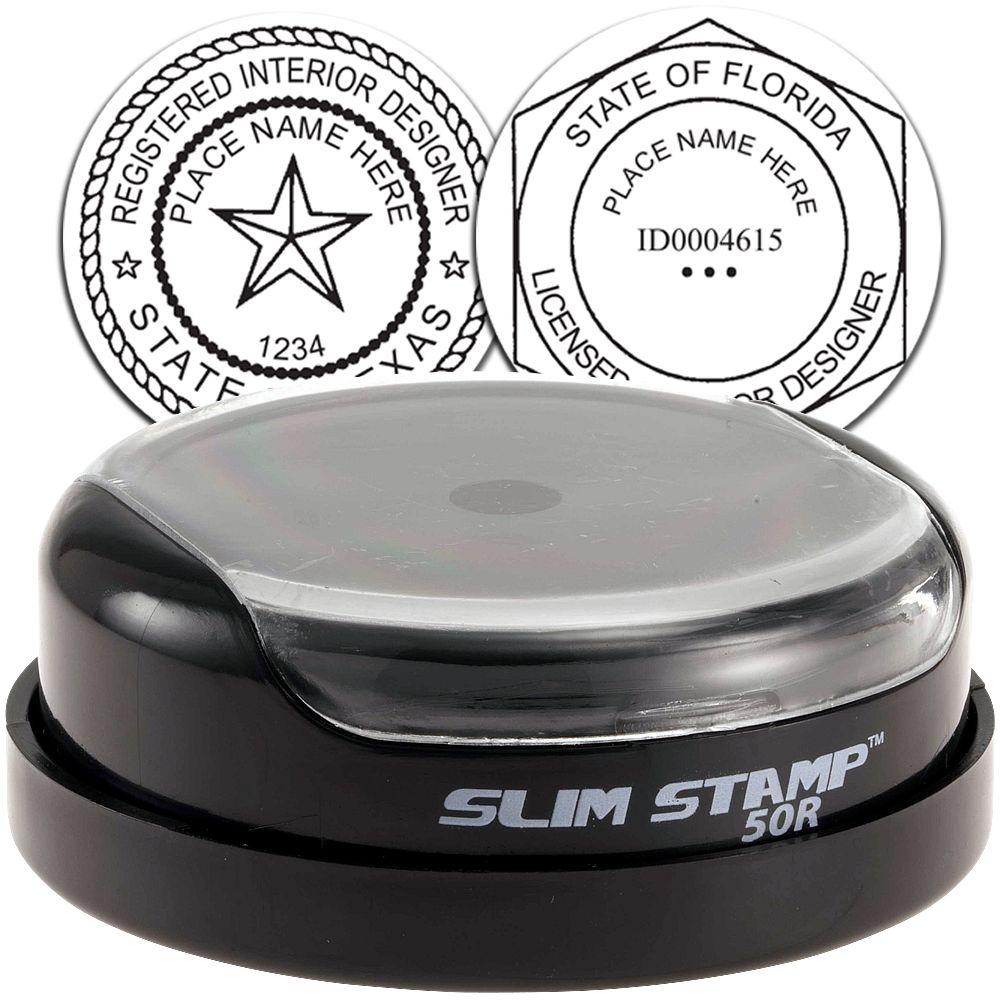
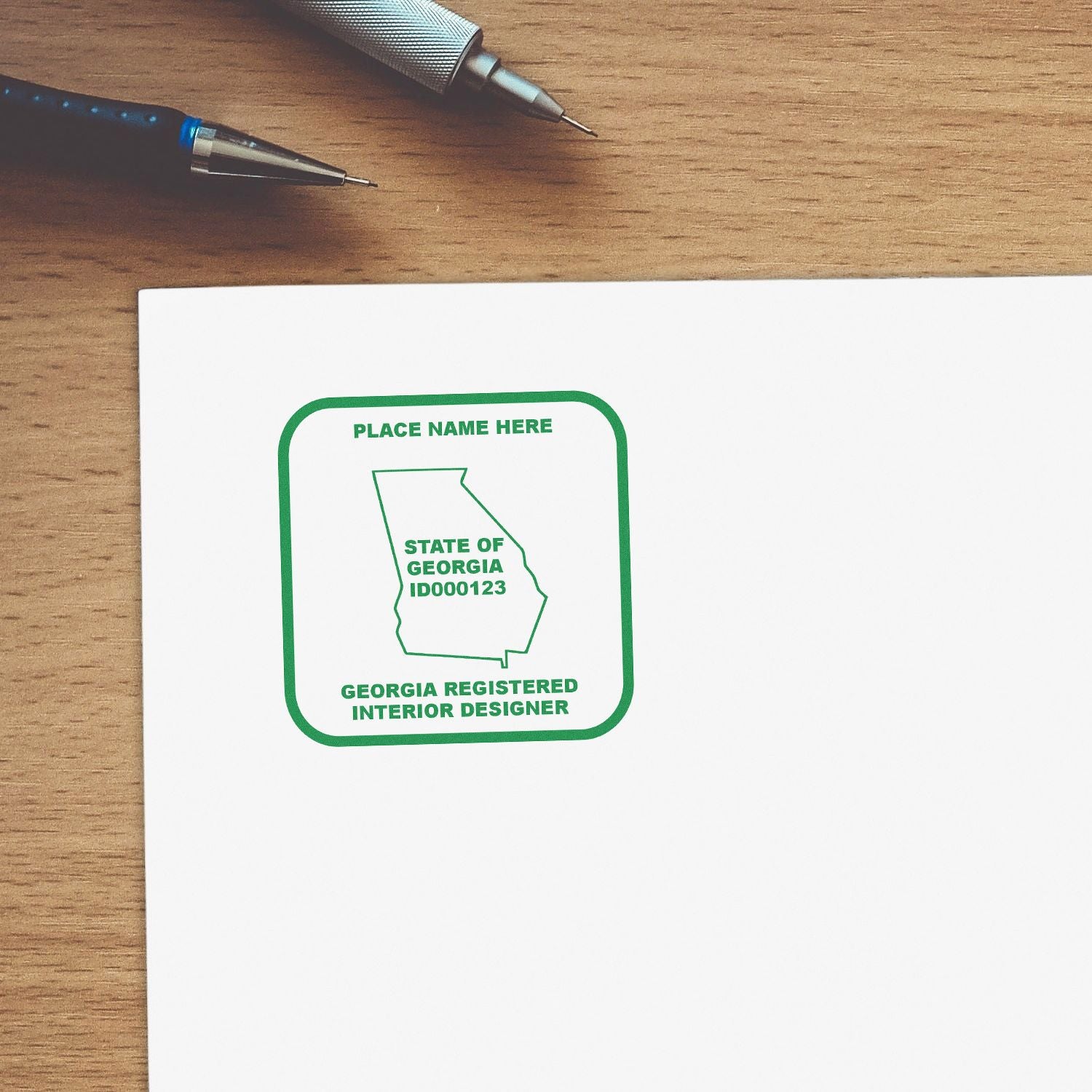
If you want to see more about Rhode Island’s requirements in one place, you can check out the Rhode Island Interior Designer Stamp resource. It’s a helpful starting point to understand the nuances of the text, size, and overall look your seal should have. Staying compliant doesn’t just help you avoid penalties, it also reassures your clients that they’re working with a professional who values the rules.



Consider Embosser Styles
So, how do you pick the right embosser style? The decision usually comes down to your personal preference and the type of documents you frequently handle. Generally, there are two broad categories of embossers:
-
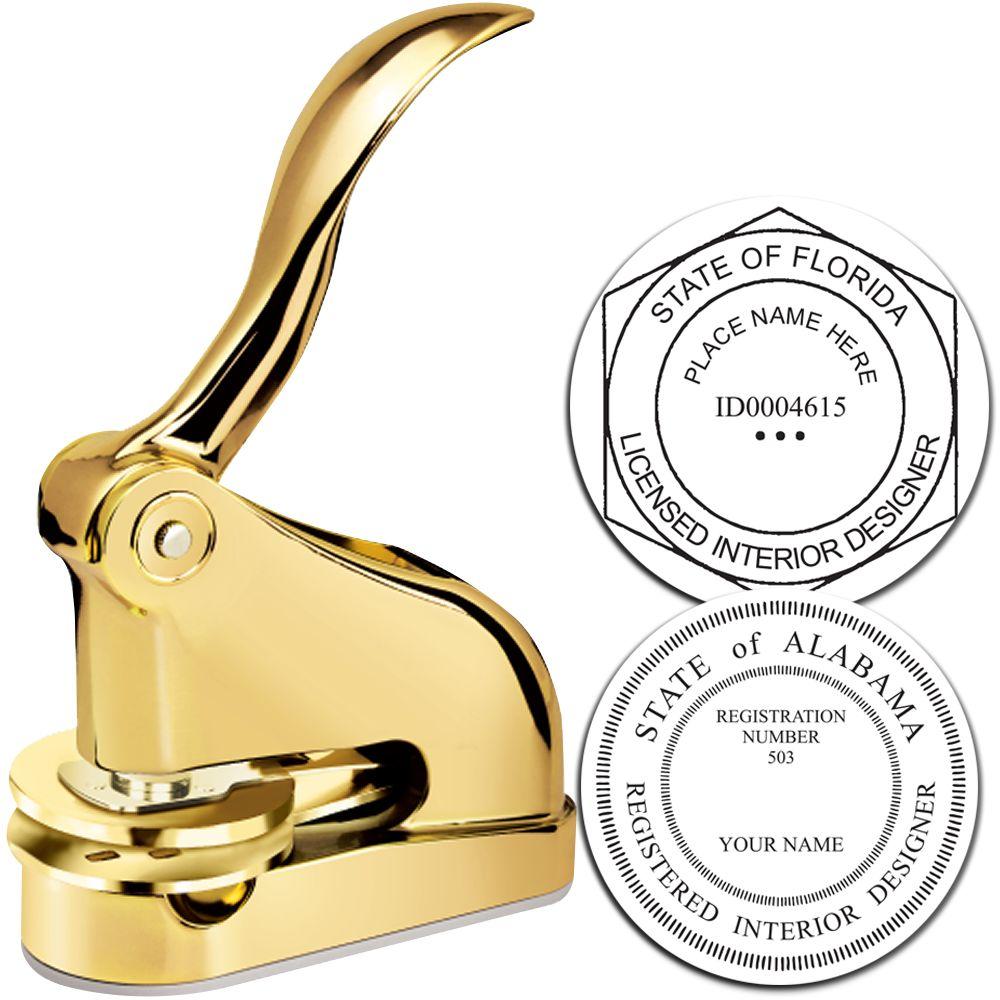
Handheld Embosser
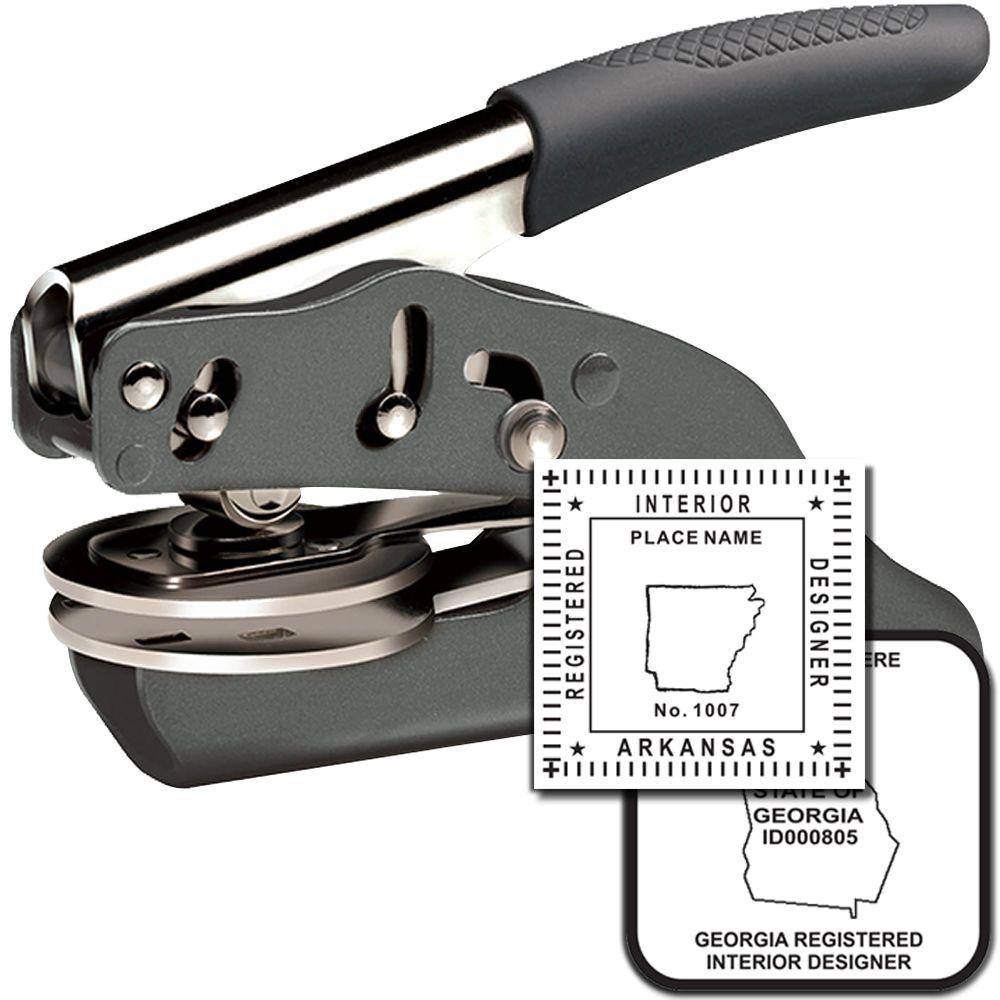
A handheld embosser is compact and easy to carry around. If you frequently visit clients or work from multiple locations, this can be a huge plus. You’ll also find that handheld models are often simpler to store. However, keep in mind that they require slightly more manual pressure, especially if you’re stamping a large stack of papers. -
Desktop Embosser
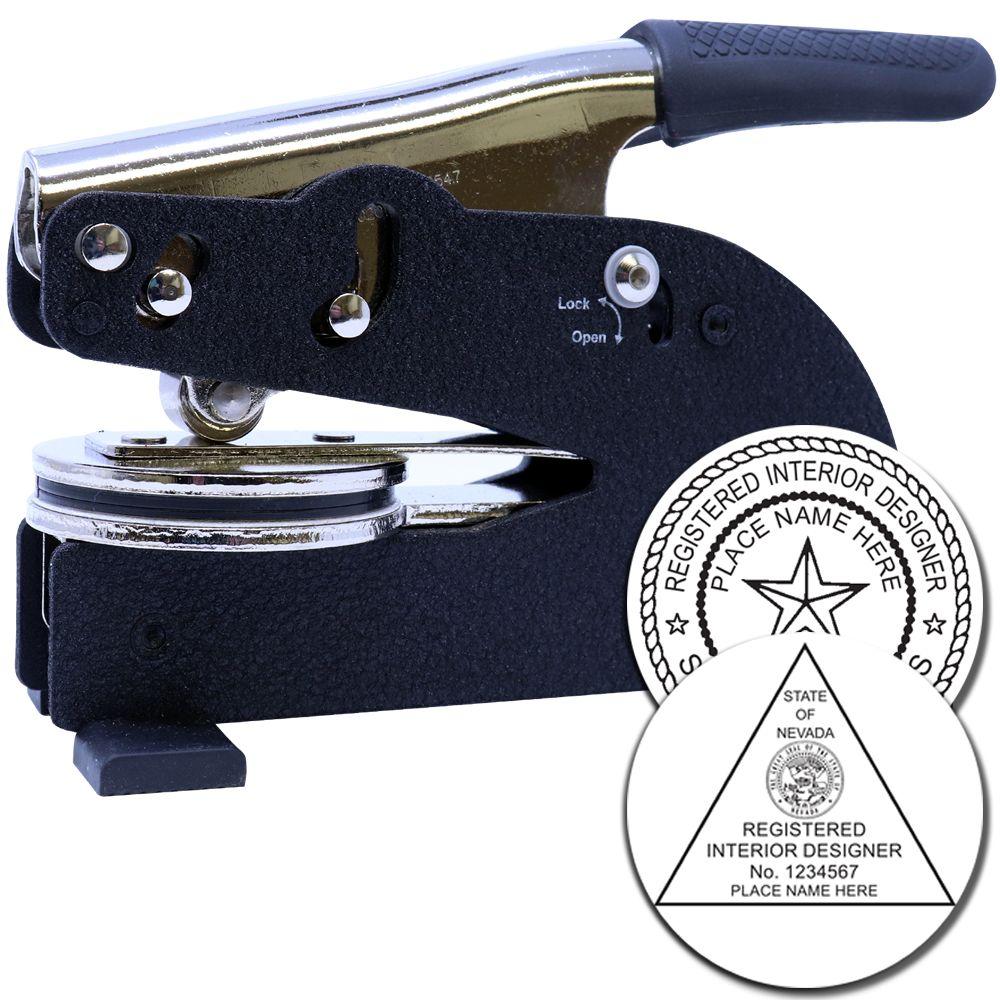
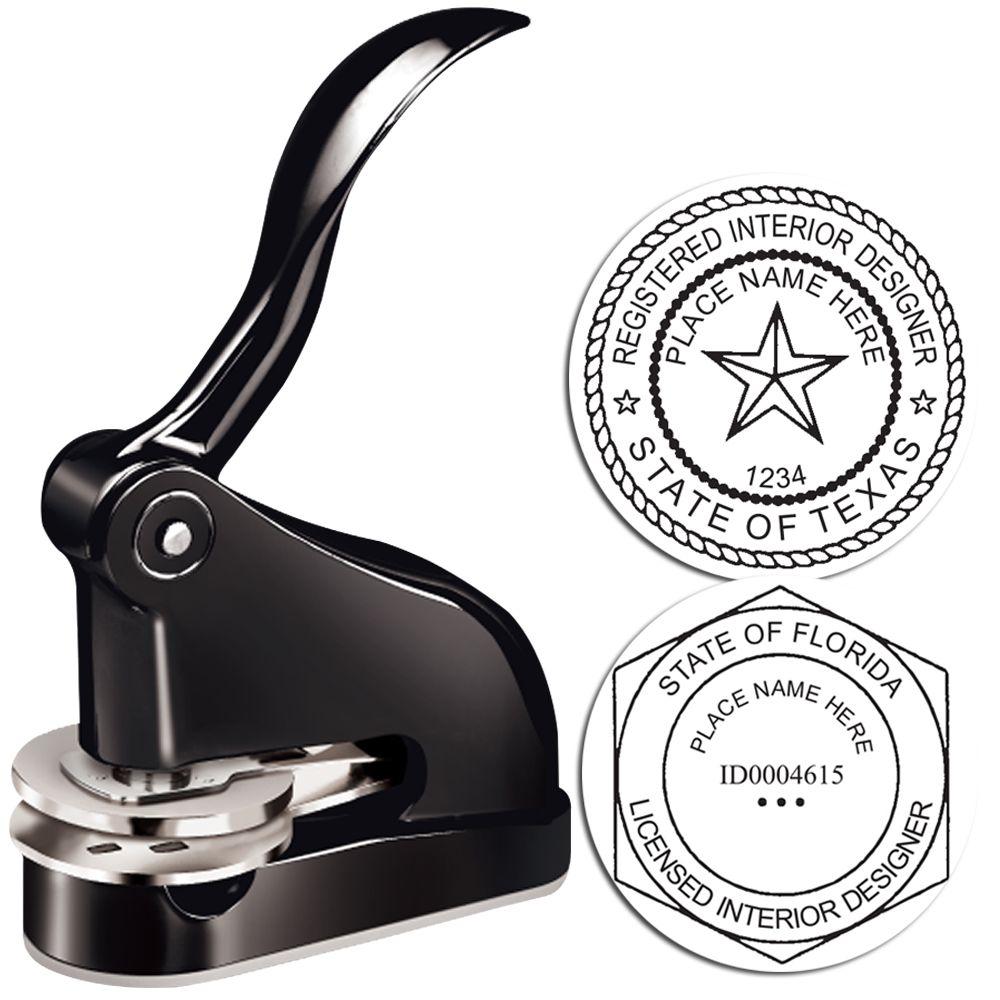
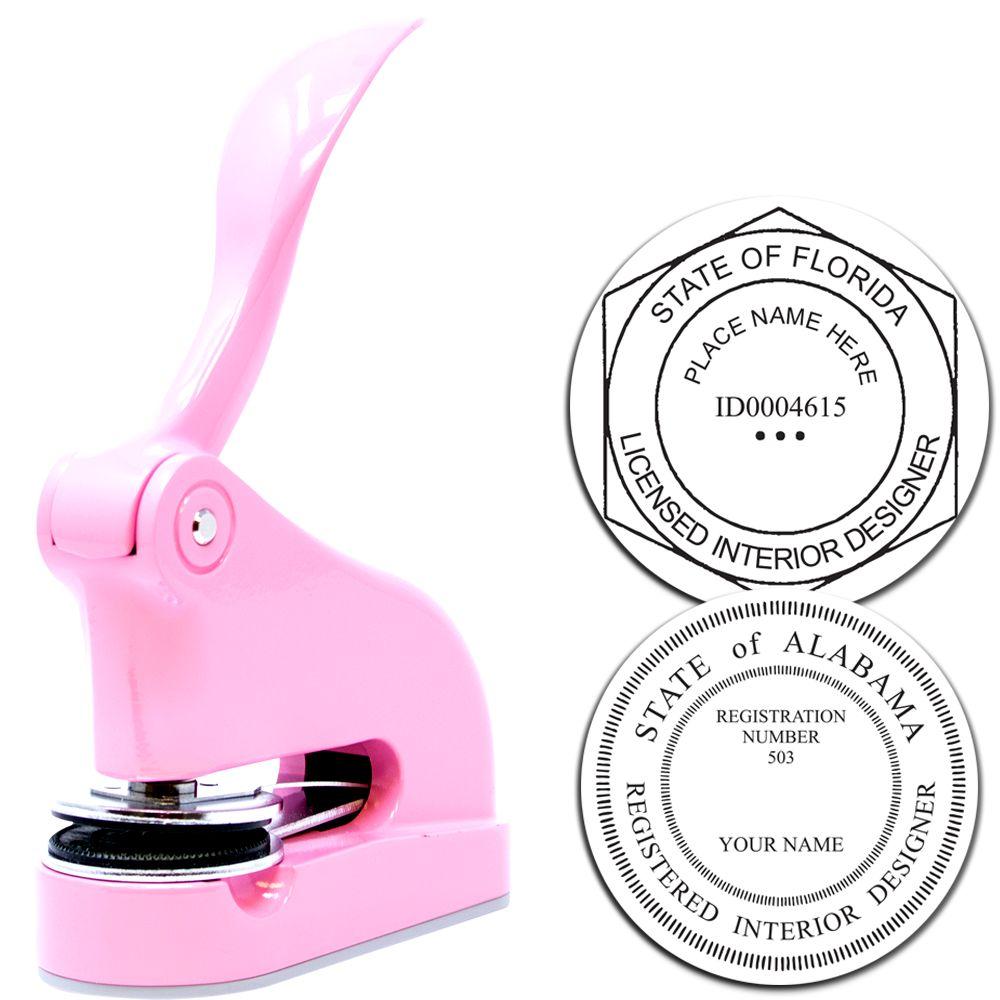
A desktop embosser is sturdier, typically offering a deeper and more consistent impression. It suits an office setting where you might stamp numerous documents in one sitting. The added use makes it easier on your hands as well.
Neither style is objectively better, but one is likely to fit your routine more smoothly. If you’re the on-the-go type, a lightweight, handheld model is probably your best bet. If you stamp documents at your desk all day, a stronger desktop model might save you some effort in the long run.



Consider Depth And Mechanism
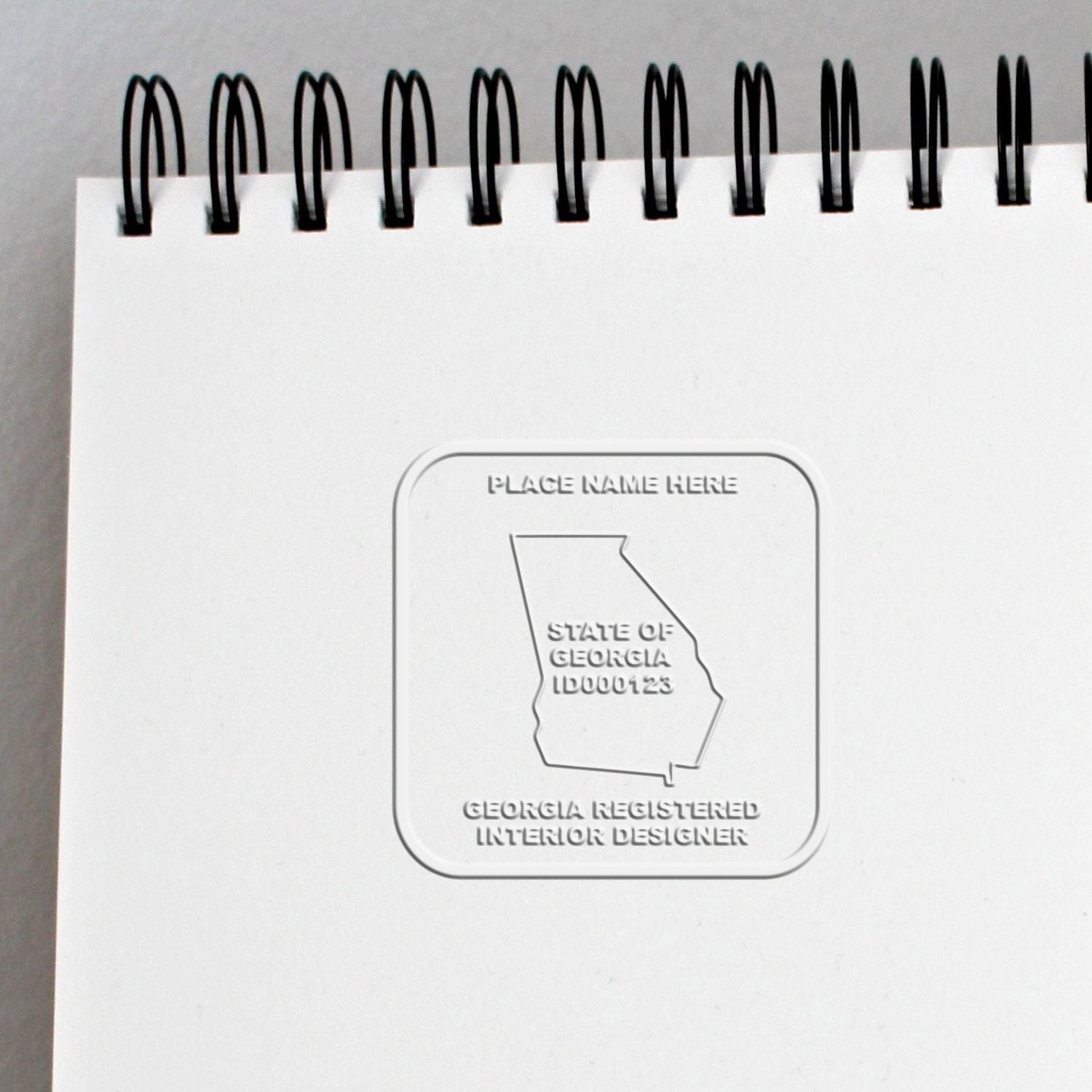
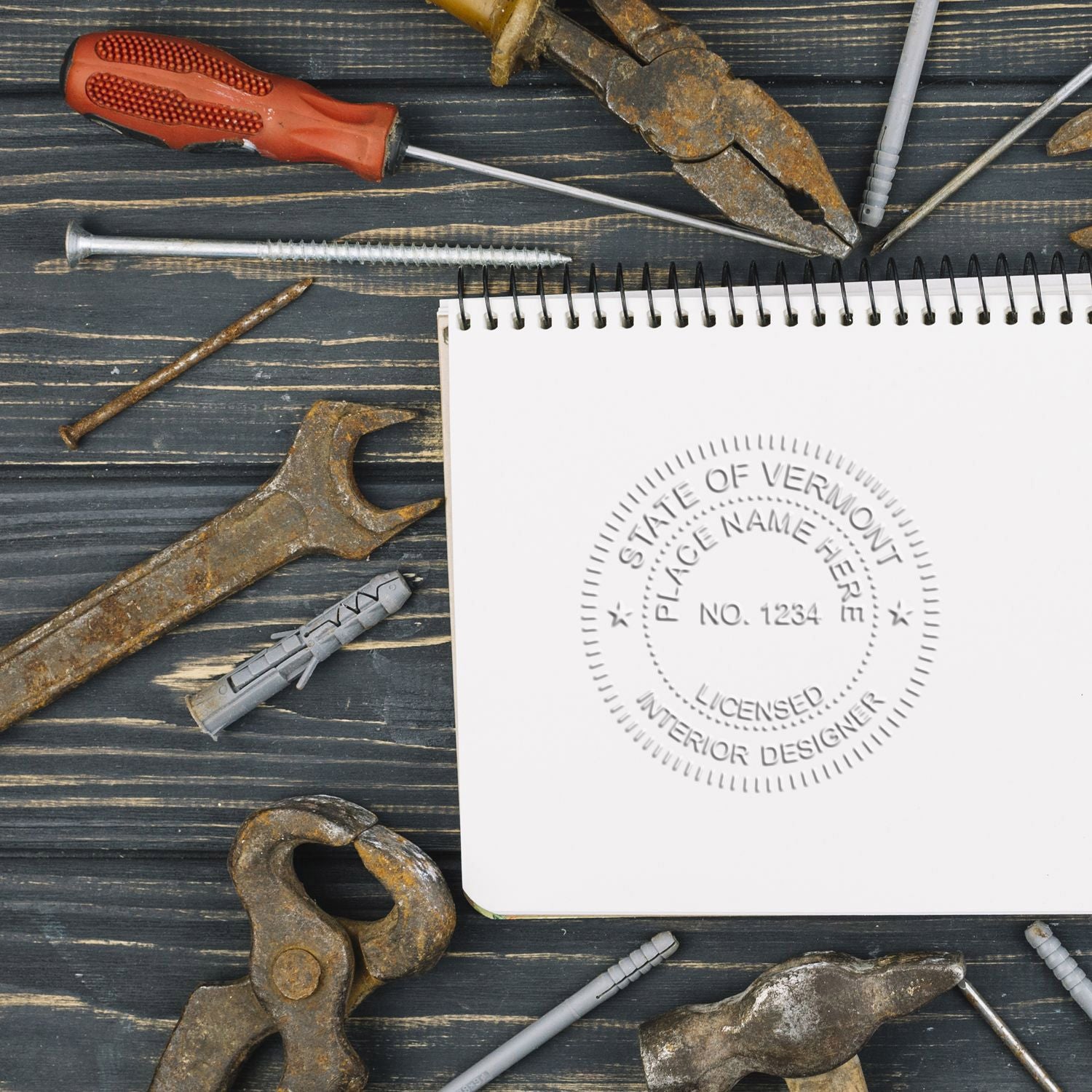
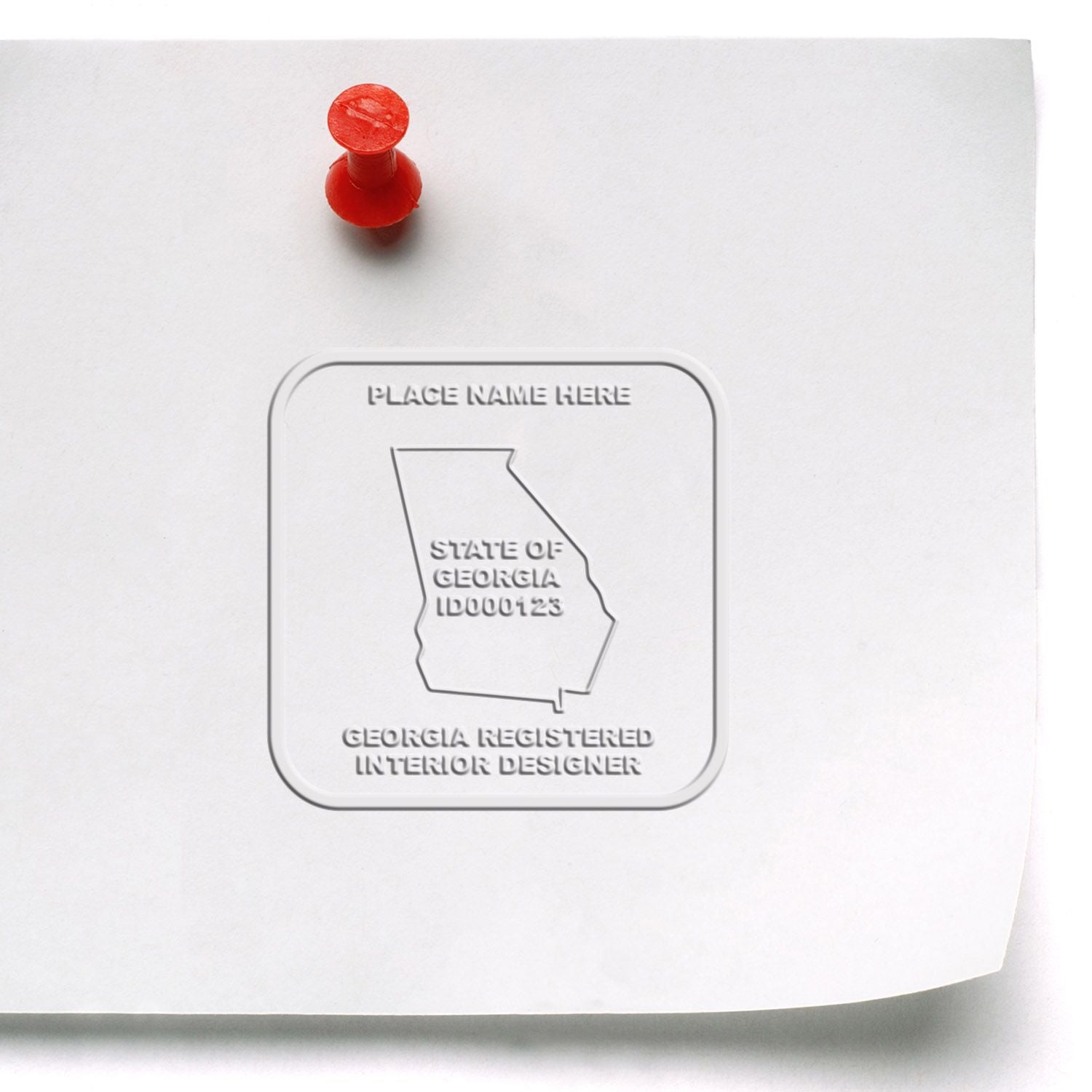
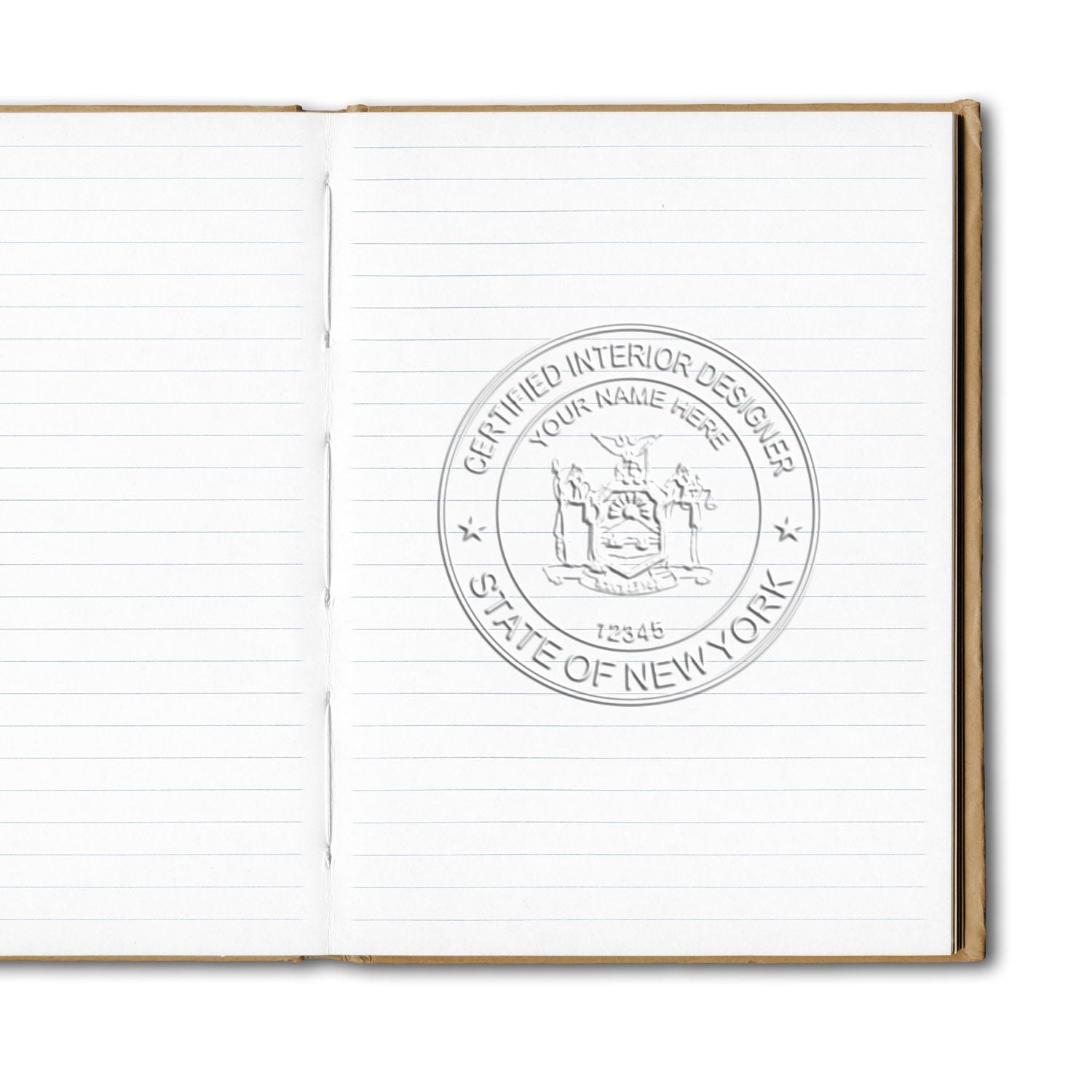
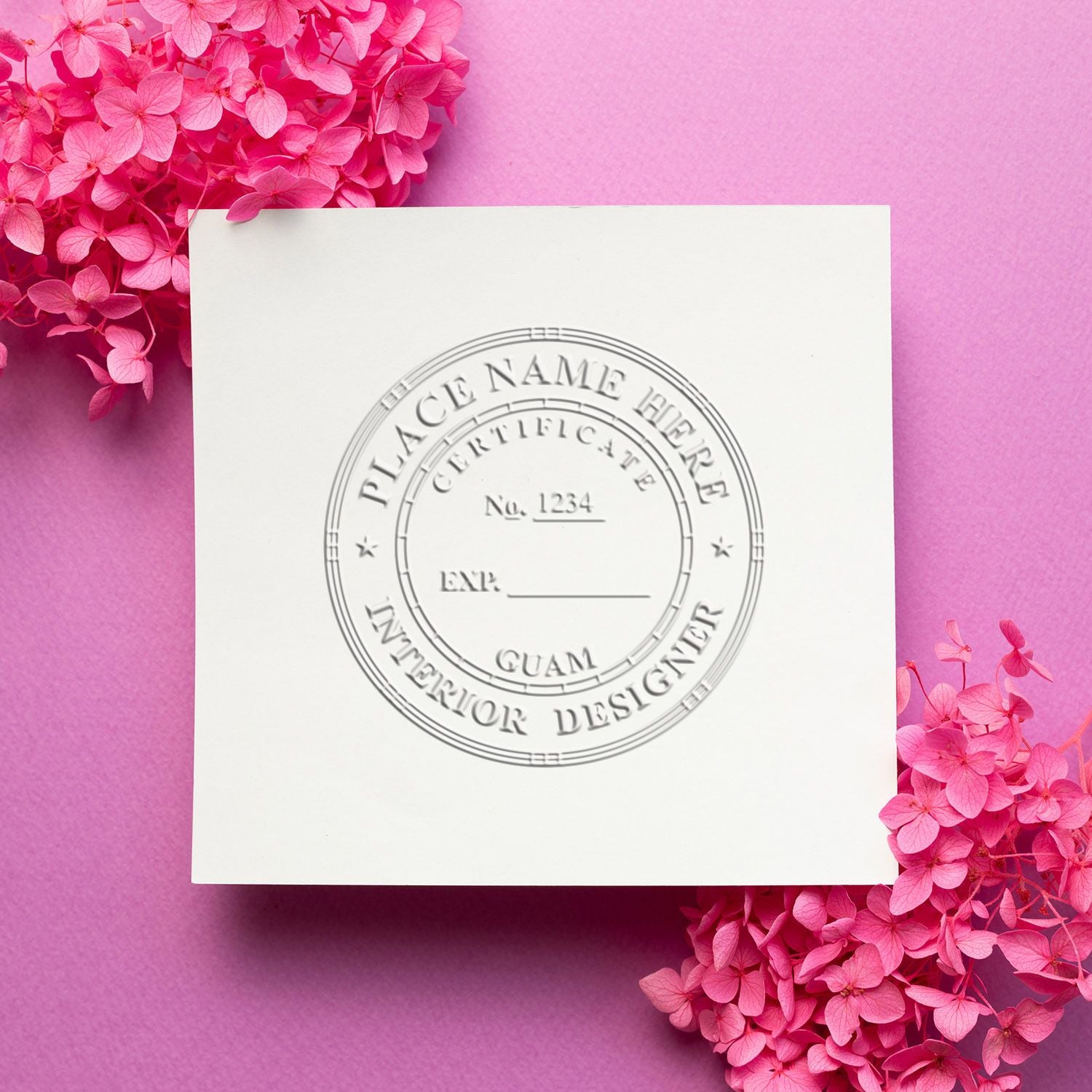
Beyond the style, think about the impression depth, the way the seal physically presses into the paper. A high-quality embosser will leave a clear imprint that remains visible, even if someone scans or photocopies the document. Some less expensive models might create a shallow imprint that disappears if you run a quick scan. This can be problematic if you often submit or share digitized versions of your work.
Also, pay attention to how the embosser’s mechanism operates. Does it have an easy-grip handle? Is there a lock to keep it closed and secure when not in use? Make sure the embosser feels comfortable in your hand, especially if you’re going to use it repeatedly throughout the workday. The simpler it is to handle, the less strain on your wrist and the fewer mistakes you’re likely to make in a hurry.
Check Durability And Quality
You’ll likely use your seal embosser for years, so it’s wise to invest in a product that can stand up to frequent use. Aluminum or steel components tend to outlast plastic parts, and good build quality ensures that your embosser remains accurate for the long haul. You also want your embosser to apply consistent pressure, avoiding faint or uneven imprints.
It’s easy to assume all embossers are the same, but quality can vary significantly among manufacturers. A heavier embossing press might be more reliable for rigorous daily stamping. If you’re purchasing online, look for details about materials, user reviews, and manufacturer guarantees. This helps you make sure you’re choosing a product you can rely on when deadlines loom.
Purchase Through A Trusted Supplier
Once you know the features you want, it’s time to buy from a reliable source. This is where Acorn Sales comes in. Acorn Sales has been making stamps and seals for 60+ years, earning a reputation as a cornerstone for professionals. Their experience with Rhode Island Interior Designer stamps and seals means you can trust them for a product that meets state requirements perfectly. Plus, they offer a Free Electronic Seal with your purchase, so you’ll always have a digital alternative when you need to attach your seal electronically.
Choosing the right supplier is also about customer service. If you ever find yourself uncertain about a design requirement or if you have to reorder a new seal, a company known for responsiveness can make a real difference. Acorn Sales is known to be easy to contact, so you can get your questions answered quickly.



Follow A Simple Buying Process
How exactly should you approach your purchase? Let’s outline an easy process:
-
Check Licensing Requirements
Before anything else, confirm the Rhode Island rules. Know your license number, the wording you need on your seal, and any specific diameter. -
Pick Your Preferences
Decide if you want a handheld or desktop style. Think about how frequently you’ll use the embosser and how portable it needs to be. -
Get The Design Right
Ensure the text includes your legal name and license number. Double-check if the state requires a specific phrase like “Licensed Interior Designer.” The correct formatting will save you from revising your design later. -
Contact Acorn Sales
You can speak directly with a representative or visit their site to order. Provide your exact details, confirm the layout, and finalize the design. Remember to ask about the Free Electronic Seal, which is included with your purchase. -
Review And Approve Proof
You typically receive a proof of the seal design before it’s produced. This step is important. Make sure every detail is accurate, from spelling to numerical licensing data. -
Wait For Delivery
Once you approve the design, your embosser goes into production. You’ll likely have your finished product soon, ready to make a professional impression on your documents. -
Test It Out
When your embosser arrives, test it on a blank sheet first. Confirm the crispness and clarity of the raised imprint so you know it’s good to go. If anything feels off, a reputable supplier will work with you to fix it.
Maintain Your Seal Embosser
A reliable embosser is an investment worth protecting. To keep it functioning smoothly, store it in a dry spot and lock or close it when not in use. If you’re placing it in a drawer or bag, consider a protective pouch or sleeve to keep it from getting scratched or jammed by other items.
Every so often, you may want to wipe the metal parts with a clean, lint-free cloth to remove dust particles. Try to avoid using harsh chemicals or abrasive materials that might damage the embossing plate or handle. By treating your seal embosser with care, you can expect crisp, consistent imprints for years to come.
Choosing your Rhode Island embosser
Choosing the right interior designer seal embosser in Rhode Island boils down to understanding your local regulations, evaluating embosser styles, and purchasing from a reputable supplier with a track record for quality. With Acorn Sales, you’ll get a durable product tailor-made to fit Rhode Island’s standards, plus a bonus of a Free Electronic Seal. It’s a straightforward way to simplify your workflow and add a professional finish to every project you touch.
If you’re ready to take the plunge, double-check your requirements, confirm your design details, and reach out to a knowledgeable supplier who can guide you. Before you know it, you’ll have an embosser that not only fulfills state rules but also showcases your professional identity with every impression. Once you see how neat and consistent your seal looks, you’ll wonder how you ever got by without it!
Frequently Asked Questions
FAQ #1: Why Do I Need A Seal Embosser If I Already Sign My Documents?
The seal offers an additional layer of authenticity. Rhode Island requires licensed interior designers to mark certain official documents with a seal, verifying your credentials at a glance. It’s both a legal requirement and a quick way to establish trust with clients or agencies.
FAQ #2: Can I Use A Rhode Island Embosser In Other States?
Generally, each state has its own rules and design requirements. Even if your license transfers, the seal design may need updating for a different region. Always check the local licensing board to see if they honor your current seal or if a redesign is needed.
FAQ #3: Is A Desktop Embosser Better Than A Handheld One?
It depends on your routine. Desktop embossers handle more frequent stamping and can produce a deeper impression. Handheld options are lighter and more convenient for travel. Both styles can work well as long as they meet Rhode Island’s requirement for clarity and legibility.
FAQ #4: What Happens If The Seal Design Changes In Rhode Island?
The state may update requirements from time to time. When that happens, you’ll need to adapt to the new design. A trusted supplier like Acorn Sales can help you replace or modify your embosser quickly so you remain in compliance.
FAQ #5: What About Digital Seals Or E-Seals?
Digital seals are increasingly common. In many jurisdictions, an electronic seal is acceptable for certain documents. Acorn Sales provides a Free Electronic Seal when you purchase your embosser, so you’re covered for online submissions or emails where a physical impression isn’t practical.








