

You’ve likely come across the need for a New Mexico landscape architect seal embosser, but maybe you’re not entirely sure which style, size, or brand is the best fit. Selecting the right seal goes beyond convenience. It impacts how you authenticate your professional work, protect your license, and stay on good terms with state regulators. Below, you’ll find the key factors to consider when you’re looking to choose a reliable seal, along with practical tips on usage and compliance.
Explore the Significance of the Seal
A seal or embosser might look simple, but it represents your professional credibility as a licensed landscape architect. The moment you stamp your design plans, you’re essentially approving that all details meet the standards set by New Mexico’s licensing board. Think of the seal like a personal signature with extra gravitas.
You might be wondering why you need a physical embosser instead of just a digital tool. In many cases, state regulations require an official impression that ensures your documentation can’t be easily altered. Plus, a sharply embossed seal offers an immediate layer of authenticity, letting clients and agencies recognize the legitimacy of your drawings, surveys, or proposals.
How This Impacts Your Practice
- Boosts trust with clients who see a verifiable mark on their documents
- Prevents potential tampering or fraud
- Aligns you with state licensing laws and guidelines
Review State-Specific Guidelines
Before picking up any seal or stamp, you’ll want to dig into the rules that govern its design and use. Every state, including New Mexico, has its own set of guidelines about what a seal must include. These rules typically specify exact wording, layout, diameter, and overall appearance. Skipping this step might lead to an invalid seal, so it’s important to confirm what’s legally required.
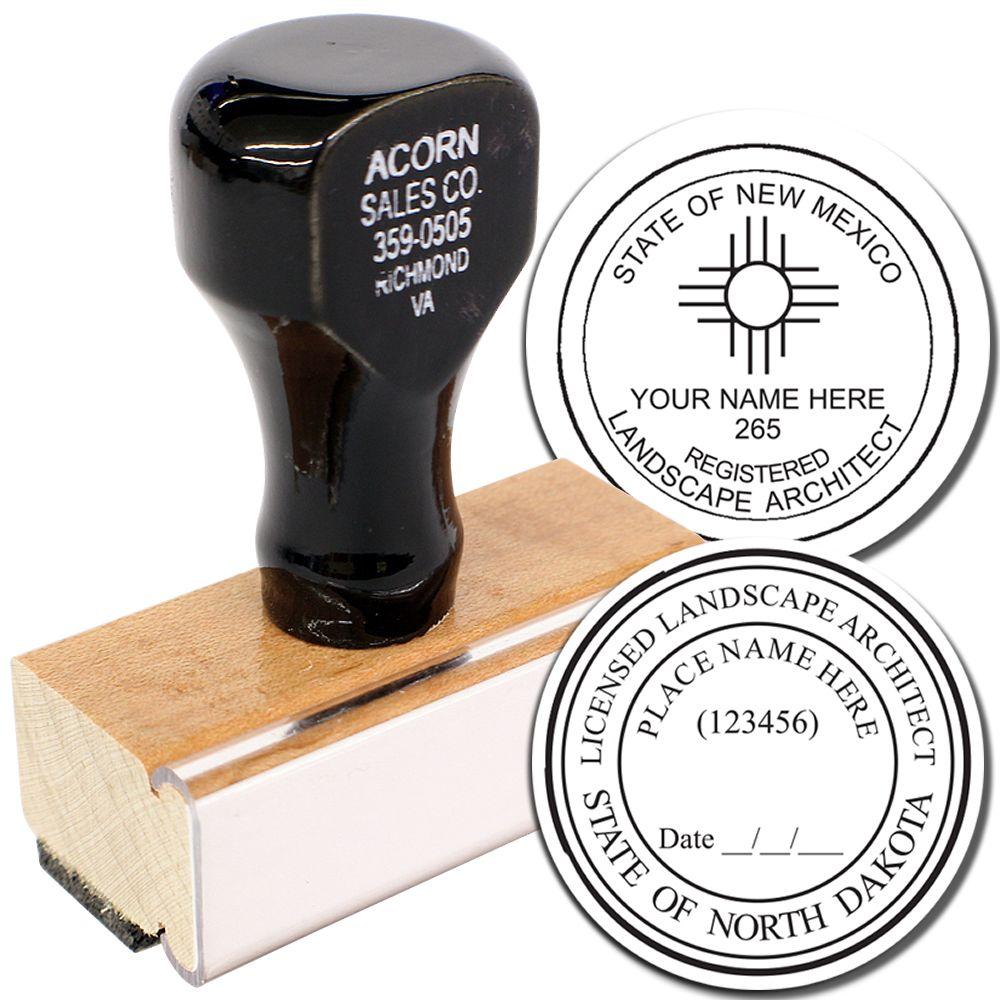
Some states allow slight variations, like circle vs. rectangular shapes, but others are strict. New Mexico typically expects a circular seal with specific text elements that mention your name, license number, and the phrase “Licensed Landscape Architect.” For step-by-step official guidelines, be sure to check out new mexico landscape architect stamp requirements. It’s always best to cross-reference official regulations so you don’t accidentally order the wrong style.
Key Design Elements
- “Licensed Landscape Architect” text
- Your full name as it appears on your license
- Your unique license number
- Required shape (often circular or round)
- Outer ring or delimiting line
By following these baseline requirements, you ensure that your seal will be valid under the state’s rules and quickly recognized at every project checkpoint.
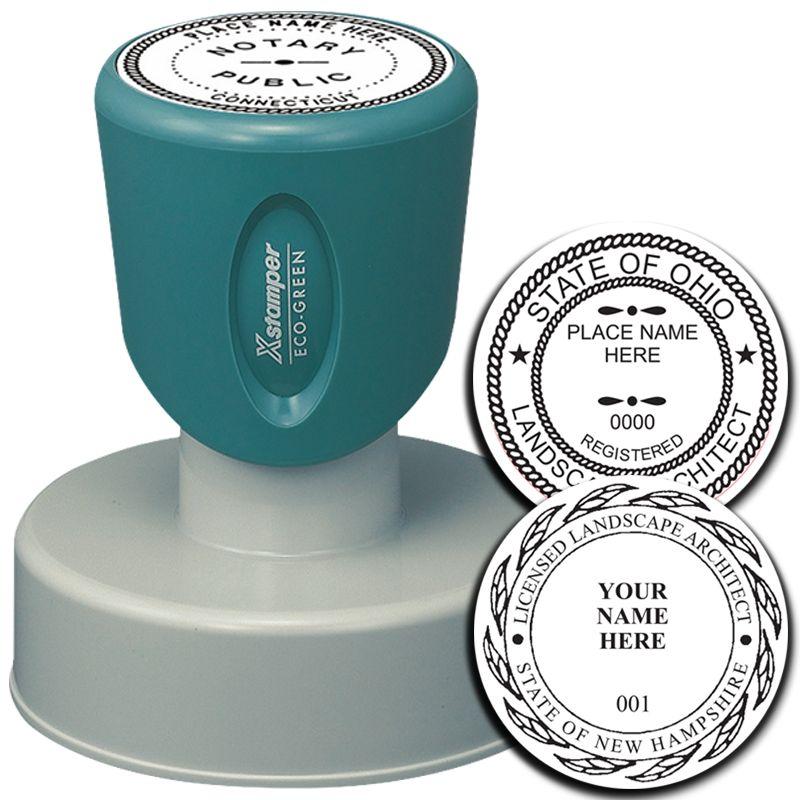
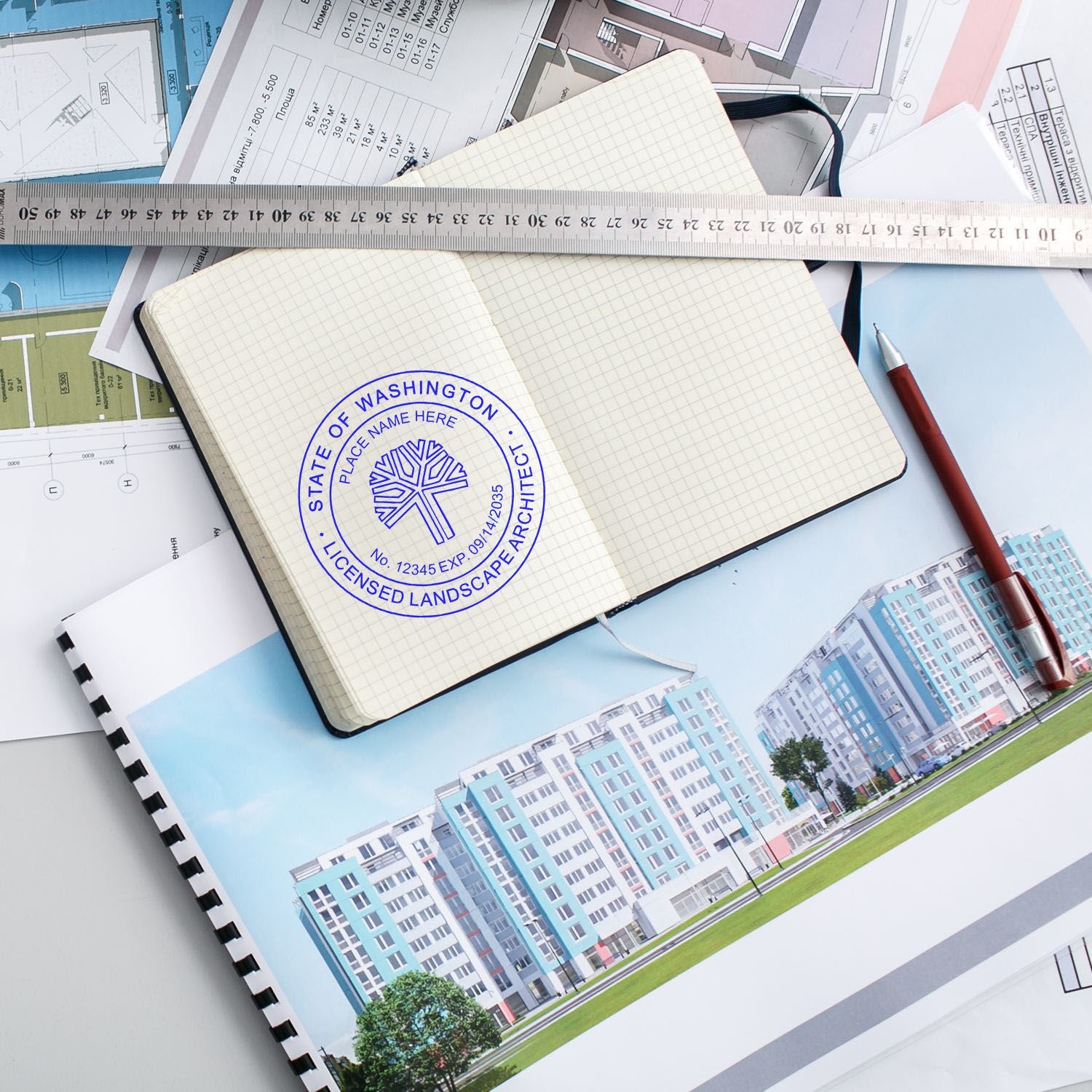


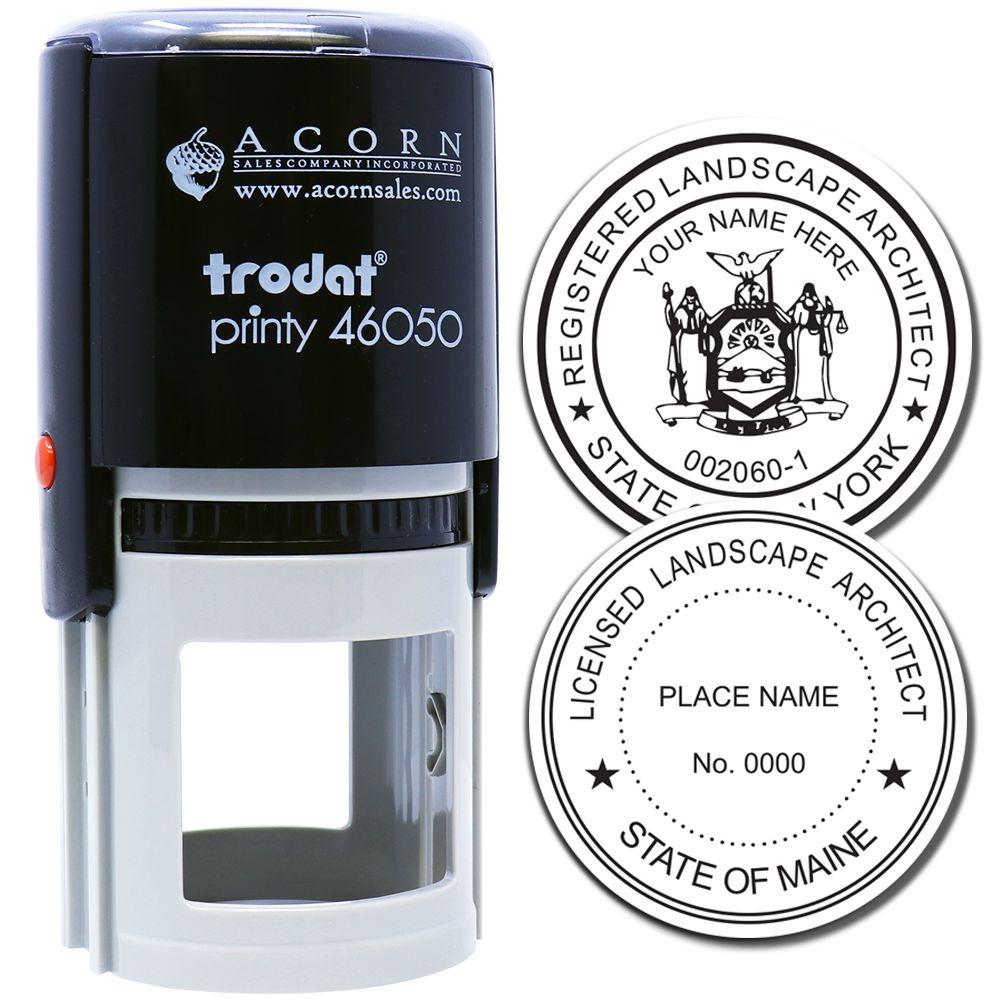
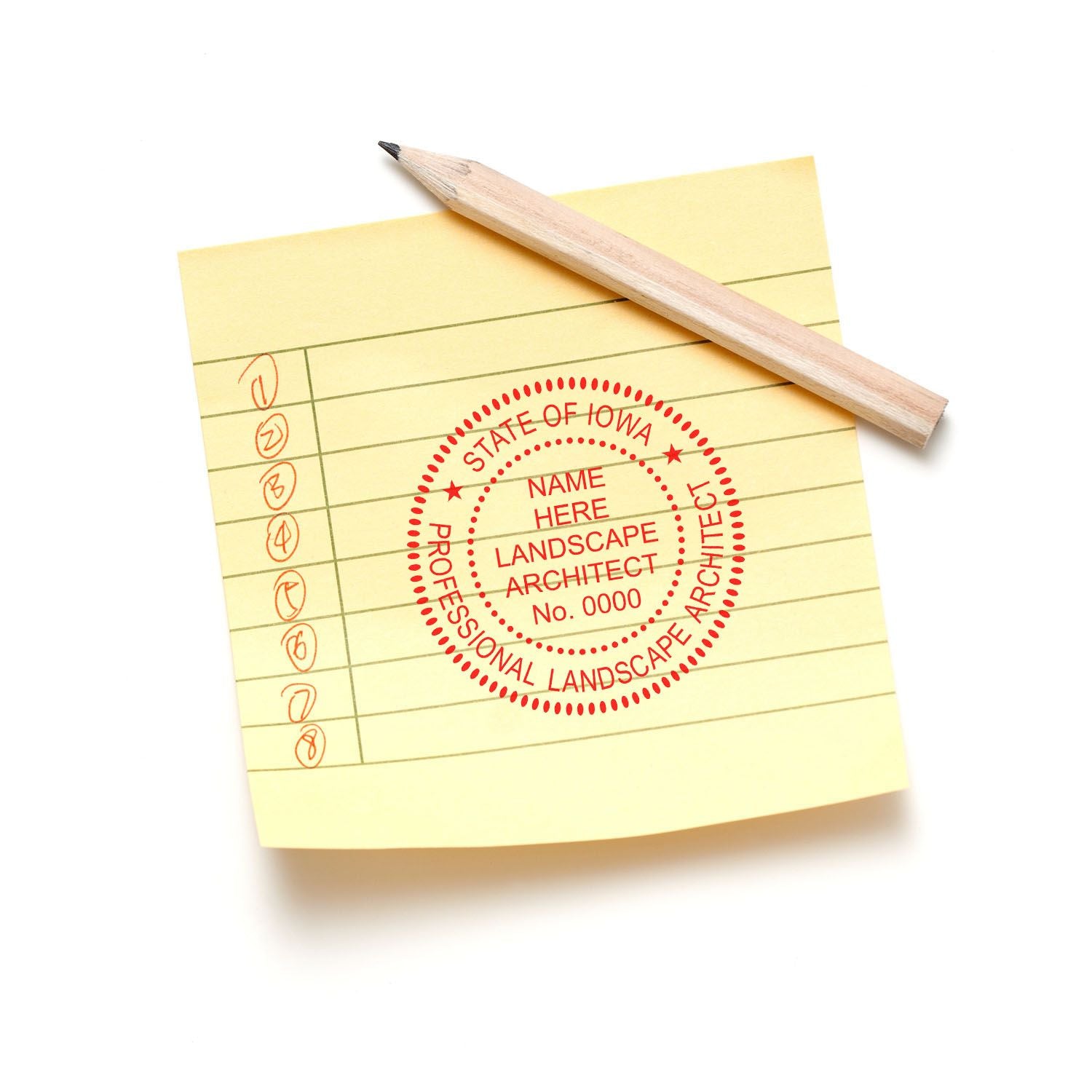
Spot Differences in Tools
Choosing your seal doesn’t just revolve around design. You also need to pick the kind of tool you’ll be using. Most professionals narrow the search to two main options: a rubber stamp or a metal embosser. Both come with different advantages, so let’s break them down.
Rubber Stamp
A rubber stamp delivers a crisp, ink-based impression that’s easy to read. It’s quick to use, and replacements are inexpensive if the pad dries up. However, the ink can smudge if you’re in a hurry, and you’ll need to monitor the ink pad for quality.
- Pros: Quick application
- Cons: Possible smudging, not as “official-looking” as embossing
Metal Embosser
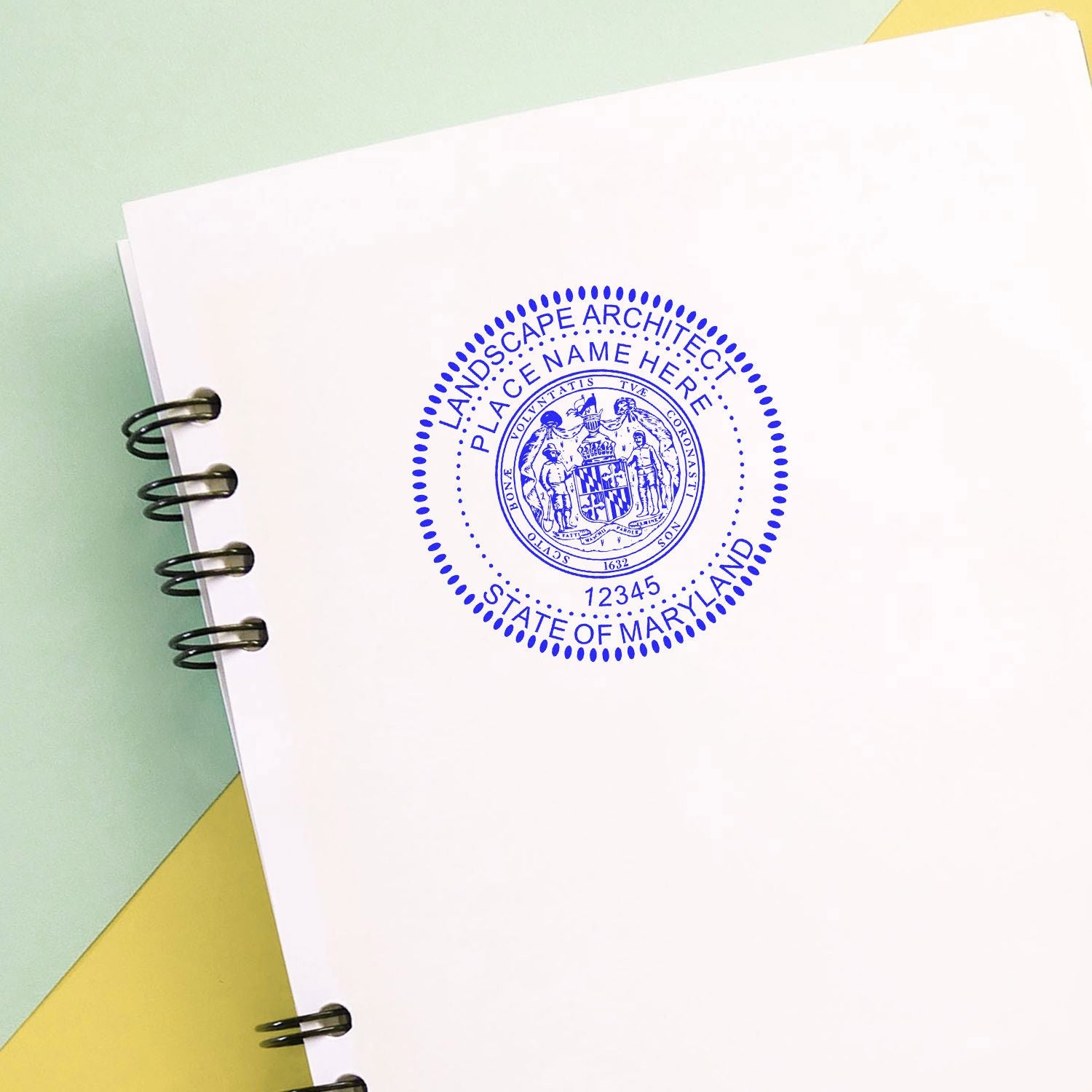
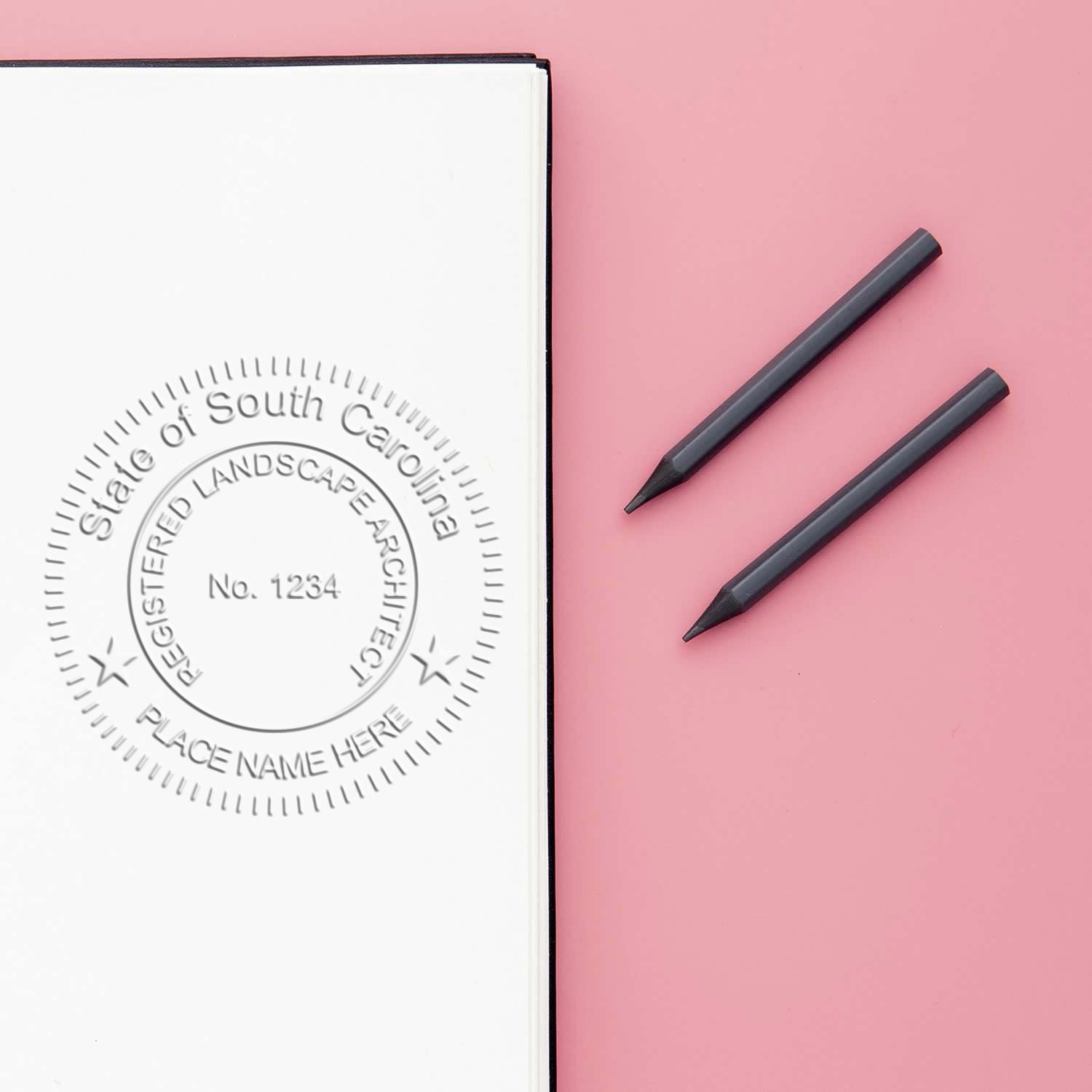
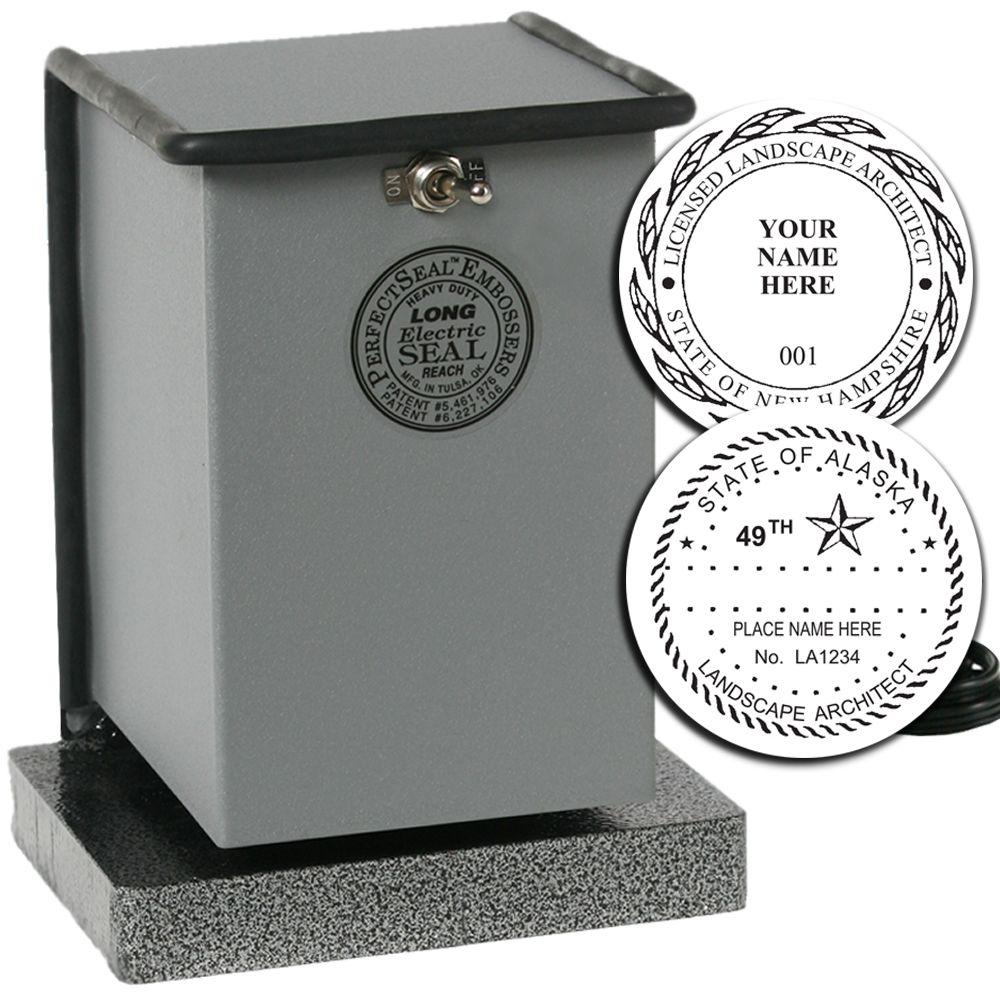
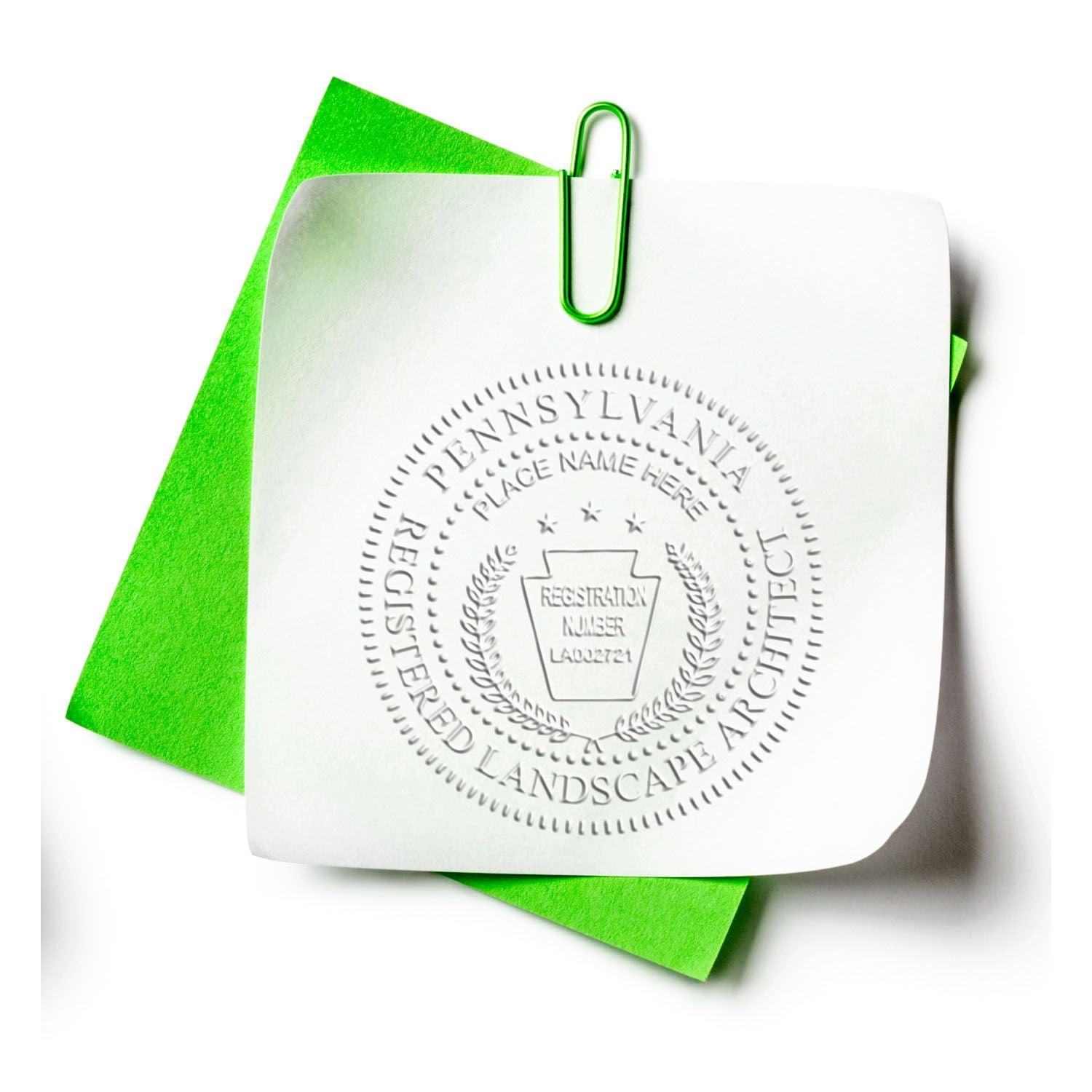
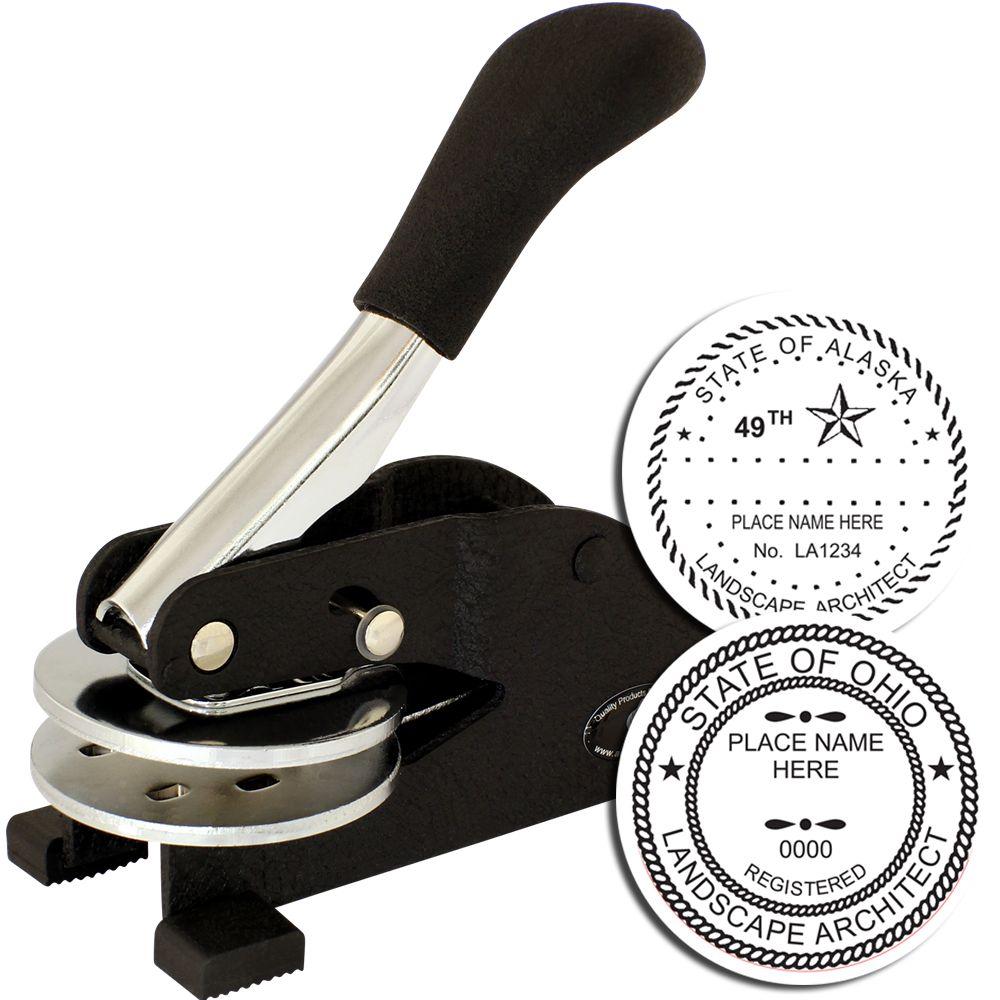
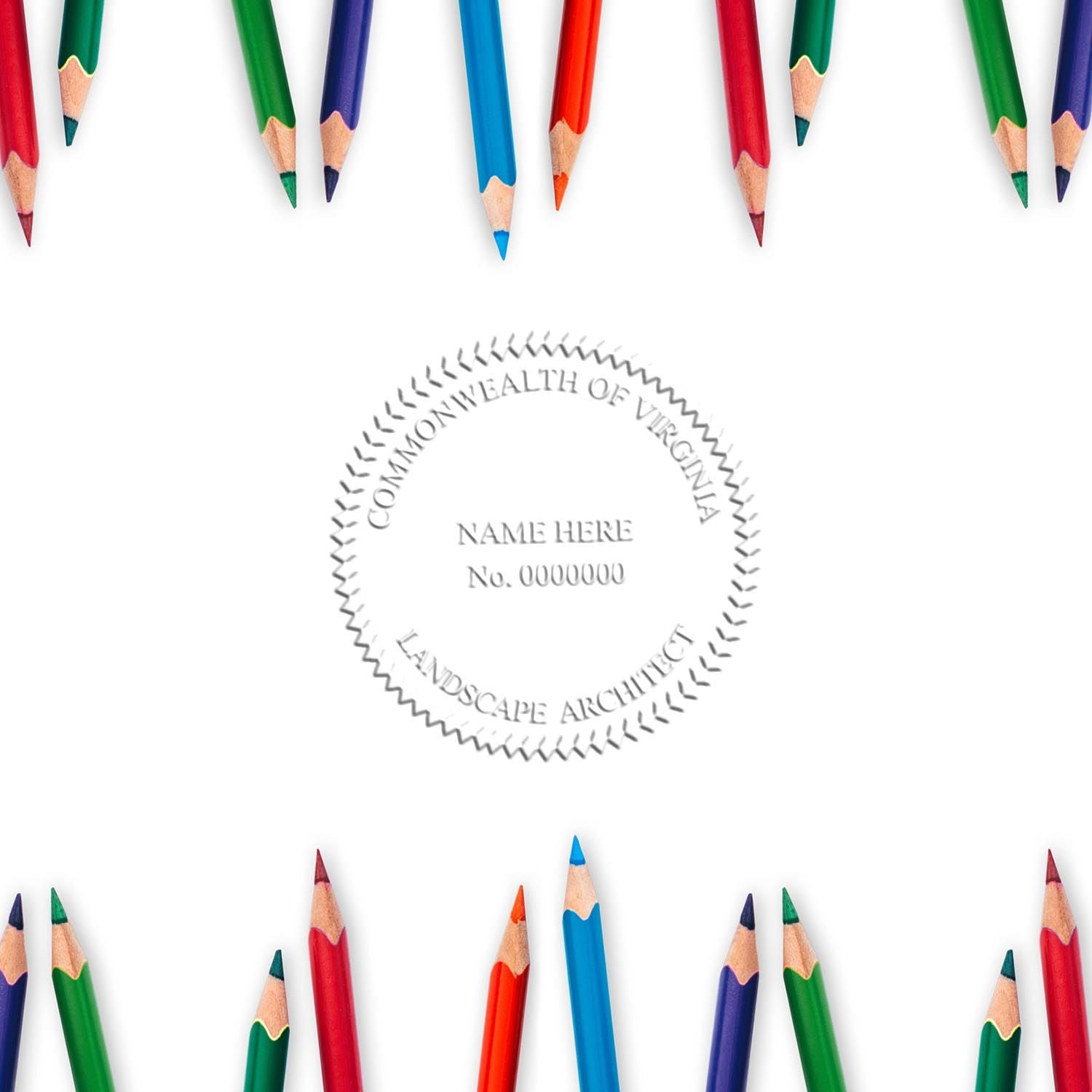
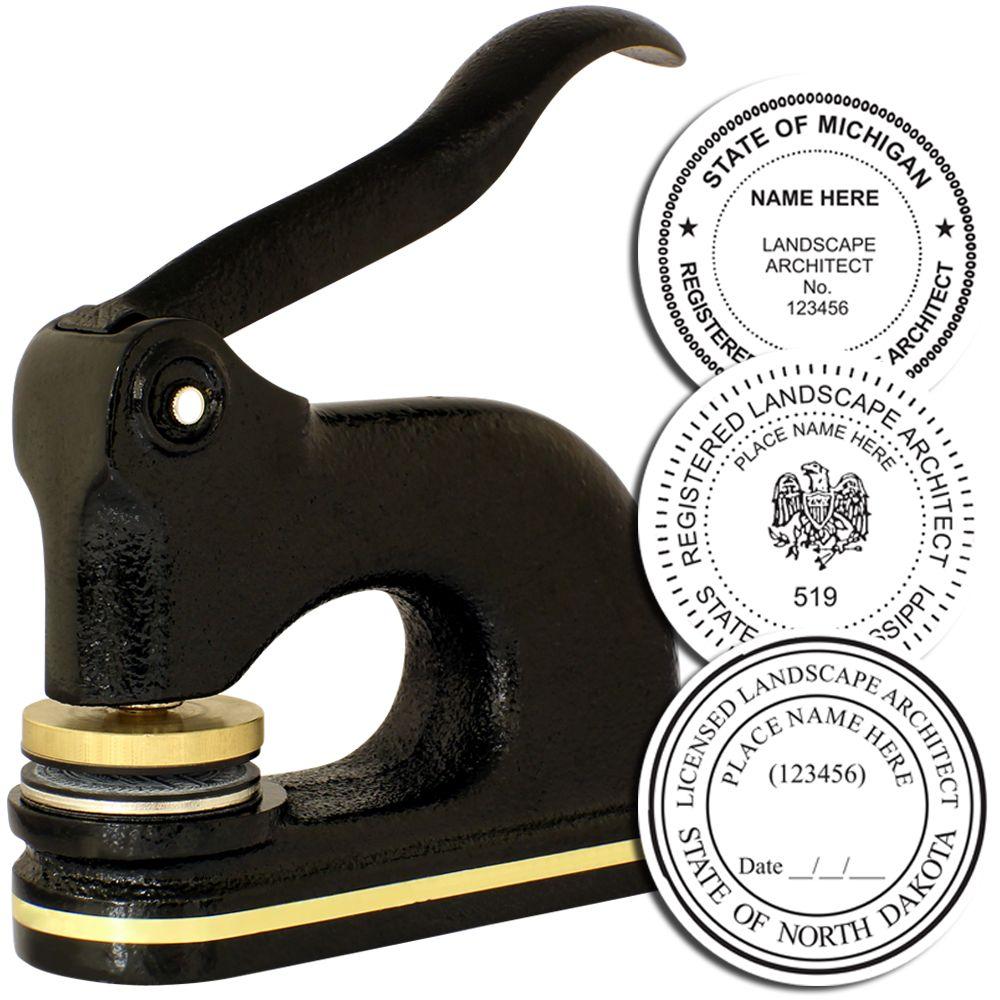
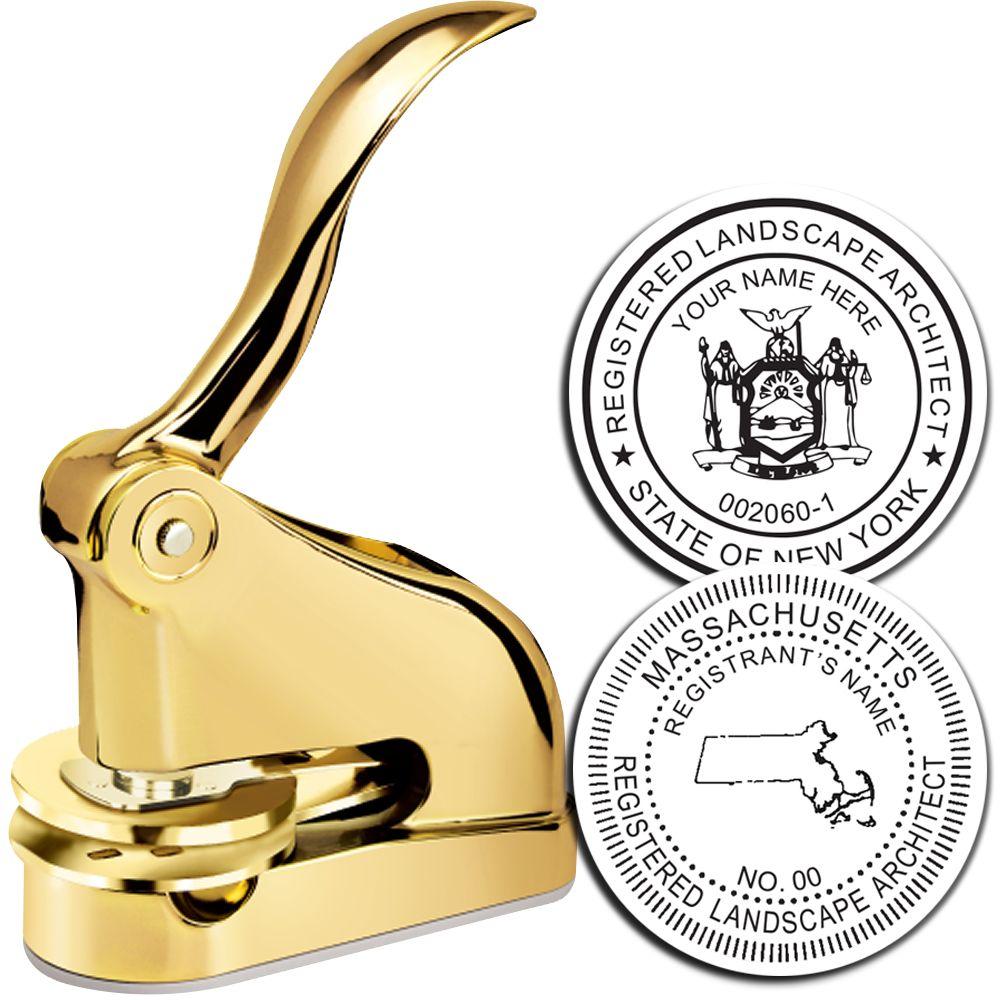
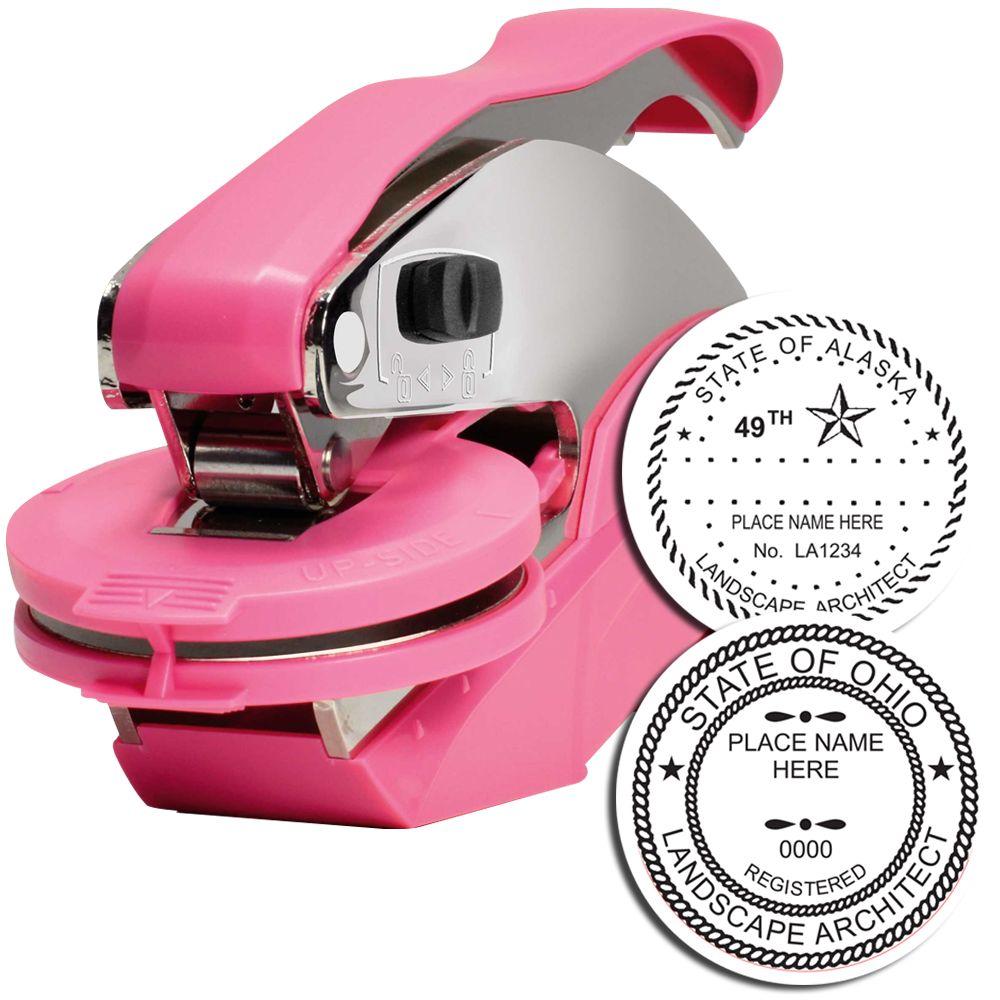
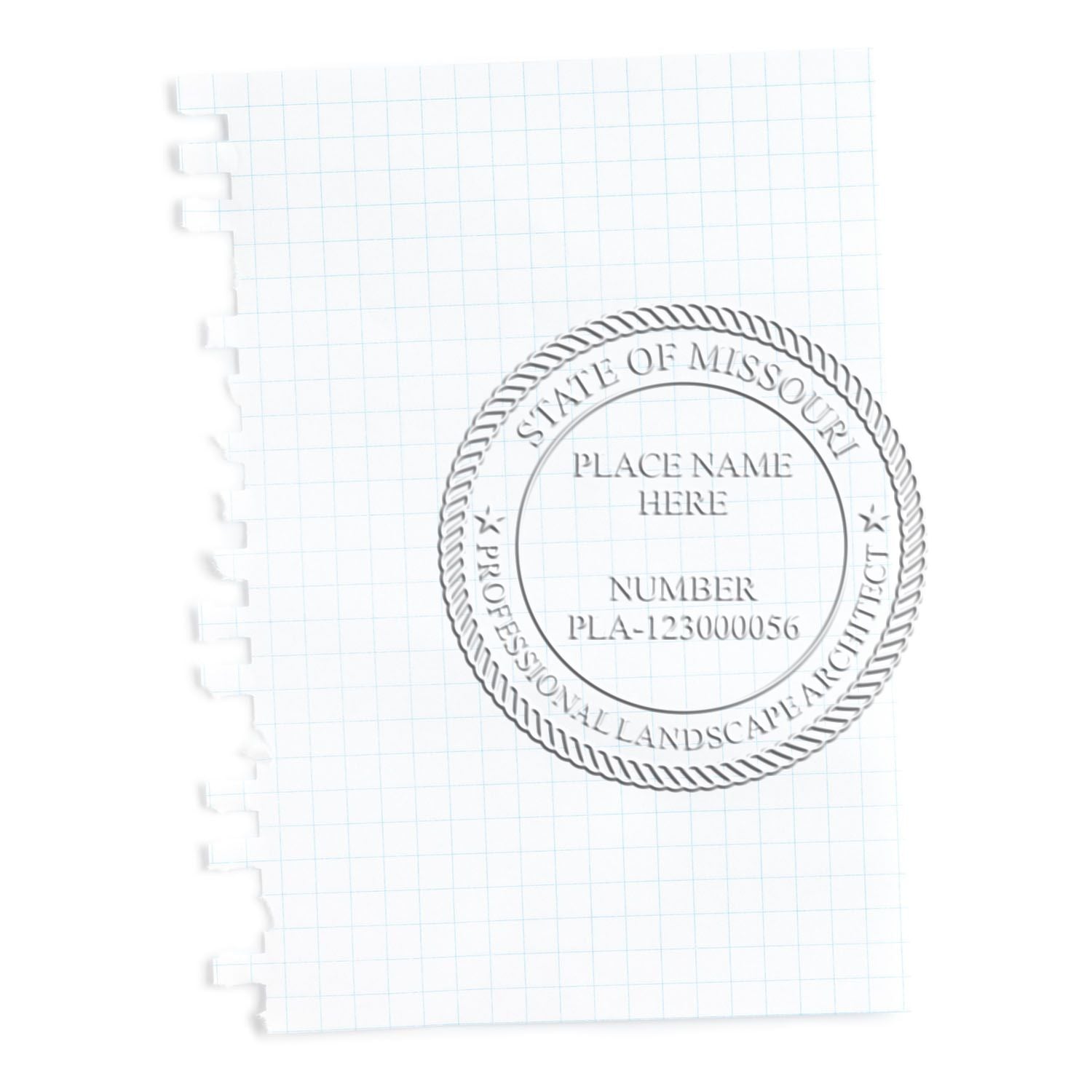
Many architects prefer an embosser because it physically presses your seal design into the paper. That raised imprint offers a level of authenticity that’s harder to replicate with a simple copier. It’s especially useful for official documents, like contract drawings and sealed plans. Just note that some surfaces might be tricky to emboss. Thick covers or laminated sheets won’t emboss cleanly, so you’ll have to plan around that.
- Pros: Engraved, hard-to-duplicate impression, professional aesthetic
- Cons: Bulkier to store, can be challenging for thick or laminated pages
Shop for Quality Vendors
Once you understand which tool you’d like, it’s time to find a reputable supplier. The marketplace is filled with custom stamp and seal makers, but not all are equally dedicated to precision or durability. Since your New Mexico seal can’t deviate from state standards, reliable vendors will ask for specifics like license details, text arrangement, and any mandatory border requirements.
Factors to Compare
Turnaround Time
Some vendors offer same-day or next-day production. Others need a week or more. If you have a tight project deadline, look for a shop that can meet your timeline without compromising quality.Metal vs. Plastic Housing
Embosser bodies often come in metal or heavy-duty plastic. Both can work well, though metal frames typically hold up better under frequent use. If you’re constantly stamping drawings, you might lean toward a sturdier option.Customer Reviews
You can glean a lot about a vendor’s work by reading feedback from fellow architects or engineers. Look for comments about how closely the final product matched the official requirements and how well the impression turned out.Price Range
Quality usually comes at a cost, but that doesn’t mean you should overpay. Compare quotes, keeping in mind that a higher price tag might mean better materials and sharper impressions.
Stay Compliant with Usage Rules
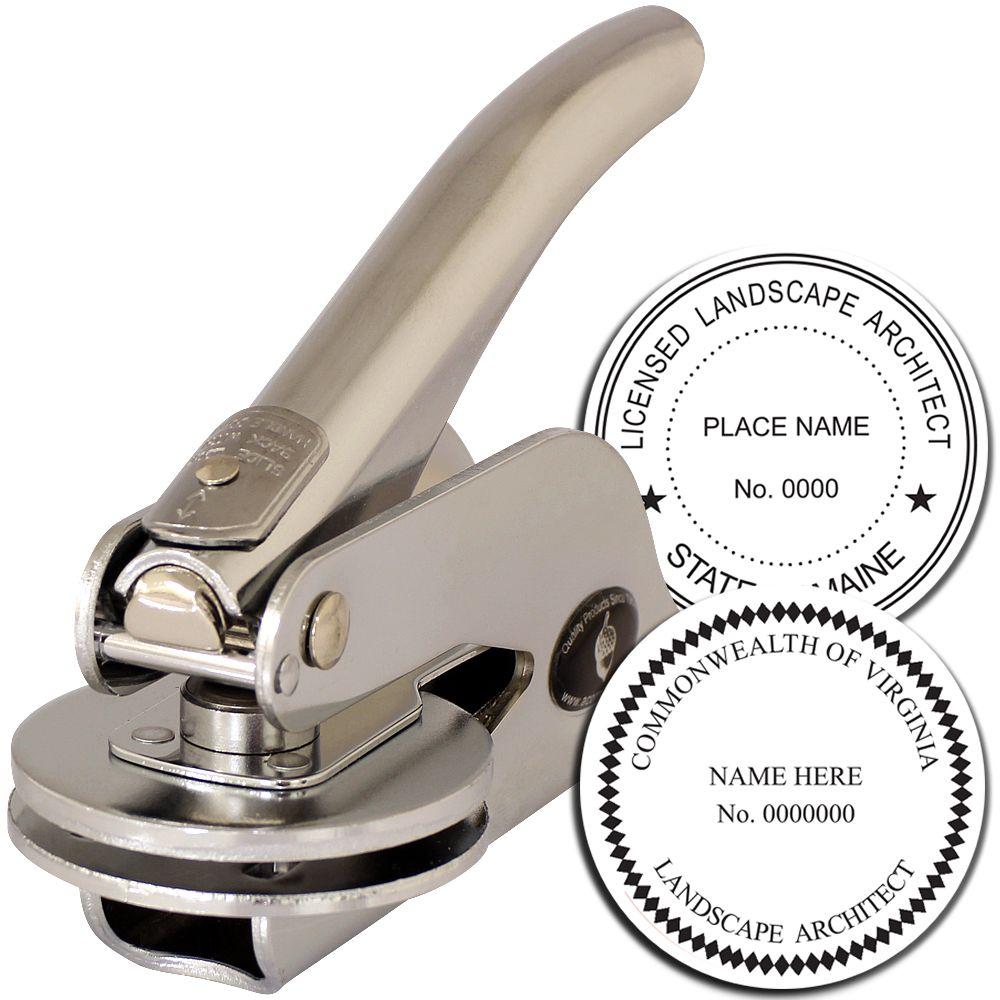
Having the perfect seal is just one piece of the puzzle. You also have to know when and how to use it. New Mexico’s guidelines generally say that you must stamp any set of drawings or documents that are ready for final submission. This shows that you’ve reviewed, approved, and stand behind the content. Missing or partial impressions could raise doubts about your liability or completeness.
So, where exactly should the seal go? Typically, you’ll want to place your seal near your signature block or near the title block on your plans. This positioning makes it easy for reviewers to spot your credentials without having to hunt around each sheet.
Common Seal Usage Tips
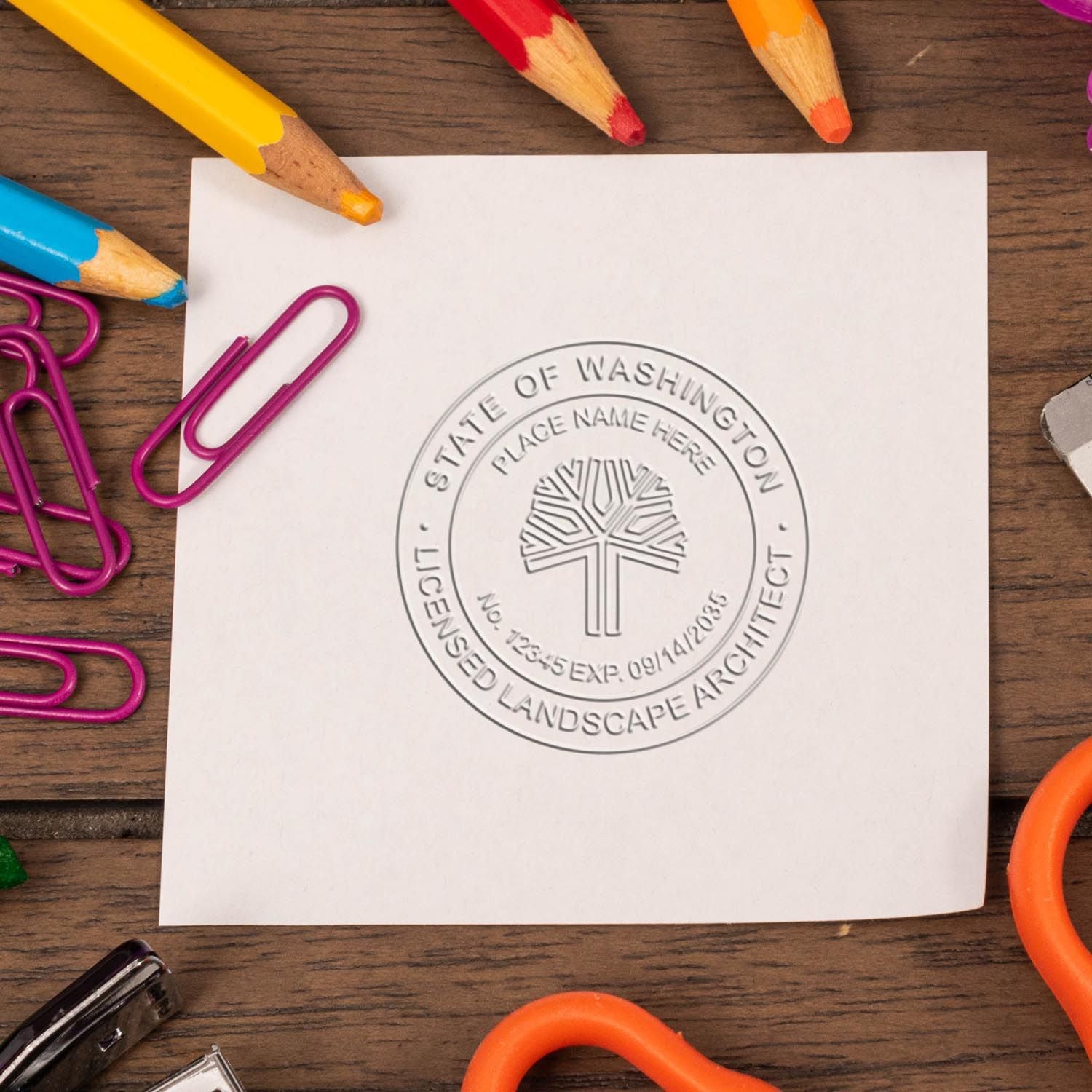
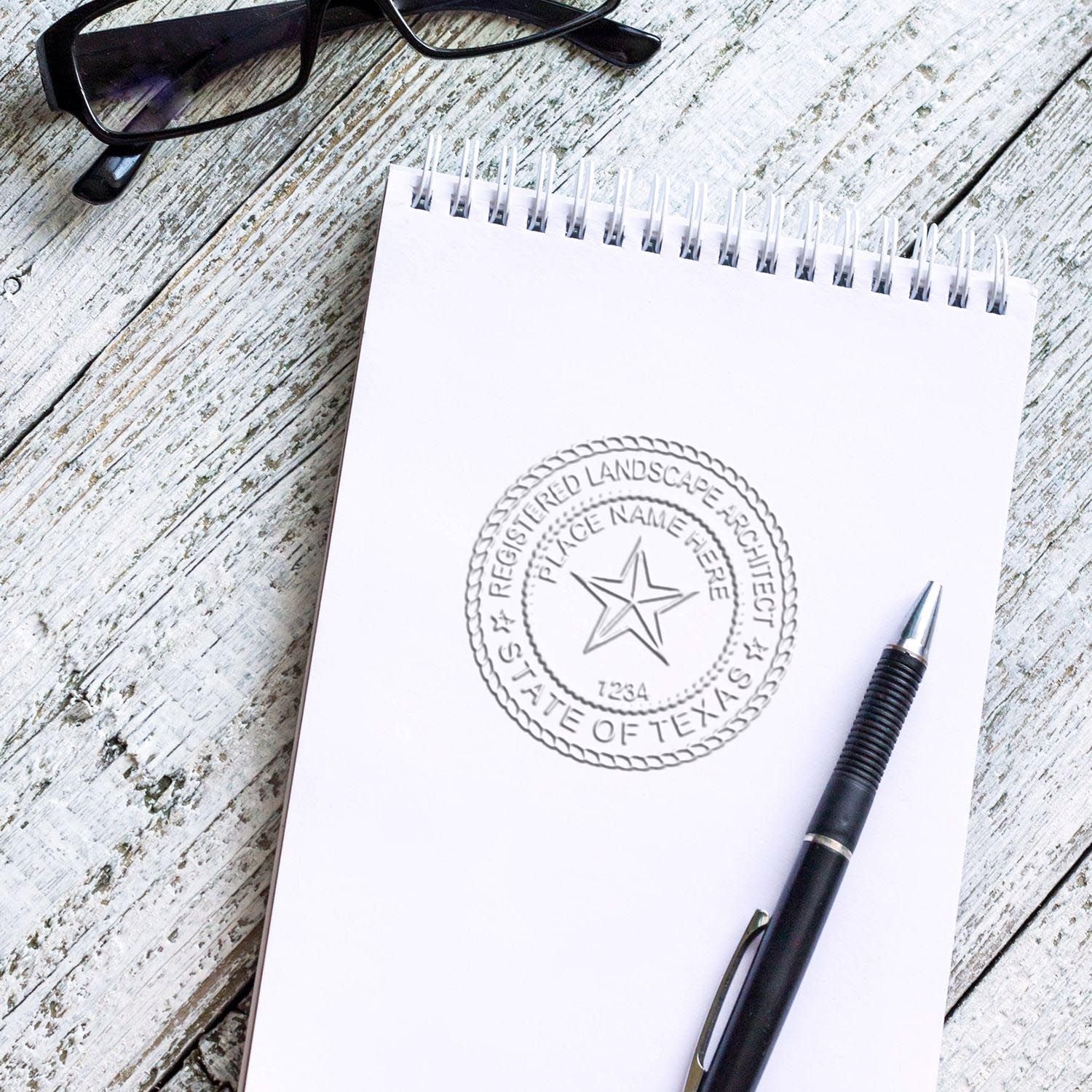
- Test your new embosser on scrap paper to ensure clarity before stamping important documents
- Use consistent placement across all drawings, so your stamp is easy to find
- Double-check that all sheets requiring a seal actually have one (especially if you’re working with large plan sets)
When in doubt, register your questions with the New Mexico Board that oversees landscape architecture. They’ll clarify any usage rules you find confusing, especially around electronic submissions or partial sets of documents.
Finalize Your Best-Fit Option
After reviewing stamp vs. embosser preferences, verifying you’ll be meeting the official design requirements, and exploring reputable vendors, it’s time to make your choice. If you love the classic look and tamper-resistant quality of a detailed impression, a seal embosser for New Mexico projects might be your best move. On the other hand, if you value speed, a stamp offers an efficient path.
Decision Checklist
- Do you want a physically raised imprint or a clear ink impression?
- Are you planning to stamp multiple pages daily, or just an occasional set of documents?
- Have you double-checked the official New Mexico text and layout requirements?
- How fast do you need it? Is quick turnaround non-negotiable, or can you wait?
If you can confidently answer these questions, you’ll likely land on the perfect tool.




Practical Maintenance and Dealing with Wear
Owning an embosser means keeping it functional. While there isn’t a ton of upkeep, there are a few things to keep in mind. Embossers can loosen over time, particularly if they’re used on heavily weighted paper. A small alignment issue can cause partial impressions or fade-outs.
Stamps, on the other hand, can dry out, leak, or blur if the pad is worn.
Maintenance Musts
- Store your embosser and stamp in a cool, dry spot
- Check the impression quality every few months by stamping or embossing a test page
- Clean around embossing elements or the stamp’s rubber edges if debris accumulates
- Tighten loose screws on your embosser occasionally
Even though these steps don’t take much time, they protect your device’s longevity and maintain the crispness of your seal.
Safeguard Your Professional Responsibility
It’s one thing to own the correct seal, but another to use it responsibly. You should never lend your seal or embosser to unlicensed individuals. Doing so can jeopardize your professional standing. The seal is tied to your license and indicates your review, knowledge, and oversight of the project’s content.
Beyond that, keep track of any changes to New Mexico’s regulations. Sometimes, states update licensing language or shift rules on seal usage. Being proactive about these updates helps you stay compliant and maintain your good professional reputation.
Staying Alert for Changes
- Subscribe to official board newsletters or notifications
- Check for revised literature on design standards, especially if you see announcements about new requirements
- Update your seal if mandated by regulatory changes
Plan for Electronic or Hybrid Environments
Increasingly, you might find yourself working in both physical and digital formats. Electronic submittals, especially for architectural drawings, are growing more common. Some agencies permit scanned versions of embossed seals, while others ask for a digital signature or an official e-seal with a unique identifier.
Balancing Both Worlds
- Ask each reviewing agency if they accept scanned embossings or if you need an official e-signature
- If you do rely on scans, ensure you choose thick enough paper that the embossing stands out in a high-resolution digital file
- Consider investing in a digital seal in addition to your metal embosser if you anticipate frequent electronic submissions
This dual path ensures that you’re never caught off guard when a client or local agency requests PDFs instead of paper sheets.
Confirm Your Seal with a Test Project
Step-by-step instructions are helpful, but the real test comes when you apply your new embosser or stamp on an actual architectural project. If you’re working on a smaller set of documents, you can treat them like a pilot run. Carefully review the impression’s clarity, design accuracy, and overall visual prominence on the page.
You might also want to keep a digital record, a quick phone photo or scanned image, so you can refer back if a licensing board or client has questions. This proactive step is especially valuable if you’re new to stamping official documents. By capturing proof of how your seal looks, you’re prepared for future reference.
Quick Pilot Run Steps
- Stamp a single sheet from your next design plan
- Verify the text is fully legible and aligned
- Audit the seal’s location on the page
- Scan or photograph the sealed document for records
Choosing your New Mexico seal
Choosing the right seal embosser for landscape architect work in New Mexico might seem like a small piece of the bigger licensing puzzle, but it’s more critical than you might think. A properly designed embosser delivers an extra layer of trust and compliance that benefits you, your clients, and the regulatory bodies overseeing your projects.
By reviewing state requirements, comparing product types, and testing your final embosser, you set yourself up for success long-term. You’ll project professionalism in every stamped document, and you’ll avoid the hassle of reordering a seal that doesn’t meet standards. Whether you go for a traditional metal embosser or a practical rubber stamp, ensure your choice reflects the pride and precision you bring to each landscape design.
Feel free to celebrate once your first official impression hits the page. It’s a milestone that assures your clients, enhances your credibility, and confirms that you care about getting things done right. Happy stamping!
Frequently Asked Questions
What should a New Mexico landscape architect seal embosser include?
A New Mexico landscape architect seal embosser should include your full name, your license number, and the phrase “Licensed Landscape Architect,” along with the required shape and border details. Always confirm the latest state board requirements before ordering to make sure your seal is compliant.
Should I choose a rubber stamp or a metal embosser for my New Mexico landscape architect seal?
A rubber stamp is faster and easier to use for ink-based impressions, while a metal embosser creates a raised, more tamper-resistant mark that often looks more official. If you frequently seal final plan sets and want a premium professional appearance, a metal embosser may be the better choice.
Where should I place my landscape architect seal on plans and documents?
In most cases, the seal should be placed near your signature block or title block so it is easy to find on the document. For plan sets, make sure each sheet that requires sealing has a clear, legible impression in a consistent location.
Are digital or scanned seals allowed for New Mexico landscape architects?
Some agencies may accept scanned embossments or digital seals, but requirements can vary depending on the reviewing authority. Before submitting electronic documents, confirm whether a scanned physical seal, e-signature, or official e-seal is accepted.
How do I know if my New Mexico landscape architect seal is compliant?
Check that your seal matches the New Mexico board’s rules for wording, layout, size, and shape. A compliant seal should include the correct professional title, your name, and license number, and it should be ordered from a vendor that follows state-specific requirements.
How can I keep my landscape architect seal embosser or stamp working properly?
Store your seal in a cool, dry place, test it periodically on scrap paper, and clean or tighten it as needed. If you use an embosser, check for loosened parts or alignment issues over time.








