

Written by Acorn Sales Company, manufacturing stamps and seals since 1964 · Reviewed by Holly R, VP of Sales and Marketing at Acorn Sales, against the New Mexico Board of Landscape Architects and 16.44.1.11(B) NMAC on 21 September 2026 · Updated 21 September 2026
The widely quoted embossed circular seal two inches in diameter is the board’s own official seal, not yours. Rule 16.44.1.11(A): “The official seal of the board shall be as follows: an embossed circular seal two inches in diameter, consisting of two concentric circles. The annular space between the two circles shall contain the seal of the state of New Mexico.” That is the New Mexico Board of Landscape Architects, sealing its own certificates and orders. Anyone selling a two inch New Mexico landscape architect embosser carrying the state seal is selling a replica of the agency’s device, not a professional seal.
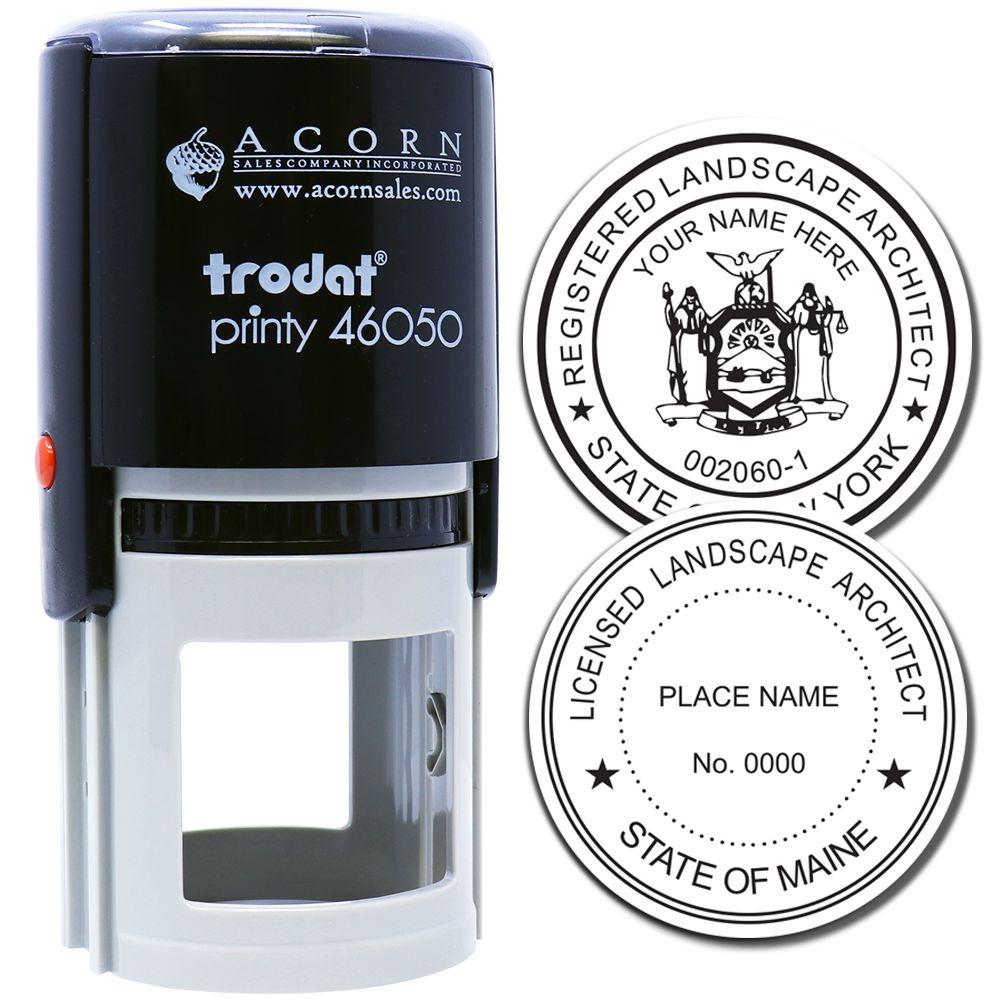
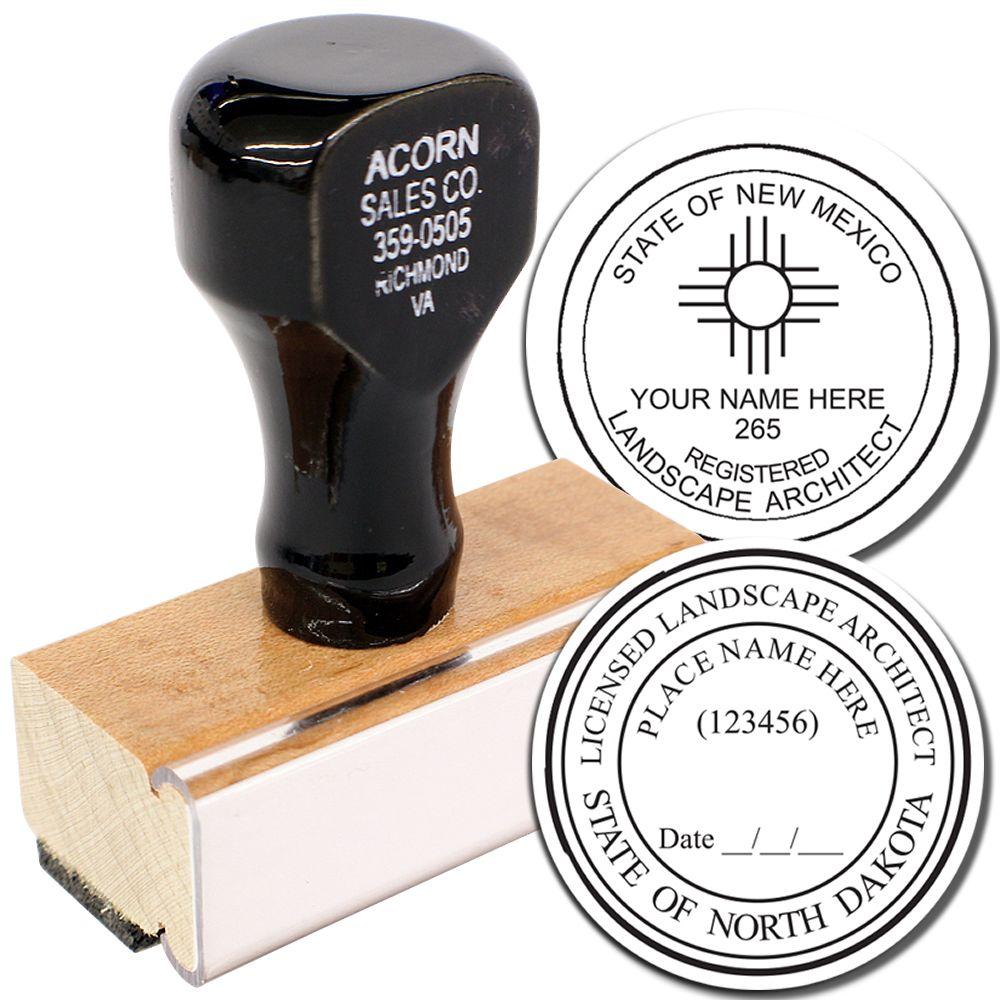
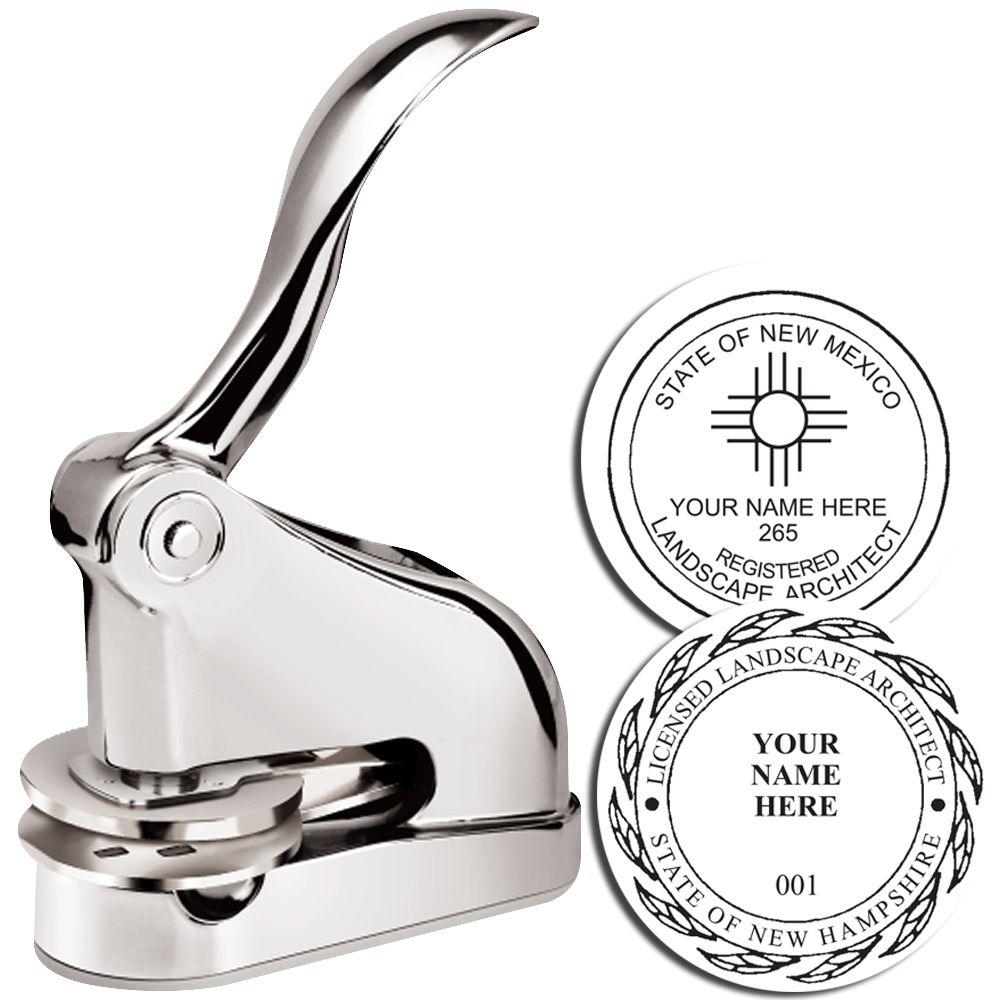
Your device is subsection (B), and it is much plainer: a seal or stamp bearing your name as registered, your registration number and the legend “registered landscape architect state of New Mexico.” No diameter, no shape, no lettering height and no device type is prescribed for it anywhere in 16.44.1 or 16.44.2. Registered rather than licensed is the operative word, even though the Act uses both terms.
There is one hard mechanical requirement, and it decides how big to make the die. Rule 16.44.1.11(B) provides that “All plans, specifications, and reports issued by a registrant shall have the registrant’s signature placed across the seal/stamp.” Size it so that every word stays readable with a signature written over the face.
New Mexico landscape architect seal requirements at a glance
| Requirement | New Mexico rule | Source |
|---|---|---|
| Seal required | Yes | 16.44.1.11(B) NMAC |
| Required elements | Your name as registered, Your registration number and The legend registered landscape architect state of New Mexico | 16.44.1.11(B) NMAC |
| Size and shape | Not addressed for the registrant’s seal. | 16.44.1.11 NMAC (no size given for the registrant’s seal) |
| Device allowed | The rule does not specify a device type for the registrant’s seal. | 16.44.1.11(B) NMAC |
| Signature and date | Sign across the seal. | 16.44.1.11(B) NMAC (silent as to the date) |
| What must be sealed | All plans, specifications and reports issued by a registrant. | 16.44.1.11(B), 16.44.1.13, 16.44.1.7(Z) NMAC |
| Electronic seal | Not addressed. Chapter 16.44 NMAC sets no electronic or digital seal standard, no digital signature criteria and no authentication procedure. The only electronic term in the part is the definition of electronic. | 16.44.1 NMAC (no electronic seal provision) |
| Renewal and lapse | Not addressed in the seal rule. | 16.44.1.7(T) NMAC |
| Firm requirements | Not applicable. | 16.44.1.12 NMAC |
| Regulator | The New Mexico Board of Landscape Architects | 16.44.1 NMAC, Landscape Architects, General Provisions, sections 16.44.1.7, 16.44.1.11, 16.44.1.12 and 16.44.1.13, effective September 30, 2016, read in full from the New Mexico State Records and Archives administrative code site, together with 16.44.2 NMAC |





Is a seal required in New Mexico?
The duty is stated in the board rule and is tied to issuance. Rule 16.44.1.11(B) provides that the board may authorize a seal or stamp for use by registered landscape architects, and then: “All plans, specifications, and reports issued by a registrant shall have the registrant’s signature placed across the seal/stamp.” The part is adopted under the Landscape Architects Act, Sections 61-24B-1 through 61-24B-17 NMSA 1978.
What must appear on the seal
- Your name as registered
- Your registration number
- The legend registered landscape architect state of New Mexico
Three elements and nothing else. The legend is given in the rule as “registered landscape architect state of New Mexico,” so registered rather than licensed is the operative word even though the Act uses both terms. Leave off the seal of the state of New Mexico: that belongs to the board’s own official seal under 16.44.1.11(A), not to yours. Leave off the firm name, the CLARB number and any expiration date, none of which the rule provides for. Do not borrow the New Mexico architect artwork from 16.30.3.18(A) or the surveyor artwork from 16.39.5.11(C); both are different boards, different geometry and different wording.
Size and shape
Not addressed for the registrant’s seal. The only diameter in 16.44.1.11 belongs to the board’s official seal in subsection (A), an embossed circular seal two inches in diameter with two concentric circles and the state seal in the annular space. Subsection (B), which describes the registrant’s device, gives no diameter, no shape and no lettering height. The sources here are 16.44.1 in full and 16.44.2.




Embosser, rubber stamp or digital
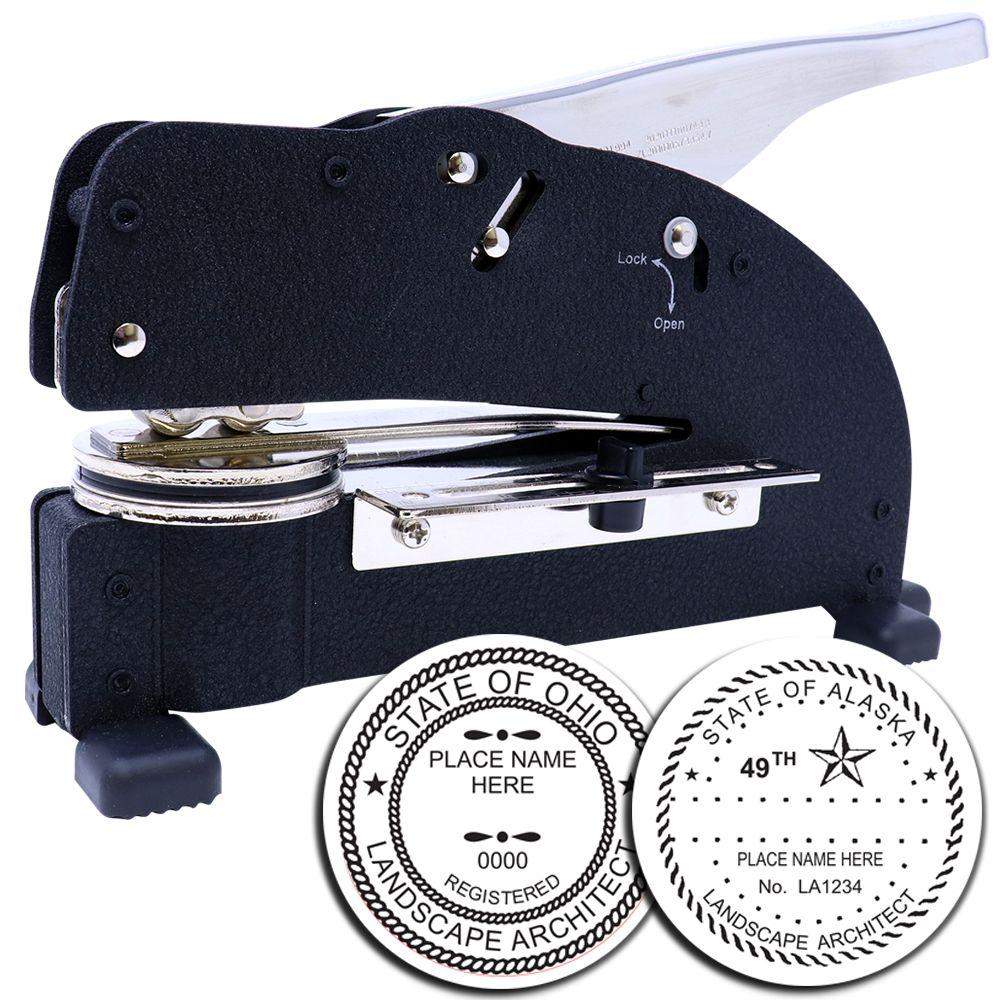
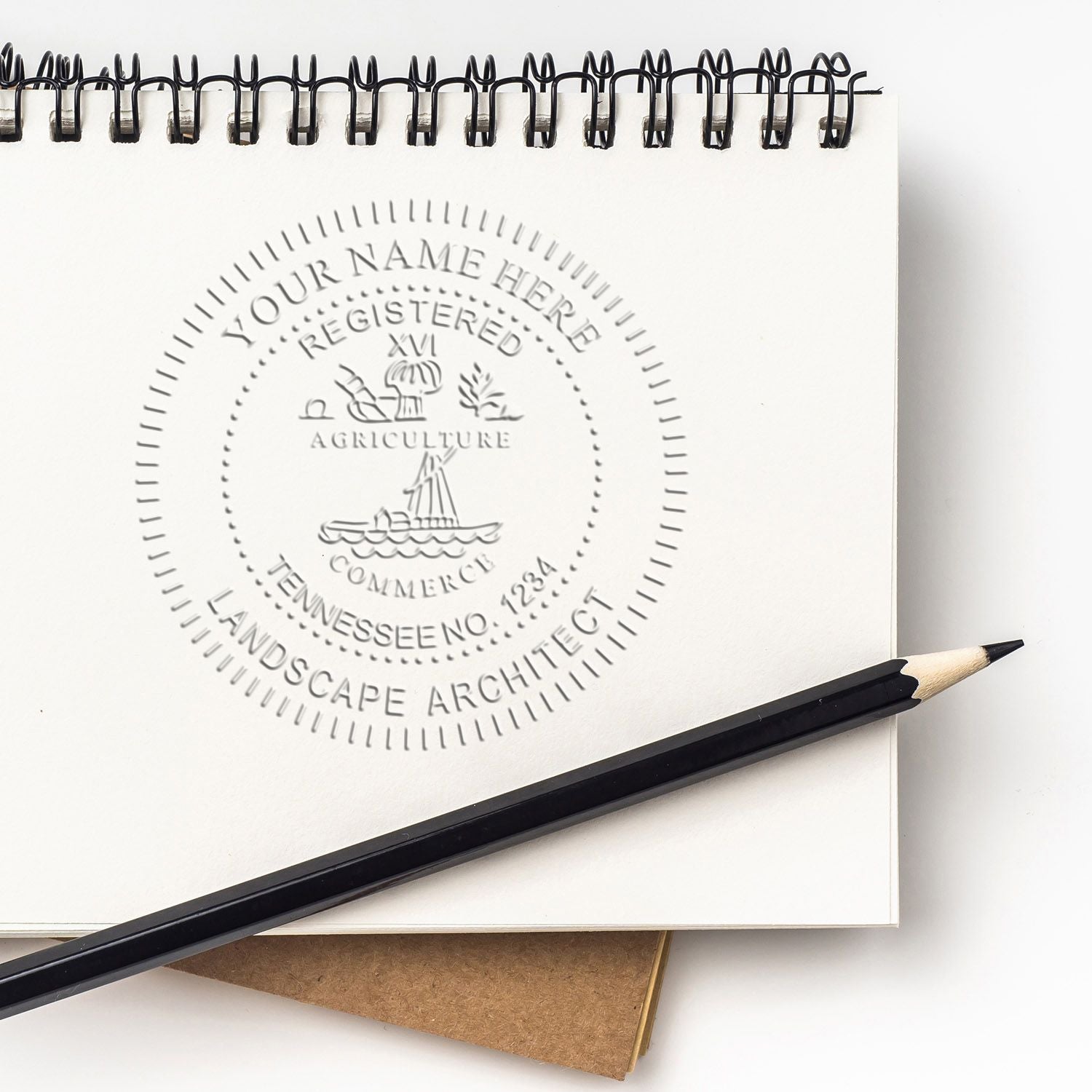
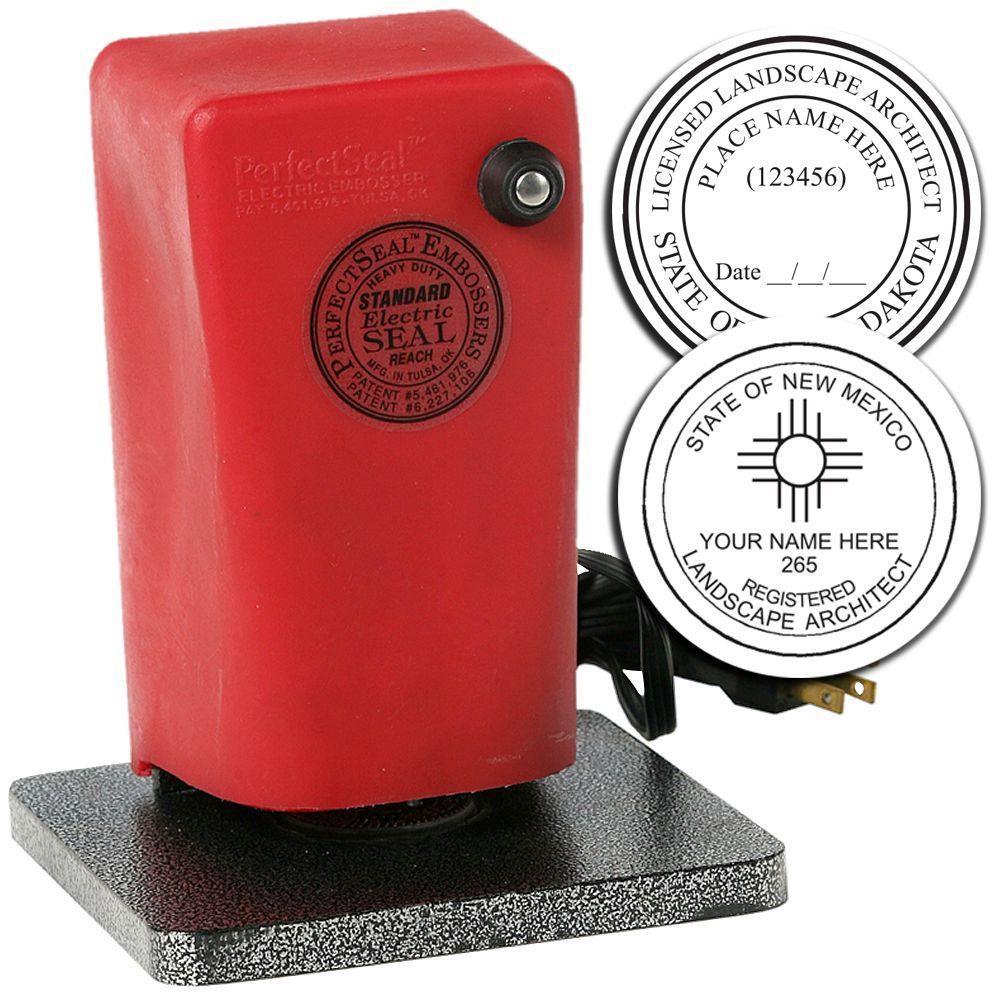
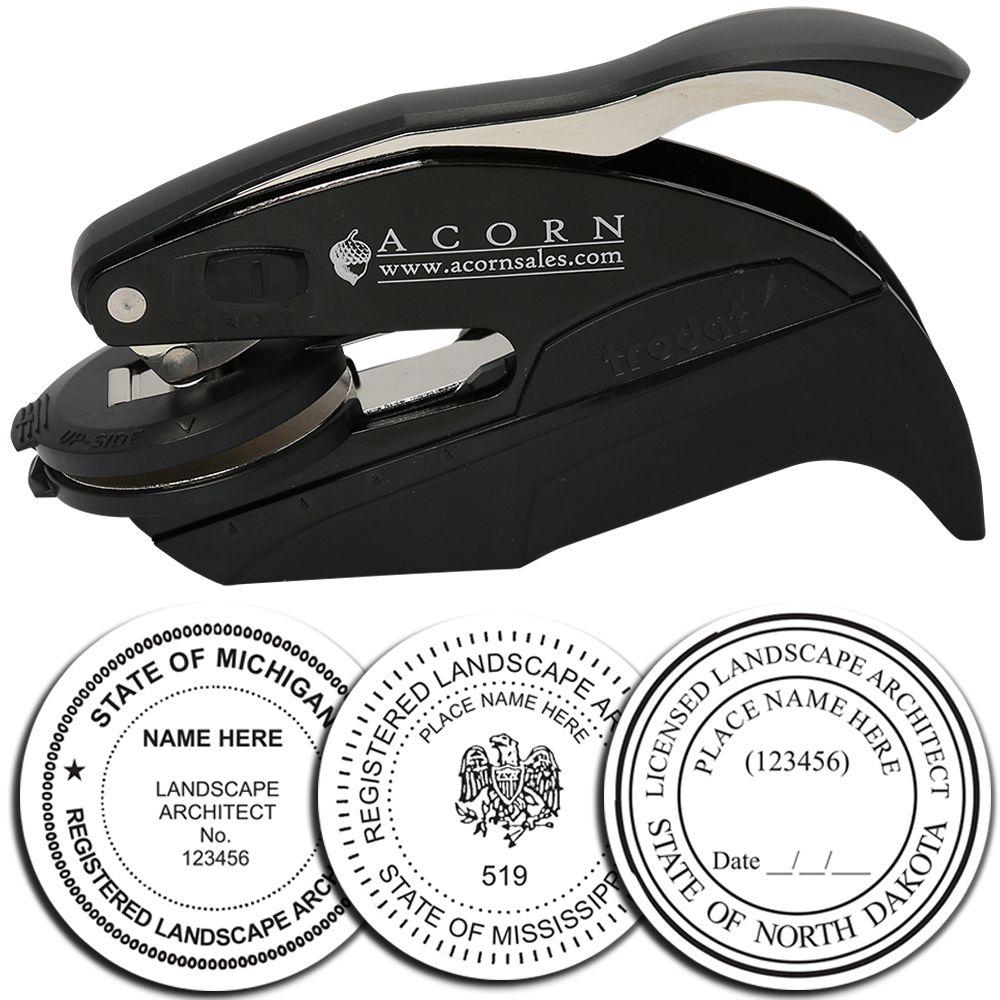
The rule does not specify a device type for the registrant’s seal. Subsection (B) calls it a “seal/stamp” and stops there. The embossing language in subsection (A) is about the board’s official seal. Nothing permits and nothing forbids an embosser, an inked stamp or an electronic image for the registrant. The safe buy is an inked stamp, because the rule requires your signature to run across the face of the device and a dry impression will not hold a legible legend under a signature once the set is copied.
Signing and dating
Sign across the seal. Rule 16.44.1.11(B) requires the registrant’s signature “placed across the seal/stamp” on all plans, specifications and reports issued. The rule does not require a date. The sources here are 16.44.1 in full and 16.44.2; there is no date requirement, no date line and no dating instruction anywhere in the chapter as published. Date your sealed documents regardless, because reviewing agencies expect it, but the obligation does not come from this rule.
The two-inch embossed seal in the rule belongs to the board
Rule 16.44.1.11 has two subsections and they describe two different objects. Subsection (A): “The official seal of the board shall be as follows: an embossed circular seal two inches in diameter, consisting of two concentric circles. The annular space between the two circles shall contain the seal of the state of New Mexico.” That is the New Mexico Board of Landscape Architects, sealing its own certificates and orders.
Which documents must be sealed
All plans, specifications and reports issued by a registrant. The rule does not carve out preliminary or draft work and does not provide a title-sheet shortcut for multi-sheet sets, so it is read as reaching each issued document. Rule 16.44.1.13 adds a practice trap next door to the seal: a landscape architect licensed in another jurisdiction “must be licensed in New Mexico before participating, partaking, or bidding in any design competition in New Mexico.” Rule 16.44.1.7(Z) confines the scope, providing that nothing in the definition of landscape architecture authorizes the practice of architecture, engineering or land surveying.




Electronic and digital seals
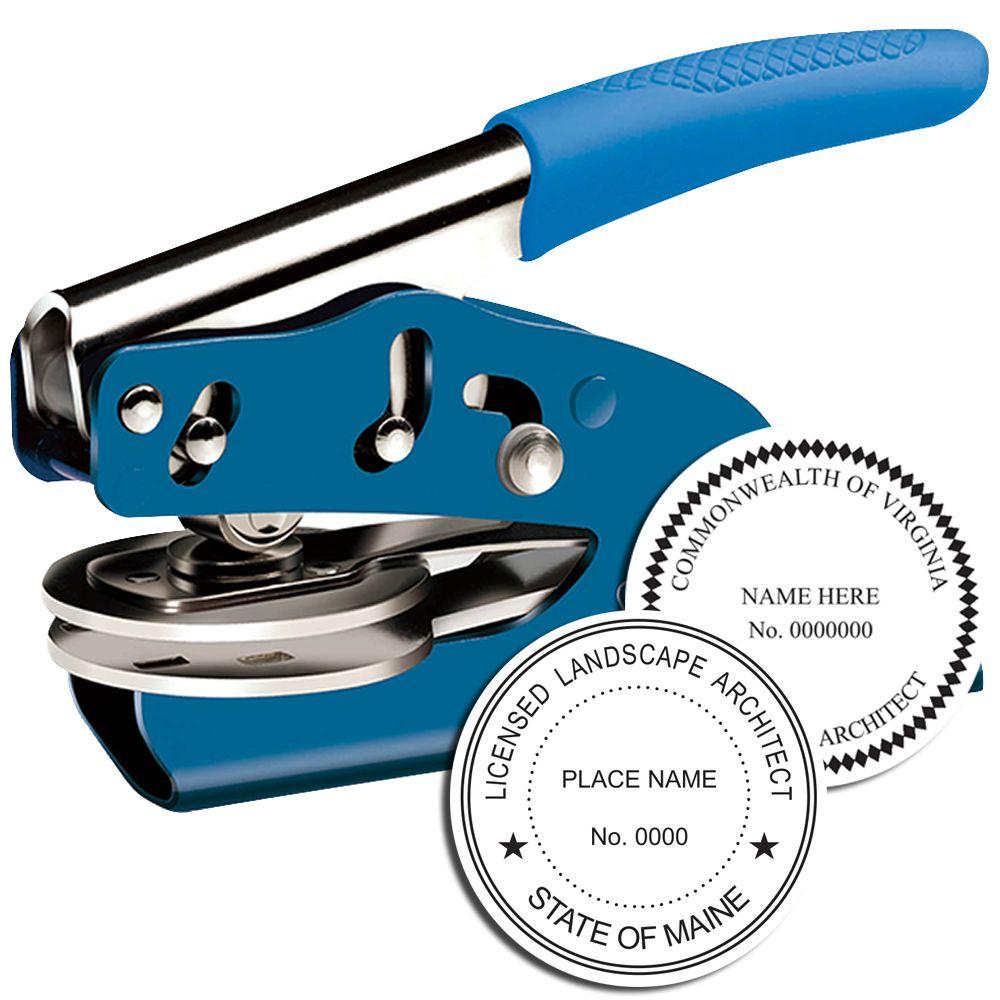
Not addressed. Chapter 16.44 NMAC sets no electronic or digital seal standard, no digital signature criteria and no authentication procedure. The only electronic term in the part is the definition of electronic transmission at 16.44.1.7(P), which means sending information through the internet, fax or email and says nothing about sealing. The sources here are 16.44.1 in full and 16.44.2. Confirm the acceptable format with the reviewing agency before relying on an electronic seal.
Renewal, lapse and retirement
Not addressed in the seal rule. Rule 16.44.1.11 says nothing about expiration, lapse, inactive status or revocation, and nothing about surrendering or destroying the device. Rule 16.44.1.7(T) defines inactive status as a board procedure “to affirm that a licensee is not engaged in active practice,” which is the closest the part comes. Renewal, continuing professional education and reinstatement sit in the Landscape Architects Act and in other parts of chapter 16.44.
Firm requirements
Not applicable. Chapter 16.44 NMAC creates no certificate of authorization, no firm registration and no firm seal, and nothing puts a firm number on a sealed document. What it does impose comes from the joint practice committee: 16.44.1.12(B) provides that when advertising in a discipline area “there must be a New Mexico registrant in that field who can legally bind by contract the company, corporation or business,” and (A) requires individuals representing other disciplines to be identified by their particular skill area.
What to check before you order
Order a stamp carrying your name, your registration number, and the legend registered landscape architect state of New Mexico, spelled exactly that way. The rule gives no diameter and names no device type for a registrant’s seal, so size it so that a signature written across the face still leaves every word readable, which is the one placement rule the board does impose. Do not order the two-inch embossed seal described in the rule: that one carries the seal of the state of New Mexico and belongs to the board itself. Keep firm names, CLARB numbers and expiration dates off the face. No date is required, but leave space to write one next to your signature.
Browse landscape architect stamps and seals.
Frequently asked questions
Is a seal required for landscape architects in New Mexico?
Yes, in substance. Rule 16.44.1.11(B) provides that the board may authorize a seal or stamp for use by registered landscape architects and then imposes the duty: “All plans, specifications, and reports issued by a registrant shall have the registrant’s signature placed across the seal/stamp.” The part is adopted under the Landscape Architects Act, Sections 61-24B-1 through 61-24B-17 NMSA 1978.
What has to appear on a New Mexico landscape architect seal?
Three elements and nothing else: your name as registered, your registration number, and the legend registered landscape architect state of New Mexico. Leave off the seal of the state of New Mexico, which belongs to the board’s own official seal under 16.44.1.11(A). Leave off the firm name, the CLARB number and any expiration date, none of which the rule provides for. Do not borrow the New Mexico architect artwork from 16.30.3.18(A) or the surveyor artwork from 16.39.5.11(C); both are different boards, different geometry and different wording.
What size is a New Mexico landscape architect seal?
The rule gives no size for a registrant’s seal. The only diameter in 16.44.1.11 belongs to the board’s official seal in subsection (A). Subsection (B), which describes your device, gives no diameter, no shape and no lettering height. Size it so that a signature written across the face still leaves every word readable, which is the one placement rule the board does impose.
Is the two inch New Mexico seal mine to buy?
No. That two inch embossed device with the state seal in the annular space is the board’s official seal under 16.44.1.11(A). A registrant who orders one has bought the board’s device rather than a professional seal, and has put state insignia on a private stamp. Your seal is described separately at subsection (B) and carries no state seal.
Embosser or stamp in New Mexico?
The rule does not specify a device type for a registrant. Subsection (B) calls it a “seal/stamp” and stops there, and the embossing language in subsection (A) is about the board’s official seal. Nothing permits and nothing forbids an embosser, an inked stamp or an electronic image. An inked stamp is the practical buy, because your signature has to run across the face and a dry impression will not hold a legible legend under a signature once the set is copied.
Where does the signature go in New Mexico?
Across the seal. Rule 16.44.1.11(B) requires the registrant’s signature “placed across the seal/stamp” on all plans, specifications and reports issued.
Does New Mexico require a date with the seal?
The rule does not. There is no date requirement, no date line and no dating instruction anywhere in 16.44.1 or 16.44.2 as published. Date your sealed documents regardless, because reviewing agencies expect it, but the obligation does not come from this rule. Leave space beside your signature for one.
Which New Mexico documents have to be sealed?
All plans, specifications and reports issued by a registrant. The rule carves out no preliminary or draft work and offers no title-sheet shortcut for multi-sheet sets, so it reads as reaching each issued document. Rule 16.44.1.7(Z) confines the scope, providing that nothing in the definition of landscape architecture authorizes the practice of architecture, engineering or land surveying.
Do I need a New Mexico license to enter a design competition there?
Yes, before you take part at all. Rule 16.44.1.13 provides that a landscape architect licensed in another jurisdiction “must be licensed in New Mexico before participating, partaking, or bidding in any design competition in New Mexico.” That is a practice trap sitting right next to the seal rule.
Is there an electronic seal standard in New Mexico?
Chapter 16.44 NMAC sets no electronic or digital seal standard, no digital signature criteria and no authentication procedure. The only electronic term in the part is the definition of electronic transmission at 16.44.1.7(P), which means sending information through the internet, fax or email and says nothing about sealing. Confirm the acceptable format with the reviewing agency before relying on an electronic seal.
Does a New Mexico landscape architecture firm need a seal?
No. Chapter 16.44 NMAC creates no certificate of authorization, no firm registration and no firm seal, and nothing puts a firm number on a sealed document. What it does impose comes from the joint practice committee: 16.44.1.12(B) provides that when advertising in a discipline area “there must be a New Mexico registrant in that field who can legally bind by contract the company, corporation or business,” and (A) requires individuals representing other disciplines to be identified by their particular skill area.








