
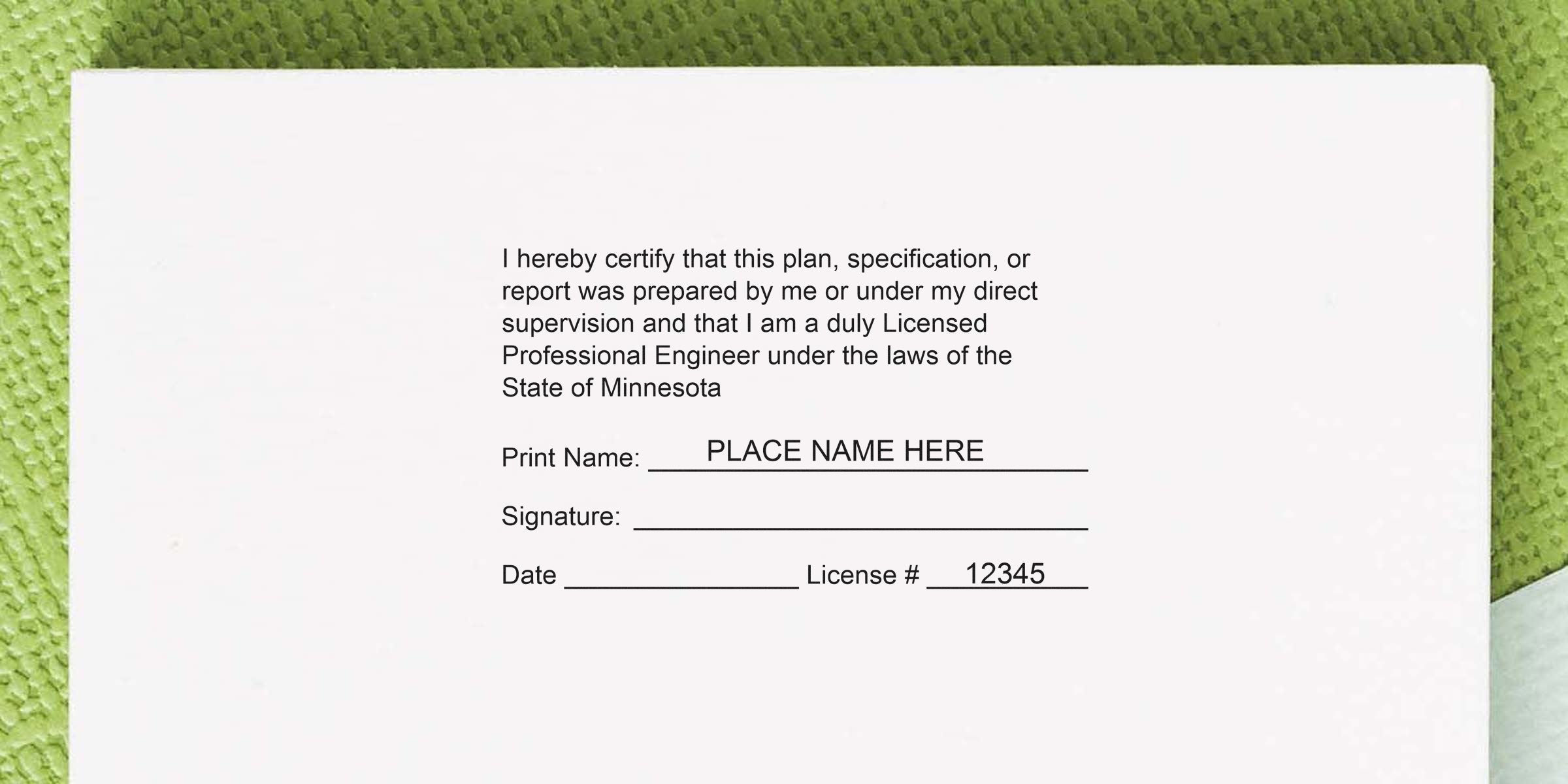
Starting Your Journey Toward Being A Licensed Minnesota State Engineer
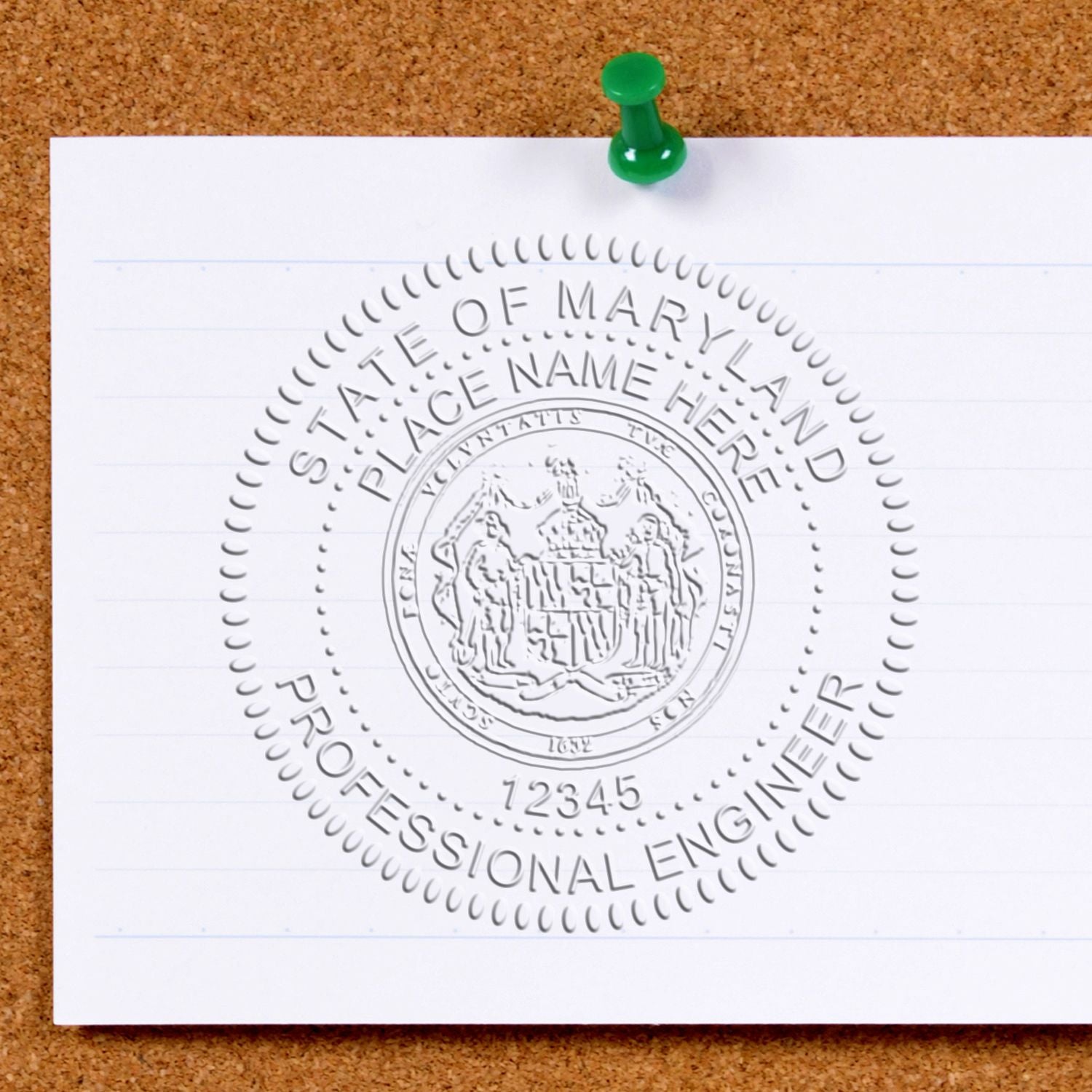
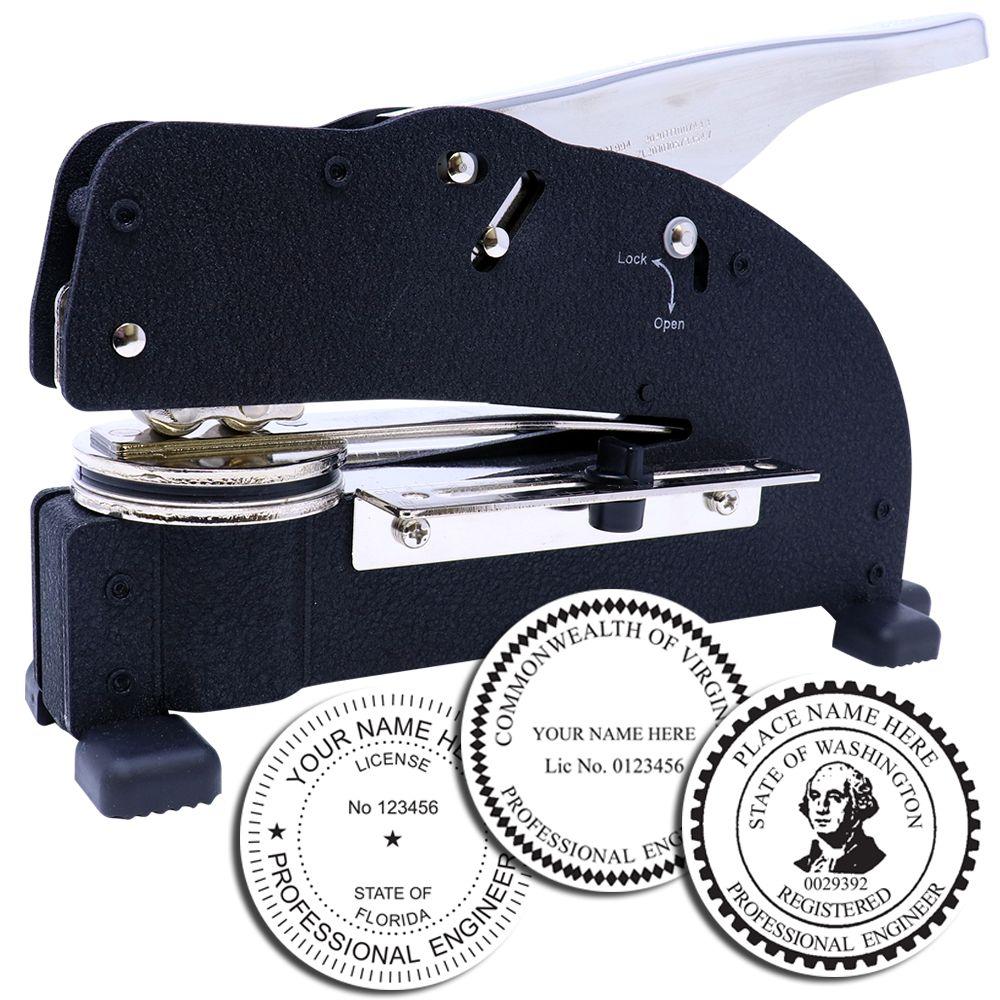
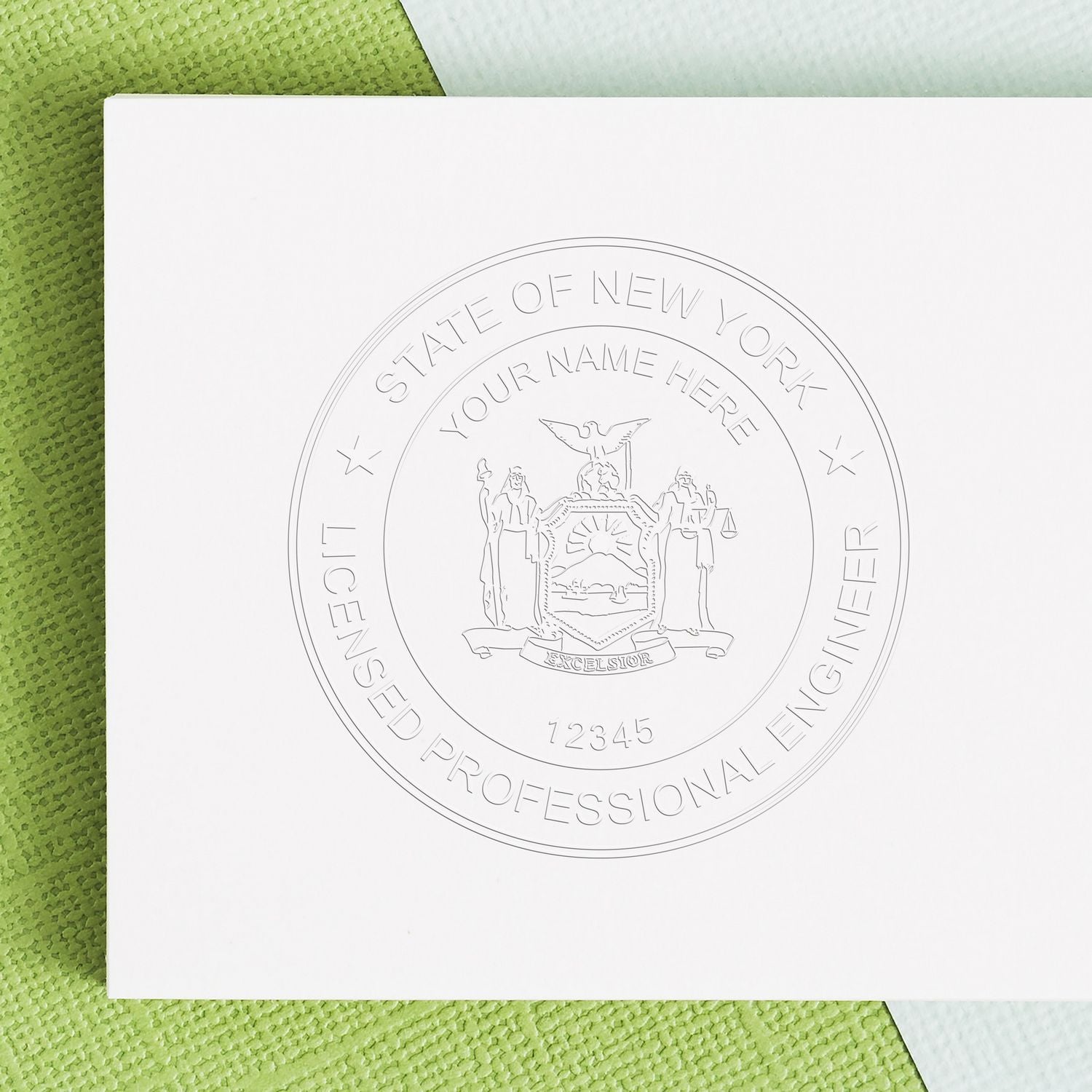
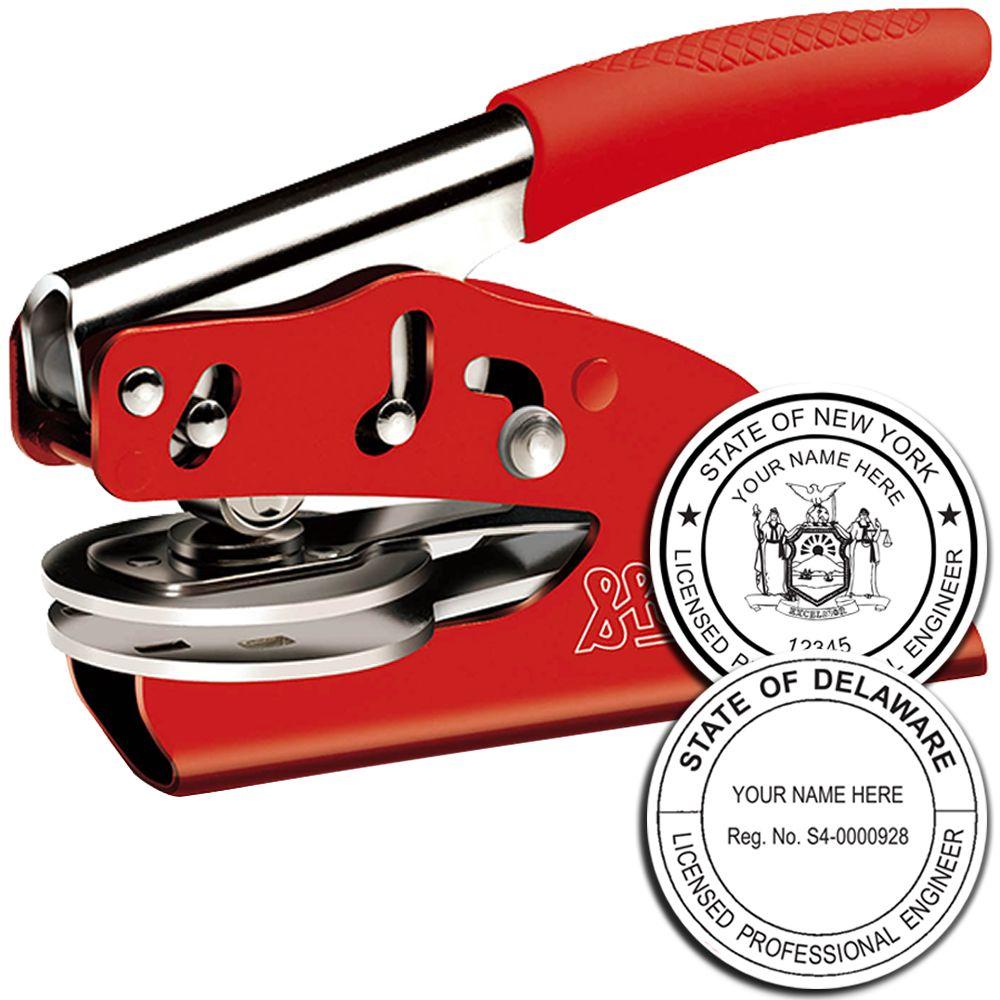
So you’ve decided you want to be a professional engineer in the state of Minnesota. That means you’re going to have to earn your Minnesota engineering plan stamp, and there’s no easy way of going about this. Better buckle up, because you’re in for a ride.
What Are the Requirements?
The first thing you’ll need to do is to get at least four years’ worth of quality education at a college or university before you even think about getting your Minnesota engineering plan stamp. However, you had better make sure that your engineering program is accredited by ABET, the Accreditation Board for Engineering and Technology, or all that education won’t be worth much. Then you’ve got to take the Fundamentals of Engineering exam from the National Council of Examiners for Engineering and Surveying. After you’ve passed that (you

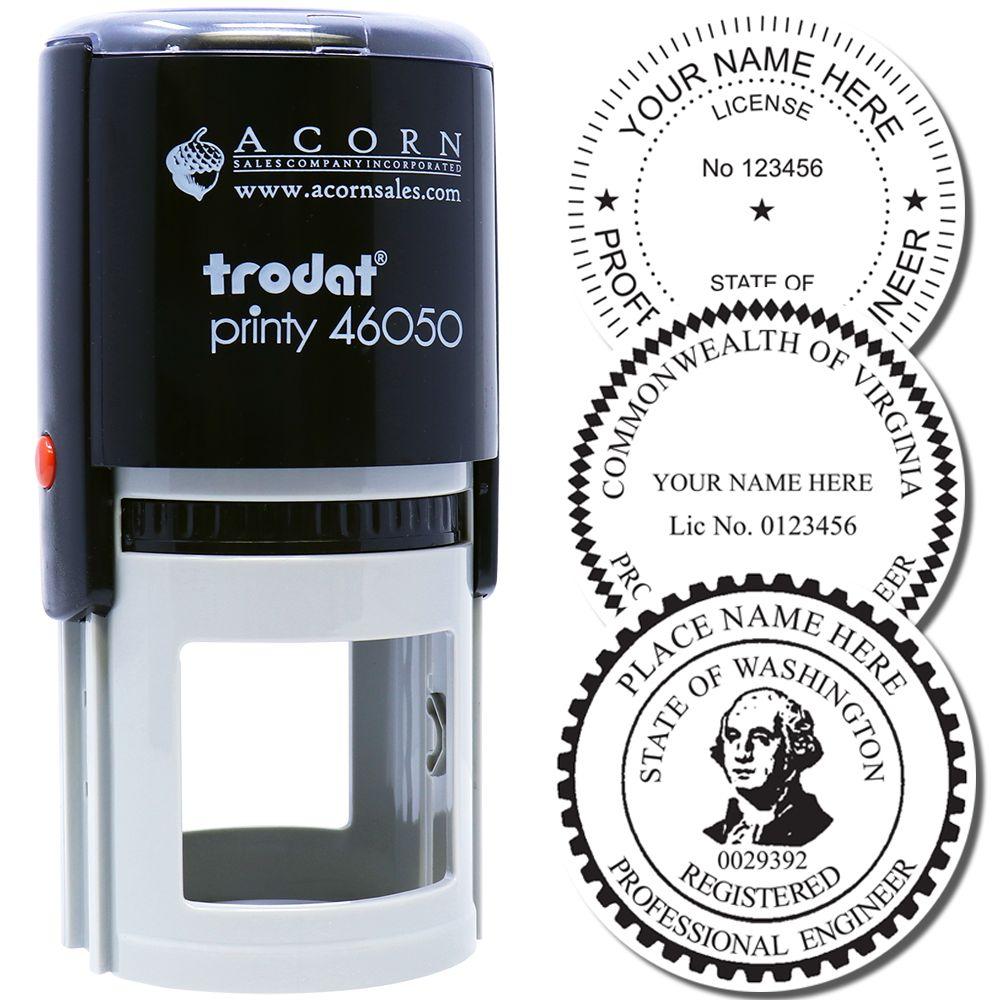
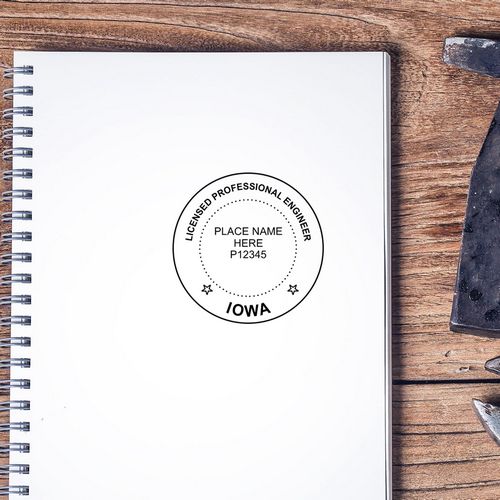
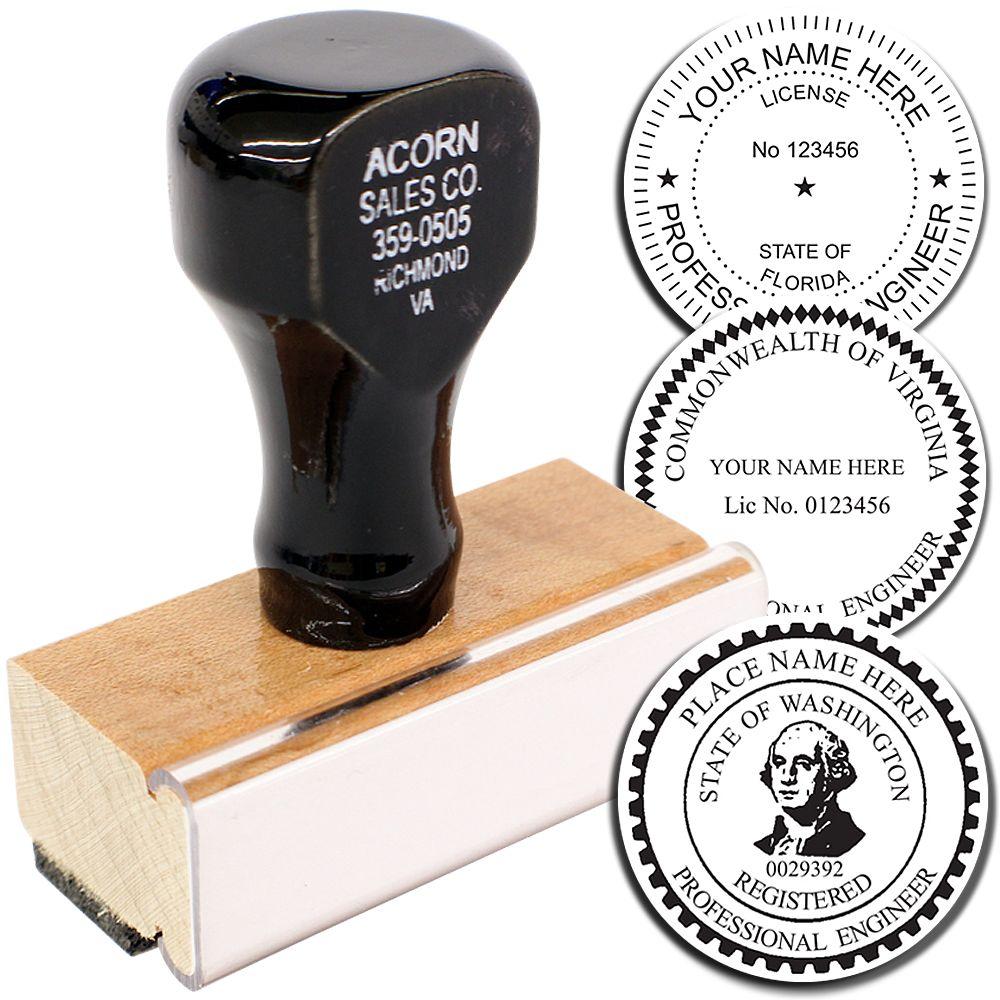
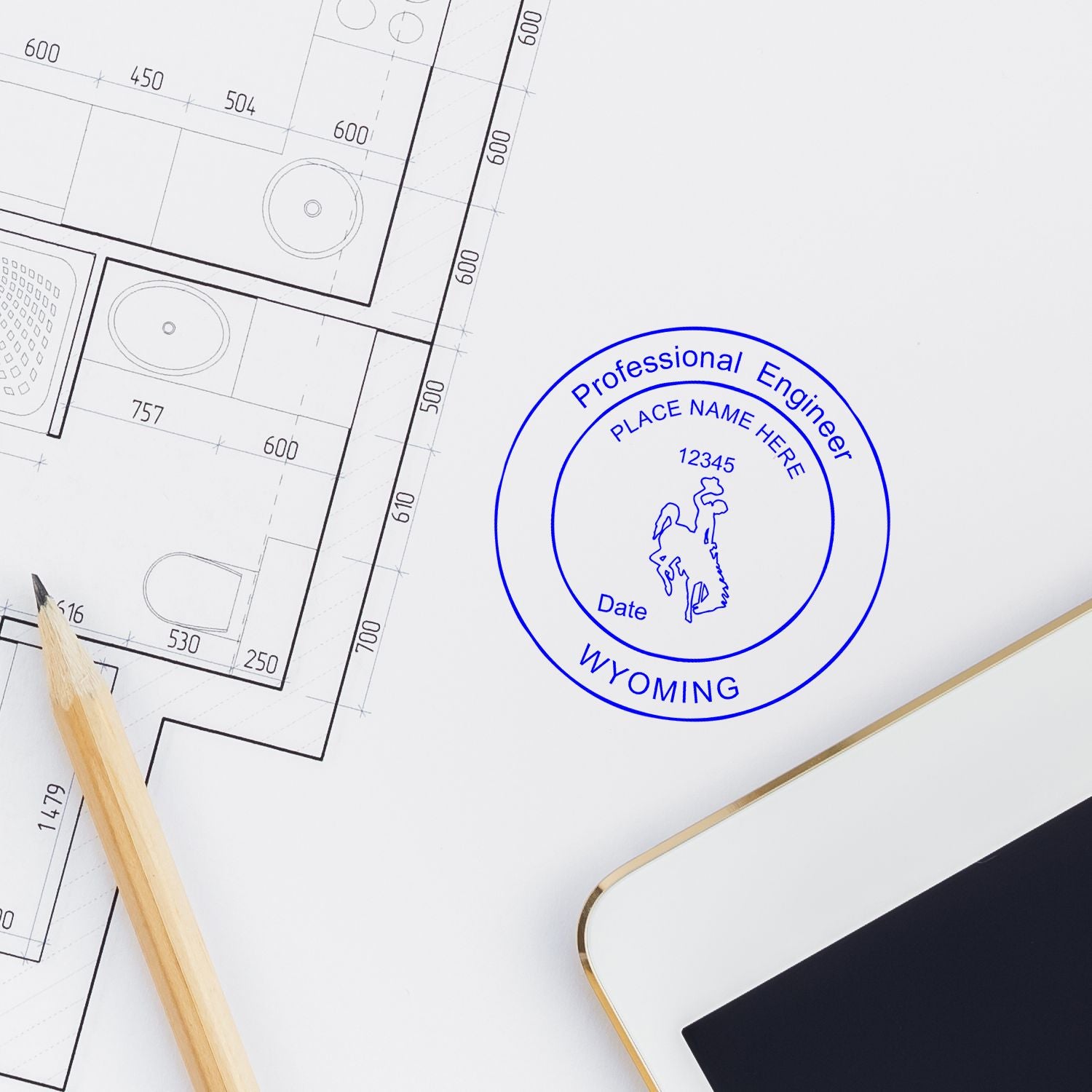

How Do You Keep Your Licensure Valid?
That’s right: if you want to keep your license and your Minnesota engineering plan stamp valid, you’ll have to renew it every two years. Part of the renewal process is making sure you keep up with the most recent developments in the field of engineering, so you’ll have to earn at least 24 continuing development hours over the course of every two years by going to seminars, taking college or university courses, or any other types of action that will provide you with that updated information. One of the only exceptions to this is your first renewal, though, so you won’t have to worry about losing your Minnesota engineering plan stamp until your second renewal.



So that’s the process in a nutshell, and while it seems excessive that’s because it is. However there’s a method to this madness, it’s meant to push away anyone who isn’t serious about being a professional engineer. In the early 1900s, before states put in licensing programs like this, anyone could just say they were an engineer and not have to prove it. You can imagine the kinds of messes that caused. Today, you don’t have to worry if the bridge or tunnel you’re traveling on was designed by someone who didn’t know what they were doing, thanks to professional engineers with their Minnesota engineering plan stamp.
Frequently Asked Questions
What are the requirements to get a Minnesota engineering plan stamp?
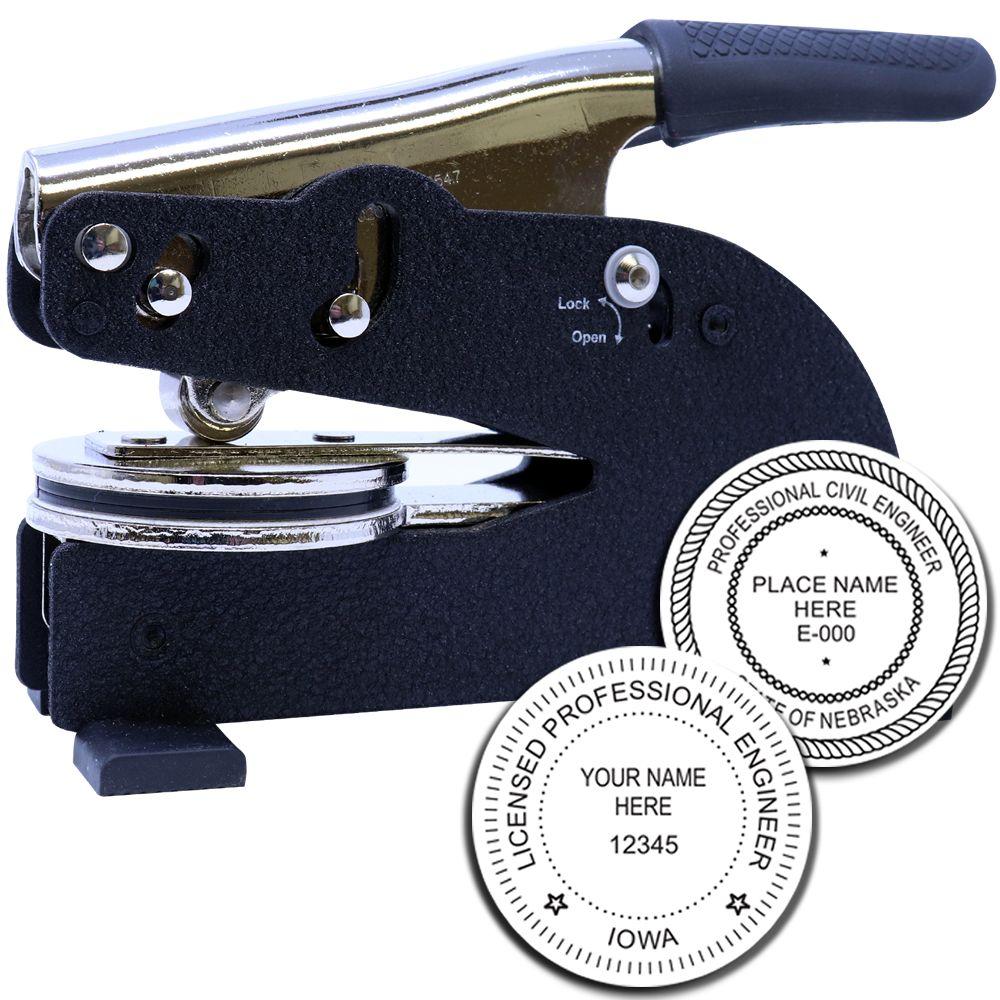
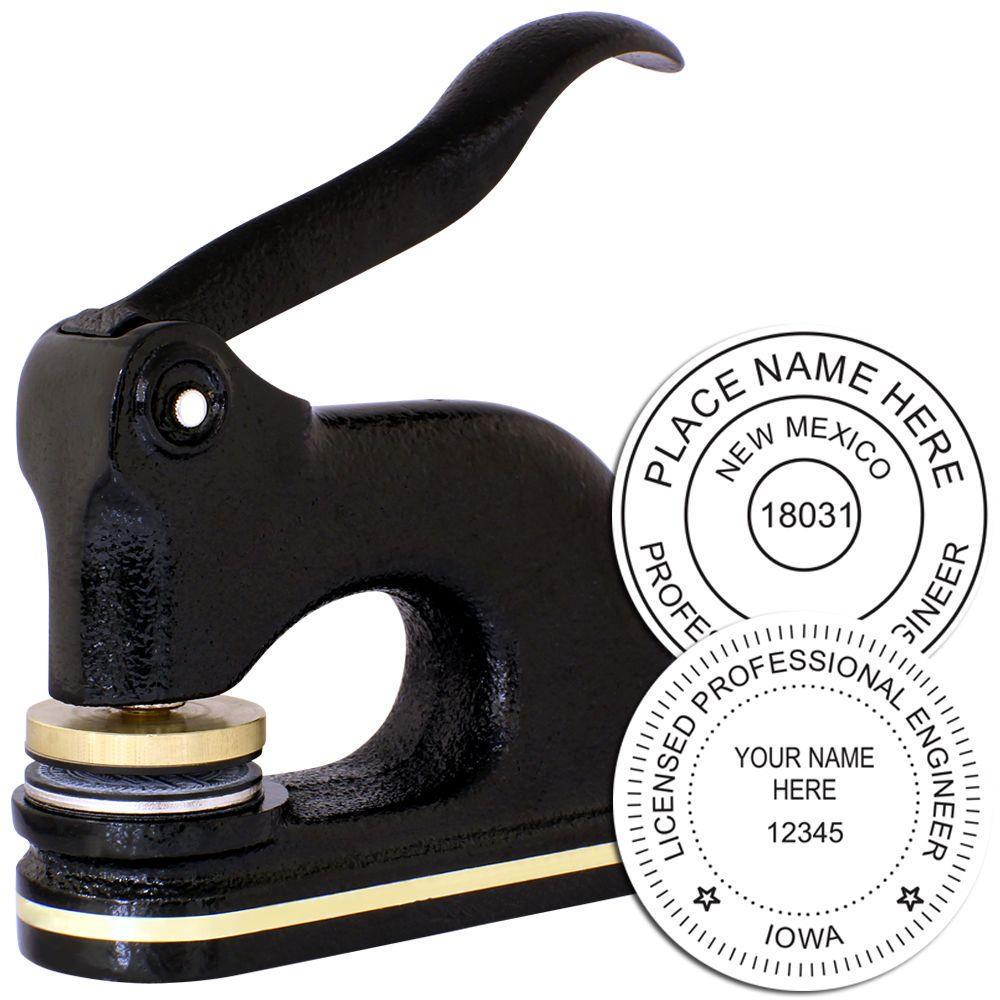
To qualify for a Minnesota engineering plan stamp, you generally need an ABET-accredited engineering degree, passage of the Fundamentals of Engineering (FE) exam, at least four years of progressive engineering experience under a licensed Professional Engineer, and passage of the Principles and Practice of Engineering (PE) exam. Once licensed, you can apply your Minnesota engineering seal to qualifying documents.
How long does it take to become a licensed Professional Engineer in Minnesota?
Most applicants should expect the process to take several years. A typical path includes four years of college, about four years of supervised work experience, and the time needed to prepare for and pass both the FE and PE exams. In total, it often takes around eight years or more, depending on your education and career path.
What exams do I need for a Minnesota PE stamp?
You must first pass the FE exam and then, after completing the required engineering experience, pass the PE exam. The FE exam is usually taken near the end of your engineering degree or shortly after graduation, while the PE exam is taken after you meet Minnesota’s experience requirements.
How do I renew my Minnesota engineering license and seal?
Minnesota PE licenses must be renewed every two years. To stay active, you need to complete continuing development requirements, including 24 PDH hours over each two-year renewal cycle. For your first renewal, there may be an exception, but after that you’ll need to keep up with the continuing education requirements to maintain your license and ability to use your seal.
What continuing education is required for Minnesota Professional Engineers?
Minnesota requires licensed Professional Engineers to complete 24 continuing development hours during each two-year renewal period. Acceptable activities may include seminars, approved courses, or other professional development opportunities that help you stay current in engineering practice and standards.
Can I use my Minnesota engineering seal on plans before I’m licensed?
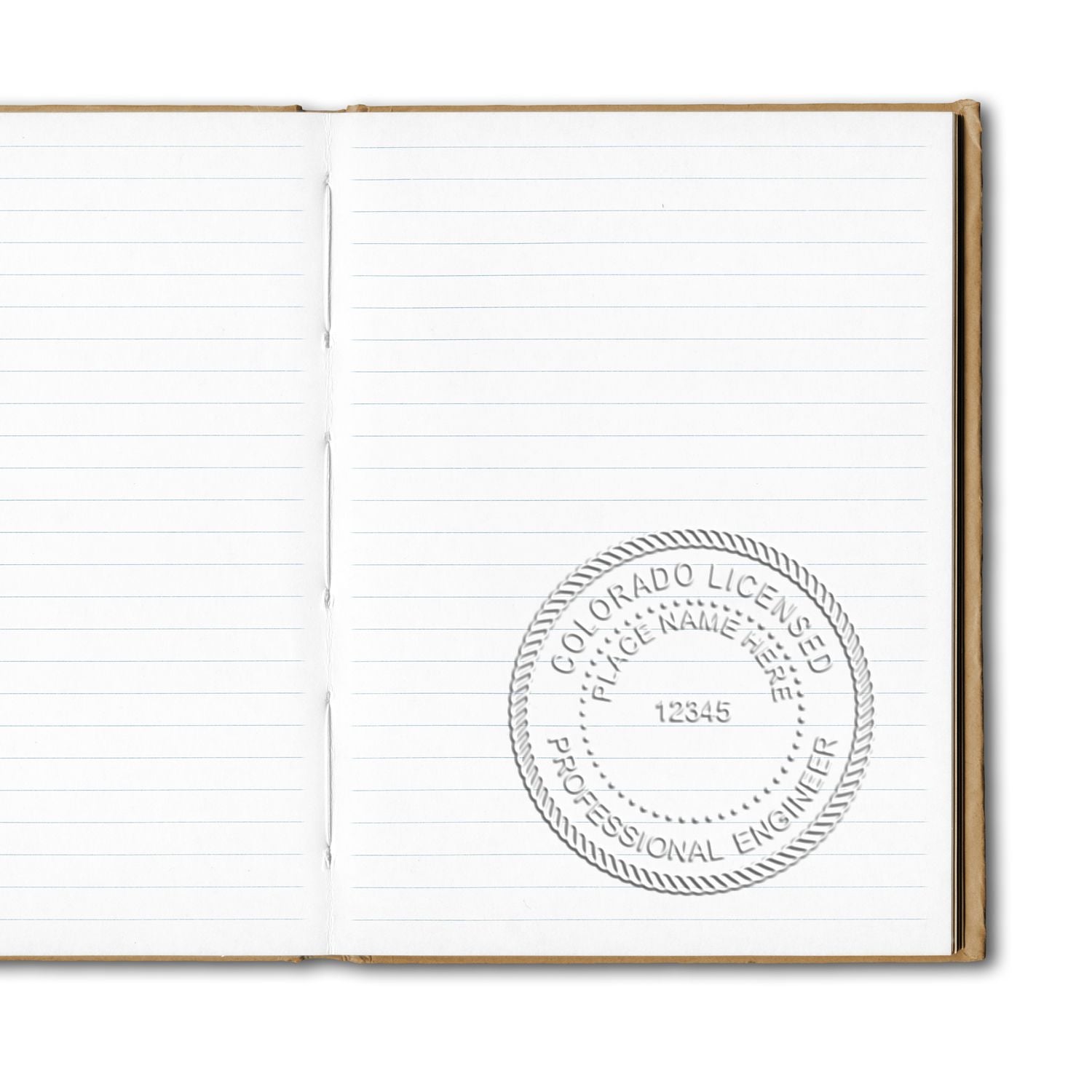
No, you should only use your Minnesota engineering seal after you are officially licensed as a Professional Engineer in Minnesota. Using a seal before licensure can create serious compliance issues. Once licensed, you can apply your seal to documents in accordance with Minnesota engineering seal requirements and the rules governing your profession.








