
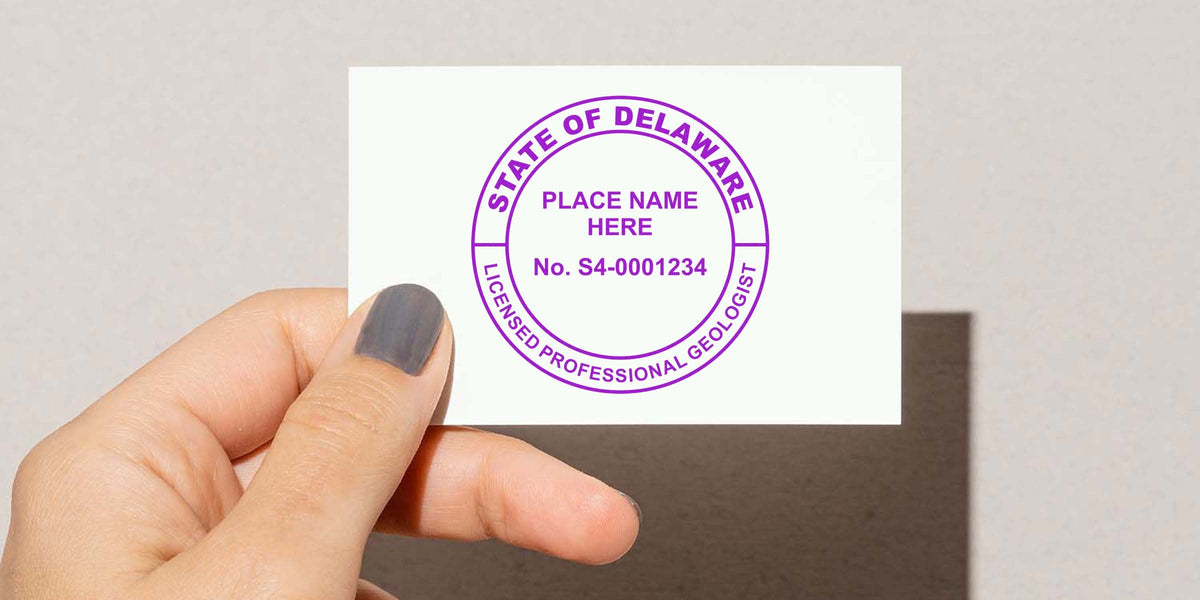
Understand Delaware Requirements
If you’re planning to practice geology in the First State, you’ll eventually need a Delaware professional geologist seal to authenticate official documents. This seal proves you’ve met the Board’s approval to provide geological services. It also shows your reports, plans, or maps carry the weight of licensed credibility. The process might sound complicated, but you can easily break it down into a few manageable steps.
Role of the Delaware Board
Delaware’s Board of Geologists oversees the licensing, examination, and overall professional standards for geologists in the state. Their main goal is to protect public health and welfare by ensuring geologists meet specific educational and ethical standards.
Getting your license typically involves completing an accredited geology degree, passing relevant exams, and meeting experience hours. The Board also publishes rules for your official seal, including appearance, size, and usage guidelines. These rules ensure uniformity in professional documentation.
Educational and Experience Criteria
Before you can even think about a seal, you need to fulfill the Board’s educational and experience requirements. Generally, that means:
- Holding a minimum of a bachelor’s degree in geology or a closely related discipline.
- Accumulating hands-on field or lab experience, often under the supervision of a seasoned geologist.
- Completing any specific training modules the state requires, including topics on local geology or ethics.
If you meet these prerequisites, the path to obtaining your Delaware license and, ultimately, your official seal is already well underway.
Complete Essential Application Steps
Once you confirm you’re eligible, your next move is to gather all the paperwork that proves your qualifications. This might include official transcripts, work logs, references, and exam results. The Board’s application forms will guide you, but it’s always smart to double-check you have everything before submitting.
Prepare and Submit Paperwork
Nobody loves a pile of forms, but submitting an organized application pays off. Be sure you:
- Collect college transcripts, preferably sealed by your alma mater, to confirm your academic record.
- Compile references from professional geologists who can vouch for your hands-on skills.
- Document your professional experience. Maintain tallies of work hours and project details, so the Board sees concrete proof of your expertise.
- Include all the necessary fees. Check the Board’s latest schedule of charges to avoid any surprises.
Send off your application and expect to wait a few weeks to hear from the Board. They’ll review your file and let you know if any pieces are missing or if you’ve been cleared for the next step, such as a licensing exam.
Check Your Deadlines
Delaware, like many states, has set windows for application submissions or exam dates. Missing a deadline could mean waiting an entire season or year to reapply. Mark your calendar with:
- Application cutoffs or exam registration deadlines.
- License renewal dates, once you’re approved.
- Any continuing education windows that might pop up.
Staying on top of these key dates helps you maintain a continuous, valid license. In other words, you won’t have to scramble at the last minute or risk an unintentional lapse.
Acquire Your Official Seal
After you’ve secured your license, congratulations are in order. But you’re not done yet. To fully practice in the state, you need your official seal or stamp, which you’ll use to sign off on geological documents. Therapists, engineers, lawyers, and many other professionals have signature stamps or seals; geologists are no different. This final step signals you’re fully ready to operate independently.
Types of Seals Available
Seals can be physical stamps, embossers, or even digital images. All forms, however, must mirror the Board’s guidelines on size, design, and legibility. The standard layout typically displays your name, license number, and the phrase “Professional Geologist” plus “State of Delaware.”
You have two main styles to choose from:
- Rubber Stamp: A straightforward ink stamp that’s easily portable, cost-effective, and quick for daily usage.
- Embosser: A handheld press that leaves a raised impression on documents. It looks official and is nearly impossible to replicate, making it a great choice for documents requiring long-term readability.
Why Acorn Sales Is Trusted
When hunting for a provider of Delaware geologist stamps or seals, you’ve got options. However, Acorn Sales stands out for its long-running reputation. We’ve been in business since 1964, offering durable, Board-compliant stamps that thousands of professionals trust nationwide. Our products are known for their quality impressions and lasting construction, so you won’t be ordering a replacement every few months.
And here’s some extra good news: Acorn Sales offers a free digital seal with your physical stamp purchase. This digital version comes in handy when you’re working remotely or handling electronic documents. You can quickly affix it to PDFs, email attachments, or any state-required e-forms, ensuring your geology work carries the right level of authentication no matter where you are.
Use and Maintenance Tips
Once that shiny new seal arrives, you’ll want to know how to care for it properly. Incorrect usage or sloppy impressions can lead to document rejections, so a little preparation pays big dividends.
Proper Document Stamping
Official geological reports, maps, and formal communications often require your seal. To avoid smudges or faint impressions:
- Press firmly and evenly. If you’re using an embosser, apply balanced pressure so the raised edges appear sharp.
- Use quality inks or marking pads. Dried-out pads can lead to an unreadable stamp, so replace them on schedule.
- Keep your stamp or embosser clean. Ink and debris can build up quickly, dulling the impression’s clarity.
Documents must also include your signature alongside the seal, typically in the designated spot. That combination of signature and seal shows you stand behind the data, interpretations, or proposals contained within.
Renewal and Updates
Just like your license, your seal information might need updates if the Board revises their design requirements or if you switch your name. The good news is that the fundamental design changes are rare, and name tweaks happen only if you legally change your name. However, it’s wise to keep an eye on official announcements so you’re never caught off balance.
If your seal is heavily worn down—maybe the embosser starts making faint impressions or your rubber stamp loses shape—it’s time for a replacement. Don’t attempt to fix the device yourself with tape or glue. Instead, order a fresh, Board-compliant model to ensure every mark you leave is crisp and legitimate.
Additional Tips for Geologists
Beyond the basics, there are a few more steps you can take to ensure smooth sailing in your career as a Delaware geologist. By staying current with regulations and best practices, you’ll earn more trust from clients, colleagues, and regulators alike.
- Keep up with industry trends. Geological sciences evolve as new technology and research come to light, so check relevant professional journals or associations.
- Use official references. For instance, consult delaware geologist stamp requirements regularly to ensure your stamp remains Board-approved.
- Maintain continuing education. Some states expect licensed geologists to complete additional coursework or attend conferences. Even if Delaware doesn’t strictly mandate it each year, staying updated demonstrates professionalism.
- Network locally. Residents in the state often band together in professional groups for information sharing, job referrals, and collaboration opportunities.
Staying proactive in these areas helps you grow your expertise and keeps you open to new business. You’ll find that an active presence in local geology circles often leads to professional partnerships and a more rewarding practice.
Feel free to reach out or double-check guidelines with the Delaware Board of Geologists. By meeting these straightforward requirements and keeping your seal in good shape, you’ll stand out as a reliable professional. From obtaining your official credentials to stamping that final report with confidence, each step helps you build a flourishing geology career in Delaware. Good luck and happy stamping!
Frequently Asked Questions
Do I Need a Special Design for My Seal?
Yes. Delaware guidelines specify the layout, wording, and size of a valid seal. Typically, it includes your name, license number, the phrase “Professional Geologist,” and “State of Delaware.” Make sure your ordered seal follows that design exactly.
Can I Use a Digital Version Instead of a Physical Stamp?
Yes, digital seals can be valid, provided they meet the Board’s requirements for electronic authentication. Acorn Sales offers a free digital seal with every new stamp or embosser, letting you authenticate electronic files. Always confirm that regulatory bodies and clients accept digital impressions in place of ink or embosser marks.
How Often Do I Need to Renew My License and Seal?
Your license typically needs renewal according to the Board’s schedule, which might be every one or two years. The seal doesn’t expire, but your right to use it is tied to having a current license. Once your license lapses, you can’t lawfully stamp or emboss documents.
Where Can I Buy a Compliant Seal?
You can purchase a compliant seal through specialized vendors. Acorn Sales is a trusted name that has been around since 1964, supplying high-quality seals that meet state standards. Buying from an established provider reduces any chance of getting a seal that doesn’t match the Board’s specifications.








