

If you’re an Idaho landscape architect, you probably already know about the state’s strict professional requirements. One of the key steps in staying compliant is using your Idaho landscape architect seal embosser correctly. This small device plays a big role in validating your design work and adhering to state regulations, so it’s worth mastering. But the good news is, once you figure out the ins and outs, it can actually save you time and stress down the road.
In this article, I’ll walk you through practical tips for your embosser’s everyday use, how to comply with Idaho’s specific rules, and some tried-and-true maintenance tricks. Then, we’ll touch on a few extras like free digital seals and the value of having a trusted supplier. Finally, you’ll find a FAQ section at the end covering common questions about stamps, seals, and more. Ready to explore how your seal embosser can become your go-to tool for reliable, professional documentation? Let’s begin.
Understand The Role
What The Seal Represents
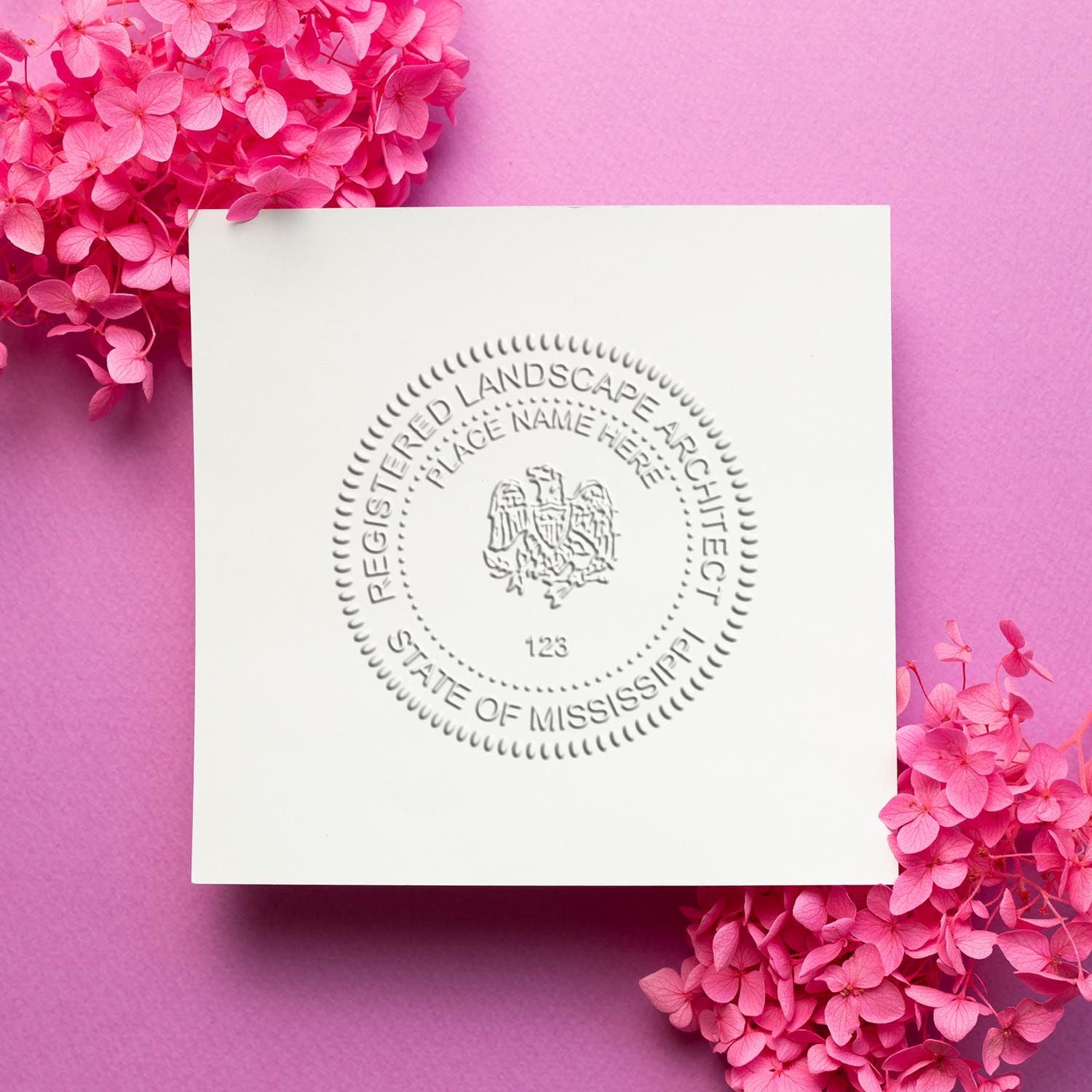
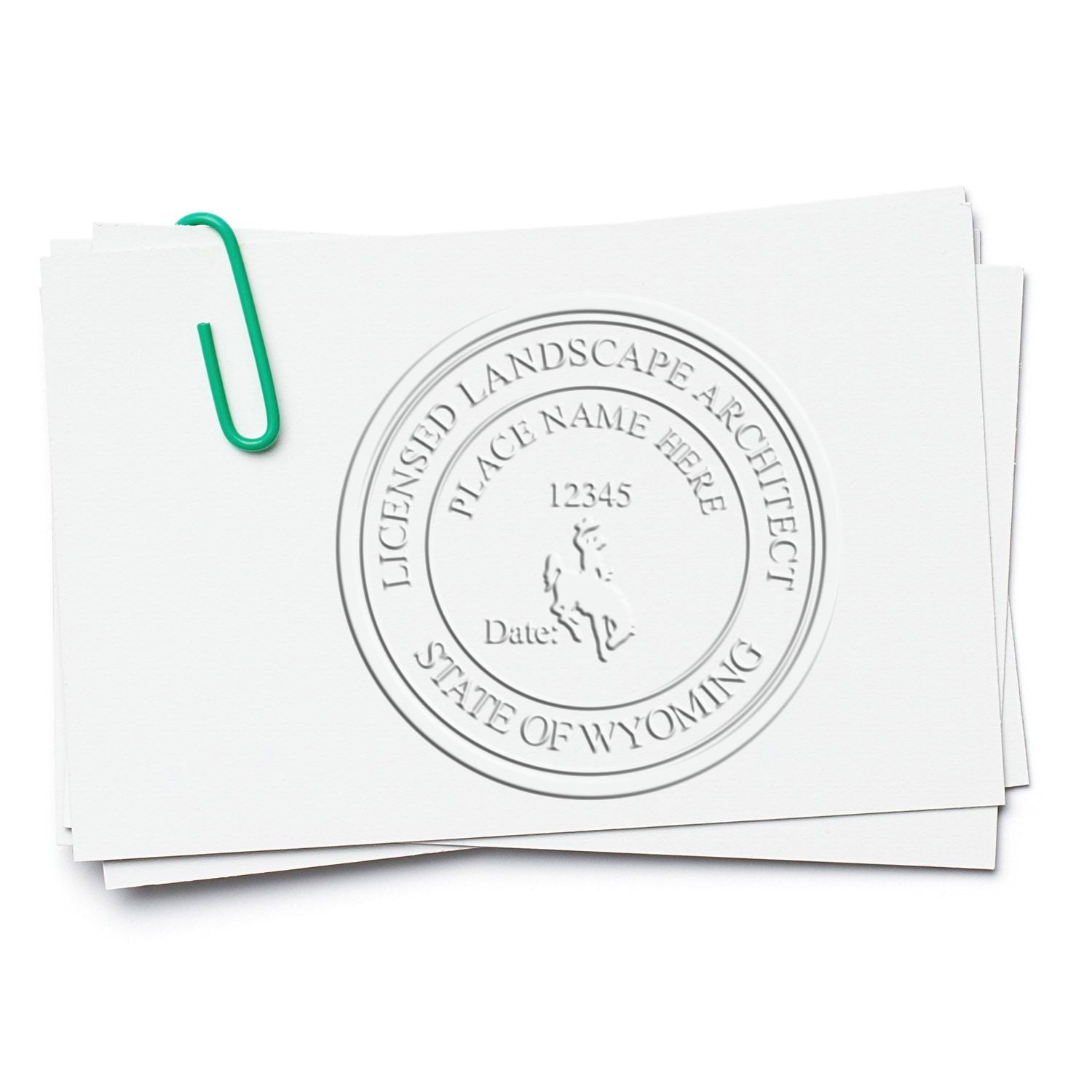
When you apply your seal embosser to your documents, you’re essentially stamping your professional signature on the page. It isn’t decoration. It represents your expertise, your compliance with state regulations, and your commitment to standing behind the quality of your work. For anyone reviewing your drawings or landscape plans, that embossed image signals: “This design was created by a certified Idaho landscape architect.”
You might already know that the state wants every set of official plans or documents to include that distinctive embossed seal or stamp, verifying your license in Idaho. However, it’s easy to underestimate the seal’s power. If you think about it, this seal can instantly convey trust to clients, government bodies, and even other landscape professionals who might team up on projects with you.
Where And When To Use It
You’ll likely use your seal embosser on final drawings, contracts, or any official documents that require a licensed professional’s sign-off. But you don’t have to stamp every single page, just focus on the ones mandated by state code, such as cover sheets and major plan pages. Double-check Idaho’s specific rules if you’re unsure how many pages need your mark, or if you’re curious about whether a digital seal (combined with your physical seal embosser) might be enough. Some architects prefer stamping each sheet for added security, while others keep it minimal. Each approach has its logic, so do what aligns best with the guidelines and your workflow.



Gather The Idaho Requirements
State Codes Explained
Idaho law outlines certain standards for all licensed landscape architects, and having a legitimate Idaho landscape architect seal embosser is part of that. Generally, you must present an official seal displaying your name, your license number, and the words “Idaho” and “Landscape Architect.” Make sure the design of the embosser matches state specifications. You’ll find these details in Idaho’s statutes or on the licensing board’s website.
Because rules can change, it’s a good idea to remain up to date. You really don’t want to risk having out-of-date or incorrect wording on your seal, since that might cast doubt on your credentials. If you’re new to the licensing process, think of your seal as both a final regulatory requirement and a professional badge of honor.
Finding Official Guidelines
There are a few great ways to figure out if your seal meets Idaho’s standards. First, you can consult your state board’s documentation. If you haven’t done so before, spend some time on their site. Often, they’ll include illustrations or PDFs showing you the acceptable seal formats. If you’re short on time, you can always call or email the board to get clarity on any rule that feels vague.
Another option is checking out specialized suppliers, like Acorn Sales, which is a trusted company providing Idaho seals and stamps. Companies that have been around for a while usually know each state’s requirements inside and out, so they can guide you toward the correct design. This can reduce your chances of ordering the wrong type of seal or inadvertently skipping required elements.
Choose Your Embosser Wisely
Different Embosser Types
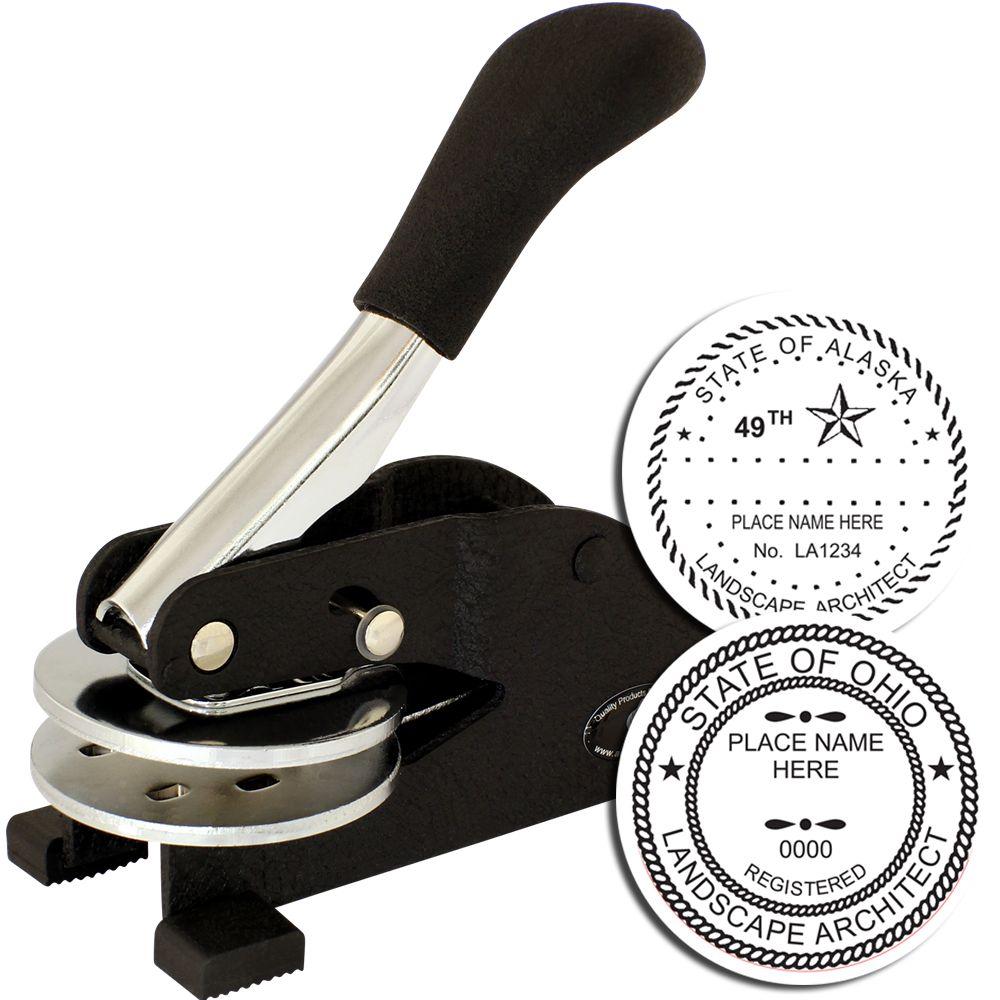
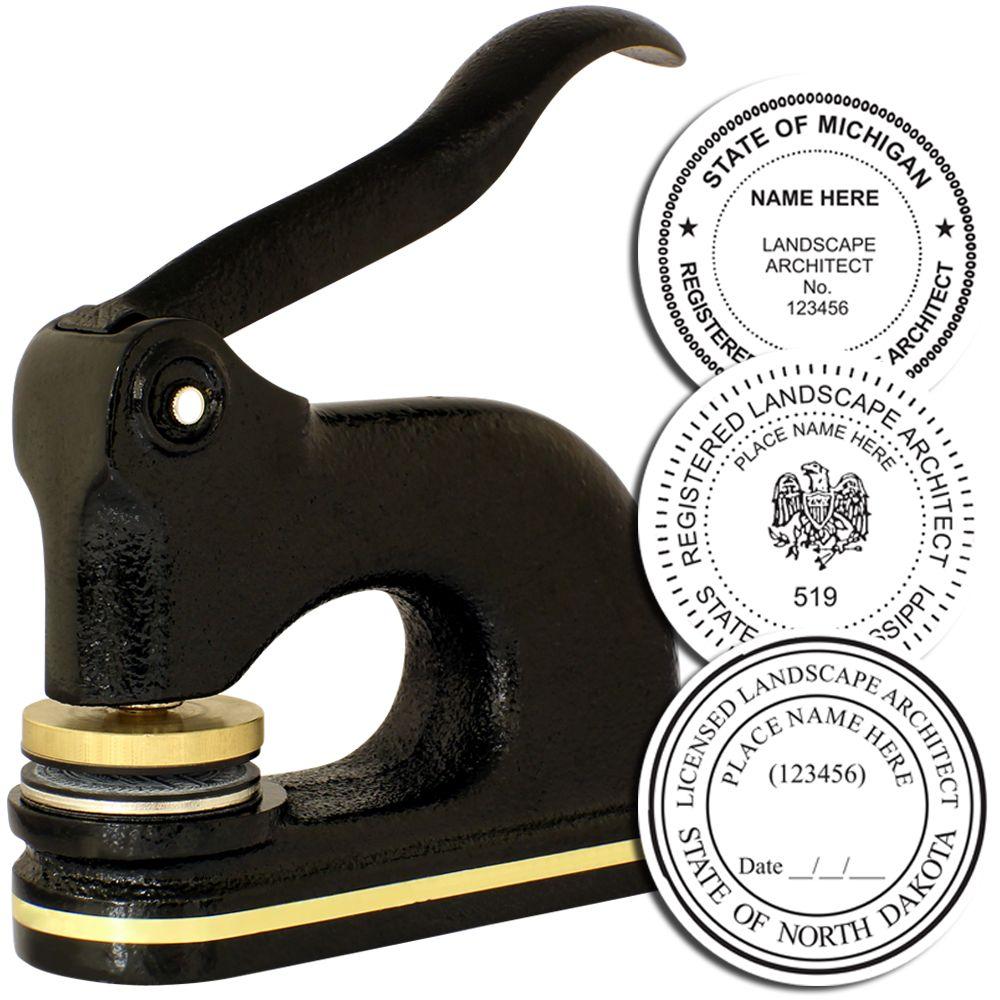
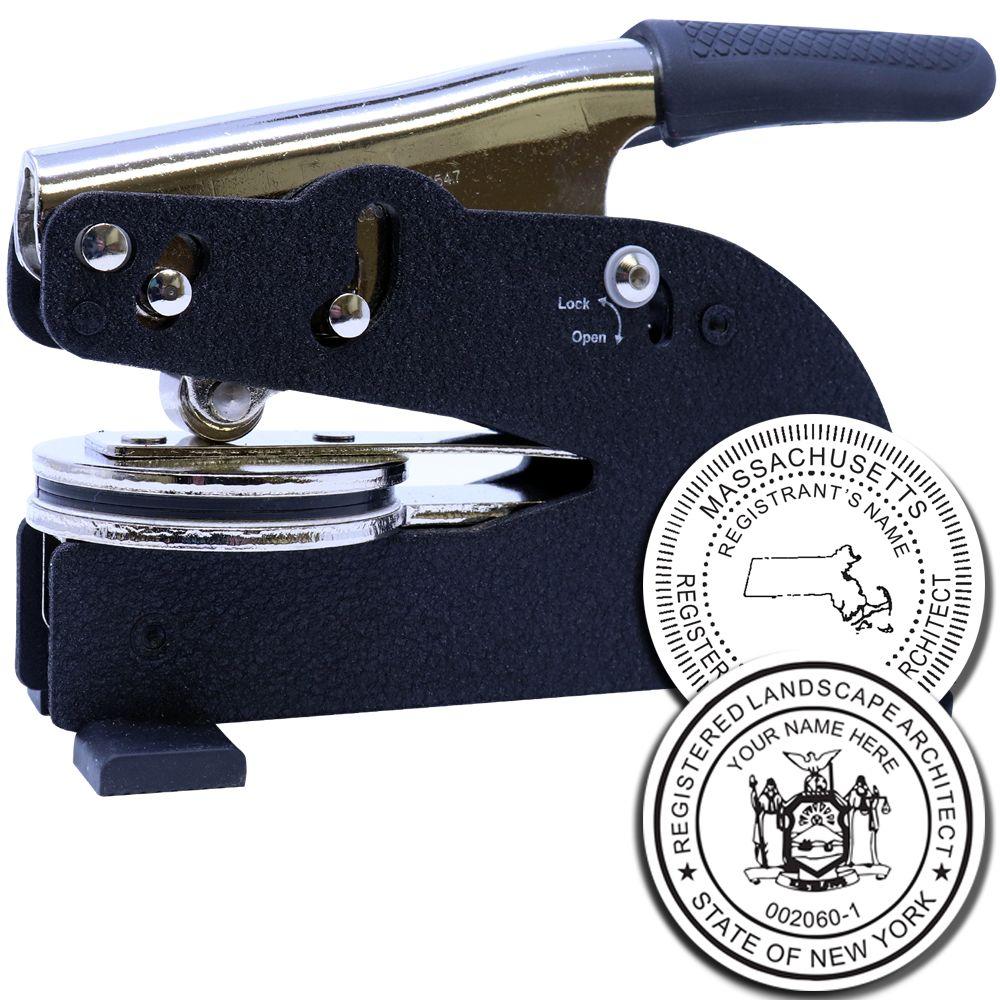
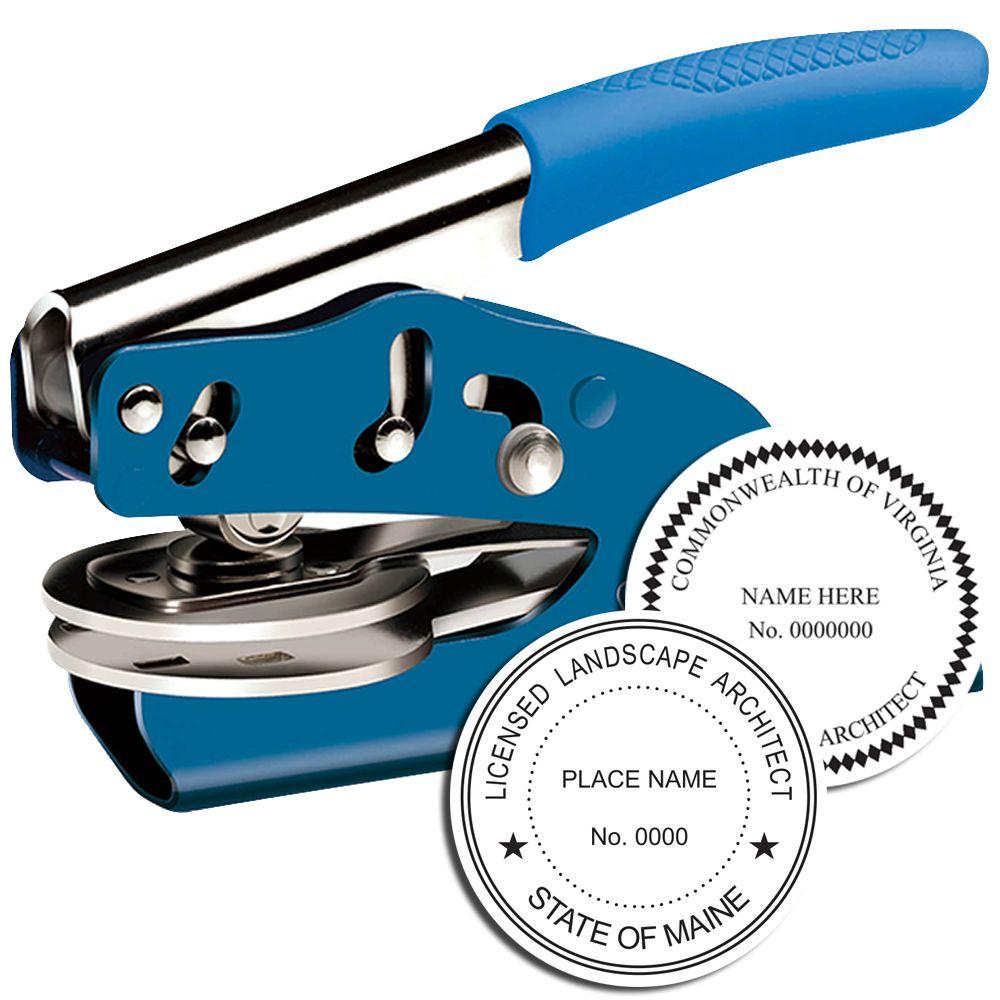
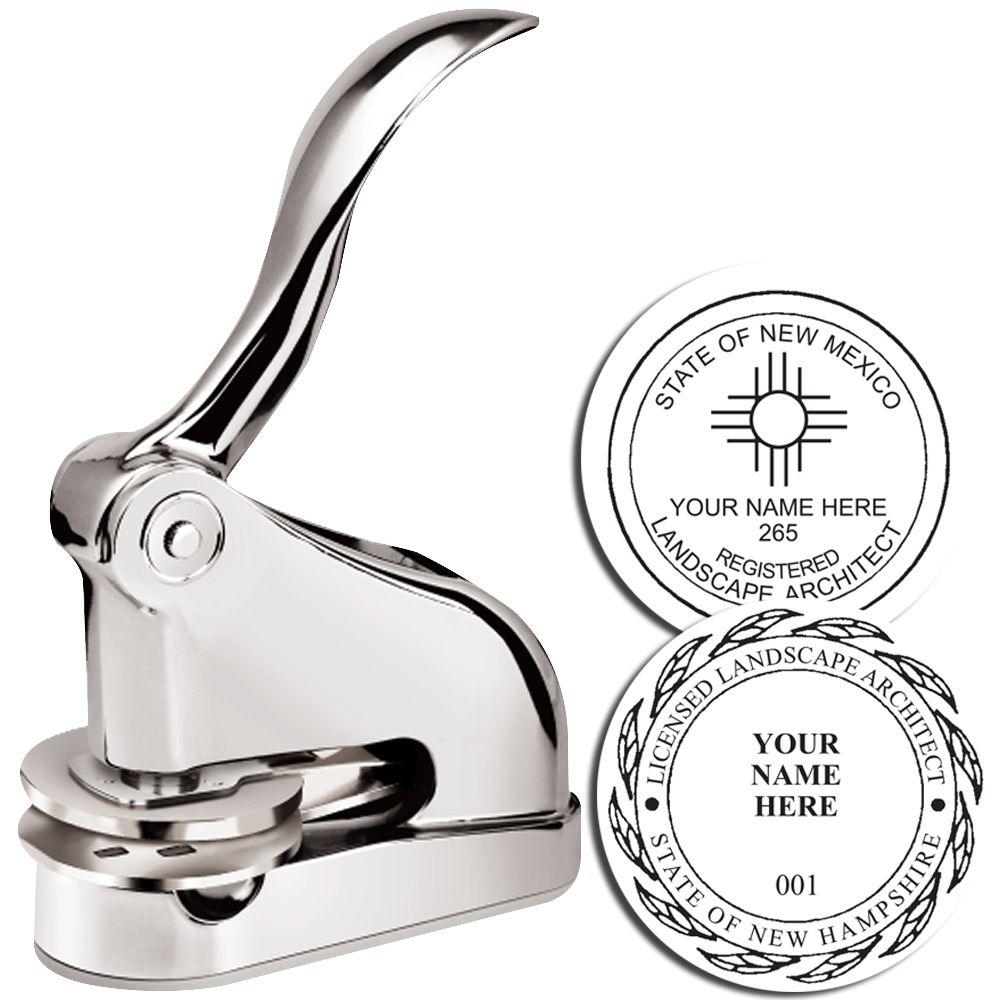
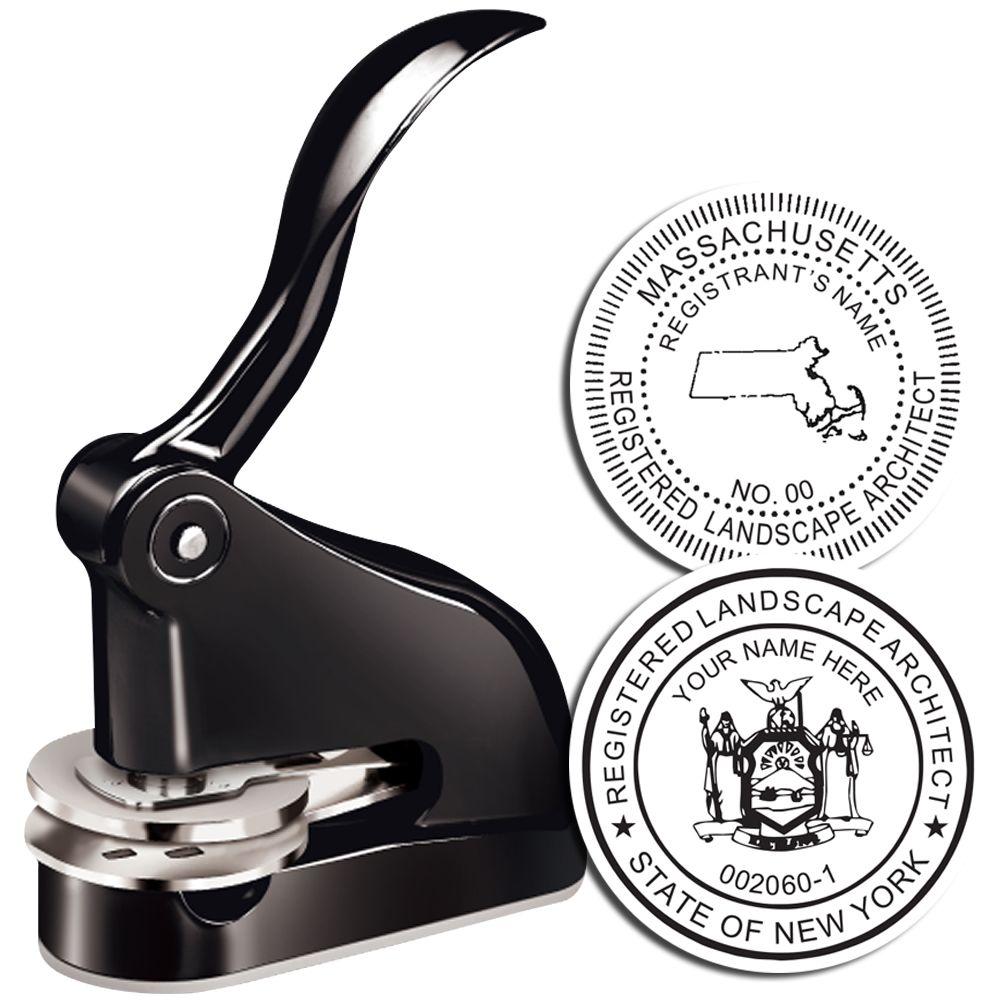
If you’ve never explored embossers before, you might be surprised by how many variations exist. You’ll find handheld models (the most portable), desk embossers (which sit securely on a flat surface), and even electronic versions. For Idaho landscape architects on the go, say you’re meeting clients in the field or traveling between sites, a handheld embosser could be your best choice. It fits easily in a bag, and you won’t need to worry about finding a stable desk to press down.
On the other hand, if you plan to do most of your stamping at a home or office workstation, a desk embosser can offer more consistency and comfort. Typically, the use is a bit better on a desk model, so you won’t strain your wrist too much if you have a large stack of documents to emboss in one session.
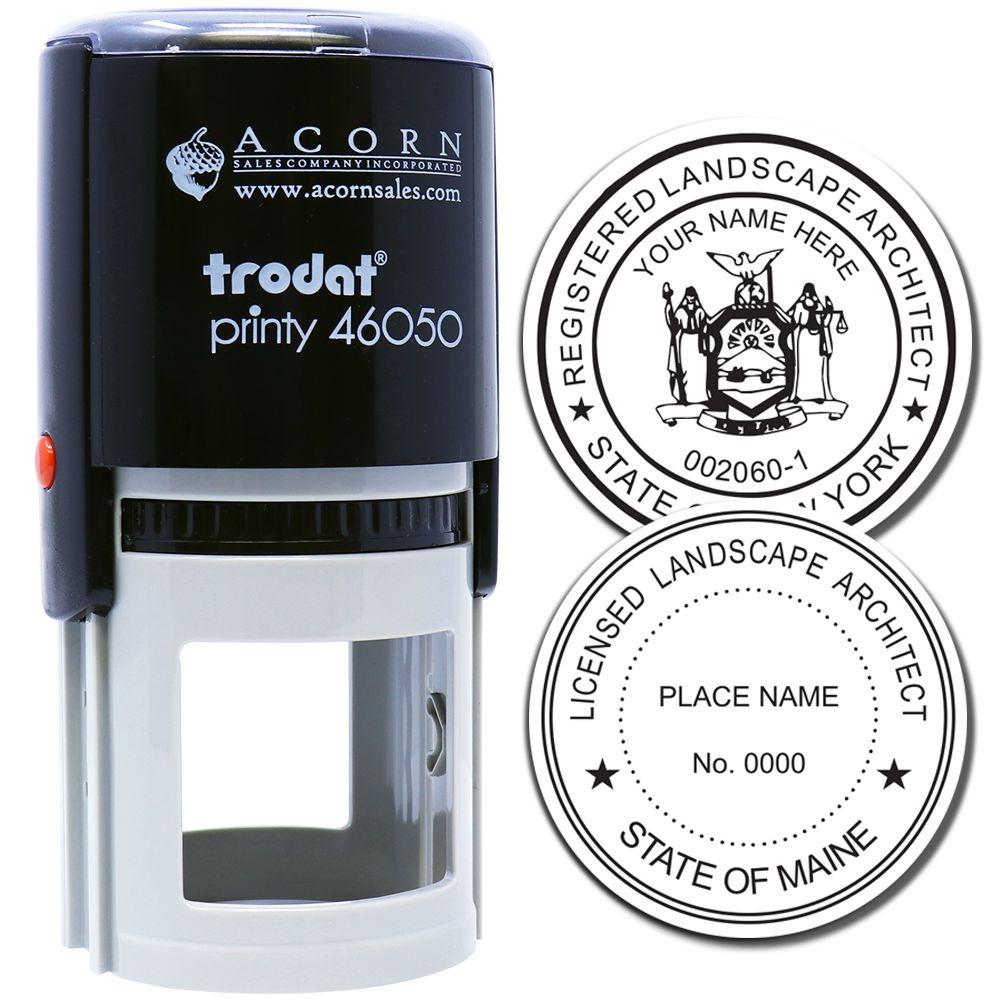
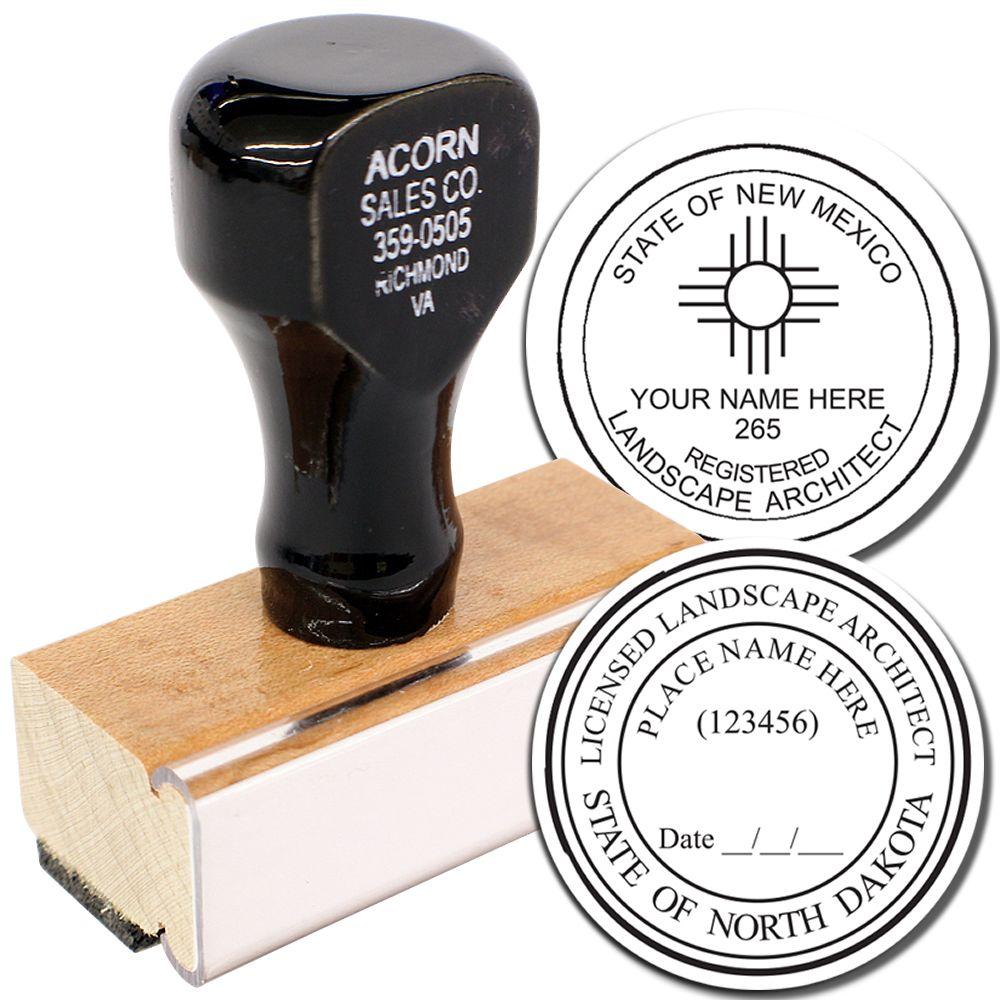
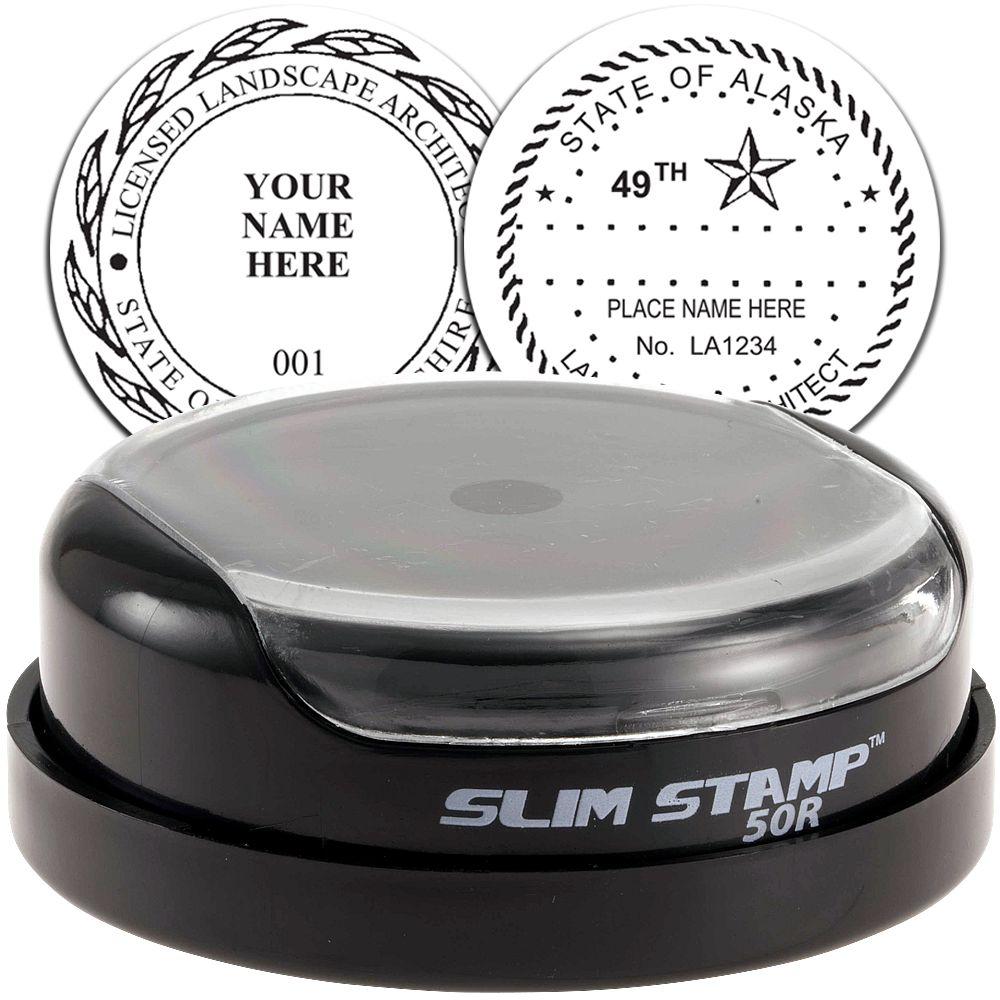
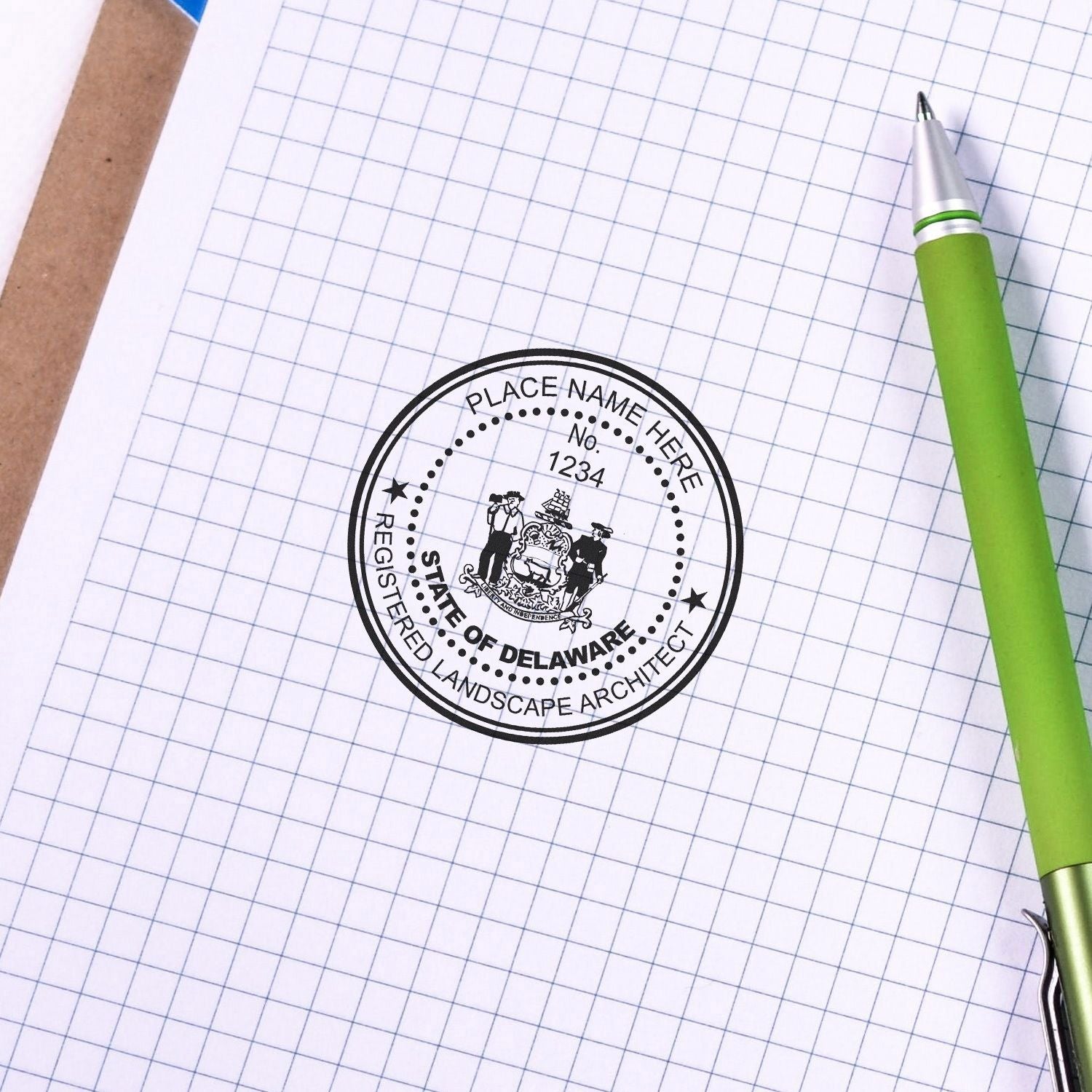
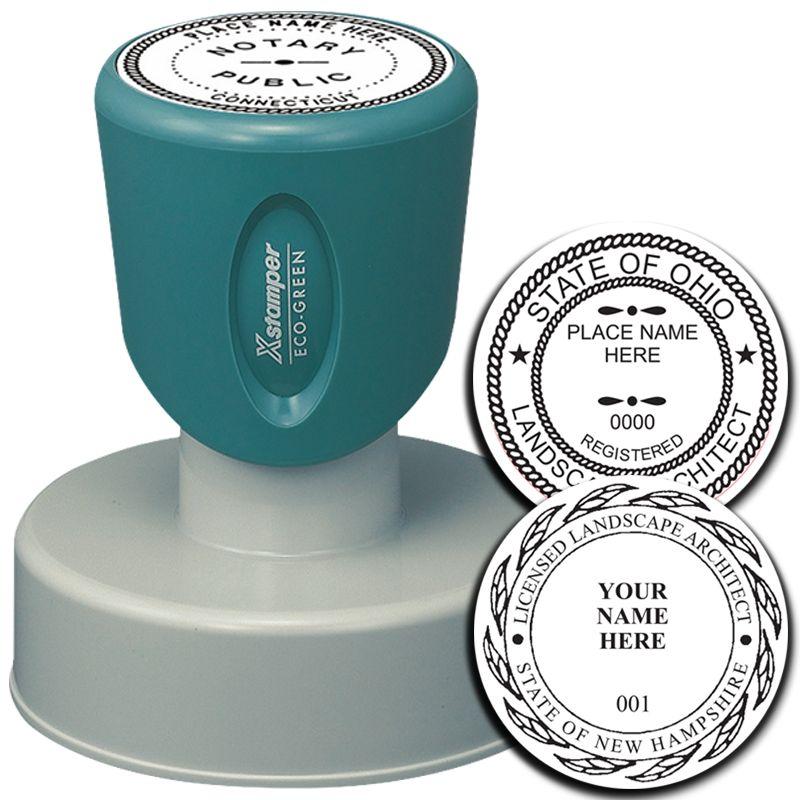
If you also want a simpler, ink-based option for certain jobs, consider exploring a stamp alternative. Idaho does accept rubber stamps or self-inking versions that replicate your official seal. You can learn more at idaho landscape architect stamp. Some professionals prefer to keep both an embosser and an ink stamp on hand so they can adapt to different document requirements.

Checking Quality
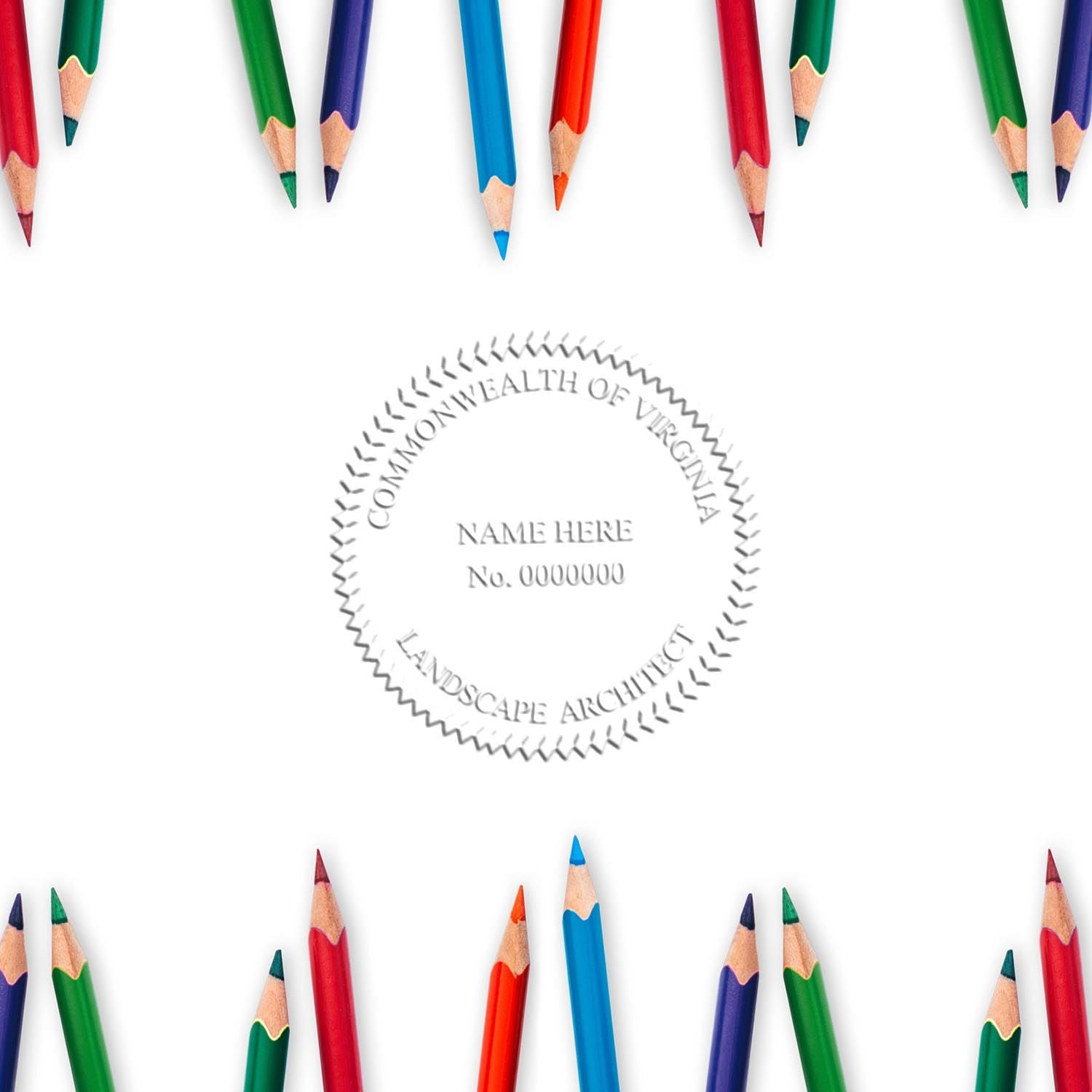
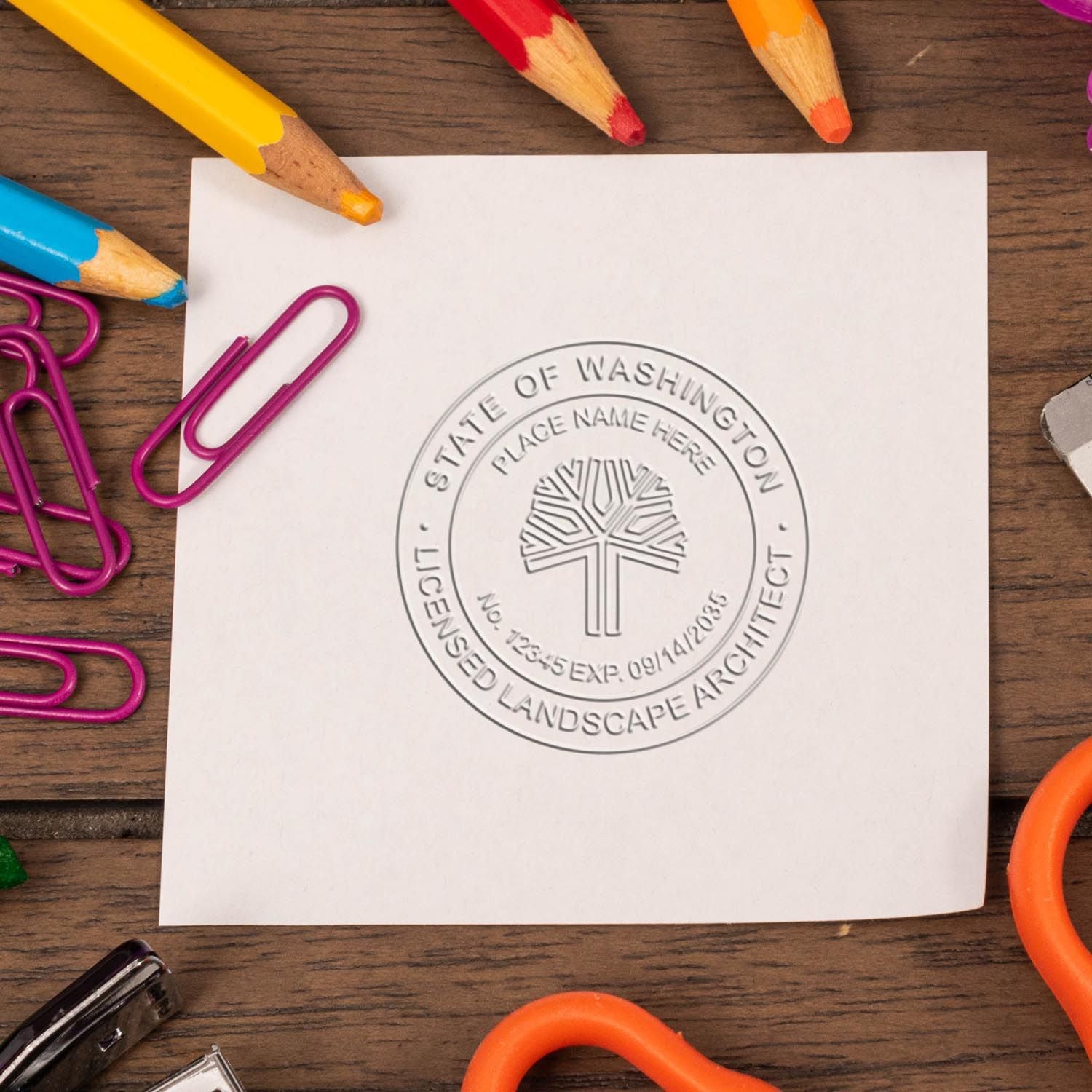
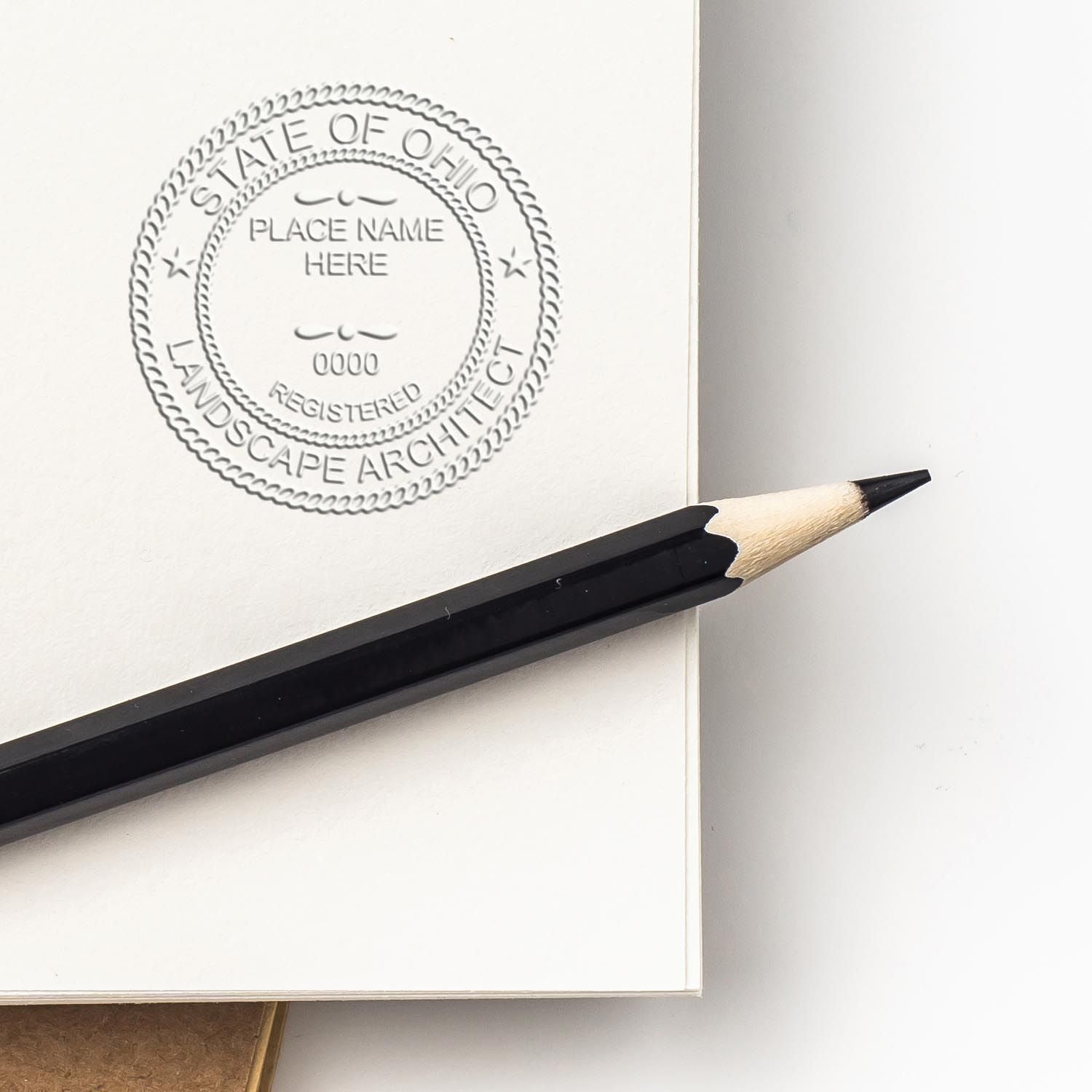
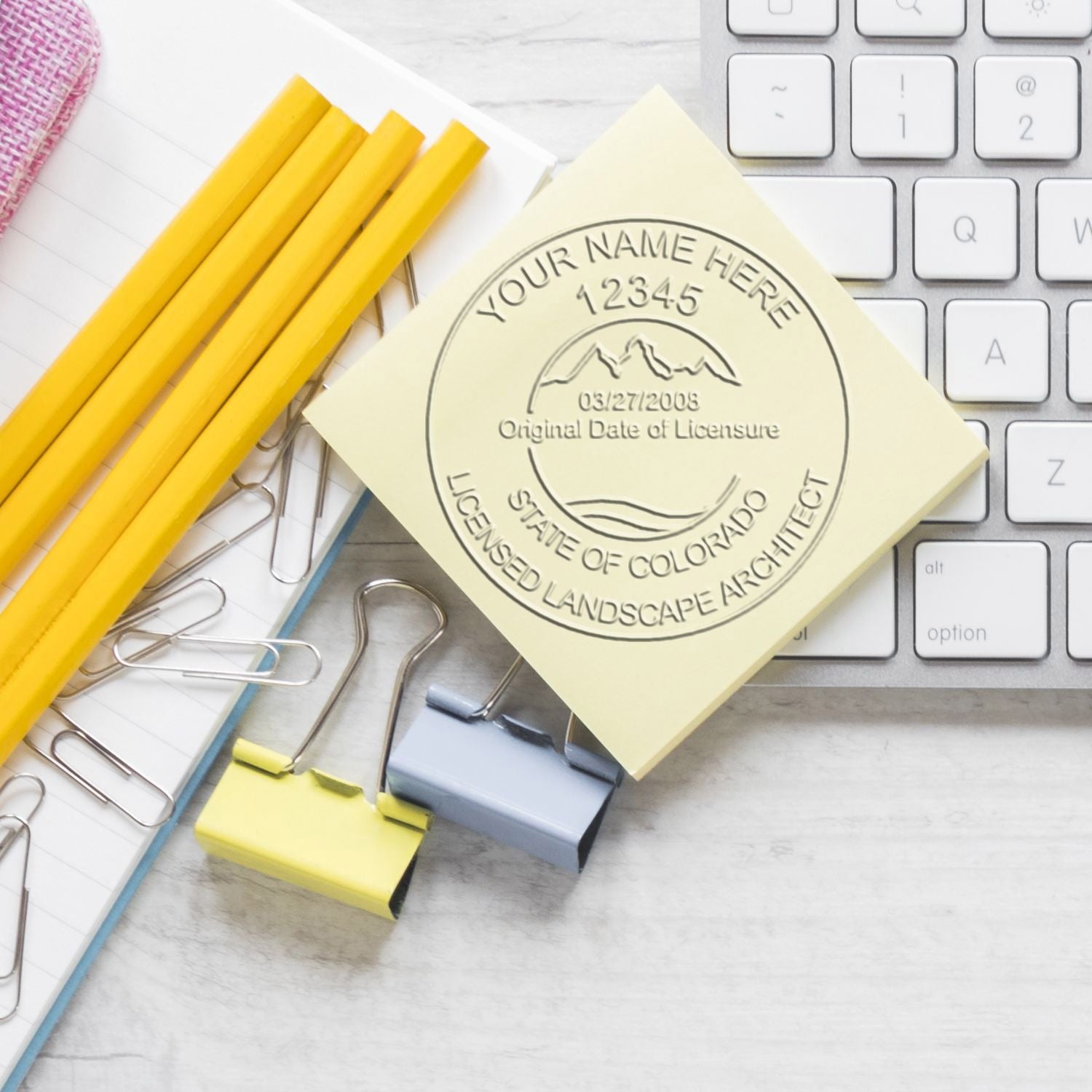
Not all embossers are created equal, and you definitely want a model that gives crisp, clear impressions. A sloppy or partial seal could raise eyebrows when your plans are reviewed. If you can, try out a few embossers in person to feel the pressure it takes to make a perfect impression. Alternatively, read customer reviews focusing on durability and clarity.
A reliable embosser should last for years, especially if you maintain it well. Look for materials like sturdy metal frames and a solid handle that won’t easily snap off under pressure. Since state boards can be strict about clarity, make sure the text in that circular design remains legible. If you’re unsure, you can ask your supplier for a sample imprint.
Use Your Embosser Correctly
Placement Tips
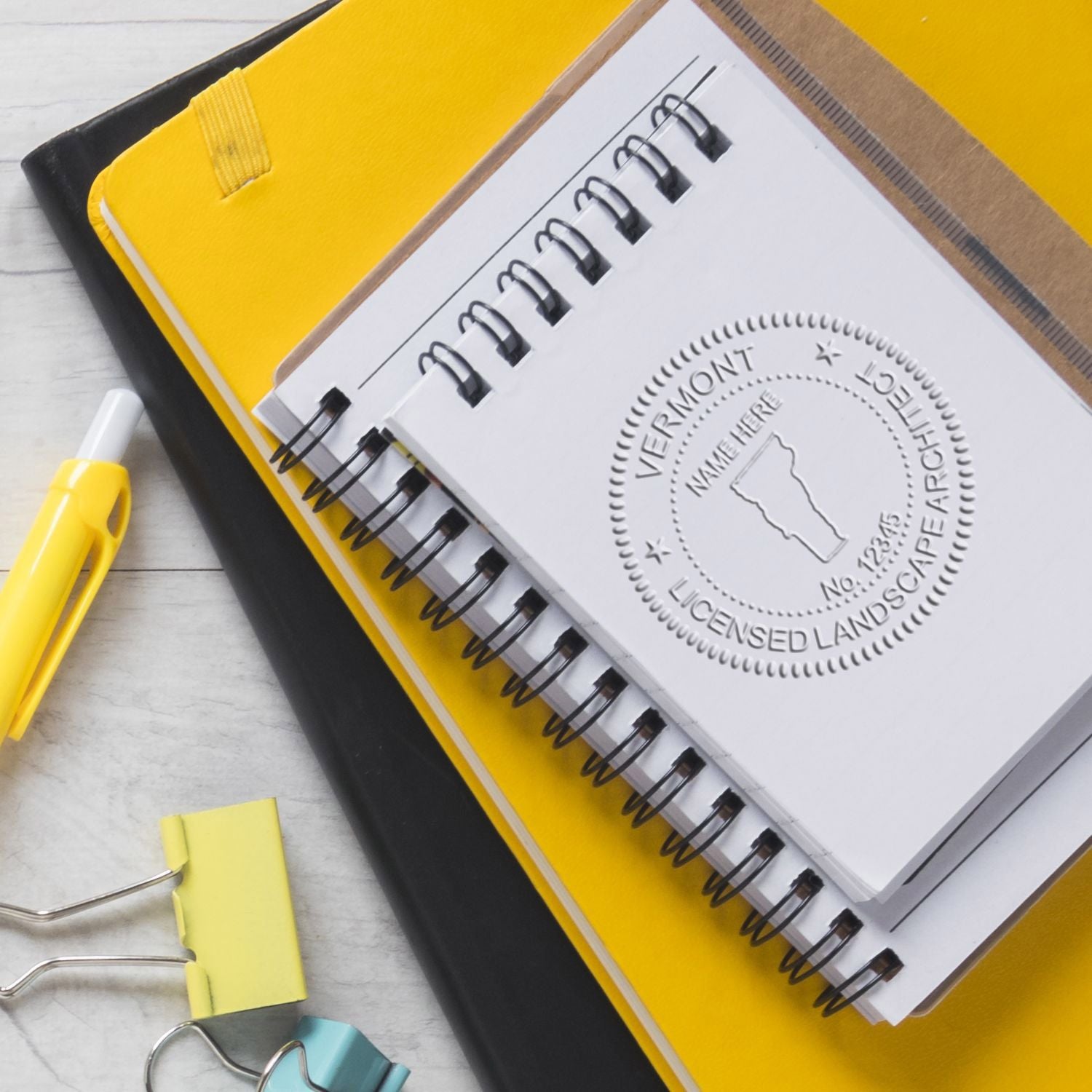
The practicality of using your Idaho landscape architect seal embosser lies in proper placement. Generally, you’ll want to place the seal near your signature block, but avoid crowding essential text or overshadowing any major design details. If your documents contain a designated “Professional Seal” box, that’s the obvious choice. You might also see official guidelines about margin space. Keep them in mind so your seal doesn’t end up off the page.
If you’re adding the seal to bigger documents, it can be helpful to test a few sample pages before everything’s officially printed. Mark a spot with pencil or a tiny sticky note, then press your embosser lightly. Check if the text is still visible and if the design aligns well, and confirm you haven’t stamped at an awkward angle. When you’re done, carefully remove your pencil mark so you don’t leave any errant lines on your final documents.
Applying Pressure
Applying the right amount of pressure is another key step. Too little, and you’ll end up with a faint seal. Too much, and you might warp the paper or even break your embosser handle, especially if you’re using a more delicate portable model. Before embossing a big batch of documents, practice on scrap sheets of the same thickness. This way, you’ll get a feel for how much force is needed.
Consider the type of paper you’re using as well. Thicker paper stocks might require a bit more force to achieve a crisp seal. If you plan to use high-gloss or coated paper, the embossed area could become slippery, so double-check that your seal doesn’t smudge or flatten. If you notice any issues, switch to a different paper type that can handle the pressure better.


Maintain Your Seal
Cleaning And Storage
Cleaning an embosser is often overlooked, but it keeps your device functioning at its best. Over time, tiny particles can gather around the die (the engraved area that presses into your paper). Gently wipe the metal parts with a soft, dry cloth, removing dust or debris. If you see any stubborn grease spots, a damp cloth with mild soap should usually do the trick. Just make sure you avoid submerging the entire embosser in water and keep it fully dry afterward.
For storage, keep your embosser in a protective pouch or box to prevent damage. Temperature and humidity extremes can also affect metal components and tension springs over time, so avoid leaving it in a hot trunk or a damp basement. If you notice any rust spots or if the embosser feels stiff, apply a small drop of machine oil on the moving parts. This helps maintain smooth operation and ensures the handle will still have good use.
Keeping Impressions Crisp
Over time, you may see slight wear on the die, especially if you emboss hundreds of documents regularly. If your seal starts looking faint or you notice ridges in the metal, it might be time for a replacement. An overly worn seal can produce inconsistent results and make your official mark hard to decipher.
You also want to watch out for the integrity of the paper. Embossing a page that’s already been folded or crumpled can lead to uneven impressions. Try to keep your documents as flat as possible. Also, consider doing your embossing step near the end of the process, after printing and reviewing everything, so you’re not refolding pages unnecessarily.
Explore Additional Services
Why Acorn Sales?
When you’re ready to order or replace your embosser, you need a supplier that knows the Idaho rules backward and forward. Acorn Sales has been in business since 1964, so they have a long track record of providing official stamps and seals to professionals across various fields. Because they specialize in areas like the Idaho landscape architect seal embosser, you can trust them to ensure your seal meets state standards for size, text, and format.
It’s not just about compliance, though. Working with a reputable supplier also means you get a high-quality product that’s less likely to break or fade prematurely. Plus, if Idaho changes regulations or updates the layout requirements, an experienced supplier can help you navigate that process quickly.
Free Digital Seal
Many landscape architects also appreciate having a digital version of their seal, which works for electronic submissions or reports that don’t require a physical raised seal. Some states, Idaho included, may recognize electronic seals under certain conditions. Even if it’s not mandatory in all cases, having a digital seal can give you flexibility. You can place it on PDFs or image files before emailing them, making remote approvals a breeze.
Acorn Sales includes a free digital seal with many of their physical embossers, which can save you money if you’re adding an electronic workflow to your practice. If you’re working with remote clients or you want to reduce paper usage, this is a handy perk. Just remember that digital seals still need to be used according to state board rules, so read up on how to properly mark each page in your PDF or CAD files.
Conclusion
Using your Idaho landscape architect seal embosser is more than a mere formality. It’s a proactive way to meet state regulations, reassure clients, and validate the quality of your designs. A well-made embosser can last for years if you handle it carefully, clean it regularly, store it properly, and replace it when you notice fading impressions.
If you haven’t decided which embosser or stamp to choose, you might explore a trusted supplier like Acorn Sales, which has guided professionals since 1964. You can even snag a free digital seal to handle projects that come in electronic format. That way, you’ll be ready for whatever your next Idaho landscape architecture project demands, whether it’s a physical stamping spree or a digital plan submission.
So, go ahead: pick an embosser, learn the right technique, and put that official seal on your next set of drawings with confidence. By following Idaho’s codes and taking good care of your device, you’ll have a professional edge and peace of mind. Good luck stamping!
Frequently Asked Questions
Do I Need Both A Stamp And An Embosser In Idaho?
Right now, Idaho allows you to use a seal stamp or a seal embosser as long as it follows the state’s design guidelines. Some landscape architects like having both, so they can use a stamp for everyday tasks and the embosser for official documents that require a raised seal. It’s ultimately your call.
How Often Should I Replace My Embosser?
Most embossers last for many years if maintained properly. If your impressions start to fade, or if the device gets physically damaged (like broken handles or bent metal parts), it’s time for a replacement. Keep an eye on the clarity of your seal imprint to determine when it’s due.
Is A Free Digital Seal Enough For Electronic Documents?
It can be, depending on the submission requirements. Some places might require an e-signature system with extra authentication, but in many cases, placing a digital seal on your PDF is acceptable. Always verify with your local board or your client’s project requirements to be sure.
Can I Emboss Documents Before Printing?
It’s typically best to print first, review your pages, and then emboss once you’re certain everything is final. Embossing over text can slightly alter how ink sits on the paper. If you emboss first and then run the paper through a printer or plotter, you risk distorting both the text and the seal.
Where Can I Learn More About Idaho Landscape Architect Requirements?
The Idaho state board website is your primary resource for legal guidelines, forms, and official updates. You can also rely on reputable suppliers like Acorn Sales, who stay informed about any changes to stamping or sealing rules.








