

In some areas, a notary serves a term of just a few years and is authorized to perform a very limited range of what are commonly described as notarial acts. In South Carolina, though, the list of authorized duties is extensive, the term quite long, and the list of required South Carolina notary supplies somewhat specific.
To begin with, a notary has to be sure that they meet the state's qualifications before they can even apply for a commission. If they do qualify, they can head to the secretary of state's website to obtain the proper application, learn about the fees, and discover what sort of South Carolina notary supplies may be required.
The Supplies You Need as a South Carolina Notary and What They'll Look Like
Unlike many states, though, among the fundamental South Carolina notary supplies you will not find items such as record books or surety bonds. We'll look at record books a bit later, but address the issue of a bond now.

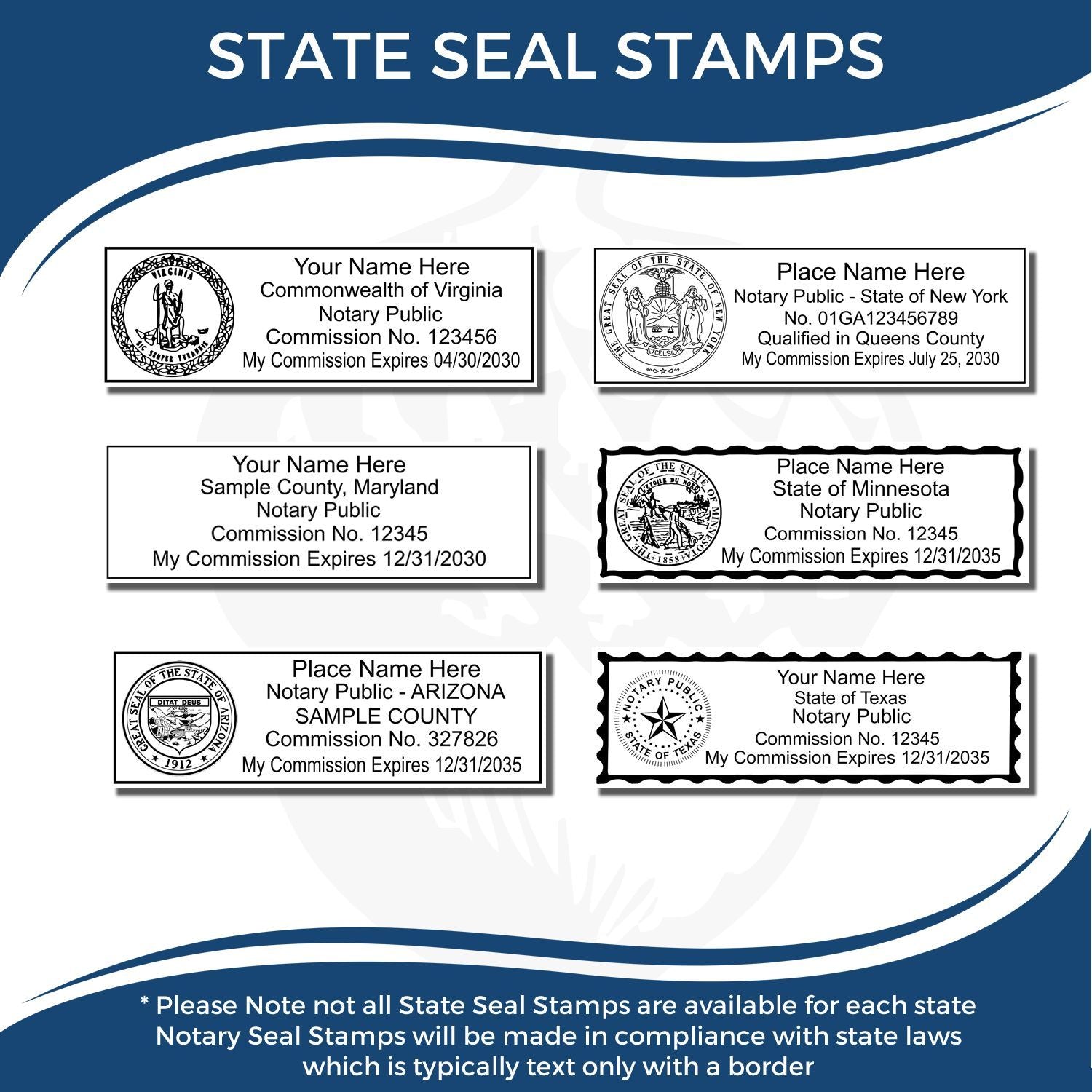


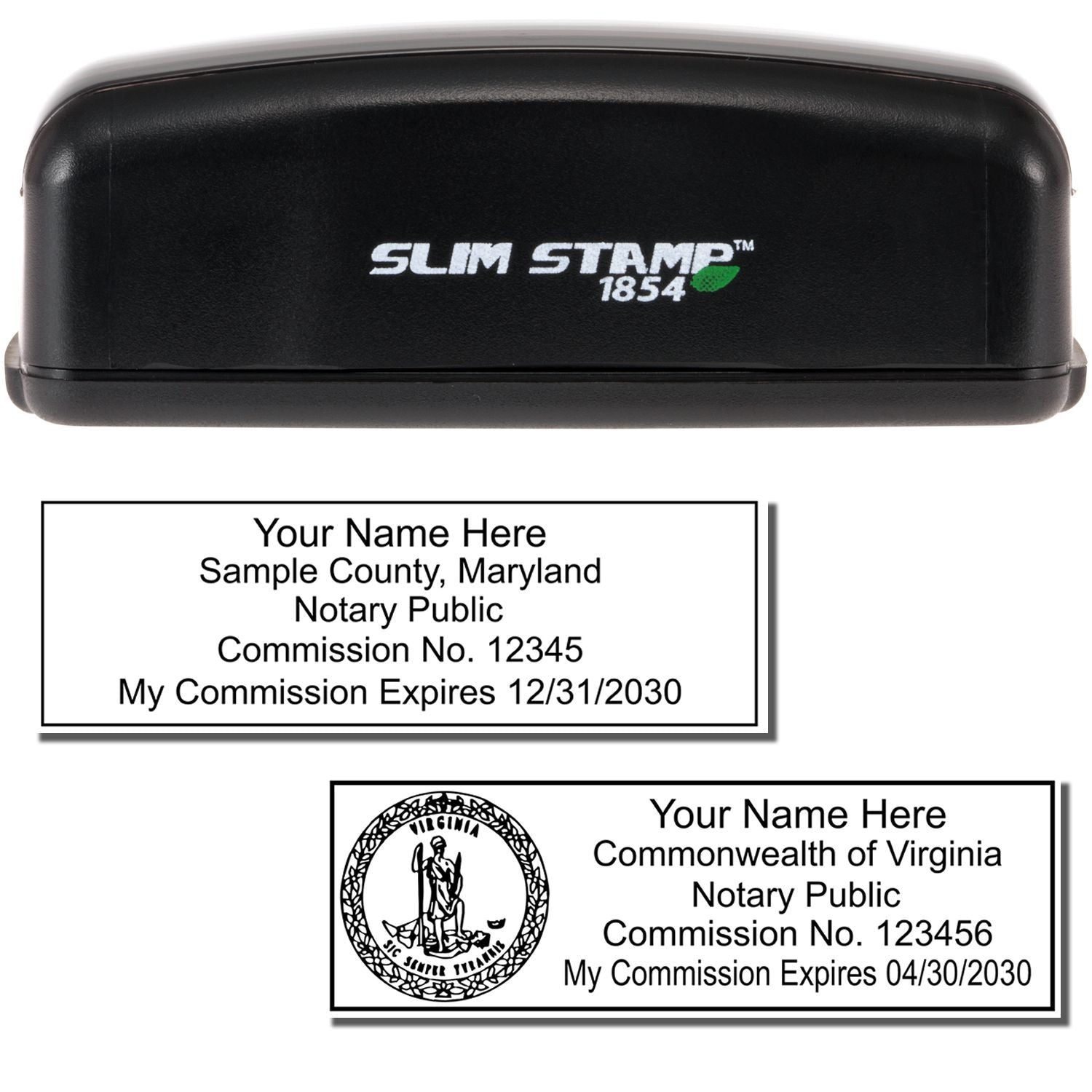
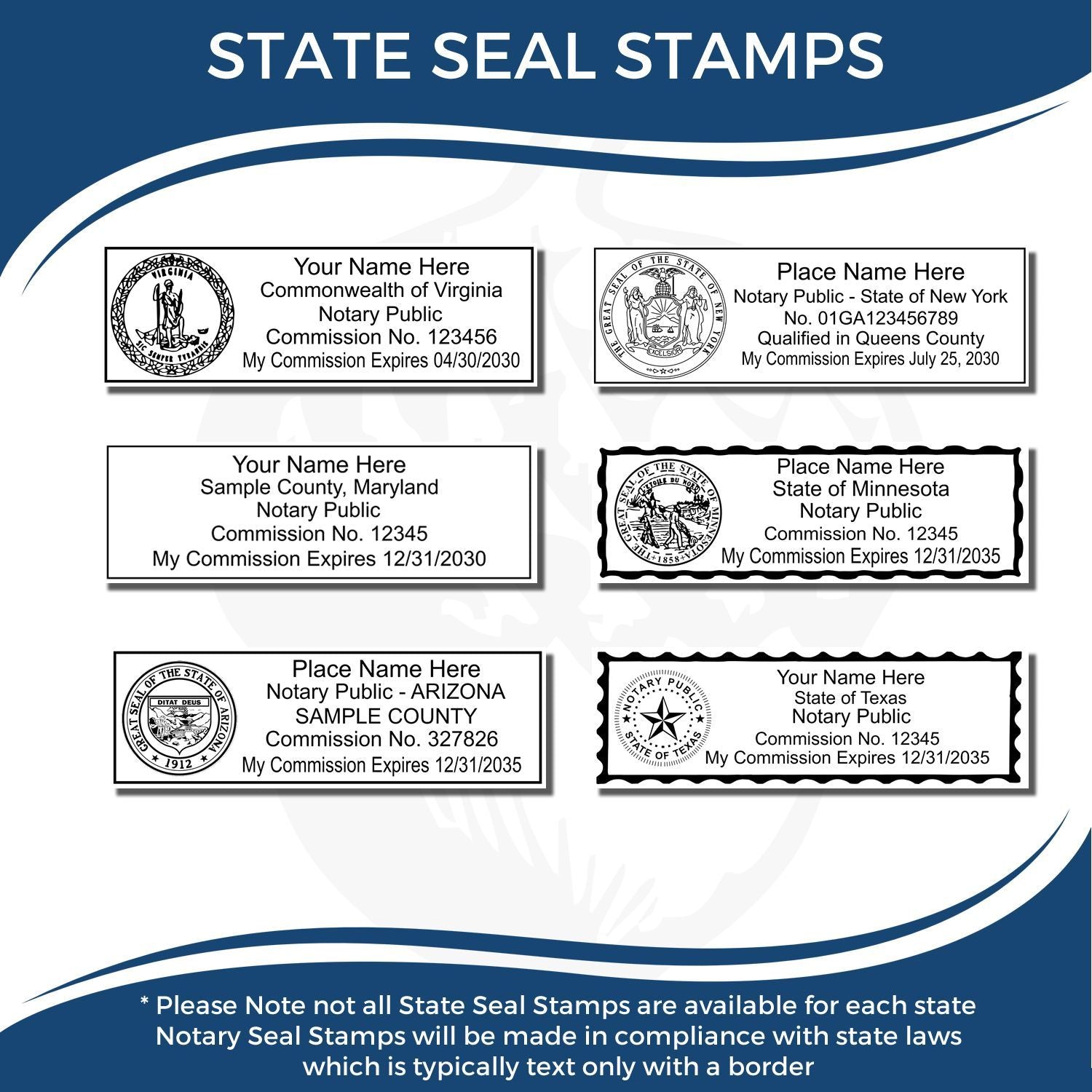

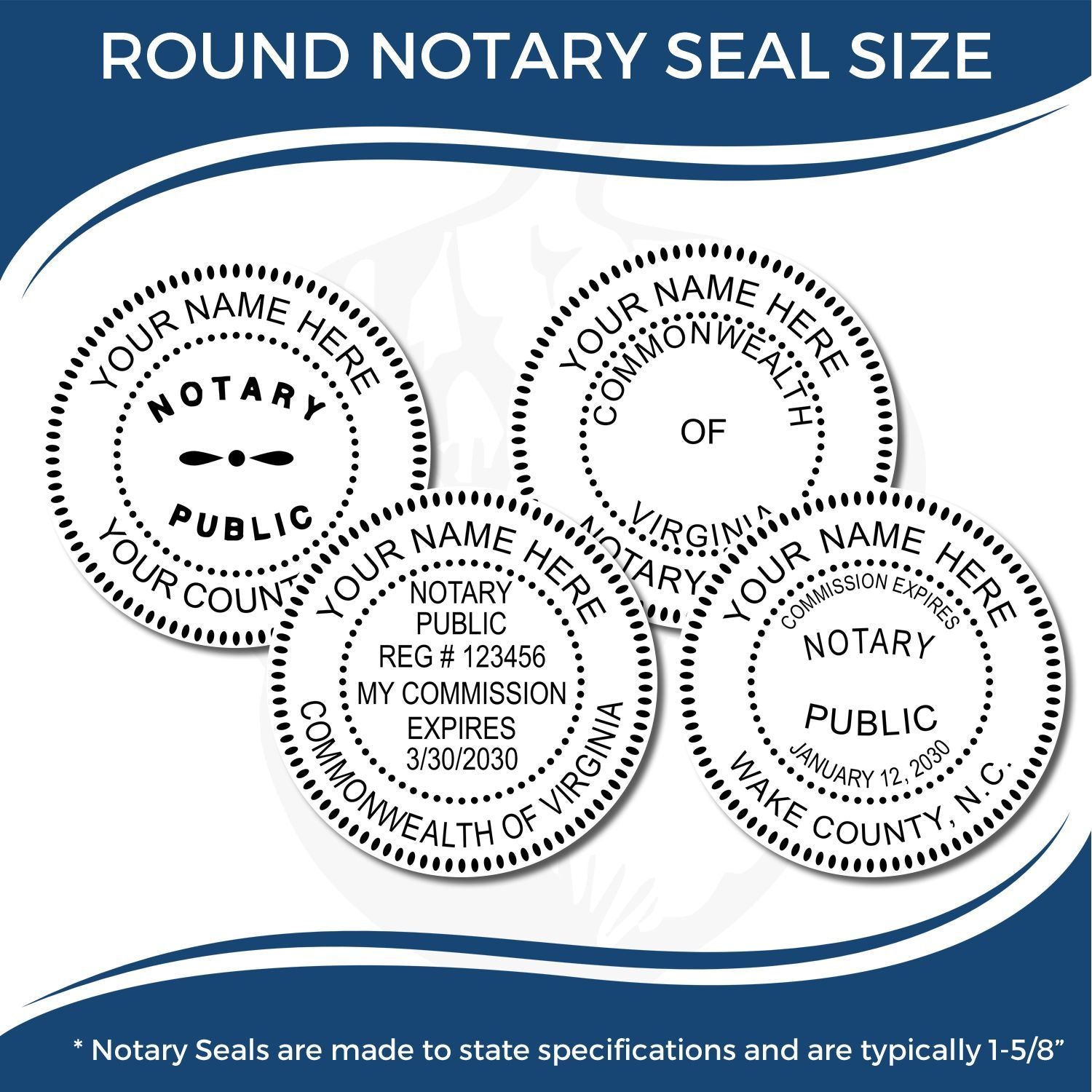
One thing that does appear in the mandatory South Carolina notary supplies is the official notary seal. Additionally, the terminology required on the seal is also very specific and the following criteria apply:
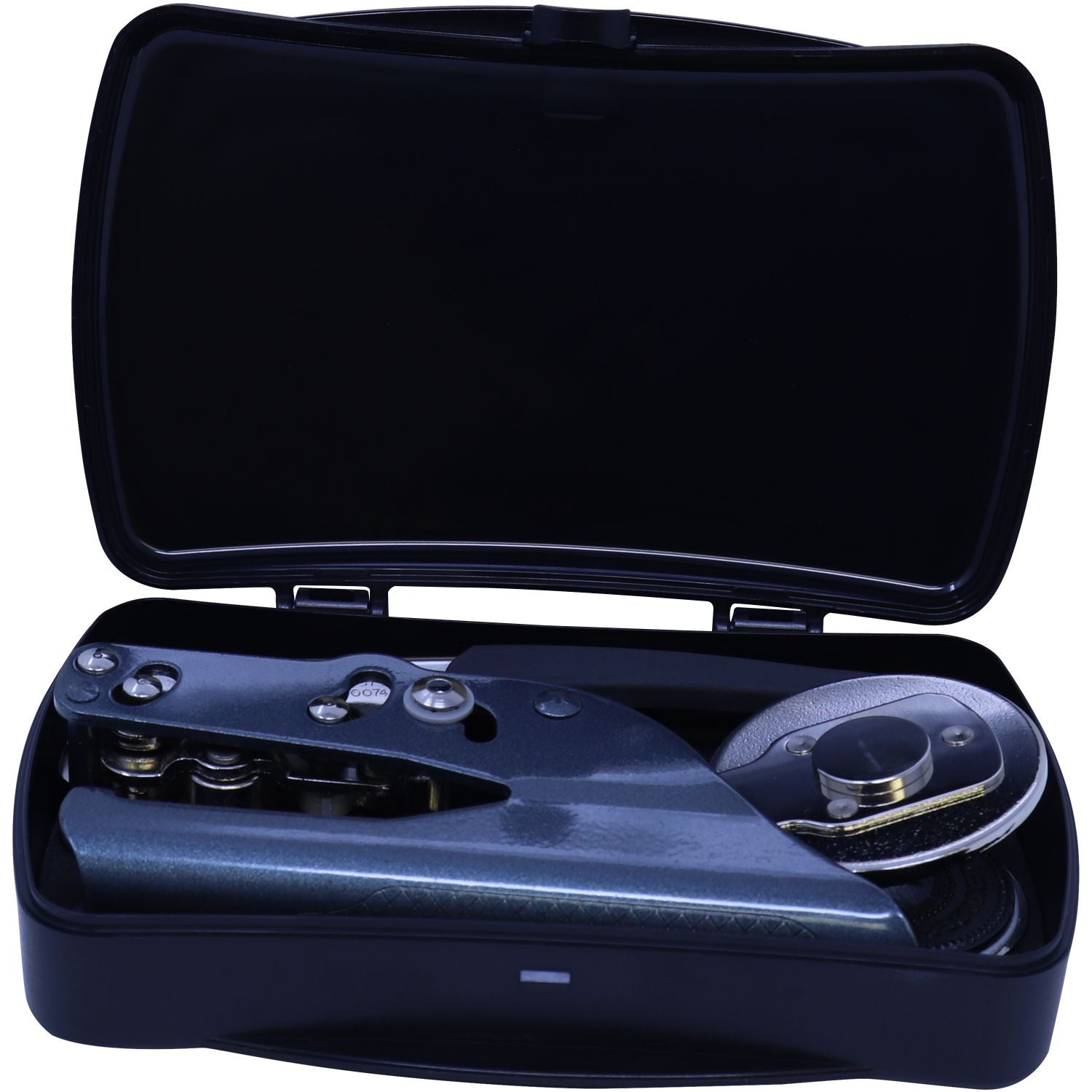
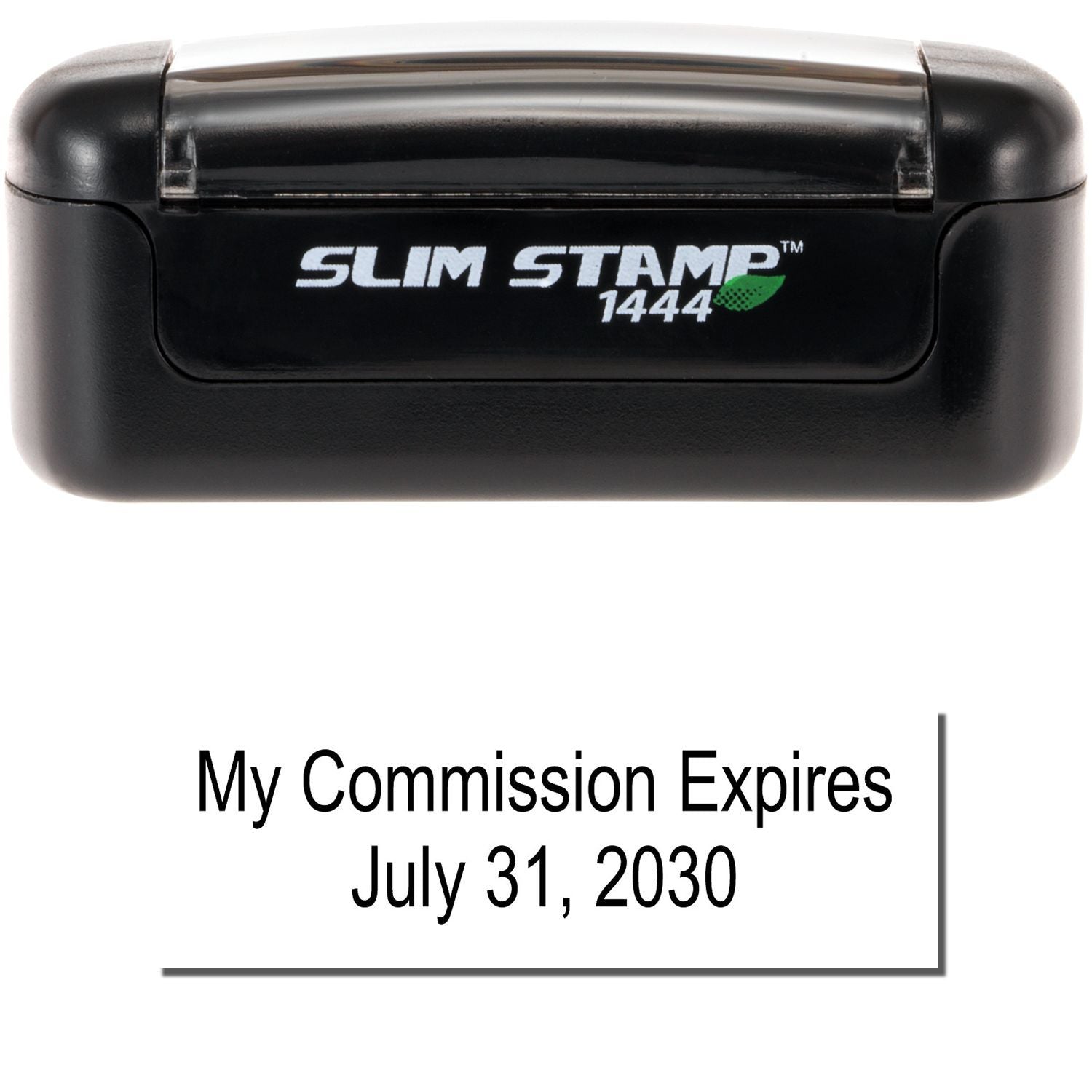
- You may use a rubber ink stamp or an embosser
- The rubber stamp may be round or rectangular though no size requirements are established
- If using an embosser, it is to be circular
- Any seal must feature the name of the notary as commissioned by the state
- The title is to be written as "Notary Public"
- The name of the state must appear and is to be written as "State of South Carolina"
- The current expiration date of the notary's commission can appear on the seal too
Interestingly enough, the state's guidelines do say that there must be a seal among your South Carolina notary supplies. However, in the absence of the seal, the notarial act is not deemed invalid if the notary does write out the information below their signature. This would require the proper information in the proper order, but can work if you neglect to bring a seal to the place where you conduct the notarial act.
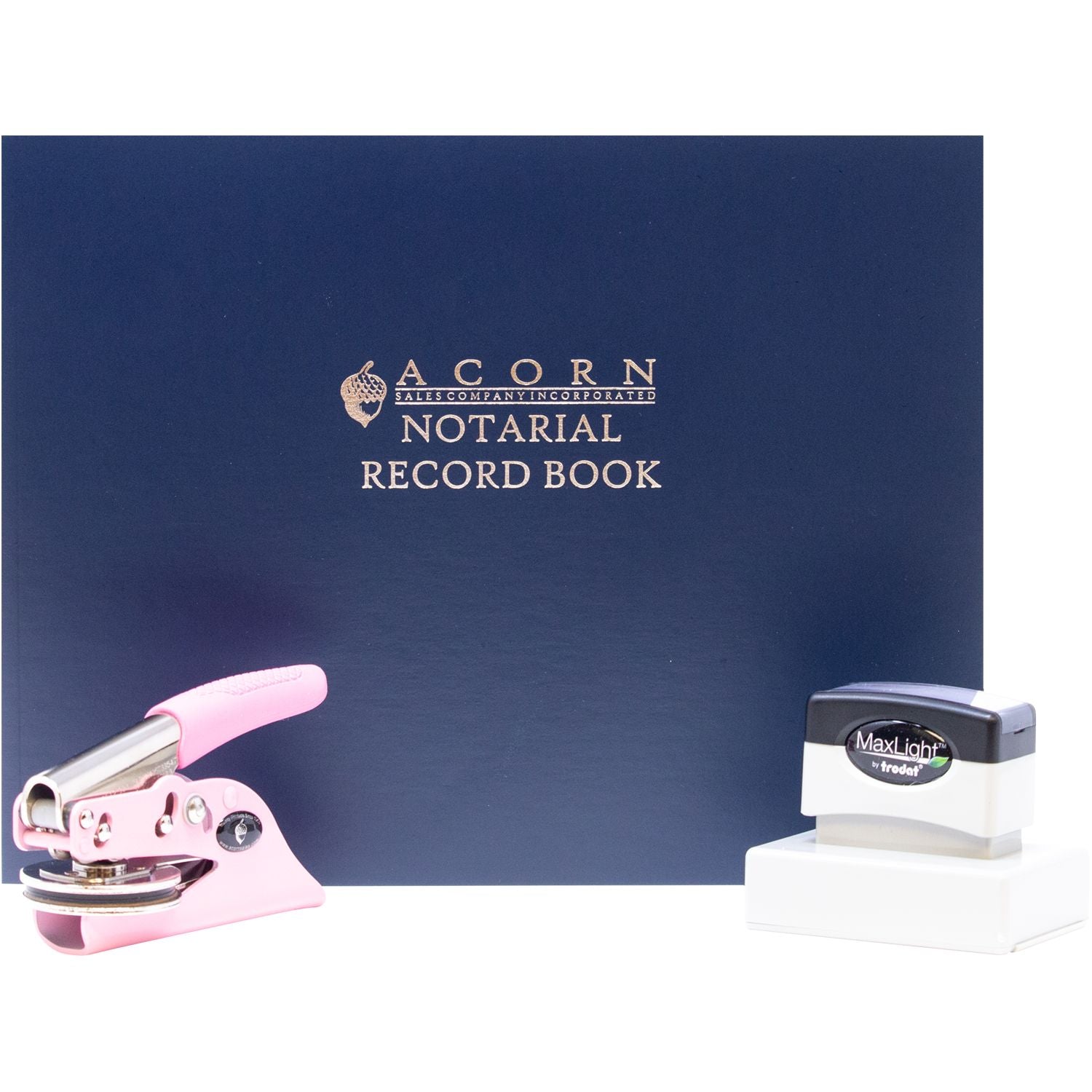
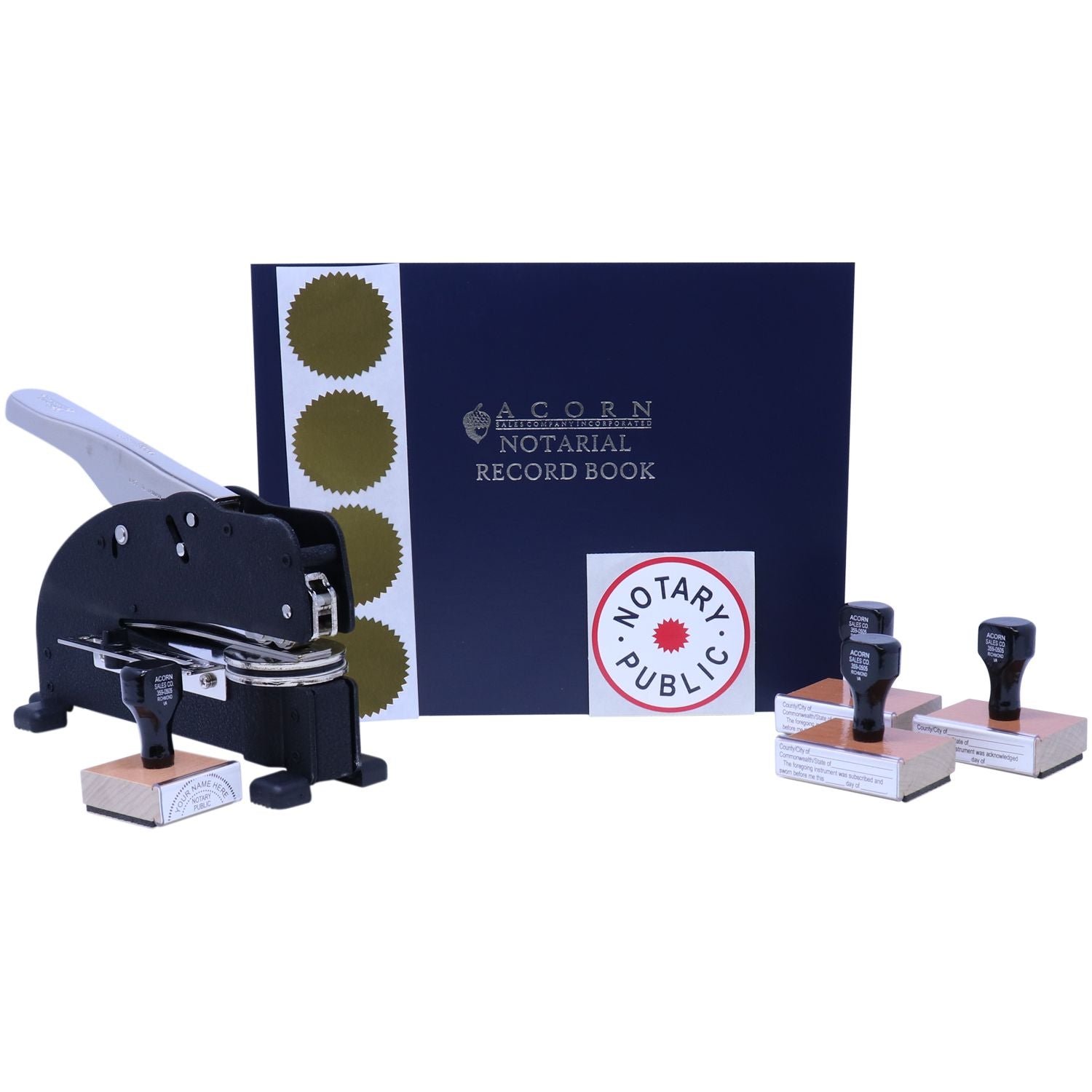
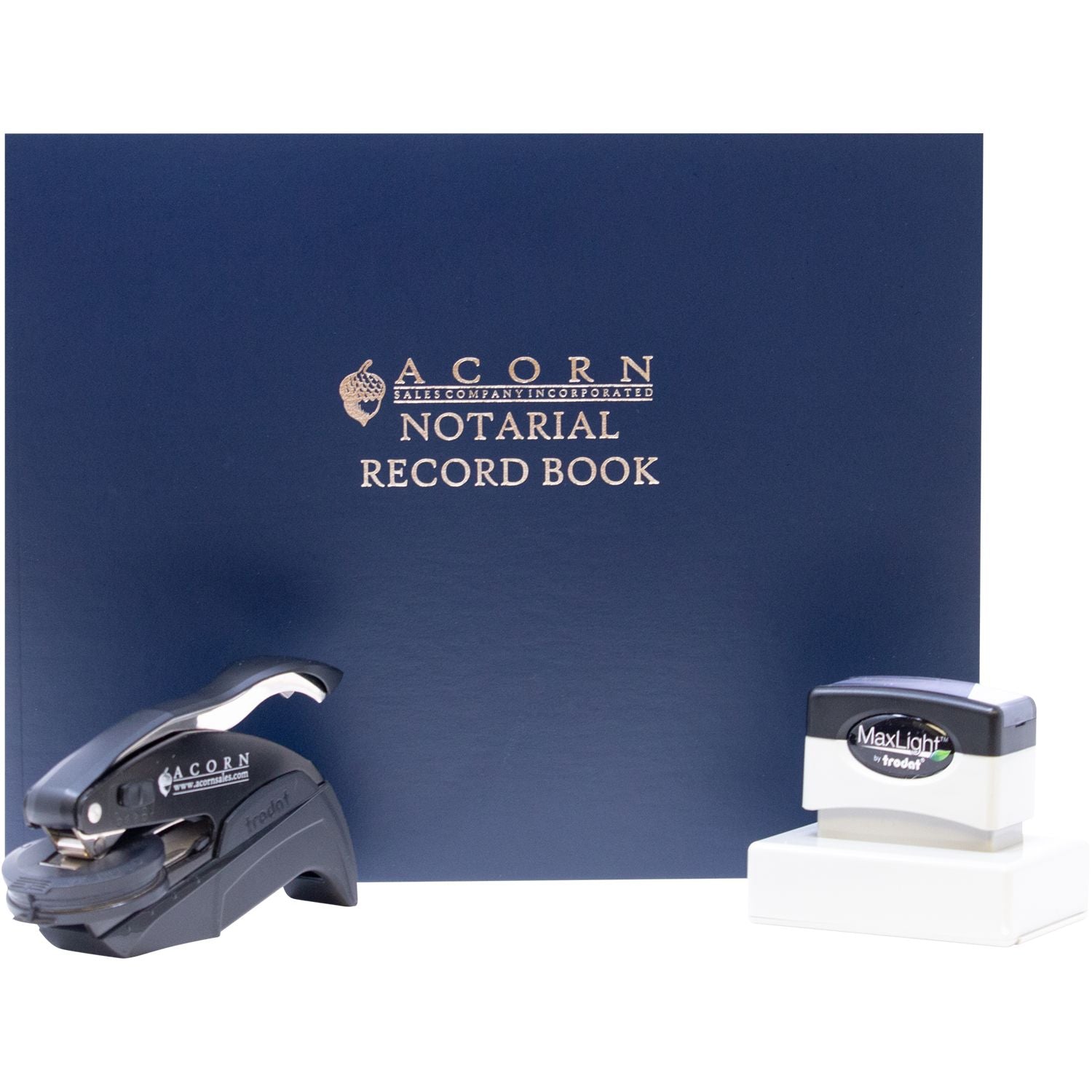
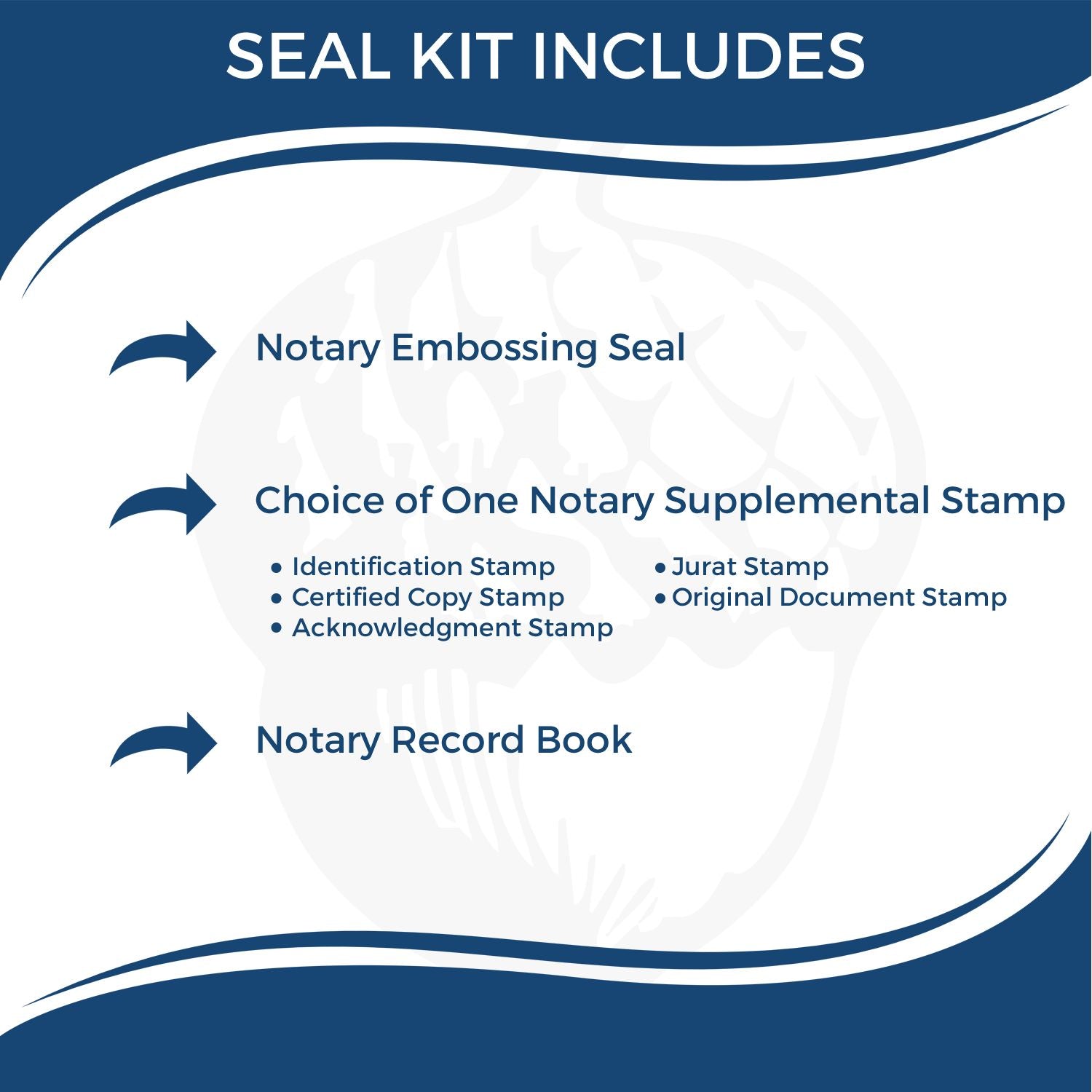
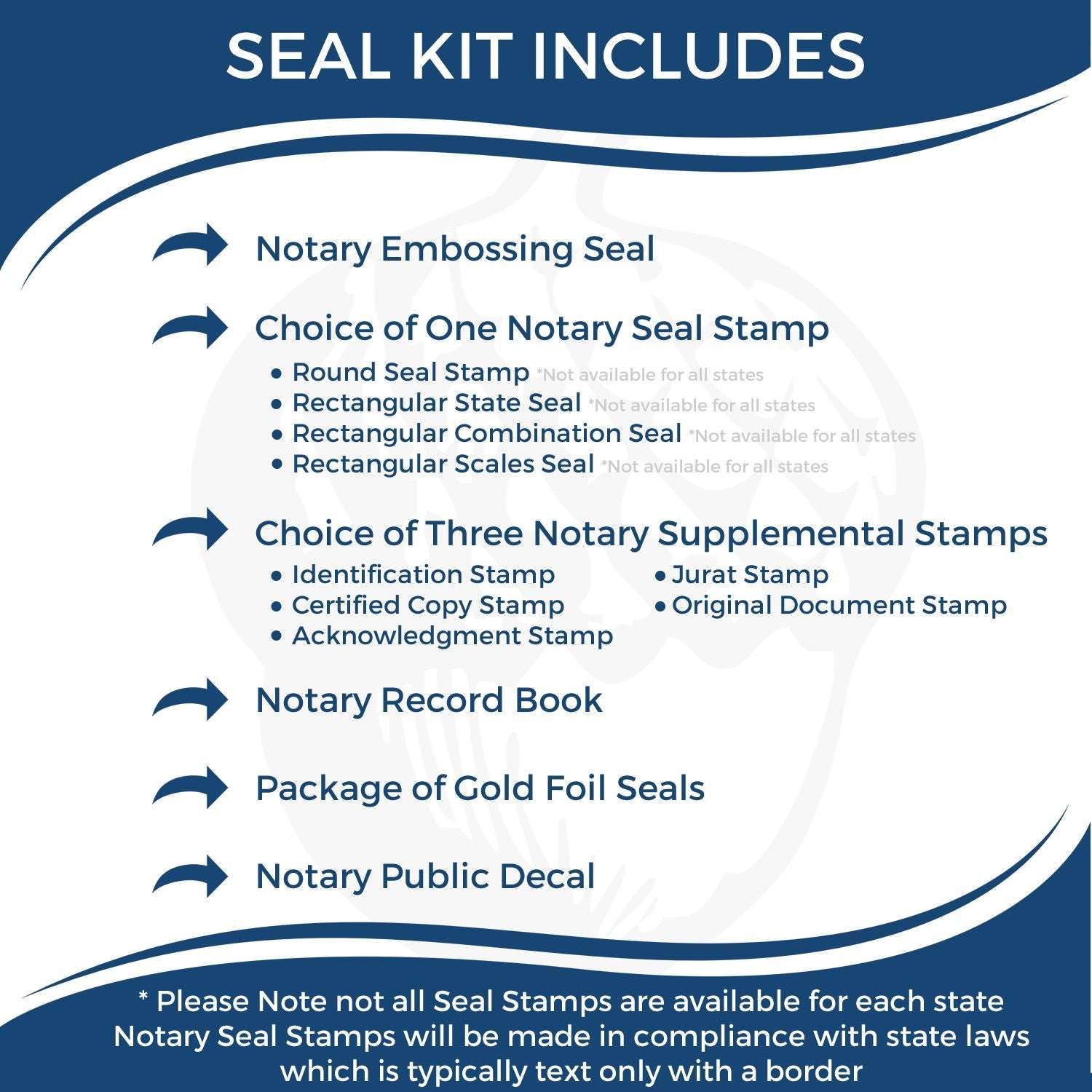
Earlier we mentioned the use of journals and/or record books, and South Carolina does not mandate that a notary keep one among their South Carolina notary supplies. However, although the journal or record book is not mandatory among your South Carolina notary supplies, the state strongly recommends the keeping of one as well. Indicating that it is a prudent practice in the event you are called to testify to past notarizations.





The Duties You'll Perform as a South Carolina Notary
This makes more sense when you learn the different authorized duties that any notary may be called upon to perform. These include:
- Solemnizing marriages
- Executing protests
- Taking acknowledgements
- Executing verifications of proof
- Administering oaths
- Executing signature witnessing
- Administering affirmations
- Executing attestations and jurats
Obviously, this list demonstrates a tremendous amount of responsibility for the notary, and makes it obvious just why the best South Carolina notary supplies would be of such value. Using a high quality seal would indicate professionalism, and that is why you will want to obtain all South Carolina notary supplies from trusted providers. Keep in mind that the length of a term is a decade (10 years), and this means that any of your South Carolina notary supplies, including the seal and the ledger, will have to be able to perform properly throughout that extensive period.
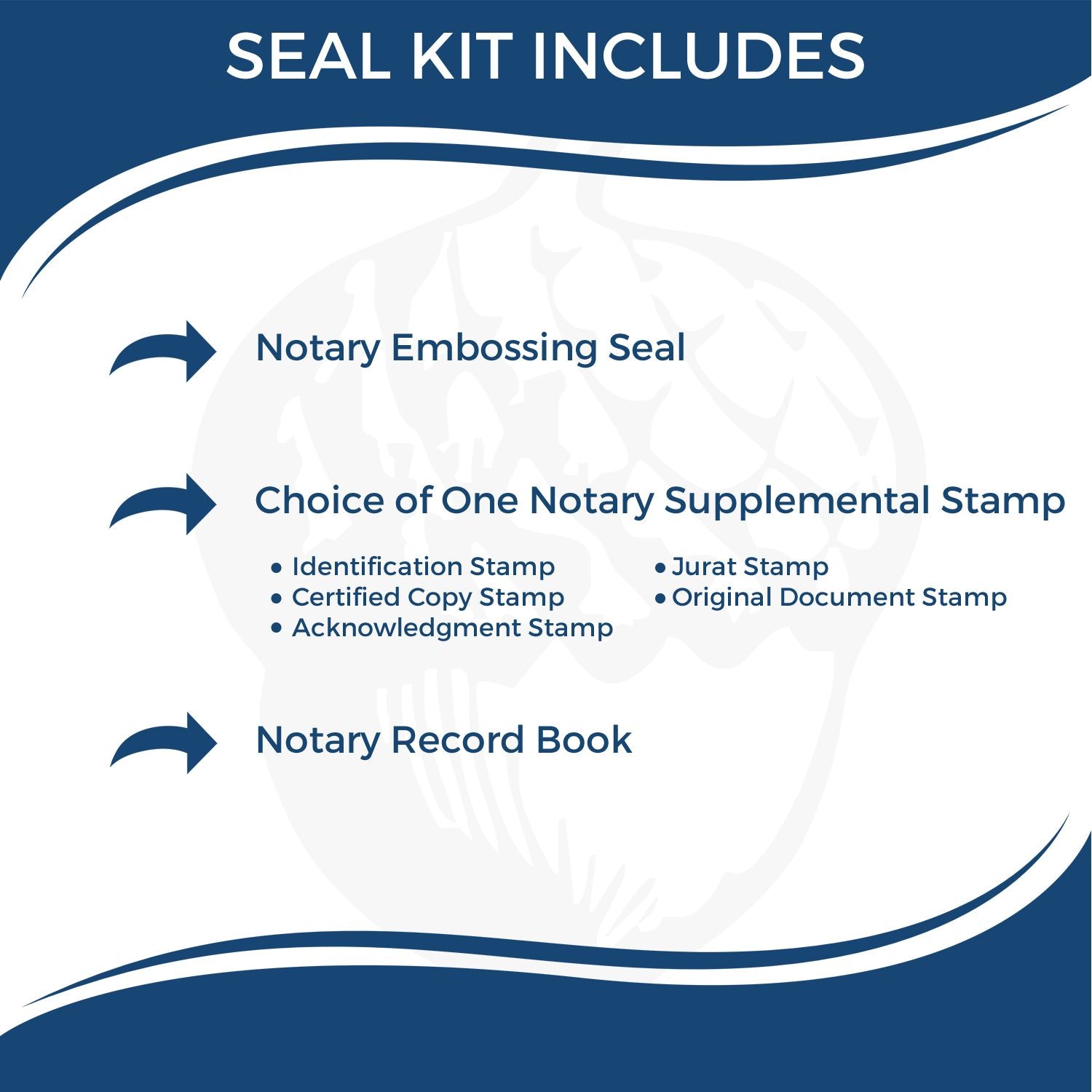
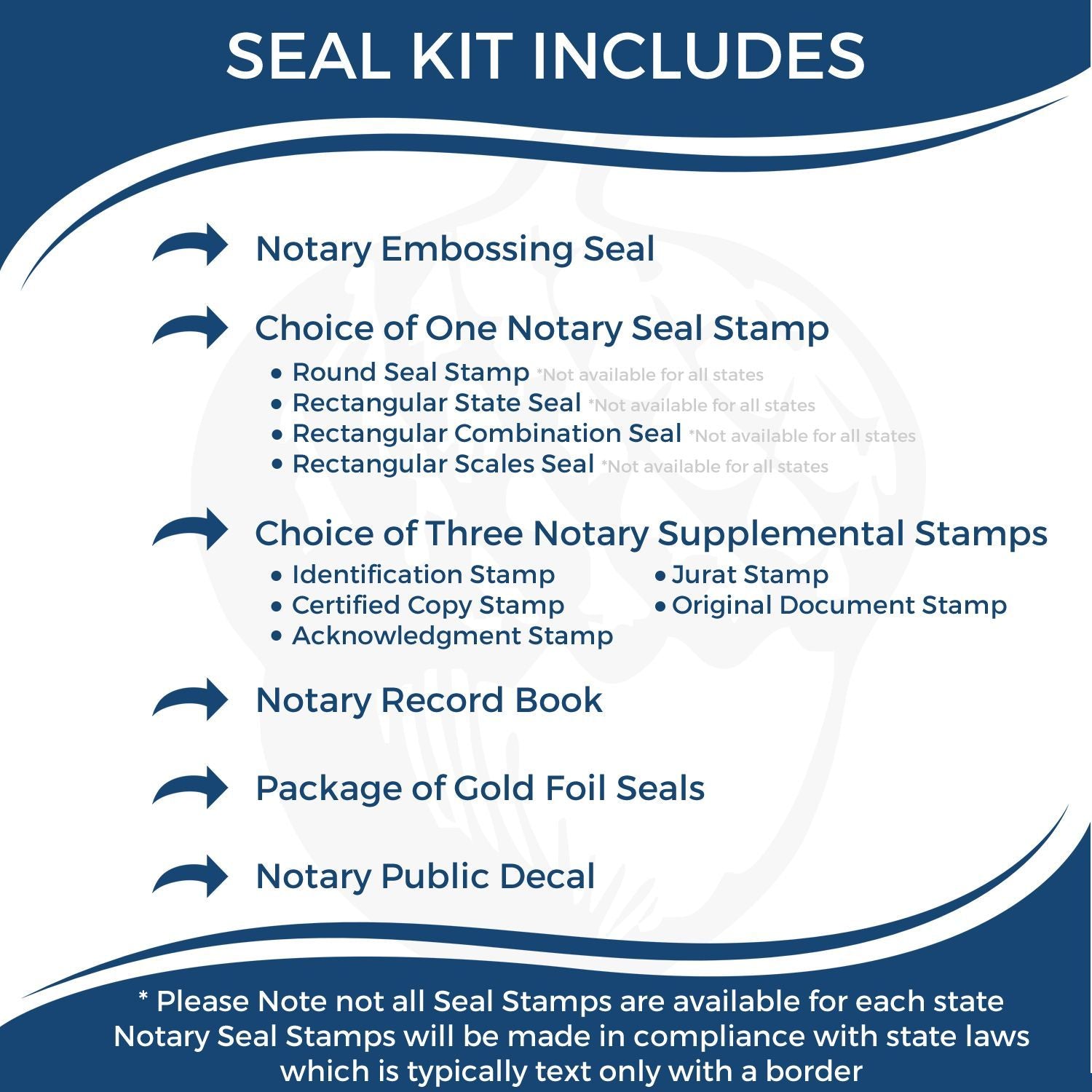
Because your seal has to be clear and legible, you will want to obtain it from a vendor of South Carolina notary supplies known for making suitable seals, stamps, and embossers. Don't ignore this same vendor when other South Carolina notary supplies are required, including items such as record books, inkpads, and more.
Your seal is just one element of your professional reputation, but it does pay to consider the overall quality of your essential South Carolina notary supplies. Ensuring that they perform properly over the 10 years of each term is important, and a good reason to find reputable vendors of South Carolina notary supplies even as you are just applying for your first commission.
Frequently Asked Questions
What South Carolina notary supplies are mandatory?
The main mandatory South Carolina notary supply is the official notary seal. South Carolina notaries must use a seal that identifies the notary by name, includes the title “Notary Public,” and states “State of South Carolina.” While other tools may be helpful, the seal is the core required supply for performing notarial acts.
What are the South Carolina notary stamp requirements?
South Carolina allows either a rubber ink stamp or an embosser as your notary seal. A rubber stamp may be round or rectangular, while an embosser must be circular. Your seal should clearly show your commissioned name, the title “Notary Public,” and “State of South Carolina.” The expiration date of your commission may also be included.
Is a notary journal required in South Carolina?
No, South Carolina does not require a notary journal or record book by law. However, keeping one is strongly recommended because it helps document notarizations and can be valuable if you are ever asked to verify a past notarial act.
Does South Carolina require a surety bond for notaries?
No, South Carolina does not require a surety bond for notary applicants or commissioned notaries. This is different from many other states, where a bond is a standard part of the commissioning process.
What happens if I notarize a document without my South Carolina seal?
South Carolina says a notarization is not automatically invalid if the seal is missing, as long as you write the required information below your signature in the proper order. Even so, it is best practice to always bring and use your seal to avoid mistakes and maintain a professional appearance.
Where should I buy South Carolina notary supplies?
It’s best to buy South Carolina notary supplies from a trusted vendor that specializes in notary products. A reputable supplier can help ensure your seal, stamp, embosser, journal, inkpad, and related supplies meet South Carolina requirements and hold up well throughout your 10-year commission.








