

Written by Acorn Sales Company, manufacturing stamps and seals since 1964 · Reviewed by Holly R, VP of Sales and Marketing at Acorn Sales, against W. Va. Code §§ 39-4-1 through 39-4-38, C.S.R. Series 153-45, W. Va. Code §§ 39-1-2 through 39-1-11a, the Secretary of State’s The Notary Seal page and the West Virginia Notary Handbook revised September 2025 on 21 September 2026 · Updated 21 September 2026
West Virginia requires a notary seal on every act on a paper record, and the sentence that says so is not in the section titled “Official stamp”. It carries the words “Official Seal”, “Notary Public” and “State of West Virginia”, plus your name, your address and your expiration date, inside a mandatory border, in a rectangle no larger than 1 by 2.5 inches. The address requirement is unusual, and a business or affiliation address is acceptable.
West Virginia notary stamp requirements at a glance
| Requirement | West Virginia rule | Source |
|---|---|---|
| Stamp required | Yes | W. Va. Code § 39-4-15(b) |
| Required wording | The words “Official Seal”; The words “Notary Public”; The words “State of West Virginia”; Your name; Your address, which may be a business or affiliation address rather than your home; Your commission expiration date | W. Va. Code § 39-4-17(1) |
| Size and shape | A rectangle no larger than 1 inch high by 2.5 inches wide, and a border is mandatory. | WV Secretary of State, The Notary Seal |
| Ink color | Expressly optional, and West Virginia is the rare state that says so in as many words. | WV Secretary of State, The Notary Seal |
| Embosser | Permitted, and expressly not a substitute. | WV Secretary of State, The Notary Seal |
| Commission term | Terms run five years, with a $52 filing fee, and renewal is by re-application to the Secretary of State rather than by a separate renewal procedure. | W. Va. Code §§ 39-4-17(1), 39-4-18(a), 39-4-20, 39-4-22(b) |
| Name or address change | Thirty days, by statute, for either one. “Not later than thirty days” after changing the address of your business or residence, or changing your name, you must notify the Secretary of State. | W. Va. Code §§ 39-4-17(1), 39-4-18(a), 39-4-20, 39-4-22(b) |
| Lost or stolen stamp | Notify the Secretary of State promptly on discovering the device is lost or stolen. | W. Va. Code § 39-4-18(a), (b) |
| Commissioning authority | The West Virginia Secretary of State | W. Va. Code §§ 39-4-1 through 39-4-38, C.S.R. Series 153-45, W. Va. Code §§ 39-1-2 through 39-1-11a, the Secretary of State’s The Notary Seal page |
Rules for other states are on notary stamp requirements by state.


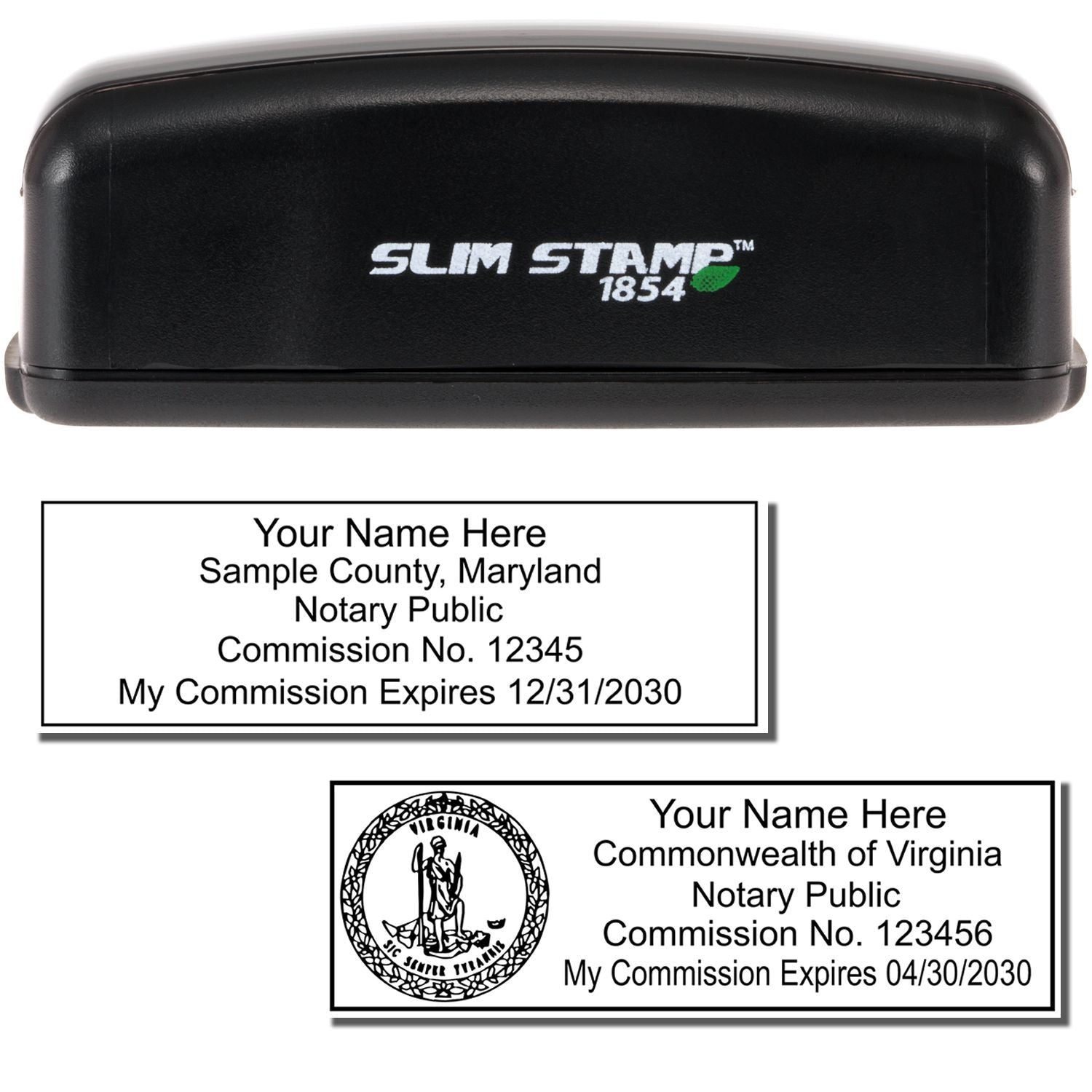
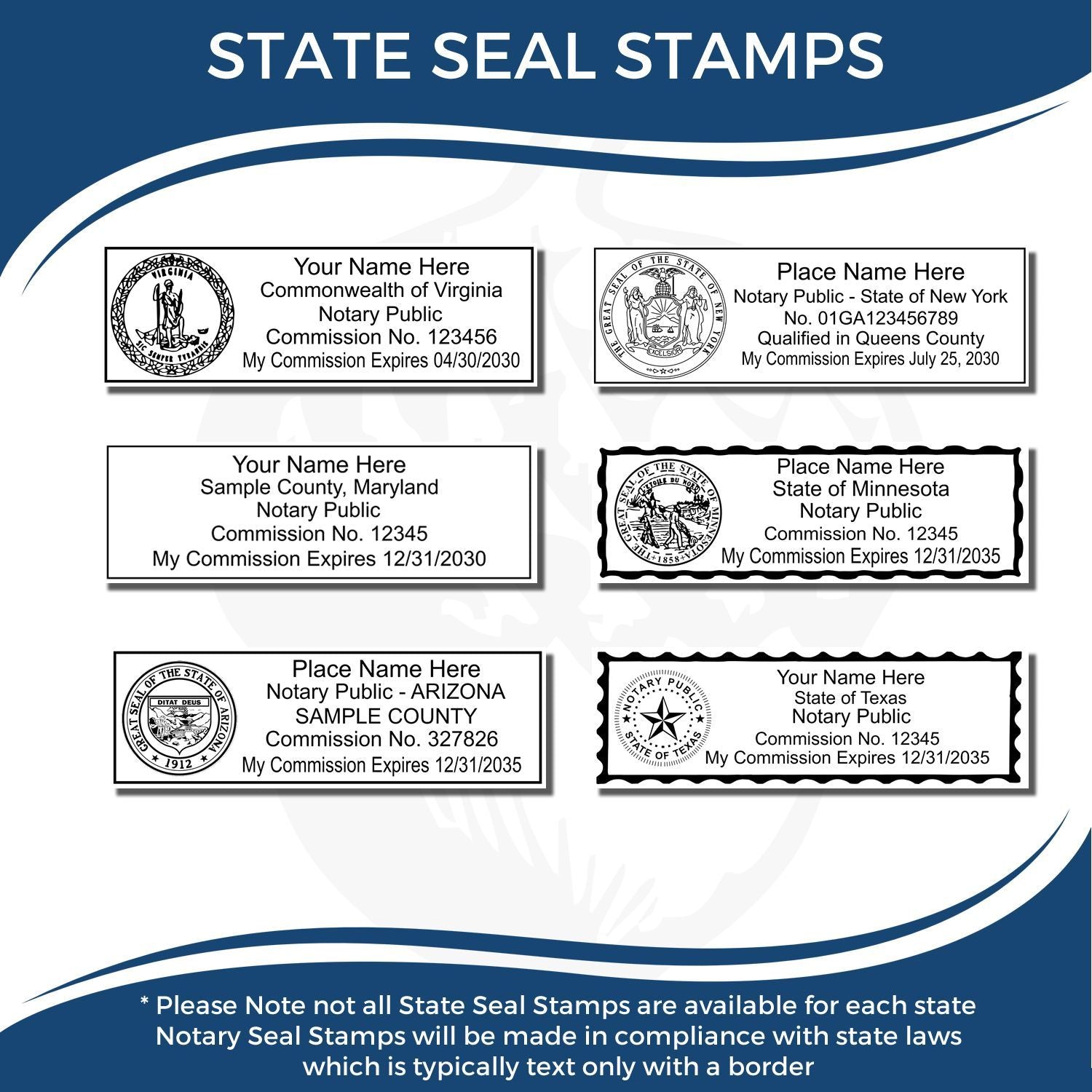

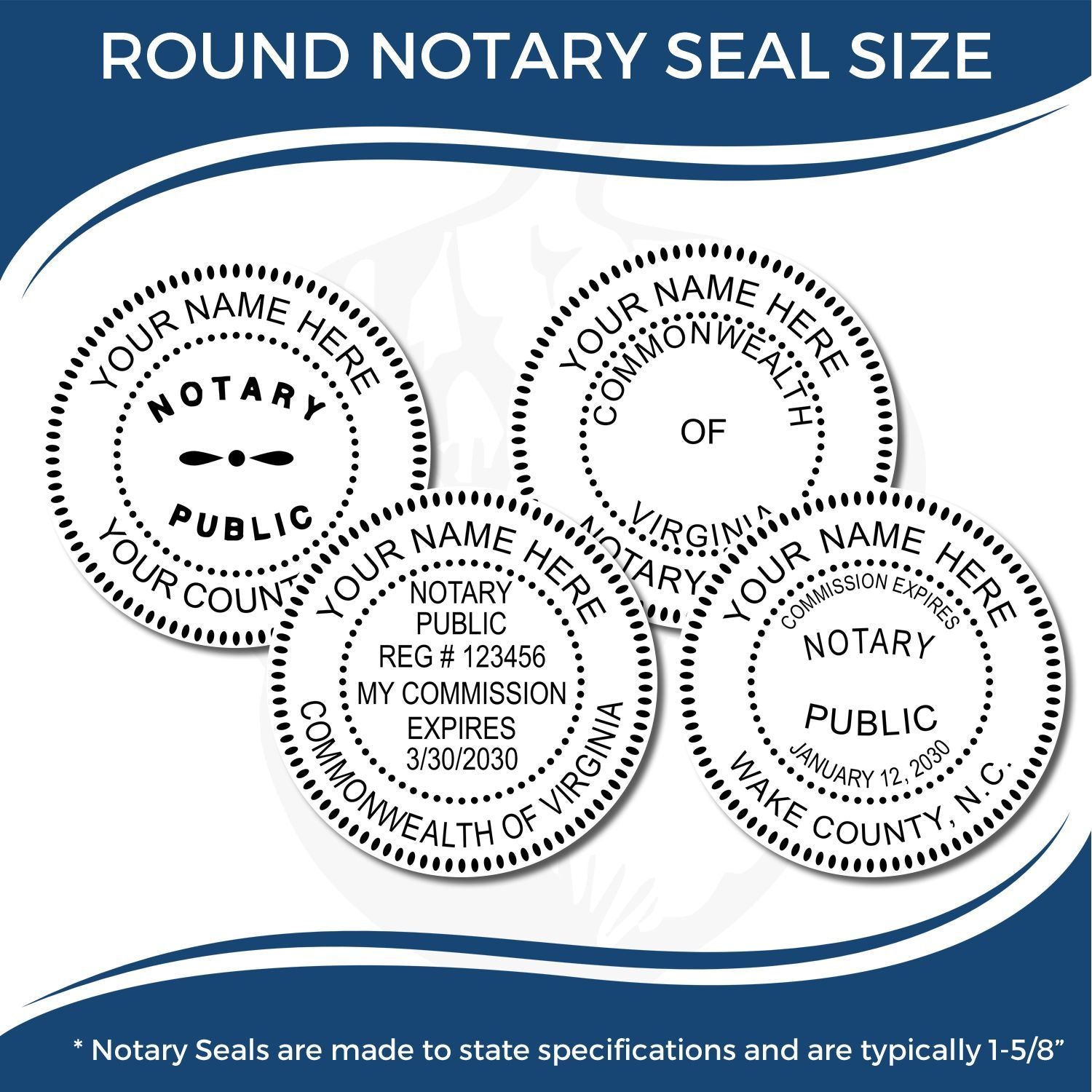


Is a notary stamp required in West Virginia?
Yes, on every notarial act on a tangible record, and the sentence that imposes the duty is not in the section titled Official stamp: “If a notarial act regarding a tangible record is performed by a notary public, an official stamp must be affixed to the certificate.” The two permissive sentences that follow in the same subsection apply to notarial officers other than a notary public and to electronic records, not to you on paper. The Secretary of State states it as an absolute: “A notary must use the rubber stamp seal on every notarization”.
The governing text is W. Va. Code § 39-4-15(b); WV Secretary of State, The Notary Seal.
What must appear on a West Virginia notary stamp?
- The words “Official Seal”
- The words “Notary Public”
- The words “State of West Virginia”
- Your name
- Your address, which may be a business or affiliation address rather than your home
- Your commission expiration date
Know which of those items is in the Code and which is not, because the answer is unusual. The statute at § 39-4-17(1) requires only your “name, address, jurisdiction, commission expiration date and other information required by the Secretary of State”, plus that the stamp be “capable of being copied together with the record”. The three required phrases, the border and the size cap are imposed administratively by the Secretary of State under that other-information hook. They are binding, and they are published in the office’s seal specifications, in the Notary Handbook and on your commission letter, but they are not written into W. Va. Code and they are not in a legislative rule either: C.S.R. Series 153-45 is entirely about electronic and remote notarization across its 28 sections and says nothing about the paper seal. The West Virginia state seal graphic is optional. And note the element no neighboring state uses: your address goes on the face of the stamp, which is why the handbook expressly permits a business or affiliation address instead of a residential one.
What size and shape must a West Virginia notary stamp be?
A rectangle no larger than 1 inch high by 2.5 inches wide, and a border is mandatory. The Secretary of State states both: the seal “must have a border”, and the handbook adds that it must be “no larger than 1″ x 2.5″.” Two readings to get right. The dimension is a ceiling rather than an exact specification, so a smaller rectangle complies as long as everything stays legible. And the shape is fixed: a round West Virginia stamp does not match the published specification. This runs exactly opposite to Washington, where the same style of numbers are floors and both shapes are allowed. The seal “must make a clear impression so that all the words can be easily read”, and both plain and self-inking stamps are permitted.
Notary public stamps are made to these conventions, and we check your lines against the statutory wording before we make the stamp.

What ink color is required for a West Virginia notary stamp?
Expressly optional, and West Virginia is the rare state that says so in as many words. The Secretary of State’s seal page states that “The color of the ink is optional.” Statute and rules are silent: searching all of W. Va. Code chapter 39 article 4 (§§ 39-4-1 through 39-4-38) for ink, black and color returns nothing, and C.S.R. 153-45 has no ink rule. The only constraints are functional, namely § 39-4-17(2)’s copyability standard and the legibility instruction. Nor is there a recording statute layering a color rule on top, which is the other half of the surprise. The sources here are §§ 39-1-2, 39-1-2a, 39-1-2b, 39-1-10, 39-1-11 and 39-1-11a in full: West Virginia has no document formatting statute of the kind Nebraska and Washington have, with no ink, paper, margin, font or legibility standard for recorded instruments. Black still reproduces best, but a West Virginia notary using blue is violating nothing.
More on the trade-off in stamp ink color rules.
Is a notary embosser required or optional in West Virginia?
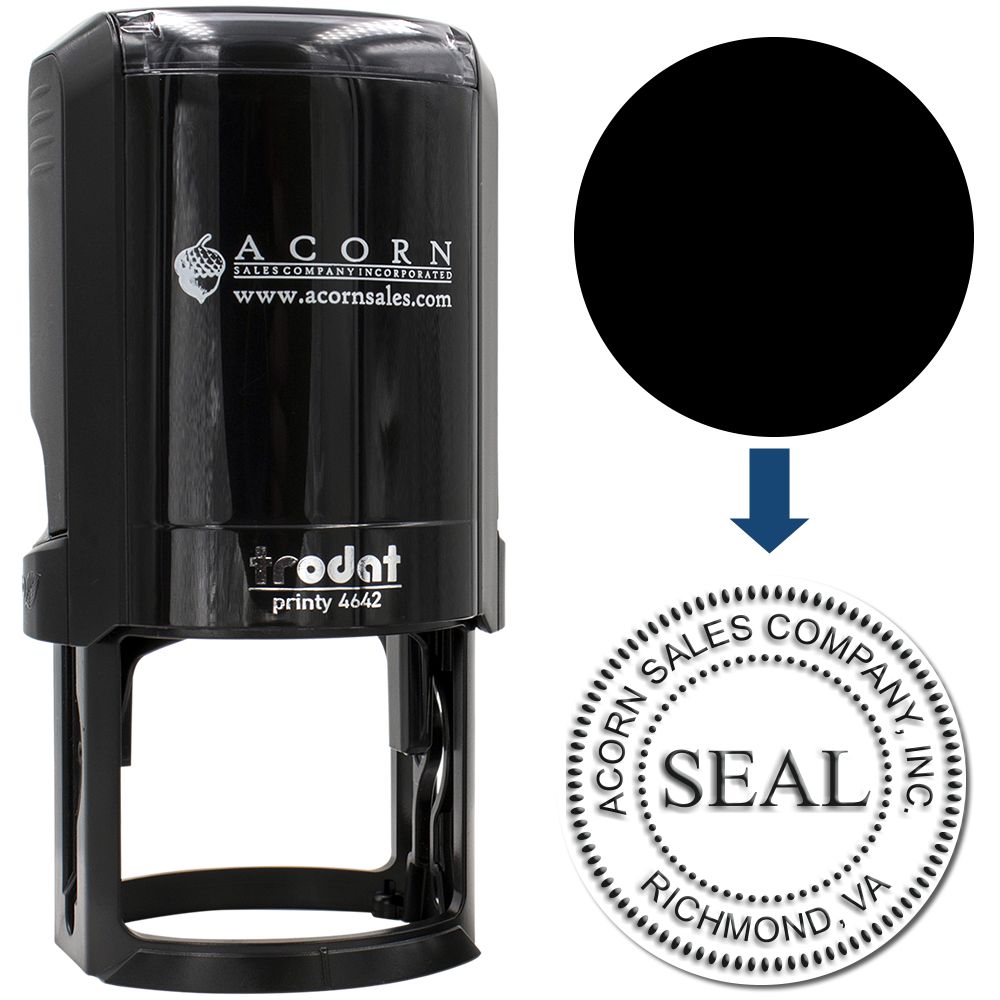
Permitted, and expressly not a substitute. West Virginia gives the cleanest embosser rule of these three states. The Secretary of State says the embossed seal “is permitted by West Virginia law, but not required” and “is not acceptable as a substitute for a rubber stamp seal.” If you do buy one it carries its own prescribed wording, which is not the wording on your stamp: “Notary Seal”, your name, “Notary Public” and “State of West Virginia”. Note what is missing from that list. The embosser carries no address and no expiration date, which is why it survives a move and a renewal that your rubber stamp does not.
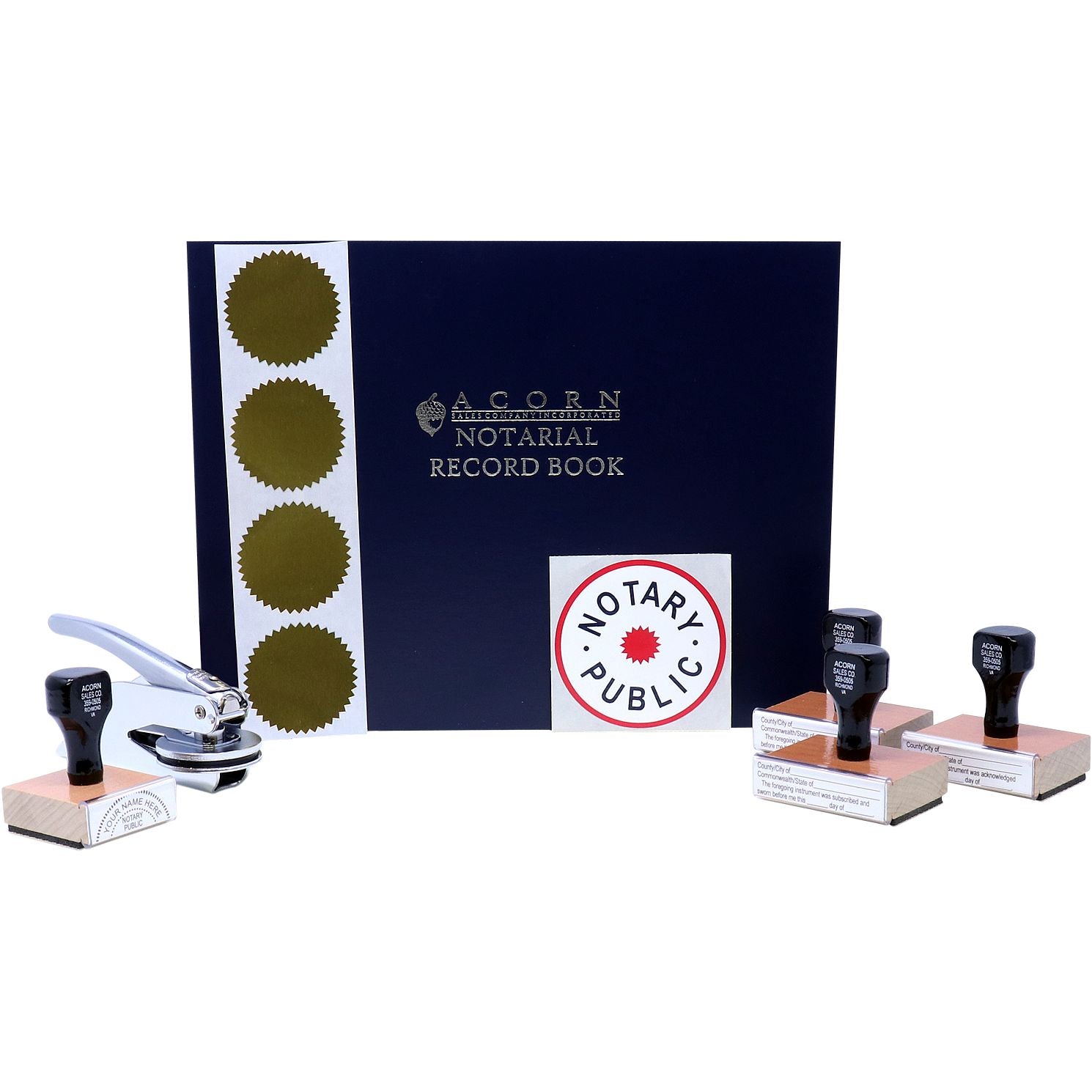
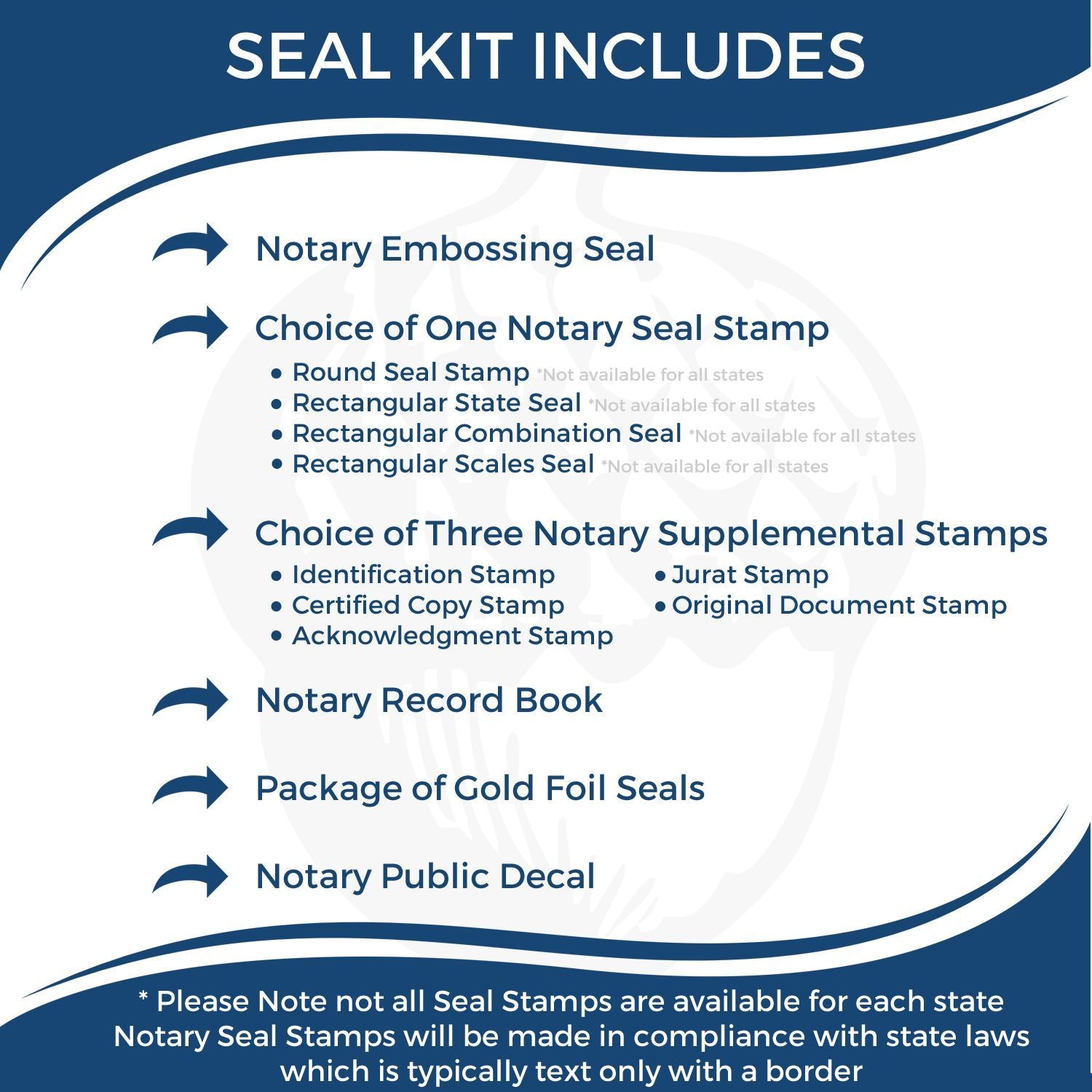
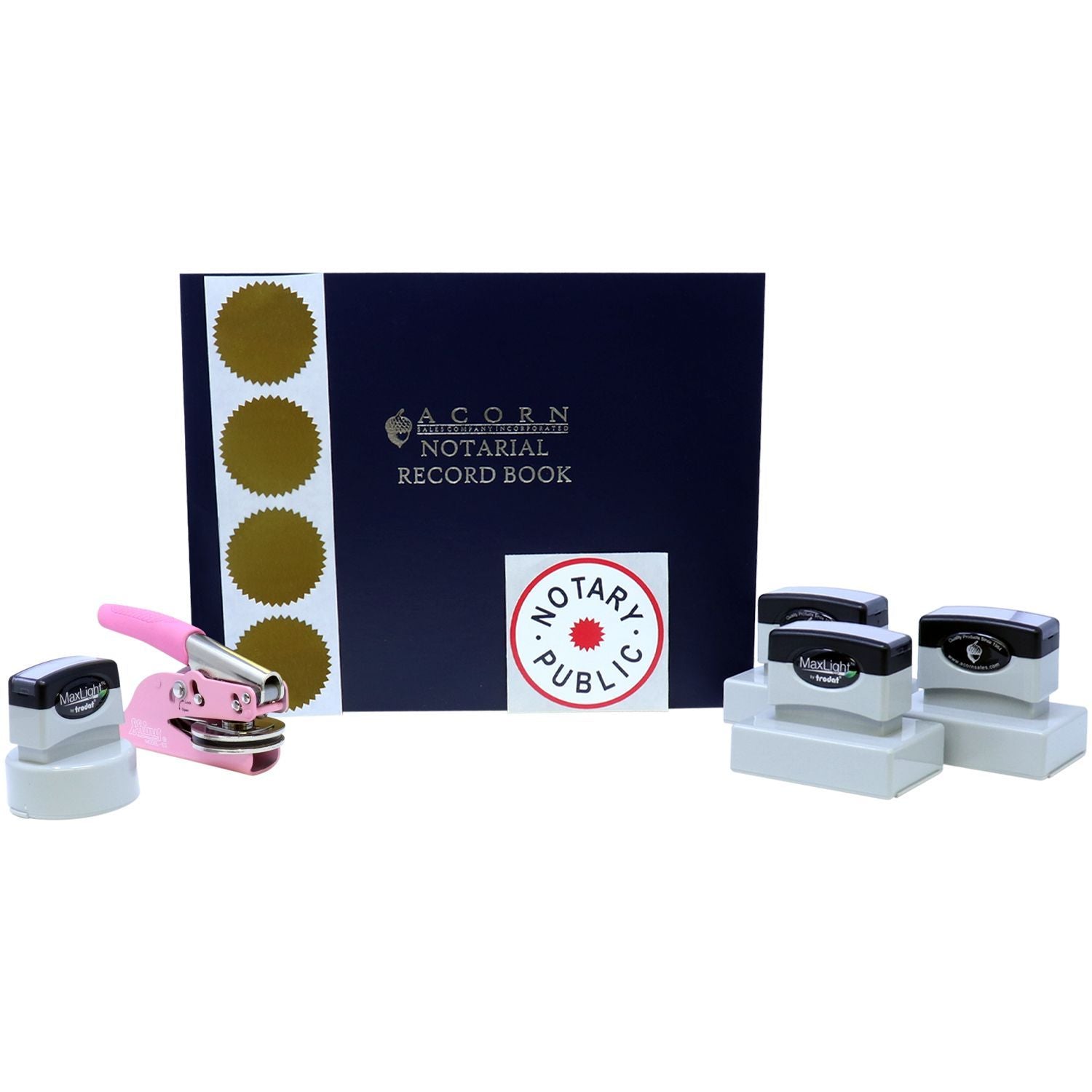
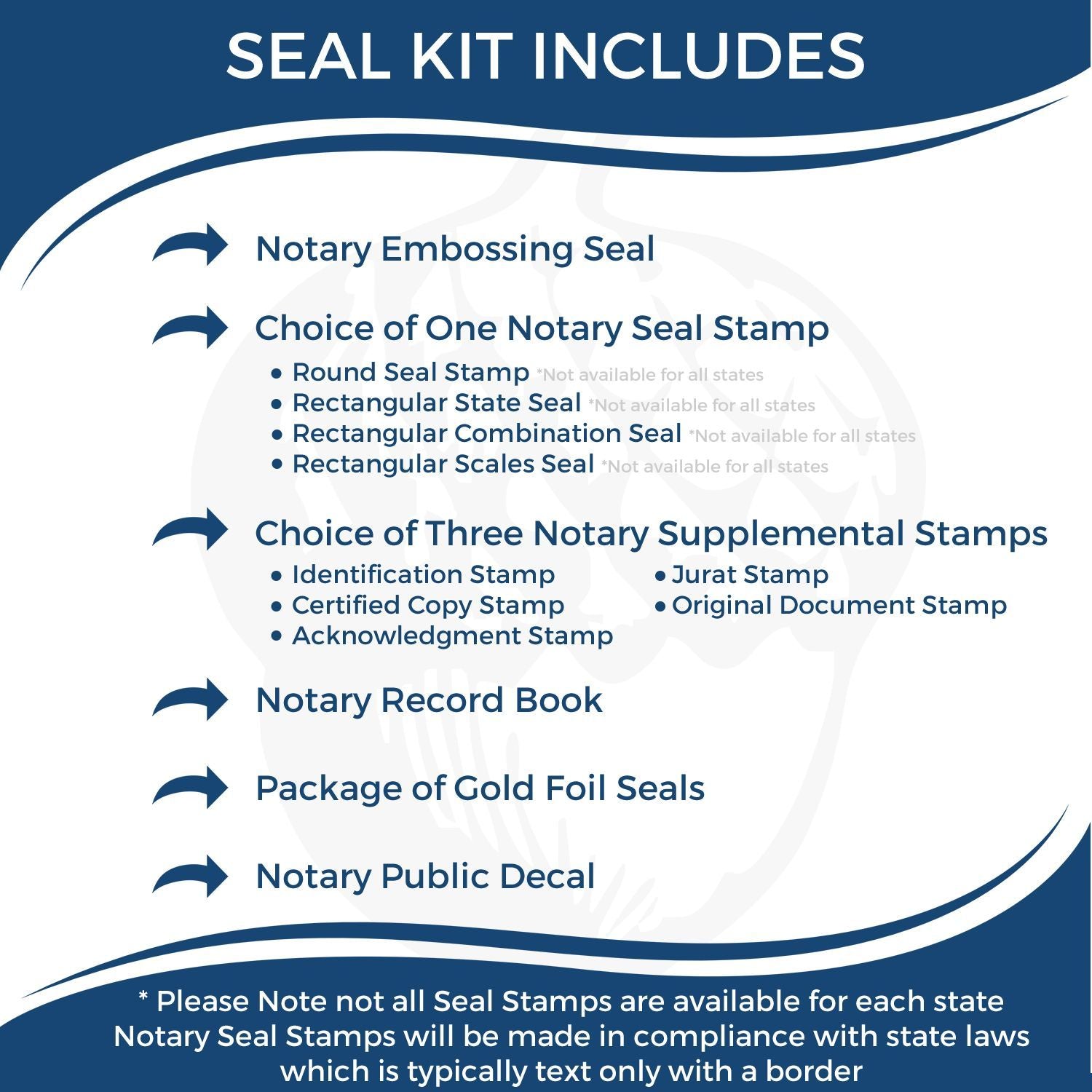
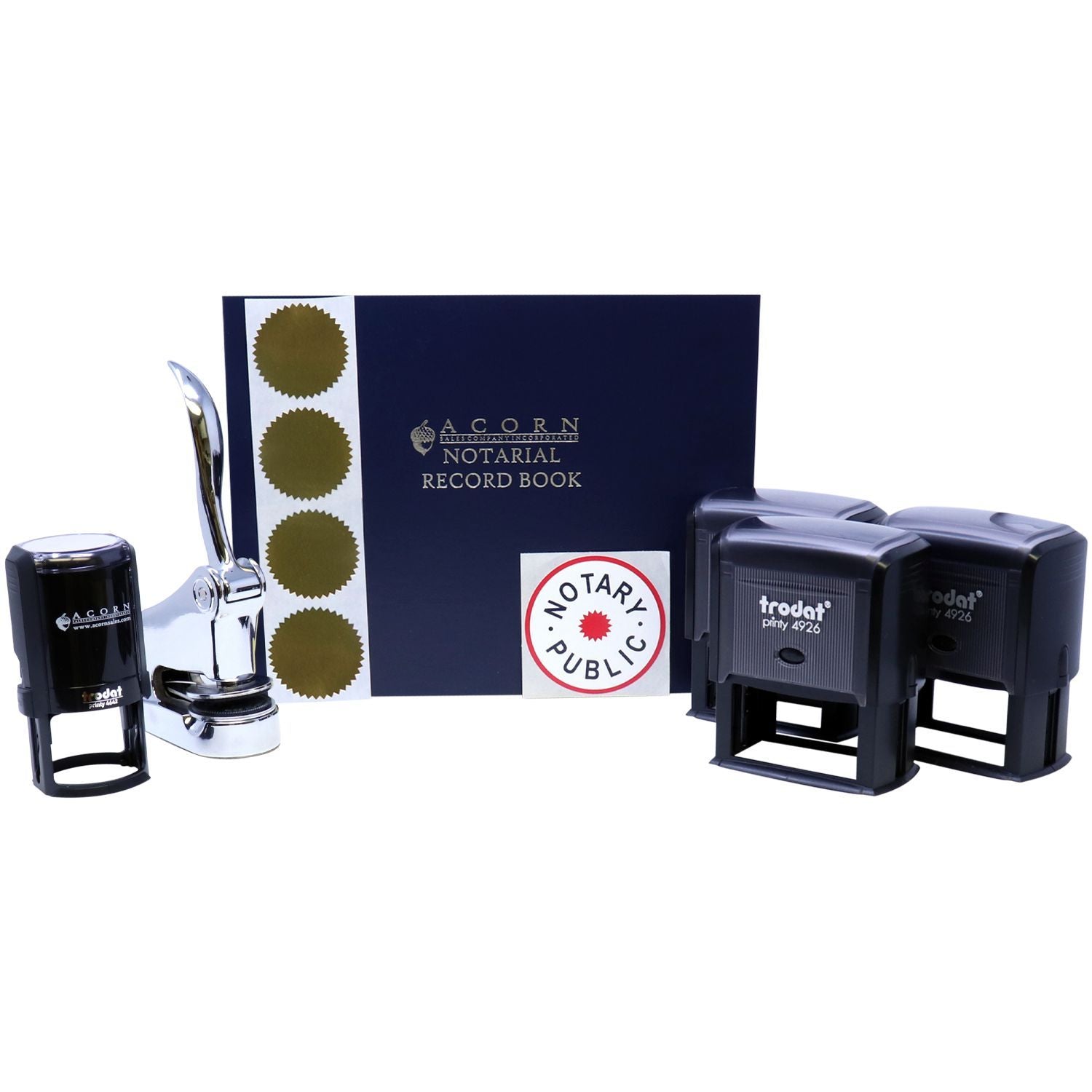
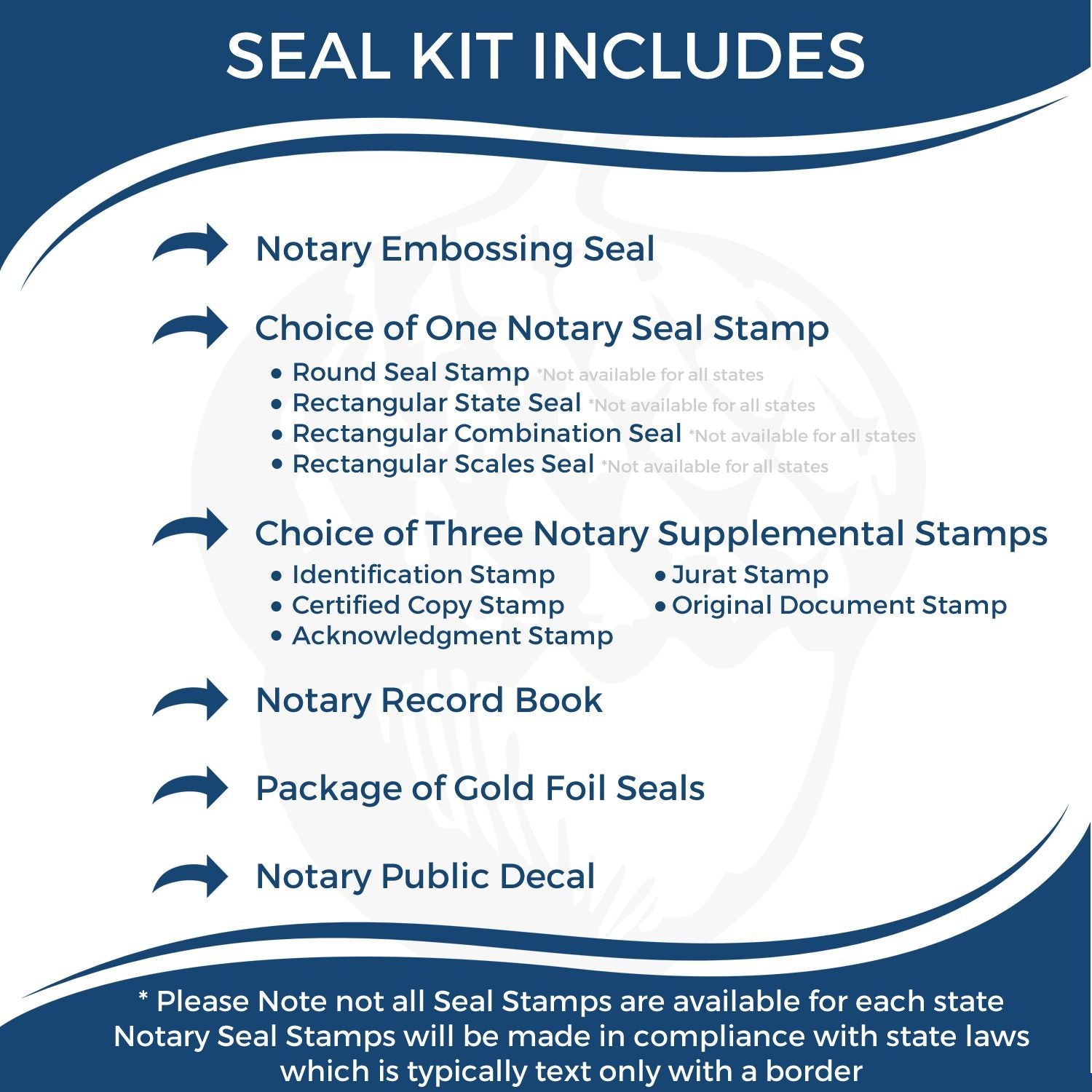
Notary embossing seal kits and inked stamp kits cover both formats. See also notary stamp vs. embosser.
The West Virginia seal mandate is in § 39-4-15(b), not the section called Official stamp
If you read one section of the West Virginia notary act and conclude that the seal is optional, you read the wrong section, and you are in good company. This is the most common West Virginia error and it has a structural cause.
Section 39-4-17 is titled Official stamp. It says what the stamp must contain and that it must be capable of being copied with the record. What it never says, anywhere in its two subdivisions, is that you have to use one. The requirement is one section earlier, in the certificate provision: “If a notarial act regarding a tangible record is performed by a notary public, an official stamp must be affixed to the certificate.” Read the rest of § 39-4-15(b) carefully, because the two “may” sentences that follow are what mislead people. One covers notarial officers who are not notaries public, such as judges and clerks. The other covers electronic records. Neither of them lets a West Virginia notary public skip the stamp on paper, and the Secretary of State backs that up flatly: a notary must use the rubber stamp seal on every notarization.
Two West Virginia specifics follow from § 39-4-17 once you know a stamp is compulsory. Your address goes on the seal, which is unusual, and the handbook lets you print a business or affiliation address instead of your home address. And the words “Official Seal” and “Notary Public” are both required, as separate phrases, along with “State of West Virginia”, inside a mandatory border, inside 1 inch by 2.5 inches.
One honest caveat about that last sentence. The three phrases, the border and the size cap come from the Secretary of State’s published specifications under the statute’s other-information delegation, not from W. Va. Code and not from a legislative rule. They bind you, and they are what the office will check. They are simply not where a reader of the Code alone would find them.
Do I need a new stamp when my commission is renewed or my name changes?
Terms run five years, with a $52 filing fee, and renewal is by re-application to the Secretary of State rather than by a separate renewal procedure. A new stamp is required, for two independent reasons: the commission expiration date is a mandatory face element, so a new five-year term makes the old die wrong on day one, and § 39-4-18(a) separately requires you to disable the stamping device “on the expiration of the date set forth in the stamping device”, so the old one has to go regardless. The Secretary of State’s applying page tells you to order the stamp using the specifications supplied in your commission letter, which means a fresh order each term. And there is a second reorder trigger no other state in this group has. Because your address is on the face of the stamp, a move at any point during the term means a new stamp, mid-term.
Thirty days, by statute, for either one. “Not later than thirty days” after changing the address of your business or residence, or changing your name, you must notify the Secretary of State. The handbook repeats the 30-day figure. Then note the knock-on effect, which is specific to West Virginia: both your name and your address are mandatory face elements of the stamp, so either change forces a new stamp. West Virginia is the only one of these three states where a plain address change invalidates your seal.


What do I do if my West Virginia notary stamp is lost or stolen?
Notify the Secretary of State promptly on discovering the device is lost or stolen. There is no deadline in days, and you should not rely on one borrowed from another state. The sources here are § 39-4-18, which is the only lost-or-stolen provision in the article, searched lost and stolen across §§ 39-4-1 through 39-4-38, read C.S.R. 153-45 in full, which has no paper-seal provision at all, and read the Notary Handbook, which says only that if you lose your official seal you must notify the Secretary of State. Washington’s ten business days is the only hard number among these three.
How do I dispose of an expired West Virginia notary stamp?
On resignation, revocation, expiration of the commission, or “the expiration of the date set forth in the stamping device”, you must “disable the stamping device by destroying, defacing, damaging, erasing or securing it against use in a manner that renders it unusable.” On death or adjudication of incompetency the personal representative, guardian or “any other person knowingly in possession” does the same. The same section makes you responsible for the device’s security and says you “may not allow another individual to use the device”. The handbook puts the resignation case in plain words: disable or destroy your stamp so that it is unusable.
More on retiring an old device in how to dispose of an expired notary stamp.
Can I notarize electronically or remotely in West Virginia?
Registration with the Secretary of State is separate from your commission, and West Virginia authorizes three distinct modes rather than the usual two: electronic notarization on an electronic record in person, remote online notarization, and remote ink notarization, which is a registered mode in its own right and which most state summaries omit. The applying page notes that the electronic notarization authorization carries no additional fee. Electronic seal contents are not separately prescribed. The rule sections govern attribution, control and disposition rather than face content, requiring that the means of producing the seal “must be kept under the sole control of the electronic notary”, barring the employer from using or controlling those means, and prohibiting non-notarial use. In practice the electronic seal reproduces the statutory § 39-4-17 content. Remote recordings are kept “for a period of at least five years”, which is half what Nebraska and Washington require. And there is no journal duty of any kind: the rule says a notary performing an electronic, remote online or remote ink act “may keep” a journal, and nothing requires one for paper acts either.
If you need your seal as an image file for electronic work, see electronic notary seal images.
Who is allowed to sell you a West Virginia notary seal?
There is no legal restriction on who may make or sell a West Virginia notary stamp. Searching W. Va. Code chapter 39 article 4 and C.S.R. 153-45 for vendor, sell and manufacture returns nothing, and West Virginia has no analogue to Washington’s prohibition on selling before the commission issues. The Secretary of State does, however, tell you what to hand the vendor: when ordering, “send a photocopy of your commission letter” together with the order form specifications from the office, and ask the company “if they are familiar with the specifications for West Virginia notary public seals.” The handbook adds that the Secretary of State’s office does not make or issue stamps. So the commission letter is the authority on how your name, address and expiration date should read, and we would rather see it than guess.
Related West Virginia guides
Next step
Have your commission details in front of you before you order, because they go on the stamp and a wrong line means a reorder. Then browse notary public stamps, or contact us and we will check your wording against the statute before we make it.
Frequently asked questions about West Virginia notary seals
Is a notary seal required in West Virginia?
Yes for tangible records, and this is where West Virginia is misreported. Reading the section headed “Official stamp” alone makes the seal look optional, because that section only sets out contents. The duty is imposed a couple of sections earlier, in the certificate rules. Several states that adopted the uniform act look optional for exactly this reason and are not.
What has to appear on a West Virginia notary seal?
The words “Official Seal”, “Notary Public” and “State of West Virginia”, plus your name, your address and your commission expiration date, surrounded by a border.
Does my address really have to be on a West Virginia seal?
Yes, and you have a choice about which one. A business or affiliation address is acceptable rather than your home address, which is worth knowing if you would rather not have your residence on every document you notarize.
What size must a West Virginia notary seal be?
A rectangle no larger than 1 inch high by 2.5 inches wide, with a border. Both the dimensions and the border requirement come from the Secretary of State's published specifications under the statute's delegation rather than from the Code itself.
What ink color does West Virginia require?
None, and West Virginia is unusually direct about it: the Secretary of State states expressly that the ink color is optional. Choose something that copies cleanly.
Do I need a new seal when my West Virginia commission is renewed?
Yes, because your expiration date is on the seal. Note the term is five years rather than the four that most states use, and renewal is by re-application rather than a separate renewal process.
What if my West Virginia notary seal is lost or stolen?
West Virginia sets no deadline in days. The standard is to report it promptly, so do not rely on a ten or thirty day figure carried over from another state.
Can anyone sell me a West Virginia notary seal?
Yes. There is no legal restriction on who may make or sell one. We searched the notary article and the administrative rules for any vendor requirement and found none.








