
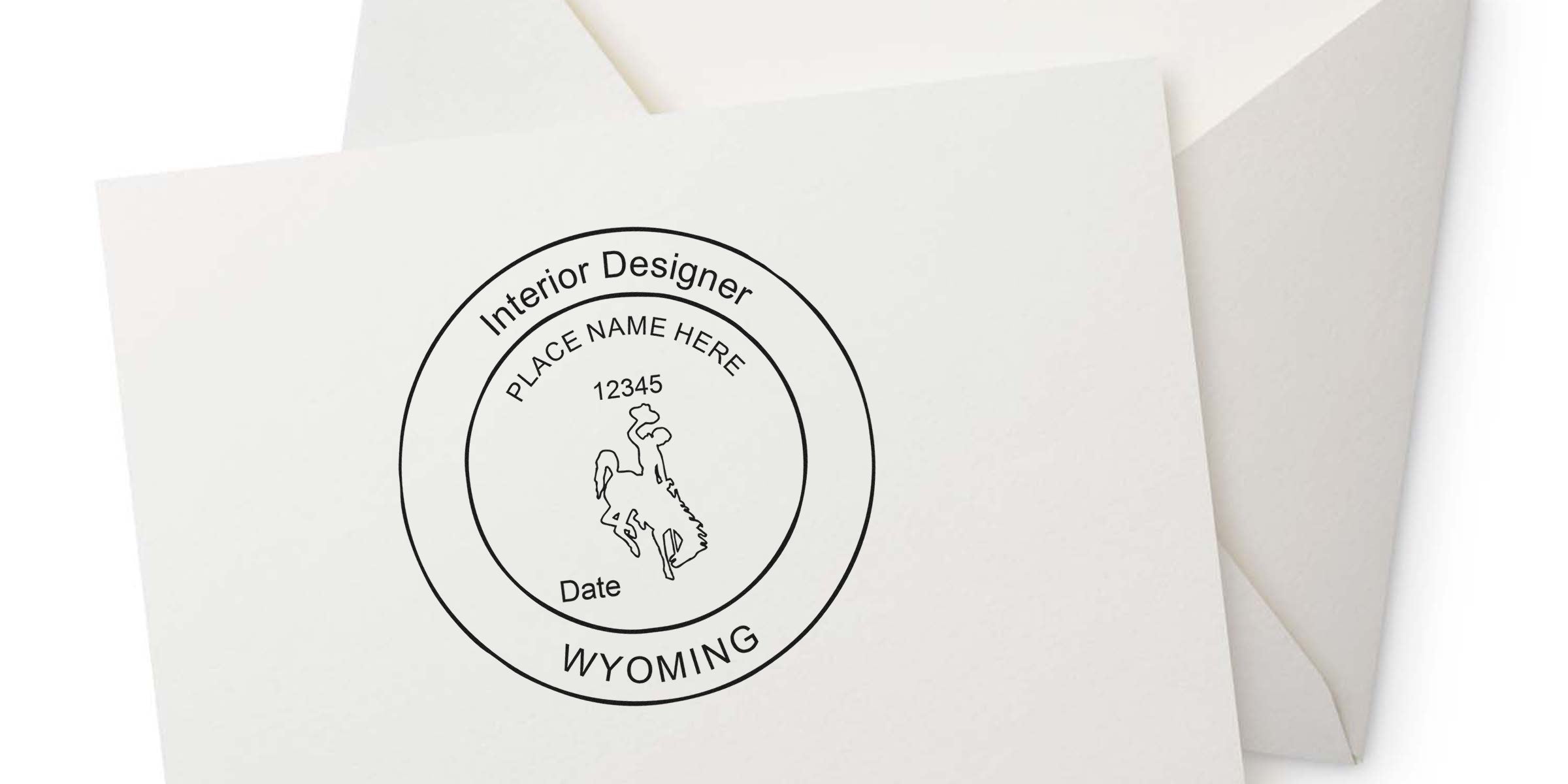
If you’ve ever felt overwhelmed by the process of submitting your interior designer stamp application in Wyoming, you’re not alone. Getting all the details straight can seem tricky at first glance. Fortunately, once you break the process into clear steps, you’ll discover it’s far more manageable than you might think. In this post, we’ll walk through the essentials you need to know—from understanding Wyoming’s required credentials to choosing the perfect stamp or seal for your projects. By the end, you’ll feel prepared and confident to tackle every detail that comes your way.
Wyoming has specific rules and regulations for anyone looking to officially practice interior design and superimpose a professional seal on their final drawings. While the guidelines may feel a bit stiff at first, don’t let that hold you back. With a little organized effort, you’ll secure your Wyoming Interior Designer Stamp or Seal, present your projects with pride, and stay on the right side of state regulations. Ready to jump in? Let’s get started.
Uncover Wyoming’s Criteria
Before you gather forms and schedule your notary appointments, it’s useful to understand exactly what Wyoming anticipates from those seeking the right to seal design plans. Yes, there are official regulations, and they can seem quite formal, but let’s break them down in plain language.
Initial Eligibility
The state of Wyoming looks for a mix of education, experience, and examination. You’ll want to confirm that you have:
- A recognized degree or equivalent qualification in interior design.
- A set number of supervised work hours (which can vary depending on your educational path).
- Evidence of passing any needed professional exams (for instance, the NCIDQ—National Council for Interior Design Qualification—if required).
Whenever you see mention of “approved” or “authorized” in Wyoming’s guidelines, it generally refers to your training and exam success. If you’re fresh out of school, keep in mind you’ll need some on-the-job training or mentorship to fulfill the professional experience portion. A quick call or email to the state board in charge of regulating interior designers (often the same entity that oversees architects or engineers) can help you confirm your eligibility.
Common Confusions
From the outside, it’s easy to assume that interior designers simply pick colors and fabrics, but in Wyoming, recognized professionals are entrusted with more than aesthetics. You might be submitting detailed space planning documents, code compliance plans, and even integrated design solutions. That’s a key reason the state wants to confirm you’ve got the training and experience to do this safely and effectively. The good news? If you’ve met the formal requirements, you’re likely well on your way to obtaining your seal privileges.
If you would like a more in-depth overview of the ins and outs of what the state expects, feel free to look at Wyoming Interior Designer Stamp Requirements. It’s a handy resource that outlines the sorts of credentials and steps you might need.
Organize Key Paperwork
Once you’ve confirmed that you meet Wyoming’s basic requirements for licensure (which can vary based on the professional board), the next move is to pull together your official documents. Having everything at your fingertips reduces last-minute stress and helps your application move through faster.
Transcript and Work Documentation
You’ll typically need official transcripts to show completion of your interior design degree. If you finished school a while ago, give your college registrar a quick call. They can send out an official transcript either directly to you or to the board. Keep in mind, the board may require sealed transcripts, so be sure to confirm instructions on how they want those sent.
Then there’s your work-experience documentation. This could be a simple signed letter from your employer outlining your duties and hours, or it might be a more formal log of your projects. Double-check the board’s exact format preferences before mailing in any old letter. And if you’ve worked in multiple places, gather letters or logs from each relevant employer.
Identification and Application Forms
Most boards need proof of identity: a copy of your driver’s license or another photo ID. Your name on the forms should match the name on your official IDs. If you’ve changed your name due to marriage or any other reason, mention that in your documents and provide proof of change if required.
Alongside your ID documentation, you’ll fill out official forms from the Wyoming board’s website. Make sure you grab the most up-to-date version. The PDF might look straightforward at first glance, but read every prompt carefully. If you miss a question or fail to provide a signature, the board may kick back your entire application.
Payment and Fees
The final piece of your paperwork puzzle is payment. States usually have an application fee that helps cover processing. Don’t forget to check whether you can pay online, and be sure you choose an accepted method—some states take checks, others accept only credit card transactions, and more boards are shifting to digital portals. Keep a record or receipt of your fee payment just in case there’s any confusion later.
Complete The Application
Now that you’ve gathered all the essentials, it’s time to finalize and submit your application. This is your chance to make a solid first impression on the licensing board, so aim for clarity and thoroughness.
Double-Check Requirements
Your best friend here is a simple checklist. Yes, it sounds obvious, but when you’re juggling transcripts, IDs, recommendation letters, and proof of exams, a guided list can ensure nothing slips through the cracks. Tick off items one at a time. If your board provides a sample form or an FAQ, read them carefully before you start uploading or mailing documents.
Proofread and Validate
Got all your forms ready to go? Give them a second look. Did you state your name correctly and consistently on every page? Have you included all attachments the application requests? It’s helpful to have a colleague or friend take a quick look, too, especially if they’ve filed a similar application before. A fresh set of eyes can spot an accidental omission.
Get It in On Time
Most states, including Wyoming, don’t have a cutoff date for interior designer license applications, but the sooner you apply, the sooner you’ll have your stamp privileges. Prompt submission also leaves you time to respond if the board requests extra information or clarity. Keep all digital confirmations or email receipts stored somewhere safe and easy to access. That way, if you need to reference your submission date or payment proof, you’ve got it right on hand.
Recognize Stamp Basics
Your goal isn’t just to receive your license—it’s to get the right stamp or seal that proves your interior design work meets Wyoming’s professional standards. But what exactly is this stamp or seal, and how do you use it correctly?
Physical vs. Digital
A physical seal (often a metal embosser or rubber stamp) is the longtime standard for marking official documents. Some states, however, allow or even encourage digital seals. Digital seals can be added to PDFs or computer-aided design files, streamlining your workflow. If you need both, you can usually purchase a physical embosser and receive a digital file version, which is often delivered by email.
Acorn Sales, for instance, is known for supplying Wyoming Interior Designer stamps and seals. We’ve been in business since 1964, and we offer a free digital seal with your order, making it easier to keep up with changing project formats. Whether you enjoy the tactile officialness of pressing your stamp onto paper or prefer a quick digital solution, look for a supplier that can provide both.
Usage Guidelines
Each state has rules about how and when to apply your seal. For instance, you might need to upload your stamped drawings in a particular file format if you’re dealing with digital submittals. Or if you use a physical stamp on your design sheets, make sure the impression is clear and legible.
Be mindful that your seal isn’t just a cosmetic label. It signifies you’ve taken professional responsibility for the accuracy of the design documents. So, don’t pop it on every page just for show. Use it thoughtfully, typically on final documents. Make sure your name and license number match exactly what the state has on record to avoid confusion or rejections.
Partner With A Trusted Supplier
Once you’re ready to purchase your physical or digital stamp, you’ll find plenty of potential vendors. But your stamp is a crucial element of your professional identity, so it’s worth picking a reputable provider. Here are a few reasons why working with a proven supplier can make your career (and daily tasks) easier.
Reliability Matters
You want a stamp that clearly displays your license details without smudges or imperfections. A well-crafted stamp or embosser ensures your name, license number, and the official seal design appear just as Wyoming’s board prescribes. Faulty equipment or poor-quality materials can lead to messy impressions, unreadable text, or confusion over your credentials.
At Acorn Sales, we understand the importance of precise design. We’ve served architects, interior designers, and engineers for decades. In fact, we’ve been in business since 1964, and our experience shows in the quality of our products. You can rely on us for consistent impressions and design accuracy that aligns with Wyoming’s requirements.
Convenience and Speed
Sometimes, the last piece you need to finalize your license is the official stamp or seal. You don’t want to wait weeks for shipping or wade through complicated ordering processes. The best suppliers ship quickly and keep you updated on your order status. They also simplify the process by offering easy online checks for what your state’s stamp or seal must include.
Acorn Sales typically provides a free digital seal along with physical stamps. So, if you regularly work with digital CAD files or you’ll be submitting your final plans online, the digital option is a big timesaver. You can drag and drop your seal directly into your PDFs or design layouts, so you’re always ready to go with minimal fuss.
Quality Customer Support
Ever had a problem with a product and tried to contact support, only to wait endlessly for an unhelpful email response? A truly reputable supplier prevents those headaches by having a knowledgeable team available to assist you promptly.
Maybe you’re confused about how your name or license number should appear, or you’re unsure if you need an embosser and a regular stamp. Good customer service staff can guide you through these questions. From helping you choose the right style of stamp to verifying you’ll be compliant with Wyoming’s expectations, they’ll ensure you don’t miss any crucial detail.
Summarize Your Next Steps
By now, you have the key puzzle pieces you need to make your Wyoming interior designer stamp application run smoothly. You’ve uncovered the basic state criteria, organized the necessary paperwork, and reviewed how to stamp drawings appropriately. The last step is simply to pull the trigger—submit those documents, order your preferred stamp from a trusted supplier, and wait for your official approval.
If you choose to work with Acorn Sales, you’ll not only get a quality physical stamp but also a free digital seal to simplify your electronic submissions. We’ve been in business since 1964, and we’ve learned a thing or two about keeping interior designers happy. Whether you’re designing posh hotel lobbies, refined residential spaces, or functional medical offices, your official Wyoming stamp goes a long way toward showcasing your professionalism.
So, gather your transcripts, confirm your experience hours, and review those board guidelines. Start by ensuring you fully meet Wyoming’s rules, and when you feel ready, follow the steps we’ve outlined. Before you know it, you’ll have that official stamp in hand (or on your screen) and a new level of credibility in the eyes of your clients, colleagues, and oversight boards. Best of luck—your next project awaits!
Frequently Asked Questions
Do I need a stamp if I’m just consulting and not making final plan submissions?
” Typically, you stamp any official documents that require a professional endorsement—drawings, layout plans, or code compliance sheets. Even if you’re mostly consulting, double-check with Wyoming’s board whether any portion of your work needs an official seal for sign-off.
What happens if my stamp impression isn’t totally clear?
” If the impression is smeared or faded, you may need to re-stamp that page or try a clearer spot. If you’re using a physical embosser, lean on a stable surface and apply firm pressure. Always ensure the license details are legible. In digital versions, make sure the resolution is high enough for clarity.
Can I use my stamp in another state?
” Generally, each state has its own license requirements and unique stamp designs or disclaimers. If you’re licensed in multiple states, you’ll likely need separate seals. Some states have a combined stamp for architecture and interior design, while others keep them distinct.
How long does it take to get my seal once I pass all requirements?
" That depends on both the state board’s approval timeline and the supplier’s shipping schedules. After your application is accepted, you might receive your official license number within a few days to a few weeks. From there, ordering your stamp through a reliable supplier is usually quick. With Acorn Sales, we’ll expedite shipping whenever possible.
Does Wyoming accept e-signatures or e-seals?
” Many licensing boards, including Wyoming’s, have begun to accept e-signatures and e-seals, provided they meet certain security and documentation standards. Always confirm specifics with the state board, but digital seals are definitely on the rise, making it easier to expedite the entire submission process.








