
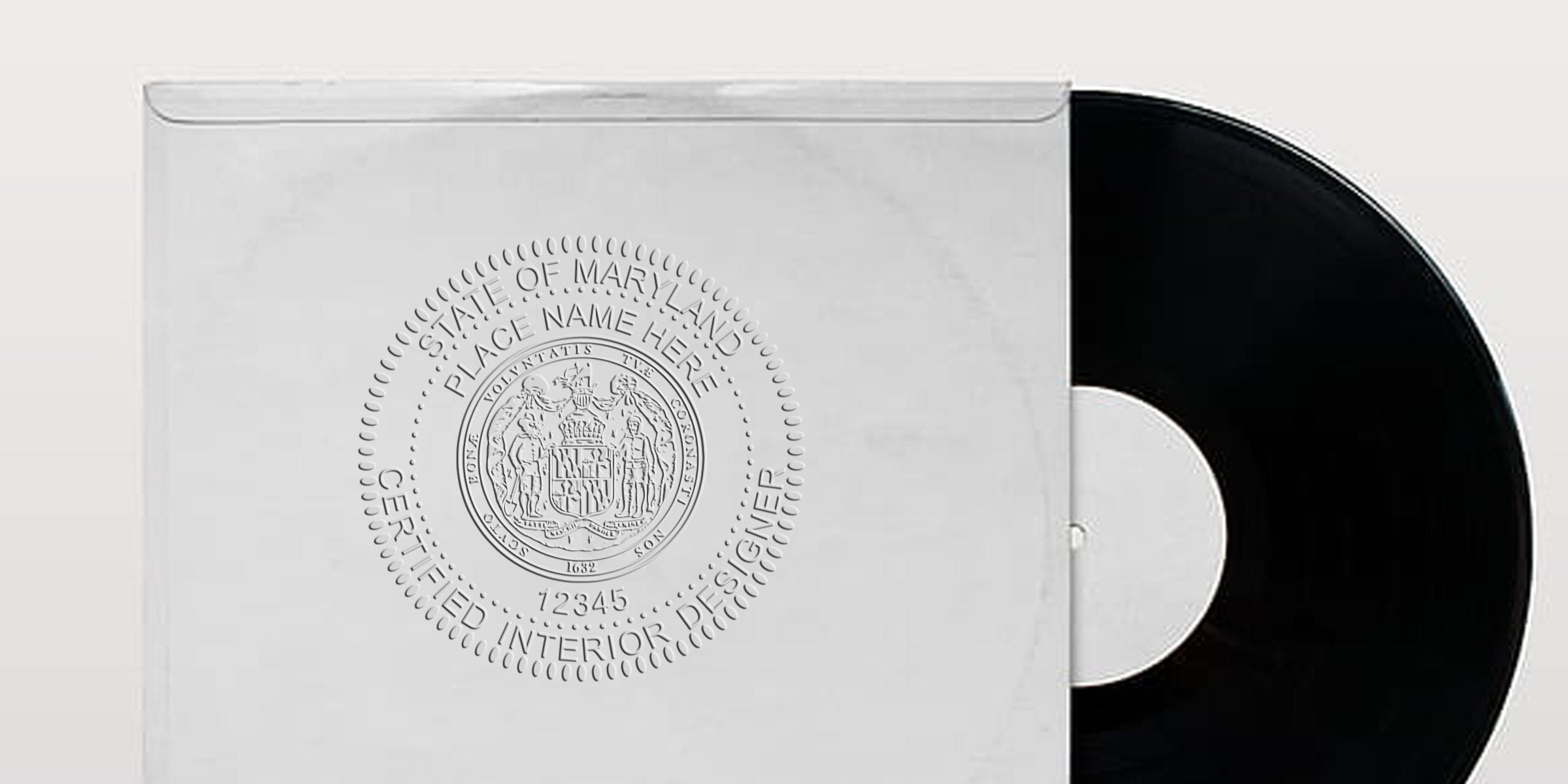
If you’re an interior designer in Maryland, you may already know that a Maryland interior designer seal embosser is more than a decorative accessory. It’s a key tool in verifying the authenticity of your professional work. By embossing official plans, sketches, or contracts, you enhance your credibility and satisfy the rules set by state authorities. But how exactly does this embosser help your interior design practice, and how can you make sure you’re using it correctly? In this guide, you’ll discover tips for selecting, using, and caring for your embosser, plus a few pointers for staying compliant with Maryland’s requirements. Let’s dive right in.
Understand the Role of a Seal Embosser
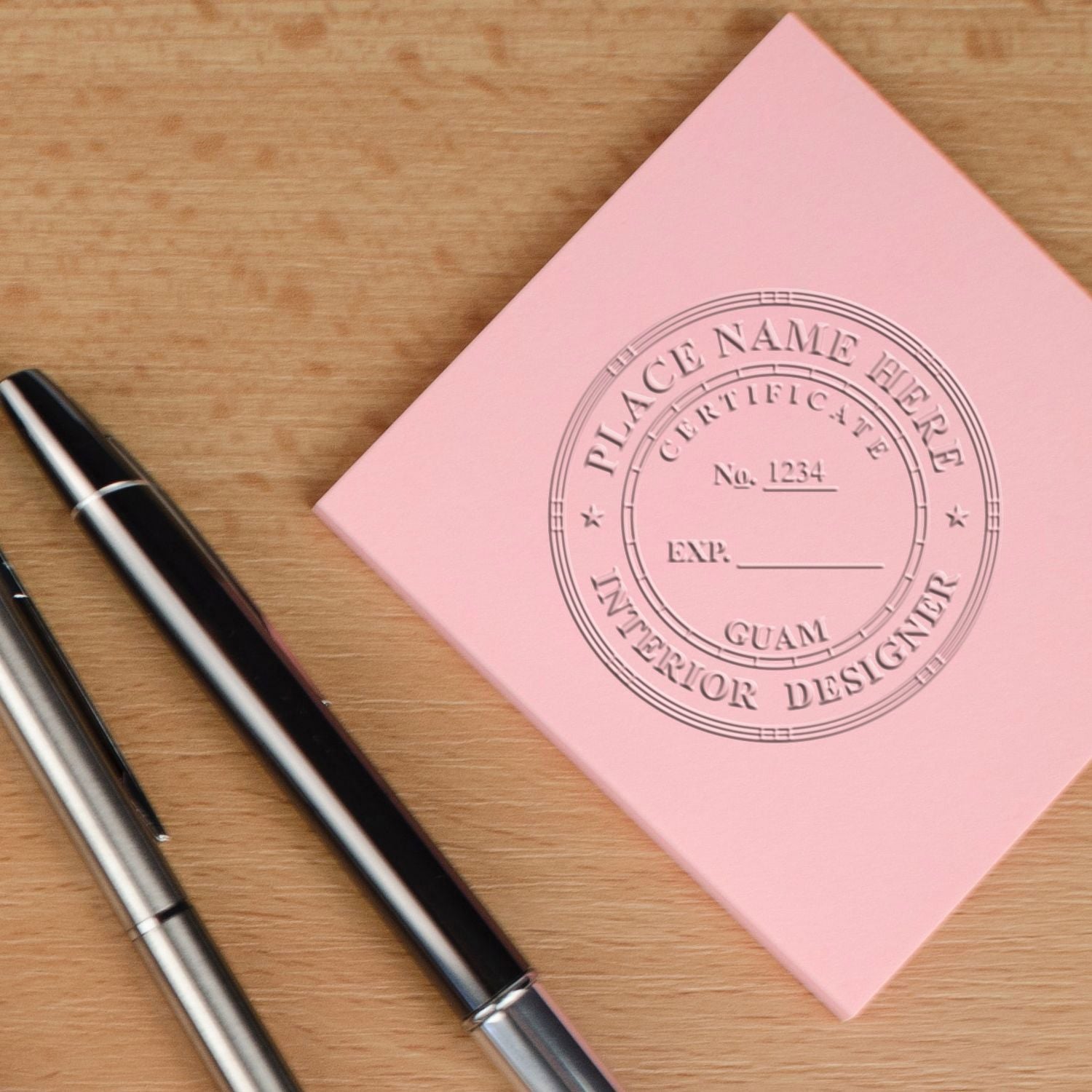
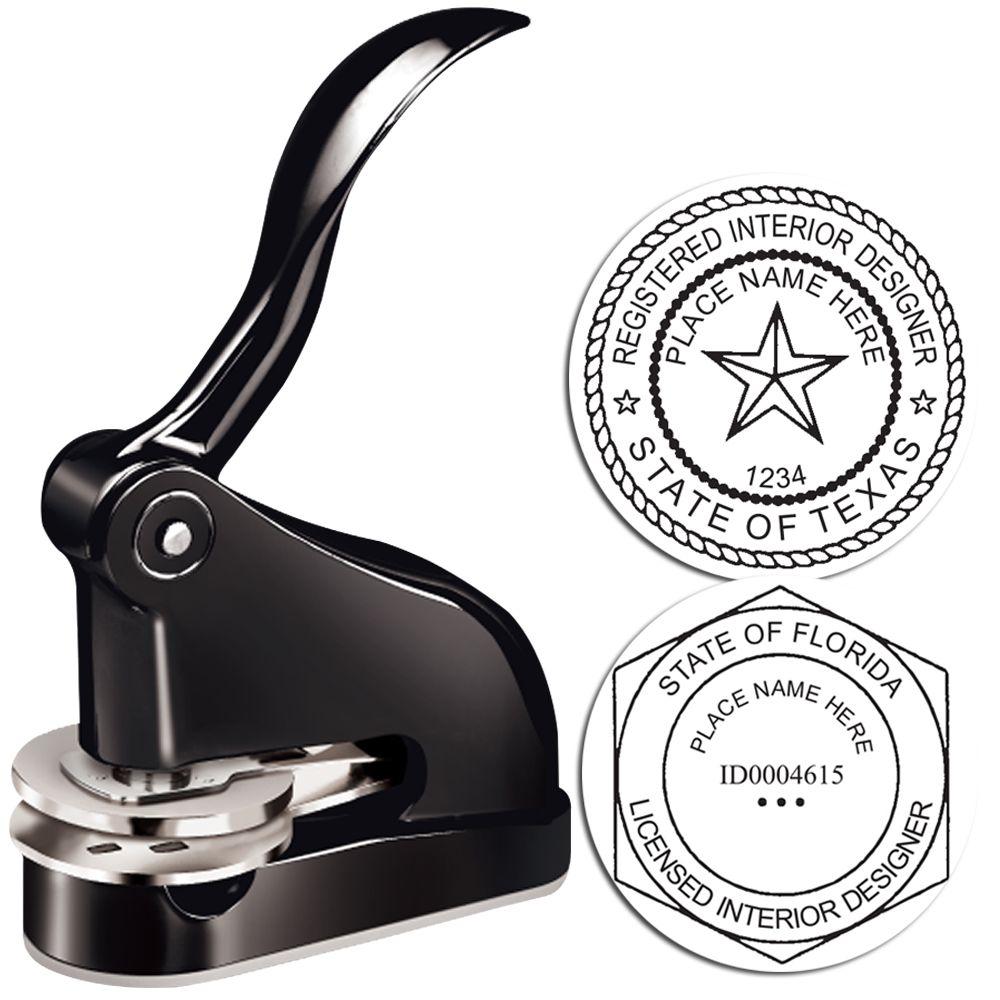
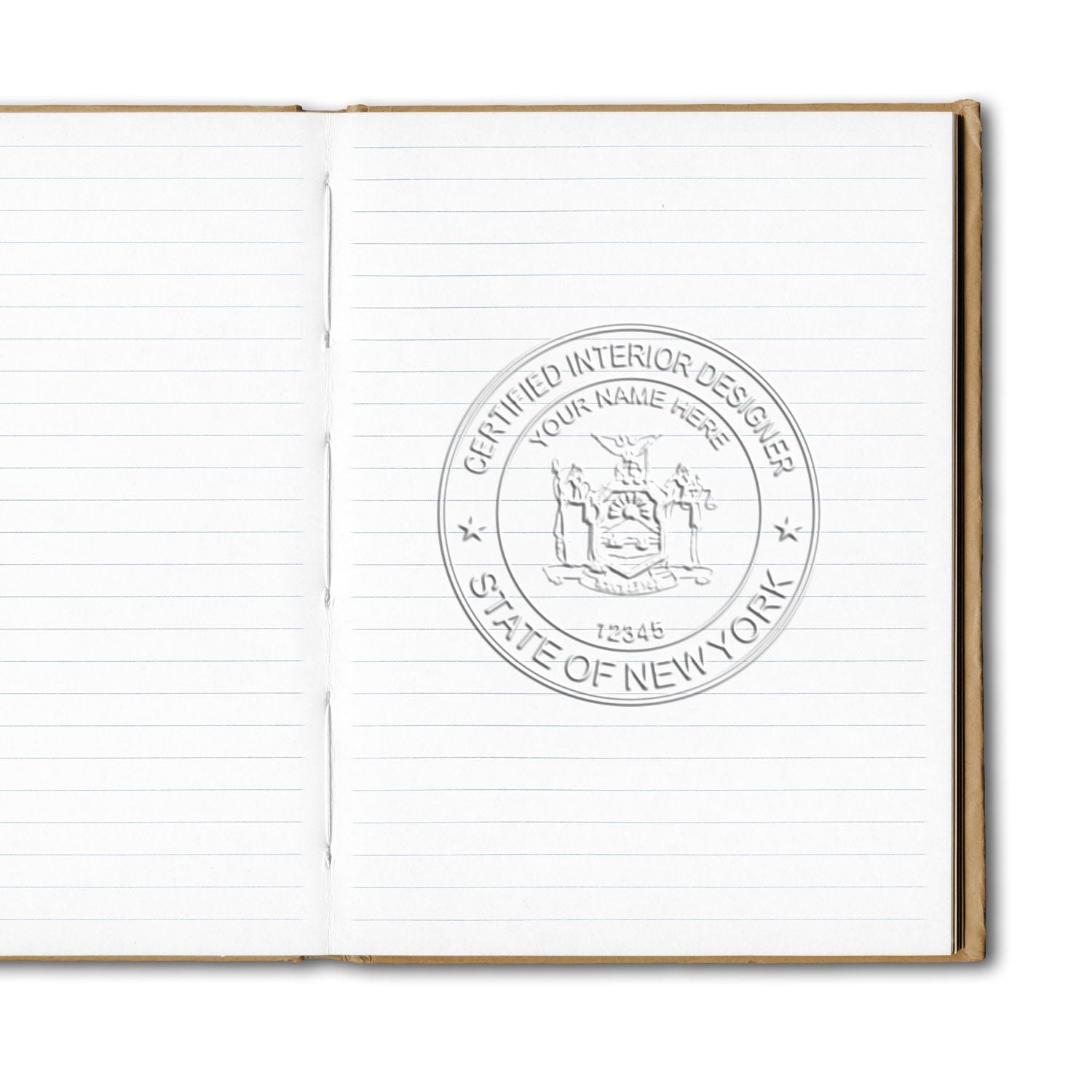
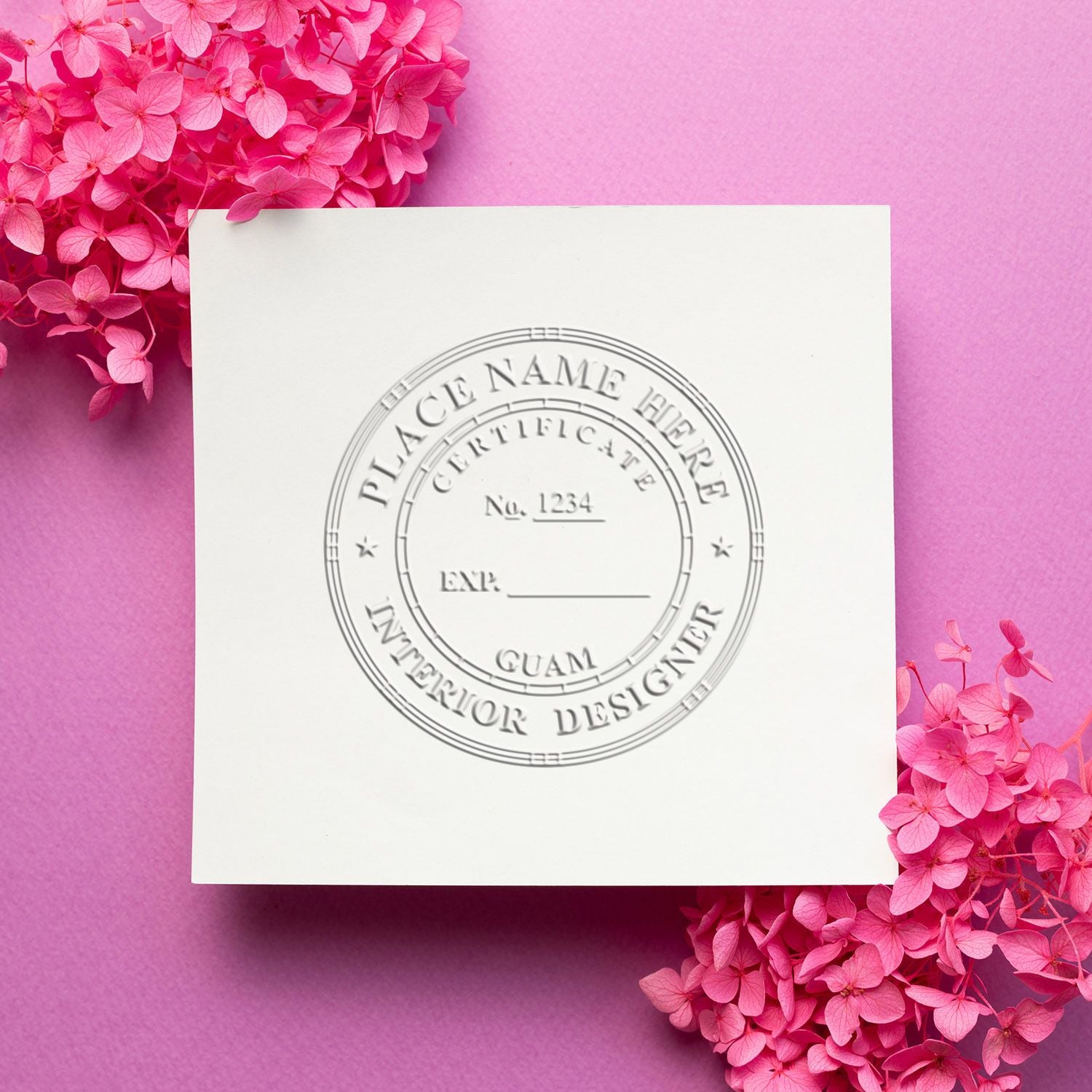
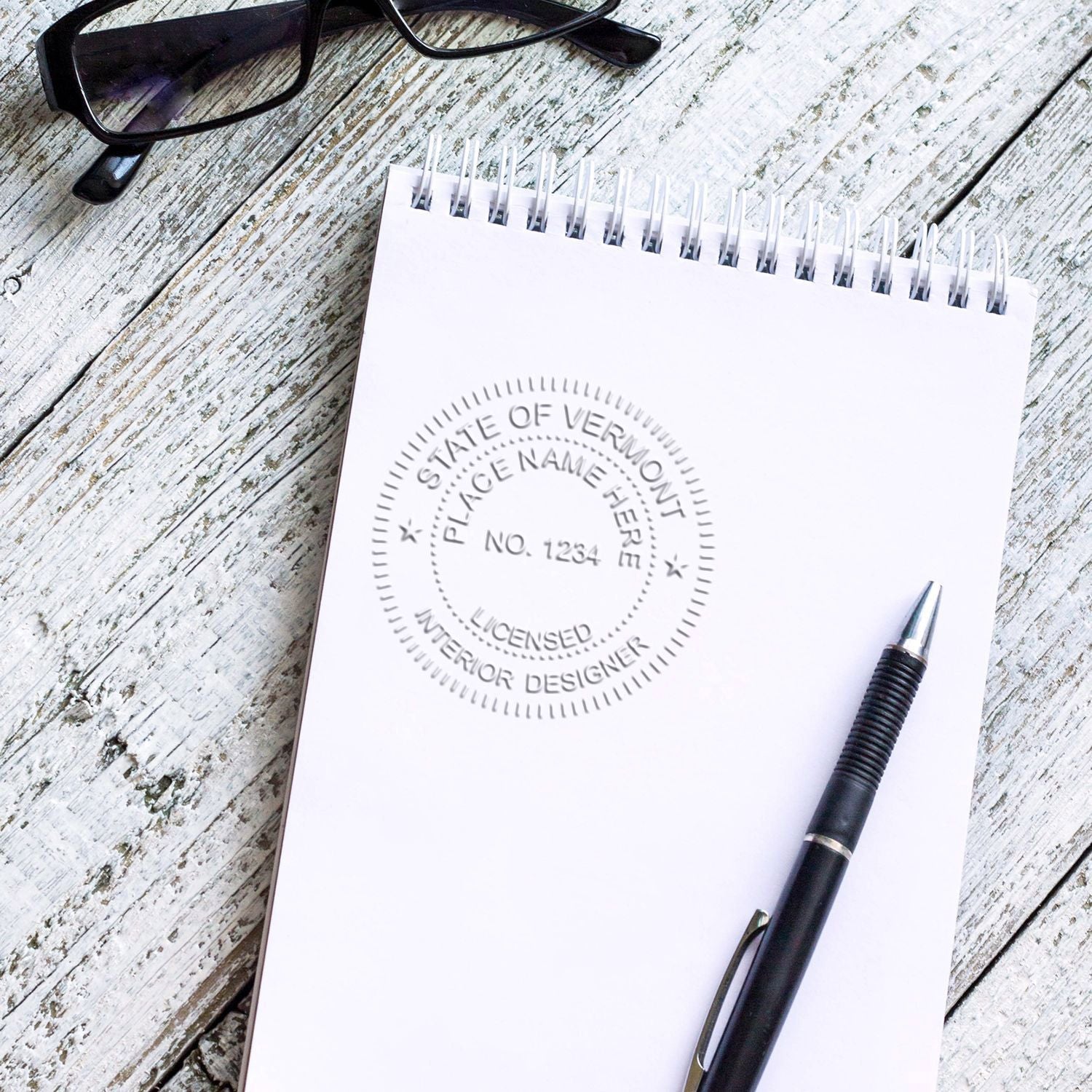
A seal embosser creates a raised (embossed) impression, transforming a plain sheet of paper into a certified document. This raised imprint indicates that you, as a licensed interior designer, are standing behind the integrity of the design. It also communicates to clients, reviewers, and officials that your work is legitimate.
The Official Mark of Your Expertise
Your embosser serves as a personal signature, only more formal. In many jurisdictions, including Maryland, specific design professions require a seal to ensure each submitted plan or design is backed by a verified professional. By embossing your seal, you confirm that the work meets industry standards and reflects your expertise.
Why Maryland Requires It
Maryland’s regulations are in place to protect clients, building authorities, and the public by ensuring that only qualified professionals submit official design work. The seal signifies that you’ve met the licensure requirements and that your plans align with state codes. Essentially, it adds a layer of professional accountability to each project you undertake.
Know the Maryland Stamp Regulations
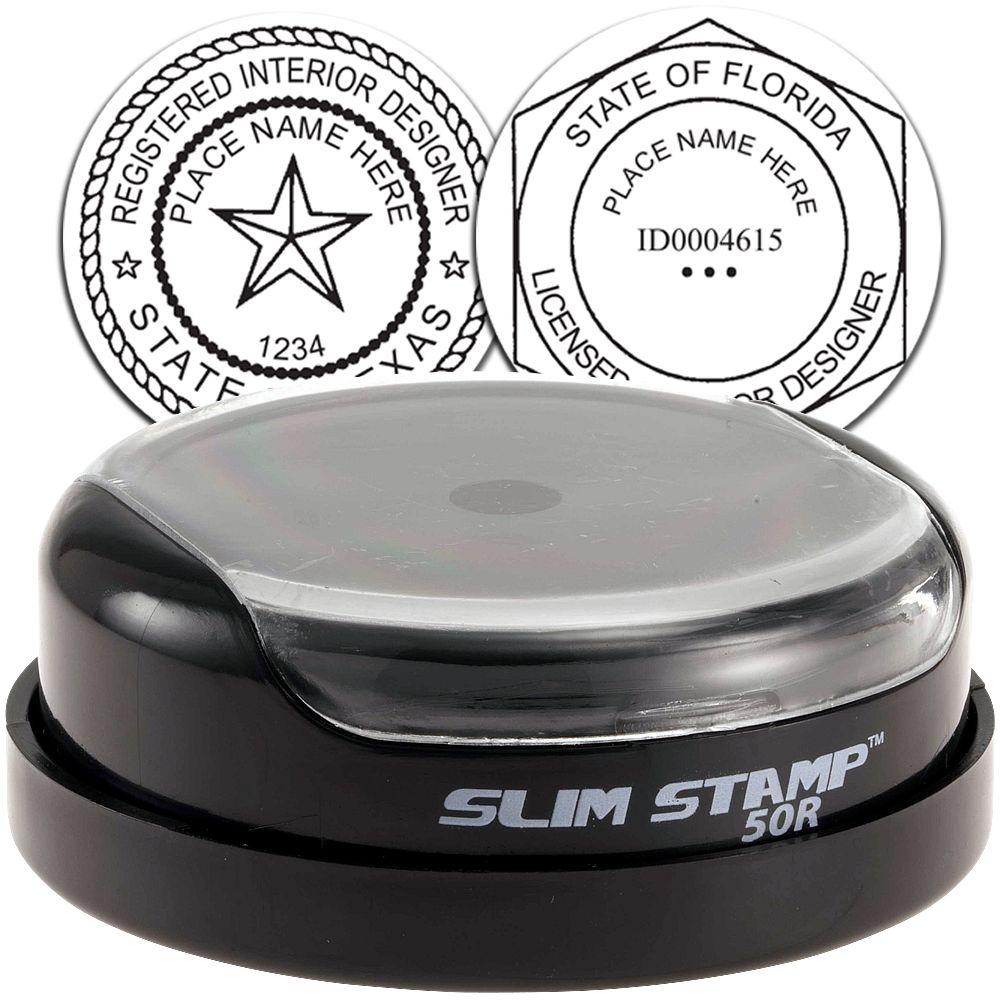
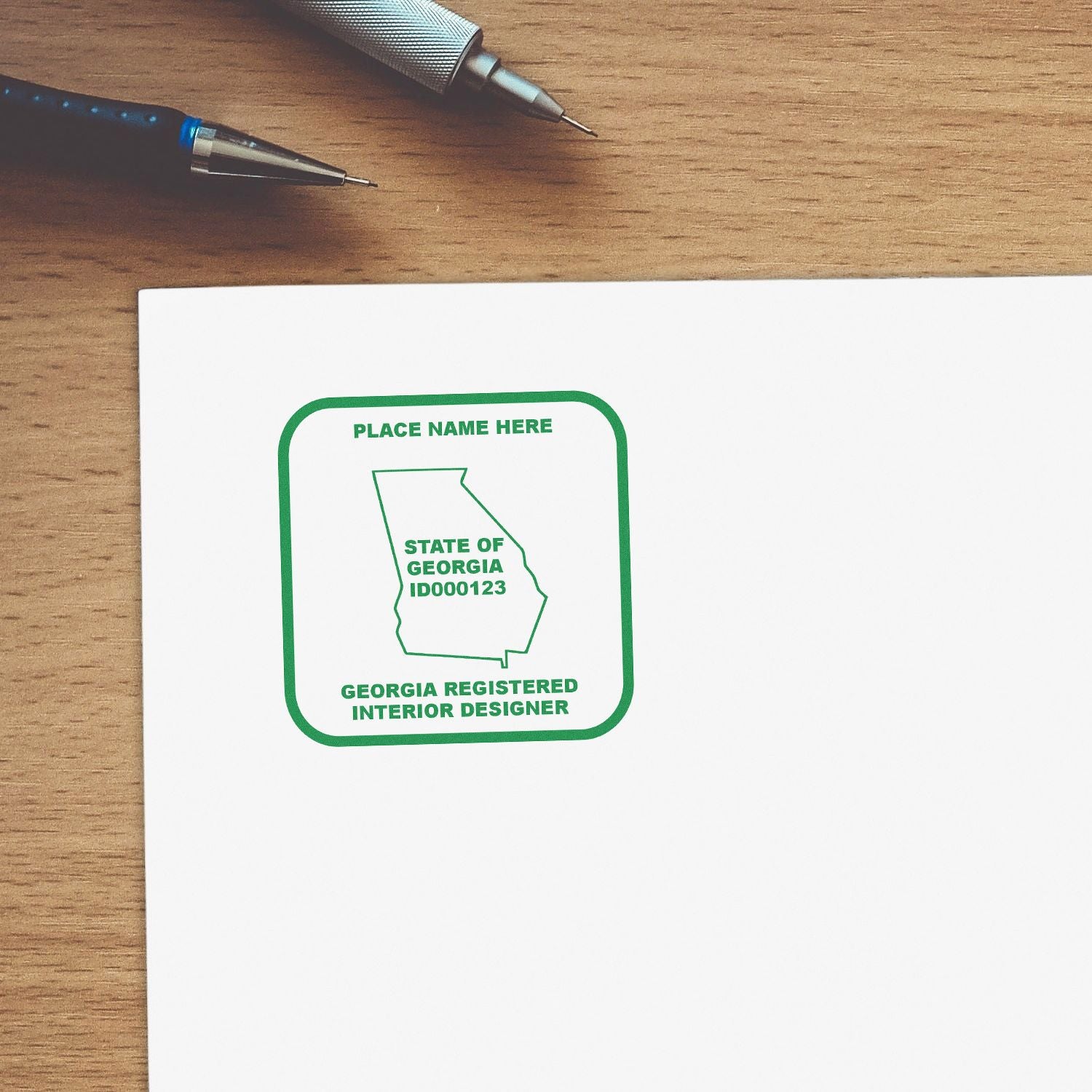
If you’ve been exploring this topic, you might already know that Maryland allows both a rubber stamp and an embosser. However, each has unique benefits and might be preferred for different situations. Before deciding which tool fits your workflow, it’s smart to understand the state’s guidelines, like those found in the Maryland interior designer stamp requirements.
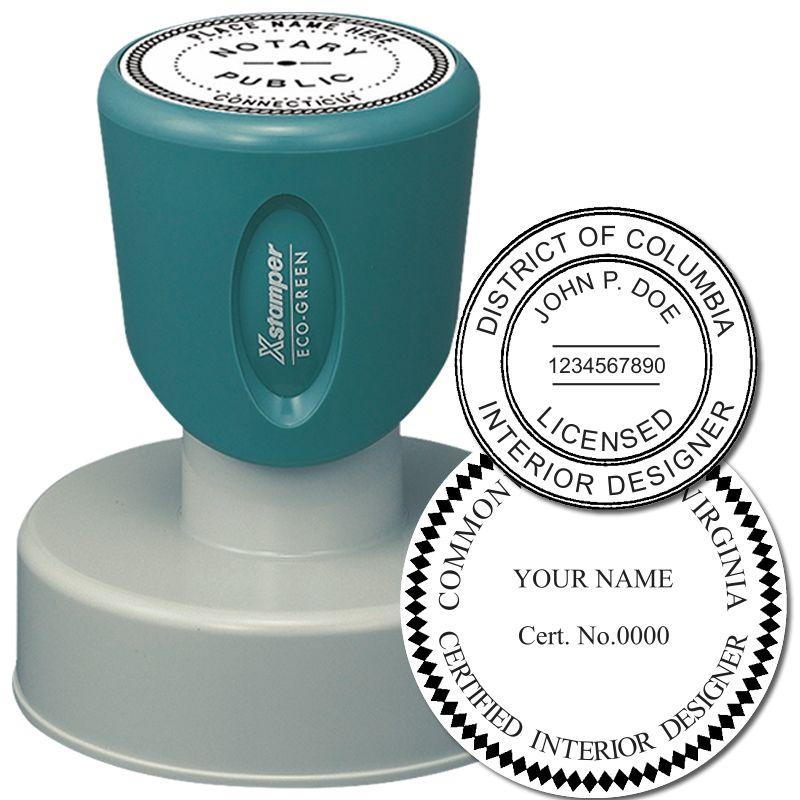



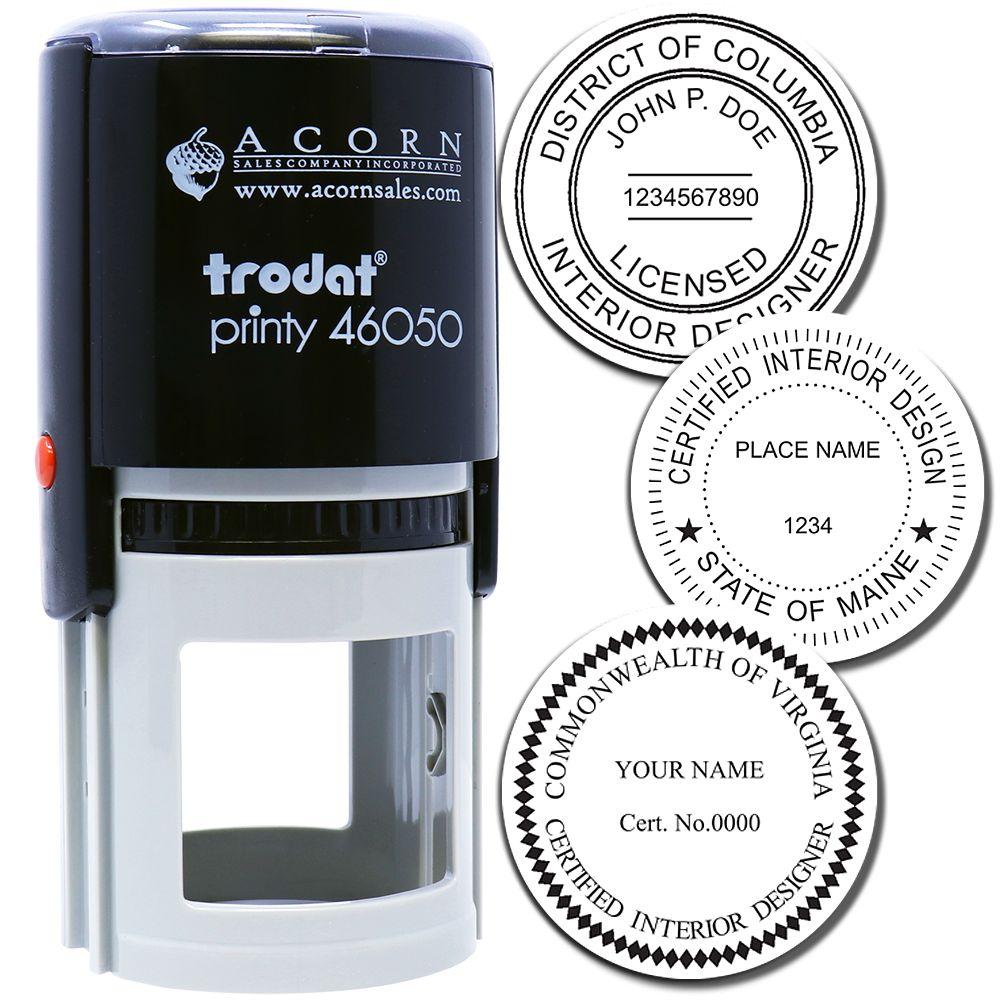
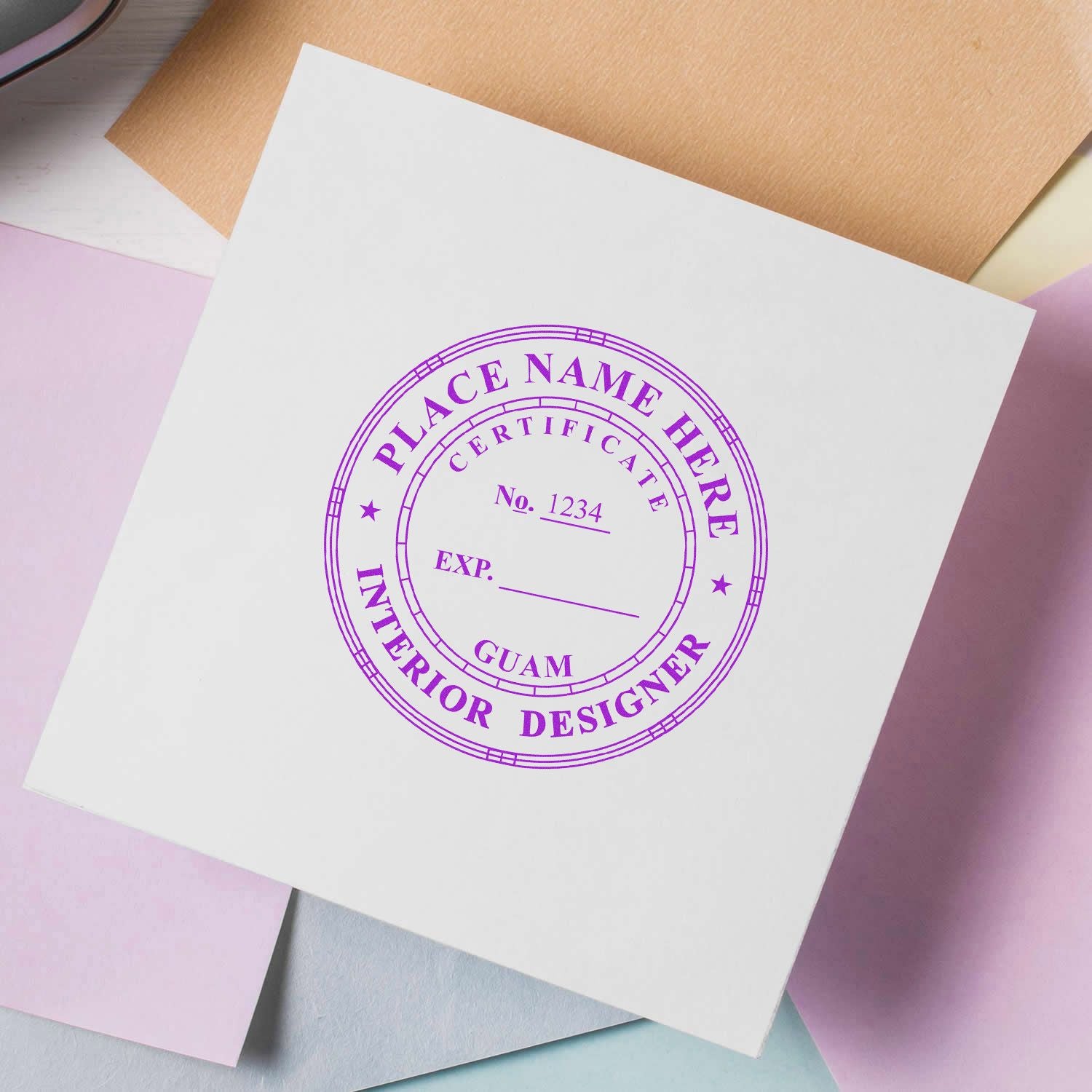
Basic Layout and Info
No matter which method you choose (stamp or embosser), the impression typically includes:
- Your name as it appears on your license.
- The words “Maryland” and “Interior Designer” in a clear ring around the center.
- Your unique license number or registration number.
State rules may specify the exact size and format, so be sure to confirm you’ve got accurate details before finalizing any seal design.
Ink Stamps vs. Embossers
Both options can mark your official documents, but they have a few differences worth noting. Here’s a quick side-by-side comparison:
| Aspect | Ink Stamp | Embosser |
|---|---|---|
| Impression | Flat ink impression | Raised impression |
| Visibility | Highly visible in scans or copies | May not scan as clearly without shading |
| Portability | Lightweight rubber or self-inking stamp | Generally small, but slightly bulkier |
| Professional Look | Clear and readable, even in copies | Classic, formal appearance |
An ink stamp works best if you need to file digital copies frequently, because it’s easy to photograph or reproduce on scanners. An embosser provides a timeless, traditional look that’s difficult to replicate fraudulently.
The Digital Seal Advantage
In today’s increasingly paperless environment, many professionals add a digital seal to their repertoire. Some suppliers, like Acorn Sales, include a free digital seal when you purchase a physical stamp or embosser. This digital version lets you apply an official mark to any electronic document you’re sending via email or uploading to a client portal. It’s convenient, secure, and helps you keep up with modern workflows.
Select the Right Maryland Interior Designer Seal Embosser
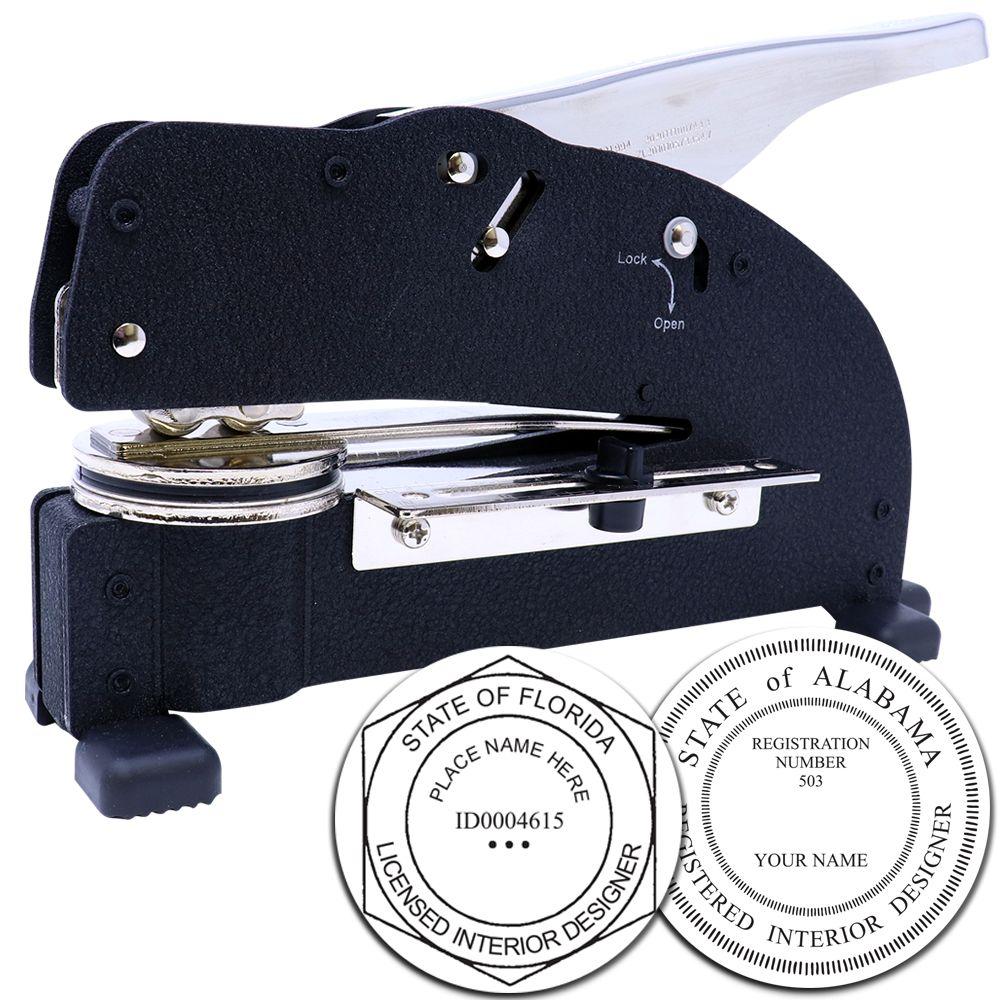
Choosing the right embosser doesn’t have to be complicated. You’ll want one that meets Maryland’s size and layout requirements, feels comfortable in your hands, and produces a crisp raised impression each time. Here are a few tips for narrowing down your choice.

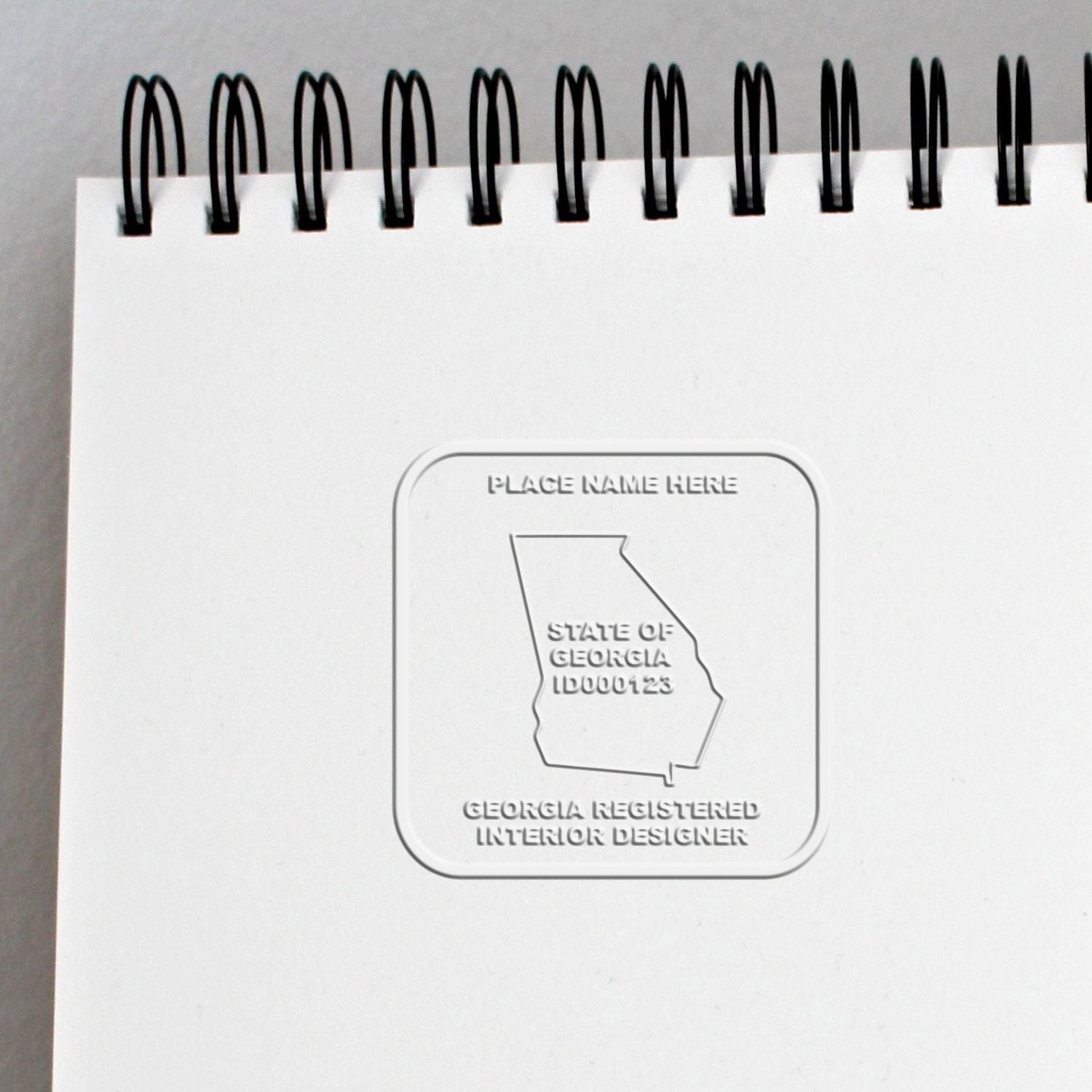
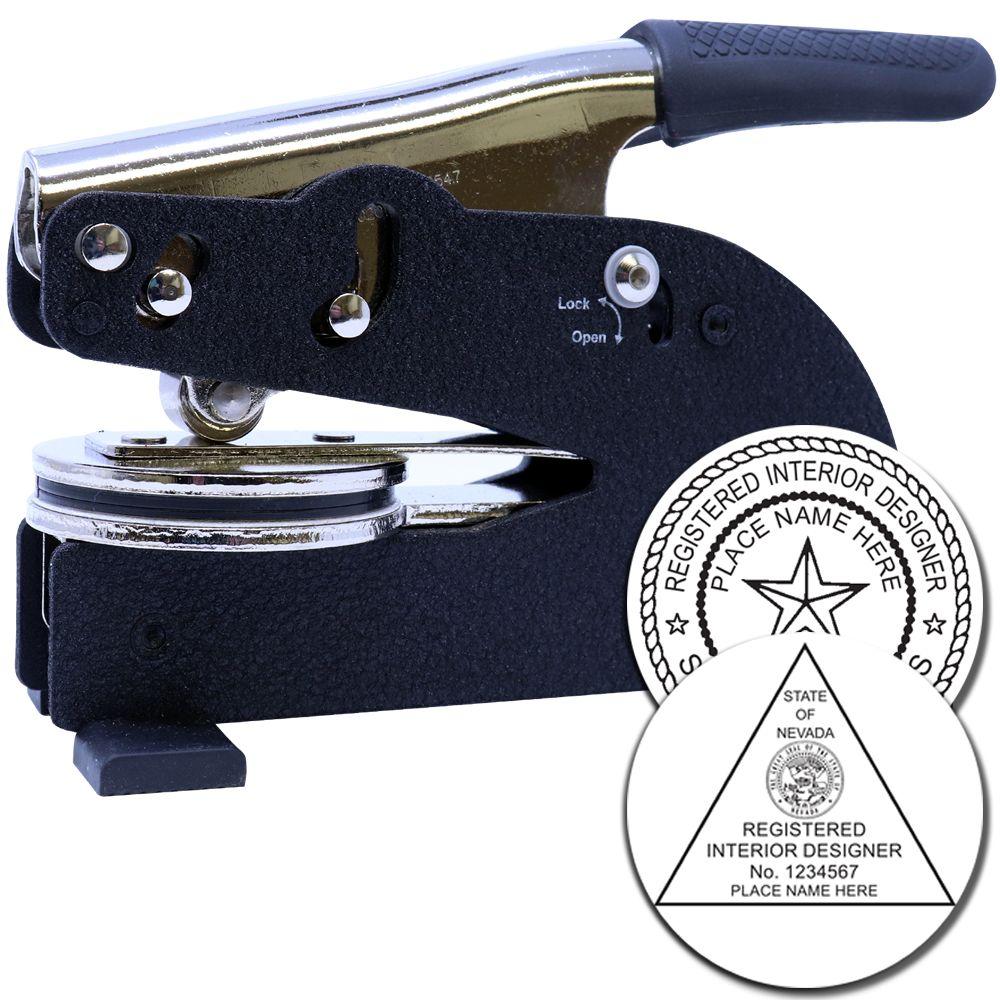
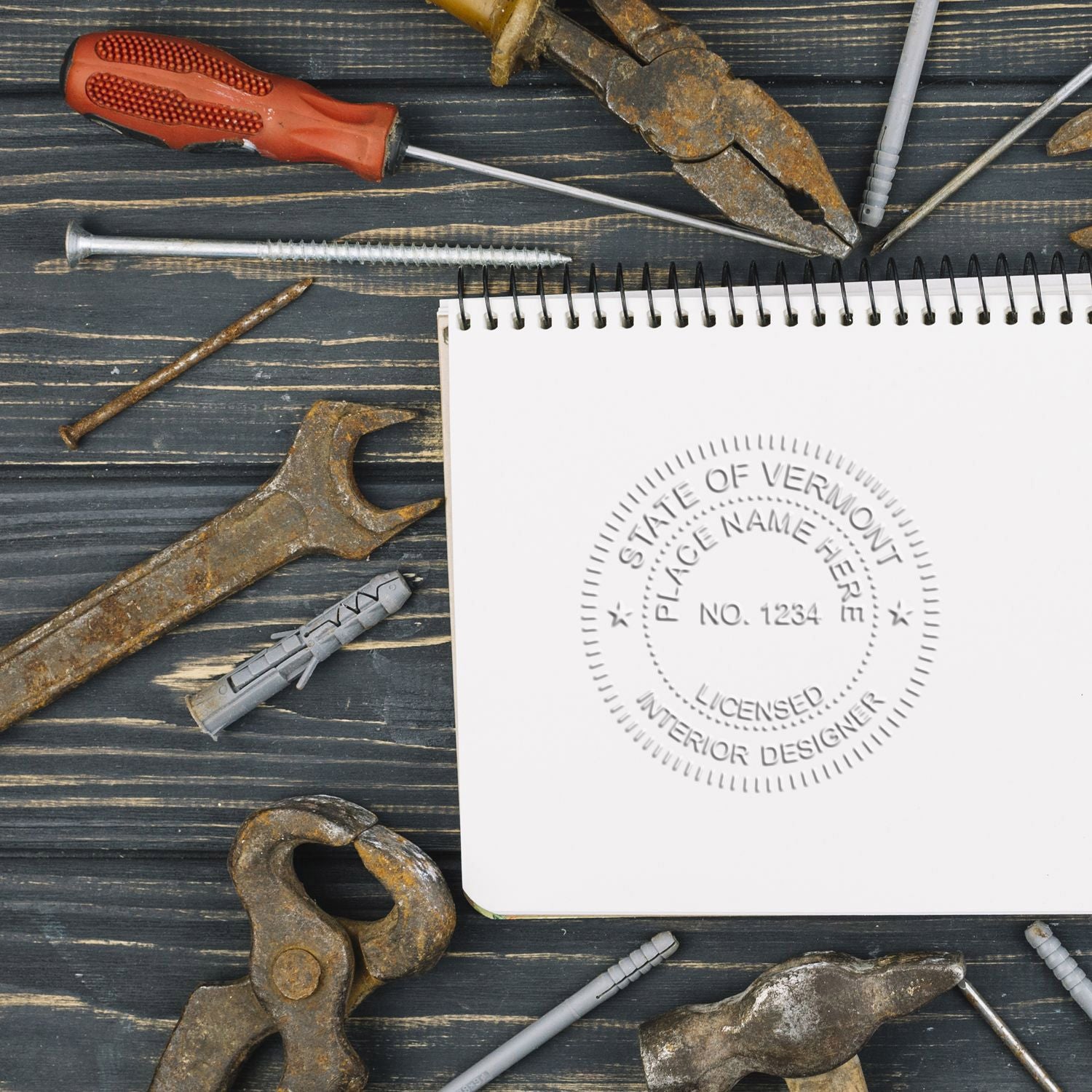

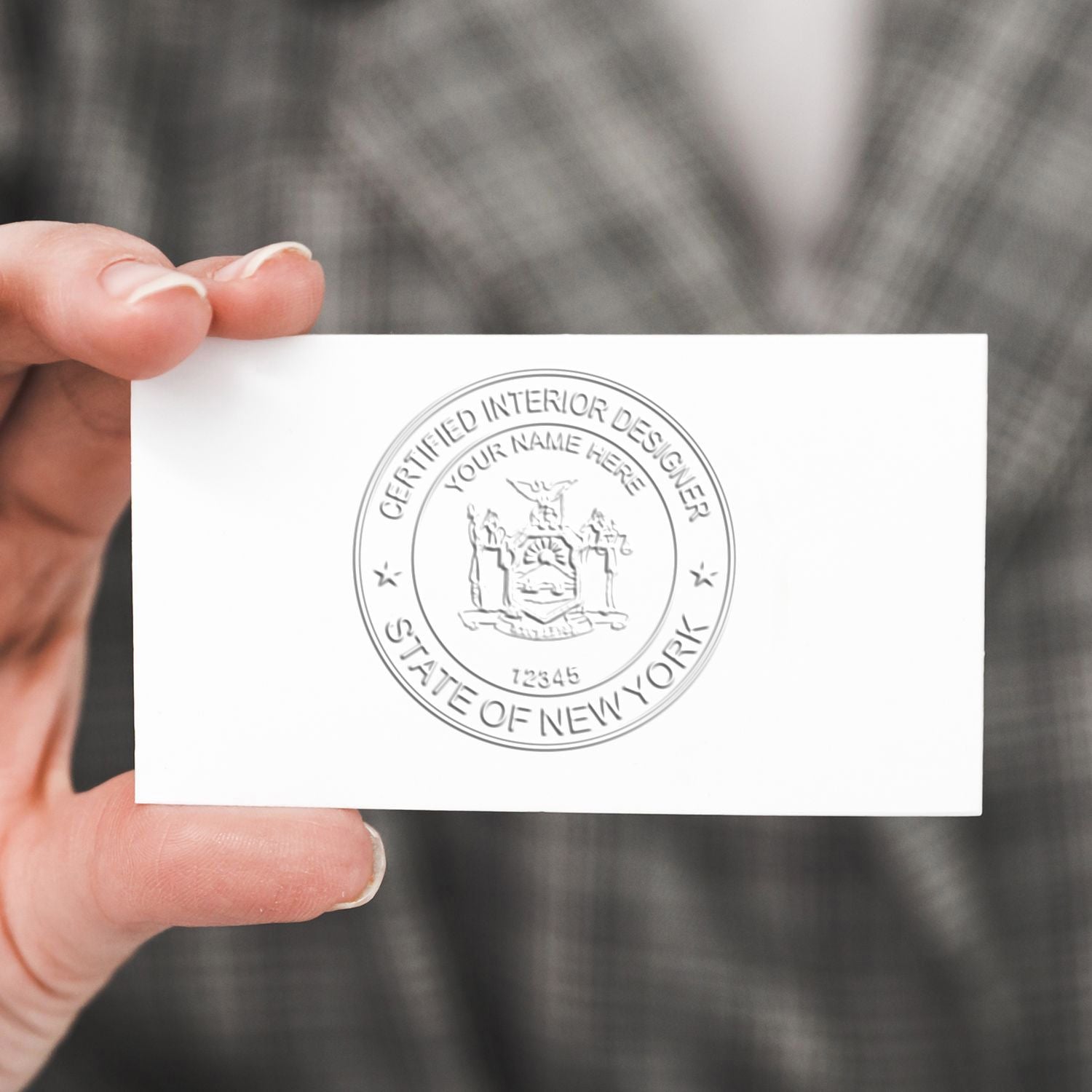
Look for State Compliance
Before anything else, verify that the embosser you’re buying is indeed Maryland-ready. Many suppliers specialize in professional seals, but some focus on personalized gifts or decorative embossers. Make sure the official text is correct, the last thing you want is to reorder your seal because a letter was incorrect.
Consider Ergonomics
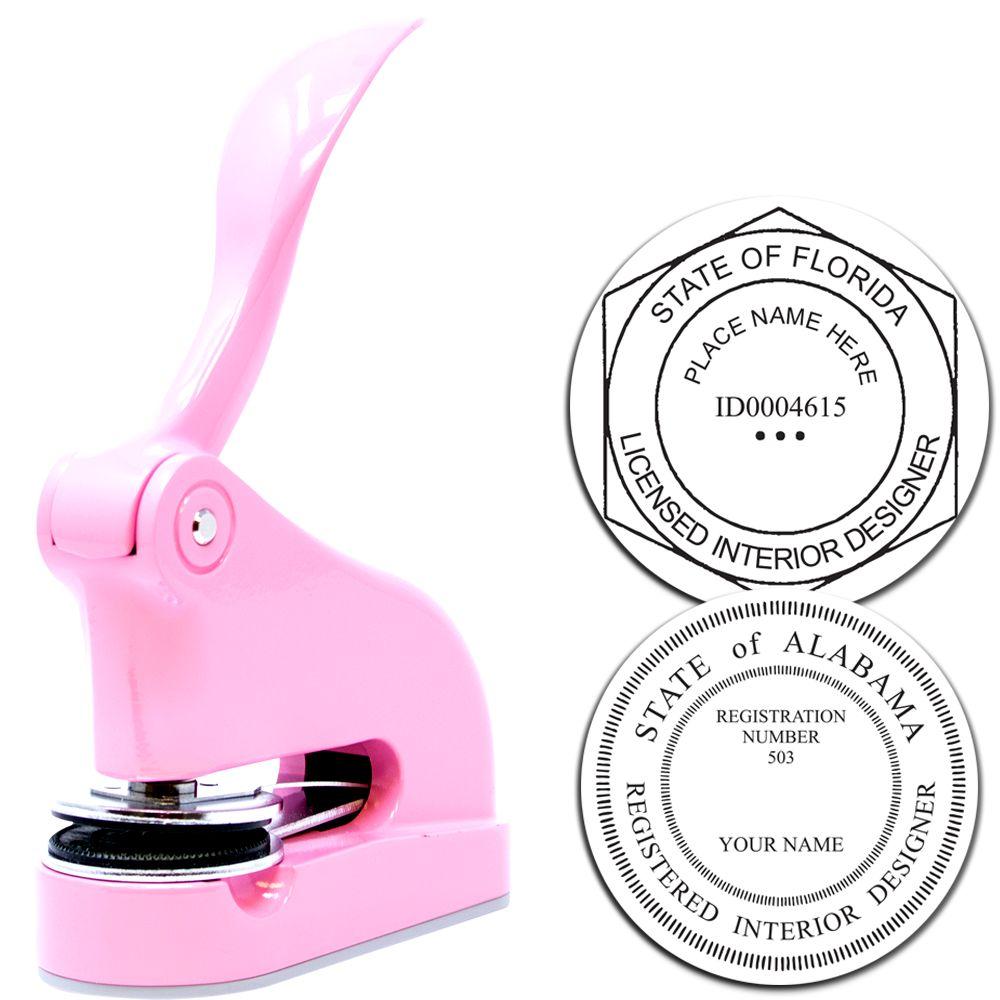
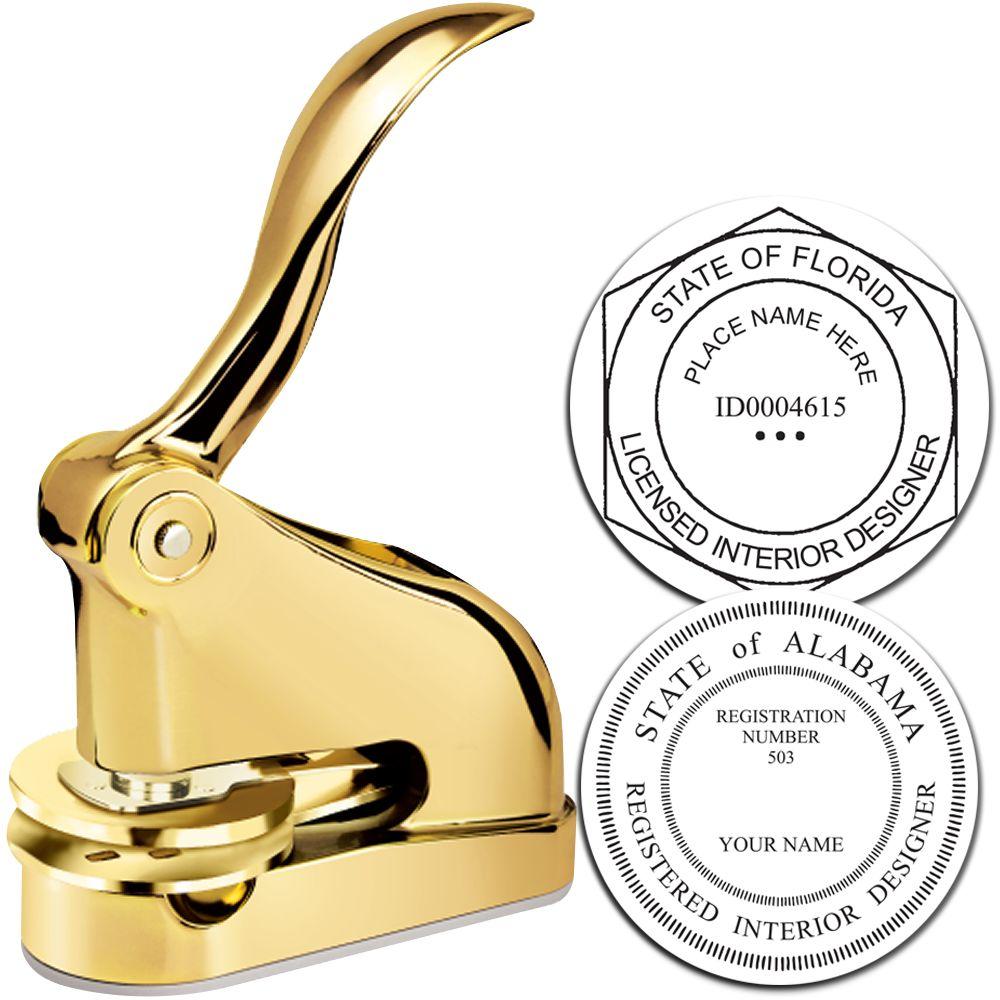
Embossers come in both handheld and desk models. Handheld ones are lighter, easier to store, and perfect if you travel or visit job sites. Desk embossers tend to have bigger levers, requiring less force when you’re repeatedly marking multiple pages. If you anticipate a large volume of documents, the desk variety can save your wrist from strain.
Quality of Materials
An embosser made from high-grade metal typically outlasts plastic versions. That solid construction also tends to produce sharper, cleaner impressions, so your seal remains legible over time. In short, the quality of the parts impacts both longevity and appearance.
Use Your Embosser Correctly
Now that you’ve got the embosser in hand, it’s time to stamp, or rather, emboss, your documents. Proper use ensures each impression meets professional standards, so it’s worth taking a moment to practice before you mark important pages.
- Place the Document: Position your paper between the embosser plates, making sure you’re within the recommended margin from the page edge (often about an inch or so).
- Align the Text: Many embossers have a guide or indentation that indicates where the raised area will hit. Align this carefully with your desired spot.
- Squeeze or Press the Lever: Apply steady pressure until you feel the seal fully press into the paper. The goal is a clean, raised impression without tearing.
- Check Your Work: Lift the device and inspect the resulting seal. Your name, license number, and any required wording should be readable.
- Tip: If you plan to scan the embossed document, lightly rub a pencil or crayon over the raised portion before scanning to increase visibility.


Maintain Compliance With State Rules
Embossing your seal is more than a decorative finish. It’s a legal requirement in many cases, and improper or inconsistent use may lead to complications down the line. Staying compliant means knowing when, where, and how to apply your seal.
Timing Matters
Some regulations specify when you must place your seal. For instance, you often need to seal any final plans, specifications, or official documents that go to clients or government agencies. Placing your seal too early on unfinished designs might lead to confusion, so confirm the project phase when your seal is required.
Be Consistent With Recordkeeping
Keep a log (paper or digital) of each major project you seal. This record might include:
- Date you embossed the document
- Name or number of the project
- Type of documents sealed
In the event of an audit or dispute, this log serves as clear evidence that you followed all procedures.
Follow Any Updates
Maryland’s interior design guidelines can evolve, so check for updates every so often. If the state modifies the seal design or changes size specs, you’ll want to know. Being proactive keeps your practice running smoothly and reduces headaches from last-minute scrambles to adjust your seal.
Consider Acorn Sales for Reliability
Look for a supplier with a well-made embosser and a track record you can check. At Acorn Sales, we’ve been in business since 1964, crafting seals for licensed professionals across various industries. With our Maryland-compliant embossers, you can rest easy knowing you’ll meet the state’s design requirements.
Why Choose Acorn Sales
- Decades of Experience: In operation since 1964, we understand the nuances of professional seals and stamps.
- Free Digital Seal: Purchase a physical embosser, and you’ll receive a digital version at no additional cost. This feature is handy for e-submissions.
- Range of Options: Handheld and desk embossers are both available.
- Customer Support: Our knowledgeable team is here to answer questions about size, design, or compliance issues.
By selecting a reliable supplier from the start, you’ll save both time and money. Plus, you’ll have the reassurance that if Maryland tweaks its rules, you can get an updated seal promptly.
Final Thoughts
Sealing your work with a Maryland interior designer seal embosser does more than tick boxes. It’s a way to show professionalism, reassure clients, and stay on the right side of state regulations. By taking the time to learn about the types of embossers, their correct usage, and the recordkeeping involved, you’ll ensure your practice runs smoothly and your designs carry the weight of official approval.
Whether you prefer the classic look of a raised impression or love the convenience of a digital mark, staying compliant is simpler when you trust a reputable provider. Acorn Sales has supported interior designers, architects, and engineers since 1964, and can help you navigate updates or design tweaks along the way. Once you have your embosser in hand, you’ll be marking documents confidently, adding the finishing touch that confirms your commitment to quality and adherence to Maryland’s standards.
So go ahead, make your mark, and let your seal do the talking for your professional expertise. If you have any more questions, don’t hesitate to explore the Maryland interior designer stamp requirements, or reach out to a trusted supplier to find the perfect embosser for your growing business. Happy designing!
Frequently Asked Questions
Do I Need to Emboss Every Single Page?
” Generally, only specific pages, like final designs or official cover sheets, require the seal. Check state guidelines or local rules for exact requirements. Some jurisdictions also request that each sheet in a plan set be sealed, but others allow a single cover sheet.
Can I Use an Ink Stamp Instead of an Embosser?
” Yes, you typically can. Maryland usually accepts both methods. Decide which option suits your needs based on ease of use, scanning clarity, and the professional look you want to achieve.
What if My License Number Changes?
” If you change your name or license number, you’ll most likely need a new seal. It’s best not to modify an existing seal by hand, as that might void its legality. Order a new embosser that meets any revised requirements.
Does Maryland Recognize Digital Seals?
” Increasingly, states accept digital seals, though regulations can vary. Acorn Sales provides a free digital version with its embossers, so you’ll be equipped to handle electronic submissions if the state or a specific agency allows them.
How Long Does an Embosser Last?
” With proper care, a high-quality metal embosser can serve you for many years. Avoid dropping it, store it in a dry place to prevent rust, and replace any worn parts as needed.








