
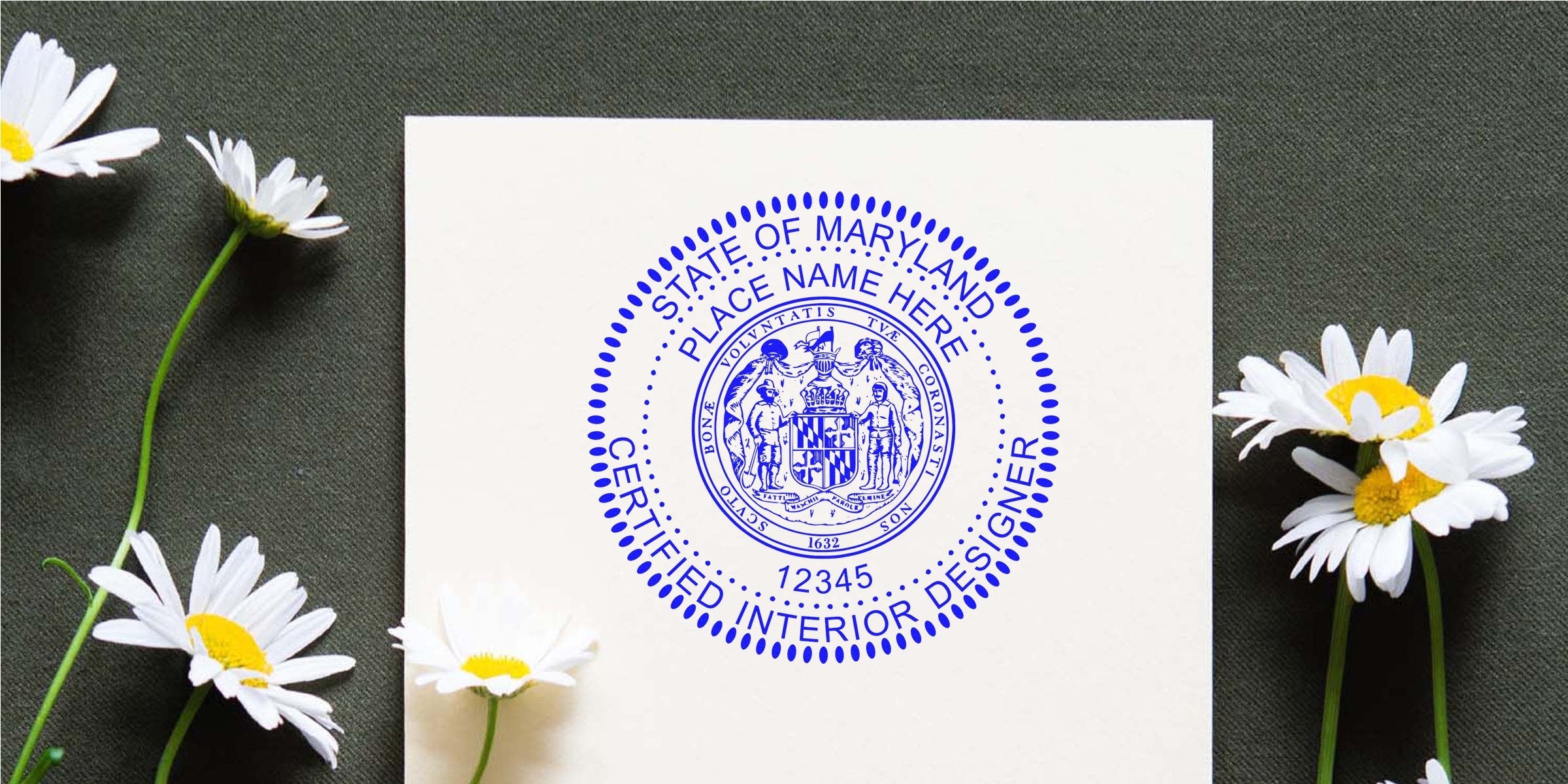
Have you ever wondered exactly how Maryland interior designer seal regulations shape your professional obligations? These rules might look complex at first glance, but they boil down to a straightforward checklist once you know where to start. Whether you’re renewing your license or commissioning your very first seal, understanding the ins and outs of these regulations is essential. After all, your seal is more than just an image—it’s a mark of credibility that can put clients and regulatory boards at ease.
In this post, you’ll learn what goes into getting and using a Maryland interior designer seal, why it matters so much for your practice, and how to meet the state’s specific requirements. By the time you’re done reading, you’ll know all the basic criteria, common mistakes to avoid, and how to choose the right provider for your official seal.
Understand The Regulations
When you’re practicing interior design in Maryland, you need to stay on top of regulations that govern your professional seal. State agencies expect you to follow specific guidelines regarding design elements, your license information, and usage protocols. Missing a small detail can lead to frustrating delays or even rejection of critical project documents.
Key Requirements
- Include your name as it appears on your license, along with “Licensed Interior Designer” or a similar designation required by the Maryland Board.
- Feature proper border formatting, typically a circle or rectangular shape that clearly encloses the required text.
- Ensure text legibility. This includes correct lettering sizes to make your name, license number, and discipline easy to read.
Being consistent about these details pays off. It shows clients and the state licensing board that you follow Maryland’s expectations and take your professional responsibilities seriously.
Know Your Seal Basics
Now, let’s talk about what a “seal” actually means in practical terms. In everyday conversation, you might hear people refer to “stamps,” “seals,” or “embossers.” They serve a similar purpose: authenticating interior design documents, so they meet official standards.
A Maryland interior designer seal usually includes a combination of text and graphic elements that identify you and your licensure. Physical seals leave a raised mark or inked imprint on paper. Digital seals, however, are electronic images or files that you can attach to PDFs and other documents for instant verification. Both physical and digital formats aim to verify your identity and your design credentials.
Physical vs. Digital
- Physical seals: Offer a tactile impression on paper. Typically used in printed project documents or official statements you send in hard copy.
- Digital seals: Provide quicker document authentication (especially handy if you’re working remotely or sending files electronically).
Choosing which one to use often boils down to your workflow preferences or a client’s needs. Many designers keep both on hand, so they can easily adapt to any situation.
Meet Eligibility Criteria
You can’t just call yourself an interior designer in Maryland and stamp away on project plans. You have to earn the right to seal your documents. That means verifying you have the right training, experience, and licensing. If you haven’t already, you’ll want to be sure you fully understand where you stand with the state board.
Educational And Licensing Requirements
To become licensed, most states require a blend of formal interior design education and relevant professional experience. In Maryland, you’ll likely need to pass an exam recognized by the state board. Then, once you’ve earned your license, you’re authorized to apply a seal to indicate your professional authority. If you’re curious about finer details on what’s needed for your license or exam eligibility, review the maryland interior designer stamp requirements for specific guidelines.
Remember: sealing documents without fulfilling the board’s prerequisites can undermine your reputation and might invite legal issues.
Follow Issuance Steps
Once you’ve confirmed you meet all licensing criteria, it’s time to get your official seal. The process involves checking for the precise specifications set by the Maryland Board so your seal is acceptable from day one. Always start by looking for updated guidelines on the shape, border design, and labeling requirements.
Physical Vs. Digital Seals
The board may allow both physical and digital versions, or they might specify one format based on the project type. It’s best to double-check your contract or local building codes to see if a physical impression is mandatory for certain filings. For fully digital submittals, you’ll likely attach an electronically generated seal. Either way, make sure you’re using a seal that matches the official layout.
Steps For Ordering
- Confirm your legal name and license number.
- Contact a reputable stamp and seal supplier who understands Maryland’s exact specifications.
- Choose physical, digital, or both, depending on your workflow.
- Verify the proof. Check that your name and discipline spelling is accurate.
- Receive your seal. If it’s physical, perform a quick test impression to confirm clarity.
Double-checking these steps helps you spot any design errors before they become a hassle with the board or a client.
Maintain Compliance Records
Once you have your seal in hand, your work doesn’t end there. You need to keep track of your license details, renewal dates, and any state updates to seal requirements that might spring up. The last thing you want is to have an outdated seal floating around on an official design package.
Common Record-Keeping Mistakes
- Ignoring Renewal Notices: Letting your license lapse means you can’t legally seal documents until you’re renewed.
- Using Old Seal Layouts: State boards sometimes revise design guidelines. Make sure your seal stays updated if that happens.
- Failing To Track Digital Versions: If you use a new digital design, keep backups of your old ones so you can reference previous documents without confusion.
Effective record-keeping sets you up for smooth project approvals and helps you avoid confusion when you need to verify or replace your seal.
Choose Your Seal Provider
Selecting the right supplier for your stamp or seal can save you headaches down the road. A high-quality seal will release crisp impressions, be sized correctly, and last for countless documents before you need to replace ink or update anything. Look for a company that knows Maryland interior designer rules by heart.
A trusted option is Acorn Sales, an established supplier of Maryland interior designer stamps and seals that’s been in business since 1964. They understand exactly how to customize a seal according to state-regulated specs, and even better, they provide a free digital seal with purchase. Having this dual option lets you stay flexible as technology evolves and project requirements shift.
Why Quality Matters
A seal that smudges or fails to meet visibility standards can lead to rejections from city officials or other agencies. Worse, it might lead clients to question your level of professionalism. By choosing a dependable provider, you get a well-crafted seal that represents your work clearly and consistently, whether you’re stamping building plans or electronically verifying project documents.
Summary And Next Steps
Navigating Maryland interior designer seal regulations is far simpler when you break them down into steps: confirm your license requirements, order a board-approved seal, and keep on top of updates from the state. The seal itself is a vital card in your professional deck—it showcases that you’re an accredited expert in your field and that your documents meet Maryland’s standards.
Remember, a reliable provider like Acorn Sales can supply you with a high-quality physical seal and a free digital version if you want to cover all your bases. They’ve been guiding professionals since 1964, so they know how to keep you compliant in one quick, convenient step.
If you’re uncertain about any specific rules or you’re eyeing your next project, re-check the maryland interior designer stamp requirements to ensure everything’s in order. Then, seal your documents confidently, knowing you’re well within Maryland’s guidelines. Ultimately, your seal isn’t just a legal requirement—it’s a powerful statement of trust and professional integrity.
Frequently Asked Questions
Do I Need A Separate License For Residential And Commercial Design?
Generally, Maryland’s license covers you for both types of projects, as long as you’ve met all state interior design requirements. Always confirm specific guidelines with the Maryland Board or relevant building authorities, since local codes can vary.
How Often Should I Renew My Seal?
Your actual seal itself doesn’t expire, but your license does. Once you renew your license, it’s a good idea to confirm if the Maryland Interior Designer Board has updated any seal design requirements. Staying aligned with the latest rules ensures your seal remains valid.
Is A Physical Seal Required For Digital-Only Submittals?
In many cases, a digital seal is acceptable for electronic document submittals, but some jurisdictions insist on a physical stamp. Check local regulations or speak with the reviewing agency to be certain. Having both versions handy is a good plan if you submit drawings in multiple formats.
Can I Use My Seal For Projects Outside Maryland?
Generally, your Maryland interior designer seal is valid only for projects within the state. If you’re working in another jurisdiction, you may need an additional license and a unique seal that fits that state’s requirements.
How Do I Replace A Lost Or Damaged Seal?
Contact your seal provider and verify your license details again so they can create an accurate replacement. If your seal was lost or stolen, it’s often wise to alert the board as a precaution, just in case someone else finds and misuses it.








