

If you are shopping for a Mississippi interior designer stamp online, start with the fact that changes the whole exercise: Mississippi does not license, register or certify interior designers. There is no board, no license number and no prescribed seal. That is not bad news. It means the wording on your stamp is yours to choose, and the only standard it has to meet is being accurate about you. Here is what the state actually does, what to put on the die, and how to order one worth keeping.
Where Mississippi Stands
The Mississippi Secretary of State publishes the Mississippi Administrative Code agency listing, which names every agency whose rules are filed with the state. Under Title 30, the design and technical agencies are the Board of Licensure for Professional Engineers and Land Surveyors, the State Board of Architecture and the State Board of Geologists. That is the list. No interior design agency appears on it.
Follow that through and the consequences are simple. Mississippi issues no interior design credential, so there is no signature or dating duty attached to one. No Mississippi document calls for an interior designer's seal. Nothing in state rule tells you what such a seal would contain, because the state has no occasion to say. For the sources and the full reading, see Mississippi Interior Designer Stamp: You Pick the Wording.
Three Agencies, Three Separate Credentials
Worth saying clearly, because this is where pages go wrong. Engineers, land surveyors, architects and geologists in Mississippi do have licenses and do have seal rules. Those are separate credentials with their own statutes, their own boards and their own requirements. None of them reaches interior design, and none of their seal rules transfers onto an interior designer. If you hold one of those licenses as well, that is a different device with different wording.
What to Put on Your Stamp
Since nothing is prescribed, accuracy is the whole standard. Say what is true about you and the stamp does its job.
- Your name, spelled the way you sign it.
- Your firm or studio name.
- Interior Design or Interior Designer as a description of the work, rather than as a state-granted title.
- Your city, or a contact line, if you want the mark to work on transmittals.
- A credential from a national certifying body, printed in that body's exact wording and only while it is current.



What to Leave Off
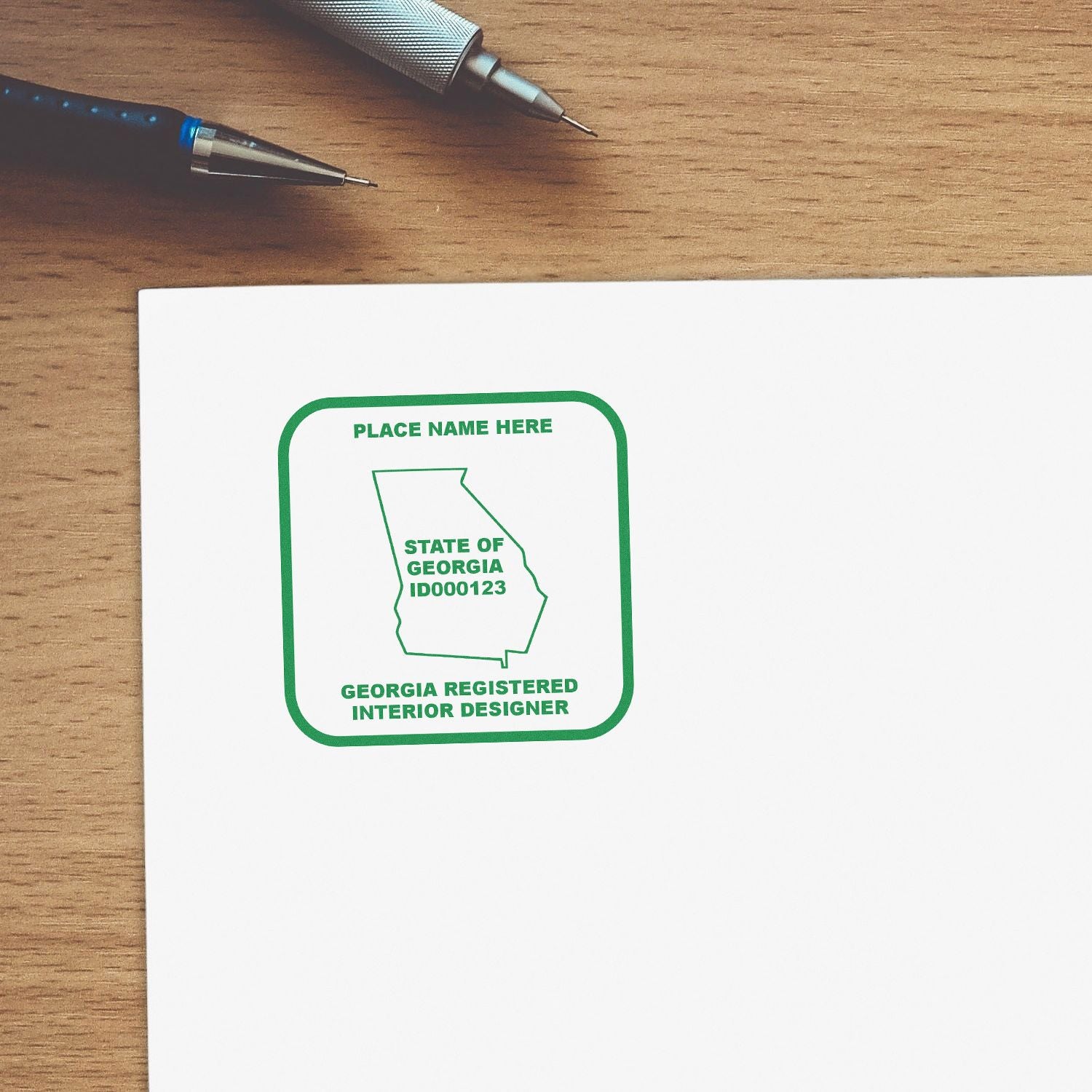
- A Mississippi license or registration number. There is none to hold.
- "Registered Interior Designer" or "Licensed Interior Designer" paired with Mississippi. The state grants no such title.
- Words like approved, endorsed or official. The mark says who prepared the work, not that anyone signed off on it.
- Any credential that has lapsed. A stale line goes out on every page the stamp touches.
What the Mark Actually Does
A stamp with no rule behind it still earns its place, and here is how.
- It names the author. A finish schedule, a drawing set or a specification passes through a client's hands, a contractor's hands and sometimes a reviewer's. An impression beside your signature keeps your name attached through every copy.
- It finishes the document. A signature on its own can read as a scribble. A signature with a clean impression beside it reads as a deliverable.
- It saves rebuilding artwork. No assembling a graphic in a word processor before each proposal goes out.
- It carries weight on a proposal. Beside two competing submissions on a client's desk, presentation counts for something real.
Stamp or Seal, Side by Side
The two words often get used to mean the same thing, which confuses the shopping. A stamp usually means the inked device you press onto paper. A seal can mean an embossed impression or a digital image. Here is how they compare in practice.
| Feature | Stamp (Ink or Digital) | Seal (Embossed or Digital) |
|---|---|---|
| What it is | Ink-based or electronic mark | Raised impression or image file |
| Best for | Quick marks on working documents | Covers, proposals and client copies |
| Strength | Portable, reproduces on a photocopy | Tactile, cannot smear, nothing to dry out |
| Limitation | Ink fades if the device is cheap | May not show on a photocopy or plain scan |
Plenty of designers keep both, and for good reason. The raised seal goes on the copy the client keeps; the inked stamp goes on the set that gets duplicated.
Ordering From Acorn Sales
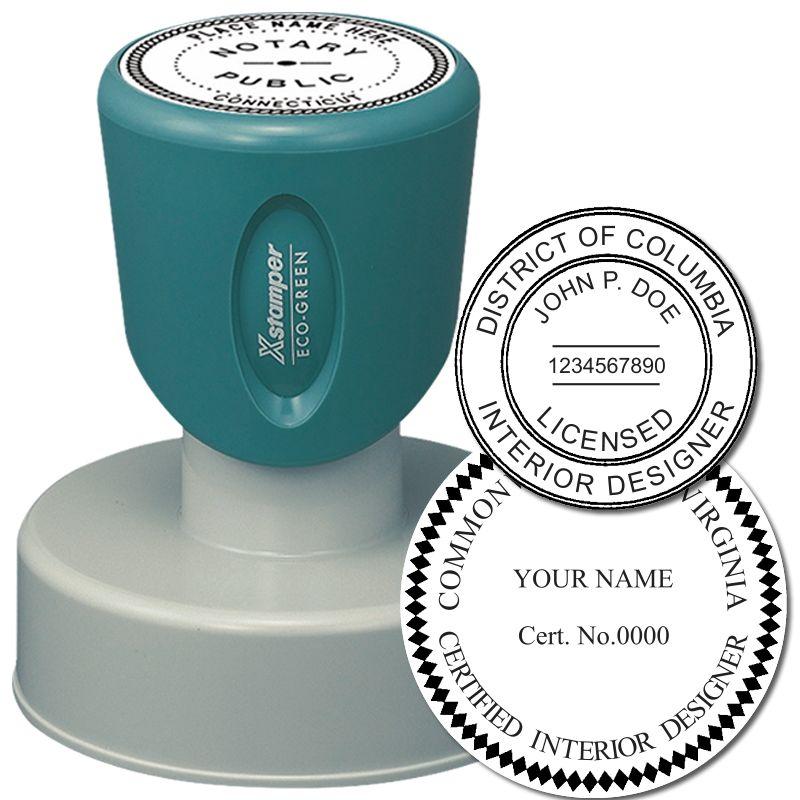
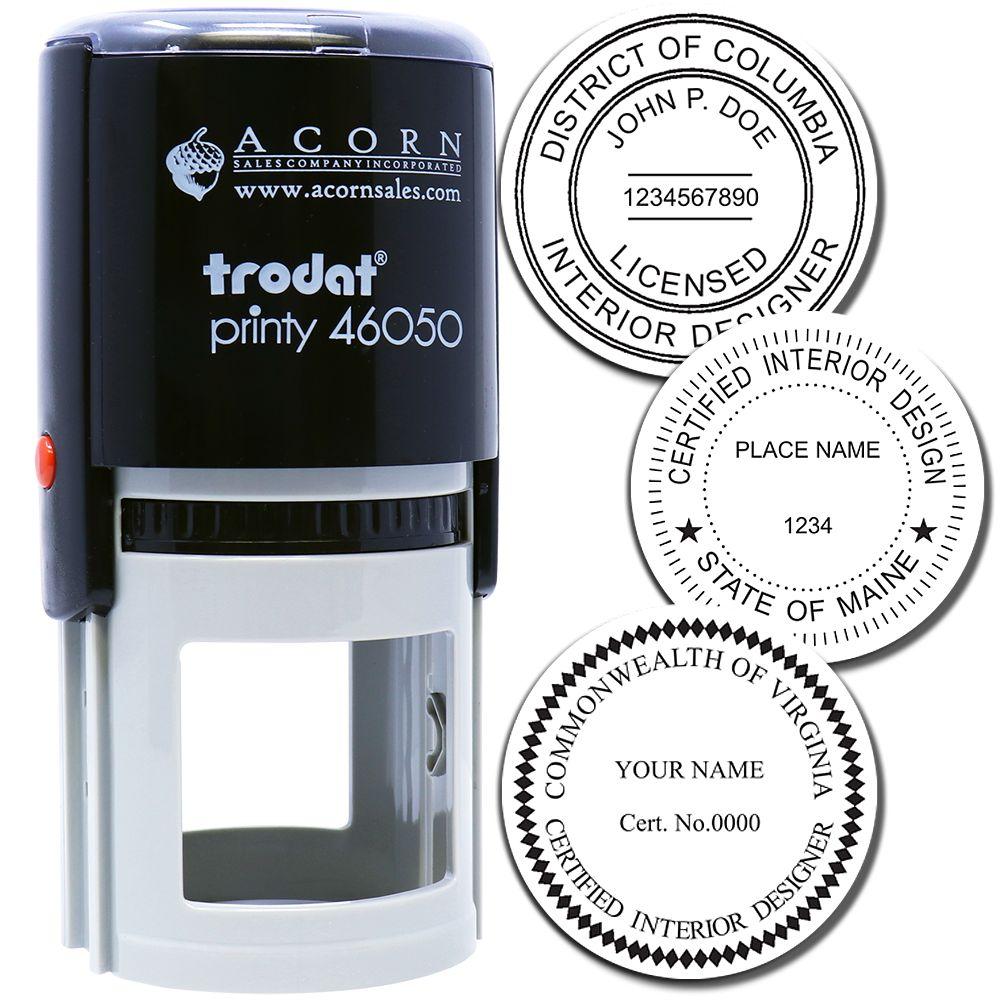
Acorn Sales has been making stamps and seals since 1964. Because Mississippi prescribes nothing here, the most useful thing a supplier can do is help you get the wording right and then build a device that holds that wording cleanly for years.

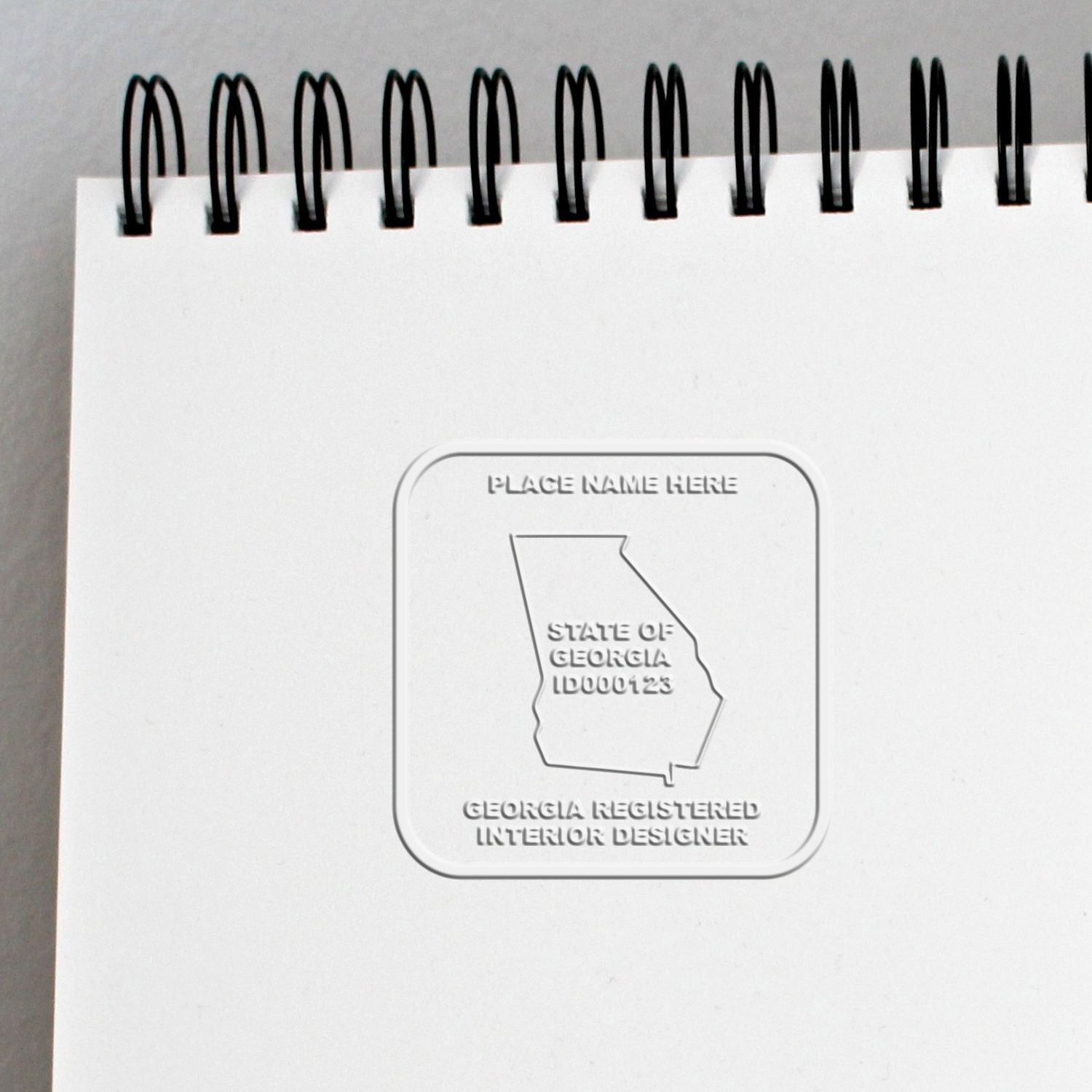
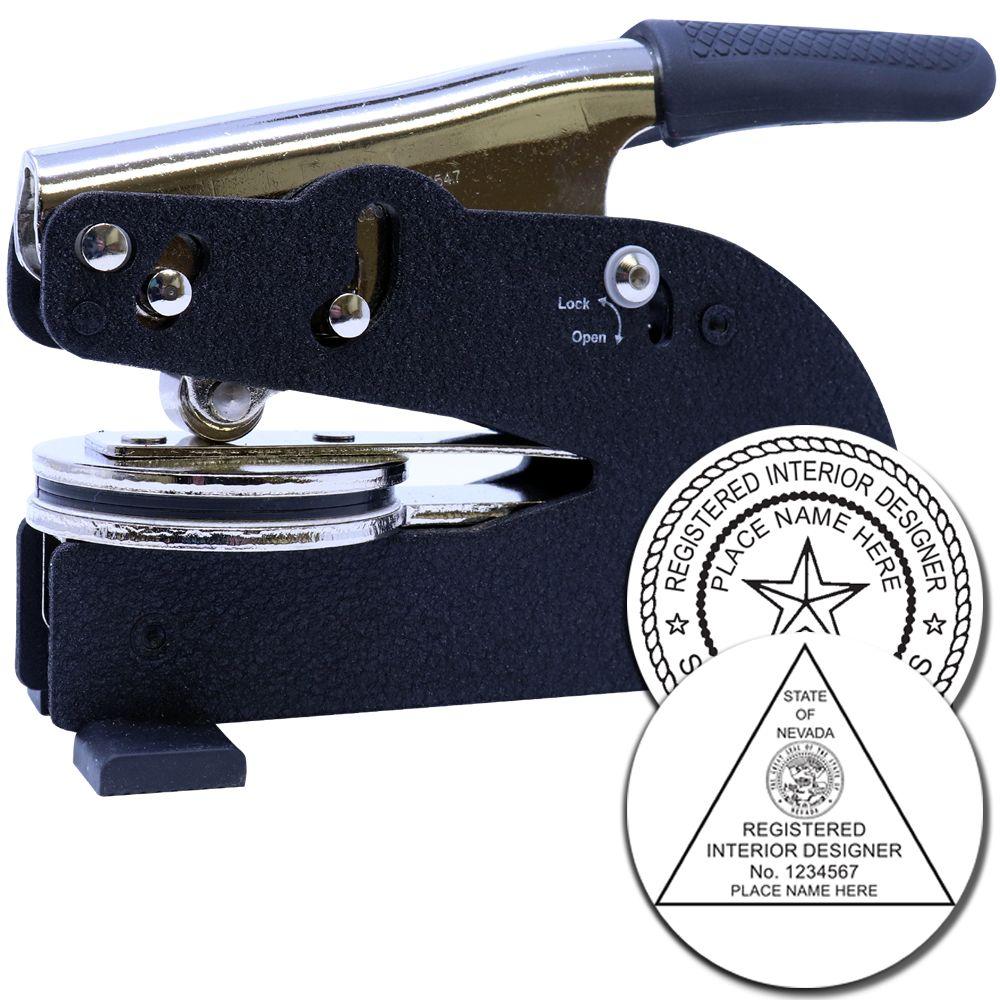



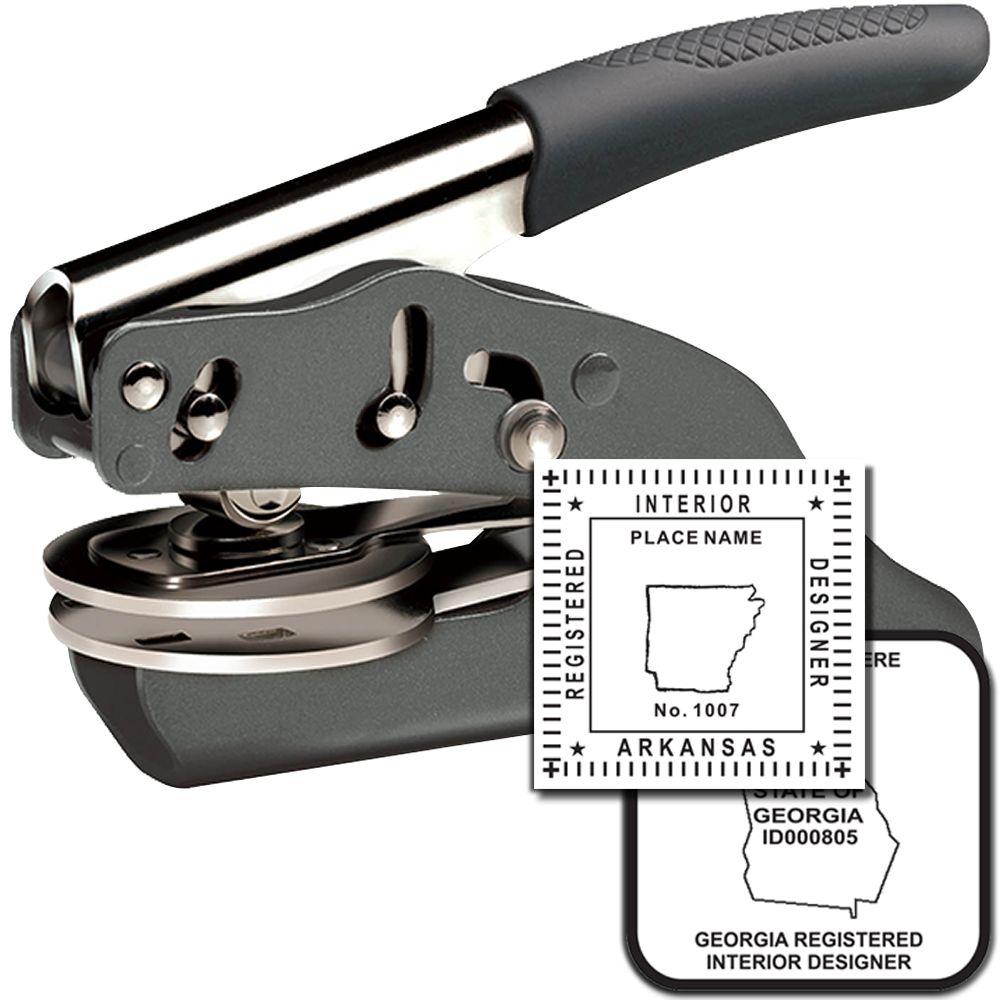
- Six decades of work behind it. The hardware is proven and the materials hold fine detail instead of filling in after a few hundred impressions.
- A layout proof before production. Since no board is checking your artwork, the proof is the only place an error gets caught.
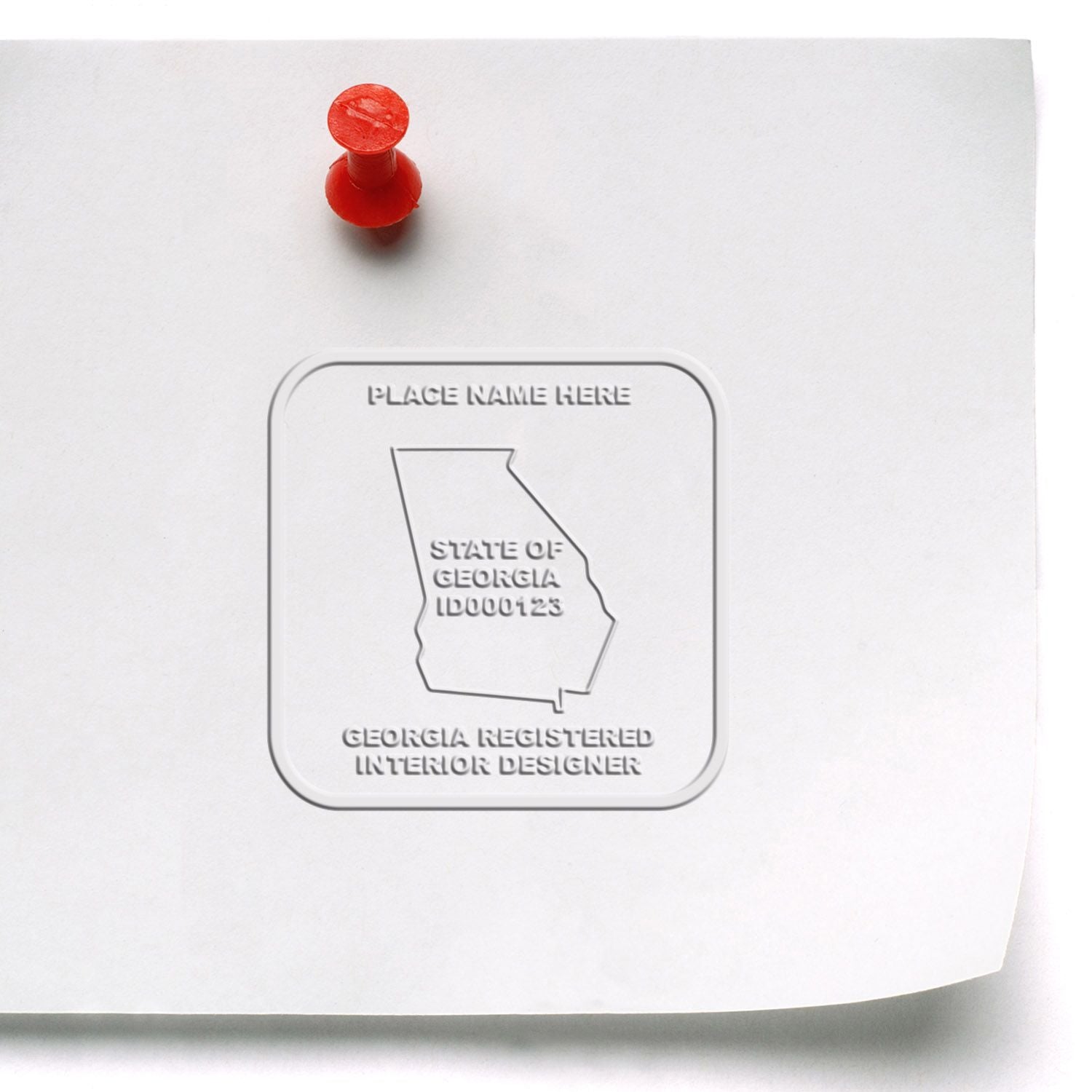
- A free electronic seal. An image file carrying the same artwork as the physical device, included with your stamp purchase rather than sold separately.
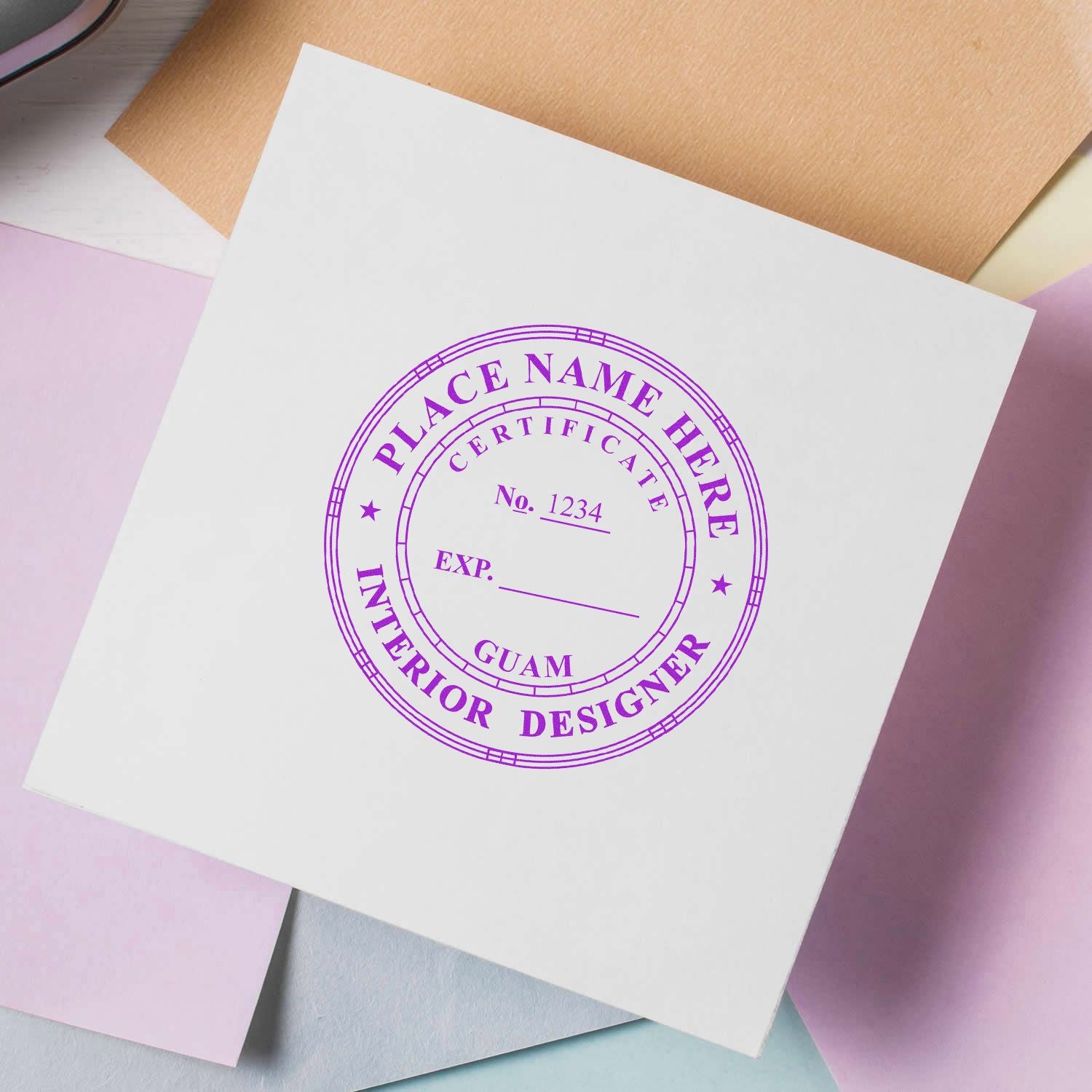
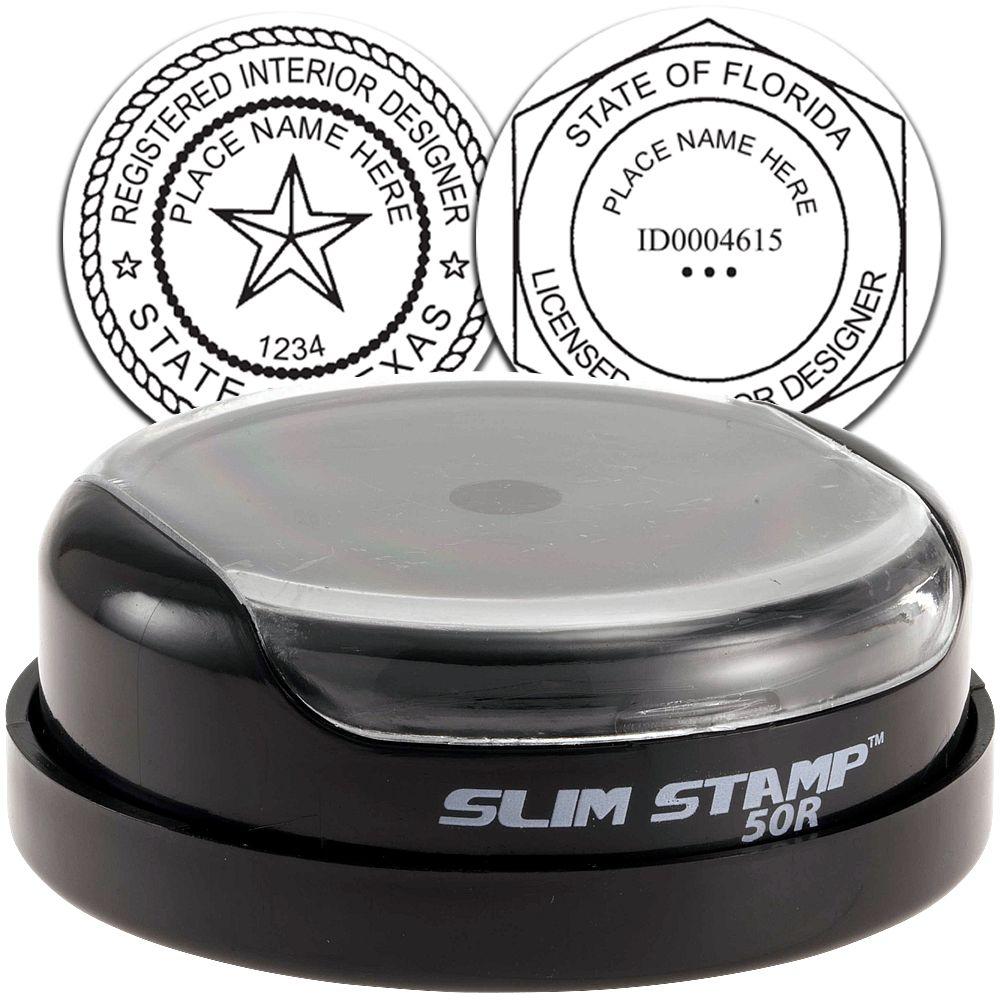
You can browse finished examples in the Mississippi interior designer stamp range, and if you want a second opinion on your wording before anything is cut, contact us with the text you have in mind.
Order and Customize It Online
The process takes a few minutes once you have settled the text.
- Gather your details. Your name exactly as you want it engraved, your firm name, and any certification wording you plan to include.
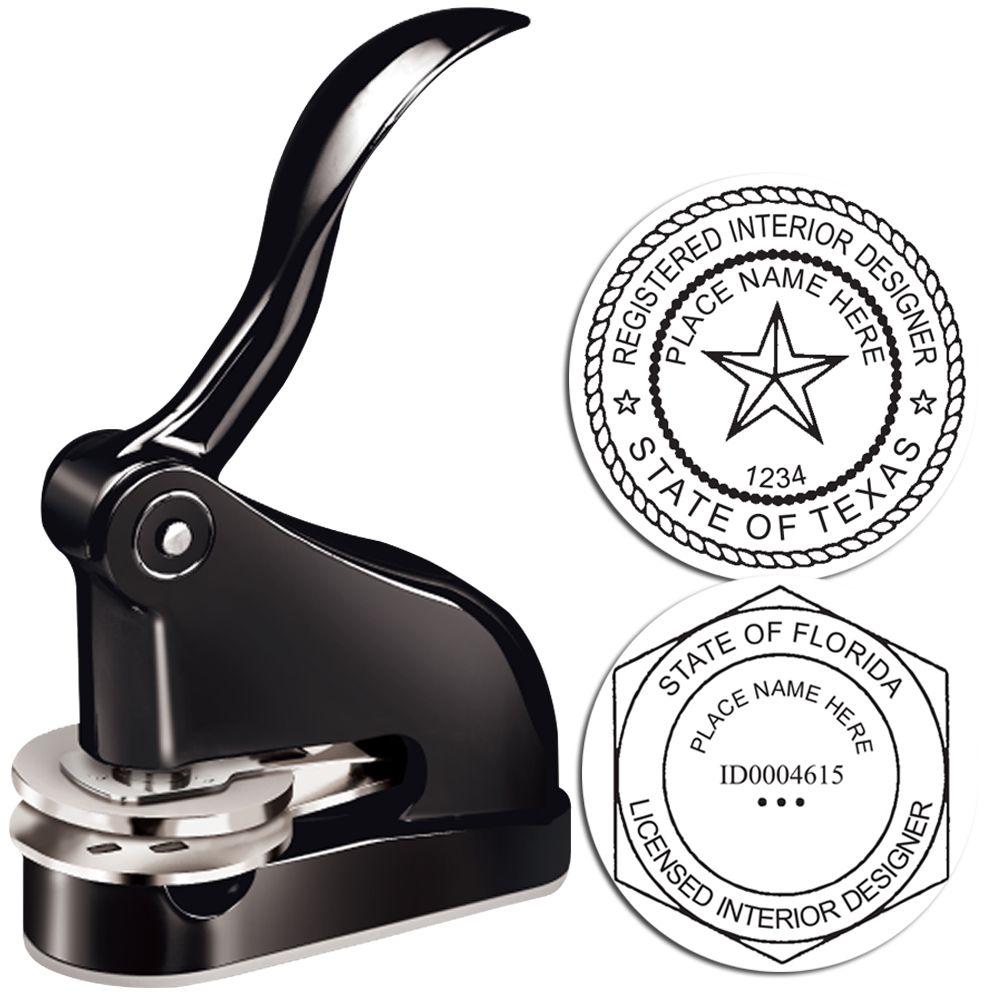
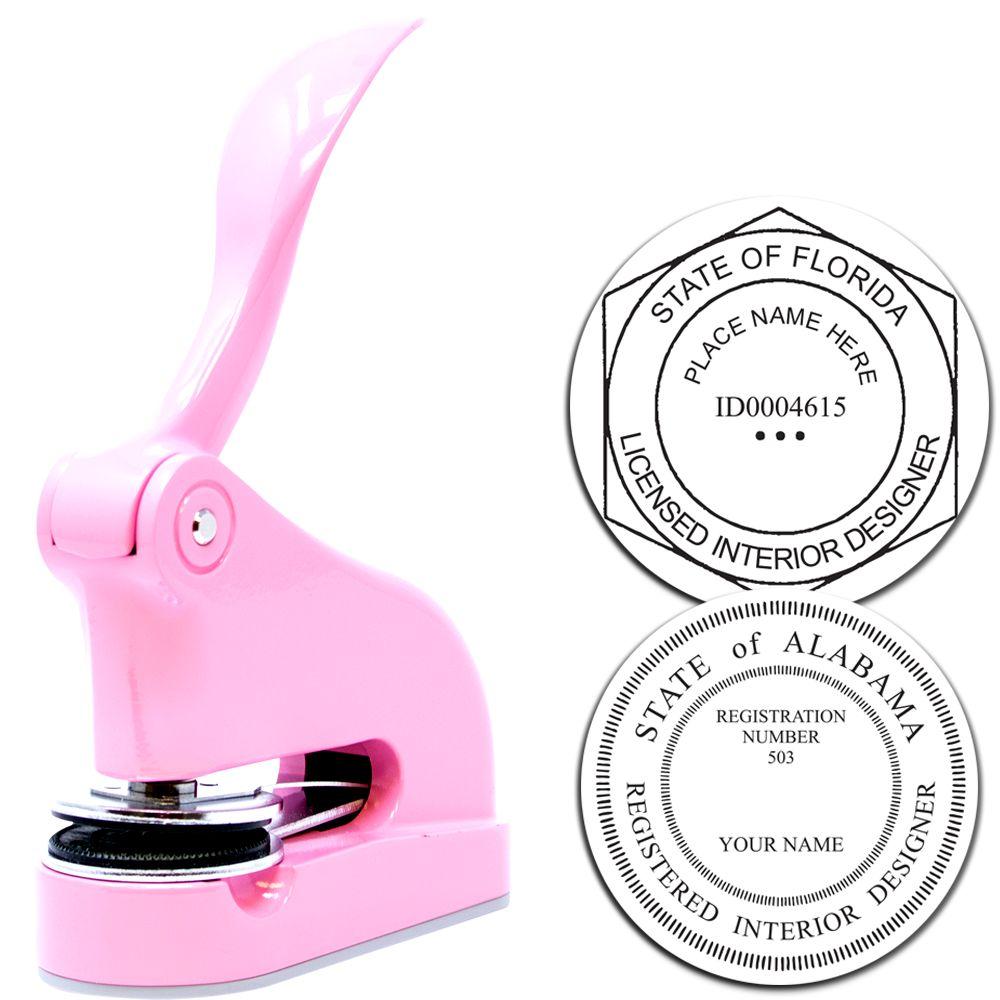
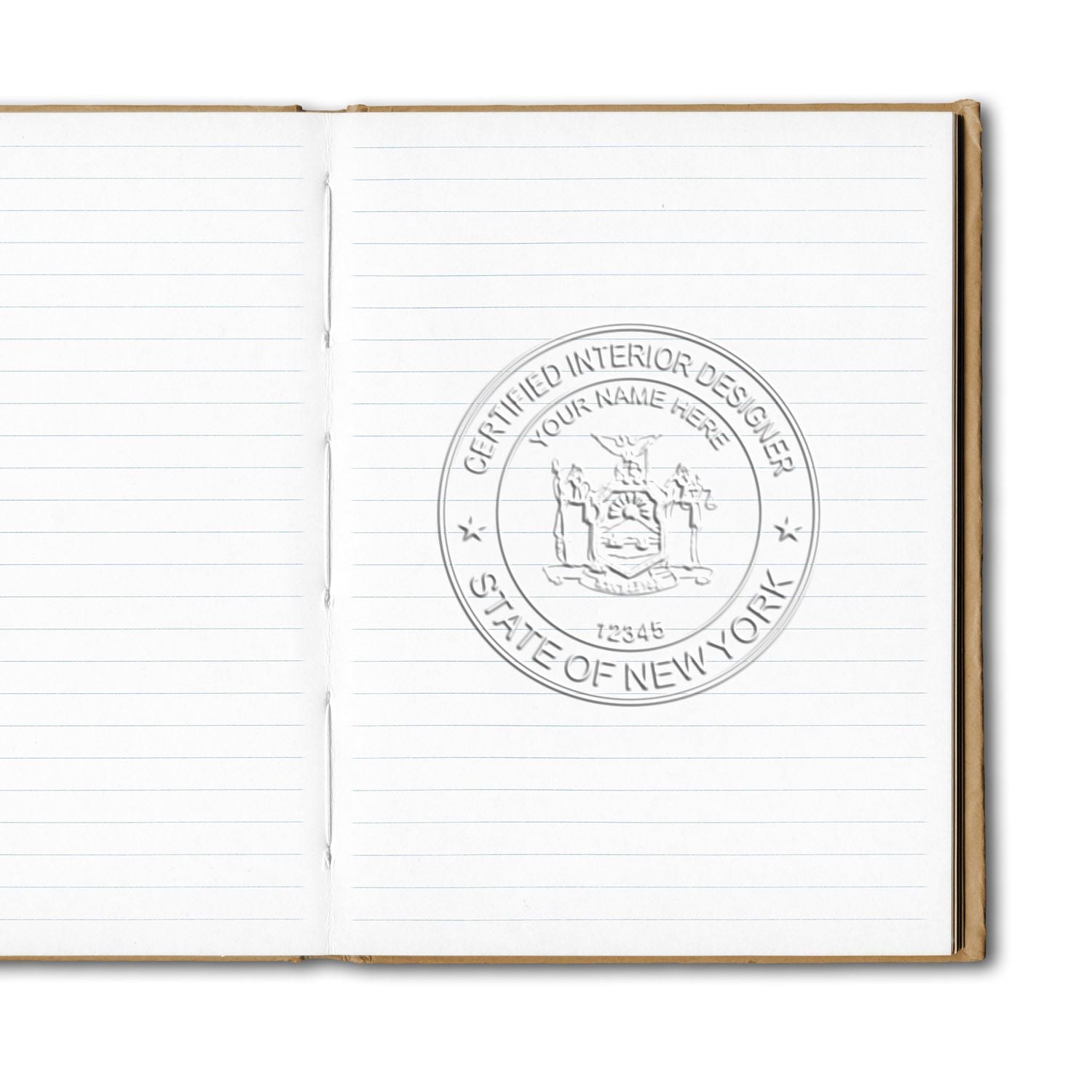
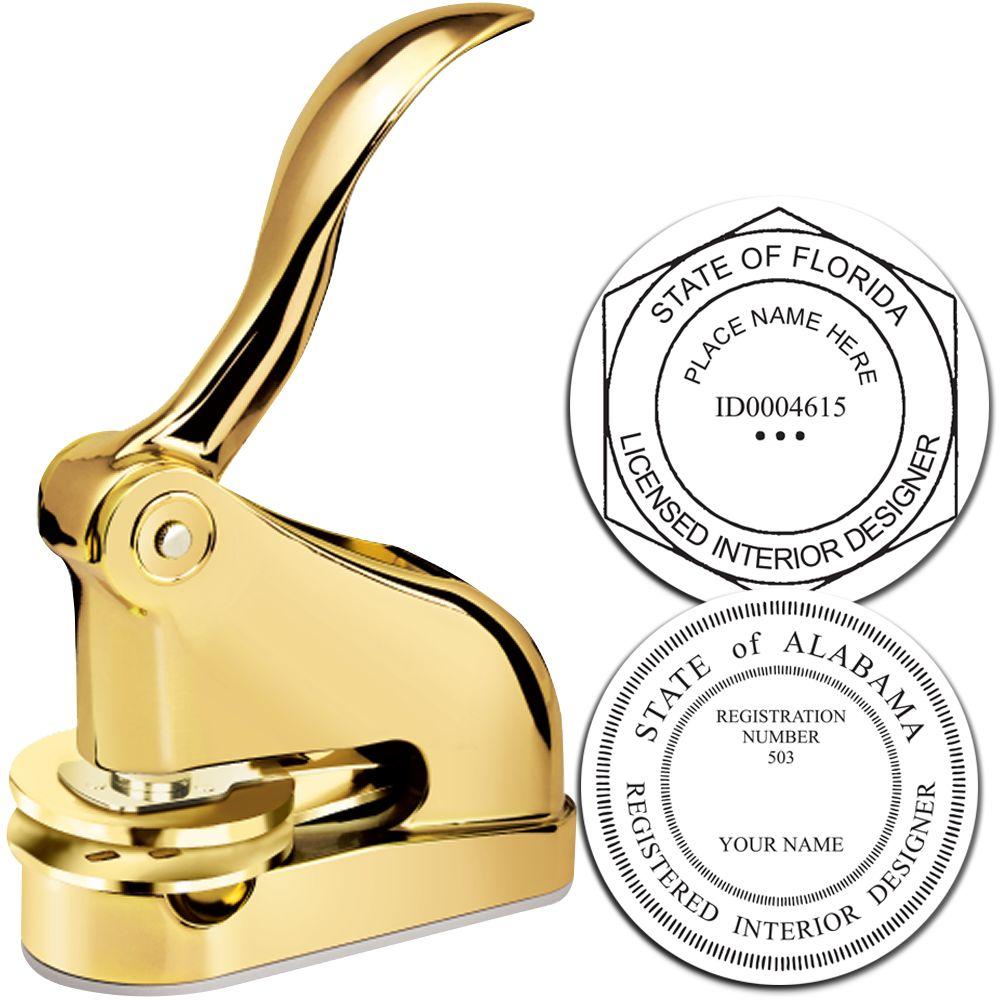
- Pick a style. Self-inking for consistent everyday impressions, pre-inked for the sharpest fine detail, a traditional handle stamp with a separate pad for occasional use, or an embosser for a raised mark.
- Provide the text. Read it once as a stranger would. Does every line say something you can back up?
- Review the proof. Check spelling, spacing and alignment, then look at the impression size against the documents you actually produce.
- Place the order. Complete payment and shipping, and confirm the electronic seal file is included.
When it arrives, take a few impressions on scrap paper. You want even coverage and letters that have not closed up.




Look After Your Mark
No board is going to discipline you over this device, but your name is on it, and that is reason enough to treat it carefully.
- Store it where it cannot wander. A drawer of your own rather than a shared supply cupboard.
- Tell your team what it is. If an assistant handles outgoing documents, make sure they understand the mark identifies you as the author.
- Keep the image file access limited. An electronic seal is easy to copy, so it belongs somewhere with a password rather than on a drive open to everyone.
- Use it where it means something. Marking every page of every document dilutes it. Sign and seal the documents you are standing behind.
Keeping It Accurate
The reasons to reorder here are all your own, since no rule change can force one.
- Your name or firm name changes.
- A certification you show on the die lapses or is replaced.
- The impression goes soft.
- You want a second device in a different format or for a second office.
It is still worth keeping half an eye on the state. Legislatures do add credentials, and if Mississippi ever creates an interior design registration, the wording question changes with it. Until that happens, the listing is what it is.
Your Action Steps
- Accept the starting point: Mississippi has no interior design credential and no prescribed seal.
- Draft wording that is accurate about you, with no state title and no license number on it.
- Decide between an inked stamp, an embosser, or both, based on how your documents travel.
- Order from a supplier who sends a proof and includes the electronic file.
- Check the proof carefully, because nobody else is going to.
- Store the device and the image file somewhere access is limited.
That is the whole job. Ordering a reliable stamp from a supplier like Acorn Sales gets you a mark that makes your work look finished, and every line on it will be something you can stand behind. You earned the practice; let the documents show it.
Frequently Asked Questions
Is a stamp required for Mississippi interior designers?
No. Mississippi does not license, register or certify interior designers, so no state rule tells you to seal anything. Your signature is what identifies your work. Designers buy a stamp because an impression beside that signature names the author at a glance and makes drawings and proposals look finished. Individual clients sometimes ask for a marked copy under their own policies, which is a matter between you and them.
What is the difference between a stamp and a seal here?
A stamp usually leaves an ink impression; a seal can mean an embossed mark or a digital image. Neither carries state-granted authority in Mississippi, because there is no credential behind it. Both are your own mark, and the choice comes down to how the document is delivered.
Can I use an electronic seal instead of a physical stamp?
Yes, and no state rule limits it either way. An electronic seal is an image file you place beside your signature in PDF software. Acorn Sales includes one free with a physical stamp purchase, so you have both forms of the same artwork.
Are there design rules for a Mississippi interior designer stamp?
None. No size, no shape, no wording, no border. The practical guidance is to keep it legible at the size you will actually use and to keep every line accurate. Leave off any Mississippi license number or state title, since neither exists for this profession.
How often should I replace it?
When it stops doing its job. A faint or filled-in impression undercuts the reason you bought it, and a name or firm change makes the artwork stale. Nothing here expires on a schedule.