
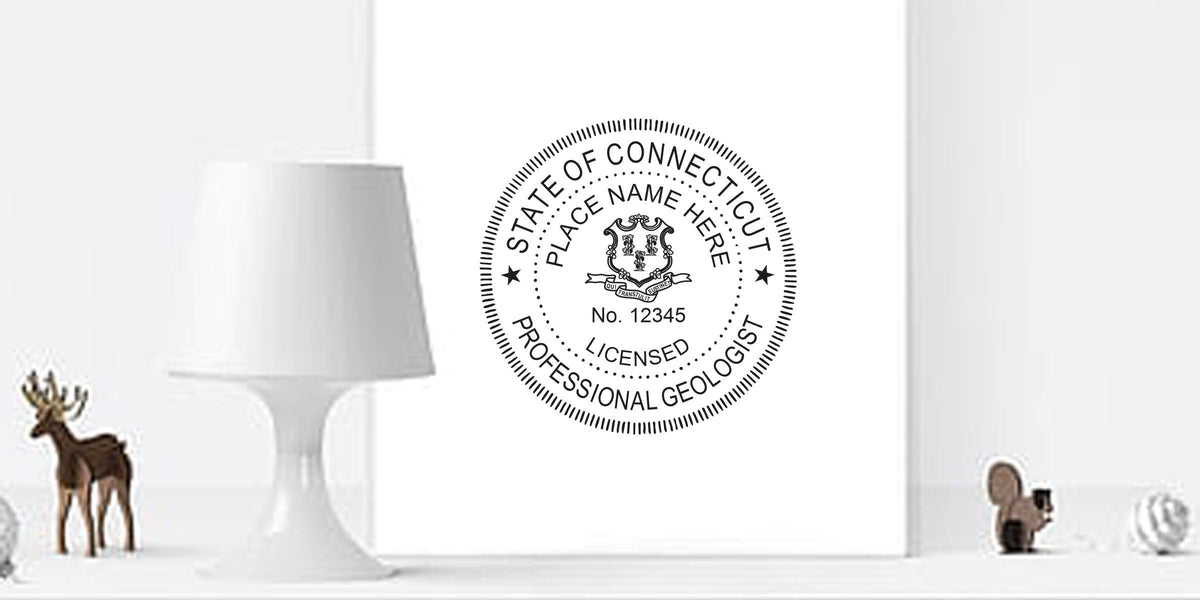
Ever feel a bit uncertain about how to handle your seal design as a licensed geologist in Connecticut? Understanding Connecticut geologist seal specifications from the get-go can help you sidestep legal issues and project your professional credibility with every stamped document you produce. Let’s explore the essentials so you feel confident about meeting (and exceeding) all the requirements.
Grasp The Connecticut Geologist Seal Basics
Before diving into sizes, shapes, and layout details, it’s good to have a clear overview of why a seal is so important. As a geologist, you need an official stamp or seal to authenticate reports, drawings, and other technical documents. Much like a professional engineer’s stamp, your geologist seal tells clients and stakeholders that you meet state licensure standards. It also signals that you stand behind any mapped surfaces, geological analyses, or soil readings you’ve conducted.
Seals create a traceable record of accountability. Every time you stamp a document, you leave a mark that says, “I’m licensed, and I vouch for this work.” That’s a powerful statement when you’re dealing with projects that have environmental, safety, or regulatory implications. If you’re new to licensing, it can feel daunting to figure out exactly what your seal must include. But once you understand the specifications, things get much simpler.
Follow The State Requirements
In Connecticut, geologist seals must adhere to specific guidelines. While these specifications are usually outlined in the state’s licensure rules, it’s still common to see variations in design that are mistakenly accepted or shared. So, how do you know whether your seal is correct?
Size And Layout
Most professional seals or stamps used by geologists come in a circular layout, though some states allow oval shapes. In Connecticut, a circular design is often preferred because it looks clean and fits well on standardized papers. The diameter usually measures between 1 5/8 inches and 2 inches. You want it large enough that your license details are clear, but not so big that it crowds the page.
It’s also critical to leave no smudges or ink blurs. Before ordering your seal, confirm that its diameter (from edge to edge) meets the recommended guidelines. A crisp impression speaks volumes about your professionalism.
Wording And License Details
The text on your seal should include essential information such as:
- Your full name as it appears on your license
- Your professional designation (e.g., “Licensed Geologist” or “Professional Geologist”)
- The state name (Connecticut)
- Your license or registration number
If there’s one point you never want to overlook, it’s making your license information legible. Whether your stamp is self-inking or pre-inked, make sure the license letters and numbers don’t blur together. Having a readable, verified seal helps stakeholders trust the authenticity of your work.
Below is a quick-reference table summarizing common seal elements:
| Element | Typical Requirement |
|---|---|
| Shape | Circular |
| Diameter | 1 5/8" to 2" |
| Text | “Licensed/Professional Geologist,” |
| your name, and license number | |
| State Name | “Connecticut” |
| Clarity | All text and lines legible |
Keep in mind, you should always verify these details with official guidelines from the Connecticut Board overseeing geology licensure. Regulations can update over time, so a quick review of the current rules before you place an order is smart.
Avoid Common Pitfalls
Even when you’ve checked the finer details, a few pitfalls can still catch you off guard. Want to prevent mistakes that could cost you time or money? Here are a few missteps geologists sometimes make:
- Using a generic seal: If you order a seal without specifying your profession, you could end up with a “professional engineer” seal instead of a geologist one. Double-check your designation to match “Geologist” exactly.
- Incorrect license number: Mistyping your license number or failing to notice an extra digit can invalidate your stamp. It’s easy to gloss over, so always verify.
- Poor-quality impressions: Overly intricate designs might not stamp well, leaving critical details unreadable. Go for clarity over complexity.
- Mixing digital and physical incorrectly: These days, many geologists use electronic stamping for digital PDFs. However, you must confirm that your digital seal meets the same standard of clarity and compliance rules as a physical seal.
By watching for these red flags, you’ll dramatically reduce the risk of reordering or dealing with compliance headaches.
Select A Trusted Supplier
Once you’ve nailed down the design requirements, the next step is to find a supplier. That might sound straightforward, but not every shop knows the ins and outs of professional geologist seals. Since your livelihood depends on such precision, you deserve a specialist who understands exactly what you need.
At Acorn Sales, we’ve been making custom stamps and seals for over 60 years. When it comes to geologists, we know that accuracy and durability go hand in hand. Every seal, whether it’s for a new licensee or a seasoned professional, is crafted to meet the specific demands of Connecticut’s rules. We also include a free digital seal so you’re covered for electronic submissions. Having both a physical stamp for hard copies and a digital file for online documents can save you stress down the road.
Why trust us? Well, longevity teaches you a lot about what professionals look for in a seal. Each product is tested for crisp impressions and built for repeated use. We believe you shouldn’t have to re-ink your seal too often or worry about the design smudging after just a few months.
Plan Your Next Steps
Ready to finalize your Connecticut geologist stamp or seal? Here’s a quick list to walk you through the process:
- Verify your license details: Make sure your name, license number, and professional title are spelled in the exact format required by the board.
- Confirm your design guidelines: Compare your final layout to the state's official rules for seal diameter and text arrangement.
- Decide between manual or pre-inked: Physical seals can come in a variety of styles. Think about whether you need a traditional hand-press seal or a pre-inked stamp for speedier use.
- Check out additional resources: If you need more insight into the official stamping requirements, consider visiting our page on connecticut geologist stamp requirements.
- Place your order: Once you’re certain of all the details, order through a reputable supplier. Don’t forget to ask about digital seal options if you haven’t already.
Following these steps is like building a checklist for any other project. Each point ensures you’ve paid attention to details that can make or break compliance.
If you didn’t see your specific question here, feel free to reach out. We’ve answered thousands of questions for geologists about everything from design constraints to best practices for stamping reports. You’re definitely not alone in wanting reassurance that your seal or stamp meets the highest professional standards.
Making sure you comply with the correct specifications might seem like a small detail, but it speaks volumes about your dedication to professional integrity. When you invest time in getting the right seal, you’re showing colleagues, clients, and regulators that you take accountability seriously. You’re also making your life easier down the road because you won’t get stuck replacing or revising an incorrect seal.
Seals can be simple if you know the rules, so take a few minutes to review your final design. Then, pick a supplier who cares about precision and quality as much as you do. Before you know it, you’ll be stamping (or e-stamping) away with confidence, ready to tackle that next big geological survey or site study. And if you need any help along the way, Acorn Sales is always here to guide you.
Frequently Asked Questions
How do I know the seal is officially recognized by the Connecticut Board?
Always compare your seal’s text, size, and professional designation to the board’s most recent guidelines. The board usually provides specs on font type, diameter, and mandatory wording.
Is there a difference between a digital seal and a physical seal when it comes to compliance?
Both should follow the exact same standards, ensuring the details are legible and cannot be easily altered. Connecticut generally requires that digital seals look just like their physical counterparts.
Can I modify the seal’s layout to include my company logo?
Typically, your geologist seal must remain standard. You can keep personal or company logos separate to maintain clarity and avoid any confusion about what’s official.
What if I change my name or get a new license number?
You’ll need to order a new stamp or seal. Any mismatch between the name on your license and the name on your seal might render your documents invalid.
Do I have to reorder my seal every year when I renew my license?
In most situations, you don’t. As long as your license number and name remain the same, your seal remains valid. It’s good practice, however, to confirm there haven’t been any changes to the rules since you last ordered.








