
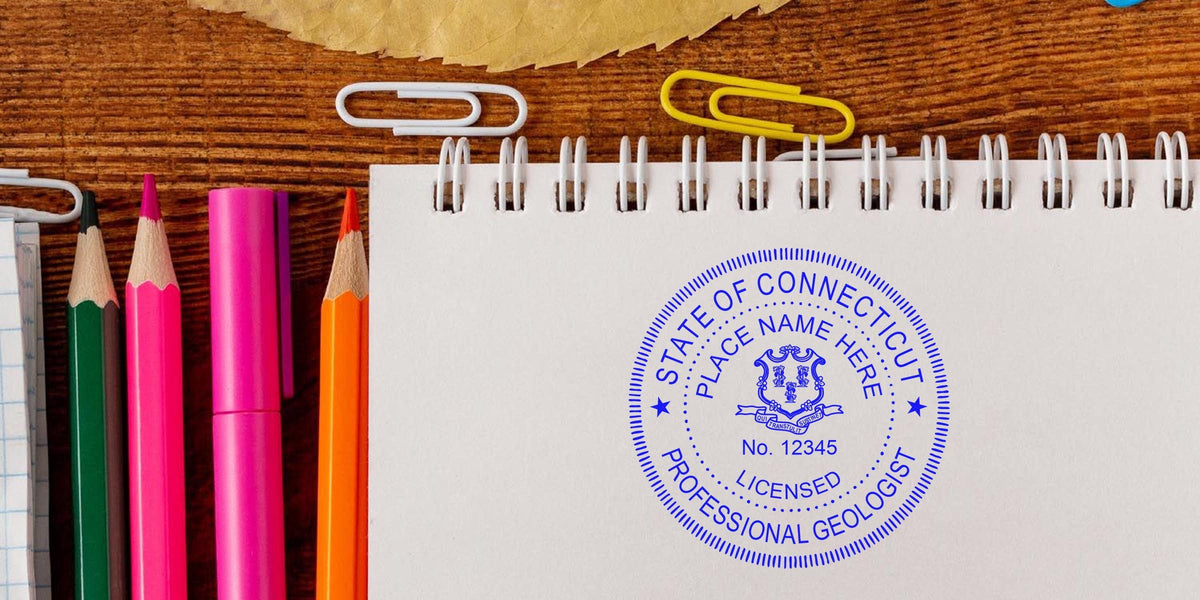
If you’ve recently received your geologist license in Connecticut or you’re in the process of applying, you might be wondering about the connecticut geologist stamp cost. After all, having the correct stamp or seal is crucial for authenticating your work, and it’s not something you want to leave until the last minute. Let’s walk through all the ins and outs of the cost, factors to consider, and tips for choosing the right stamp or seal for your professional needs.
Understand the Key Requirements
Before diving into price ranges, it helps to know what Connecticut expects of you as a geologist. In most cases, you must obtain a stamp or seal that includes your name, license number, and “Professional Geologist” (or a similar approved designation). This stamp is used to certify geological documents, maps, and reports you produce.
If you’re still getting familiar with the official things you’ll need, check out the connecticut geologist stamp requirements. It covers important details like sizing, layout, and any mandatory text. When you know these requirements ahead of time, you’re less likely to face last-minute changes or added costs.
Common Elements On A Geologist Stamp
- Your name or professional designation
- License or registration number
- State reference (Connecticut)
- Specific wording per board guidelines
Each of these pieces needs to appear clearly, leaving no room for ambiguity. That’s why quality, durability, and clarity should remain high on your checklist, no matter the final cost.
Recognize Factors That Impact Cost
The cost of your Connecticut geologist stamp can vary widely, depending on more than just the base product price. While you might see a quick figure like 20 or 30 dollars in your initial research, there are often hidden or variable elements you’ll want to consider.
1. Stamp Type
There are multiple styles of stamps and seals, each with its own cost structure. A simple rubber stamp can cost less than a self-inking or pre-inked model, but you might pay a bit more for convenience and neatness. Embossers (which create a raised impression) can also have higher price tags because of their more complex mechanism.
2. Material Quality
High-grade metal embossers tend to cost more than plastic ones. The same logic applies to the handle and base materials for regular ink stamps. Spending a few extra dollars on sturdier materials can save you from frequent replacements, but it does bump up your initial outlay.
3. Brand Reputation
Some companies have been in business for decades, with a proven track record of quality. Their stamps may cost slightly more, but you also gain peace of mind that their products meet state guidelines. If you need support, established brands will usually have attentive customer service teams. Acorn Sales, for instance, has been a trusted maker of stamping products for 60-plus years, offering a consistent level of reliability.
4. Customization and Extras
You might pay additional fees if you want special handles or you need rush production. For instance, an elegant wooden handle or a laser-etched design can increase the final price. It’s a good idea to finalize your design approach early, so you don’t incur extra charges later.
5. Shipping and Handling
Don’t forget to account for shipping or delivery times. If you’re on a tight schedule and require expedited shipping, that can nudge the overall cost higher. Depending on where you live, you might pay different rates for overnight or overseas delivery options.
Explore Stamp Types
When you think of a geologist stamp, you might picture a single style, but there are multiple options. Knowing what each offers will help you balance cost, durability, and convenience.
Self-Inking Stamps
- Built-in ink pads
- Cleaner and faster stamping
- Generally mid-range or higher in cost
Self-inking stamps are popular if you expect frequent use and want consistent impressions. Some professionals appreciate not having to fuss with separate ink pads, which can also cut down on desk clutter.
Pre-Inked Stamps
- Ink is integrated into the stamp design
- Extremely crisp impressions
- Can be pricier than self-inking
Pre-inked stamps often deliver a high-quality impression, making them ideal for official reports or certifications where neatness matters. These stamps typically last through thousands of impressions before you need to re-ink.
Traditional Rubber Stamps
- Requires a separate ink pad
- Usually the most affordable
- May need extra care for a neat impression
If budget is your main concern, a basic rubber stamp can be an excellent option. Just remember to keep your ink pad in good condition. Some find this style a bit messy if they stamp frequently in the field, but it’s fine for occasional use.
Embossers
- Raised, professional-looking impression
- Often the most expensive option
- Great for secure, tamper-evident documents
An embosser leaves a raised seal on your paperwork, which adds an official look. If you’re dealing with documents where authenticity is paramount, the investment could be worthwhile. However, you’ll need a heavier piece of equipment and a bit of practice to achieve a uniform impression.
Purchase Your Official Stamp
After weighing the pros, cons, and connecticut geologist stamp cost for each style, the next step is to finalize your purchase. Here’s where choosing a reputable supplier pays off in multiple ways.
Look For A Reputable Provider
A company like Acorn Sales specializes in stamps and seals for a wide range of professions, including professional geologists in Connecticut. With more than 60 years in the business, Acorn Sales understands official guidelines and can help ensure your stamp meets all state specifications.
A bonus to consider: Acorn Sales includes a free digital seal with your purchase. This freebie often saves you money in the long run, especially if you need to submit documents electronically.
Why Diligent Customer Support Matters
If you ever run into trouble with your stamp, you’ll want a supplier that stands ready to help. Maybe you’re not sure how to re-ink your pre-inked stamp, or perhaps your embosser squeaks and doesn’t produce a crisp result. Reliable customer support can guide you through these hiccups quickly, reducing downtime and stress.
Steps To Finalize Your Order
- Confirm your name and license details exactly as required
- Pick your stamp style (self-inking, pre-inked, etc.)
- Decide if you prefer an embosser or digital seal (or both)
- Choose standard or expedited shipping
- Double-check your proof or preview before payment
Be sure to review everything you type into the order form or provide to the company. A single typo in your name or license number can mean ordering all over again, which nobody wants.
Optimize Your Cost
It doesn’t matter if you’re just starting out as a geologist or if you’ve been around the block a few times—saving money on your official equipment can free up funds for other essentials. Small details, like add-ons or shipping, can add up. Here are some additional tips to minimize extra expenses without compromising on quality.
Consider Bulk Purchases
Do you have colleagues, classmates, or close contacts who also need Connecticut geologist stamps or seals? Some suppliers offer group discounts or reduced shipping if you place multiple orders together.
Utilize Free Digital Seals
Many licensing boards accept digital seals for online submissions. Since Acorn Sales includes a free digital seal with your physical stamp, you don’t have to purchase it separately. It’s a streamlined way to handle both paper and electronic documents while avoiding extra fees.
Maintain Your Stamp Properly
Once you’ve invested in a stamp or embosser, maintenance is key. Store it in a dry place, avoid dropping it, and keep self-inking stamps or pre-inked ones topped up with the correct ink. Proper care extends the life of your equipment, reducing how often you’ll need new parts or a new device outright.
Check For Promotional Offers
Some suppliers post sales or discounts at certain times of the year. If you’re not in a rush, sign up for mailing lists or monitor their websites to catch seasonal deals. Just be sure any sale item still meets the official requirements.
Time Your Purchase Right
If you know you’ll need your stamp in a few months, start watching prices now. This gives you a sense of the normal cost and helps you pounce on a sale. You’ll avoid paying expedited shipping or last-minute rush fees that might inflate your expense.
Wrap-Up And Next Steps
By now, you have a clear picture of how the connecticut geologist stamp cost can vary and what drives those price differences. For most professionals, choosing a durable, clear stamp that meets state guidelines is worth every penny. Beyond that, deciding between rubber, self-inking, pre-inked, or an embosser mostly comes down to personal preference and how often you’ll use it.
Keep in mind that taking a moment to measure your needs can pay off. You don’t want to rush into a cheap option only to replace it months later. With a trusted supplier, such as Acorn Sales, you benefit from quality craftsmanship, a free digital seal, and over six decades of expertise. That way, you’ll spend less time worrying about your stamp and more time sharing your geological expertise.
Whether you’re a new practitioner or a seasoned pro, remember to check official rules, keep your stamp updated, and use it responsibly. You’ll have peace of mind knowing your documents meet the state’s professional standards, and your clients will appreciate the authenticity each time they see that unmistakable seal. Good luck, and happy stamping!
Frequently Asked Questions
Is a traditional rubber stamp cheaper than a self-inking stamp?
It usually is, especially if you already have an ink pad handy. However, you may find a self-inking stamp more convenient if you regularly stamp documents. The small price difference could save you time and keep things neater.
Do I really need an embosser, or can I just use an ink stamp?
It depends on your specific needs. Most geologists can fulfill the requirements with an ink stamp. An embosser is typically a more premium choice, giving your documents a raised impression that looks highly official. Check local or project-specific guidelines to see if an embossed seal is mandatory. If not, you can save money by going with a standard stamp.
How often do I need to replace or update my stamp?
If you properly care for your stamp, it can last for years. You only need a replacement if the stamping surface degrades, you change your name or license details, or your ink dries out beyond repair. If you choose a higher-quality stamp at the outset, it often requires fewer replacements over time.
What is the typical connecticut geologist stamp cost range?
This can run anywhere from about $20 to $60 or more, depending on style, brand, and extra features like embossing. Traditional rubber stamps are usually on the lower end, while pre-inked or embossed options land higher on the price spectrum.
Do I get a free digital seal with my stamp?
If you order from Acorn Sales, you do! They include a digital seal at no additional cost, which helps you handle both paper and electronic documents efficiently. Not all suppliers offer this, so be sure to ask beforehand if you need digital stamping.








