
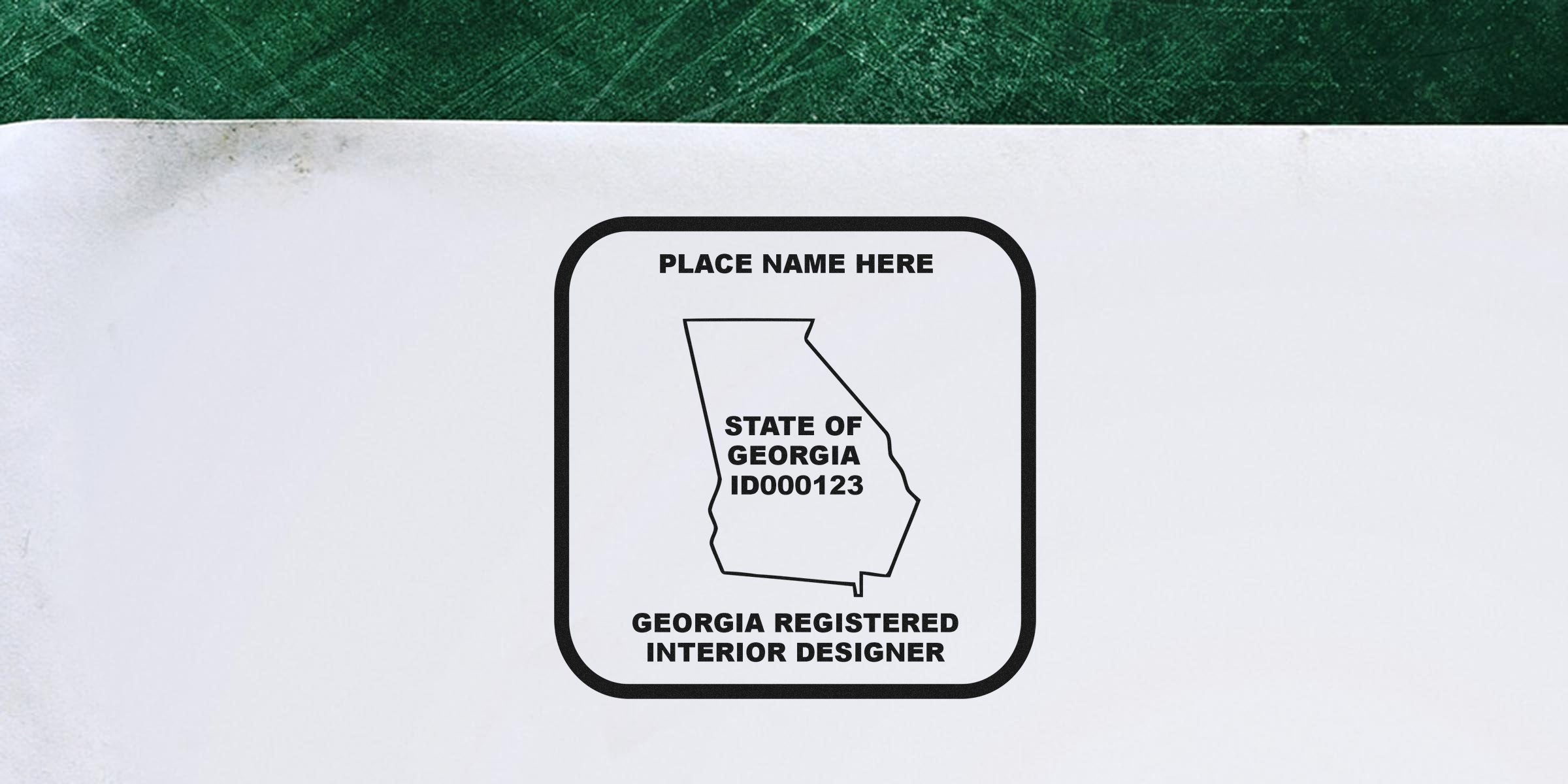
Understand The Basics Of Georgia Interior Designer Seals
If you’re working as an interior designer in Georgia, you’ve probably wondered about georgia interior designer seal design guidelines that keep your projects ahead of the curve. Whether you’re just starting out or you’ve been building dream spaces for years, it’s crucial to clarify the importance of your official seal. A properly designed stamp or seal not only proves your professional status but also ensures you’re following the state’s rules.
In this article, you’ll find helpful tips to guide you through the style requirements, common pitfalls, and practical steps to create a compliant seal. You’ll also see why choosing a reputable supplier matters, especially if you want long-term dependability for both physical and digital seals. Let’s jump right in so you can feel confident about meeting the Georgia Interior Designer requirements without headaches.
Know The Rules For Seals And Stamps
Before diving into design specifics, it helps to understand what the state expects from a Georgia interior designer stamp. Right now, Georgia law emphasizes that a registered interior designer must have an official seal that’s used on certain documents. This seal is meant to:
- Validate that your work meets professional standards
- Demonstrate your legitimacy and expertise
- Protect clients by ensuring compliance with state requirements
If you’d like an in-depth look at these legal expectations, be sure to check out various resources or georgia interior designer stamp requirements. This internal link covers the specifics about registration, usage on drawings, and more.
Compliance Matters
Your seal is more than just a graphic—it is an official indicator that you have the proper credentials and have met the state’s rigorous requirements. If you ever find yourself in a situation where a plan is challenged, having a compliant seal can help you avoid unnecessary complications and potential legal issues.
Staying Up To Date
Rules sometimes change, so make it a habit to review the licensing board’s guidelines at least once a year. That way, you’ll stay on top of any adjustments to your seal’s size, wording, or overall format. A little diligence here goes a long way toward protecting both you and your clients.
Follow Essential Design Guidelines
When creating a new seal or updating your existing one, you want to meet Georgia’s design standards without going overboard. Here are the key points to keep in mind:
- Shape And Size: Many states specify a circular format, but always confirm Georgia’s current shape requirement. Typically, a circular seal with a diameter of around 1.5 to 2 inches is accepted.
- Text Placement: Include your full legal name as it appears on professional documents, along with your license or registration number. Your state abbreviation or “State of Georgia” often goes around the top border, while your designation (Interior Designer) might run along the bottom.
- Readable Font: No one wants to squint at a smudged seal. Go for a clean, professional typeface without being too fancy. This is especially important on printed drawings where the seal might appear smaller.
- Consistency: A seal should look identical across all your official materials. From letterheads to drawing sheets, keep everything visually uniform to avoid confusion.
Common Missteps
- Overly Decorative Fonts: You might love cursive, but complex fonts can reduce clarity.
- Wrong Size: If it’s too large, it looks unprofessional. If it’s too small, it can be unreadable or fail to meet state rules.
- Missing Information: Always confirm you have your name, “Registered Interior Designer,” and the state name included prominently.
- Low-Resolution Files: For digital applications, make sure your seal has enough resolution to remain crisp.
Choose A Reputable Supplier
Though you can technically design your seal yourself, working with a specialized supplier can save you time and ensure your seal meets all requirements. When you’re ready to order your physical stamp or digital version, consider these pointers:
Why Acorn Sales?
Acorn Sales is a trusted supplier for Georgia Interior Designer stamps and seals. We’ve been in business since 1964, steadily refining the way we help design professionals stay compliant. Whether you need a physical impression or an electronic version for online submissions, we’ve got you covered.
What Makes A Supplier Stand Out
- Accuracy: A supplier who understands Georgia’s rules can help ensure your seal’s text and layout match state specifications.
- Turnaround Time: If you’re working on firm deadlines, quick production and delivery can make all the difference.
- Quality Materials: A sturdy stamp handle and durable rubber can extend the life of your physical seal, saving you from frequent replacements.
- Customer Support: If you encounter any confusion about sizing or text placement, capable support can guide you through to a final product you love.
Enjoy Digital Seal Perks
If your work involves online filings or digital presentations, a digital seal is just as vital. The state often allows electronically applied seals on PDFs or other document files, and you’ll want them to reflect the same professional look as a physical impression. Thankfully, a good supplier will also provide a high-resolution digital file (often a .png or .pdf) of your seal.
Free Digital Seal Options
Here’s a bit of good news: some suppliers, including Acorn Sales, may offer a free digital seal when you order a traditional stamp. This perk means you can seamlessly blend physical and virtual documents without additional cost. If you’re submitting drawings electronically and providing paper versions, having both seal formats ensures consistency.
Security Features
Wondering if a digital seal is secure? You can always look into advanced security measures like adding a digital signature layer on top of the seal. That way, your documents can’t be tampered with after you attach your professional mark. Confirm with your local board whether there are specific encryption or software requirements you need to follow.
Explore Additional Design Tips
When it comes to capturing a professional, polished look that meets georgia interior designer seal design guidelines, a few more strategic moves can help you stand out:
- Vector Artwork: Opt for vector-based images (like .ai or .eps files) to keep things sharp at any scale. You never know if your seal will appear on a billboard or a small business card.
- Monochrome Over Full Color: Some states prefer black-and-white seals for consistency. Even if color is allowed, a monochrome version is typically safer for official documents, which are often photocopied or scanned.
- Proof Before Printing: Request a seal proof from your supplier. That way, you can confirm correct spelling, spacing, and design details before any final production run.
- Keep Records: Maintain a digital backup of your seal, along with your supplier’s contact info. If your stamp ever breaks or you need an updated design, you won’t be starting from scratch.
Planning For Changes
Occasionally, your state board or licensing authority might update guidelines, or you might change your name due to marriage or other reasons. Keep in mind you’ll need to update your seal accordingly. Planning for these changes can smooth out what could otherwise be a stressful process.
Leverage Your Seal For Professional Impact
More than just a legal necessity, your seal can become an impressive feature that highlights your professionalism. Treat it like an emblem that communicates your attention to detail and competence in Georgia’s interior design field. Whether your seal occupies a corner of your documents or stands out on your website, you’ll want it to look polished.
Impress Clients
While many clients might not notice a stamp right away, some will skim your documents and instantly pick up on this official marking. A neat, consistent seal with a crisp impression sends the message that you take your business seriously. When prospective clients see that seal, they’ll sense you’ve taken the right steps to confirm your qualifications.
Add Branding Nuances
Although you must adhere to the legal guidelines, you can subtly align your seal with your brand. For instance, keep your fonts harmonious with your logo or match the outer ring color to your brand palette—provided your state allows color usage.
Seal Maintenance Made Simple
Taking care of your seal ensures you get a clean, precise imprint every time. Here are a few ways to preserve your physical stamp:
- Store Properly: Keep your stamp in a clean, dry place. Avoid any direct sunlight that might warp or fade materials.
- Re-Ink When Needed: If your stamp gets faint, re-ink it rather than pressing too hard. Pressing too hard can distort the imprint and wear out the pad more quickly.
- Clean Periodically: Dust or dried ink can build up on the surface. A quick wipe with a damp cloth does the trick, just make sure it’s fully dry before using again.
Digital Files And Updates
If you’re relying on a digital seal, make sure you have a backup. Saving it on a cloud drive can protect you from data loss. Also, confirm the file remains in its original resolution. If you accidentally compress the file too much, you risk a blurry image when you place it on your plans or proposals.
Summing Up
Designing and deploying a Georgia interior designer seal that follows the official guidelines doesn’t have to be a chore. With a little know-how, a solid supplier backing you up, and an easy way to maintain both physical and digital versions, you’ll meet state standards while presenting a polished brand.
Remember, if you ever need a refresher or want to be sure you’re on track, you can explore georgia interior designer stamp requirements to dive deeper into the legal side. You’ll also want to check with your board or licensing authority for any recent rule changes. When you’ve got a compliant seal in place, you can focus on the fun part: designing beautiful spaces for your clients.
I hope these insights make your journey to designing or updating your Georgia interior designer seal a breeze. If you still have questions, feel free to reach out to experts or your state board for more tailored support. Good luck and happy designing!
Frequently Asked Questions
Do I Really Need A Georgia Interior Designer Seal For My Projects?
Yes, once you’re registered in Georgia, a seal is legally required for specific documents to affirm their professional validity.
Can I Use A Digital-Only Seal Without A Physical Stamp?
Most designers prefer to have both. While a digital seal works for online submissions and emailed files, a physical stamp ensures you’re ready for in-person document reviews as well.
What If My Name Changes—Do I Need A New Seal?
Generally, yes. You’ll have to update your registration details with the board and then order a new seal featuring your correct legal name.
How Often Should I Revisit The State’s Guidelines?
It’s a good idea to check for updates once a year. Rules can change, and you don’t want to be caught off-guard.
Why Choose Acorn Sales Over Other Suppliers?
At Acorn Sales, we’ve been serving professionals since 1964, providing reliable, high-quality seals and stamps. Plus, we offer a free digital seal with your physical stamp order, making it convenient to cover all your bases.








