
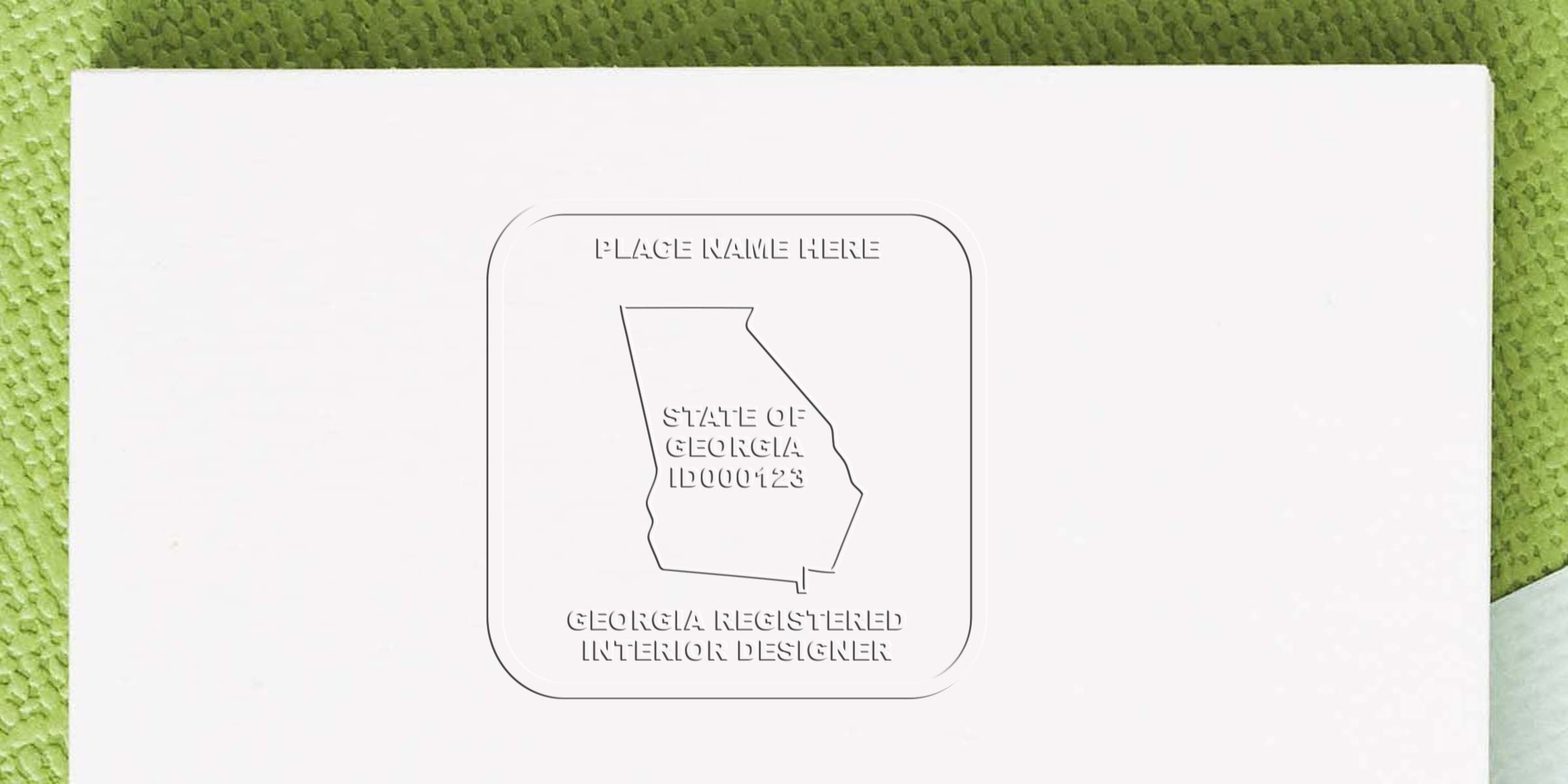
Are you ready to pursue Georgia interior designer stamp certification but not quite sure where to begin? You’re in the right place. The process may feel daunting at first, yet each step serves a specific purpose—protecting public safety and ensuring design integrity. By understanding the necessary requirements, gathering the right materials, and selecting a reliable seal supplier, you’ll navigate these stages far more confidently. Let’s break everything down so you can focus on what you do best: crafting beautiful interiors for your clients.
Understand What Certification Involves
Before we cover individual paperwork or application tips, it helps to grasp the big-picture purpose of a Georgia interior designer certification. In many states, obtaining a professional stamp or seal isn’t just about checking a legal box. Instead, the stamp symbolizes:
- Accountability for the integrity of your work
- Compliance with local and state regulations
- Demonstrated competence in your field
When you place your seal on a set of plans, you’re communicating a clear message: “I stand behind the safety and quality of these designs.” It’s a trust-building measure and, for your clients, an extra reassurance that you’ve done your due diligence.
Fulfill Education And Experience Milestones
Let’s be honest: you can’t just print a fancy certificate and call yourself a licensed interior designer. In Georgia, you generally need:
- A degree or certificate in interior design from an accredited program
- Documented hours of practical experience (often under a licensed professional)
- Successful completion of a state-approved exam or similar assessment
Some professionals also pursue national credentials, such as the NCIDQ (National Council for Interior Design Qualification) exam. While these details vary, most states, including Georgia, want to ensure you have both the academic foundation and “real-world” work record before granting certification. If you’re unsure whether your background meets these criteria, you may need to confirm the necessary educational and experience prerequisites set by the licensing board.
Prepare Your Application Documents
Once you’ve nailed down your education and experience, your next step is typically submitting a formal application. This process can involve a few moving parts, so it helps to stay organized and be methodical. Think of it like arranging your design materials on a mood board: you want everything in place before you get started.
Key Documents To Gather
- Completed application form from the Georgia licensing board
- Proof of education in interior design (transcript or diploma)
- Documentation of relevant professional experience
- Application fee payment details
To make sure you have the latest guidelines, check with the Georgia State Board or related regulatory authority. You can also review additional details on georgia interior designer stamp requirements if you’d like a deeper dive on how your seal must look and be used. Having these materials ready goes a long way, eliminating last-minute scrambles that could delay your certification.
Select The Appropriate Georgia Interior Designer Stamp
Your stamp might feel like a minor detail, but it’s crucial. The state often issues specific guidelines around diameter, design, and required text. You’ll want a durable, easy-to-read seal that withstands daily use. Here’s where your personal preference matters too—some designers love a self-inking stamp for convenience, while others prefer a traditional handheld embosser for that crisp, raised impression.
Popular Stamp Types
| Stamp Type | Pros | Cons |
|---|---|---|
| Self-Inking Stamp | Fast, clean impressions, user-friendly | Ink can dry out if not used frequently |
| Pre-Inked Stamp | Crisp, no separate ink pad | Takes longer to re-ink |
| Handheld Embosser | Elegant, raised imprint | More pressure needed, not always quick |
If you haven’t settled on a specific stamp type, consider your workflow. Do you usually sign off on digital plans, or do you still print large-scale drawings? If you’re often on the move, a compact self-inker could be your best bet. The secret is finding a tool that seamlessly fits your routine so your stamp remains a help, not a hassle.
Know How Stamps And Seals Are Used
Picture this: you’re working on a tight deadline, and your client is excitedly waiting for the final plans. You’ve got everything ready to go—except you didn’t realize you need to affix your official seal on each page of the final construction documents. Suddenly, your day grinds to a halt while you scramble to figure out exactly where and how the stamp must appear.
Don’t let that happen to you. Generally, you’re required to place your seal on plans, specifications, or other official documents whenever you’re officially approving a design. Georgia guidelines can vary, so always follow the most recent directives issued by your state board. This applies to both physical and electronic documents, especially if your board has embraced digital stamping.
Get To Know Acorn Sales
When it comes to ordering that all-important stamp, you’ll find no shortage of suppliers. But choosing a vendor who understands the precise nature of Georgia’s regulations can save you stress (and money) in the long run. That’s where Acorn Sales stands out:
- Free digital seal: Once you purchase a physical seal, you receive a digital version at no extra cost, perfect for e-signatures or PDF plans.
- Trusted supplier since 1964: With decades of experience, the Acorn Sales team knows the ins and outs of stamping guidelines, ensuring you get the right product.
- Wide product selection: You can choose from self-inking stamps, pre-inked stamps, handheld embossers, and more.
Opting for a reputable supplier matters. If your stamp is incorrectly sized, lacks proper text, or fails basic durability tests, you might find yourself reordering—and that means more delays. With Acorn Sales, you can be confident you’re picking a stamp designed to meet Georgia’s specific technical requirements.
Maintain Your Professional Standing
After you’ve received your official certification and shiny new seal, it’s tempting to assume you’re set for life. But many practicing interior designers in Georgia must adhere to ongoing professional standards, including:
- Periodic renewal of your license or registration
- Continuing education credits to stay current with design trends and regulations
- Proper documentation of any major updates to your business or personal contact information
If you’re confused about renewal timelines or continuing education obligations, don’t worry. The Georgia State Board generally posts clear guidance on their official website. Mark your calendar for renewal deadlines, sign up early for any mandated courses, and keep a small binder (or digital folder) of your continuing education records. Staying on top of these details means no last-minute scrambles when your renewal window approaches.
Extra Tips For Leaving A Lasting Impression
You already know a well-designed space can wow clients. But your professionalism can, too. Placing a neat, properly sized seal on every set of documents you sign shows your attention to detail. Pair that with thorough communication about your design process and code compliance, and you’ll set yourself apart from competitors who might leave clients guessing about their credentials.
High-Impact Suggestions
- Keep a digital backup of your seal in case your physical stamp is misplaced
- Use a cover sheet on your construction plans that clearly indicates your licensing info and seal
- Periodically test your stamp or embosser to ensure it’s still creating crisp impressions
A little planning now can prevent awkward moments later, especially if you’re working on multiple projects simultaneously.
You’re now armed with the essential steps, insights, and resources to streamline your path to a Georgia interior designer certification. Feel free to revisit these tips anytime you need a refresher, and don’t hesitate to reach out to Acorn Sales if you have questions about ordering the ideal stamp or seal. By staying organized and proactive, you’ll move ahead confidently in your career, knowing your work meets both aesthetic and legal standards. Happy designing!
Frequently Asked Questions
Do I need a degree to secure my Georgia stamp?
Generally, yes. Most applicants are expected to have completed an accredited interior design program. The state wants to see that you’ve mastered core competencies before entrusting you with public health and safety.
How often do I need to renew my license?
Renewal timelines vary, but many states (including Georgia) set intervals like every two years. Always confirm with the official board for the exact schedule.
Is there a recommended supplier for stamps and seals?
Acorn Sales has been a trusted source since 1964. They offer a free digital seal and multiple stamping options that align with Georgia’s specifications.
Can I use a digital seal for e-signed documents?
In many cases, yes. Digital stamping is increasingly accepted, but check with your local board to ensure it meets all regulations.
What if my stamp doesn’t match Georgia’s specifications?
You may have to reorder or modify your stamp to meet the correct format. That’s one reason why picking a reliable supplier from the start can help you avoid unnecessary complications.








