
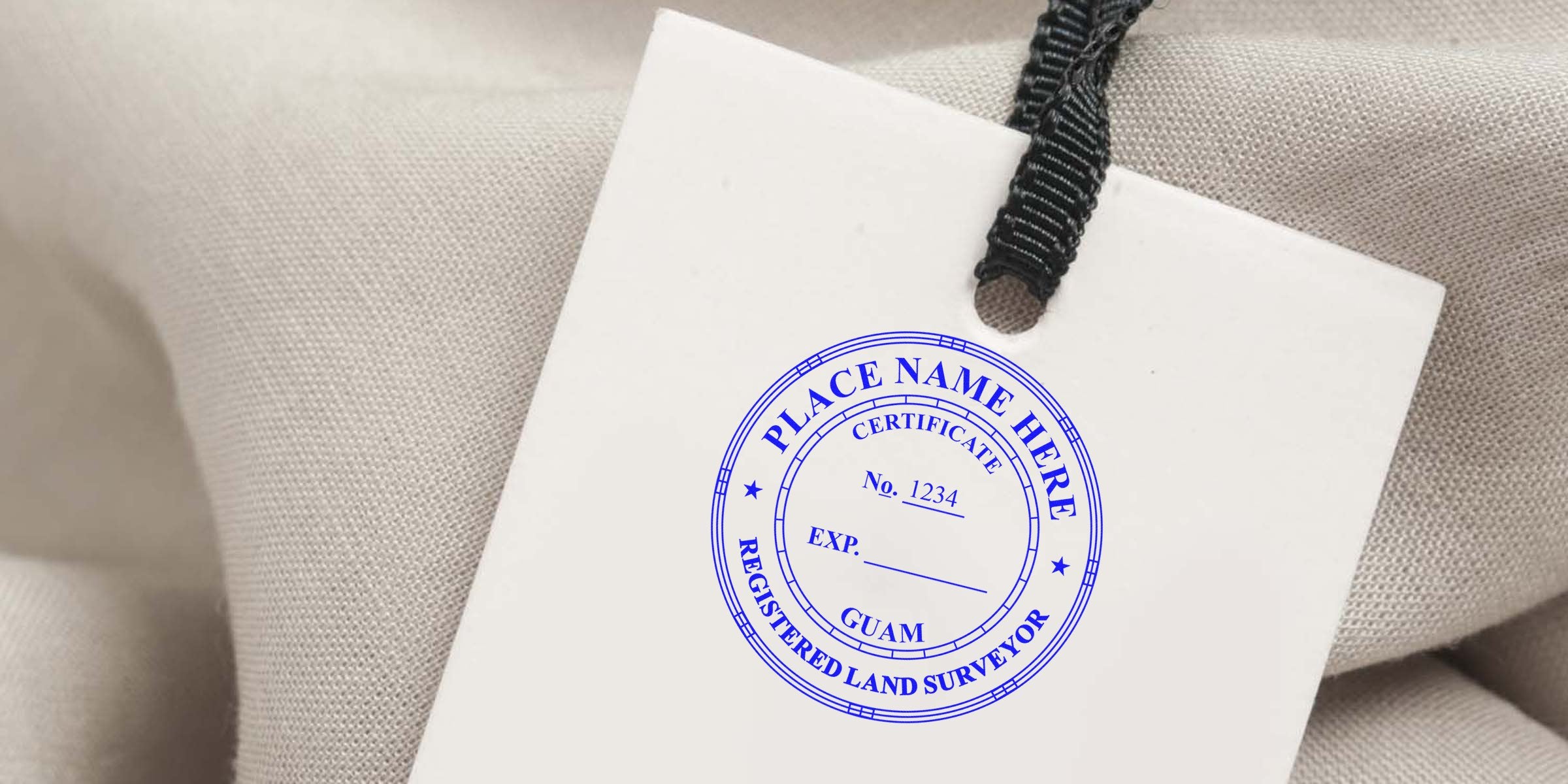
Mastering the correct guam land surveyor seal dimensions is essential if you want to stay compliant with territorial regulations and present a polished, professional image. After all, your seal represents your authority and credibility in the field, so it makes sense to get it right from the start. In this article, we’ll explore what defines a proper Guam Land Surveyor Seal, the crucial design elements, and best practices for using it on your projects. We’ll also talk about finding a dependable supplier and touching on the importance of a durable stamp. By the end, you’ll feel confident about sizing your seal properly and ensuring it meets your professional needs.
Understand Guam Seal Requirements
Before diving into specifics, let’s get clear on why Guam requires a standardized seal in the first place. Regulations set by the local board help maintain consistent quality, readability, and professional standards across all official land survey documents. This standardized approach not only signals your legitimacy as a land surveyor but also offers clarity for officials, clients, and the general public. When they see that seal, they know the work has been done by a qualified professional who respects the island’s legal requirements.
At a high level, the rules typically specify:
- The minimum and maximum outer diameter or shape of the seal.
- The necessary text content, such as your name and “Guam Licensed Land Surveyor.”
- Whether a specific border or emblem is required.
Because local regulations can vary, it’s smart to check with the Guam Board of Professional Engineers, Architects, and Land Surveyors for any updated guidelines. You’ll confirm whether you need a specific dimension or design style for your seal. Taking these early steps ensures your paperwork won’t be held up due to technicalities. Plus, you’ll feel a lot more confident presenting your credentials when you know you’re following exact territorial standards.
Importance Of Precise Dimensions
Dimensions might seem like a small detail, yet they carry a lot of weight. The seal has to be easily identifiable and visually consistent across all your official documents. In most cases, you’ll find requirements that dictate anywhere between 1.5 inches and 2 inches in diameter, which is enough space to include required text and an emblem without clutter. If your seal is too small, key details may be illegible. If it’s too large, it might look unprofessional and even raise questions about its validity.
So how can you hit the sweet spot? First, make sure you’re familiar with the current public law or administrative rules that govern the design. Often, there will be an explicit mention of the seal’s outer dimension. Some boards prefer the seal dimension to be 1 ¾ inches in diameter (1.75 inches), while others might allow more flexibility. Never assume a one-size-fits-all solution. Land Surveyor stamp specifications can shift over time, so it pays to stay up to date.
Another important factor is spacing within the seal. If text or lines are crammed too close to the border, the stamp can become muddy and difficult to read, especially on certain types of paper. Clear spacing ensures that each element stands out. That small margin around the perimeter often makes a big difference in clarity. When you give your seal room to “breathe,” it looks crisp, authoritative, and easy for anyone to read on official records.
Focus On Design Elements
Beyond just measuring the diameter, you’ll need to consider which design elements go into your seal. For Guam, it’s common to feature the territory’s name, your full name, license number, and a professional title like “Licensed Land Surveyor.” This helps confirm who stamped the document and verifies that you meet local licensing standards. Some seals may also incorporate a graphic, such as a border or a simplified version of the island’s official emblem, to reflect local heritage.
Here’s a quick checklist of essential design features:
- Territory name: “Guam,” placed clearly at the top or bottom.
- Licensee name: Your full, legal name without abbreviations (unless specified otherwise).
- Professional title: “Licensed Land Surveyor” or the acronym “LS” if approved by local rules.
- License or certificate number: Ensures accountability.
- Border or circle: Surrounds the text, forming the official seal shape.
When each of these details is included in a balanced manner, the result is a seal that legitimizes your documents at a glance. Always remember: Legibility is key. Fine print or ornamental text might look fancy, but it can also muddy the impression of a professional seal. Stick to clear fonts and simple lines to guarantee that the seal remains easy to read, even when reduced in size for certain document layouts or scanned copies.
Get Durable Materials
A well-designed seal also needs to hold up over time. You don’t want smudged or faded impressions when you’re in the middle of a critical project. The material you choose for your stamp plays a major role in ensuring crisp and consistent seal impressions. You can opt for:
- Self-inking stamps: Provide a convenient all-in-one solution. The ink is stored inside the stamp, so each impression is quick and mess-free.
- Pre-inked stamps: Offer highly detailed impressions and tend to last for thousands of uses before needing a refill.
- Metal embossers: Leave a raised impression and look extremely professional. Embossers can be slightly heavier, but they convey a strong sense of authenticity.
Each material has pros and cons. If portability is a priority, a small self-inking stamp may be your go-to. If you want to really stand out with professional documents, an embosser might be worth the investment. Keep in mind that some boards have specific guidelines on embossers versus inked stamps, so double-check what’s allowed in Guam. The ultimate goal is ensuring that your seal not only meets dimension requirements but also looks sharp and credible every time you use it.
Follow Professional Standards
Even when you nail the correct dimension and design, how you apply your seal can make or break your documents. You want every imprint to be clear, aligned, and properly placed. Even slight misalignments can frustrate clients, or in some rare cases, cause your submission to be rejected. To keep your workflow smooth, treat your seal with care. Always test a fresh stamp on a scrap piece of paper to confirm the impression is centered. This quick step can prevent wasted paperwork or the need for corrections later.
You’ll also want to confirm with the local board or your employing firm whether you need a signature next to each seal impression. Often, official documents may require a “wet” signature in addition to the stamp. Failing to sign alongside your seal could mean the document is incomplete. Always read the fine print. Some guidelines call for a date as well since that date can be the official reference point for your licensing status. Following these extra steps is part of what cements your professional reputation.
Let’s be honest, none of us enjoy redoing official paperwork. Make your life easier by consistently following the established guidelines. If the document type changes—a new project, different scope, or updated local regulations—review them before you stamp a single page. This habit helps you avoid last-minute surprises that might slow down or even derail a project.
Choose A Reliable Supplier
It’s one thing to know exactly what design and dimensions you need. It’s another to find a trustworthy supplier who can bring that vision to life. Instead of risking a subpar stamp that might fade or break under heavy use, look for a company with a strong track record. Acorn Sales, for instance, has been a trusted supplier for Guam Land Surveyor stamps and seals for more than 60 years. That level of experience shows they’re not just here today and gone tomorrow. They understand the ins and outs of producing high-quality seals that stand the test of time.
Beyond material quality, it helps to find a supplier offering perks that make your job easier. For example, Acorn Sales includes a free digital seal with every order, which can be a huge advantage when you’re working in a digital environment. You’ll have a crisp, ready-to-use electronic version for e-documents or online submissions. Plus, a well-established supplier typically has a streamlined ordering process. You can often customize your seal with your name, license number, and any other required info with minimal fuss. Then, you’ll receive a durable product that meets local standards and saves you the headache of constant reorders.
Key Practices For Long-Term Maintenance
Once your official seal is in hand, your job isn’t done. Regular maintenance ensures that every impression remains crisp. If you’re using an inked stamp, store it away from direct sunlight and extreme heat, as this can degrade your ink supply. For embossers, keep the metal parts clean and dry so the raised details remain sharp. It takes just a few minutes to do this now and then, and it can save you from messy, blurred imprints.
It can also help to have extra cartridges of ink or a backup embossing plate. On busy days, you don’t want to scramble to replace supplies mid-project. Having extras on hand keeps you covered in case of an unexpected jam or worn-out plate. Staying proactive about maintenance is a small habit that goes a long way toward preserving your professional image.
You might even want to do a quick monthly check: stamp or emboss a piece of paper to confirm the clarity. If you notice any fading or misalignment, address it right away. A quick ink refill or slight adjustment can return your seal to top-notch form. By focusing on regular upkeep, you’re telling clients and colleagues that your professional standards are unwavering.
Staying up to date on size specifications, design elements, and usage rules can make or break your official documents in Guam. Start by verifying the current guidelines for your seal, then pick a reliable supplier—like Acorn Sales—that understands the local requirements and offers quality solutions. With the right seal in hand, you’ll project a professional image, stay compliant, and simplify your day-to-day workflow. Before you know it, you’ll be seamlessly stamping or embossing all your surveys with confidence and clarity.
Frequently Asked Questions
What Are The Typical Dimensions For A Guam Land Surveyor Seal?
While exact regulations vary, most guidelines suggest a diameter around 1.5 to 2 inches. Many Guam Land Surveyors opt for a 1.75-inch diameter seal for clarity and consistency. Always verify with the Guam Board of Professional Engineers, Architects, and Land Surveyors to ensure you have the latest rules.
Do I Need A Physical Stamp If I Receive A Digital Seal?
Generally, yes. Physical stamps are often required for documents submitted in person or as hard copies. A digital seal is great for e-documents, but certain regulations or clients might still mandate an inked or embossed impression. Having both covers all your bases.
How Often Should I Replace My Guam Land Surveyor Seal?
If you maintain it properly, you can use the same stamp or embosser for years. However, when impressions start looking smudged or incomplete, it’s time to consider a replacement. Regularly cleaning and re-inking helps prolong the life of your seal, but normal wear and tear is inevitable.
Can My Seal Include A Custom Design Or Logo?
Most boards require standardized text and layout to ensure clarity. If you want to add a personalized touch, it’s best to check with local regulations first. Any extra design elements should not obscure required details like the territory name, your license number, or the phrase “Licensed Land Surveyor.”








