
Understand The Importance Of Seal Regulations
When you’re a professional interior designer in Kentucky, you quickly realize that every detail matters. One of the most crucial aspects is navigating Kentucky interior designer seal regulations. Without proper knowledge of these rules, you might risk project delays, client dissatisfaction, or even penalties. But don’t worry, because once you understand why the seal is so vital and how to apply it, your work gains instant credibility.
Picture this: you’ve just landed a fantastic contract to design the lobby of a busy commercial space. You’re excited to showcase your creative ideas, but the project’s approving authority asks to see your official seal on the plans. If you haven’t prepared your seal or followed the correct process, you could run into last-minute headaches. That scenario is precisely why these regulations exist—to ensure building plans comply with Kentucky’s guidelines, and that each plan is handled by a certified professional.
At its core, the seal signals a level of professionalism. It’s like your personal signature on official documents, telling clients and inspectors that you’ve completed the required training and are licensed to operate in Kentucky. Plus, regulatory boards want a uniform way to confirm credentials, and the official seal does exactly that. This system helps maintain statewide design standards and protects consumers from unqualified practitioners.
You might ask: “Is the seal requirement really that strict?” In most cases, yes. Although project scope and complexity can vary, Kentucky has specific mandates for how and when a seal should appear on documents. Contractors, local agencies, and clients rely on your sealed drawings to bring your proposed concepts to life safely. So, it’s wise to keep these regulations in mind right from the get-go. By tackling seal requirements proactively, you’ll streamline your approval process and avoid the stress that comes with last-minute compliance checks.
Learn The Kentucky Requirements
Before you can impress clients with your dream layouts, you need to fulfill the licensing steps required by Kentucky’s interior design authorities. These steps typically include formal education, relevant work experience, and an established track record of real-world design projects. Once you’ve completed those prerequisites, you’ll usually have to pass an exam or otherwise demonstrate your competency to practice in the state.
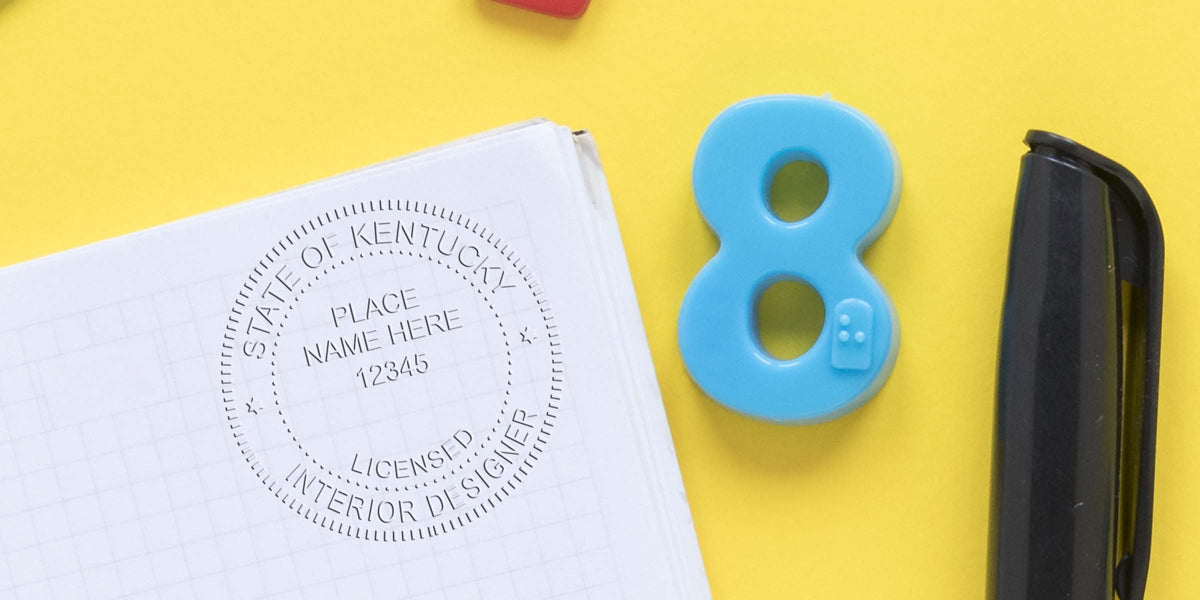
When it comes to the seal itself, Kentucky generally stipulates that your stamp or seal display specific information—like your name, license number, and a clear indication that you are an interior designer. Some states also require an expiration date, so double-check that you’re staying current. Although the exact design elements can vary, clarity is key. If a building official or client finds your seal difficult to read, you could face re-submission requests.
It’s also helpful to explore the official guidelines for your stamp’s sizing and layout. Many design professionals assume they can place the seal wherever it fits on the page, but Kentucky officials often want it placed clearly under your signature or near the title block on your documents. If you follow these specific guidelines, your submittals have a much better chance of cruising through the approval stage without delays.
If you want a deeper dive into how your seal should look or how to apply it to significant documents, you might find more details in resources like Kentucky Interior Designer Stamp Requirements. This reference can shed light on typical specifications like the diameter, permitted fonts, and other design details mandated by the state. Staying in line with the rules upfront means less time spent fixing stamps or reissuing plans. You’ll keep clients happy, and no project is put on hold.
Use Your Designer Seal Properly
So, now you have the official seal, but how do you use it effectively? First, understand that the seal isn’t just a decorative emblem; it’s a legal acknowledgment of your qualification to practice interior design in Kentucky. Typically, you’re required to apply it to final drawings or projects that incorporate structural, mechanical, or code-compliant elements. Even if you’re merely reconfiguring a lobby’s layout, local building authorities may still want to confirm that a registered designer is behind the plans.
The correct process usually involves signing and dating the document, then applying your seal nearby so that the entire package forms one official record. Placing the seal on every page can be time-consuming, so if you’re dealing with multiple sheets, check whether Kentucky requires a seal on each sheet or just the title page or cover sheet. Skipping this step could potentially invalidate your documentation in the eyes of a local planning board.
In many cases, you can use both physical and electronic seals. If you create digital drawings, you might opt for a digital seal to save time. Still, confirm that your local jurisdiction accepts electronic stamps. Some agencies prefer the traditional ink-based seal, while others allow a secure PDF signature or an encrypted seal. A note of caution: never let anyone else use your seal—even if they’re part of your team—without your direct involvement. In Kentucky, unauthorized usage of a professional seal can lead to severe penalties, not just for the individual but also for you.
Keep Everything Up To Date
One of the most common compliance missteps is forgetting that your license and seal usage are tied to continuous professional standing. If you don’t renew your registration or your license lapses, you also lose the right to use your seal legally. Overlooking this is surprisingly easy, especially when you’re juggling multiple projects and deadlines.
Set calendar reminders or use an online scheduling tool to prompt you when renewal approaches. Depending on where you are in your professional cycle, you might need to complete continuing education courses or submit documentation that you’re actively practicing. Kentucky’s regulatory board is generally transparent about what it requires for renewals, but it’s your responsibility to stay on top of the deadlines.
Imagine you’re about to submit a project proposal that’s due in a week. You’re ready to go, until you realize your license expired last month. Now, you have to rush through a renewal or risk losing time and credibility with the client. The simpler approach? Keep your records updated year-round. Even if you don’t have a major project on the horizon, regular check-ins on your renewal status can spare you frantic last-minute scrambling. This disciplined approach boosts your professional reputation—colleagues and clients alike will see you as someone who always stays one step ahead.
Choose A Trusted Supplier
Finding a dependable supplier for your seal and stamp is another essential element of streamlining your practice. You don’t want to wait weeks for a subpar product to arrive, then discover it doesn’t meet the exact specifications required by Kentucky. Instead, look for a reputable provider with a solid track record and clear customer support options.
Acorn Sales has been in business since 1964, offering tried-and-true services to interior designers, architects, and other professionals who need high-quality stamps and seals. They understand Kentucky’s rules and can guide you on the correct seal size or verbiage that must appear on your stamp. Plus, Acorn Sales offers a free digital seal—this can be incredibly convenient if you rely on electronic drawings for submittals and want a polished, approved digital mark.
Because each state’s requirements can vary, a knowledgeable seal supplier is golden. They can walk you through Kentucky’s nuances and ensure your new stamp is good to go. If you ever have a question—like “Do I need my license number on my digital seal?”—a reputable company can confirm that detail in minutes. You’ll save time, reduce errors, and end up with a professional-looking stamp that meets the Kentucky interior designer seal regulations seamlessly. Essentially, having the right supplier in your corner frees you up to focus on designing beautiful, functional interiors, rather than agonizing over compliance details.
Avoid Common Pitfalls
Regulatory confusion might seem harmless, but it’s a big issue if you accidentally misuse your seal or skip a crucial step. Here are a few common pitfalls to avoid:
Yes. Kentucky’s professional boards usually stipulate required elements, such as name, license number, and possibly an expiration date. They might also define the seal’s diameter and the type of font to use. You can find more detailed information by reviewing Kentucky Interior Designer Stamp Requirements. Staying consistent with these guidelines keeps your submittals running smoothly.
By paying attention to the correct usage of your seal and keeping your license credentials in good standing, you’ll gain both authority and peace of mind in your design practice. A properly managed seal isn’t just a legal technicality, it’s an emblem of your hard work, training, and commitment to excellence. If you take the time to grasp the regulations and partner with a reliable stamp provider like Acorn Sales, you’ll breeze through project approvals and showcase your professional standing every step of the way.
Frequently Asked Questions
Leaving Out Important Details Does your seal have your license number clearly visible?
Did you remember to sign and date? Missing these details can send your plans straight back to your desk.
Do I Need A Physical Seal If I Have A Digital Seal?
Sometimes, yes. While a digital seal can be acceptable on electronic documents, certain local agencies in Kentucky still require physical stamps for official record-keeping. It’s wise to confirm with your local authority whether they support electronic seals or demand a traditional rubber or embossing stamp.
How Often Do I Need To Renew My Kentucky Interior Designer Seal?
Your right to use the seal depends on your maintained license status. Typically, Kentucky requires you to renew your license every year or two, but this can vary based on the current regulations. Make sure you mark renewal deadlines in your calendar, because an expired license means you can’t legally use your seal until you’re reinstated.
Where Can I Get A Licensed Seal That Meets State Requirements?
Acorn Sales is a trusted supplier that has been in business since 1964, and they’re familiar with the design mandates for Kentucky. They offer free digital seals and a variety of physical stamp options. Because the state’s official standards can be quite specific, working with a company that understands those guidelines helps you avoid costly do-overs.








