
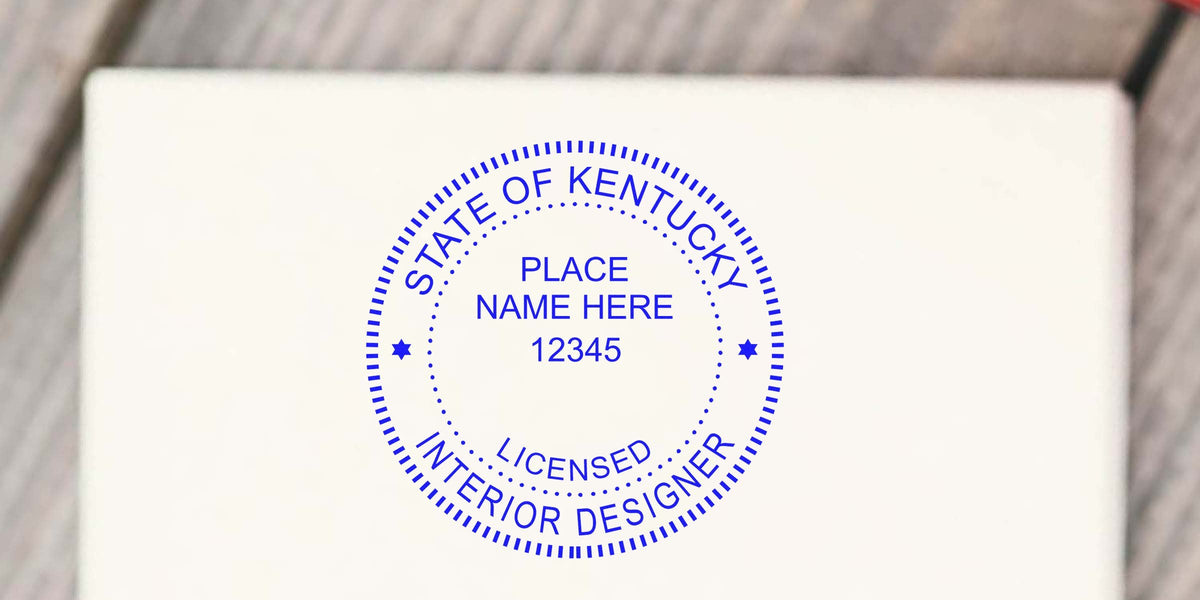
If you’ve been scratching your head over Kentucky interior designer stamp requirements, you’re in the right place. Having the correct professional stamp and seal is more than just a formality—it’s a statement of your credibility and readiness to handle design projects under the state’s rules. A well-executed stamp brings reassurance to both you and your clients, showing that you’ve met all the essentials Kentucky expects from licensed interior designers.
In this post, you’ll learn how to navigate licensing obligations, create a compliant seal for your projects, and ensure you’re using it in accordance with state guidelines. Let’s dive in so you can feel confident about your professional reputation, streamline your documentation, and get back to designing amazing spaces.
Explore Requirements For Kentucky Designers
It might feel overwhelming to dig into local statutes and design regulations, but having a handle on the main guidelines is critical for your daily practice. You’ll discover there are specific rules laid out to protect public health, welfare, and safety, and your Kentucky interior designer seal or stamp is a vital piece of this puzzle.
Why The Stamp Is Essential
Your stamp symbolizes your commitment to upholding Kentucky’s standards. It proves you’re authorized to offer interior design services, and it helps maintain transparency between you and your clients. From a purely practical standpoint, a stamp or seal prevents any confusion about who is responsible for the plans or documents, making it easier for regulatory bodies and clients to verify details.
While these regulations can seem like extra hoops to jump through, remember that they’re designed to enhance the trustworthiness of the profession. When you apply your stamp, you’re effectively saying, “I’ve met all the requirements and stand by this work.”
Official Documentation And Approvals
You might be familiar with other professional stamps in fields like architecture or engineering. The concept is similar here: an official stamp endorses that you, as the designer, have prepared or supervised the interior design documents. While the state laws evolve over time, stamping consistently and correctly will help you avoid legal complications. Check out the Kentucky interior designer seal regulations for more details on official document protocols.
Understand Licensing Rules
Before diving into stamp specifics, take a quick step back and review the broader licensing requirements. Kentucky, like many states, mandates certain credentials to ensure that practicing interior designers meet set educational and experiential standards.
Educational Prerequisites
Many interior design professionals earn a degree from an accredited program, then complete a set number of supervised work hours. Once that’s done, you’ll likely need to pass a licensing exam. Requirements vary, so always verify the current standards with your local regulatory board. If you’re late to the game on licensing, you might have to wait a bit before ordering an official Kentucky interior designer licensing stamp.
Industry Bodies And Oversight
In Kentucky, organizations keep a close eye on professional compliance to safeguard the public. Pay special attention to whether the state’s board recognizes your academic institution or credentialing body. When in doubt, contact them directly. They can highlight any new changes, especially around continuing education and licensing renewal. Their guidance helps you stay on top of recordkeeping, ensuring you’ll have no issue when it’s time to apply your stamp.
Master Seal And Stamp Basics
Once you’ve cleared the licensing hurdle, it’s time to focus on the mark that seals the deal. Whether you prefer a digital seal or the classic rubber stamp, you’ll find that Kentucky has clear guidelines on what your seal should include and how to use it.
Common Design Features
Although every state has its quirks, you’ll often see these elements in Kentucky-approved stamps:
- Your name, exactly as it appears on official licensure documents
- The term “Licensed Interior Designer” or the specific designation required
- Your assigned license number
- The phrase “State of Kentucky” or a similar phrase that clarifies jurisdiction
If you’d like a more detailed breakdown, the Kentucky interior designer stamp information is a handy resource. Small variations are sometimes allowed, so long as key items remain legible and accurately reflect your licensure status.
Proper Use And Placement
Most of your design submissions, including floor plans or furniture layouts, may need your stamp. Typically, you’ll place it near your signature block or project identification. If you’re dealing with multiple pages, you might only need to stamp the main cover sheet—but confirm that you’re meeting the requirements for multi-page documents. If you’re unsure how to integrate stamps for numerous pages, start by reviewing the Kentucky interior designer stamp specifications for acceptable formats.
Follow Format And Size Guidelines
Kentucky also has strict rules regarding the size and clarity of your professional stamp. Inadequate stamps can lead to rejections or confusion—and no one wants to resubmit paperwork because the seal was too small or too fuzzy to read.
Standard Dimensions
Although specifics can shift over time, many interior designers use stamps in a circular or rectangular shape with tubing that’s around two inches wide. Flip through Kentucky interior designer stamp size to verify the current dimension guidelines. Following the correct proportions helps ensure the stamp is visible and consistent, especially when scanning or archiving documents digitally.
Good legibility also matters. Bolder lettering or slightly larger fonts make your seal stand out. Whether you opt for ink-based stamps or embossers, always confirm your impression is crisp. You’ll want bold lines and minimal smudging to keep everything neat and professional.
Required Wording
Your stamp must mention your official licensure title and the state’s name, typically in a ring around the perimeter for circular stamps. You might see some variations like “Registered Interior Designer,” depending on the board’s language preference. If you’re still exploring your options, skim the Kentucky interior designer stamp specifications so you match the state’s exact wording rules.
Comply With Seal Regulations
Beyond stamps, many interior designers in Kentucky also use seals or embossers. While a stamp is often faster and easier, an embosser lends a refined look to final documents. Some designers even prefer combining both methods.
Approved Seal Styles
A seal design often mirrors the stamp features but is pressed into the paper, leaving a raised impression. Documents that have an embossed seal can appear more formal and may convey an added sense of authenticity. If you’d like more clarity on which styles are recognized, refer to Kentucky interior designer seal embosser. It’s a helpful guide when deciding between ink or embossing.
Security Considerations
One advantage of using a seal is it’s much harder to replicate or counterfeit. If you want top-notch security, you can combine a traditional stamp with an embossed impression. This layered approach helps confirm the documents are genuinely yours. Stamps might be simpler to duplicate, but an embosser adds an extra layer of protection—especially useful for important legal paperwork.
Create A Compliant Stamp
Now that you’re up to speed on the fundamentals, it’s time to put these pieces together. Your compliant stamp doesn’t just happen overnight. It typically involves a bit of back-and-forth until all the text and layout details are nailed down.
Customizing Your Seal Layout
Step one is picking the design. Do you want a circular or rectangular stamp? Does your name stand out clearly? Are you comfortable reading the lettering at a glance? Also, think about where you’ll incorporate your license number. It might look best centered below your name, or perhaps aligned around the edge of the circle. If you need a starting point, check out a Kentucky interior designer seal template as a reference.
Proofing And Revisions
Never finalize your stamp without reviewing a proof first. A tiny typo or omitted digit can invalidate the seal. Once you receive your draft design, check for:
- Name accuracy (including any middle initials)
- Proper license number
- Correct wording around the border
- Adequate spacing for legibility
If you spot any mistakes, request modifications. Don’t assume a small misspelling is no big deal. It can lead to confusion down the road. Once everything looks perfect, confirm approval, then move on to creating tangible versions.
Order Your Stamp Responsibly
Not all suppliers are created equal. Some folks rush to the cheapest online printer, but that can lead to subpar impressions or stamps that wear out in a matter of weeks. You don’t want to face a meltdown right before a big submission because your stamp smudges or breaks.
Where To Buy
Established providers who specialize in professional stamps understand the ins and outs of Kentucky’s design requirements. Acorn Sales, for instance, has been in business since 1964 and has decades of expertise in meeting state-specific guidelines. They also offer a Kentucky interior designer stamp online ordering process if you’re short on time. Be sure to poke around to see if they have additional customization features or helpful customer support.
Digital Seal Options
You’ll also find a growing trend toward electronic seals. These can be more secure than traditional files, since digital watermarks track the original source. If the regulatory body allows them, adding a digital seal to PDFs or other electronic documents can expedite your workflow. Acorn Sales even throws in a free digital seal with many of their physical stamp purchases, so you get a versatile solution that can cover both paper and online submissions.
Understand Stamp Costs And Renewal
It’s one thing to create a perfect stamp, but don’t forget to factor in the ongoing costs and possible renewals. After all, your license might expire or your name could change if you get married. Keep yourself prepared for life’s little twists.
Break Down Potential Expenses
You’ll pay separate fees along the way—licensure fees, stamp costs, maybe engraving charges. It might be helpful to check out the Kentucky interior designer stamp cost page for a quick price overview. Occasionally, large firms cover these expenses for their designers. But if you’re a solo practitioner, plan for future stamp or seal updates to ensure you’re never caught off-guard.
When To Update And Renew
Changes in your license status or design credentials typically call for a new or revised stamp. Even if your license number remains the same, state boards might adopt fresh phrasing for official titles. Keep an eye on your renewal date to make sure your stamp usage lines up with current laws. If you’re unsure, confirm with your local board. Overlooking small details could void your stamp, forcing you to redo your paperwork.
Maintain And Store Correctly
Once you’ve invested in a top-notch stamp or embosser, you’ll want it to last. Plus, your stamp is essentially a professional signature. Lost or stolen stamps can lead to legal misunderstandings, so keep them safe.
Cleanliness And Care
Leftover ink buildup or dust might cut down the lifespan of your stamping tool. After each use, wipe the surface with a gentle cloth. Embossers need periodic inspection too, so check the impression for any worn-out details. If you spot fading or irregularities, it may be time to replace the ink pad or consult the manufacturer about repairs.
Safe Storage
One simple step is dedicating a small locked drawer for your work tools. If you have a busy communal office, you especially don’t want your stamp floating around or landing in the wrong hands. Some designers go the extra mile and store their stamps in a locked case with extra padding to ward off potential damage. A little extra caution can save you serious headaches later.
Wrap Up Your Stamp Journey
Navigating requirements for Kentucky interior designer stamps does take some work, but it’s worth it. Once you have a stamp that meets all the state’s guidelines, you’ll streamline your document approvals, reassure clients of your professional standing, and reduce your risk of compliance issues.
Remember:
- Check your licensing prerequisites so you know which stamp you qualify for.
- Make sure your seal design includes your name, license number, and the correct Kentucky markers.
- Stick to size and wording guidelines for clarity and legibility.
- Choose a trusted stamp supplier, such as Acorn Sales, to avoid product or compliance hiccups.
- Keep an eye on renewal deadlines so your stamp remains valid.
With these steps, you can confidently use your Kentucky interior designer seal on all the documents that pass through your desk. It’s a small detail that can make a huge difference in your professional reputation.
Feel free to share your experiences with Kentucky interior designer seal and stamp usage. The more you know, the easier it gets to deliver top-notch proposals and design packages—no hassles, just beautiful, functional interiors that stand the test of time. Happy stamping!
Frequently Asked Questions
Do I Need A Physical And Digital Stamp?
It depends on your workflow and the rules of your local board. Many designers like having a physical stamp for tangible submissions and a digital seal for quick online filings. Companies such as Acorn Sales often include a free digital seal with a stamp purchase, so you can cover both bases.
How Often Does The License Need Renewing?
Kentucky licensing renewals vary. You typically renew every couple of years, but requirements can change. Check official state board announcements or Kentucky interior designer stamp information so you’ll know if you need an updated stamp.
What If My Stamp Doesn’t Match The State’s Specs?
Even minor deviations from Kentucky interior designer stamp specifications can lead to document rejections. Always review a final proof before ordering. If you’ve already purchased a stamp and notice mistakes, contact your supplier for a correction.
Can I Get A Refund If My Stamp Is Rejected?
Policies differ by company. Some may allow a partial refund or a replacement, especially if they made the error. Clarify any warranty or guarantee with your chosen provider upfront. It’s usually best to go with a trusted supplier with a proven history of success, like Acorn Sales, to minimize risks.








