
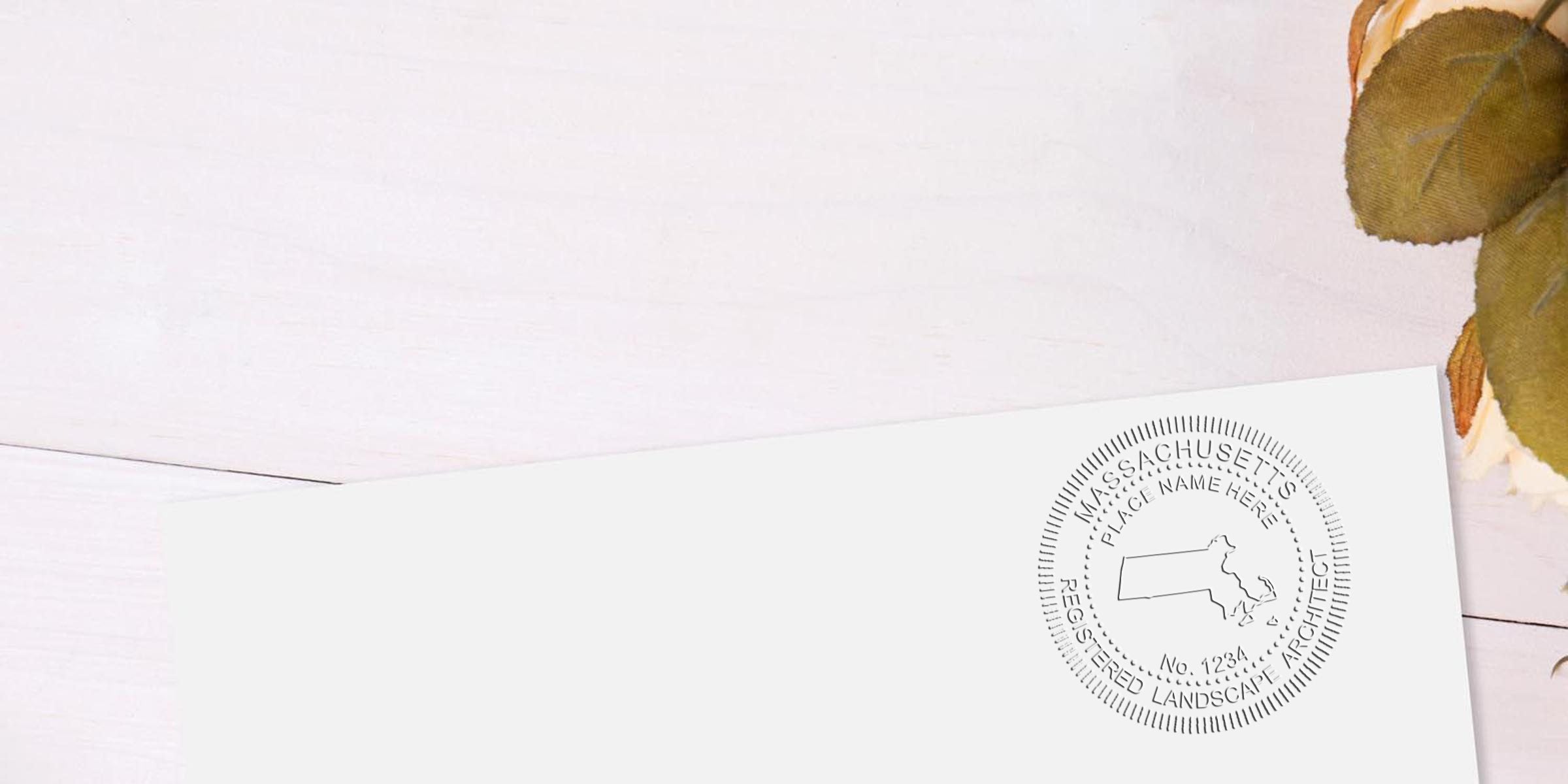
You may be wondering how to tackle your official seal as a landscape architect in Massachusetts. Designing a clear, professional seal can feel like a big task, but the good news is that it’s actually more straightforward than it looks. In fact, mastering Massachusetts landscape architect seal design simply requires you to follow a few standard guidelines, embrace clarity in your layout, and understand where to go for the right tools.
In this post, you’ll learn how Massachusetts sets its requirements for landscape architect stamps and seals, the essential elements you need to include, and where to find helpful support if you’re in the market for a new seal. By the end, you’ll have a solid idea of how to ensure your seal meets all the rules while reflecting your unique professional identity.
Recognize Why the Seal Matters
Your seal isn’t just a formality. It’s the stamp of trust and legal assurance for clients, government agencies, and the larger public. When people see your Massachusetts Landscape Architect Seal, they know you’re authorized to practice, certified to oversee projects, and compliant with state regulations. Think of it as your professional handshake. A neat, well-designed seal tells people that you take your responsibilities seriously.
Why It Builds Confidence
- It demonstrates that you have met the official criteria of licensure.
- It underscores your commitment to best practices and ethical standards.
- It provides a clear way to mark plans and documents that you have personally reviewed and approved.
Follow Massachusetts Requirements
Massachusetts has specific guidelines for landscape architect seals, much like other states in the U.S. While regulations can seem overwhelming, they’re typically designed to ensure clarity and uniformity in official documents. It’s always wise to check the most current rules with the state board, but here are some basics that often apply:
- Include your name in a legible format.
- Display your state and license number.
- Maintain a circular or oval design with a standardized diameter (often around 1⅝ or 2 inches, though exact dimensions may differ).
- Use the appropriate text: “Commonwealth of Massachusetts” or “State of Massachusetts,” plus “Registered Landscape Architect,” based on the licensure board’s requirements.
If your seal misses any of these elements, your documents might run into needless red tape. Double-check the official boards and the latest licensing policies. That way, you’ll avoid misprints and potential fines.
Nail the Design Elements
Once you meet the technical requirements, your next step is to be sure your seal is both eye-catching and easy to read. You want that perfect balance: official, yet approachable. That can essentially be achieved with clean lines, simple typefaces, and no fancy fluff.
Keep Typography Simple
Pick a font that’s straightforward and legible. Often, you’ll see state seals in a block or serif typeface that’s large enough to remain readable when stamped on official documents. Avoid fonts that might look cool in a graphic design sense but confuse your clients and regulatory agencies.
Watch Out for Clutter
Too many lines, icons, or shapes can shrink the important details. Seal space is limited, so each item on your stamp should have a purpose. A crisp border, your name, and the “Registered Landscape Architect” label are really all you need. If you do want decoration, keep it subtle.
Steer Clear of Common Pitfalls
No one wants to order a pricey seal, have it shipped, and realize that it’s missing the right text or the sizing is off. Here are a few pitfalls that landscape architects sometimes stumble into:
- Incorrect License Number: Make sure your number is completely accurate.
- Unapproved Fonts or Artwork: Check if Massachusetts lists any style restrictions.
- Size Mismatch: Confirm diameter requirements before purchase, since a wrong size often means having to reorder.
- Illegible Seals on Digital Drawings: If you plan to place your seal on plans digitally, verify the resolution is high enough for clarity in print.
Getting these details right the first time saves you headaches, wasted time, and extra expenses.
Choose a Trusted Supplier
Finding the right supplier can make your life a whole lot easier. Graduation from “DIY attempts” to a professional service is pretty common for new architects who suddenly see how detail-oriented sealing can be. This is where Acorn Sales has your back. We’ve been in business since 1964, serving as a trusted supplier for Massachusetts Landscape Architect stamps and seals. Whether you need a physical stamping device or a digital-only version, you’ll find a range of durable, well-crafted options. Plus, you can get a free digital seal to effortlessly incorporate into your electronic documents.
Why Work With a Reputable Vendor
- Quality Control: Reputable suppliers have layout experts who ensure your text is spelled correctly and meets official guidelines.
- Range of Options: From self-inking stamps to handheld embossers, you can pick what suits your workflow.
- Fast Support: If you ever need to update your seal or reorder supplies, you know exactly who to call.
Acquire Your Seal Efficiently
Ready to get your new seal? Here’s a straightforward path you might follow:
- Double-Check Requirements: Revisit Massachusetts rules to confirm you have the right text, layout, and size.
- Gather Your Info: Include your legal name, license number, and any specific board requirements.
- Contact a Supplier: Look for a trusted supplier like Acorn Sales. Provide their support staff with the specifics of your license and any unique requests.
- Review the Proof: Most suppliers will send a digital proof. Carefully examine every letter. This is the time to catch a small misspelling or a reversed digit in your license.
- Approve and Place the Order: Once you’re happy with the proof, submit your final approval. Your supplier can then finalize the seal or stamp production.
- Test Your Stamp: On receiving your new seal, practice on a scrap sheet to ensure it prints correctly.
During this process, don’t be shy about asking for clarifications. If your license board updates their guidelines, go ahead and let your supplier know. That can spare you reorders if the style requirements shift unexpectedly.
Explore the Mass. Landscape Architect Stamp Option
Sometimes, you may see slightly different references to official seals, such as the Massachusetts Landscape Architect Stamp. Although "stamp" and "seal" are often used interchangeably, each term describes the same official marking device. By reviewing both terms, you can find the product that fits your preference, whether it’s a physical ink stamp, an embosser, or a digital imprint.
Comparing an Ink Stamp and an Embosser
| Feature | Ink Stamp | Embosser |
|---|---|---|
| Appearance | Crisp, dark impression, easy to read | Raised imprint for a visually textured seal |
| Convenience | Quick, can be re-inked as needed | No ink required, but more pressure needed |
| Best For | High-volume stamping tasks | Formal or elegant presentation |
Ask yourself how many official documents you’ll process, how critical a raised impression is, and how neat you want your documents to look. In many cases, professionals keep both an ink stamp and an embosser for maximum flexibility.
Understand Digital vs. Physical Seals
Technology has changed how we sign and seal official plans. Many architects like the fact that a digital seal saves them time, especially if they submit drawings electronically. In Massachusetts, a digital platform is often acceptable, provided it follows regulations around signature security and authenticity. However, some situations or clients still require a physical seal or a wet signature.
Perks of a Digital Seal
- Environmental Efficiency: No ink or supplies used.
- Speedy Corrections: Just drag and drop a seal onto your document file.
- Accessibility: Share your sealed drawings with clients, contractors, or agencies in seconds.
If your local board permits it, you can take advantage of a no-cost digital seal from suppliers like Acorn Sales. It’s a real time saver when you’re swamped with project deadlines.
Maintain Your Stamp or Seal
Once you invest in a well-crafted seal, it’s worth ensuring it remains in tip-top shape. A stamp that’s clogged with ink or an embosser with dull edges can produce faint or crooked impressions.
- Store It Properly: Keep your stamp in a cool, dry place. If you have an embosser, store it in a protective box or sleeve to avoid bending any metal parts.
- Re-Ink When Needed: If you notice faint images, it’s time to refresh the ink for better clarity.
- Clean Gently: Over time, ink can build up in the crevices of your stamp. Clean these gently with a soft, damp cloth or specially designed stamp cleaner.
A little attention keeps your seal crisp and your official documents professional.
Avoid Compliance Issues
One of the biggest headaches you can face is using an outdated or incorrect seal on your drawings. Regulations can change, and your license details can evolve (like an upgrade in your professional standing or a name change). If anything in your personal or legal status shifts, you might need a new seal.
- Periodically Check Regulations: The Massachusetts board may update instructions or design specs over time.
- Renew Licenses Promptly: An expired or suspended license can trigger serious issues, so stay current.
- Track Name Changes: If you legally change your name, promptly update your seal so it matches all official documents.
Keeping these in order helps you maintain a flawless record and avoid potential friction in the permitting process.
Showcase Professionalism
At the end of the day, your seal serves as a visual ambassador of your expertise. High-quality stamps and seals reflect your attention to detail and reinforce your credibility in the eyes of clients, contractors, and regulatory agencies. Whenever someone sees your seal, it can inspire confidence that the plan has been rigorously reviewed and prepared by a licensed pro.
Summing It All Up
You don’t have to be a design wizard to create a seal that meets Massachusetts requirements. You just need to know the rules, aim for clarity, and rely on a trusted supplier who can help you avoid common pitfalls. Acorn Sales has been around since 1964, and we consistently see how a well-designed seal simplifies project approvals and helps you stand out as a detail-driven professional.
Massachusetts has clear guidelines so that your official seal can do its job, which is to validate your documents and reinforce your authenticity. By merging accurate content (like your name and license number) with a clean design, your stamp or seal can be both functional and polished. After all, a seal is more than a rubber impression. It’s a sign that you’re someone who meets professional standards and cares about quality on every sheet you touch.
Ready to move forward confidently? Let your new or updated seal speak for your dedication and skill. You’ve got this.
Frequently Asked Questions
How do I confirm the current seal requirements for Massachusetts?
You’ll want to check directly with the Massachusetts board that oversees landscape architects. Their official website typically lists seal specifications (like diameter and wording) and any recent updates.
Can I use a digital seal on all my documents?
Many Massachusetts agencies accept digitally sealed documents, especially for online submissions. Just be sure your signature and seal follow security rules and licensing board requirements. If you’re unsure, call the agency handling your project to confirm.
What’s included with the free digital seal from Acorn Sales?
Acorn Sales offers a neat digital file of your official seal so you can easily place it into PDFs or other electronic documents. If you need help using it, their support team can walk you through the steps.
Is there a difference between a stamp and a seal?
In practice, “massachusetts landscape architect seal” and “stamp” are often interchangeable. A physical stamp uses ink to create an impression, while an embosser uses pressure to create a raised image. Both accomplish the same goal, but your preference may hinge on aesthetics or client requirements.








