
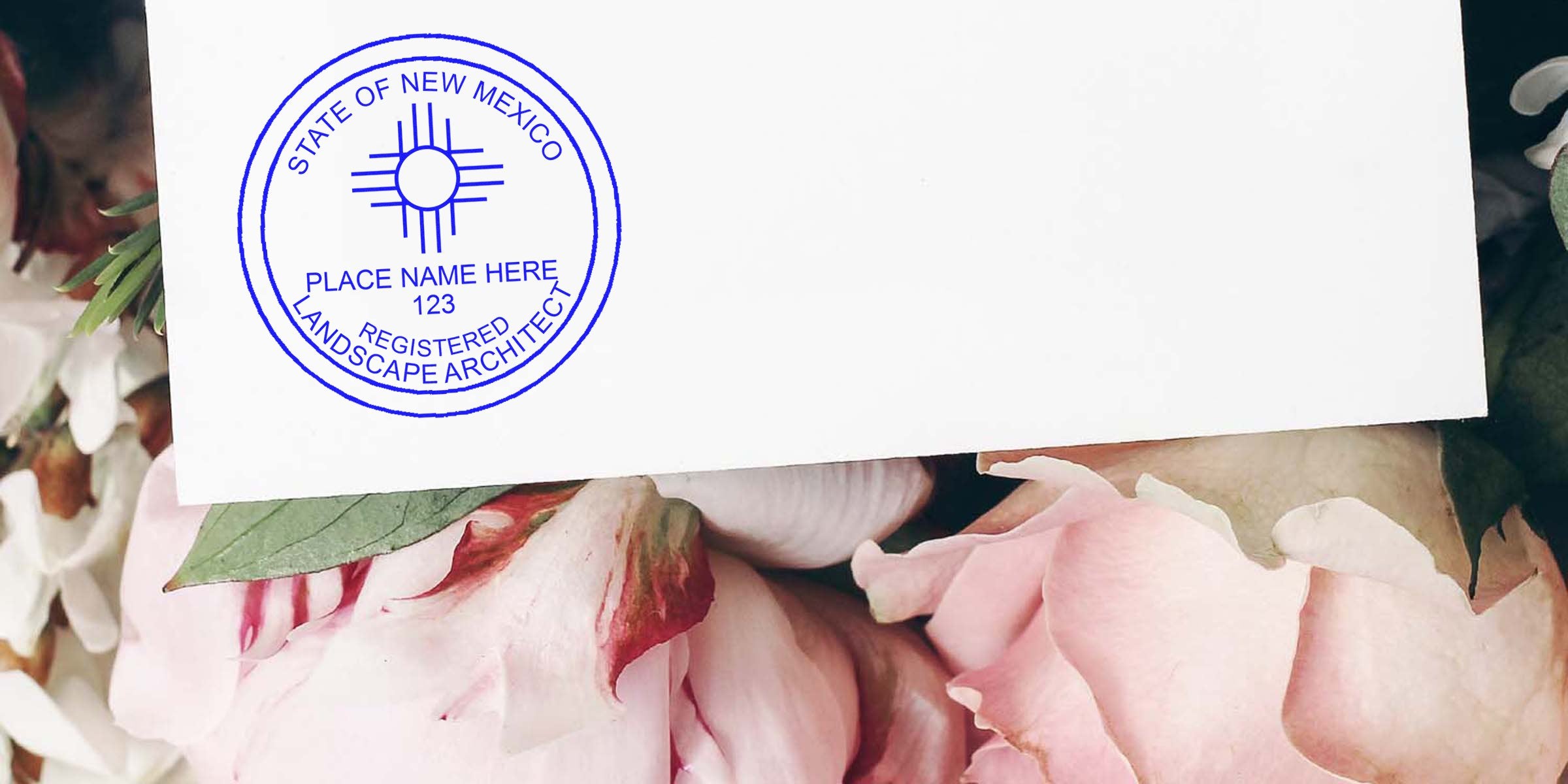
If you want to finalize your New Mexico landscape architect seal design but aren’t quite sure where to start, you’re in the right place. Designing a professional seal is not just about following regulations, it’s also about showcasing your credibility as a licensed landscape architect. You might be wondering what elements go into a compliant seal and how to ensure yours meets all the state-specific guidelines. In this post, we’ll explore the important details of creating a seal that satisfies New Mexico’s requirements, while also reflecting your unique style as a practicing landscape architect.
Understand the Basics of a Seal
Before diving into the specifics of any seal design, it helps to understand why this official mark matters. Your seal acts as a visual statement of your expertise and certification. In New Mexico, it affirms that you’ve met the licensing requirements set forth by the local board for landscape architects. It also symbolizes your agreement to uphold ethical and professional standards in your projects.
Why It Matters
- Proves Professional Status: A seal shows you’re licensed to practice in New Mexico, demonstrating that clients can trust your work.
- Complies with Legal Requirements: State regulations require landscape architects to stamp or seal drawings, specifications, and other documents.
- Builds Client Confidence: A neat, properly styled seal reassures clients that you’re no amateur.
By respecting these guidelines, you protect yourself and your clients, because your stamped work communicates legitimacy to anyone who sees it. It’s not just a bureaucratic hoop to jump through, it’s a meaningful emblem of your profession.
Key Elements for a Compliant Design
When you’re working on a New Mexico landscape architect seal, you have to keep it visually clear and legally sound. Let’s break down the core elements you should consider.
The Right Shape
Different states can have specific preferences, but many adopt a circular or round seal shape. New Mexico tends to follow suit. Why a circle? Because it’s traditional and has ample space to include relevant information, such as:
- Your Name
- The State Name (New Mexico)
- The Words “Licensed Landscape Architect”
- License Number
Clear Text and Font
Legibility is critical. You could use a simple, professional font (think Arial or a similar sans-serif) and ensure the letters don’t blur or look cramped. The font size should be large enough so that, when printed, everything remains readable. Avoid overly decorative fonts because licensing boards often don’t appreciate design elements that obscure the information.
Proper Identification
Your seal shouldn’t be so cluttered that someone has to squint. Instead, it should clearly state who you are and why you’re authorized to practice. Include:
- Your full legal name.
- Your license number, assigned by the New Mexico board.
- A reference to New Mexico so there’s no confusion about your jurisdiction.
These details go beyond just meeting regulations. They also help you stand out as a credible professional who takes every detail seriously.
Check New Mexico’s Requirements
It’s essential to do a little homework before finalizing your seal design. Each state, including New Mexico, has its own landscape architect stamp and seal regulations, so don’t assume what works elsewhere will fly here. If you’re curious about additional guidelines, check out the specific stamp requirements for New Mexico landscape architects. That resource covers technicalities like minimum diameter, acceptable fonts, and whether digital seals are allowed.
Common Regulations to Keep in Mind
- Size Recommendations: Typically, seals range from about 1 to 2 inches in diameter, though specific rules might state an exact limit.
- State Board Approval: Make sure your design aligns with the recommended board template, if available.
- Usage Restrictions: Certain states insist that the seal be used only on final documents, not on preliminary drawings.
Pay special attention to the New Mexico board’s instructions. Missing a small detail can turn into a big hassle if your submissions aren’t accepted due to an incorrect seal.
Steps for Creating Your New Mexico Landscape Architect Seal
While every designer’s process can vary, below is a straightforward path to ensure your seal checks all the boxes. Think of this section as your mini to-do list.
-
Gather Official Guidelines
- Start by reading through the local regulations. This includes verifying the required phrases and the correct seal size.
- Double-check if there’s a standard layout the board prefers.
-
Sketch or Conceptualize
- Draft a few ideas on paper or use basic design software.
- Experiment with different circular layouts and text placements until you find a look you like.
-
Choose Your Font
- Stick to something that is easy to read.
- Keep an eye on spacing so the text isn’t cramped.
-
Test Print for Clarity
- Print a test copy of your seal to see if it’s legible at actual size.
- Check that your name, license number, and the state’s name are all crystal clear.
-
Present It for Approval
- Once you feel confident, finalize the digital version.
- If required, send it to the New Mexico board for review.
Completing these steps helps you avoid guesswork. You’ll feel more assured that your seal meets every requirement and doesn’t miss out on key details.
Using the Seal in Digital and Print Formats
You might wonder if it’s okay to use a digital seal. The short answer: yes, but only if your state board allows it. Fortunately, many states now recognize digital seals, including New Mexico, though specific rules can differ. Here are a few pointers:
Digital Seal Tips
- High-Resolution File: Save your seal in a high-resolution format like PNG or PDF. This ensures the edges stay sharp when you scale the seal.
- Secure Storage: Keep a master copy stored safely, perhaps on an external hard drive or a secure cloud service. That way, you can’t accidentally delete or corrupt your only file.
- Annotation Tools: Adding a digital signature often pairs well with your seal. This can help strengthen the authenticity of your electronic documents.
Printed Seal Tips
- Quality Ink: If you’re using a physical stamp, opt for professional ink that won’t smudge or fade.
- Stamping Technique: Practice on scrap paper to avoid uneven or blurry images. Old stamps might require reinking or replacement if the details are wearing down.
- Paper Weight: If you’re stamping on official documents, use a paper thick enough so ink won’t bleed through.
Avoiding Common Pitfalls
Designing your seal might feel simple, but you’d be surprised how easily small mistakes can derail the process. Here are a few pitfalls you can avoid with a bit of foresight.
Overcomplicating the Layout
You might be tempted to add extra graphics or fancy calligraphy. If that’s your style, you might think it sets you apart. But state boards typically require you to maintain clarity. An overly decorative seal can lead to confusion, and boards generally frown upon designs that are too artistic.
Not Verifying Spelling
It sounds basic, but you’d be amazed how often a name or license number gets typed incorrectly. Always recheck the spelling of your name and ensure your licensure details match what’s on file with the New Mexico board.
Ignoring Board Updates
Laws and guidelines can update over time. Even if your seal was fine five years ago, it may need a refresh if regulations have changed. Make it a habit to periodically review the board’s website to see if any new directives have been issued.
Forgetting the Black-and-White Test
Your seal might look awesome in color, but official documents are often printed in black and white. Always make sure your seal remains clear and readable in monochrome. Overlapping colors or subtle contrasts sometimes vanish when printed in grayscale.
How the Seal Reflects Professionalism
Your seal isn’t just about fulfilling the letter of the law. It’s a statement of who you are. It speaks to your level of professionalism and the pride you take in your work. Whether you’re submitting site plans, design proposals, or final construction drawings, that tiny mark carries serious weight. It says, “I am an authorized professional, and I stand behind this project.”
Elevating Your Credibility
- Instantly shows you have the required credentials
- Helps you stand out in competitive project bids
- Enhances perceived trustworthiness among clients
Your seal can even act as a subtle marketing tool. When someone sees your name and license number on a stamped document, they’re reminded that you’ve dedicated time, money, and energy to become a trusted authority in your field.
Keeping the Seal Secure
Because your seal is a powerful symbol of your authorization, it’s essential to keep it out of the wrong hands. Whether you opt for a physical stamp or use a digital file, ensure only you (and perhaps a small circle of trusted staff) can access and apply this seal.
Physical Seal Security
- Store your stamp in a locked drawer or safe.
- Maintain a tracking log of when it’s used and on which documents.
Digital Seal Security
- Password-protect the file.
- Use secure software for any final sign-off process that includes your seal.
- Avoid sending the raw seal file via email unless it’s encrypted.
A small oversight can have big consequences, so treat your seal with the same level of care you’d give to any professional credential.
When to Update or Redesign
As your career evolves, you might need to tweak or redesign your seal. Perhaps you changed your name, or you moved to a new address and want to note it. In any case, always check with the New Mexico board before making adjustments. Some boards require an official re-approval, while others simply expect you to maintain the correct information on file.
Reasons You Might Need a Redesign
- Name Change: Maybe you got married or decided to rebrand under a new business name.
- Additional Credentials: If you’ve earned new licenses or certifications, you might want them reflected in your seal, although state rules often limit extra text.
- Updated Style: You might feel your old seal looks outdated or doesn’t match your current branding.
No matter what changes you make, keep clarity and compliance front and center.
Quick Reference Table for New Mexico Seal Design
Below is a brief table summarizing the key details to keep in mind. Feel free to refer back to it any time you’re unsure about the essentials.
| Aspect | Requirement/Recommendation |
|---|---|
| Shape | Circular preferred |
| Size | Typically 1–2 inches diameter |
| Text | Must include your name, state, license no. |
| Font Style | Simple, legible (e.g., sans-serif) |
| Digital or Physical | Both allowed, per New Mexico guidelines |
| Color Choice | Generally black for official documents |
| Board Approval Needed? | Verify with state board |
| Update Frequency | As needed, check board regs |
Recap and Final Thoughts
Designing a New Mexico landscape architect seal can be straightforward when you focus on clarity, compliance, and consistency. Start by reviewing state regulations so you understand what’s required. Pick a clean font, make sure your name and license number are correct, and keep the overall layout simple.
Going digital? Great, as long as you follow the local guidelines. And if you’re still uncertain about any detail, circle back to the specific stamp requirements for New Mexico landscape architects. Once your seal is ready, you’ll likely feel a sense of pride. You’ll have a clear, compliant marker of your professional identity. And best of all, you’ll present yourself to clients and colleagues as the genuine, licensed landscape architect you are.
If you have any design tips or personal experiences to share, I’d love to hear them. Feel free to leave a comment and keep the conversation going. Happy designing, and may your official seal always reflect the best of your talent, competence, and professionalism!
Frequently Asked Questions
What are the basic requirements for a New Mexico landscape architect seal?
A New Mexico landscape architect seal should clearly identify you and your licensure details, usually including your full name, the state name, “Licensed Landscape Architect,” and your license number. It should be legible, professional, and compliant with current New Mexico board requirements.
What shape and size should a New Mexico landscape architect seal be?
A circular seal is commonly preferred because it provides a clean, professional layout and enough space for required information. Seal size often falls around 1 to 2 inches in diameter, but you should always confirm the exact New Mexico landscape architect stamp requirements with the state board.
Can I use a digital New Mexico landscape architect seal?
Yes, many professionals use digital seals, but only if New Mexico’s current rules allow it. If digital seals are permitted, use a high-resolution file format like PDF or PNG, keep it securely stored, and make sure it remains clear when printed or shared electronically.
What information must be included on a landscape architect seal in New Mexico?
Your seal should typically include your full legal name, your New Mexico license number, and a reference to the state of New Mexico. Some boards may also require specific wording such as “Licensed Landscape Architect,” so it’s important to review the latest regulations before finalizing your design.
How do I make sure my New Mexico landscape architect seal is compliant?
Start by reviewing the official New Mexico board guidelines, then design a simple seal with clear text and a professional font. Test-print it at actual size, check readability in black and white, and verify that all required details match your licensure records before using it on official documents.
When should I update or redesign my New Mexico landscape architect seal?
You should update your seal if your name changes, your license information changes, or New Mexico board regulations are updated. It’s also a good idea to redesign it if your current seal is hard to read, outdated, or no longer meets compliance standards.








