
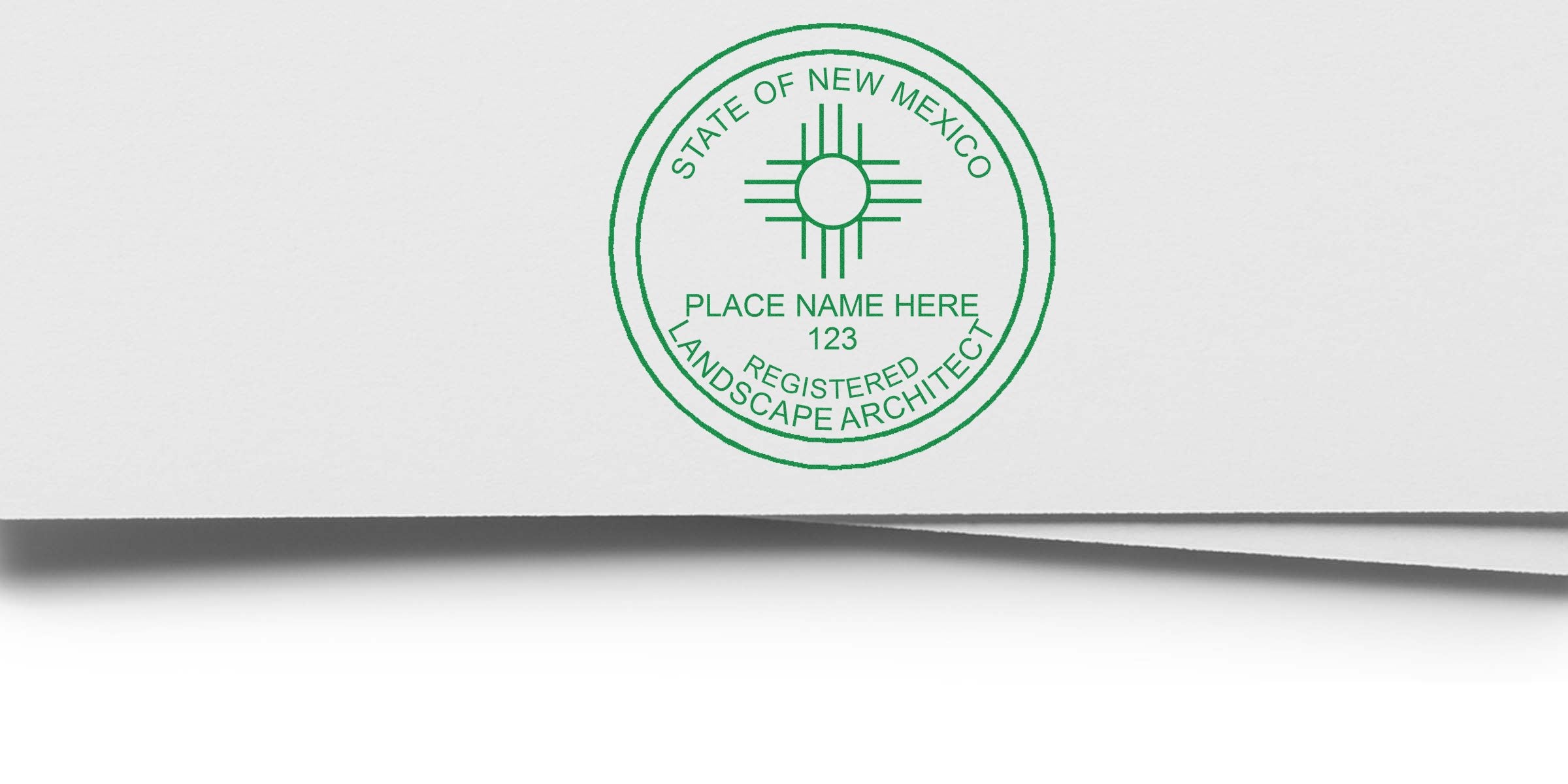
You might be surprised by how many details go into ensuring New Mexico landscape architect seal authenticity. Whether you’re about to purchase your very first seal or looking to update an existing one, it’s important to know the fundamentals. After all, maintaining a valid and professional seal not only satisfies legal requirements, but it also projects credibility to clients and colleagues. In the sections below, we’ll explore what you need to know, from regulatory guidelines to tips for proper use. Let’s dive in.
Recognize Seal Authenticity
A landscape architect’s seal functions as your professional signature. In New Mexico, your seal or stamp should be authentic—meaning it meets all official design criteria and is used according to state guidelines. But you might wonder, what does “authentic” truly mean here?
It starts with the right layout and verifiable information. If you’re working with a seal manufacturer, they must follow New Mexico regulations on size, wording, and outer markings. In addition, authenticity extends to how you apply your seal; it must be legible, unaltered, and correctly positioned. Verifying your seal’s authenticity helps ensure that any plans or documents you sign off on carry the legal and professional weight required in your field.
Why Authenticity Matters
- It protects your reputation. A professional, compliant seal reflects your commitment to industry standards.
- It ensures all paperwork is valid in official contexts. Properly prepared documents reduce rejections or requests for revisions from agencies.
- It safeguards public interests. Clients and municipalities rely on accurate, authenticated drawings from licensed professionals.
Know Your Requirements
Before you order your seal or stamp, you’ll need a clear understanding of New Mexico’s regulatory requirements. These rules go beyond aesthetics—they govern key elements like your name, license number, and the official text that must appear. You can also explore the specific details about New Mexico landscape architect stamp requirements to confirm that your seal design meets official guidelines.
Stamp vs. Seal
In everyday conversation, you’ll hear the words “stamp” and “seal” used almost interchangeably. However, there can be technical differences:
- A stamp might refer to a rubber device you press onto ink and then apply to your documents.
- A seal can be a crimp or embossed impression that’s physically pressed into the paper.
Whichever format you choose in New Mexico, both serve the overarching purpose of official documentation. Just be sure your chosen method fulfills the state’s requirements for clarity and legibility. If your mark is too faint or your text is unreadable, you risk the document being considered invalid.
Checking State Board Guidelines
The New Mexico Board that oversees landscape architects offers official documentation on seal use. While these guidelines might look dense at first, they streamline the compliance process. They’ll outline:
- Exact rules on seal diameter and border.
- The specific wording that must appear around the border.
- Approved abbreviations or acceptable design variations.
Keeping this document handy is wise whenever you’re planning to create, order, or replace your seal.
Identify Key Design Elements
Your seal is more than just a circle or oval with your information. It reflects your professional identity. However, the state imposes certain mandates on the design. Below are core elements that should show up on a New Mexico landscape architect seal:
- Your Name: Always match the exact name on your license. Omitting or adding middle initials, for instance, could lead to confusion.
- License Number: This critical piece ensures traceability. When you sign and seal a plan, the license number states who is legally responsible.
- State Identification: “New Mexico” should appear to clarify your licensure location.
- Professional Title: The words “Landscape Architect” or “Registered Landscape Architect” are mandatory.
- Outer Border: Most seals feature a border that encloses all text and design elements, usually conforming to size specifications stated by the board.
Required Wording
If you glance at an approved seal, the text along the edge often indicates: “State of New Mexico, Registered Landscape Architect,” plus your name and license number. Avoid adding extra titles or designations that might cause confusion. For example, you might be a LEED-accredited professional as well, but avoid bundling that into your official stamp design unless permitted by the state board.
Avoid Common Pitfalls
Even with the right design, you might still bump into issues if you’re not careful about how and when you use your seal. Here are some typical mistakes landscape architects make, along with tips to steer clear of them:
- Using an Illegible Mark: If the seal ink is too light or the embossed mark is too faint, your stamp might be considered invalid. Always check that every detail is visible.
- Forgetting Signature Dates: You often need to accompany your seal with a written or digital signature plus a date, to confirm your plan submission timeline.
- Stamping Unfinished Drafts: Putting your seal on incomplete work can leave you liable for incomplete or inaccurate data. Only seal documents that are final or revised under your direct supervision.
- Ordering From Unapproved Vendors: Some manufacturers may not stay up-to-date on the latest legal requirements. Verify that your source knows New Mexico’s rules.
Remember, if you’re unsure about the official signage on your seal or need guidance on specifics like text alignment, you can revisit the New Mexico landscape architect stamp requirements. These standards exist to help you avoid headaches down the line.
Maintain Long-Term Compliance
Meeting the requirements once isn’t a “set it and forget it” deal. Regulatory guidelines can shift over time, particularly if the state board updates its rules. As a result, you’ll want to keep track of changes to ensure you’re always in compliance.
Regular Renewal Checks
New Mexico landscape architect licenses typically have a renewal process, which might be annual or biennial, depending on the state’s structure. Each time you renew, double-check:
- Have the design requirements for seals or stamps changed?
- Do you need to update your license number or professional credentials?
- Are you required to use an electronic seal for digital submissions?
A quick look at the board’s website or a phone call to their office can confirm whether any new regulations apply.
Secure Storage and Digital Archives
Physical seals can get lost or damaged over time. When storing your stamp or embossing tool, treat it like an official signature. It should be kept in a secure location, away from unauthorized use.
For digital workflows, make sure you have a reliable and secure way to apply an electronic seal, complete with authentication measures if the board allows it. Storing digital copies of sealed documents in encrypted archives not only safeguards your work but also helps if any questions arise about your responsibility for specific designs.
Secure A Trustworthy Vendor
When the time comes to buy or replace your seal, it’s crucial to choose a reputable manufacturer. A quality vendor will guide you through state regulations and confirm that the final product meets every last rule. Consider these pointers:
- Ask Whether They Understand NM Requirements: The vendor should be able to recite state guidelines or at least reference them.
- Request a Proof Before Printing: Checking a digital mock-up helps you confirm spelling, layout, and spacing before production.
- Look for Return Policies: In case there’s a mismatch, a vendor that offers returns or re-dos shows more commitment to your satisfaction.
If a provider has never heard of New Mexico’s regulations, that doesn’t necessarily mean they’re not capable, but do proceed with extra caution. You don’t want to order a seal twice because the first version missed a critical detail.
Comparing Vendor Options
Below is a quick table to help you weigh certain priorities before making a purchase.
| Priority | What to Look For | Why It Matters |
|---|---|---|
| Regulatory Knowledge | Evidence they follow NM guidelines | Prevents noncompliant stamp or seal |
| Quality of Materials | Durable metals or rubber construction | Seal remains crisp after repeated use |
| Turnaround Time | Clear estimate on production & shipping | Helps you plan for current projects |
| Customer Support | Easy communication and policy clarity | Simplifies troubleshooting any issues |
Use this table as a starting point in conversations with potential seal makers. It’s also good to check online reviews or ask fellow landscape architects in New Mexico who they recommend.
Conclude Your Journey
Ensuring “New Mexico landscape architect seal authenticity” can initially feel overwhelming, but it’s all about meeting straightforward requirements and using your seal responsibly. By understanding the core regulations, customizing the key details of your seal, and verifying that you’re up to date with any changing requirements, you’ll keep yourself on track.
Above all, remember that your seal represents your professional identity. Whether you’re designing an outdoor park for a public institution or helping a private homeowner bring their landscaping dreams to life, a properly used, authentic seal helps validate your expertise. It’s a stamp of trust in your skill and integrity.
If you’re still in the planning stages, circle back through your state board guidelines or check out the New Mexico landscape architect stamp requirements again to ensure everything aligns. And as you move forward, hold onto this guide as a quick reference whenever questions pop up. Possessing a compliant seal not only keeps you in line with the law but also assures your clients and colleagues you’re fully committed to quality.
Feel free to share any experiences or questions in the comments. You’re part of a community of dedicated landscape architects, all aiming to keep their work properly certified and recognized. With the right seal and the right approach, your projects will stand on solid legal and professional ground. Good luck out there.
Frequently Asked Questions
What are the required elements of a New Mexico landscape architect seal?
Answer: A compliant New Mexico landscape architect seal typically includes your exact licensed name, license number, the state name “New Mexico,” and the title “Landscape Architect” or “Registered Landscape Architect,” all within the board-approved border and layout. Always verify current state board rules before ordering.
What is the difference between a landscape architect seal and a stamp in New Mexico?
Answer: In practice, “seal” and “stamp” are often used interchangeably, but a stamp usually refers to an inked rubber device while a seal may refer to an embossed or crimped impression. Either format must meet New Mexico’s visibility, wording, and design requirements to be valid.
How do I know if my New Mexico landscape architect seal is compliant?
Answer: Check that the seal matches your license information exactly, includes all required wording, is legible, and follows current state board guidelines for size and border design. If you’re unsure, compare your seal against the latest New Mexico landscape architect stamp requirements or confirm with the state board.
Can I use a digital seal for New Mexico landscape architect documents?
Answer: You may be able to use an electronic seal for digital submissions if New Mexico board rules allow it and if it’s applied securely and clearly. Be sure to confirm whether digital signatures, authentication measures, and file retention are required for compliance.
What are the most common mistakes to avoid when using a landscape architect seal?
Answer: Common mistakes include using an illegible seal, forgetting to include a date or signature, sealing unfinished drawings, and using a noncompliant or outdated seal design. These issues can lead to rejected documents or compliance problems, so always review final plans before sealing.
How do I choose a trusted vendor for a New Mexico landscape architect seal?
Answer: Choose a vendor that understands New Mexico seal requirements, provides a proof before production, uses durable materials, and offers clear customer support and return policies. A knowledgeable vendor helps ensure your seal is accurate, compliant, and ready to use.








