
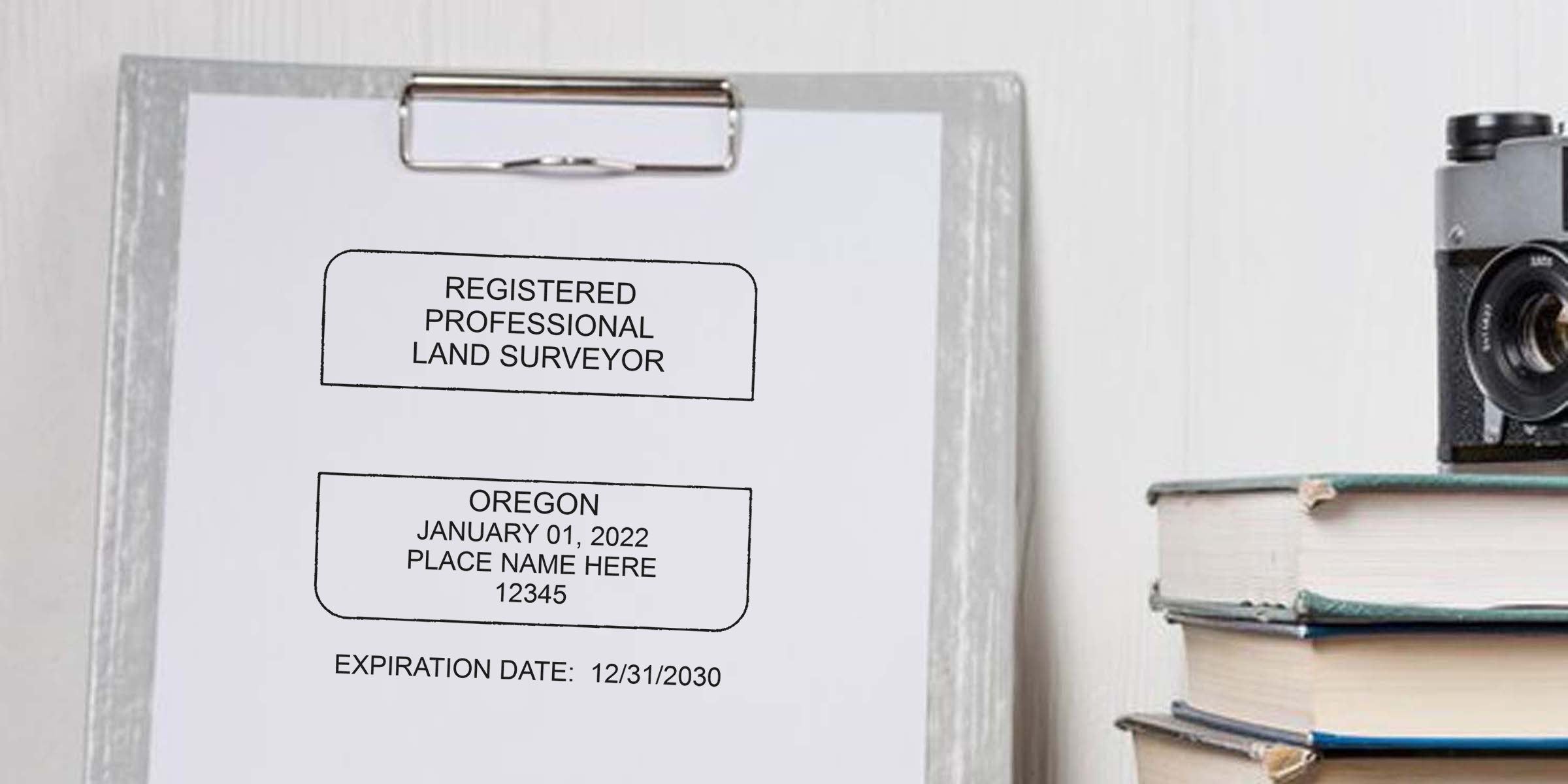
Mastering Oregon Land Surveyor Stamp Rules for Success can play a huge role in your professional credibility. If you’re hoping to meet Oregon’s specific guidelines, you’re in the right place. These rules exist for a reason, and understanding them thoroughly helps you avoid potential legal hiccups, maintain accurate records, and deliver consistent quality to your clients. In this article, we’ll walk through everything you need to know about these regulations and how they affect your day-to-day work as a land surveyor in Oregon. By the end, you’ll feel confident about getting your stamp, using it properly, and staying in good standing with every project you tackle.
Understand Key Oregon Regulations
State regulations might sound daunting, but they’re there to protect everyone involved in land surveying projects. From verifying boundary lines to preparing clear documentation for property owners, each step has a specific purpose. By learning Oregon’s requirements and licensing procedures, you’ll streamline your workflow and gain the trust of property owners, developers, and government agencies.
The Importance Of Professional Licensing
You can’t legally call yourself a practicing land surveyor without proper licensing. This legal step ensures you’ve met Oregon’s educational standards, fulfilled any supervised experience, and passed the qualifying exams. Once you’re licensed, you’ll often use your stamp on official drawings and documents. That stamp isn’t just a pretty design. It represents your professional endorsement that the measurements and conclusions you provide are correct and in line with state guidelines.
- Licensing ensures public safety.
- It demonstrates your competence and expertise.
- It protects you from liability issues if someone questions your work.
Knowing The OSBEELS Guidelines
In Oregon, the Oregon State Board of Examiners for Engineering and Land Surveying (OSBEELS) enforces standards for surveying professionals. They define what your stamp must look like, how large it should be, and which documents require an official seal. Following these guidelines means you’ll stay in compliance and avoid costly penalties.
- Visit the OSBEELS website for the most current regulations.
- Keep track of any rule updates so you’re never caught off guard.
- Stay in touch with colleagues and professional associations to share new information quickly.
Determine Required Stamp Specifications
Stamping isn’t just about adding your name to a piece of paper. Oregon has specific requirements that detail everything from the border shape to the wording within. Think of your stamp as a security feature. It ensures no one else can pass off work as yours, plus it maintains clarity for future reference.
The State-Mandated Format
Most state boards insist that your land surveyor stamp features identifying information like your name, license number, and a mention of the state—often in a circular or rectangular design. Oregon is no different. The shape might be the first thing you see, but pay attention to the diameter, required text, and spacing rules. If your stamp doesn’t follow these guidelines, it could be unclear in official filings, or worse, rejected during a review.
- Confirm the correct diameter for your seal (often around 1.5 to 2 inches).
- Ensure legible text with no overlapping or smudges.
- Check that the state’s name and your “Professional Land Surveyor” designation are clearly visible.
Text And Border Guidelines
Along with the overall shape, you’ll need consistent typography. Some surveyors prefer capital letters for easy readability, which is a common requirement. Double-check the thickness of your border line. If it’s too thin, it might not scan well on documents. If it’s too thick, it can obscure important details.
- Use recommended fonts or font families.
- Keep your stamp’s text at a size that’s easy to read on standard documents.
- Preserve a clear margin around the border so nothing looks cramped.
If you want more specifics on these requirements, be sure to explore Oregon Land Surveyor Stamp Requirements. It offers a closer look at the exact rules for your stamp layout.
Use Your Surveyor Stamp Properly
Having the best-looking stamp in the world doesn’t do you any good if you’re not using it in compliance with the law. You want each impression to be authorized, clear, and logically placed on the documents you produce. In some cases, you’ll stamp every page of a multi-page file, and at other times, you’ll stamp a single summary page.
Official Vs. Non-Official Documents
So, which pages need your stamp? Typically, official documents that get recorded or rely on your testimony for property boundaries must show your seal. For internal drafts or preliminary designs, it’s best to hold off stamping until you finalize each detail. Stamping too soon can blur the lines between a conceptual plan and the final word. Remember, your stamp indicates that you stand by every measurement and notation as accurate.
- Stamp final surveys, plats, and official reports.
- Label non-official, draft documents clearly so no one confuses them with the finished product.
- Retain copies of both draft and final documents in your records.
Handling Digital Seals
Digital documents are becoming the norm in many industries, including land surveying. Oregon generally allows digital seals if they meet the same criteria as physical ones. That means your electronic seal should be secure, traceable to you, and tamper-evident. It’s wise to use a recognized digital signing platform or well-encrypted process so no one can manipulate your files without your knowledge.
- Invest in a reliable digital signature application.
- Use password protection or encryption for maximum security.
- Store your digital seals in a safe location to prevent unauthorized use.
Avoid Common Pitfalls
Even seasoned professionals can miss a detail now and then. But keeping track of the most common pitfalls helps you dodge the usual headaches. Mistakes with your seal can lead to delays, reprints, or even compliance penalties. The good news is, small best practices go a long way in saving you time and money.
Frequently Overlooked Details
One of the most frequent errors is forgetting to sign near your stamp or failing to include the date. In Oregon, some documents may require your signature and the date in addition to the stamp. Overlooking any part of that trifecta (stamp, signature, date) can render your drawings or legal documents invalid.
- Always double-check that your name is correct and visible.
- Sign clearly, and note the date of signature.
- Keep a mental checklist for final reviews before submission.
Ensuring Legal Compliance
No one likes dealing with legal complications, especially in an industry where accuracy is everything. Make sure you don’t inadvertently modify your license number, omit mandatory text, or place the stamp in an unclear spot. Oregon’s guidelines generally specify the placement, but it’s still your job to present your information cleanly.
- Place the stamp in a consistent area, usually near the bottom.
- Avoid overlapping the stamp with other text or images.
- Update your stamp if your license status changes or if you move to a new address (when required).
Work With A Trusted Supplier
Sure, you can get a stamp just about anywhere these days, but not all providers are created equal. A trustworthy supplier like Acorn Sales offers the expertise you need, plus they’ll stand behind their product when it counts. You don’t want to be halfway through your next big project only to realize your seal doesn’t meet Oregon’s standards.
Why Acorn Sales?
We get it—there are several suppliers out there. So why pick Acorn Sales? We’ve been in business since 1964 and focus on crafting high-quality stamps and seals designed for professional clarity. Our team stays up to date with all the latest regulations, so you know your purchase meets Oregon’s specifications. Plus, you’ll have a crew of professionals at your back if you ever need guidance.
- Decades of experience helping surveyors meet state requirements.
- Friendly customer support that truly understands your profession.
- A variety of stamper types, from pre-inked to self-inking to embossing seals.
The Perks Of A Free Digital Seal
In today’s world, going digital isn’t just a convenience—it’s almost essential. When you purchase from Acorn Sales, you’ll get a Free Digital Seal that matches the physical stamp design. That way, you can confidently submit files electronically whenever the need arises. It’s yet another way to ensure consistency, whether you’re pressing ink onto a page or signing off on a PDF.
- Seamlessly integrate a secure digital seal into your workflow.
- Save time by reducing the manual steps of applying physical impressions.
- Rest easy knowing your digital and physical stamps match perfectly.
Keeping these details in mind will help you remain confident and comply fully with Oregon’s guidelines. Consider building your own quick-reference guide, including everything from required text to best-ink colors, so you don’t miss a beat before issuing your next document.
Feel free to explore more about Oregon Land Surveyor Stamp Requirements to confirm any specifics that might apply to you. At the end of the day, clarity and consistency are the name of the game. By following each rule, you protect your license and reputation. Planning ahead with a trusted supplier like Acorn Sales lets you focus on what you do best, which is providing accurate, reliable surveys for the communities you serve.
If you’re ready to order or have any other questions about your next Oregon land surveyor stamp or seal, don’t hesitate to reach out. You’ll save yourself a world of hassle, and you’ll have peace of mind knowing every official document you stamp is good to go. Good luck, and happy surveying!
Frequently Asked Questions
Do I need separate stamps for different states?
If you practice in multiple states, yes. Each state has its own rules. You can’t just swap out the text on your Oregon stamp and call it good elsewhere.
Can I use colored ink for my Oregon surveyor stamp?
Oregon doesn’t strictly ban colored ink, but black or blue ink is usually preferred for clarity and scanning. Always double-check any color regulations with OSBEELS and local recording offices.
What should I do if my license number changes?
Immediately order a new stamp or seal that reflects the change. Using a stamp with outdated information can lead to document rejections or misunderstandings.
How long should I keep copies of stamped documents?
While the exact requirement can vary, many surveyors keep copies indefinitely or at least several years beyond project completion. It’s always good practice to store digital backups too.
Is an embossed seal required in addition to an ink stamp?
Oregon primarily focuses on legibility of your seal. Ink stamps are generally acceptable, but some professionals like to add an embossed seal for extra security. Check with your local offices to see what they prefer.








