
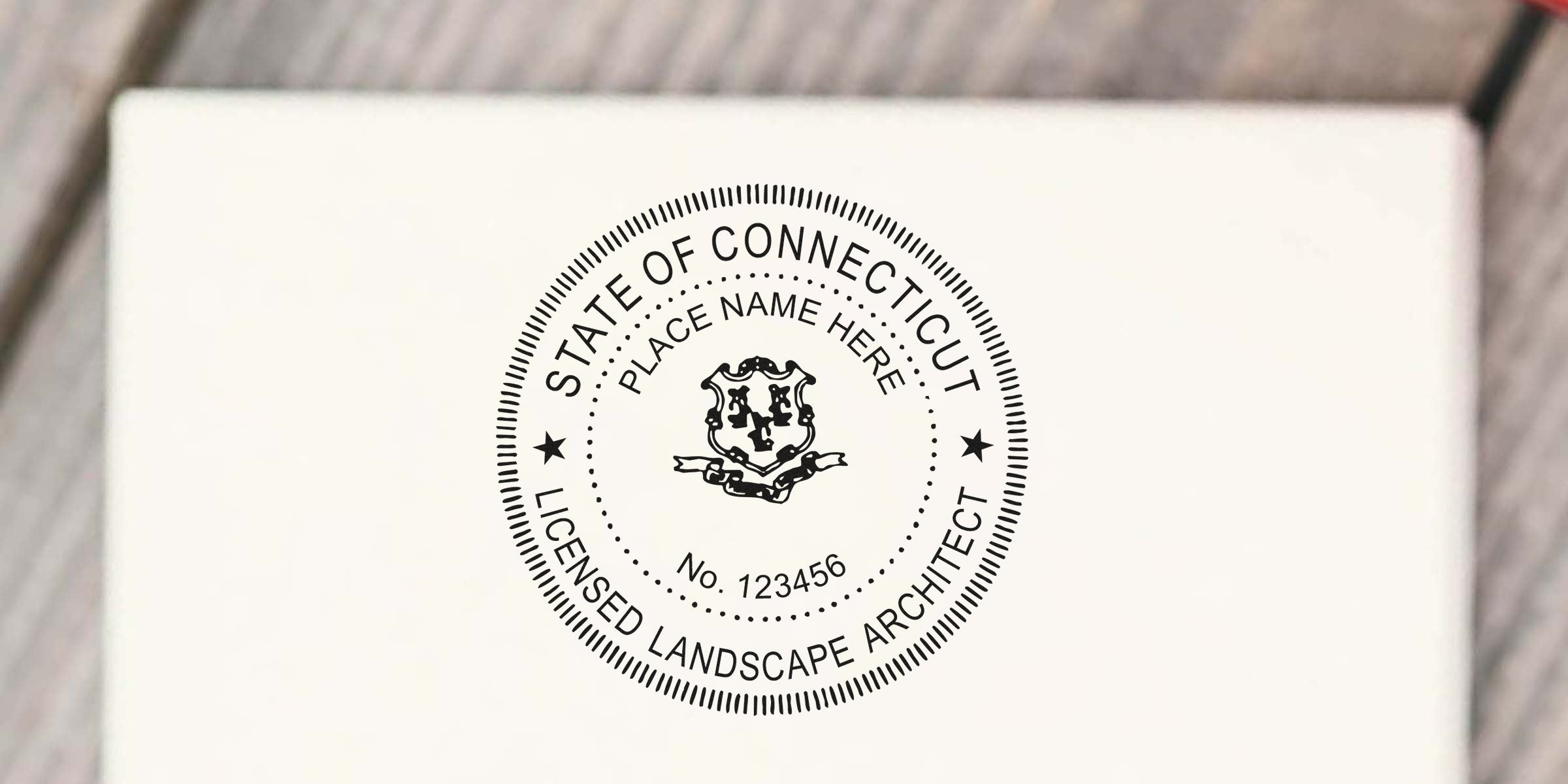
If you’re exploring Connecticut landscape architect stamp requirements for the first time, you might feel a little overwhelmed. Don’t worry, you’re definitely not alone. Many professionals wonder how to properly comply with state regulations, select the right stamp, and ensure their official documents are accurate. The good news is that once you know the basics—such as who needs a license, how to display your seal, and which stamp supplier to trust—the rest becomes pretty straightforward.
Below, you’ll find an overview that walks you through key state rules, the role of your seal and signature, and a few best practices to keep your professional credentials in order. Consider this your friendly companion as you start (or refine) your journey in Connecticut’s landscape architecture arena.
Understand State Requirements
You likely already know that each state treats professional landscape architecture a little differently. In Connecticut, authorities take official credentials seriously. That’s great for upholding professional standards, but it also means you must stay on top of certain rules to avoid compliance headaches.
Key Licensing Criteria
Before you even think about creating or using a Connecticut landscape architect stamp, you need the right license. In Connecticut, this typically involves:
- Holding a landscape architecture degree from an accredited institution.
- Passing necessary exams, such as the Landscape Architect Registration Examination (LARE).
- Submitting proof of relevant work experience.
- Filing an application with the Connecticut licensing board, paying the required fees, and meeting any continuing education demands.
Once that license is in your hands, pat yourself on the back—you’ve cleared a big hurdle. But remember to renew on schedule, or you risk invalidating your license, which means your seal and stamp become useless for official purposes. You’ll want to track your renewal date carefully, because letting your license lapse (even by accident) can create problems for future projects.
Get Familiar With The Stamp’s Purpose
Think of your official landscape architect seal or stamp as your professional signature. It’s a symbol of both authenticity and professional accountability. The Connecticut Landscape Architects Board expects every licensed architect to maintain a unique stamp that meets specific design standards. Once you apply it to your documents, you’re essentially saying, “I stand behind the work on these pages.”
Ensuring Document Authenticity
You’re probably wondering why a simple ink impression can hold such weight. Here’s the thing: it’s all about ensuring authenticity. When you place your stamp on a set of drawings or design plans, you’re verifying that you created or verified them. This practice reassures clients, contractors, and the state licensing board that your credentials are current and that the documents were prepared under a properly licensed professional’s supervision.
If you skip this step, you risk sending an incomplete or unauthorized submission. In the world of official paperwork, that can mean rejected proposals or even legal troubles. You definitely don’t want a big project delayed—or canceled—because a required seal was missing.
Comply With Usage Regulations
Once you’ve crossed the licensing finish line, the next big question is: Where and how do you actually use your stamp? Connecticut posts clear guidelines that describe exactly how to apply your seal, the sort of design it must have, and the kind of documents that must bear it.
When And Where To Use
Typically, you’ll stamp final site drawings, technical reports, and any documents that go to local building departments or clients. You’ll also include your signature near or across the seal. Here’s why both items matter: the seal on its own declares your credentialed status, but your signature confirms your direct involvement in that specific documentation.
- Stamp all final plan sets, not drafts or preliminary sketches.
- Apply your signature in ink close to the stamp.
- Date everything so there’s a clear timeline for when you sealed the documents.
If you forget to add the date or sign the paperwork, you could run into immediate hurdles with public agencies that are quick to reject incomplete submissions.
Design Standards For Connecticut Seals
Connecticut typically requires a circular shape for its landscape architect seals. You’ll see the words “Registered Landscape Architect” embedded in the outer ring, plus your name and license number in the center. Although variations can exist, the state usually outlines the general layout:
- Circle diameter, often around 1⅝ inches or as specified by the board.
- Clear text that identifies the license holder’s name, license number, and the state’s name.
- Legible print large enough to reproduce clear copies.
Check with your licensing board or official statutes for design templates, or talk to an experienced seal manufacturer. Once you’re sure your stamp meets the basic requirements, you can confirm you won’t have to replace it for compliance reasons.
What To Look For In A Supplier
Since your stamp (and possibly an embosser) is a long-term investment, you want to get it right. Cheap, poorly made seals can fade, break, or produce unclear impressions, all of which can reflect poorly on your professional credibility. Plus, if your stamp doesn’t meet state guidelines, you’ll have to reorder. That’s no fun and ends up costing you more.
Acorn Sales: A Timeless Choice
When selecting a supplier, craftsmanship and reputation are everything. Acorn Sales checks all those boxes. They’ve been a trusted maker of professional stamps and seals for over 60 years, which means they’ve seen every rule change and design update imaginable. They also offer a free digital seal. That might sound like a small perk at first, but if you’re working electronically or need to send quick PDF documents, a digital seal is a huge advantage.
Here’s why many licensed professionals rely on Acorn Sales:
- High-quality construction that stands up to daily use.
- Options for both pre-inked and self-inking stamps for crisp, consistent impressions.
- Embossers that produce a raised seal if your municipality requires or prefers them.
- Friendly, knowledgeable customer support that helps you select the perfect design.
In case you need more details or want to see the different styles, take a look at landscape architect stamp connecticut. This internal link helps you navigate directly to their relevant product line, so you can find designs that match Connecticut’s rules without any guesswork.
Implement Best Practices
Owning a Connecticut landscape architect seal sounds pretty straightforward, and for the most part, it is. Still, you should pay attention to a few best practices to ensure you’re always compliant and making the most of your credential.
Maintain Professional Standards
Carrying a license also carries professional obligations. Think of your seal usage as an extension of your commitment to high-quality work. That means:
- Double-checking your calculations or design elements before stamping official drawings.
- Keeping your stamp in a safe location (to prevent unauthorized use).
- Reordering your stamp quickly if you change your name or your license number.
- Reviewing local or municipal regulations to see if they have additional stamping instructions.
A small slip-up—like a missing date or an outdated stamp—can send your documents back to the drawing board. Not only does that delay your client’s project, it might create a red mark on your professional record.
It also helps to maintain digital copies of your stamped documents. That practice makes it easier to produce proof of compliance or handle any challenges down the road.
Final Thoughts
Embracing the state’s rules on stamps and seals is a normal part of life for Connecticut landscape architects, and it doesn’t have to be complicated. By understanding the licensing process, staying aware of usage regulations, and investing in a reliable supplier, you’ll save yourself a lot of administrative hassle. And since your stamp is more than just an imprint—it's your professional assurance—taking the time to do it right helps you stand out in your field.
If you’re ready for a new Connecticut stamp or you just want to explore what’s out there, landscape architect stamp connecticut from Acorn Sales is a great next step. You’ll get a free digital seal, quality construction, and the confidence that comes from choosing a supplier trusted by professionals for over 60 years. It’s all about making sure each design you sign off on meets the high standards Connecticut demands. And that peace of mind? Totally worth it.
Frequently Asked Questions
Do I Need A Stamp On Every Page Of My Plans?
You usually need to stamp every final sheet where you’re providing official, signed information—especially cover sheets, site plans, calculations, or relevant detail pages. Check with your local jurisdiction’s guidelines if you’re unsure.
Can I Use A Digital Signature And Seal Instead Of An Ink Stamp?
Connecticut allows digital seals under certain conditions, but you must confirm that they satisfy the state’s security and authentication requirements. Sites like Acorn Sales provide free digital seals that come in handy for electronic document submissions, though it’s wise to verify if your city or county offices accept them.
What If My Stamp Fades Over Time?
A fading stamp can jeopardize legibility. If this happens, it’s best to reorder a new device from a trusted supplier. Some individuals prefer embosser backups for crisp impressions. If you notice inconsistent ink coverage, it might be time for a refill or a replacement.
Do I Need Multiple Connecticut Stamps For Different Projects?
Typically, one stamp covers all your Connecticut landscape architect projects, as it’s tied to your personal license number. Keep in mind, you don’t need separate stamps for each project—unless your existing stamp wears out or breaks.
What Happens If I Move Or Change My Name?
Licensing boards require that your stamp accurately reflect your current legal name and valid license number. So, if you change your name or plan to relocate and have a new address on file with the board, you’ll need an updated seal. Contact the board and your stamp supplier to stay official.








