
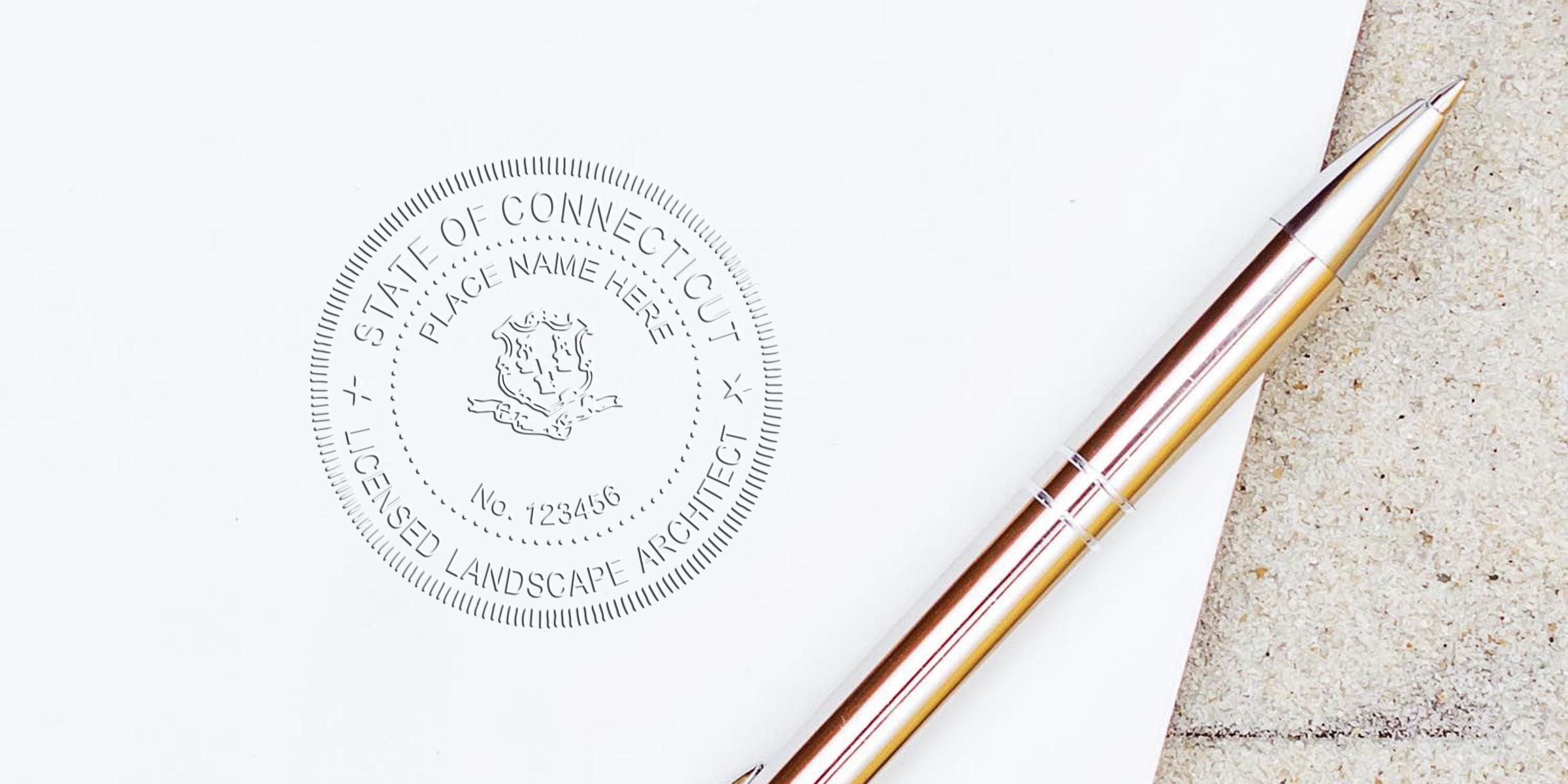
You’re probably here because you want clarity on Connecticut landscape architect stamp rules and how to follow them. Maybe you just earned your license and need your first seal, or maybe you’re updating an older design that no longer meets today’s standards. Either way, understanding what the state requires can keep your projects running smoothly. Think of your stamp like an official handshake ensuring your credibility. Below, you’ll find practical information on how to create and maintain a compliant stamp, along with tips on avoiding pitfalls and selecting a reliable supplier.
Understand Connecticut Landscape Architect Stamp Rules
Connecticut, like most states, regulates landscape architects with strict guidelines on how your seal or stamp must look and be used. The purpose? Ensuring consistency and accountability. When you submit drawings, site plans, or official documents, the Connecticut State Board wants a clear visual cue that a licensed professional stands behind the work.
Why You Need a Compliant Stamp
Having a compliant stamp isn’t just a formality. It’s your professional guarantee that everything you deliver meets the required standards. Without the proper design and usage, your documents could be rejected, delaying projects and potentially causing you legal trouble. That might sound intimidating, but these requirements ultimately protect both you and the public. By stamping your technical documents, you’re confirming your license is current and that you’re taking responsibility for the work inside.
Proper Stamp Design Essentials
When designing your Connecticut landscape architect seal, you’ll want to keep an eye on:
- Size: Confirm the exact diameter or dimension requirements specified by the state. Standard landscape architect stamps generally measure around two inches, but check for Connecticut-specific rules to make sure you have the proper size.
- Information: Your stamp typically includes your full name, license number, and the title “Landscape Architect.” In some cases, “State of Connecticut” plus the board’s name should appear surrounding the circle.
- Readability: A clear font ensures your stamp remains legible, especially on official documents or digital files. Don’t crowd too many elements in a tight layout. Crisp design is your friend here.
- Outer Ring: Most Connecticut seals use a circular border that encloses the official wording. It frames your name and license number so they stand out.
- Black Ink: Stamps usually default to black ink unless the state specifies otherwise. It offers the best clarity on white paper and scans well for digital copies.
Because rules can change, you’ll want to double-check the state board’s most recent guidelines before you commit to a final design. Consider bookmarking your licensing board’s site so you can stay updated on any future revisions.
Stay Aligned With Legal Requirements
Following the letter of the law can feel daunting, but it’s absolutely doable with a bit of organization. Getting your seal design right is step one; putting it to correct use is step two. Each time you use your stamp, you’re creating a traceable record of professional oversight.
Usage Guidelines
Before you submit documents to clients, municipalities, or other agencies, you’ll want to stamp and sign them—in that order. Typically, you stamp once for each page or drawing sheet that you’re responsible for. Some boards allow electronic seals if they meet security standards (like password protection or digital signatures), so always verify whether Connecticut recognizes digital stamping for official electronic submissions.
- Quantity: Some professionals stamp each plan page, while others only stamp the cover. However, certain jurisdictions may require a stamp on every page that includes design elements you’re responsible for. When in doubt, stamp more rather than less, provided it’s permissible.
- Timing: You usually can’t post-date or pre-date your stamp. Make sure you only mark documents on or after the date you’re finalizing them. This step is crucial for legal clarity and for building trust with your clients.
- Electronic Files: If you submit drawings as PDFs, check if the board accepts digital sealing methods. Digital stamps can expedite your workflow when you’re collaborating on multiple revisions.
Record-Keeping And Renewals
Aside from physically stamping your documents, you’ll need to stay mindful of your license renewals. An expired license invalidates your stamp, so don’t wait until the last minute to renew. Keep digital and physical copies of both your stamp usage and license records. Many landscape architects maintain a log of which documents were stamped, along with project notes. This log serves as a handy reference if a client comes back with questions years later.
- Renewal Timelines: Your Connecticut license likely has a set renewal cycle (often every one or two years). Mark your calendar to ensure you submit the required forms and fees on time.
- Document Storage: Either store stamped physical documents in a secure cabinet or keep scanned copies in a well-organized digital folder. This archive can be a lifesaver if compliance issues arise.
- Updated Guidelines: Always review state board notices or bulletins. If changes occur—such as a new stamp size or revised text—get the word out to your team. Old stamps might no longer be valid.
Picking The Right Supplier
Once you know exactly what your seal should include, it’s time to grab a physical embosser or stamp. A reliable supplier can save you from costly reprints, shipping delays, or design errors. Since your seal is the cornerstone of your professional identity, you’ll want it produced by folks who know their stuff.
What To Look For
Shopping online can feel like a minefield if you’re juggling design specs, textile impressions, and uncertain shipping times. Consider these pointers:
- Customization Options: Some manufacturers offer limited templates. Look for a supplier that can tailor every detail—from the arrangement of your name to the precise diameter you need for Connecticut requirements.
- Quality Materials: Metal embossers typically outlast their plastic counterparts, and self-inking stamps should use high-quality ink that doesn’t smudge. You don’t want to re-stamp a document multiple times just because the ink pad is inconsistent.
- Customer Support: A knowledgeable customer service rep can walk you through tricky design specifications. They can also confirm that your final proof lines up with Connecticut’s guidelines before production begins.
- Digital Seal Availability: These days, many states accept or even require electronic versions. Make sure your supplier can provide a free digital seal if possible. This convenience helps you seal PDF documents quickly.
Why Acorn Sales?
For over 60 years, Acorn Sales has been a trusted maker of professional stamps and seals, including Connecticut landscape architect designs. Whether you need a self-inking device, a traditional hand stamp, or an embosser, Acorn Sales offers multiple customization options to ensure you meet state requirements. Plus, you get a free digital seal included with your purchase, which is a huge bonus if you often need quick electronic submissions. With a track record spanning decades, Acorn Sales prides itself on reliable production and prompt shipping. It’s like having a seasoned guide walk you through the final steps of becoming fully compliant.
If you’re ready to see what’s available, you can check out the selection for a landscape architect stamp connecticut. From there, you’ll find modern stamps that conform to local regulations and classic embossers for a crisp, professional look.
Practical Tips For Creating Your Stamp
Designing a compliant stamp shouldn’t be nerve-wracking. While the state has formal guidelines, you also have some creative control so it matches your style—within reason. Here are a few tips to streamline the whole process.
Plan For Digital And Physical
First, decide how frequently you’ll be delivering paper documents versus electronic files. If you regularly submit plans online, you’ll want a digital seal in a high-resolution format (like PNG) to drop into your PDFs. A clear, professional digital seal can save loads of time, especially if you’re collaborating with clients who expect quick turnarounds. For printed blueprints or in-person client presentations, a quality hand stamp or embosser makes a strong impression.
- Consistency: Use the same design for both physical and digital seals so your branding remains unified.
- File Security: Some landscape architects employ specialized software to lock their digital stamps, ensuring only the authorized user can apply the seal.
Double-Check For Accuracy
Before submitting your final request to a stamp maker, confirm the following details:
- Correct Spelling: It sounds obvious, but small typos in your name or a missing middle initial can invalidate your seal.
- License Number: Double-check with the hospital board—just kidding—your state board to verify you have the correct license number, precisely as recognized by Connecticut.
- State Requirement Updates: If your board changed the required wording or ring text within the last year, be certain your design meets the updated specs.
Common Mistakes To Avoid
Even the most careful landscape architects can slip up if they haven’t read the fine print. So let’s get real: what are the biggest pitfalls?
Ignoring Size Requirements
One of the most frequent errors is using a seal that’s too large or too small. If your stamp covers an entire corner of the plan or, conversely, is so tiny that the wording is illegible, your documents can get flagged. Connecticut might specify an official diameter, such as 1⅝ inches or 2 inches, for professional seals. Always stay within that zone. Going smaller or bigger might be tempting for aesthetic reasons, but compliance should come first.
Forgetting Digital Versions
With so much business conducted online these days, it’s easy to see why digital seals are increasingly valuable. However, some newly licensed professionals don’t request a digital file along with their physical stamp. Then, when a municipal clerk asks for an e-signature or an electronic set of drawings, they scramble to get a digital version on time. You’ll save yourself a massive headache by getting both simultaneously. Plus, trying to create a digital version by scanning a physical stamp can look fuzzy or distorted. A high-resolution file directly from the supplier keeps everything crisp.
Wrapping It Up
Securing a compliant Connecticut landscape architect stamp involves juggling a few moving parts—but it’s well worth the effort when you consider the legal and professional security it provides. By staking out the correct size, wording, and usage, you’ll show that your license stands in good order. Take advantage of a reputable supplier like Acorn Sales, which has spent over six decades perfecting custom stamps and seals. You’ll also get a free digital file to handle electronic documents gracefully.
Before you finish your next project, ensure your stamp meets Connecticut’s rules and that you’re comfortable with both physical and digital processes. After all, your seal isn’t just ink on paper—it’s your trust mark, your reputation, and proof of responsibility rolled into one neat circle. Keeping that circle in top shape helps you operate smoothly, make a great impression, and focus on the creative parts of your landscape architecture career.
Frequently Asked Questions
Do I Need Both a Stamp and an Embosser?
You generally just need one official seal or stamp. Whether you choose a rubber stamp, self-inking style, or metal embosser is up to you. Check if your local jurisdiction prefers one type over another.
Can I Reuse My Old Stamp If My License Renews?
If your license number didn’t change and the stamp’s design meets current guidelines, you can keep using it. However, if the board updated any required text or your license info changed, you’ll need a new one.
What if I Make a Mistake When Stamping a Document?
If you accidentally stamp the wrong spot or smudge the seal, it’s best to reprint that page. Handwritten corrections can look unprofessional and could open you up to scrutiny. Better safe than sorry.
How Often Do I Need to Replace the Ink Pad?
That depends on how often you stamp. A quality self-inking stamp should last thousands of impressions before the ink fades. If it’s starting to look faint, re-ink or replace the pad to maintain clarity.
Does Acorn Sales Offer a Free Digital Seal With Purchase?
Absolutely. Acorn Sales includes a digital version of your seal so you can easily incorporate it into electronic documents. If you regularly submit PDFs or collaborate online, that extra feature really helps.








