
Written by Acorn Sales Company, manufacturing stamps and seals since 1964 · Reviewed by Holly R, VP of Sales and Marketing at Acorn Sales, against Minnesota Department of Commerce, acting through the Commissioner of Commerce, with a Real Estate Appraisal Advisory Board in an advisory capacity only on 22 September 2026 · Updated 25 September 2026
Minnesota is the cleanest negative in the country on this question: a search of the entire appraiser chapter for the words seal and stamp returns nothing at all. Minn. Stat. ch. 82B, the chapter that licenses real estate appraisers and hands the work to the Commissioner of Commerce, contains no seal provision, no stamp provision, and not even a board’s own seal clause to be confused with one. The old Department of Commerce appraiser rules at Minnesota Rules ch. 2808 are repealed in their entirety, all thirty-four parts, and no replacement rules chapter was adopted. Chapter 82B is the whole of the state-law answer.
What the statute does ask for is narrower and more useful to a stamp buyer. Minn. Stat. 82B.17 says that when you use the designation real estate appraiser or a similar term in an appraisal report, in a contract or other instrument used in appraisal activity, or in advertising, your license number goes adjacent to or immediately below that designation, and the class of license you hold is indicated. That is a fixed block of text you retype on every report and every engagement letter, which is exactly the sort of thing a stamp exists to handle.
Minnesota real estate appraiser seal requirements at a glance
| Requirement | Minnesota rule | Source |
|---|---|---|
| Seal required | No. No Minnesota statute or rule prescribes an appraiser seal or stamp | Minn. Stat. ch. 82B (full chapter scanned; no seal or stamp provision) |
| Required elements | Your license number, placed adjacent to or immediately below the appraiser designation you use, plus an indication of the class of license held | Minn. Stat. 82B.17 |
| Size and shape | Not prescribed. No diameter, dimension or shape appears anywhere in ch. 82B, because no seal is prescribed at all | Minn. Stat. ch. 82B (full chapter scanned; no seal or stamp provision) |
| Device allowed | Not restricted. Minnesota names no instrument, so typed text, an ink stamp, an embosser or a graphic file all satisfy 82B.17 equally as long as the number and class are there | Minn. Stat. 82B.17 |
| Signature and date | Not prescribed by Minnesota. The signed certification on an appraisal report comes from USPAP, which Minnesota appraisers are bound to, and not from a Minnesota seal rule | Minn. Stat. ch. 82B (full chapter scanned; no seal or stamp provision) |
| What must be sealed | Nothing. The 82B.17 duty attaches instead to the appraisal report, to a contract or other instrument used in conducting real property appraisal activity, and to advertisements | Minn. Stat. 82B.17 |
| Electronic seal | Not addressed. Chapter 82B has no electronic seal or digital signature provision, and the repealed Minn. Rules ch. 2808 left nothing behind at rule level | Minn. Stat. ch. 82B; Minn. Rules ch. 2808 (all parts repealed) |
| Renewal and lapse | No expiry date is required on the report. Your number and class are what must show, so a fixed die stays accurate through a renewal and goes stale only if you move up a class | Minn. Stat. 82B.17 |
| Firm requirements | No firm seal is prescribed. The 82B.17 duty runs to the individual license holder and travels with the designation that person uses | Minn. Stat. 82B.17 |
| Regulator | Minnesota Department of Commerce, through the Commissioner of Commerce. The Real Estate Appraisal Advisory Board is advisory and issues no licenses | Minn. Stat. ch. 82B, administered by the commissioner of commerce throughout the chapter |


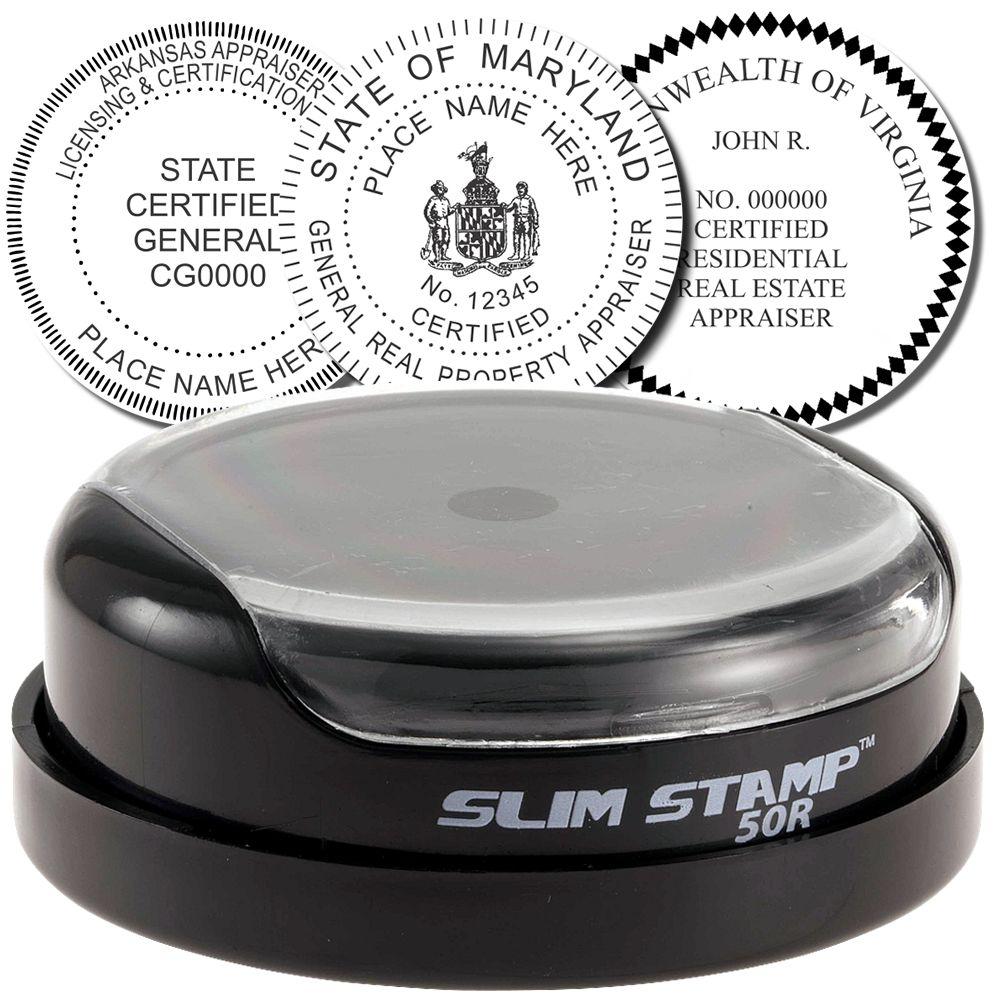
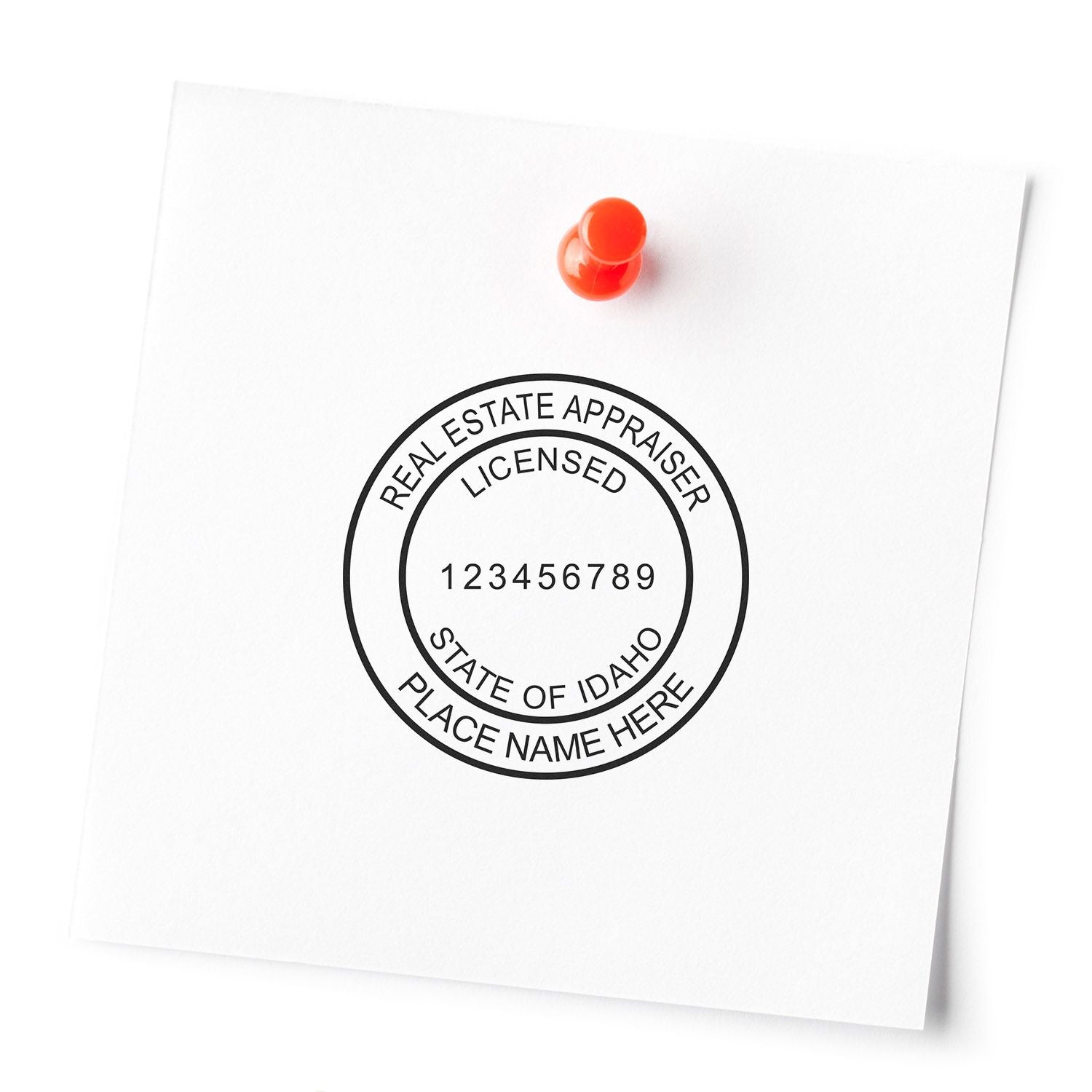
Does Minnesota require an appraiser to seal a report?
No. Minnesota requires no seal and no stamp on an appraisal report, and the proof is unusually clean. Minn. Stat. ch. 82B, Real Estate Appraisers, was read in full on the Minnesota Revisor of Statutes site and scanned for the words seal and stamp in every case and inflected form. Neither word occurs anywhere in the chapter. Most states that prescribe no appraiser seal still carry a clause giving their board a seal to authenticate its own records, which is the single most common source of the mistaken belief that appraisers must seal reports. Minnesota does not even have that. There is no Minnesota provision about a seal for anyone in chapter 82B to be misread, and any vendor page telling you that Minnesota requires or board-approves an appraiser seal has no Minnesota law behind it.
What Minn. Stat. 82B.17 actually says
The operative sentence is short and worth reading closely. When a real estate appraiser uses the designation real estate appraiser or similar terms in an appraisal report, or in a contract or other instrument used by the license holder in conducting real property appraisal activities, or in advertisements, the appraiser shall place the appraiser’s license number adjacent to or immediately below the designation used and indicate the class of license held. Three things follow. The trigger is using the designation, not signing a report as such. The number has a prescribed position, beside the designation or directly under it, rather than anywhere on the page. And the class of license has to be indicated as well, so a number on its own does not discharge the duty.
What to engrave, and where the block goes
Build the die around the designation, because the statute anchors the number to it. A working layout runs the designation on the first line, the class on the second and the number on the third, which satisfies both the adjacent to and the immediately below readings at once. Your name sits above that block if you want it on the die. A Certified Residential Real Property Appraiser would set Certified Residential Real Property Appraiser, then State of Minnesota, then License No. followed by the number. On the report itself the block belongs with the certification and signature page, where the designation already appears, and on an engagement letter or an invoice it belongs wherever you name yourself as an appraiser. Nothing in 82B.17 restricts what else may appear on the device.
The repealed rules chapter, and why it still causes trouble
Minnesota once had a full administrative rules chapter for appraisers at Minnesota Rules ch. 2808, run by the Department of Commerce. It is gone. The Revisor’s own chapter status page records all thirty-four parts as repealed: most by Laws 2009 ch. 63 s. 77, several by Laws 2005 ch. 100 s. 18, others by 21 SR 88, and part 2808.3000 repealed by subpart. No replacement rules chapter has been adopted. This matters when you read older guidance, because a page written against 2808 is describing rules with no current force. It also closes the usual escape hatch: when a statute is silent on a seal, the rule chapter is where a seal requirement would normally live, and Minnesota has no rule chapter for one to live in.
The traps worth knowing about
Three catch people out. The first is treating the number as the whole duty. Minn. Stat. 82B.17 asks for the class of license as well, so a die reading only License No. 40001234 leaves half of it undone. The second is forgetting that the same sentence reaches advertisements and contracts, not only reports, which is a good argument for a self-inking stamp rather than a typed footer that lives in one report template. The third is assuming the signature requirement is a Minnesota one. It is not. The signed certification on your report comes from USPAP, which Minnesota appraisers are bound to, and Minnesota adds no signature or dating formality of its own on top.
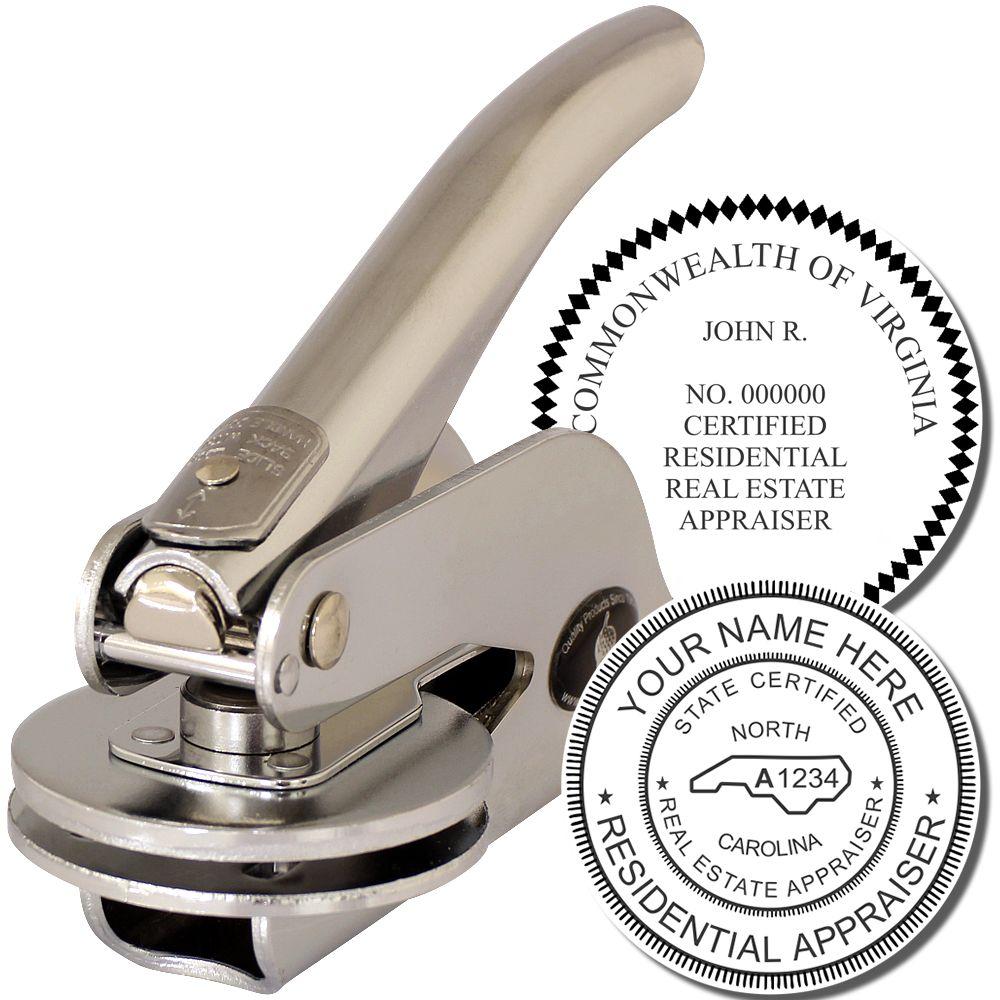

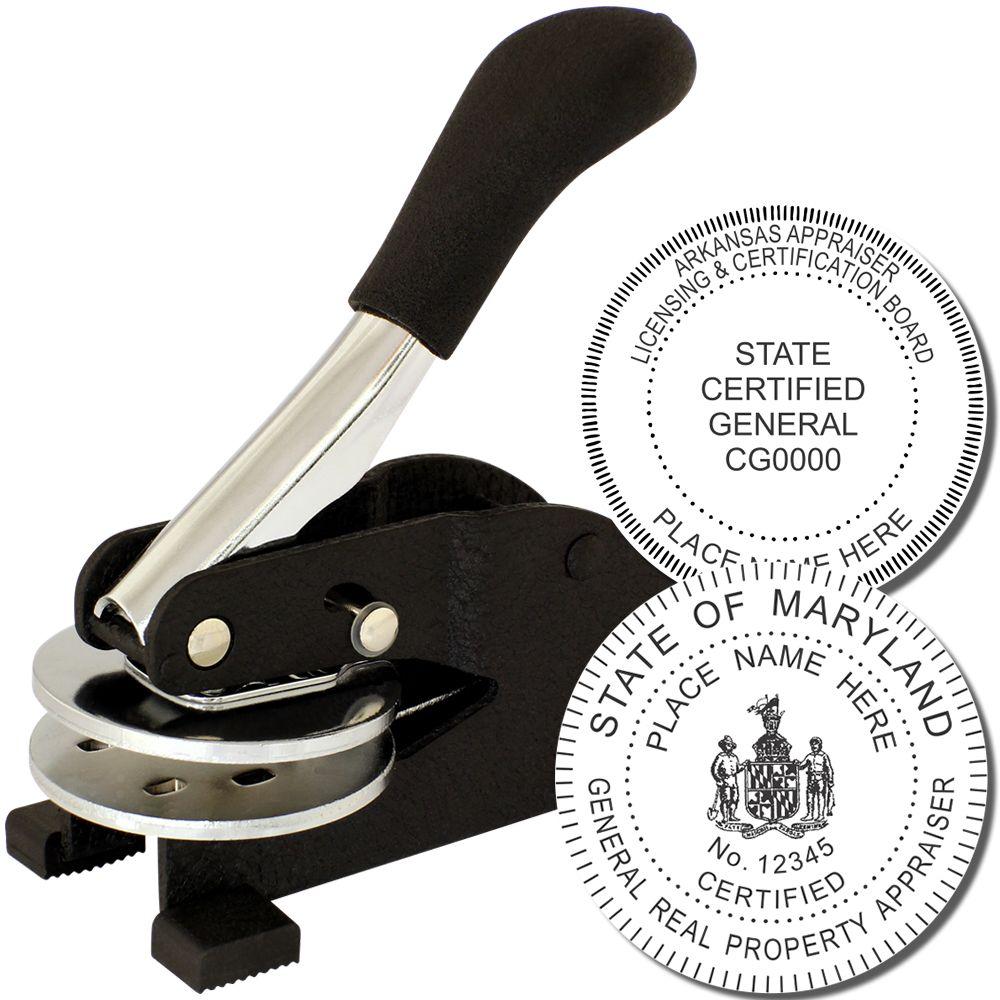
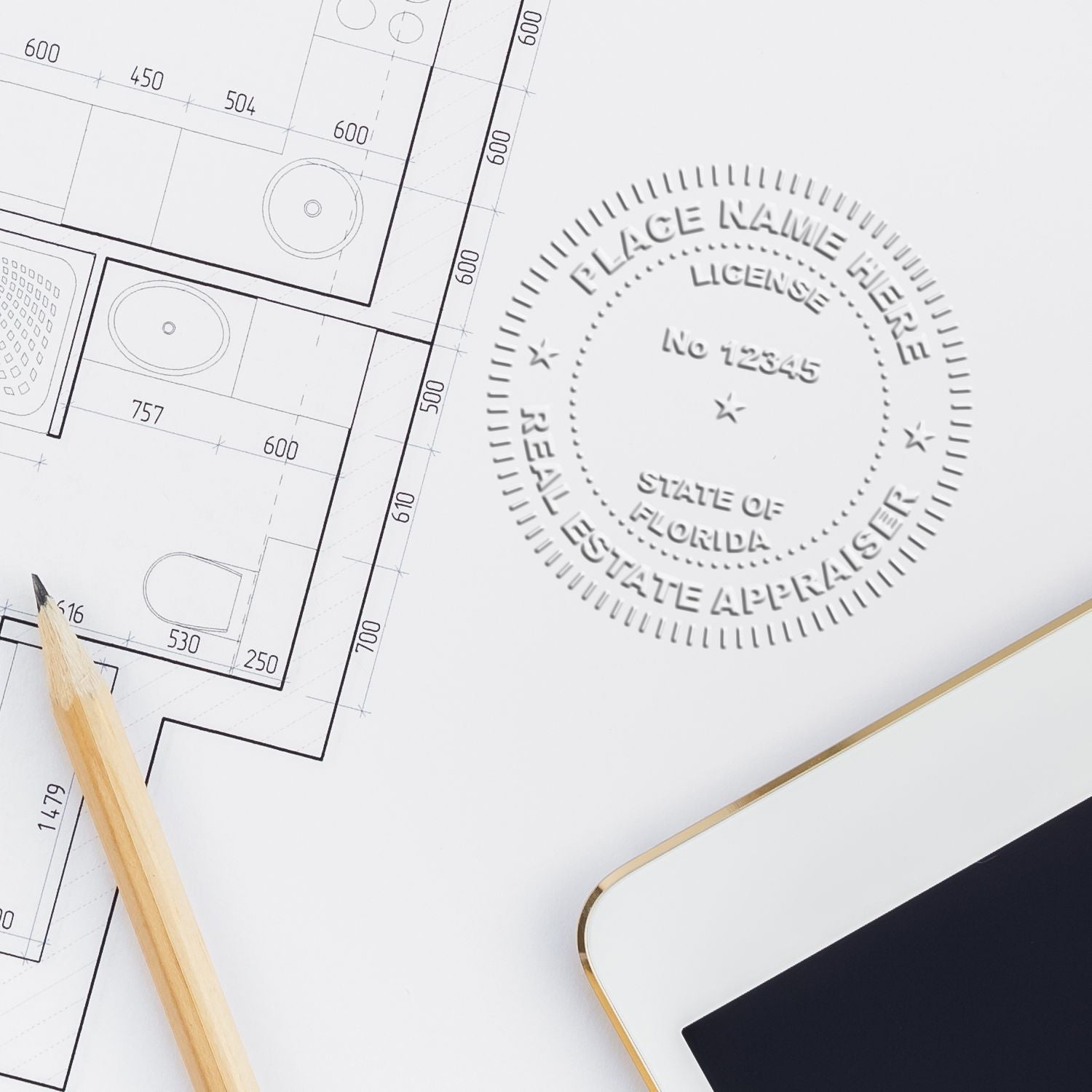
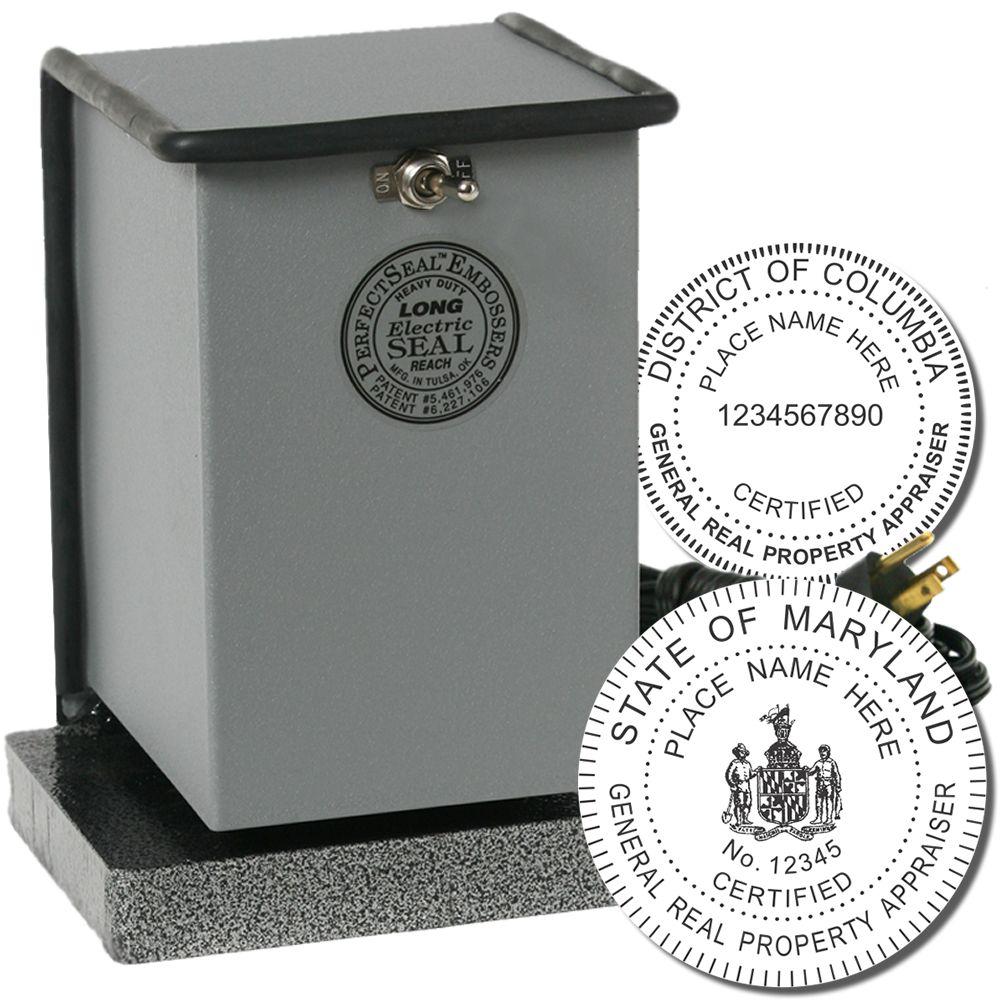

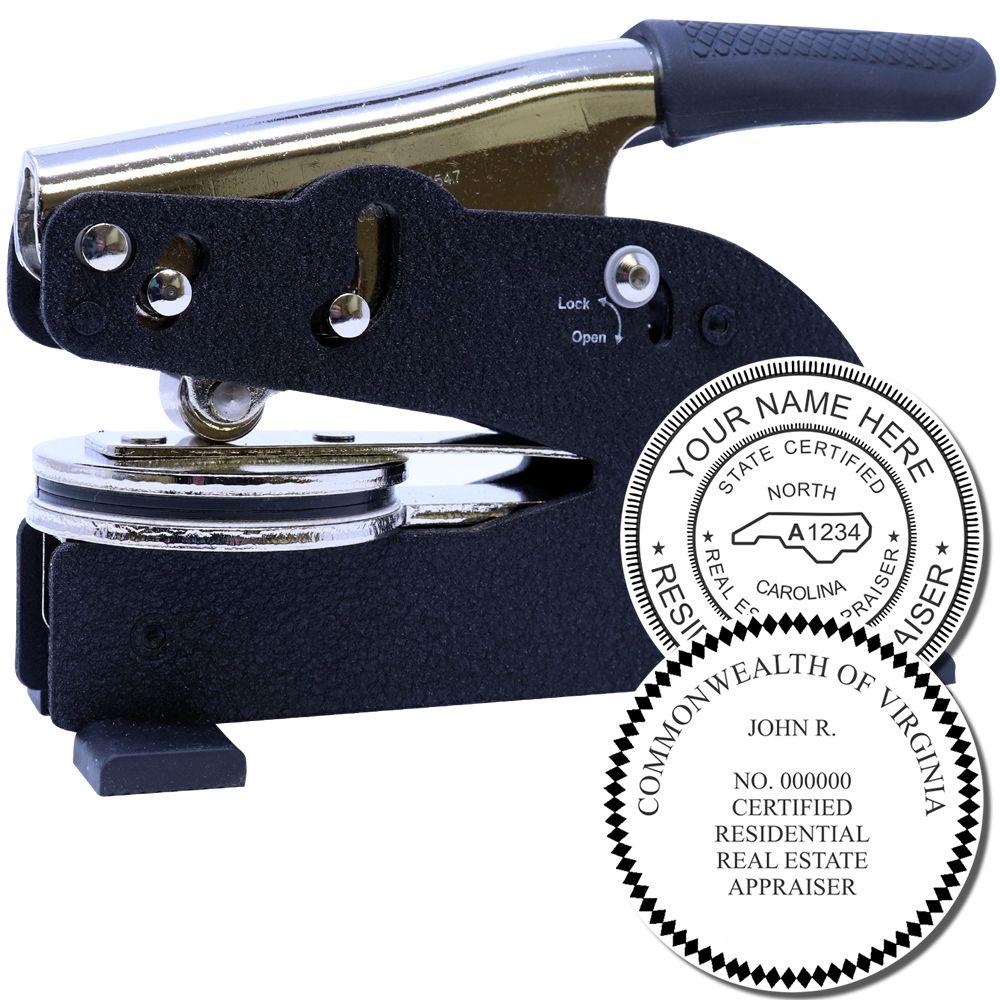

Embosser, ink stamp or eSeal image
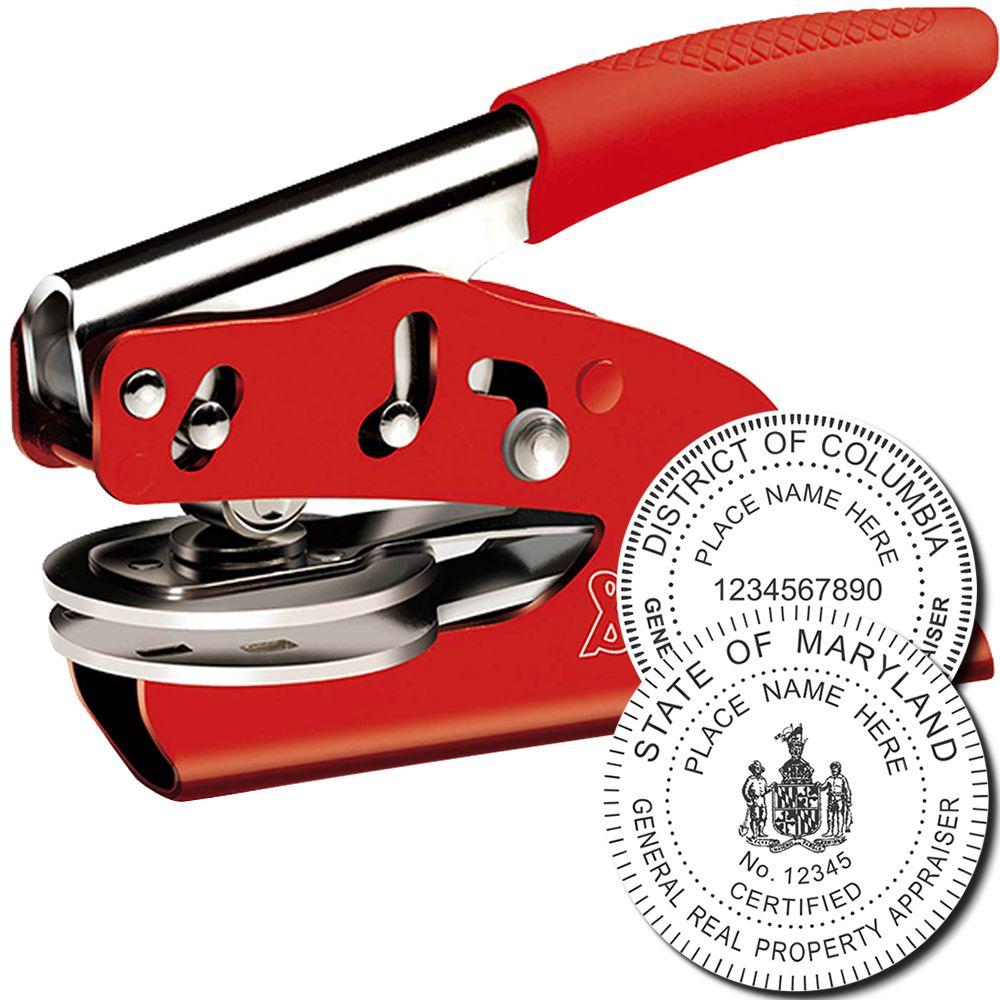
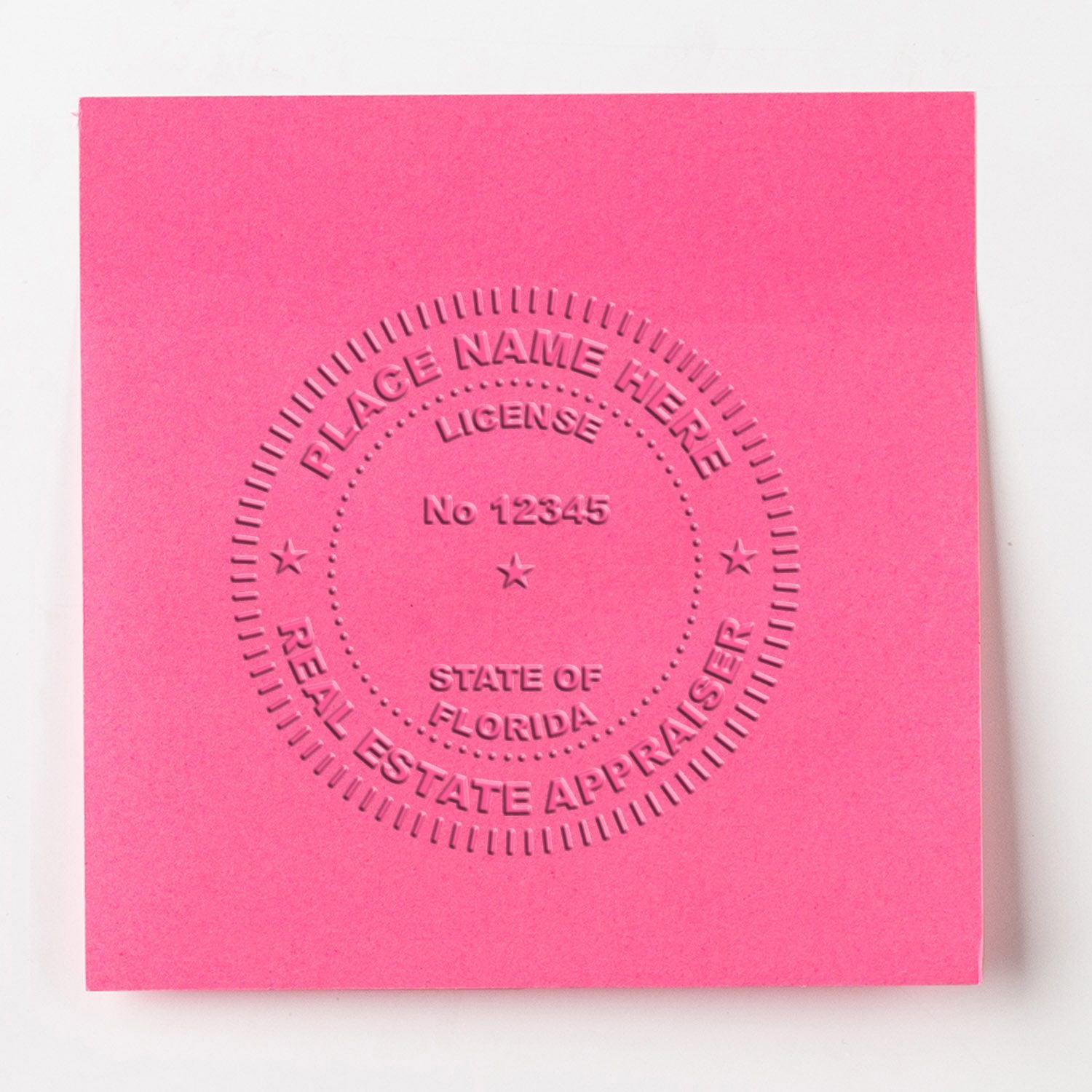
Because Minnesota names no instrument, this is a working preference rather than a compliance choice. An embosser leaves a raised impression with real presence on a paper original, and it photocopies and scans poorly, which is why appraisers who deliver PDFs rarely lead with one. An ink stamp reproduces cleanly at any scan setting, which is what most of a Minnesota appraiser’s output needs. A graphic file drops the same block into a PDF without printing anything. Plenty of appraisers keep two: a stamp for paper and an image for electronic delivery, with identical wording on both so the file and the die never disagree.
Sizing and layout
With no prescribed diameter, size is decided by how much text you are fitting and how small it can go while staying legible after a scan. The designation line is the long one. Certified Residential Real Property Appraiser is a mouthful, and a rectangular ink stamp handles a long line far better than a round die, which forces long text into a curve. If you want a round embosser, shorten what you can: your name in the center, the class curved above and the license number curved below. Send us the exact text you want and we will set it to the largest legible point size the die allows rather than shrinking it to fit a size chosen first.
What actually has to carry the block
Minnesota is broader here than most states, which govern only the report. Minn. Stat. 82B.17 reaches an appraisal report, a contract or other instrument used by the license holder in conducting real property appraisal activities, and advertisements. In practice that means the certification page of the report, engagement letters, appraisal agreements, invoices that identify you as an appraiser, and marketing that uses the designation. It does not create a duty to seal anything, because Minnesota prescribes no seal. It creates a duty about what text accompanies the designation wherever the designation appears.
Electronic delivery and the eSeal file
Chapter 82B says nothing about electronic seals or digital signatures, and the repealed rules chapter left no rule-level provision behind, so electronic delivery in Minnesota is governed by your client’s requirements and by USPAP rather than by a state seal standard. What that means practically is that a graphic of your block in a PDF carries exactly the same Minnesota weight as the same block typed into the report: the statute cares about the text and its position, not the mechanism. The Real Estate Appraiser eSeal Electronic Image Stamp of Seal is $20.00 and is supplied as an image file you place in the report.



Renewal, class changes and when a die goes stale
Minnesota asks for the number and the class, not for an expiry date, which is a quiet advantage over states that require the expiration on the face of the report and force a new die at every renewal. A Minnesota die stays correct through renewals as long as your number and class do not change. The event that does retire a die is moving up: a licensed residential appraiser who becomes a certified residential appraiser, or a certified residential appraiser who becomes certified general, has a new class to indicate and usually a new number, and the old die then misdescribes the credential. Order the replacement when the new credential issues, not before.
Ordering: what to send and what it costs
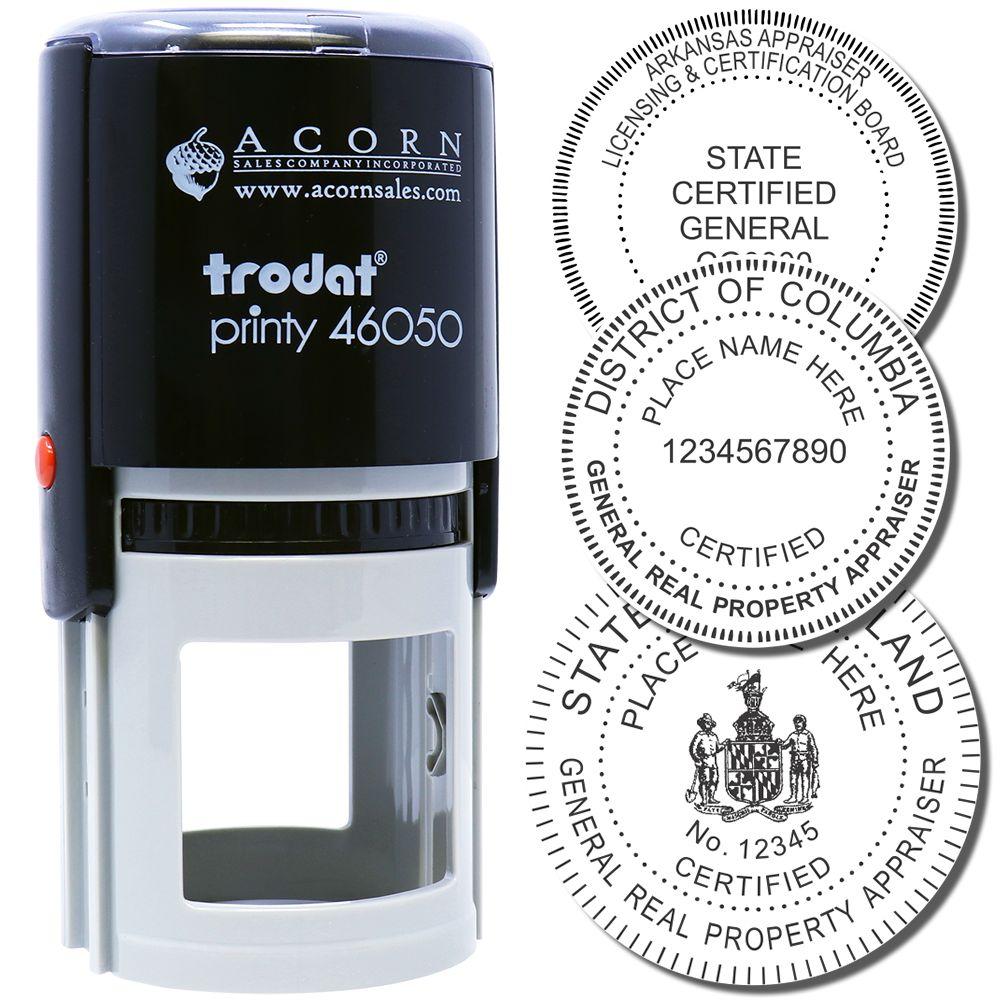
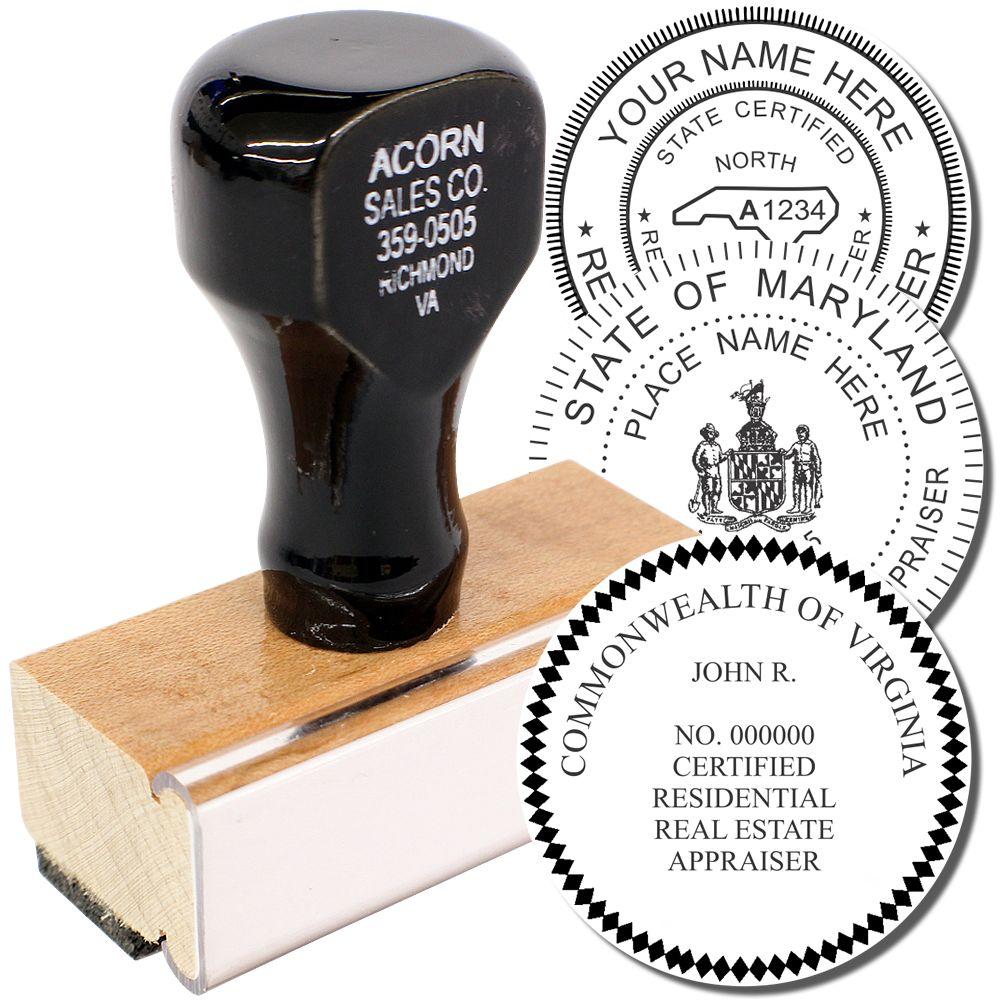
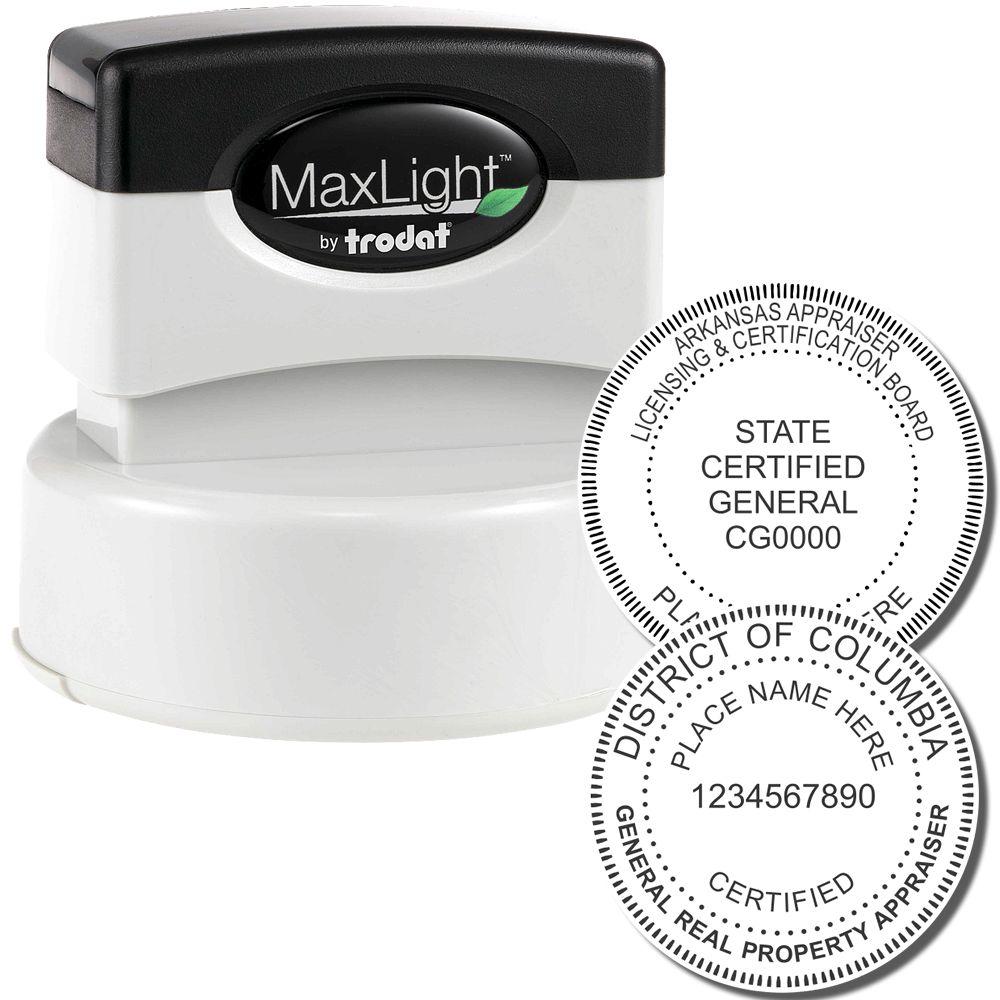
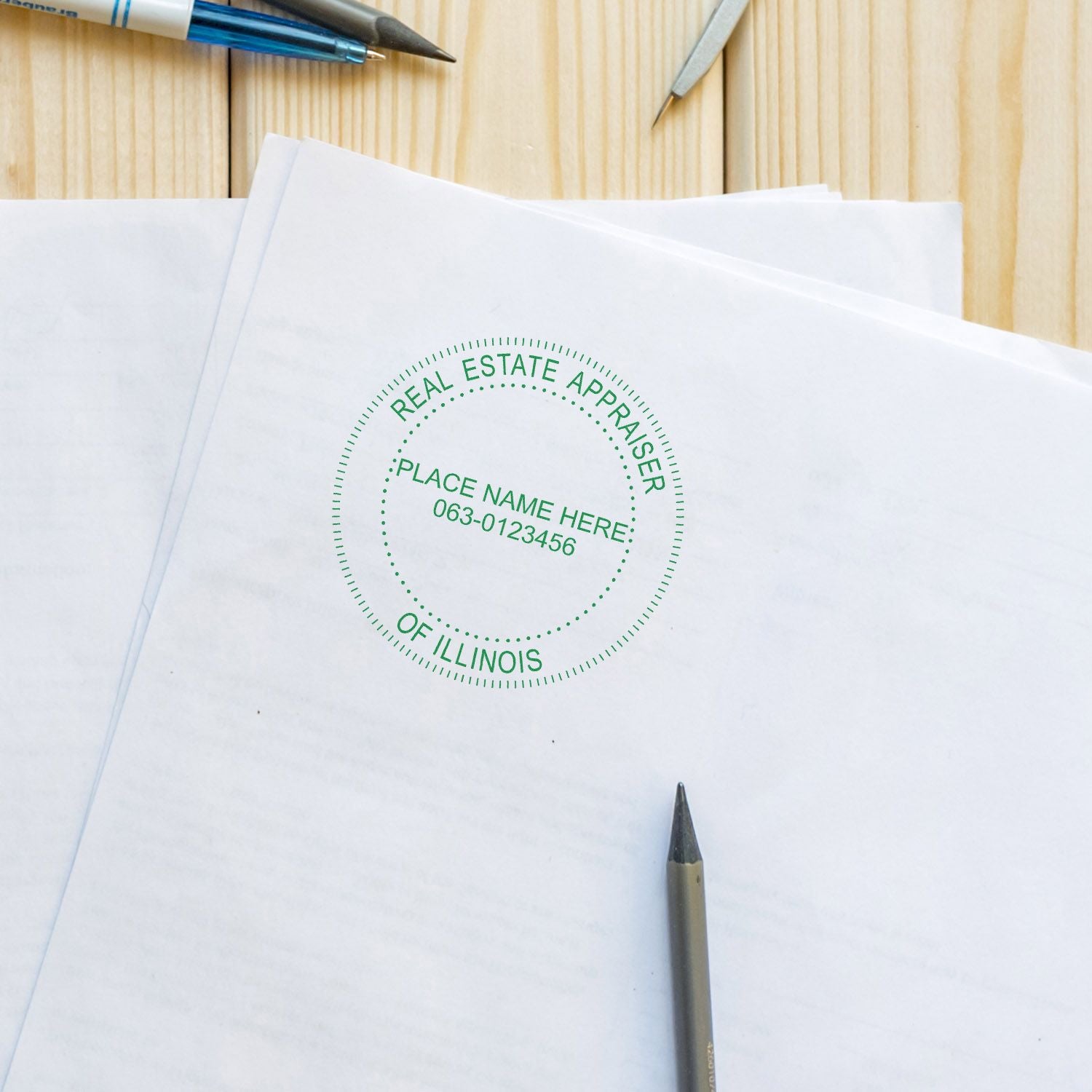
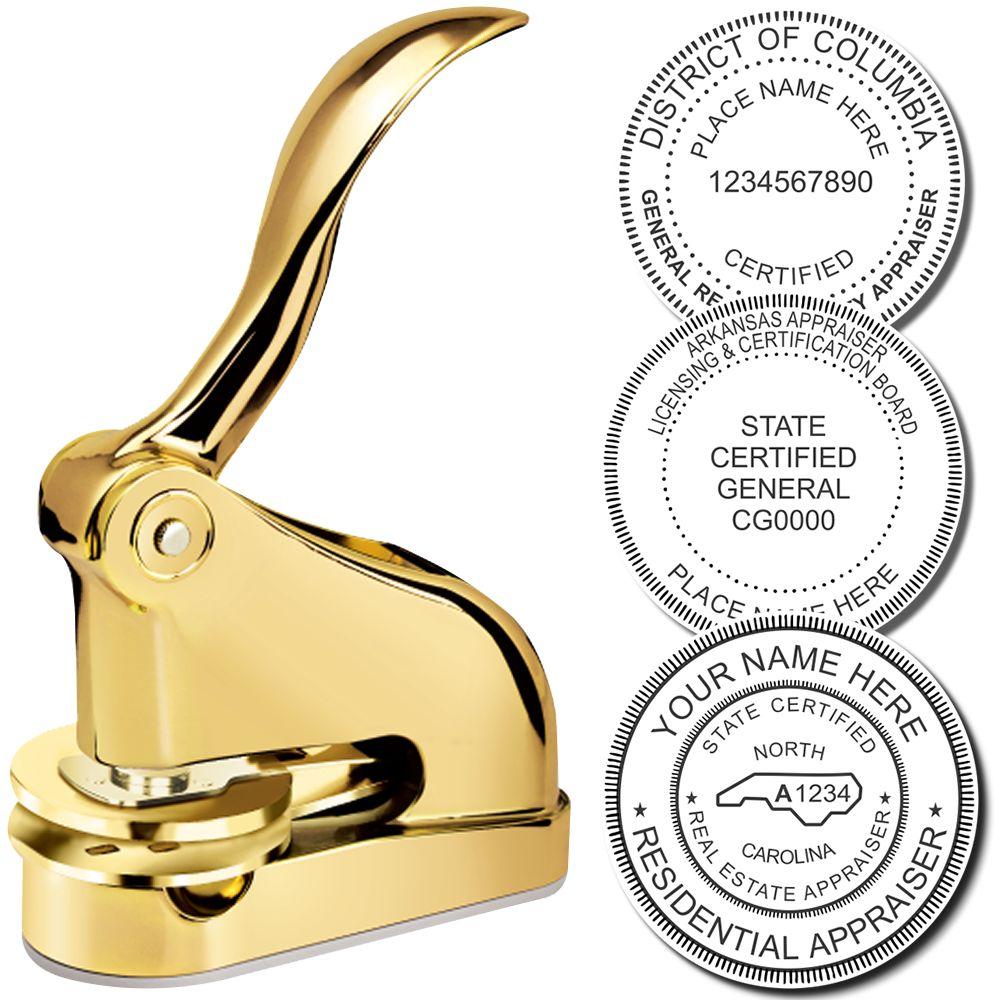
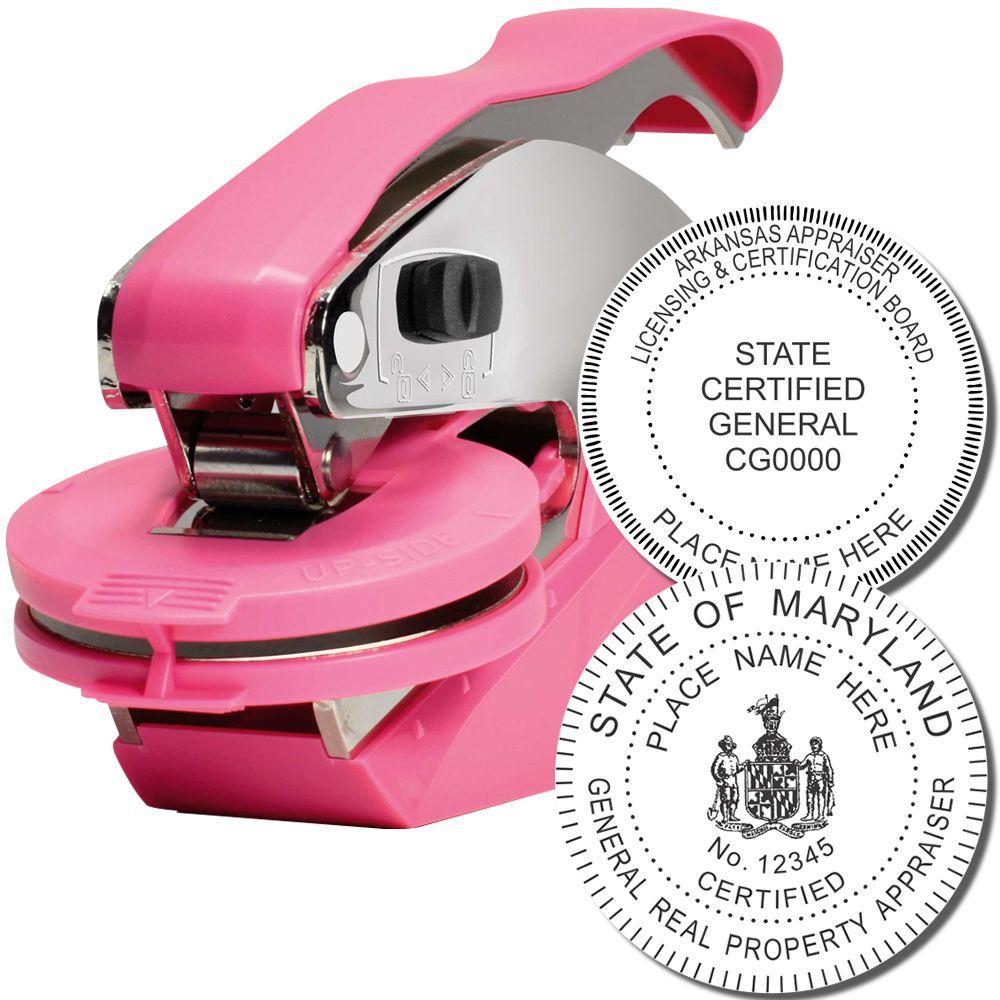
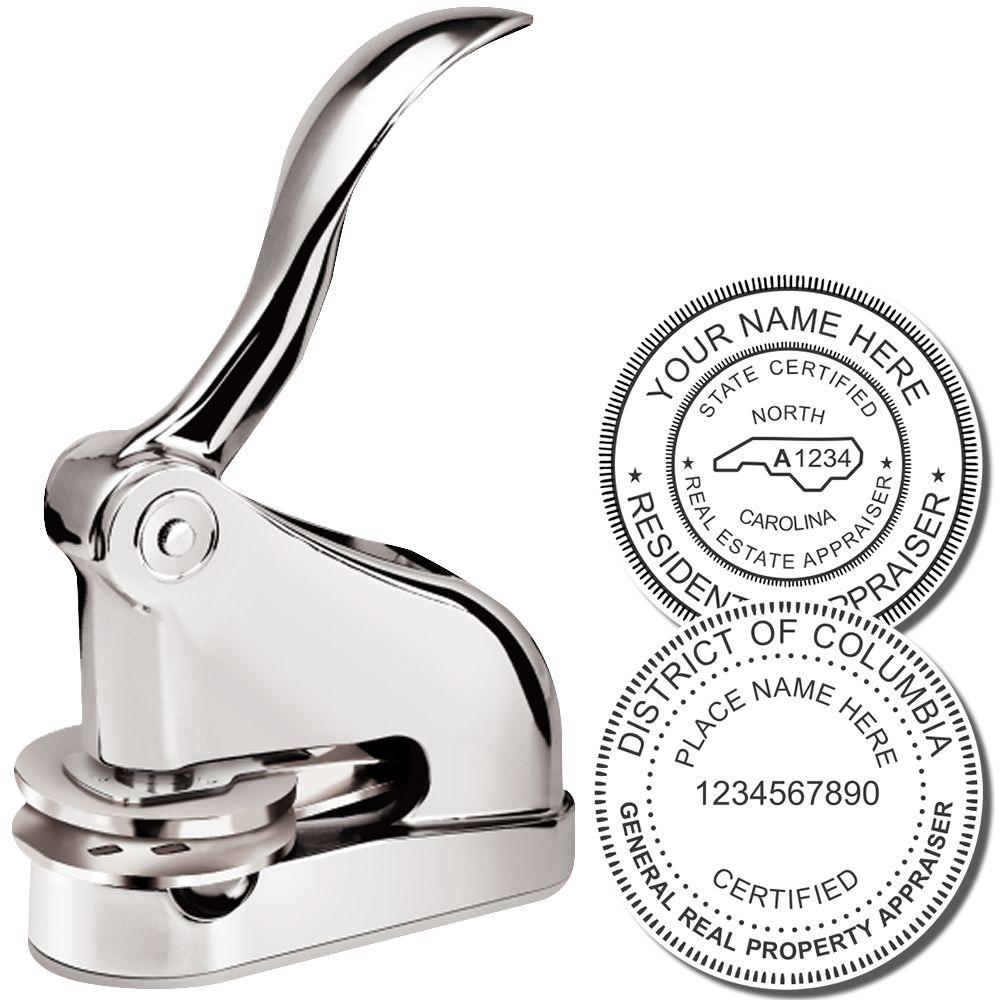
Send us the text exactly as you want it read, line by line, with the license number as it appears on your credential. We set the artwork, send a proof, and cut nothing until you approve it. For ink, the Real Estate Appraiser Self Inking Rubber Stamp of Seal is $39.95 and the Real Estate Appraiser Regular Rubber Stamp of Seal is $34.95. For a raised impression the Real Estate Appraiser Handheld Seal Embosser is $46.95 and the Real Estate Appraiser Desk Seal Embosser is $44.95.
Care, and one honest caveat
A self-inking stamp gives thousands of clean impressions; wipe the die face if lint builds up on the lettering. An embosser needs nothing but a dry drawer and a hand that presses straight down. Keep the die out of direct sun, which hardens rubber. The caveat: this page is a research summary of Minn. Stat. ch. 82B and the repealed Minn. Rules ch. 2808 as they read on 22 September 2026, and not legal advice. If your client or your lender asks for something beyond what 82B.17 says, that is a contract term, and it is worth reading before you order a die shaped around it. Browse real estate appraiser stamps and seals, or contact us with your wording.
Frequently asked questions
Does Minnesota require a real estate appraiser to have a seal?
No. Minn. Stat. ch. 82B was scanned in full and contains no occurrence of seal or stamp, and the former Department of Commerce appraiser rules at Minn. Rules ch. 2808 are repealed in their entirety with no replacement. There is no Minnesota appraiser seal to require.
Then what does Minnesota require on my appraisal report?
Minn. Stat. 82B.17 requires your license number adjacent to or immediately below the appraiser designation you use, plus an indication of the class of license you hold. The same sentence applies to contracts and other instruments used in appraisal activity, and to advertisements.
Is a number by itself enough?
No. The statute asks for two things: the number in the prescribed position, and an indication of the class of license held. A die that carries only a number leaves the class undone.
Does Minnesota require the license expiration date on the report?
No. Nothing in ch. 82B calls for an expiry date on a report, so a Minnesota die does not go stale at renewal the way it would in a state that requires the expiration to show.
Does the rule apply to my engagement letters and advertising too?
Yes. Minn. Stat. 82B.17 names the appraisal report, a contract or other instrument used by the license holder in conducting real property appraisal activities, and advertisements. That breadth is a practical argument for a stamp rather than a footer buried in one report template.
Where does the signature requirement come from, if not Minnesota?
From USPAP, which Minnesota appraisers are bound to. The signed certification is a USPAP obligation, and Minnesota adds no signature or dating formality of its own on top of it.
Can I use a digital image of my block instead of a stamp?
Yes, so far as Minnesota is concerned. Chapter 82B prescribes no instrument and says nothing about electronic seals, so a graphic in a PDF carries the same weight as typed text, provided the number and class read correctly and sit in the right position.
When do I need a new die?
When your credential class or number changes, which usually happens together when you move from licensed residential to certified residential, or from certified residential to certified general. A routine renewal on the same credential does not require new artwork.








