
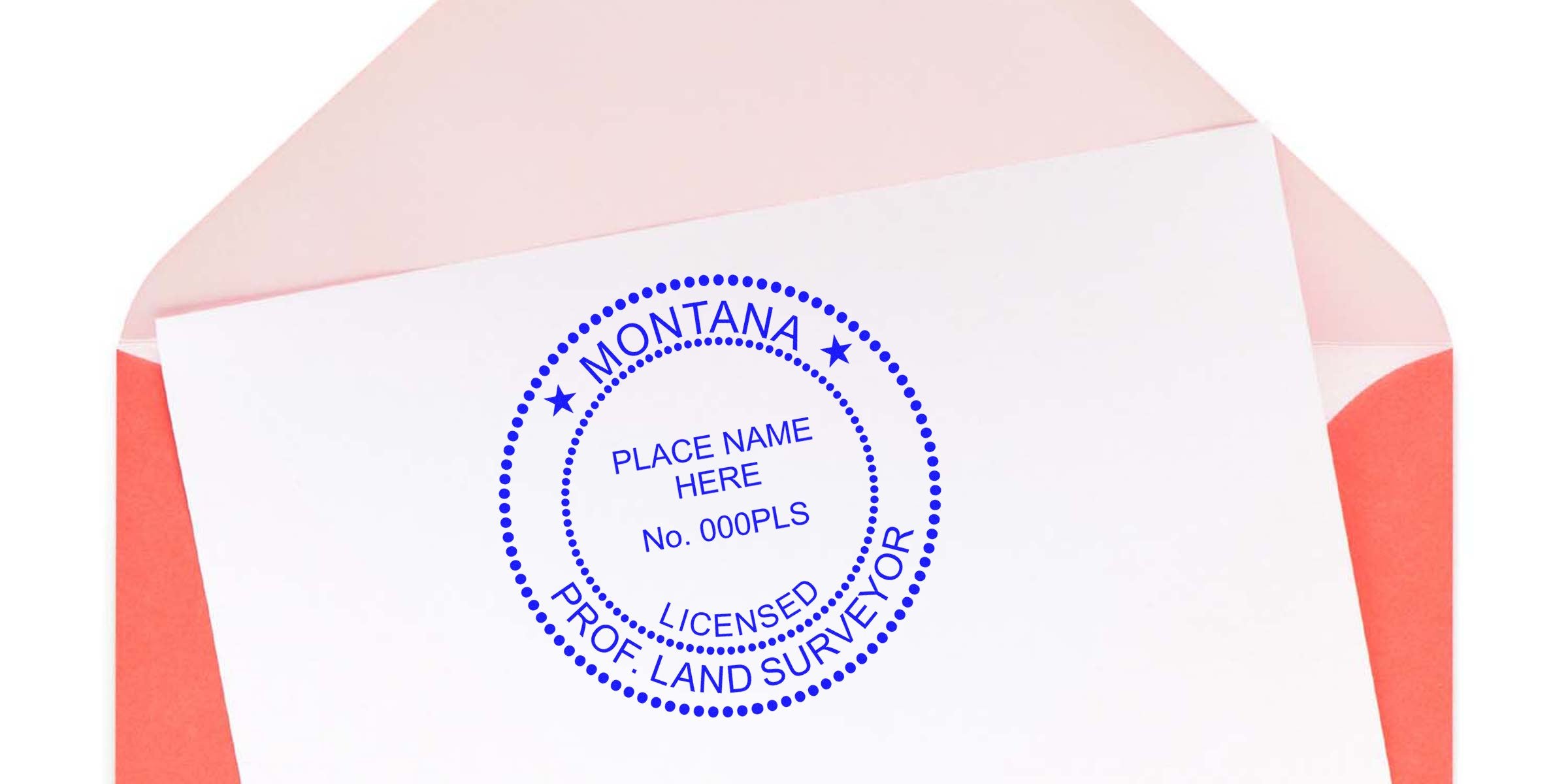
If you’re looking to practice land surveying in Montana, you’ll quickly discover that Montana land surveyor stamp requirements play a big part in your professional credentials. Think of your official stamp or seal as your personal signature on every project—it’s more than a formality. It’s how you show accuracy, trustworthiness, and commitment to ethical practice. Whether you’re fresh out of school or a seasoned pro who just moved to “Big Sky Country,” knowing how these requirements work will set you on the right path.
In this friendly guide, you’ll find the essentials about designing your stamp, using it correctly, and staying in compliance with Montana’s regulations. You’ll also pick up helpful tips for ordering your stamp and keeping it in good shape over time. By the end, you’ll have a clear, practical roadmap for handling your Montana land surveyor seal. Let’s dig in.
Understand Montana Stamp Basics
Before ordering any stamp, it’s good to know why Montana insists on them in the first place. In short, an official seal or stamp:
- Identifies your work as authorized by a licensed professional.
- Maintains consistent paperwork standards across the state.
- Acts as a visual cue that you’ve confirmed your project meets industry ethics and legal requirements.
The Role of the State Board
Montana’s Board of Professional Engineers and Professional Land Surveyors oversees your license, but they also keep an eye on how surveyors use their stamps. The Board ensures every licensed surveyor follows the same guidelines for stamp design, usage, and renewal. Staying tuned to the Board’s updates helps you avoid fines or misunderstandings down the line. You can usually find official regulations, forms, and deadlines on the Board’s section of the state website.
Why It’s Required
The main reason you’re required to seal your documents is accountability. Every time you seal your drawings or reports, you’re confirming that the statements and measurements you’ve provided are correct to the best of your knowledge. This sense of ownership can give you pride in your work, while offering peace of mind to your clients, government agencies, or any other stakeholders.
Identify Required Seal Elements
Now that you know why stamps are crucial, it’s important to understand what goes on them. Montana mandates several items on a land surveyor’s seal—so keep these details front and center when you’re ordering or designing yours.
Text and Layout
Generally, you’ll need to include:
- Your full name, matching the name under which you’re licensed.
- The phrase “Licensed Professional Land Surveyor” or an approved variant.
- Your official license number.
All of this should be arranged in a circular, oval, or similarly neat design. Check the exact wording spelled out by Montana regulation, just to be sure you’re using the official language.
Size Matters
Montana typically requires the seal to be a certain diameter. This can vary slightly based on design, but it’s often around 1⅝ or 2 inches. A stamp that’s too big may clutter your documents, while a stamp that’s too small can be tough to read. Aim for a middle ground that meets Montana’s sizing rule—if you’re not 100% certain, your stamp manufacturer should be familiar with standard dimensions for your profession.
Digital vs. Physical Stamps
Physical rubber stamps, embossers, and electronic seals are all acceptable in Montana under specific conditions. If you like the classic ink or embossed seal, you can certainly use it, provided it meets the state’s guidelines. Digital seals are convenient, especially for online submissions, but you’ll want to confirm they incorporate the same required details. Some electronic stamping software will allow you to add your signature for an extra layer of authenticity, but always verify that the final output is state-compliant.
Apply Your Stamp Correctly
Knowing what your stamp needs to look like is only half the battle. You also have to follow Montana’s protocols on when, where, and how it’s used. Here’s the good news: the basics are straightforward once you’re comfortable with them.
Required Documents
You’ll likely stamp:
- Survey plats
- Legal descriptions
- Reports or drawings that define property boundaries
- Official project records that you submit to clients or county offices
You’re essentially stamping anything that attests to your professional opinion or project data. If documents appear in public record, or are used by public agencies, stamping them is critical.
Signing and Dating
In addition to stamping, you’ll typically sign and date the document. This acknowledges that you personally prepared, oversaw, or otherwise validated the work. Montana’s administrative rules often specify that a stamp isn’t fully recognized until it pairs with your signature. Double-check whether you can use an electronic signature for digital documents. In many cases, a physical or digital signature is valid as long as it matches the name on your stamp.
Common Missteps
- Forgetting to sign next to your seal.
- Using a nickname or initials that don’t match your licensing records.
- Stamping incomplete documents that aren’t the final version.
Avoid these pitfalls by checking every page before you send or file. A quick glance can spare you from hours of paperwork corrections later.
Maintain Compliance Over Time
Montana land surveyor stamp requirements aren’t static. Laws change, or maybe you relocate within the state. As a professional, you’ll want to keep track of your license status so your stamp remains valid and recognized.
License Renewals
Montana generally renews land surveyor licenses on a fixed schedule set by the Board. You’ll receive reminders, but if you miss the deadline, your license can lapse. That means your stamped documents won’t carry any legal weight. We’ve all got busy schedules, but it’s wise to mark renewal dates in your calendar or set a digital alert to stay ahead of deadlines.
Name Or Address Changes
Got married? Moved to a new city? Whenever you change your legal name or address, you’ll likely have to update both your licensing information and your stamp. Some folks assume their old stamp is automatically valid, but that can cause confusion if the licensing board looks for your name in its records. Always notify the board promptly, order a updated stamp, and discard or store your old one so it’s not inadvertently used.
Record Keeping
You might think that once a project is done, you can shove the paperwork in a file. However, it’s smart to keep a digital or physical log of all your stamped documents. Whether you store them in the cloud or old-school binders, you’ll need them for reference or in case of disputes. Also, if you switch companies, be clear about transferring or copying records. You’ll want to maintain easy access to them, especially if clients or officials request proof of surveying details.
Choose Your Stamp Wisely
Finding the right stamp might sound like a minor detail, but it’s actually one of the most practical steps you’ll take. Beyond design compliance, you’ll want an option that fits into your day-to-day workflow. Will you be stamping lots of pages quickly? Do you need a portable embosser for fieldwork? The answers will shape your buying decision.
Types of Stamps
Here’s a handy comparison table of common stamp types you might consider:
| Stamp Type | Pros | Cons |
|---|---|---|
| Self-Inking Stamp | Quick, clean, and easy to use | Ink pads eventually need replacement |
| Pre-Inked Stamp | Crisp, high-quality impressions | Costs a bit more initially |
| Embossing Seal | Creates raised, tamper-evident imprint | Can be heavier or trickier to carry |
| Digital Seal Software | Perfect for electronic document filing | Requires proper security measures |
Pick whichever setup feels natural, as long as it meets Montana’s required layout. If you’re not sure, consult a reputable supplier who understands montana land surveyor stamp guidelines. They can help you select a design that ticks all the boxes.
Pro Tips for Stamp Shopping
- Read Reviews: Look up what other Montana surveyors like. You might learn that certain brands have more durable rubber or deeper emboss.
- Check Return Policies: If your stamp arrives with incorrect text or sizing, you’ll want the option to exchange it.
- Consider Extra Copies: A backup stamp (or embosser) can be a lifesaver if your first one breaks or goes missing.
- Don’t Skip Security: Since your seal carries legal weight, consider storing it in a locked drawer or safe. Digital seals should have proper password protection, so no one else can use them.
Follow Ethical and Legal Standards
Not only should you focus on the physical aspects of your stamp, but also on the ethical ground rules tied to your occupation. You’ve likely studied professional accountability while earning your license, but it’s always good to keep these reminders in mind.
Avoid Stamping Others’ Work Blindly
If a colleague asks you to sign and stamp documents you didn’t prepare or supervise, that’s usually not acceptable. In Montana, as in many states, you must have direct oversight or input that meets the board’s threshold of responsibility. Stamping someone else’s work might land both of you in hot water if errors surface later.
Handle Conflicts of Interest
When a potential conflict of interest arises, clarify it upfront with clients or relevant agencies. Your professional seal is a mark of impartial expertise, so anything that compromises that integrity isn’t good for your reputation—or your license status.
Understand Disciplinary Actions
While it’s rare, the Board has the power to discipline surveyors who misuse their stamps or violate practice codes. Penalties range from fines to possible license suspension. This underscores why you should carefully monitor how and when your stamp is used.
Organize Your Stamping Workflow
Let’s be honest: managing documents can be a chore. But a good workflow ensures you’re never stamping papers without the final check. Here’s one simple process you might adopt:
- Draft Your Survey Documents
- Double-Check Measurements and Calculations
- Confirm All Required Elements (name, date, license details)
- Apply Your Stamp and Signature—physical or digital
- Save Copies (digital and paper) for your records
This step-by-step approach helps you standardize your process so you don’t skip crucial details. It also makes it easy for anyone else on your team to follow the same routine.
Keep Up With Industry Changes
While Montana land surveyor stamp requirements won’t change daily, you’ll still want to keep a finger on the pulse of industry developments. This can help you fine-tune your approach to stamping and overall practice.
Stay in the Loop
- Check Board Announcements: The Montana licensing board sometimes posts rule updates or clarifications. Try a monthly or quarterly website visit.
- Join Professional Associations: Groups like the National Society of Professional Surveyors (NSPS) or state-level organizations may share relevant news you won’t hear elsewhere.
- Chat with Peers: Informal chats at conferences or local meets can surface important rumors or clarifications about stamp usage.
Embrace Continuing Education
Most states mandate continuing education credits to maintain your land surveying license, and Montana is no different. By pursuing courses in laws and regulations, you’ll always know the latest guidelines and can refine your stamp practices accordingly.
Wrap Up And Next Steps
Your land surveyor stamp is a visible sign of your professionalism and your compliance with Montana’s regulations. Meeting the Montana land surveyor stamp requirements isn’t just about following rules—it’s about putting forward your best work and assuring your clients that each survey document meets ethical and technical standards.
You’ve learned the vital elements of a compliant stamp, the documents that require sealing, and how to handle your seal responsibly from start to finish. Here’s a quick recap of your next moves:
- Confirm Your Stamp Layout Meets Montana’s Rules
- Decide Which Type of Stamp Best Suits Your Workflow
- Keep Your License Profile Updated (including name/address changes)
- Follow a Consistent, Verified Process for Stamping Documents
- Stay Alert to Industry Updates and Board Announcements
If you’re in the market for a new seal or simply want to upgrade your current one, check out our montana land surveyor stamp resource to see examples and recommended vendors. It’s always smart to get professional guidance, especially if you’re unsure about sizing or design.
Now you’re ready to proceed with confidence. It might feel like a lot of details, but trust me, once you’ve got your stamp lined up properly, sealing those documents becomes second nature. Enjoy the peace of mind that comes with knowing every page you stamp is legally robust and professionally prepared. Happy surveying!
Frequently Asked Questions
What are the Montana land surveyor stamp requirements?
A Montana land surveyor stamp typically needs to show your full licensed name, the phrase “Licensed Professional Land Surveyor” or an approved equivalent, and your license number. It should also follow the state’s formatting and size guidelines so it’s clear and readable on official documents. Always confirm the current rules with the Montana Board of Professional Engineers and Professional Land Surveyors before ordering or using a seal.
Do I need to sign and date documents with my Montana land surveyor seal?
Yes, in most cases you should sign and date documents along with your Montana land surveyor seal. The stamp alone may not be enough to meet compliance requirements. Pairing your signature and date with the seal helps show that you prepared, reviewed, or took responsibility for the work.
Are digital land surveyor stamps allowed in Montana?
Yes, digital land surveyor stamps may be allowed in Montana if they meet the same required information and compliance standards as a physical stamp. This can be especially useful for electronic plan submissions and digital records. Be sure your digital seal is secure, legible, and approved for the type of document you’re filing.
What documents need a Montana land surveyor stamp?
Common documents that may need a Montana land surveyor stamp include survey plats, legal descriptions, boundary reports, drawings, and official project records. If a document reflects your professional judgment or is intended for public record or agency review, it should usually be sealed. When in doubt, check the latest board guidance.
What happens if my Montana land surveyor license expires or my name changes?
If your license expires, your stamp may no longer be valid for official use until your license is renewed. If your legal name or address changes, you should update your licensing records and replace your stamp if needed so it matches your current information. Keeping your records current helps prevent delays, compliance issues, and rejected documents.
Where can I verify the current Montana land surveyor stamp rules?
The best place to verify current Montana land surveyor stamp rules is the Montana Board of Professional Engineers and Professional Land Surveyors. Their official website should have the latest regulations, forms, renewals, and any updates affecting stamp design or usage. Checking periodically is a smart way to stay compliant and avoid mistakes.








