
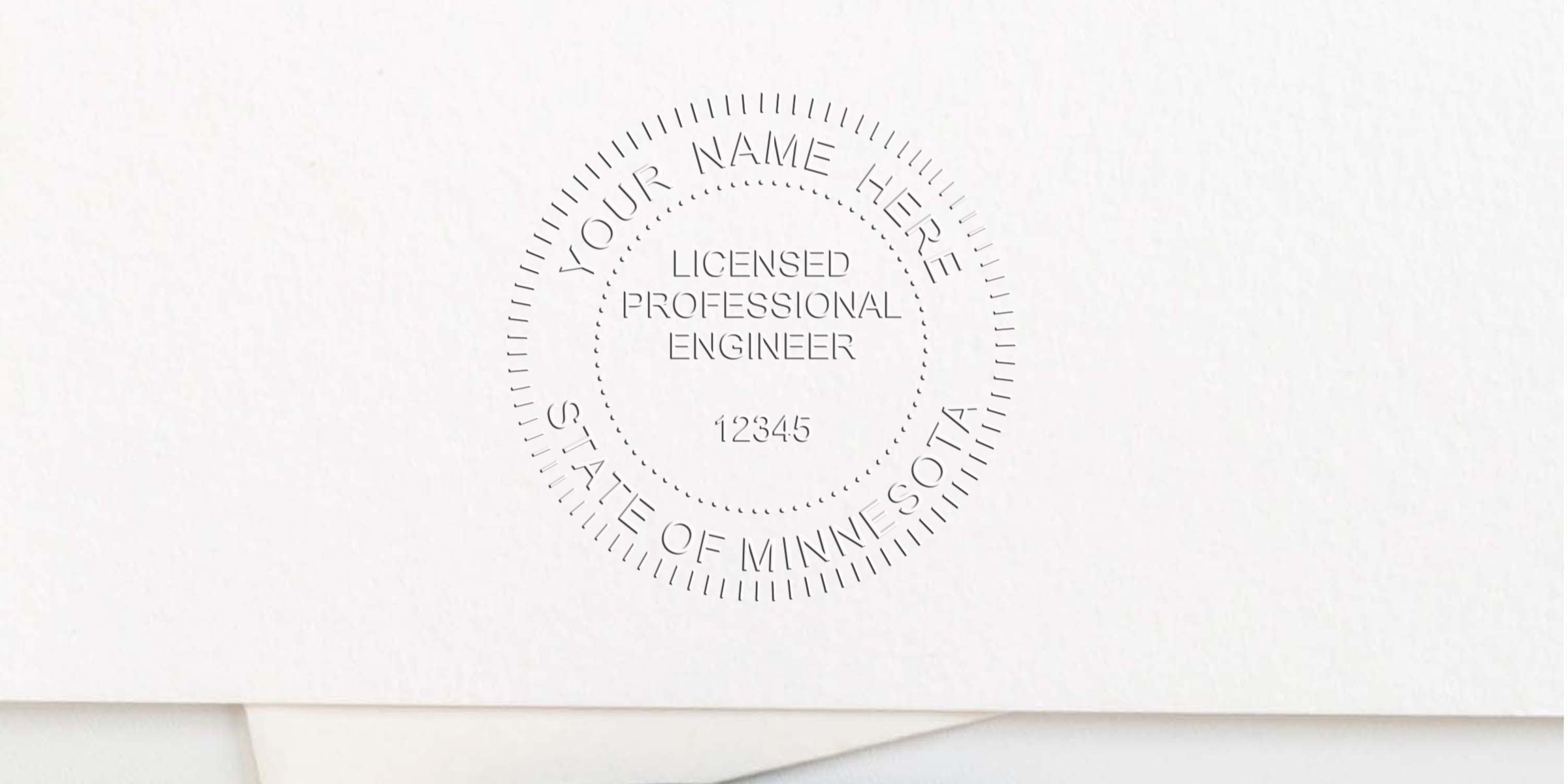
Navigating minnesota engineer stamp regulations can feel overwhelming at first, especially if you’re not sure which details truly matter. The good news is, once you understand the basics, you’ll be ready to stamp your documents confidently. In this article, you’ll find clear tips on what these rules mean, how to stay compliant, and why choosing the right supplier makes all the difference.
Explore Minnesota’s key regulations
State laws protect the public by ensuring only qualified individuals can seal engineering documents. Minnesota requires licensed professional engineers (PEs) to stamp project plans, reports, and other official paperwork. By doing so, you confirm you’re taking responsibility for the integrity of the work.
These regulations also specify that if you’re licensed in Minnesota, you must use a seal that meets official guidelines. For more details on the precise embossing and layout rules, check out the minnesota engineer stamp requirements.
Understand proper stamp design
Minnesota’s licensing board outlines design rules for your seal. You’ll usually see:
- A circular shape containing your name, license number, and the words “Licensed Professional Engineer.”
- A clear indication that you’re authorized to practice in Minnesota.
When you order your stamp, it’s smart to confirm the layout meets the board’s guidelines. Companies like Acorn Sales, which has been in business since 1964, stay on top of these requirements so your final product is both legal and professional. Plus, they offer a free electronic seal when you purchase a physical stamp. That’s especially handy if your projects involve digital submissions.
Keep your records organized
Part of complying with stamping rules is understanding your document retention duties. If you’re stamping documents, you’ll want to store:
- Final project drawings and design calculations.
- Any revisions, with date and detail of changes.
- Correspondence clarifying requests or unique site conditions.
Keeping these records helps if a regulatory body or client ever questions your work. Organized files also save you time when you need to reference old designs for similar projects down the line.
Choose the right supplier
When it comes to ordering your official stamp, you want quality you can count on. At Acorn Sales, we offer:
- Accurate PE seals that meet current Minnesota specifications.
- Super fast turnaround, so there’s less waiting when you’re on a tight schedule.
- High-quality impressions that stand up to frequent use.
- A free electronic seal with your physical stamp purchase.
The right stamp supplier can help you avoid costly reprints or design issues. You’ll also feel more comfortable knowing your seal looks professional, stays legible, and meets every detail in the regulations.
Keep these points in mind, and you’ll be well on your way to staying compliant with Minnesota’s guidelines. By understanding your responsibilities, choosing a reliable supplier, and following proper design specifications, you can stamp your engineering documents without worrying about missing any key steps.
Frequently Asked Questions
Do I need separate seals if I’m licensed for multiple states?
Yes. Each state has different formatting rules, so you’ll need unique seals to match each state’s requirements.
Can I digitally sign and seal documents for Minnesota?
Absolutely. Minnesota allows digital stamping, but it must follow the board’s security guidelines and appear on final PDF or CAD files.
How often do I need to update my seal design?
In most cases, the design stays valid unless the licensing board changes its standards. Keep an eye on updates, and replace your stamp if major changes occur.
Are electronic seals accepted for project submissions?
Many agencies accept electronic seals, but confirm with your client or local jurisdiction. Digital seals are convenient, especially when working remotely.
Do I have to keep a record of every document I stamp?
It’s strongly advised. Having a record of your stamped documents protects you if questions arise about the project’s design or scope.








