
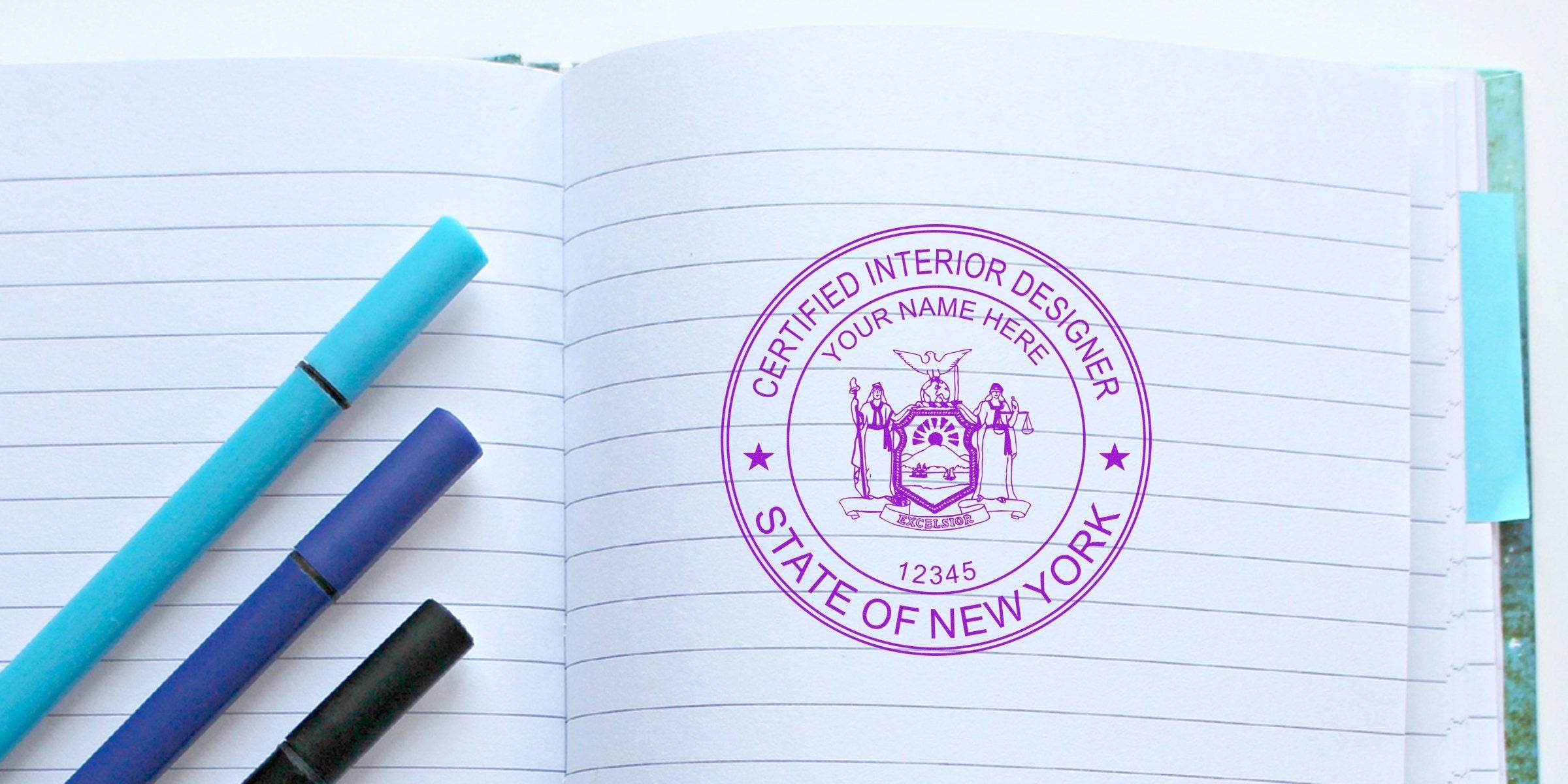
If you’re looking into a New York Interior Designer Stamp Embosser for your professional needs, you’ve come to the right place. You know that official seals matter, but maybe you’re not entirely sure how embossers fit into the bigger picture, especially in the state of New York. In this post, we’ll talk through everything from key requirements to everyday usage tips, so you can feel confident the next time you stamp a document.
Think of this as your go-to resource for understanding your obligations, selecting a reliable supplier, and making the most of your embosser. By the end, you’ll be ready to order the right product, keep it well maintained, and even share a few tips with fellow interior designers.
Understand New York Requirements
Professionally sealing documents in New York might feel overwhelming at first, mainly because of the various rules and regulations around interior design. Yet the process is more straightforward when you break it down into steps.
Interior Design Licensing Essentials
Before you even think about using a stamp, you need to ensure that your interior design license is fully up to date. In New York, interior designers typically must meet specific education requirements and pass licensure exams that prove their competence. If you’re in the final stages of getting your license, chances are you already know your state board’s guidelines. Once your license is official, you’ll be allowed to use a seal or stamp to authenticate your drawings, reports, and other design-related documents.
It’s worth confirming that your license status aligns with all state-specific instructions. Some designers forget that New York periodically revises licensing rules or clarifies how documents should be sealed. A quick review of your board’s latest updates keeps you on track.
Why Seals and Stamps Matter
New York enforces the use of official seals and stamps for a core reason: these imprints assure clients, regulatory bodies, and the general public that your work meets professional standards. By adding your stamp to your interior design submissions, you affirm authenticity and compliance.
When you apply an embosser, you’re not just adding flair, you’re providing a visible sign of credibility. Many city or county offices will only accept architectural or interior design plans if they bear a valid stamp or seal. Think of it as a trust measure that shows you stand behind your work.
Recognize the Role of an Embosser
A New York Interior Designer Stamp Embosser creates that raised impression people tend to associate with formal documents. Simply put, it’s a handheld or desk-mounted tool that presses your seal’s design into paper so the result is a tactile, professional touch.
Crafting Crisp Impressions
An embosser works by applying pressure through two metal plates etched with your customized design. When you press them together, you get a crisp, raised imprint that’s usually more durable than an ink-only stamp. This raised seal stands out on physical documents, bringing a sense of importance and tradition.
The clarity of your seal depends on the depth of the engravings, the type of paper, and the pressure you apply. Thicker paper might need a bit more force, while standard letter paper usually requires a lighter touch. It’s a balancing act, but it becomes second nature after a few uses.
When You Need It
Some designers wonder if an embosser is always required when an ink stamp can be faster. First, check your local jurisdiction’s rules, because certain offices or projects still prefer raised embossing on official paperwork. In some cases, you can use both: an ink stamp for readability and an embosser for that official 3D effect. Stamping your design plan cover pages, specification documents, or change orders can reinforce credibility and clarity.
If you want to explore various design options for your seal, take a look at this New York Interior Designer Stamp. It’s a handy resource that highlights different styles so you can find the perfect match for your documents.
Choose a Trusted Supplier
Finding a reputable source for your New York interior designer seal is kind of like sourcing quality materials for a client’s project, you don’t want to compromise on reliability. A quality stamp embosser creates precise, long-lasting impressions, and that starts with solid craftsmanship.
Acorn Sales Expertise
At Acorn Sales, we’ve been in business since 1964 and pride ourselves on delivering high-grade stamps and seals tailored to New York requirements. We understand that your work depends on accurate, professional stamping tools. Whether you need a sleek handheld unit for site visits or a sturdy desktop embosser for office use, we have you covered.
Our experience includes decades of working with architects, notaries, and interior designers across multiple states, so you can trust us to get every detail right. Plus, we offer a free electronic seal with every New York Interior Designer Stamp Embosser, which helps you handle electronic filings or digital documents when physical stamping isn’t practical.
Use and Maintenance Basics
Once you have your embosser on hand, the next step is making sure you’re using it correctly and keeping it in great shape. After all, a well-maintained embosser saves you time, prevents rejections from regulatory boards, and upholds your professional image.
Start by familiarizing yourself with the tool. If you have a handheld embosser, try a few practice stamps on scrap paper. If you opted for a desk embosser, ensure it’s secured on a flat surface so you can apply consistent pressure.
Prevent wear and tear by storing your embosser in a protective case or in a closed drawer away from direct sunlight. Excessive dust or moisture can gradually affect the metal plates’ alignment, leading to unclear impressions. If you notice any uneven embossing, lightly clean the plates with a soft, dry cloth. Lubricating the mechanism occasionally (as recommended in the manual) helps maintain smooth operation. Finally, check your plates for damage at least once a year. Even minor scratches can interfere with the quality of your imprints.
Wrap Up and Next Steps
Securing a New York Interior Designer Stamp Embosser is a big step toward meeting state requirements and creating a refined, trustworthy image for your practice. By understanding New York’s licensing rules, choosing a reliable supplier, and learning how to care for your tool, you’ll make every impression count. If you still have questions or want to discuss the best embossing option for your needs, reach out to Acorn Sales. We’re always happy to guide you to the perfect seal solution. Feel free to share this post with colleagues who might need a quick rundown as well. After all, a well-embossed document can go a long way in showcasing your professional prowess.
Frequently Asked Questions
Do I legally need to use an embosser, or can I rely on an ink stamp?
It depends on local regulations and board preferences. Some jurisdictions allow ink stamps, but certain offices or agencies still require a raised seal for official purposes. Always verify your project requirements to avoid delays.
How do I customize my seal design for my New York license?
When ordering from a reputable supplier like Acorn Sales, you’ll provide the exact text and license details needed by the state. The company then engraves those details onto your plates to match New York’s standards.
Is there any special paper I should use for embossing?
Typically, standard copy paper works fine. However, if you’re dealing with thicker blueprint sheets or specialty stock, you might need to apply a bit more pressure. Practice on a spare page first to find the sweet spot.
How often should I replace my embosser?
Quality embossers can last for years, sometimes even decades. If you’re noticing misalignments or uneven impressions, it might be time for a tune-up or, in rare cases, a new unit.
What if I need an electronic seal for online submissions?
Many designers face a mix of digital and physical document requirements these days. With Acorn Sales, you’ll receive a free electronic seal along with your embosser so you can easily switch between physical and digital stamps.








