
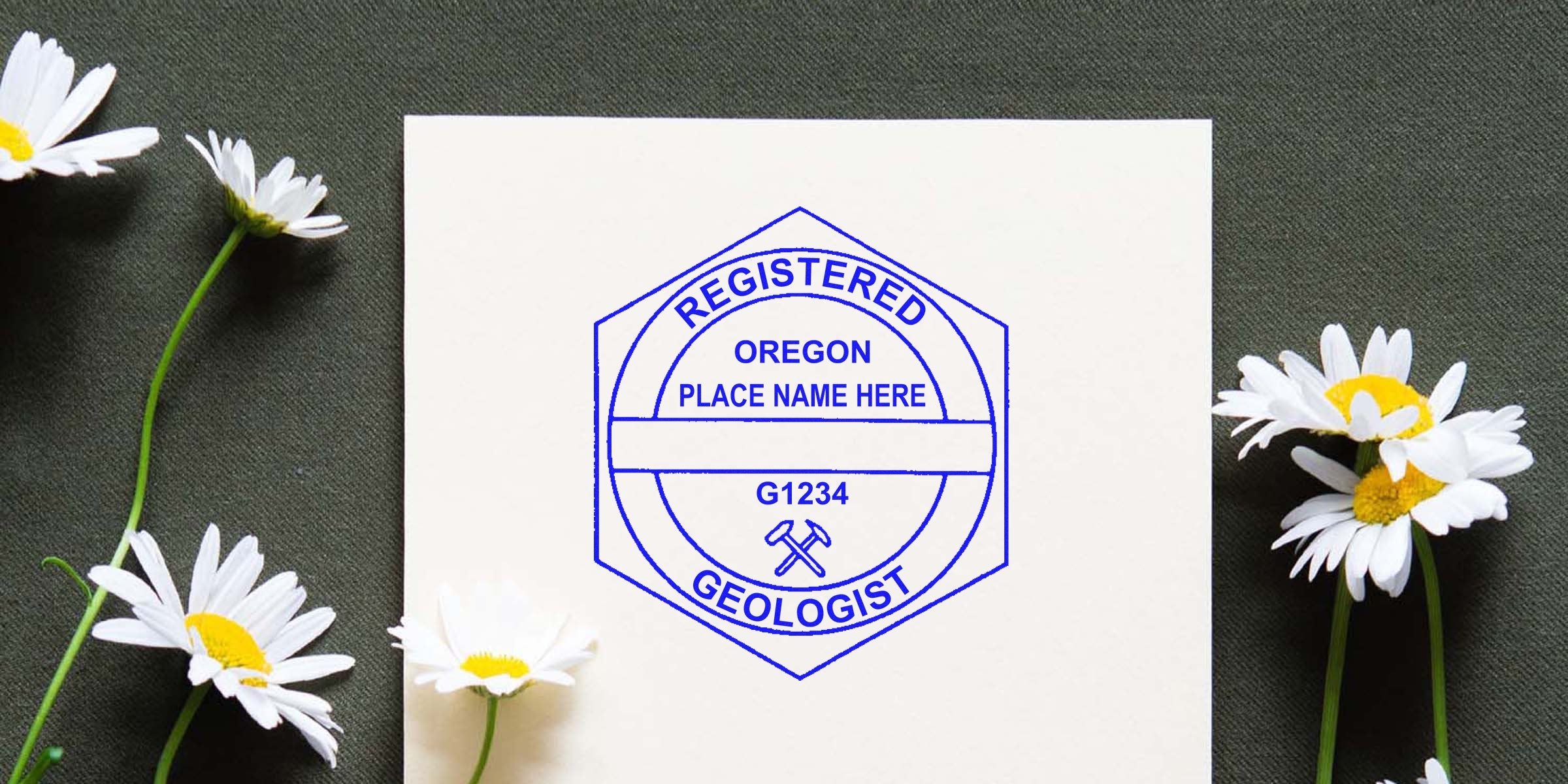
Picture yourself finalizing a geological report for a local client, eager to demonstrate that your expertise meets Oregon standards. There’s one important step left: adding your professional seal. Oregon geologist stamp regulations can feel a bit tangled, but once you unravel them, you’ll discover they’re doable, provided you follow each requirement carefully. Let’s walk through the key considerations, so you can stamp your documents with confidence and keep your geologist license in good standing.
Explore Oregon Stamp Regulations
You’ve probably noticed that every state has its own guidelines around professional stamps. Oregon is no exception. The purpose is to ensure licensed geologists take responsibility for the technical information they provide. In states like Oregon, these regulations help maintain ethics in the industry—if it has your stamp on it, you’re claiming it as accurate.
The cornerstone is fairly straightforward. You need a clearly legible stamp or seal that contains specific wording, your license details, and, of course, your signature. Generally, the board wants to see your name, your license number, and an indication that you’re a registered geologist in Oregon. That way, anyone reading the document knows you’re qualified to prepare geological work.
But how does this translate to day-to-day tasks? In most cases, you’ll need to place your stamp on final documents like reports, drawings, or other technical materials that go out to clients or regulatory bodies. Why does it matter if the stamp is crooked or faint? Because legibility is essential—no one should have to guess if your stamp says “Licensed Geologist.” If the print is too light or too small, that’s a compliance red flag you don’t want.
Understand Licensing Basics
Before diving into the details of stamping, it’s good to confirm you’re squared away with your overall licensing requirements in Oregon. The state typically expects you to:
- Complete the necessary education for a geologist (usually a bachelor’s degree in geology or a related field).
- Pass a qualifying exam or series of exams, often recognized nationally.
- Submit an application, along with fees and proof of experience, to the Oregon State Board of Geologist Examiners (OSBGE).
- Renew your license periodically, which might include completing some continuing education hours.
Licensing is more than a certificate on your wall. It’s your seal of trust. In Oregon, you’re telling clients, “I’ve met all the qualifications this professional body sets.” On paper, that means you have the technical knowledge and the moral responsibility to handle geological assessments, including vital projects that can affect public safety or environmental health.
If you’re fresh out of school, remember to plan ahead. The state board will likely ask for transcripts, references, and exam results before they process your application. Missing documents slow everything down. You may also have to schedule your exam well in advance. Keep track of all those steps to avoid last-minute headaches that could delay your license—and by extension, your ability to stamp professional work.
Select the Right Stamp
Once you’re licensed, it’s time to pick a stamp or seal that aligns with Oregon’s specifications. The design often includes a circle or rectangle that contains the words “State of Oregon” along with “Registered Geologist,” your license number, and your full legal name. Some geologists prefer an ink stamp for quick convenience; others opt for an embosser because it leaves a raised impression. Both styles are valid, as long as your imprint is clear and permanent.
But there’s more to think about than shape. You also need to consider:
- Durability: If you’re stamping multiple reports a day, an easy-to-grip handle or self-inking model may be best.
- Clarity: Look for sharp, crisp edges that produce readable text. Smudges or partial imprints can raise doubts about the legitimacy of the seal.
- Size: Oregon typically requires stamps to be a certain diameter (or dimension), so check the official guidelines before ordering.
Feel free to explore oregon geologist stamp requirements for additional insights. Making the right choice now can help you avoid having to replace your stamp (and field questions later) if it doesn’t match state rules. If you’re unsure, a trusted seller can guide you in selecting the format that suits your style and meets regulation specifics.
Apply Your Stamp Properly
Let’s be honest, you don’t want to scramble at the last second and wonder where or how to place your stamp. In Oregon, general practice is to apply your seal near your signature—often on the first or last page of the document. It’s signaling, “I’m responsible for everything in these pages.” Usually, you’ll sign and date the document near the stamp as further proof that you’re the one approving this final version.
Here are a few specifics to keep in mind:
- Always use permanent ink or a clear emboss. Pencil, light markers, or stamps that fade are problematic.
- Make sure the stamp never overlaps text or images that could obscure important details.
- If you produce digital files (PDFs, for example), consider placing your stamp in a locked area of the document. That way, no one can tamper with it after the fact.
- Double-check that the stamp is entirely legible after you affix it. If it’s smudged, do it again.
For digital submittals, Oregon does allow electronic images of your seal as long as they meet certain security standards. In those cases, you often upload a high-resolution seal image, then apply it to the final document. Just remember, your digital signature still needs to meet board requirements. Some local jurisdictions also want a hand-signed hard copy. Keep track of the specific demands of your client or agency to avoid compliance pitfalls.
Maintain Compliance Long-Term
Renewing your license is part of being a professional geologist in Oregon. That means you’ll need to remain up to date so your stamp stays valid. While each renewal cycle varies, you’ll typically submit payment, confirm continuing education credits (if required), and update your contact details.
What happens if your license lapses? Oregon can impose fines or disciplinary actions. More importantly, your stamp becomes invalid. Using an expired stamp on official documents can get you into hot water with the board. So, keep a calendar reminder for your renewal date. Review your compliance status yearly to make sure you never accidentally slip out of good standing.
It’s also wise to maintain a record of every project you stamp. Whether you keep digital folders or physical binders, having a clear archive of the documents you’re responsible for can protect you if any questions arise later. If a regulatory agency or a client asks, you can point them directly to the relevant final report and demonstrate that your stamp on file matches the one you used that day.
Leverage Acorn Sales Expertise
You may be wondering, “Where can I get a reliable, high-quality seal that ticks every Oregon box?” At Acorn Sales, we’ve been helping professionals like you for over 60 years. We specialize in stamps and seals, including those for geologists who need to meet Oregon’s regulatory requirements. Our selection includes everything from self-inking stamps to old-school embossers, and we’re happy to consult on the right fit for you.
As an extra bonus, we offer a free digital seal with every purchase of a physical geologist stamp. This can come in handy if you frequently file electronic documents alongside your printed ones. Our goal is to streamline the process, ensuring you only have to provide your licensing details once. We’ll handle the design so that it adheres to Oregon’s guidelines. Then you can focus on the real work: providing accurate and insightful geological assessments.
Whether you have a small geotech consultancy or a larger firm, a user-friendly stamp helps you keep daily tasks efficient. Instead of fiddling with manual imprint issues or second-guessing whether your seal meets state standards, you can stamp your paper confidently and move on to the next project. That’s the value of working with a trusted supplier.
Acorn Sales is a trusted name for Oregon geologist seals. We’ve been in the stamp-making business for over six decades, supplying professionals with reliable, board-compliant products. You can also explore specialty stores that focus on professional seals, but always double-check that their designs align with Oregon’s specific requirements. A quick conversation with the supplier to confirm board standards is worth it. That way, you don’t wind up with a beautifully engraved seal that the board doesn’t officially recognize.
When you’re juggling project deadlines, the last thing you want is a snag with your stamp. By following Oregon’s guidelines, selecting the right seal, and placing it properly on your documents, you’ll stay on the smooth side of compliance. A little advance planning saves you a ton of stress down the road.
If you have lingering questions, explore oregon geologist stamp requirements or reach out for more guidance. Keeping your license up to date, storing accurate records, and working with a reliable stamp provider like Acorn Sales will help ensure your work meets every professional standard you’re held to. With these tips in place, you’re ready to make your mark on Oregon’s geological landscape—one well-sealed document at a time.
Frequently Asked Questions
What Are the Dimensions Required?
Most states, including Oregon, specify a minimum size to keep your seal readable. Typically, the diameter for a circular stamp hovers around 1 5/8 inches to 2 inches. However, you can confirm any new changes on the official OSBGE site or consult a reputable provider like Acorn Sales. The goal is clarity—if the text is crowded or your name is too small to read, it’s best to go slightly larger.
Can I Use a Digital Seal?
Yes, Oregon does allow electronic seals, as long as the digital version matches your board-approved design. You also need a secure method of applying that seal to final documents so it can’t be easily altered. If you purchase through Acorn Sales, you’ll receive a free digital seal that you can embed in PDFs or other electronic files. Just remember, authenticity is key—some agencies may still request a wet-ink signature or physical copy, so plan accordingly.
Do I Need to Renew My Stamp?
Your physical seal doesn’t expire in the sense that ink or embossers wear a “use by” date. However, if your geologist license itself expires or is suspended, you cannot legally use your stamp. Any impressions you make after your license lapses are invalid. Make sure you renew your license on time and verify that your stamp’s design aligns with any new rules introduced by the board. If your current seal no longer meets updated requirements, you’ll need to order a replacement.
Are There Penalties for Misuse?
Absolutely. Using someone else’s seal isn’t just frowned upon, it can open you up to disciplinary action or even legal trouble. Tampering with seals or misrepresenting your qualification goes against Oregon’s regulations, designed to protect public safety. Penalties could range from fines to the loss of your license, depending on severity. Always ensure you’re stamping only documents you’re qualified and licensed to oversee.








