
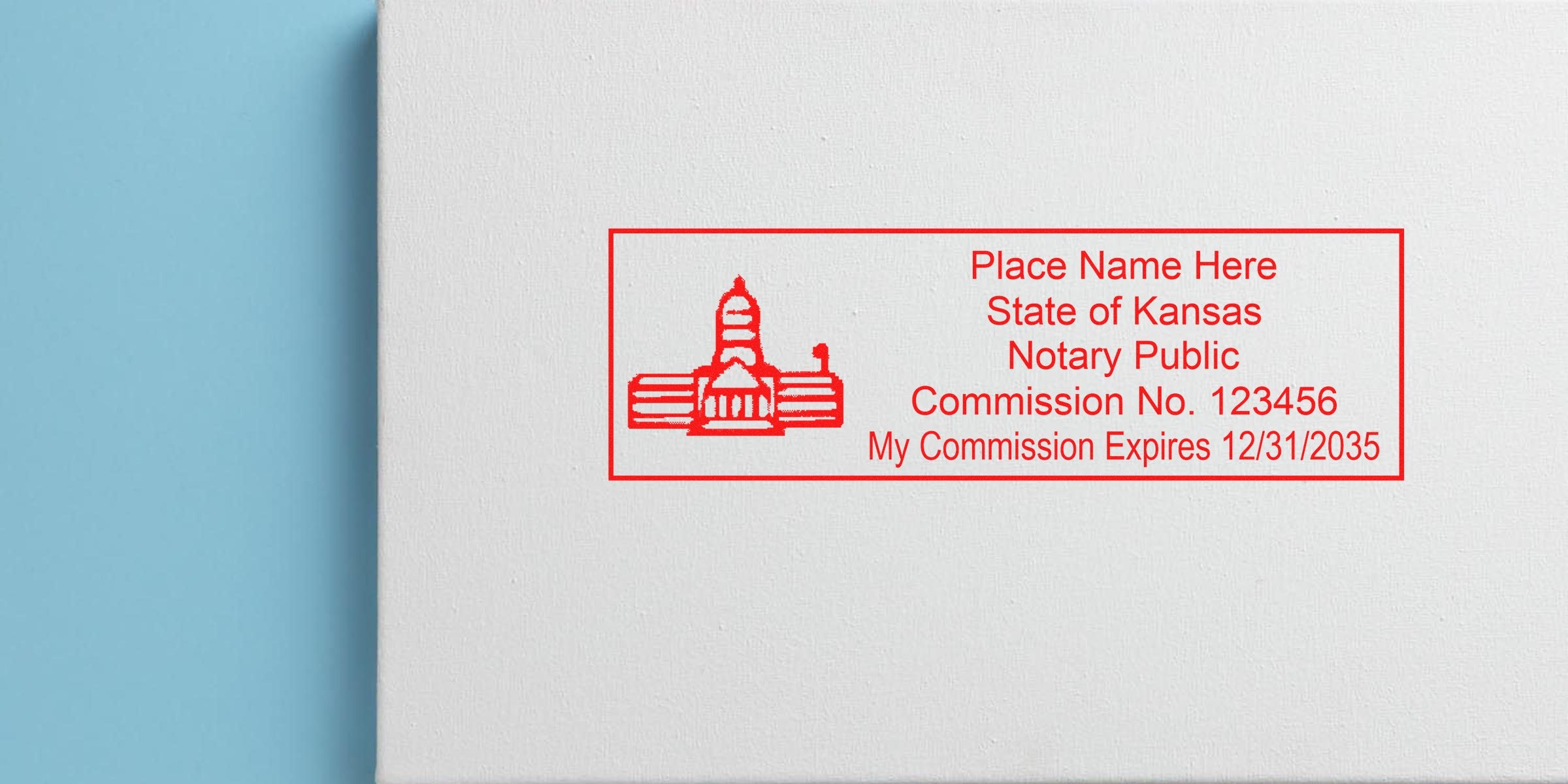
If you’re feeling a bit overwhelmed by Kansas notary stamp requirements, you’re in the right place. We know that deciphering stamp designs, expiration dates, and commission obligations can leave you scratching your head. That’s why we’ve gathered all the key details you need, packaged them in one friendly guide, and added practical tips from our years of experience at Acorn Sales. Let’s dive in together and simplify these rules so you can confidently fulfill your notarial duties.
Understand Kansas Notary Basics
Being a notary public in Kansas is about much more than just stamping documents. We’re entrusted with verifying identities and helping preserve the integrity of official paperwork. Since our appointments are set by the Kansas Secretary of State, we must follow the guidelines carefully to stay in good standing.
Kansas notaries are appointed for four-year terms. During this period, we’re expected to perform notarial acts such as witnessing signatures, administering oaths, and certifying copies. If you’re wondering whether the job is complicated, it doesn’t have to be. Once you grasp the essentials of your commission dates, oath of office, and bond requirements, you’ll find the day-to-day process much more straightforward.
To legally operate, each of us must post a surety bond of $12,000. This bond, valid for four years, protects the public and underscores the importance Kansas places on the reliability of notaries. The state also requires that we keep track of notarial acts in a notary journal, which must be retained for 10 years from our last entry. That might sound like a lot of paperwork, but we promise it becomes second nature once you set up a steady routine.
Follow Kansas Stamp Guidelines
According to Kansas notary stamp requirements, every notary is required to use a rubber stamp. This stamp must display specific information so documents can be accepted and recorded properly. The critical elements are:
- Your name as it appears on your commission
- The words “Notary Public”
- Your commission expiration date
- Your commission number (if applicable in Kansas)
- The county where you’re commissioned (if required)
We usually find that a clear and well-structured imprint helps everyone involved—recipients, recorders, and you as the notary. The Kansas Secretary of State expects the impression to be legible, so it’s best to avoid fancy fonts that could overshadow clarity. Below is a handy table of the components often required on a Kansas notary stamp:
| Required Element | Purpose |
|---|---|
| Notary’s Name | Identifies the official notary |
| “Notary Public” | Confirms your official role |
| Commission Expiration Date | Ensures the stamp is valid and in-date |
| Commission Number | Links the stamp directly to your notary record |
| County of Appointment | Clarifies where your notarial authority is recognized |
Failing to include even one of these elements can cause your notarized document to be rejected by the document receiver or the county clerk’s office. None of us wants that headache, so double-check the details when you order or use your stamp.
Use Proper Ink And Shape
Kansas law strongly recommends black ink for the notary seal impression, given that black is reliably photocopiable. Although other states sometimes allow or require different colors, black is the safest bet here. We often hear people ask: “Is it okay to use blue ink for the signature portion yet black for the seal?” Yes, your personal signature can be in a different ink color, as long as your official notary stamp is clear and in the recommended color.
Shape and size can vary—some references suggest rectangular dimensions up to 3 inches long and 1 inch wide. Others recommend a round stamp with a diameter of up to 1-5/8 inches. In either shape, focus on readability. You want a crisp impression that anybody can read without squinting. If you’ve ever had a notary stamp that was too detailed, you know it can lead to smudges or blurry edges. Our advice is to keep it simple and tidy so your stamping process is a breeze.
Renew And Replace Stamps
Once your four-year notary commission term is coming to a close, you’ll need to renew. Many of us initially think we can just buy a new stamp and move on, but there’s a bit more to it:
- Complete the renewal application from the Kansas Secretary of State.
- Submit the required fees and fill out all necessary paperwork.
- Take a new oath of office.
- After all of that is processed, purchase a new stamp reflecting your updated commission information.
Skipping steps or using an out-of-date stamp can invalidate documents. It’s a simple process once you know the drill, so mark your calendar for your expiration date, and start renewing about a month or two before your commission ends.
What If My Stamp Is Lost?
Losing your Kansas notary stamp is more common than you might think. It can happen if it falls out of a bag or simply gets misplaced during a busy day. If that happens:
- Report the loss immediately to your local law enforcement agency.
- Notify the Kansas Secretary of State in writing (they may have additional instructions).
- Purchase a new stamp from a trusted supplier.
We find that reporting early minimizes the risk of fraud and ensures you’re following state guidelines.
Keep Stamps Secure
Security might sound like a no-brainer, but it’s easy to forget on a busy day. We’re required to maintain exclusive control of our stamps, which means no one else should be borrowing, storing, or using them. When you’re not actively notarizing, keep your stamp locked in a cabinet or drawer. This small step helps prevent unauthorized use, and it also protects your professional reputation if anything were to go missing.
The same consideration applies to your notary journal. Whether it’s a tangible paperback or an electronic format, it contains personal information about your signers—so treat it with due care. If you have staff or colleagues, make sure they understand that the stamp is off-limits for anyone but you.
Meet Additional Requirements
Notarizing documents is more than just stamping and signing. Kansas has a few extra requirements notaries need to follow. Here’s a quick overview to help you out.
Surety Bond and Fees
We mentioned earlier the $12,000 surety bond. Along with your bond, you’ll pay a filing fee when you first apply or renew. Make sure you track these dates so that your bond and commission line up carefully.
Maintaining a Notary Journal
Kansas requires we keep a notary journal. As of January 1, 2022, the state wants us to maintain a comprehensive record of each notarial act we perform. The journal can be a physical book or a secure electronic system. Either way, we keep it for 10 years after our last entry. If you haven’t set one up yet, trust us, it’s extremely handy for verifying past notarial acts and protecting yourself in case of disputes.
Remote Online Notarization (RON)
As of January 1, 2022, Kansas allows remote online notarization (commonly known as RON). This means we can notarize documents for people who aren’t physically in the same room, as long as we use approved audio-visual technology and meet the state’s security requirements. If you’re curious about the legal technicalities, you can check K.S.A. 53-5a15 for its specifics. It’s a terrific option if you frequently work with signers who can’t show up in person due to distance or health constraints.
Verifying Signer Identity
To authenticate the identity of signers, we rely on acceptable forms of ID like driver’s licenses, passports, or other government-issued identification. Kansas allows an ID that expired not more than three years prior to the notarial act. This grace period can be a lifesaver for folks who forgot to renew but still need a valid notarial endorsement. However, always make sure you follow the guidelines and note these details in your journal.
Shop Kansas Notary Supplies
After hearing about all these rules, the next logical step is to find the right supplies to make your notarial journey smooth and efficient. That’s where we come in. At Acorn Sales, we’ve been making notary stamps and seals for over 60 years, so we know a thing or two about quality and reliability. We’ve also built our reputation on quick turnaround times, which means we won’t keep you waiting. If the clock is ticking on your commission renewal, we can help you get a brand-new, compliant stamp in your hands fast.
We have everything you need—from Kansas notary stamps and seals to kansas notary supplies like notarial certificates and journals. Our aim is to simplify the process, so you can focus on actually performing notarial acts rather than juggling complicated requirements.
If you’re still unsure about which stamps or seals are the best fit, just reach out to us. We’ll make sure you get exactly what you need, customized to meet Kansas regulations, and built to stand up to daily wear and tear. Think of it like choosing a dependable car: you want something that won’t fail you halfway down the road. That’s our commitment to you.
Final Thoughts
We hope this guide takes the stress out of navigating Kansas notary stamp requirements. We know how intimidating these rules can seem at first, but with the right knowledge and reliable supplies, you’ll be ready to handle your notarial duties like a pro. From ensuring all the required elements are on your stamp to securely storing it and renewing on time, each step helps protect you and the public.
If you’re getting started or just need the next round of supplies, remember that Acorn Sales has your back. We’ve been crafting top-quality notary stamps for decades, so we’re comfortable saying you can count on us. Need help choosing the right stamp or have more questions? Don’t hesitate to reach out, and we’ll be delighted to guide you through the process. Good luck, and here’s to a smooth notarial career ahead!
Frequently Asked Questions
What Ink Color Does Kansas Require?
Kansas typically requires or strongly recommends black ink for notary stamps. Black reproduces reliably on photocopies and official scans, ensuring your seal is unmistakably clear.
Do I Need A New Stamp For Each Commission Renewal?
Yes, you do. Once you complete the renewal process (application, fees, and new oath), you should order a brand-new stamp that reflects your updated commission information.
How Do I Handle A Bad Seal Impression On A Document?
If your stamp is faint or smudged, simply strike through the bad impression with a pen, then re-stamp clearly nearby. Test your stamp on scrap paper first to confirm it’s producing a crisp image.
What Happens If My Stamp Is Stolen?
Immediately report the theft to local law enforcement. Then notify the Secretary of State. You’ll need to replace the stamp, which you can conveniently do through a reputable supplier like Acorn Sales.
Do I Need To Maintain A Journal Even If I Rarely Notarize?
Yes. Kansas law requires a journal if you perform any notarial acts. Even a single notarization must be recorded, and you keep the journal for 10 years after your last entry.








