

Written by Acorn Sales Company, manufacturing stamps and seals since 1964 · Reviewed by Holly R, VP of Sales and Marketing at Acorn Sales, against the Kentucky State Board of Licensure for Professional Engineers and Land Surveyors and Ky. Rev. Stat. § 322.340(1), (3) on 21 September 2026 · Updated 21 September 2026
Kentucky sets a maximum seal size as well as a minimum, and the two figures are not the same for engineers as for surveyors. The board’s Approved Stamps and Seals page puts an engineering seal or stamp at a minimum of 1 3/8 inches with a maximum of 1 5/8 inches, and a surveying seal or stamp at a minimum of 1 1/4 inches with a maximum of 1 1/2 inches. A 1 5/8 inch die is legal for an engineer and oversized for a surveyor; a 1 1/4 inch die is legal for a surveyor and undersized for an engineer. The usual assumption that a bigger stamp is the safer order is wrong here in both directions.
Those numbers are not in the regulation. 201 KAR 18:104 Section 5 is a single sentence saying that stamps and seals “shall be similar in design and conform to the size restrictions established in Approved Stamps and Seals, 1999,” a document Section 6 incorporates by reference and keeps available for inspection at the board office in Frankfort. Read the Kentucky Administrative Regulations alone and you will find no dimension at all.
Check the citation on any Kentucky guidance before you rely on it. 201 KAR 18:100 and 201 KAR 18:102 are both repealed. The rule in force is 201 KAR 18:104, Seals and signatures, effective 4 December 2015 and carried forward on 14 February 2020.
Kentucky PE seal requirements at a glance
| Requirement | Kentucky rule | Source |
|---|---|---|
| Seal required | Yes | Ky. Rev. Stat. § 322.340(1), (3) |
| Required elements | Your name, Your license number and The words Licensed Professional Engineer or Licensed Professional Land Surveyor | Ky. Rev. Stat. § 322.340(1) |
| Size and shape | Different size ranges for engineers and for land surveyors. | 201 Ky. Admin. Regs. 18:104 Sections 5, 6 |
| Device allowed | The board’s Approved Stamps and Seals page states that KRS 322.340 requires every licensee to have “an embossed metallic seal or a rubber stamp.” 201 KAR 18:104 Section 1(6) defines the term the rest of the regulation turns on: an “Original seal or stamp” means “a rubber stamp or embossing seal meeting the design requirements established in Section 5.” A computer generated image is not an original seal. | 201 Ky. Admin. Regs. 18:104 Sections 1(6), 2 |
| Signature and date | KRS 322.340(3) requires the seal or stamp, the signature, and the date together, and adds that “Reproduction of original signatures shall be adequate to meet the requirements of this subsection.” 201 KAR 18:104 Section 1(7) defines an original signature as the handwritten name of a person applied to a document. | Ky. Rev. Stat. § 322.340(3), (4) |
| What must be sealed | All reports, specifications, drawings, and plans presented to a client or any public or governmental agency, per KRS 322.340(3). | Ky. Rev. Stat. § 322.340(3), (5) |
| Electronic seal | 201 KAR 18:104 Section 3 permits a digital signature in place of an original seal, signature, and date if the signature uniquely identifies the licensee, is verifiable, is under the licensee’s direct and exclusive control, is linked to the electronic document so that changes are easily determined and visually displayed, is removed or altered enough to be invalidated by any attempt to change the document after signing, and, where the document will be electronically transmitted, the document is converted to a read only format. | 201 Ky. Admin. Regs. 18:104 Sections 3, 4 |
| Renewal and lapse | KRS 322.340(6) makes it unlawful for a licensee to affix, or permit to be affixed, a seal, stamp, or signature to a document described in subsection (3) or (5) after the expiration of a license, or for the purpose of aiding or abetting evasion of chapter 322. KRS 322.160(1) provides that licenses for individuals and permits for business entities are valid for not more than two years from the date of issuance unless renewed, with license renewals completed on or before June 30 of the year of expiration and permit renewals on or before December 31. 201 KAR 18:210 creates retired and inactive registration for both professions, with a biennial fee and a bar on practice, and requires reinstatement under 201 KAR 18:115 before practicing again. | Ky. Rev. Stat. §§ 322.160, 322.340(6) |
| Firm number on documents | A business entity permit is required, but nothing puts its number on the document. | Ky. Rev. Stat. § 322.060 |
| Licensing board | The Kentucky State Board of Licensure for Professional Engineers and Land Surveyors | 201 Ky. Admin. Regs. 18:104 (Seals |
Rules for other states are on PE stamp requirements by state.




Is a seal required in Kentucky?
Kentucky requires a seal KRS 322.340(1) requires each professional engineer or professional land surveyor, upon licensure, to “obtain a seal or stamp of the design authorized by the board, bearing his or her name, license number, and the words ‘Licensed Professional Engineer’ or ‘Licensed Professional Land Surveyor.’” KRS 322.340(3) states the trigger: “The seal or stamp, signature, and the date shall be used to provide certification for all reports, specifications, drawings, and plans, if presented to a client or any public or governmental agency.” The board regulation adds the copy rule. 201 KAR 18:104 Section 2(1) provides that if a document will be presented to a client or to a public or governmental entity, “at least one (1) copy shall bear the licensee’s original seal or stamp, original signature, and date.”.
What must appear on the seal
- Your name
- Your license number
- The words Licensed Professional Engineer or Licensed Professional Land Surveyor
Kentucky prescribes the three statutory elements and leaves the rest to the design document. 201 KAR 18:104 Section 5 provides only that “The stamps and seals used by a licensee shall be similar in design and conform to the size restrictions established in Approved Stamps and Seals, 1999,” which Section 6 incorporates by reference. The regulation does not reproduce the artwork, so the layout must be taken from the board’s Approved Stamps and Seals publication rather than inferred. No expiration date, renewal date, or firm permit number appears on a Kentucky seal. The word Licensed is part of the required legend, not an optional addition.
Size and shape
Different size ranges for engineers and for land surveyors. The board’s Approved Stamps and Seals page states that “The minimum sizes are 1 3/8″ for the engineering seal or stamp (maximum size of 1 5/8″) and 1 1/4″ for the surveying seal or stamp (maximum size 1 1/2″).” Those ranges come from the Approved Stamps and Seals, 1999 document incorporated by reference in 201 KAR 18:104 Section 6; the regulation text itself states no dimension and directs the reader to the incorporated material, which is available for inspection at the board office in Frankfort. The engineer range and the surveyor range overlap but are not the same, and a device sized for one profession can fall outside the range for the other.
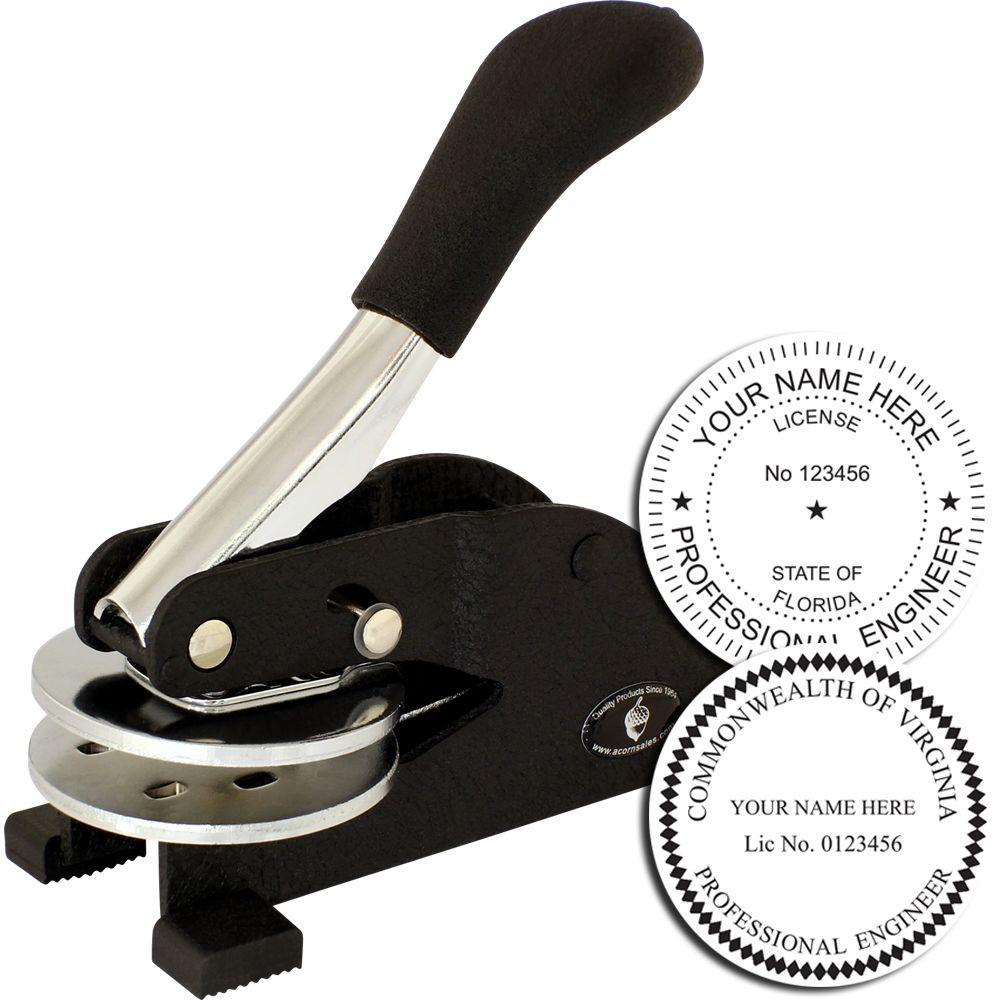

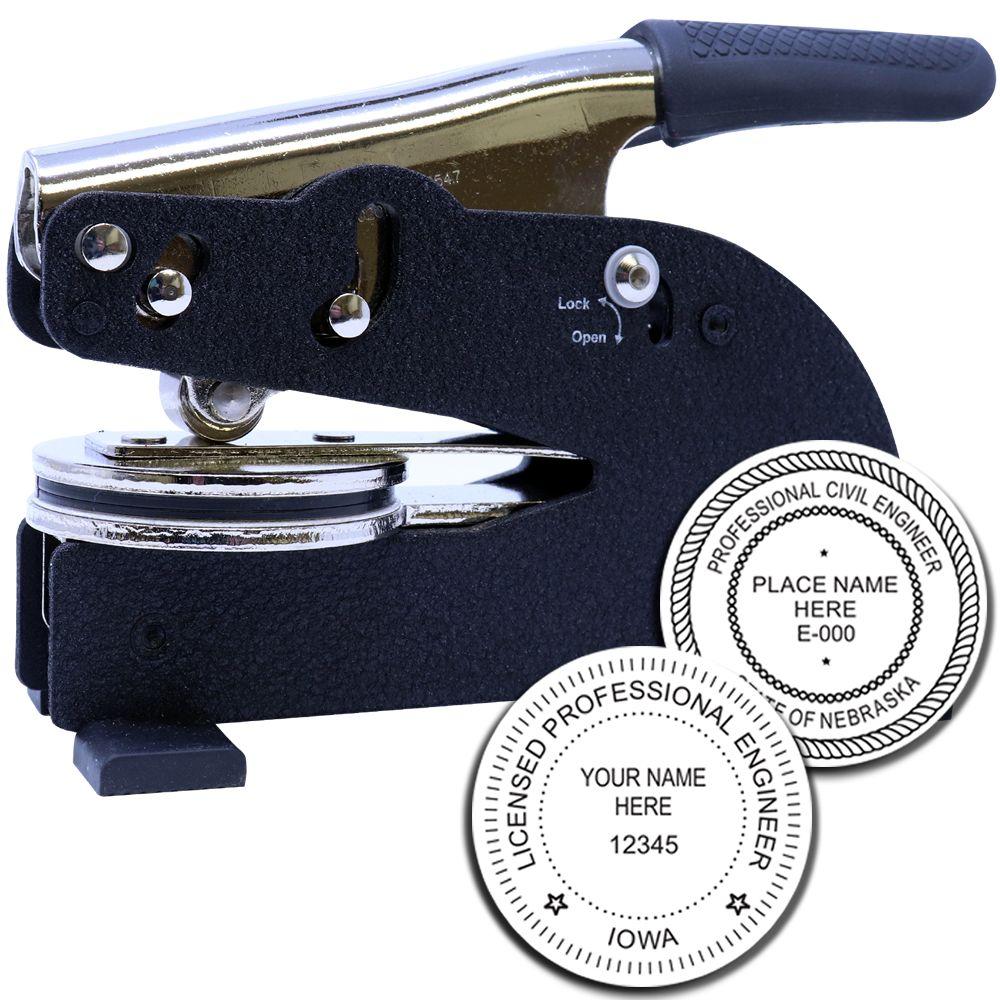

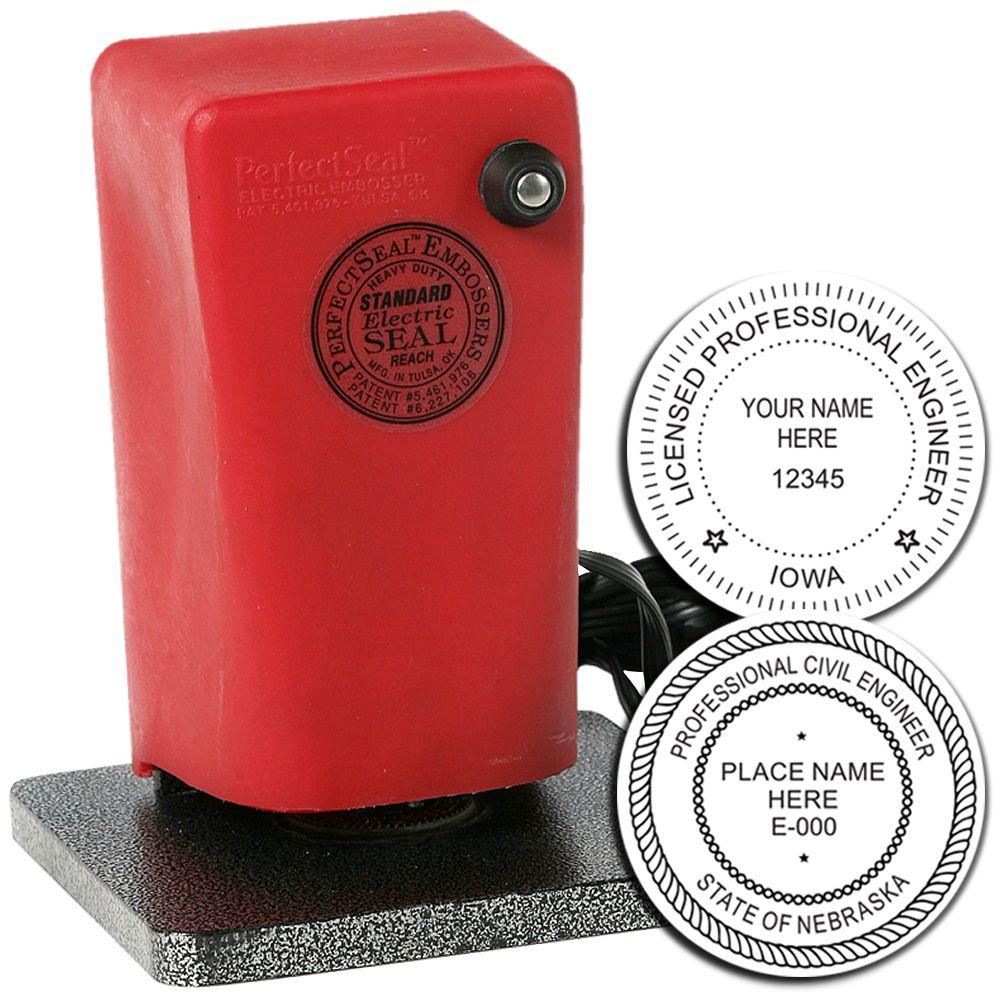

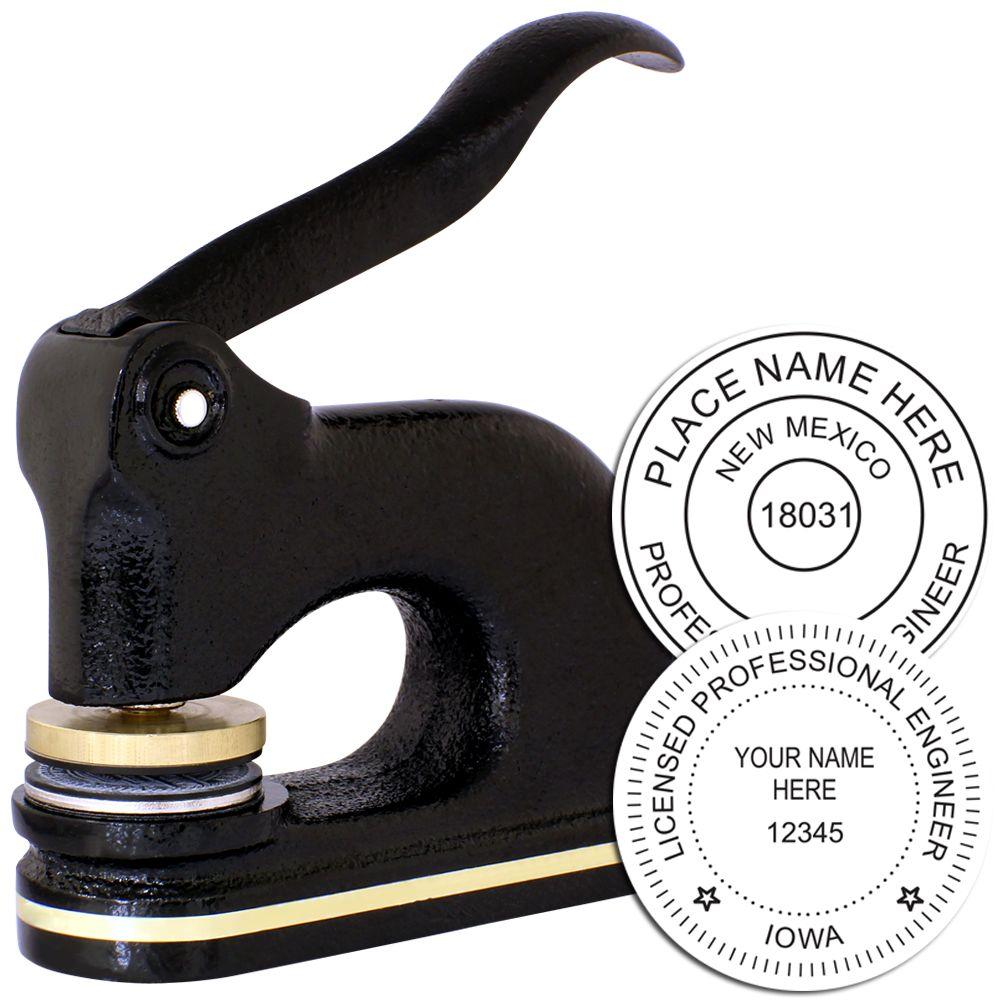

Embosser, rubber stamp or digital
The board’s Approved Stamps and Seals page states that KRS 322.340 requires every licensee to have “an embossed metallic seal or a rubber stamp.” 201 KAR 18:104 Section 1(6) defines the term the rest of the regulation turns on: an “Original seal or stamp” means “a rubber stamp or embossing seal meeting the design requirements established in Section 5.” A computer generated image is not an original seal. A rubber stamp is the safe buy, because Section 2(1) requires at least one physically stamped copy for anything presented to a client or public entity, and an embossed impression alone does not reproduce. Facsimiles have their place: Section 2(2) permits any other copy to carry a facsimile of the stamp, signature, and date applied by stamps or by computer and printer or plotter.
Signing and dating
KRS 322.340(3) requires the seal or stamp, the signature, and the date together, and adds that “Reproduction of original signatures shall be adequate to meet the requirements of this subsection.” 201 KAR 18:104 Section 1(7) defines an original signature as the handwritten name of a person applied to a document. Section 2(1) requires at least one copy of a document presented to a client or public entity to bear the original seal or stamp, the original signature, and the date. The regulation does not require the signature to cross the seal. KRS 322.340(4) limits use to work “under the licensee’s complete direction and control.”
Kentucky sizes engineers and surveyors differently, and the numbers are not in the regulation
201 KAR 18:104 Section 5 is one sentence long and points somewhere else: stamps and seals must be similar in design and conform to the size restrictions established in Approved Stamps and Seals, 1999, a document incorporated by reference under Section 6 and available for inspection at the board office in Frankfort. A reader of the Kentucky Administrative Regulations alone will never find a dimension.
The board publishes the figures on its Approved Stamps and Seals page, and they are not the same for the two professions. An engineering seal or stamp runs from a minimum of 1 3/8 inches to a maximum of 1 5/8 inches. A surveying seal or stamp runs from a minimum of 1 1/4 inches to a maximum of 1 1/2 inches. A 1 5/8 inch die is legal for an engineer and oversized for a surveyor. A 1 1/4 inch die is legal for a surveyor and undersized for an engineer. Kentucky is one of the few states with a stated maximum at all, so the usual assumption that bigger is safer is wrong here in both directions.
The second trap is the word original. 201 KAR 18:104 Section 1(6) defines an original seal or stamp as a rubber stamp or embossing seal, and Section 2(1) requires at least one copy of anything presented to a client or public entity to bear the original seal or stamp, the original signature, and the date. A CAD generated seal image is a facsimile under Section 2(2) and is fine on the other copies, but it cannot be the one certified copy. Unless the licensee uses a compliant digital signature under Section 3, a physical stamping device is required.
Third, the citations circulating online are largely dead. 201 KAR 18:100, titled Seals, is repealed. 201 KAR 18:102, on electronic stamps, seals, signatures, and dates, is repealed. The current rule is 201 KAR 18:104, Seals and signatures, effective 4 December 2015 and carried forward on 14 February 2020. Guidance citing 18:100 or 18:102 is describing law that no longer exists.
Which documents must be sealed
All reports, specifications, drawings, and plans presented to a client or any public or governmental agency, per KRS 322.340(3). KRS 322.340(5) adds that every survey plat and physical description prepared by a professional land surveyor and submitted to a client or any public or governmental agency must display the certification of the surveyor under whose supervision it was prepared. 201 KAR 18:104 Section 1(2) defines document for the purposes of the regulation as a report, specification, drawing, plan, or plat in physical form that requires certification by application of a seal or stamp, a signature, and a date. The regulation states no preliminary or draft carve-out for physical documents; the only labeling provision is Section 4, which governs unsealed electronic transmissions.




Electronic and digital seals
201 KAR 18:104 Section 3 permits a digital signature in place of an original seal, signature, and date if the signature uniquely identifies the licensee, is verifiable, is under the licensee’s direct and exclusive control, is linked to the electronic document so that changes are easily determined and visually displayed, is removed or altered enough to be invalidated by any attempt to change the document after signing, and, where the document will be electronically transmitted, the document is converted to a read only format. Section 4(1) supplies the alternative for an electronic file sent without a digital signature: the licensee inserts, in place of an image of a seal or stamp, signature, and date, the language “This shall not be considered a certified document.” Section 4(2) excuses that language for files sent to a commercial printer or blueprint service for reproduction, or to the licensee’s employer or employees.
Renewal, lapse and retirement
KRS 322.340(6) makes it unlawful for a licensee to affix, or permit to be affixed, a seal, stamp, or signature to a document described in subsection (3) or (5) after the expiration of a license, or for the purpose of aiding or abetting evasion of chapter 322. KRS 322.160(1) provides that licenses for individuals and permits for business entities are valid for not more than two years from the date of issuance unless renewed, with license renewals completed on or before June 30 of the year of expiration and permit renewals on or before December 31. 201 KAR 18:210 creates retired and inactive registration for both professions, with a biennial fee and a bar on practice, and requires reinstatement under 201 KAR 18:115 before practicing again. The license number does not change on renewal and the seal carries no date, so a compliant Kentucky seal does not need replacing on renewal.
Firm registration
A business entity permit is required, but nothing puts its number on the document. KRS 322.060(1)(a) bars a business entity from engaging in the practice of engineering in Kentucky unless at least one principal, officer, or designated employee is a professional engineer in responsible charge, that engineer is located at the Kentucky office if one is maintained, and the board has issued a permit to the entity. 201 KAR 18:180 governs the permit: applications are made on the board’s Application for Business Entity Permit, permits are serially numbered for each profession in the order approved, and each permit is renewed annually for the calendar year. Neither KRS 322.340 nor 201 KAR 18:104 requires the permit number, firm name, or firm contact information on a sealed document, and the firm has no seal of its own.
What to check before you order
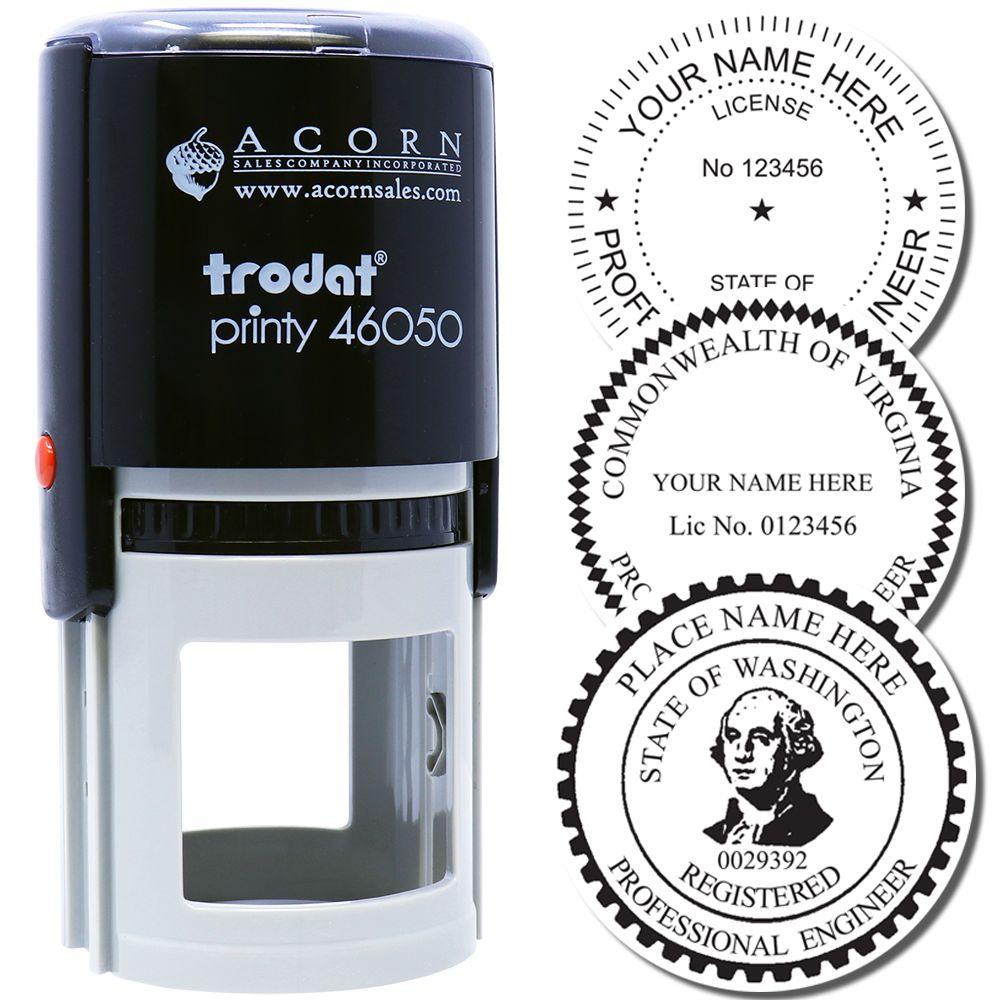
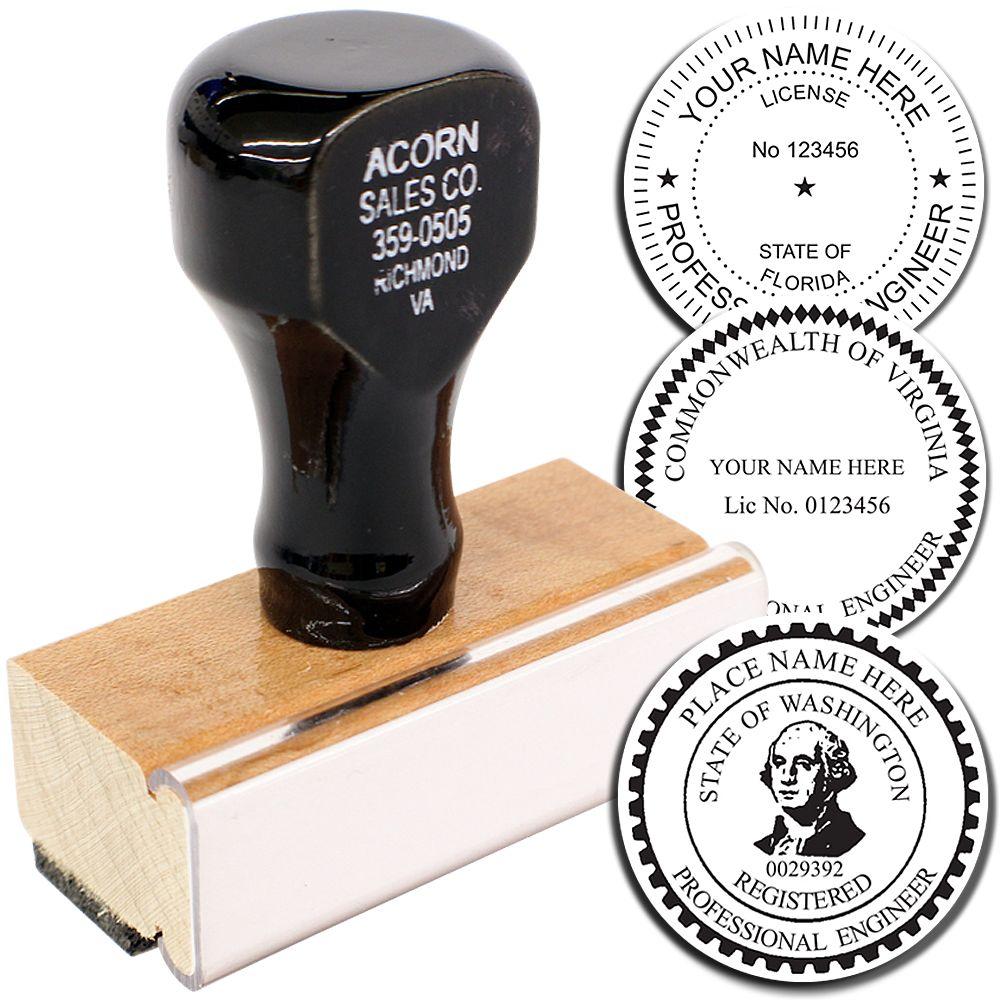
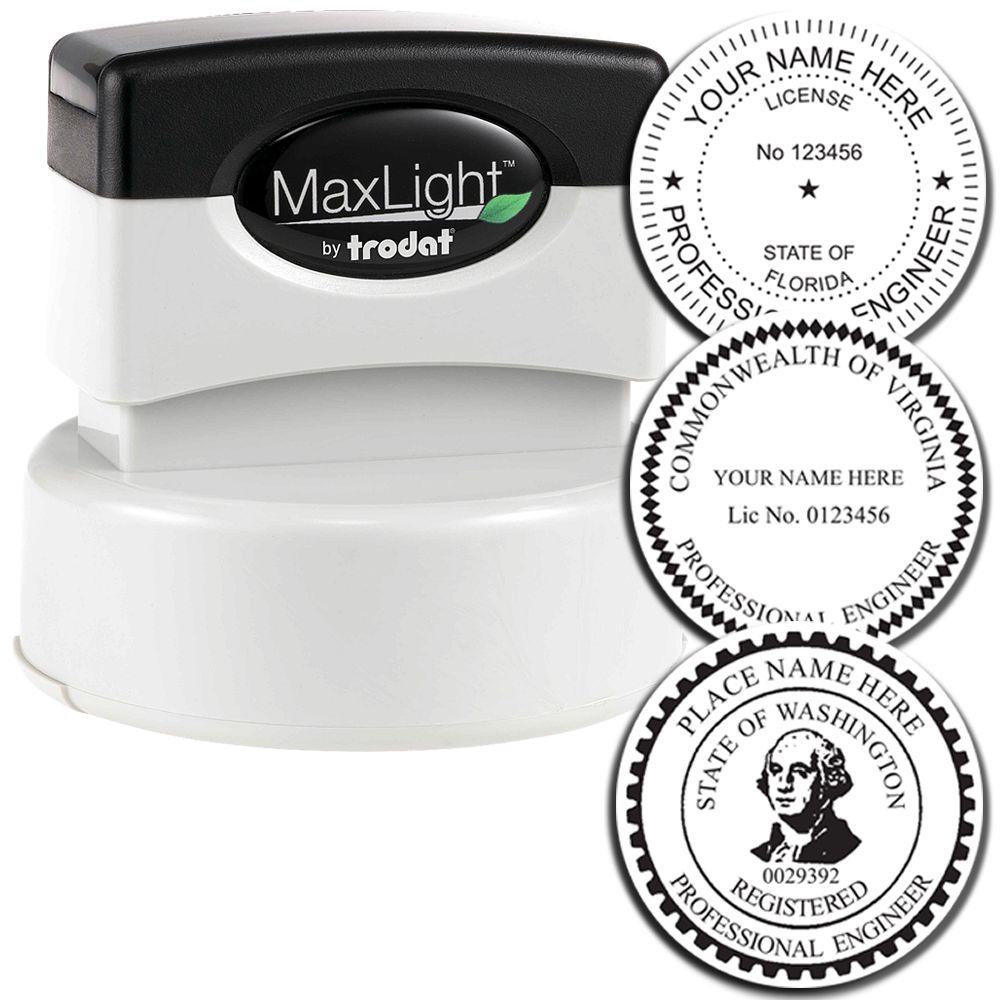
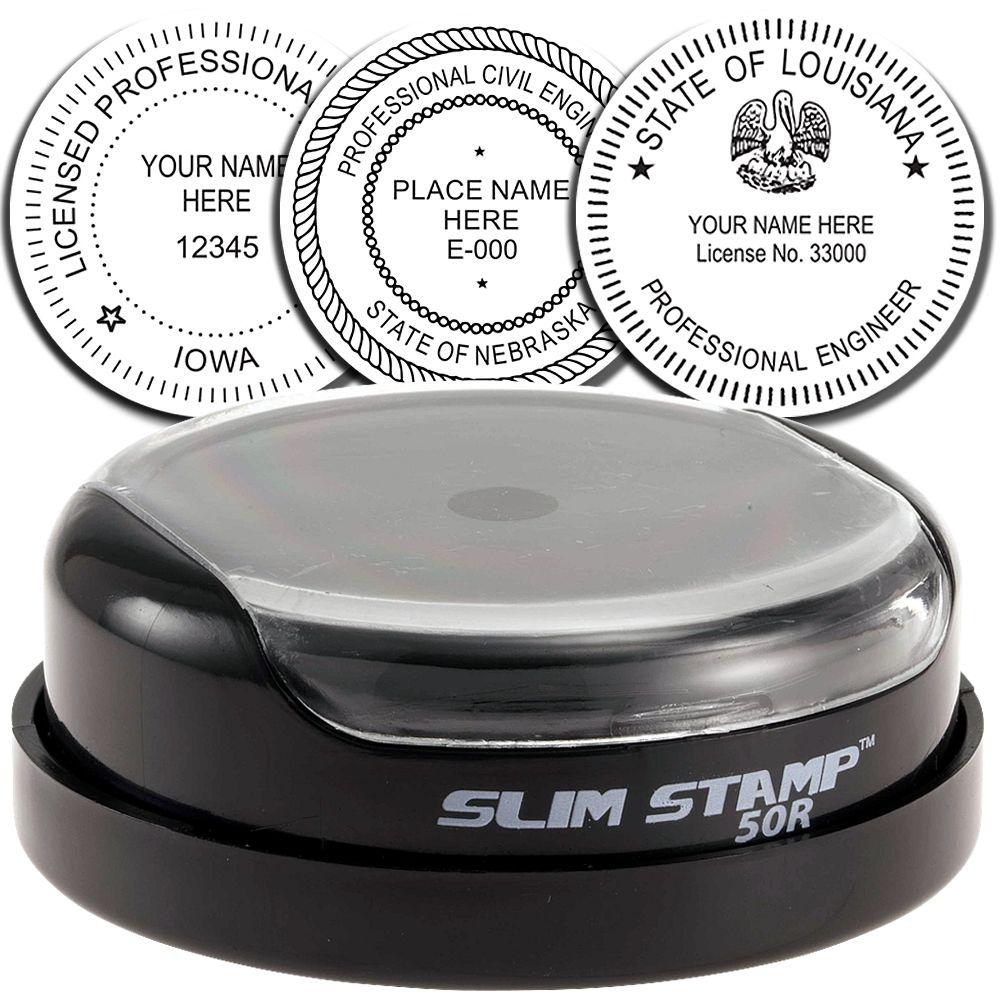
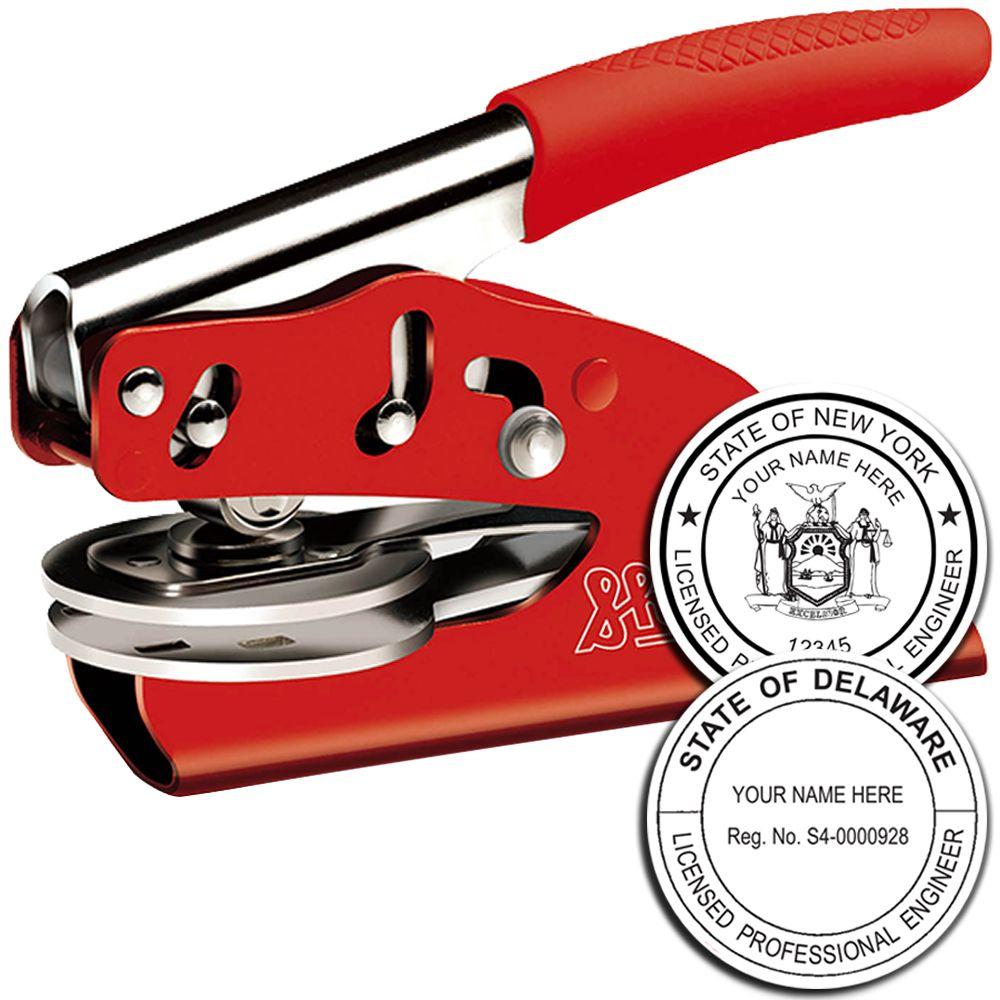
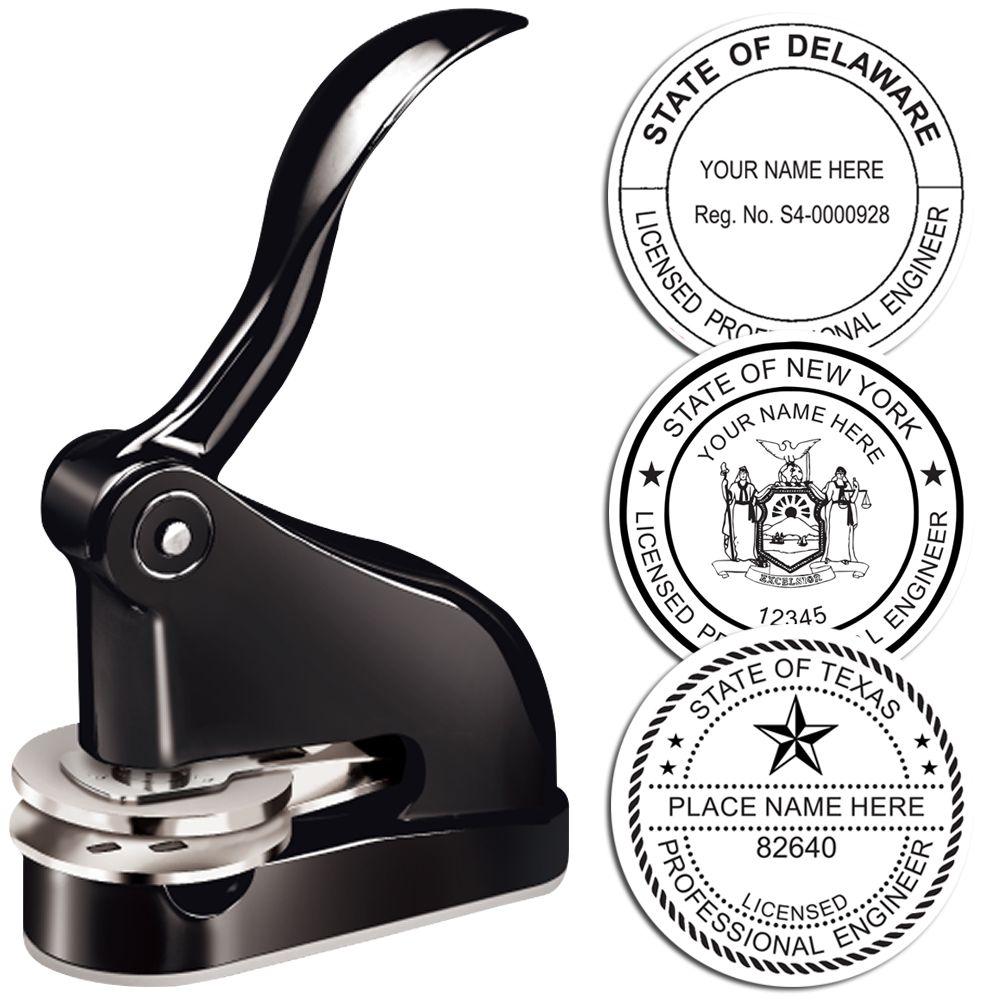
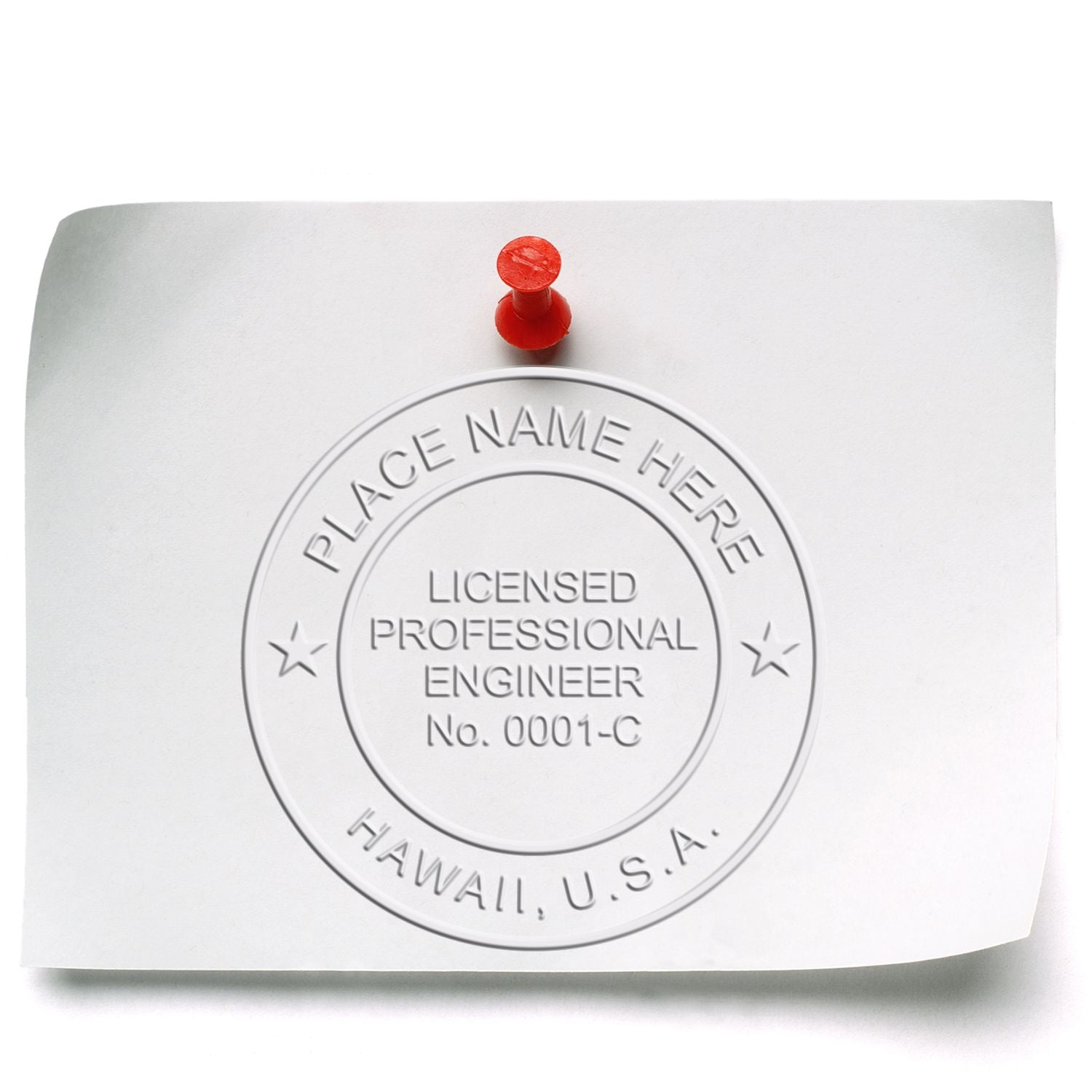
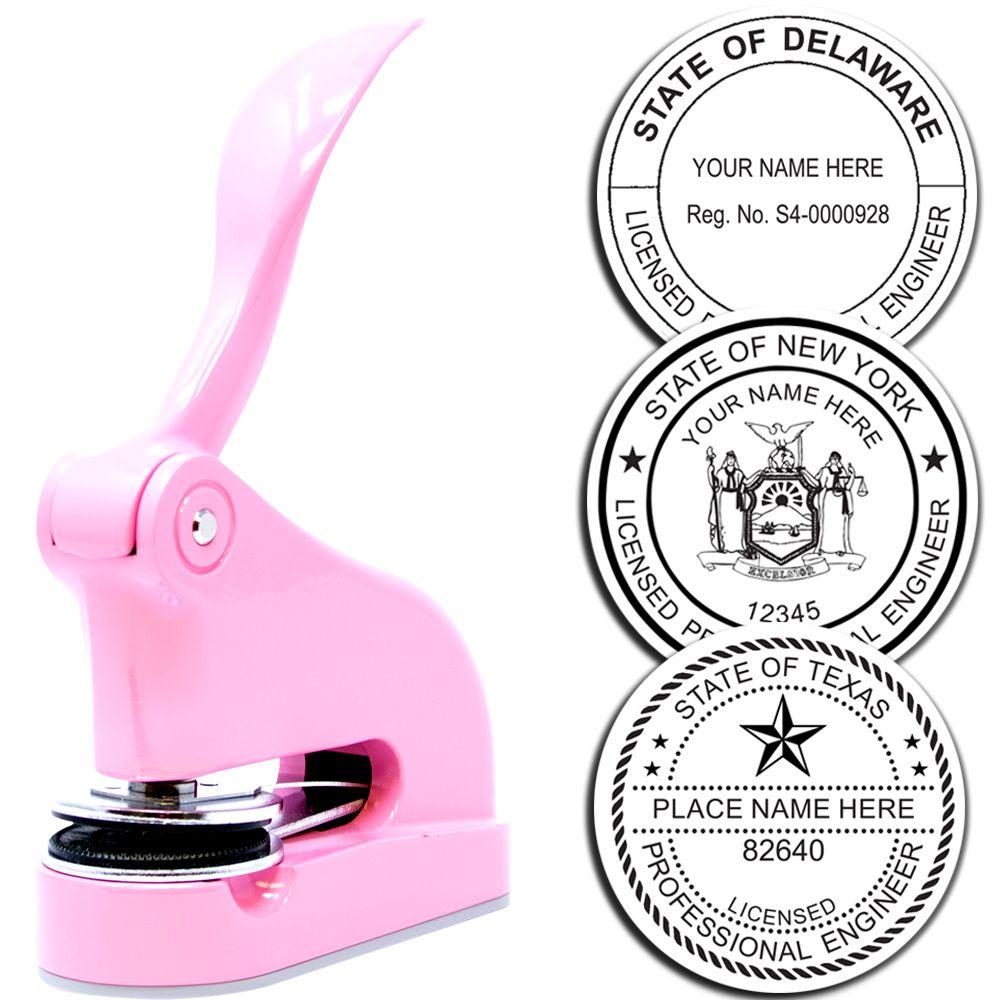
Three things set the order: your name, your license number, and which legend applies, Licensed Professional Engineer or Licensed Professional Land Surveyor. Then size to the profession, not to a house default: 1 3/8 to 1 5/8 inches for engineering, 1 1/4 to 1 1/2 inches for surveying, per the board's Approved Stamps and Seals publication. Both an embossed metallic seal and a rubber stamp qualify as an original seal or stamp under 201 KAR 18:104 Section 1(6), and if you issue documents to clients or agencies you need one of them regardless of what the CAD department produces. The design artwork is not printed in the regulation, so take it from the board's Approved Stamps and Seals page or from the incorporated 1999 document at the board office. There is no licensing requirement on whoever makes it.
Browse professional engineer stamps and seals.
Frequently asked questions
Do I need a PE seal in Kentucky?
Yes. KRS 322.340(1) requires each professional engineer or professional land surveyor, upon licensure, to obtain a seal or stamp of the design authorized by the board. KRS 322.340(3) supplies the trigger: the seal or stamp, signature and date “shall be used to provide certification for all reports, specifications, drawings, and plans, if presented to a client or any public or governmental agency.” The board rule adds the copy requirement at 201 KAR 18:104 Section 2(1), which provides that at least one copy of such a document shall bear the licensee’s original seal or stamp, original signature and date.
What size does a Kentucky PE seal have to be?
Between 1 3/8 inches and 1 5/8 inches for an engineering seal or stamp. A surveying seal or stamp runs from 1 1/4 inches to 1 1/2 inches. Both ranges come from the board’s Approved Stamps and Seals publication, which is the material incorporated by reference in 201 KAR 18:104 Section 6. The ranges overlap but they are not interchangeable, so a dual licensee should size to whichever profession the device is lettered for.
What has to appear on a Kentucky PE seal?
Three items, all named in KRS 322.340(1): your name, your license number, and the words Licensed Professional Engineer or Licensed Professional Land Surveyor. The word Licensed is part of the required legend rather than an optional addition. No expiration date, renewal date or firm permit number belongs on the face. The layout itself is not printed in the regulation, so take the artwork from the board’s Approved Stamps and Seals page or from the incorporated 1999 document rather than rebuilding it from a generic template.
Can I use a computer generated seal image in Kentucky?
On some copies, yes, but it cannot be the certified one. 201 KAR 18:104 Section 1(6) defines an “original seal or stamp” as a rubber stamp or embossing seal meeting the design requirements in Section 5, and Section 2(1) requires at least one copy of anything presented to a client or public entity to carry that original seal or stamp with an original signature and the date. Section 2(2) then permits any other copy to carry a facsimile of the stamp, signature and date applied by stamps or by computer and printer or plotter. Unless you sign digitally under Section 3, a physical stamping device is required.
Embosser or rubber stamp for Kentucky?
Both qualify. The board’s Approved Stamps and Seals page states that KRS 322.340 requires every licensee to have “an embossed metallic seal or a rubber stamp,” and 201 KAR 18:104 Section 1(6) treats either as an original seal or stamp. The rubber stamp is the practical buy, because Section 2(1) demands one physically marked copy for anything going to a client or a public entity and an embossed impression alone does not reproduce.
Where do the signature and date go on a Kentucky sealed document?
Alongside the seal, with no requirement that the signature cross it. KRS 322.340(3) requires the seal or stamp, the signature and the date together, and adds that “Reproduction of original signatures shall be adequate to meet the requirements of this subsection.” 201 KAR 18:104 Section 1(7) defines an original signature as the handwritten name of a person applied to a document. Nothing in the regulation fixes the geometry.
Which documents have to be sealed in Kentucky?
All reports, specifications, drawings and plans presented to a client or any public or governmental agency, under KRS 322.340(3). KRS 322.340(5) adds the surveyor duty: every survey plat and physical description submitted to a client or a public or governmental agency must display the certification of the surveyor who supervised its preparation. 201 KAR 18:104 Section 1(2) defines a document as a report, specification, drawing, plan or plat in physical form requiring certification. The regulation states no preliminary or draft carve-out for physical documents; its only labeling provision is Section 4, which governs unsealed electronic transmissions.
Can I send a Kentucky drawing electronically without a seal?
Yes, with prescribed wording. 201 KAR 18:104 Section 4(1) requires the licensee to insert, in place of an image of the seal or stamp, signature and date, the language “This shall not be considered a certified document.” Section 4(2) excuses that language for files sent to a commercial printer or blueprint service for reproduction, or to the licensee’s employer or employees. Section 3 sets out the alternative, a digital signature that uniquely identifies the licensee, is verifiable, is under the licensee’s direct and exclusive control, is linked to the document so changes are easily determined and visually displayed, is invalidated by any post-signature alteration, and, for transmitted documents, is applied to a read only format.
Do I need a new seal when my Kentucky license renews?
No. The license number does not change on renewal and a Kentucky seal carries no date, so a compliant device stays compliant. KRS 322.160(1) makes licenses valid for not more than two years unless renewed, with license renewals due on or before June 30 of the expiration year and business entity permit renewals on or before December 31. KRS 322.340(6) makes it unlawful to affix, or permit the affixing of, a seal, stamp or signature to a document described in subsection (3) or (5) after a license has expired. 201 KAR 18:210 creates retired and inactive registration, which bars practice and requires reinstatement under 201 KAR 18:115 first.
Does my firm permit number go on a Kentucky sealed document?
No. Kentucky requires the permit but puts nothing about it on the drawing. KRS 322.060(1)(a) bars a business entity from practicing engineering unless at least one principal, officer or designated employee is a professional engineer in responsible charge, that engineer is at the Kentucky office if one is maintained, and the board has issued the entity a permit. 201 KAR 18:180 governs the permit, which is serially numbered by profession and renewed annually for the calendar year. Neither KRS 322.340 nor 201 KAR 18:104 requires the permit number, firm name or firm contact details on a sealed document, and the firm has no seal of its own.
Is 201 KAR 18:100 still the Kentucky seal rule?
No. 201 KAR 18:100, titled Seals, is repealed, and 201 KAR 18:102, on electronic stamps, seals, signatures and dates, is repealed as well. The current rule is 201 KAR 18:104, Seals and signatures. Any guidance citing 18:100 or 18:102 is describing law that no longer exists, which is worth checking because those two numbers still circulate widely.