
The Texas Board of Architectural Examiners regulates the licenses of architects in the state to ensure a safe environment and uphold the integrity of the profession. The need for a seal on a design creates personal responsibility.
Requirements for Texas Architecture Seals and Embossers
Each architect must own a unique seal and embosser to identify their work from others. By sealing, signing, and dating each piece, the architect is recognizing a standard of care and meeting regulations. This means the architect has taken into account materials used, climate and environmental changes, and human safety. The architect may use the seal if they created the designs or if they had direct knowledge or involvement in the project.




It is a violation to alter any designs bearing the seal of another architect. When alterations must be done, according to Texas law, considerable effort has to be made to reach the original architect. The altering architect must detail all integrations on the plans, as well as seal, sign, and date all documents. The architect must keep these altered plans on file for a minimum of ten years.
According to the Texas Administrative Code, every registered architect must seal, sign, and date the following:
- Each sheet of drawings or blueprints
- Each specification
- Each alteration drawing or specification
The registered architect is responsible for the sealed documents for a minimum of ten years (Title 22, Part 1, Chapter 1, and Subchapter F).




Exceptions for Texas Architecture Seals and Embossers
There are a couple of exceptions on when Texas architecture seals and embossers are not needed:
- Plans for agricultural buildings
- Plans for one-family or two-family dwellings
Inappropriate actions may result in the suspension or revocation of Texas architecture seals and embossers. A seal must never be attached to documents the registered architect did not create or directly supervise.
Designs for Texas Architecture Seals and Embossers
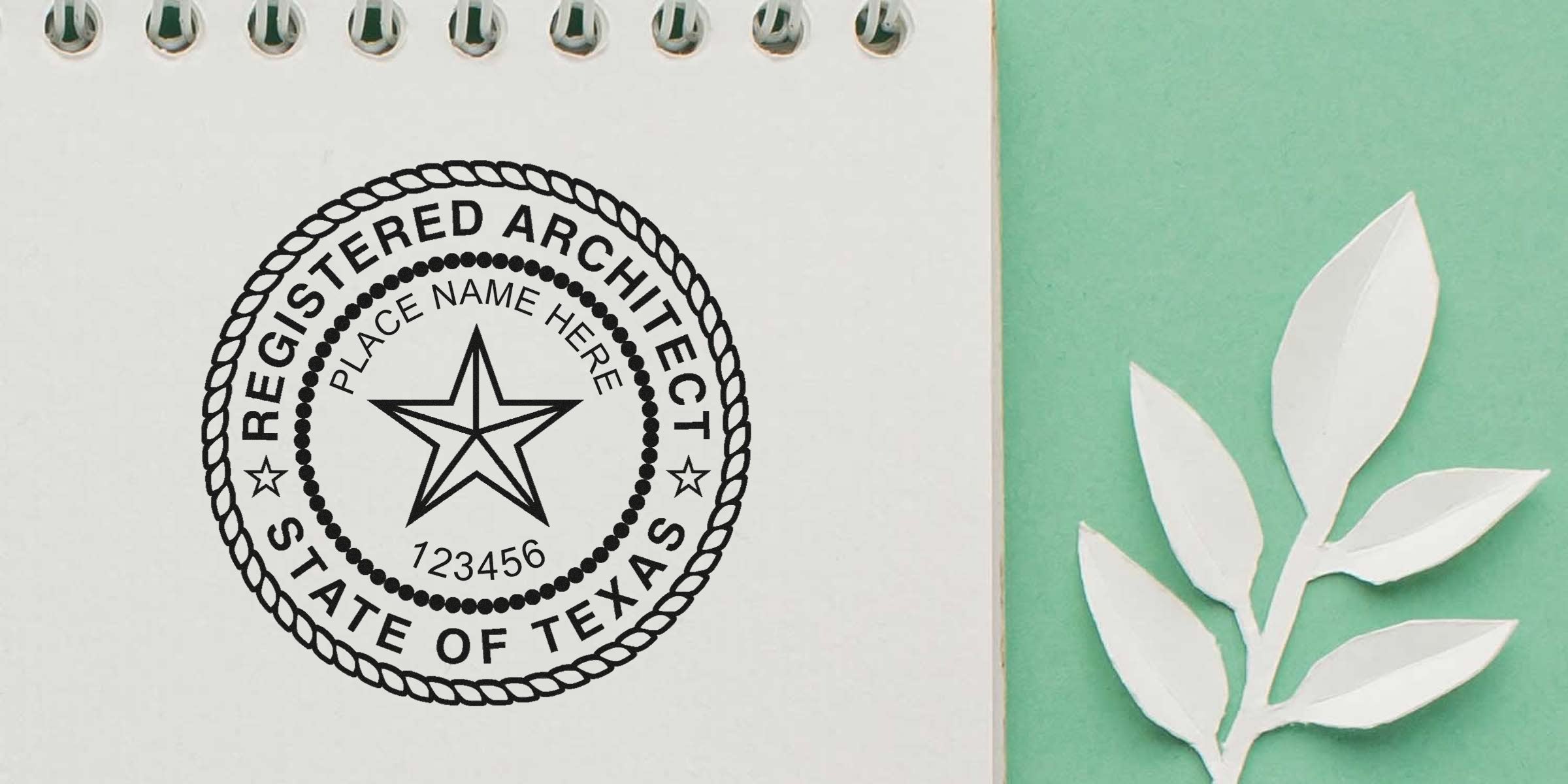
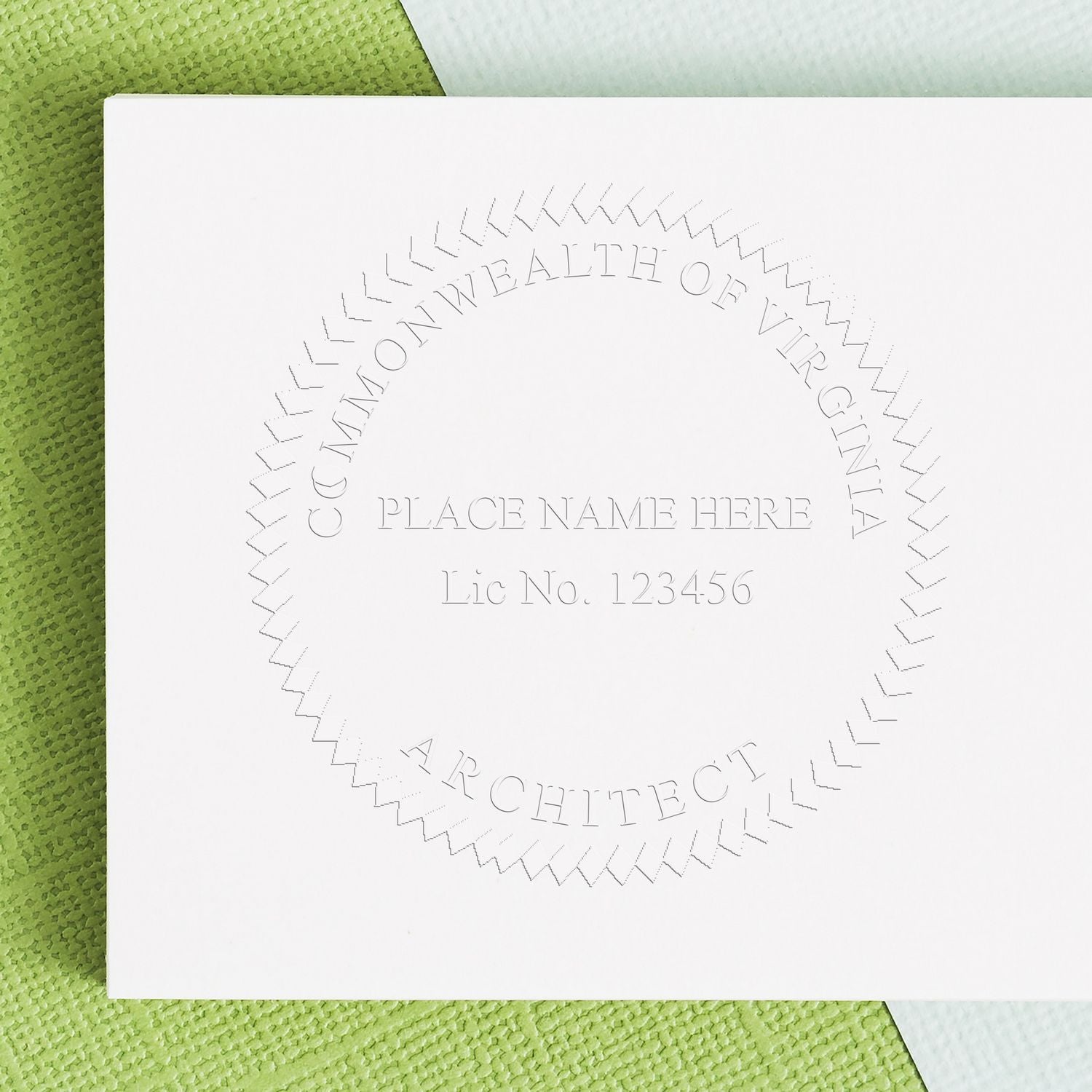
Per regulations, each seal must be circular in shape and no less than 1 ½” in diameter. The border around the seal is a twisted rope. The top of the outer ring reads “Registered Architect” and the bottom of the outer ring reads “State of Texas”. The inner circle contains the licensee’s name and licensure number. No other letters or numbers are to be added. When applied or stamped, the seal must be legible.

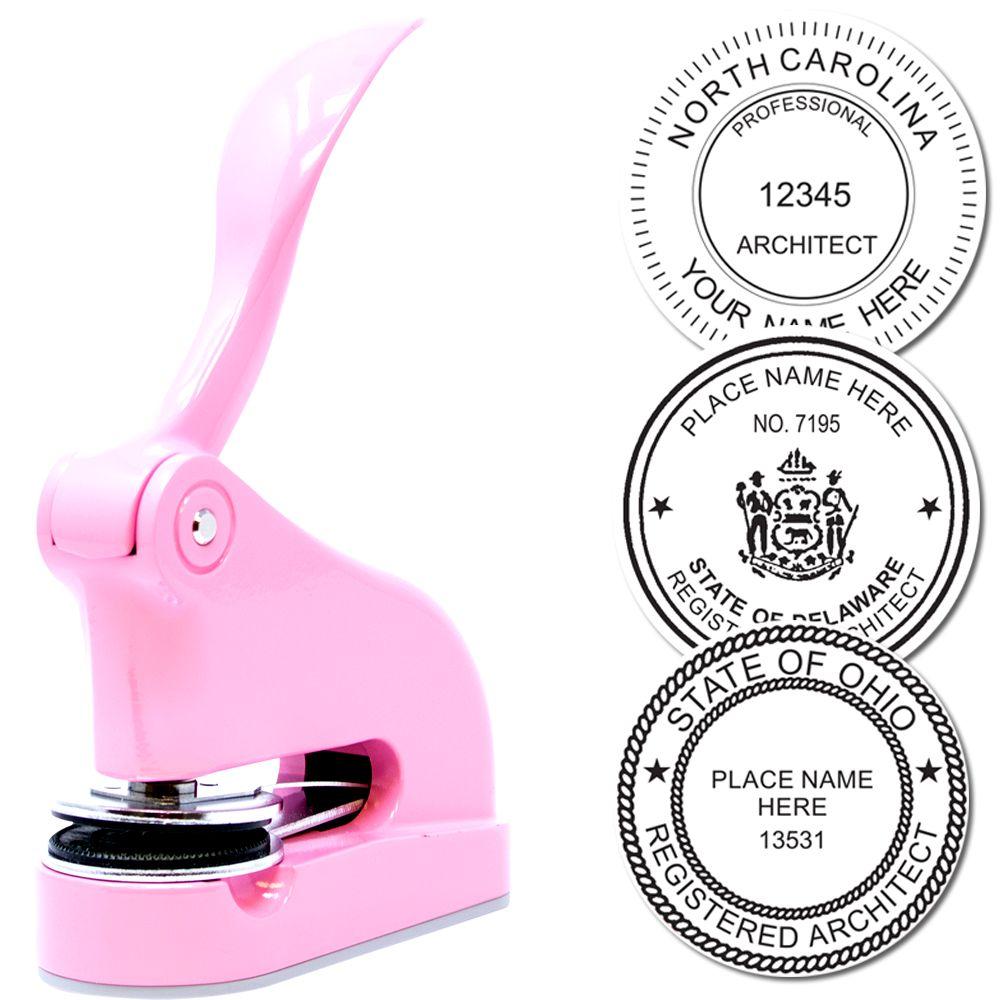
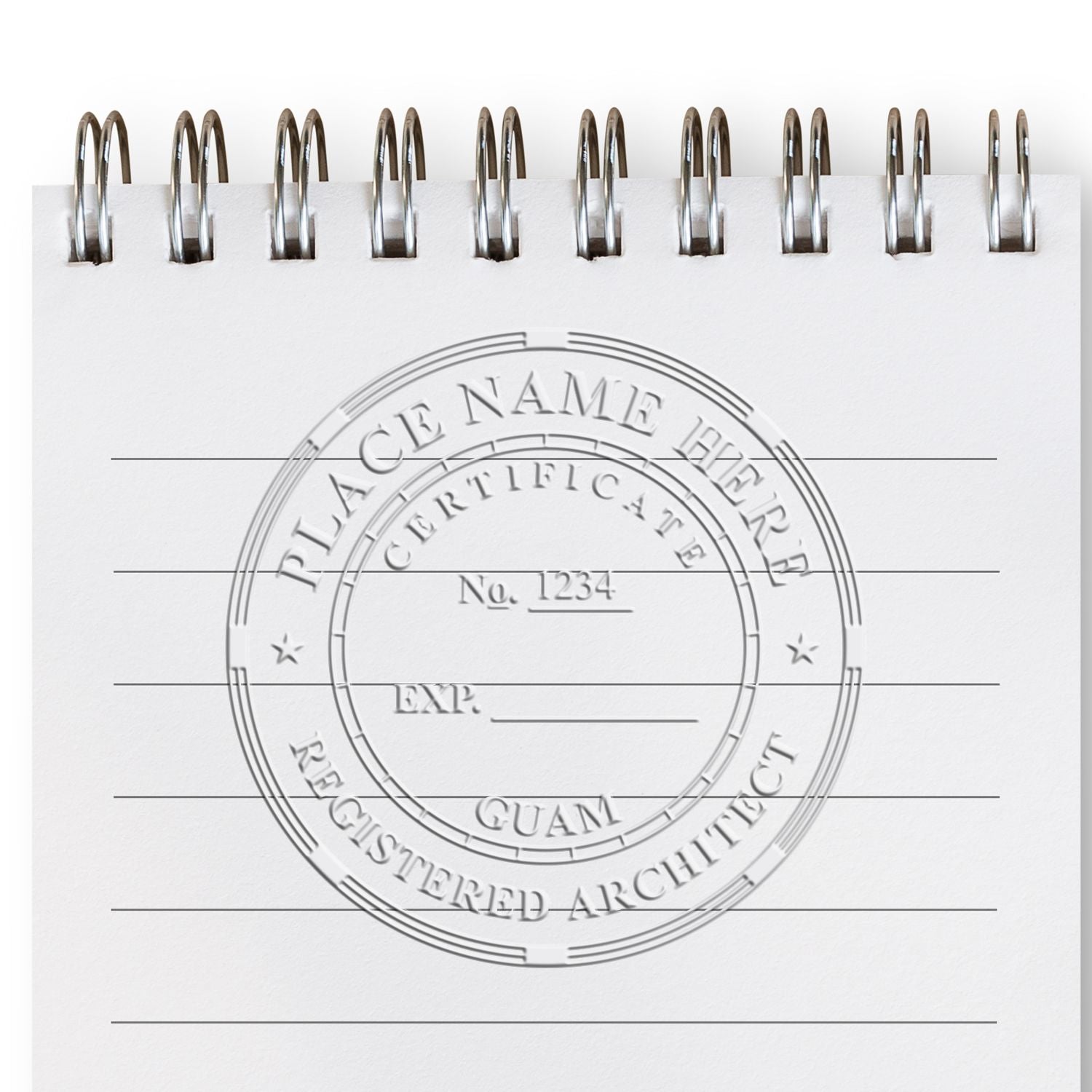


The only difference in Texas architecture seals and embossers for registered architects and the seals for registered landscape architects is the wording in the title. The placement and design itself does not vary.
Vendors for Texas Architecture Seals and Embossers
Vendors for Texas architecture seals and embossers can be found online after a careful search. Look for a vendor with the up-to-date design and one offering a guarantee in regards to meeting state requirements.
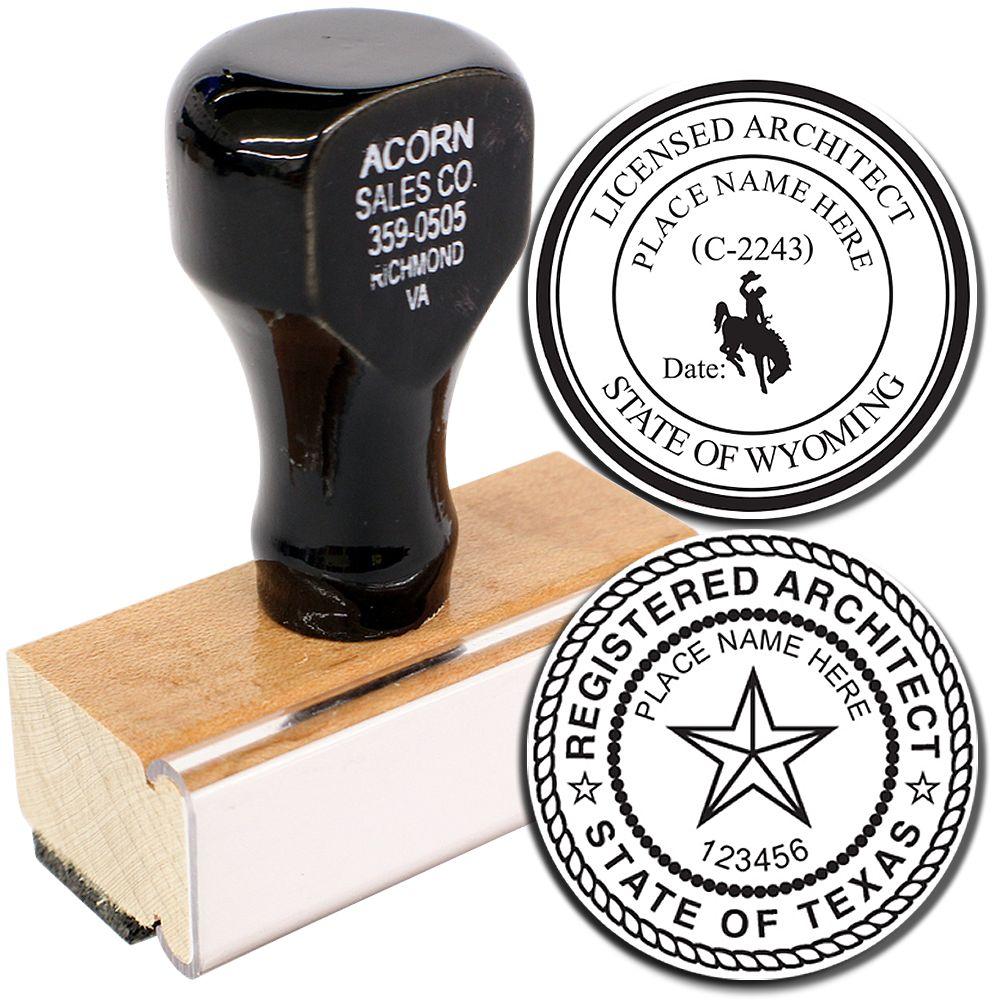
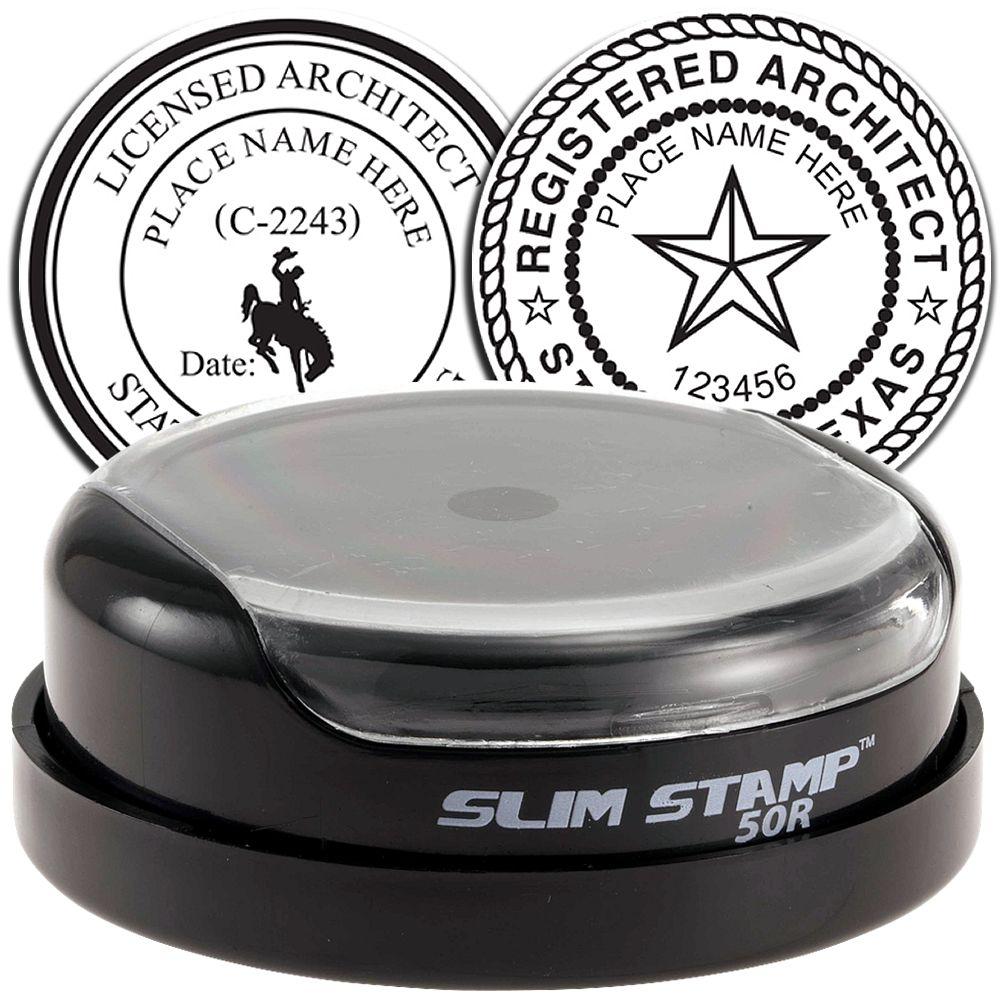
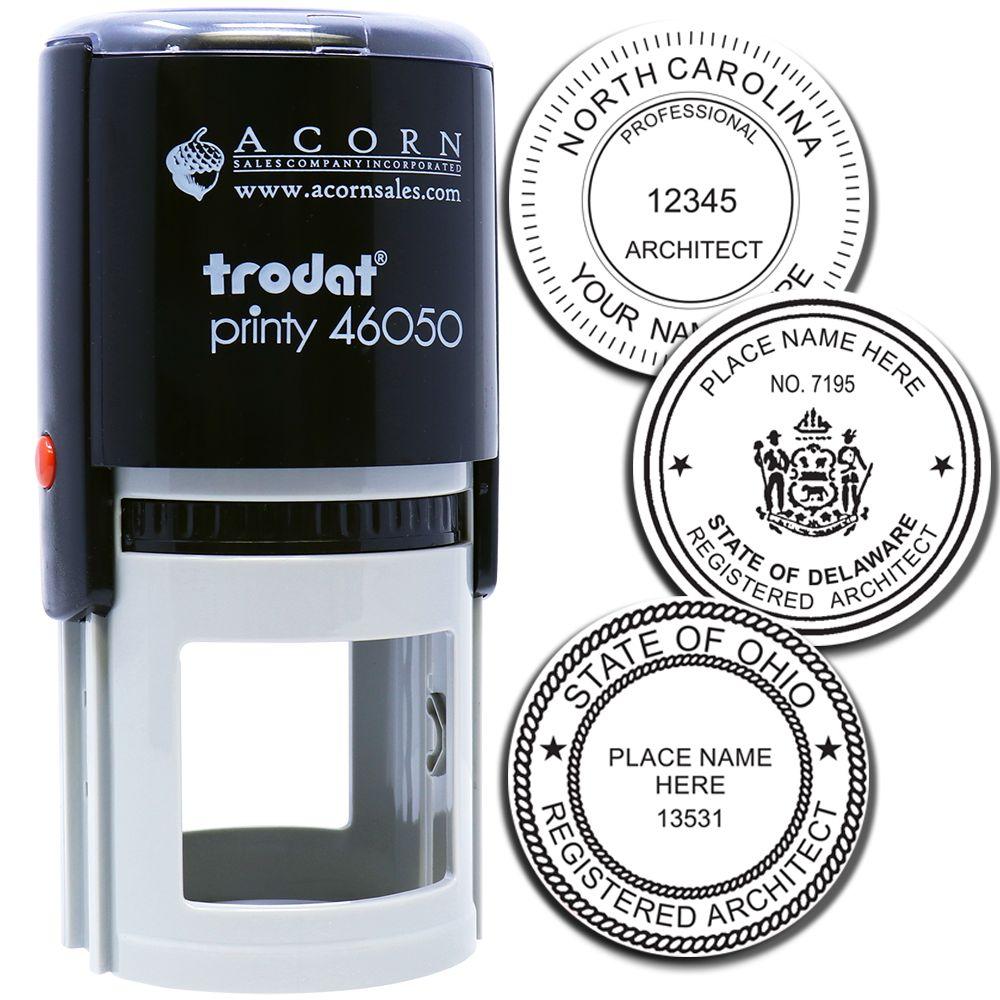
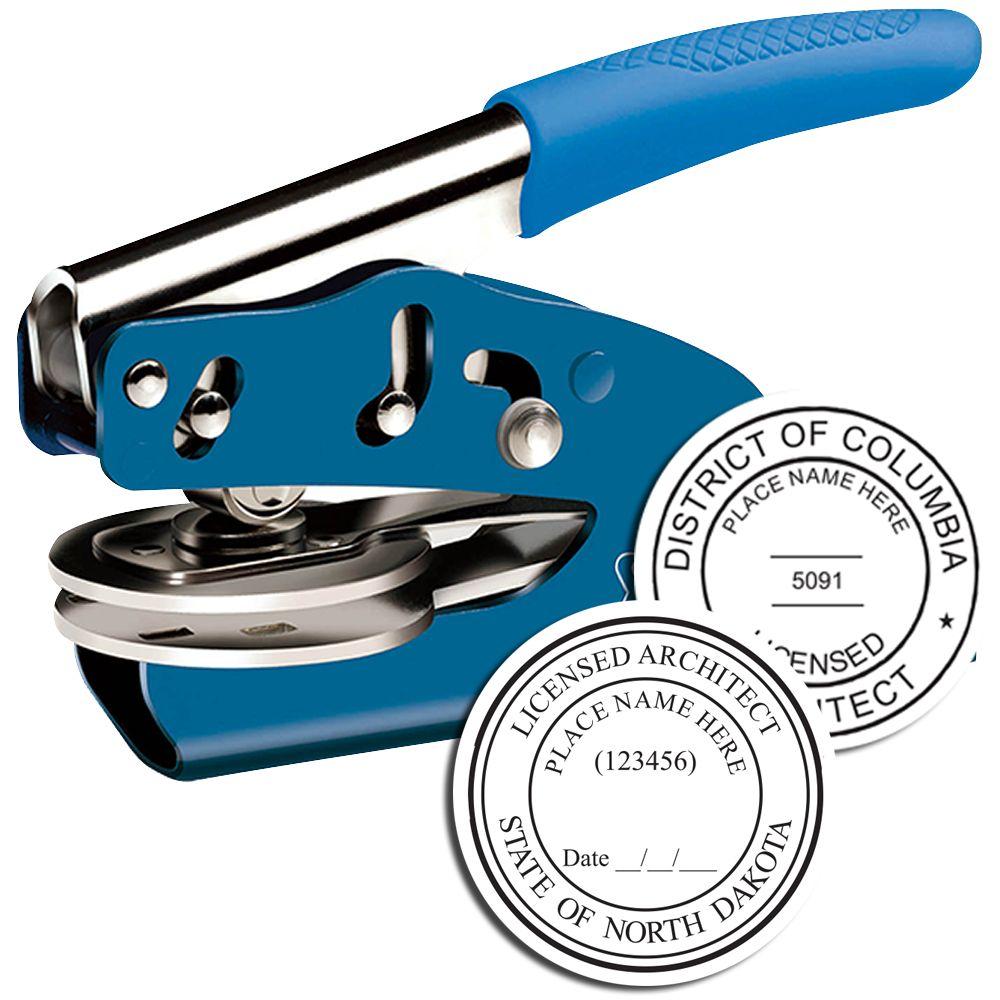
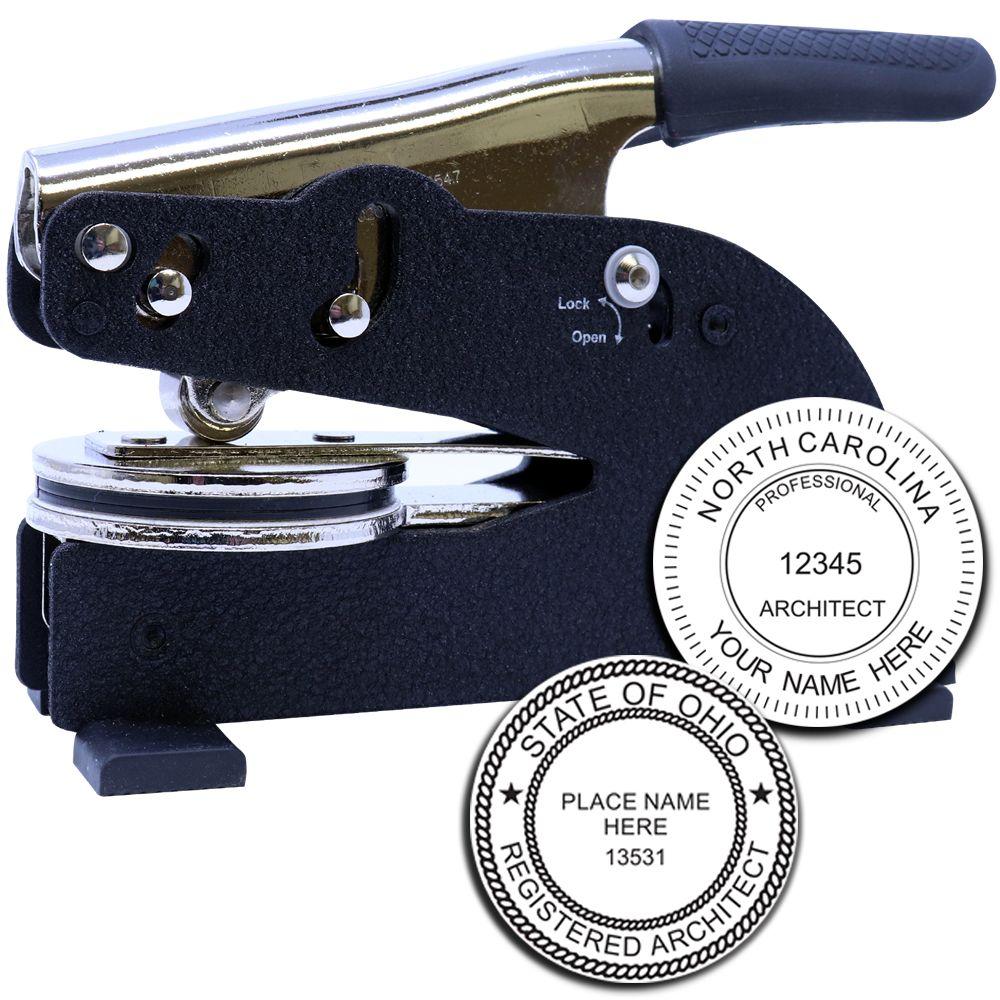
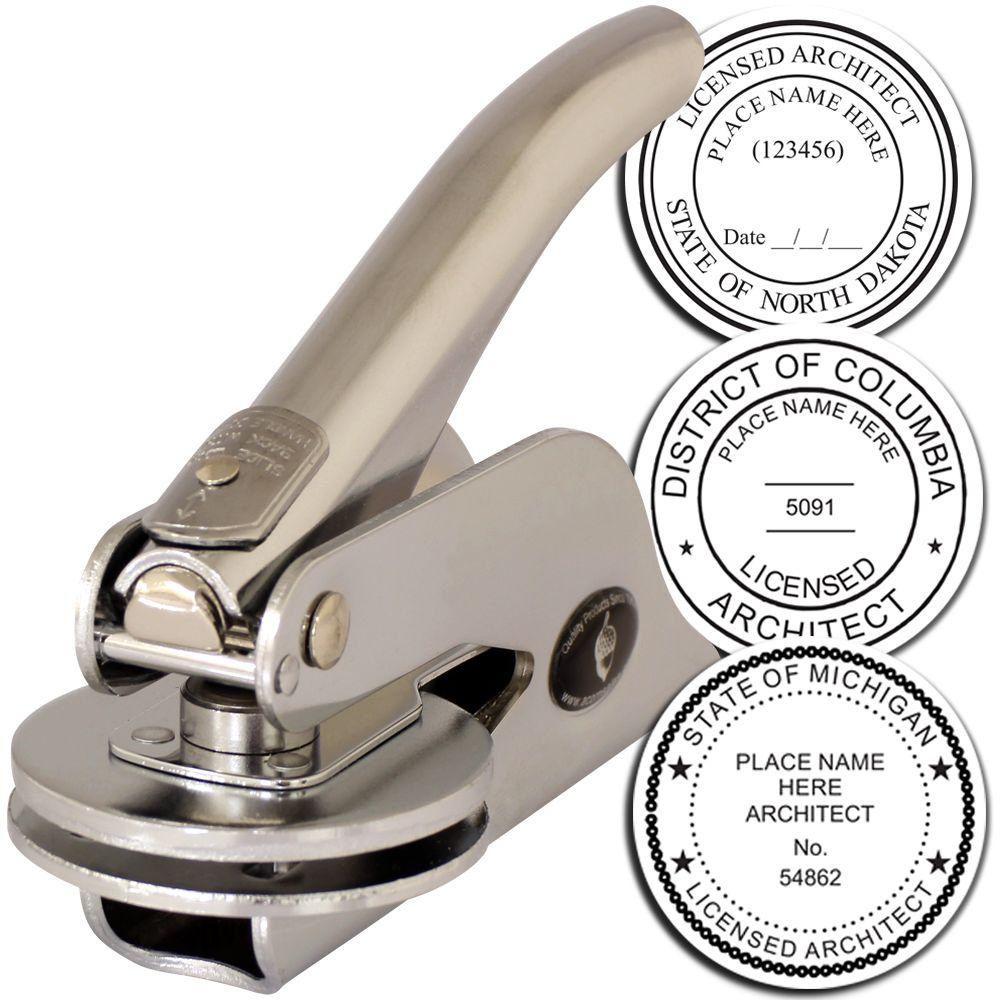
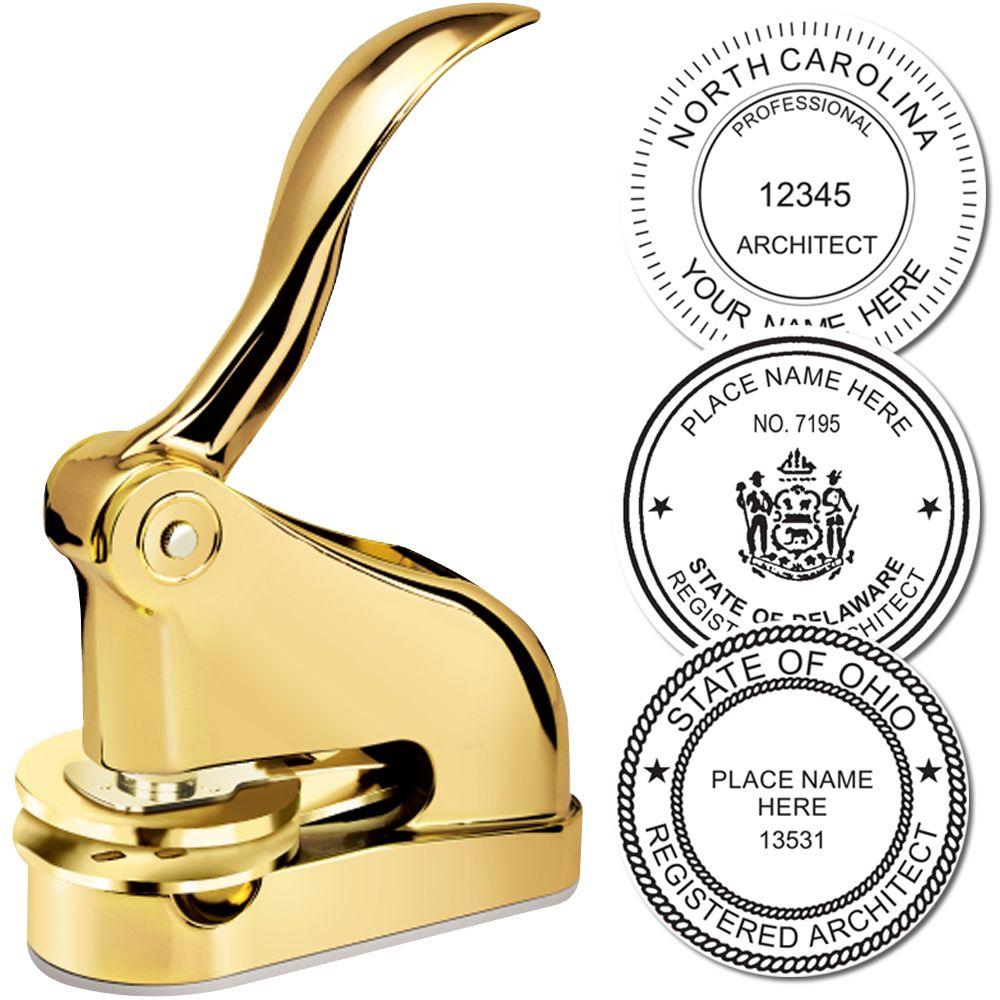
Texas architecture seals and embossers are available in a rubber stamp, pre-inked stamp, embossed, or as an electronic jpeg. Depending on the form preferred, price will vary.
Acorn Sales offers a guarantee that all of their Texas architecture seals and embossers meet Texas state requirements, and provides affordably priced seals, embossers and stamps.
The Texas Board of Architectural Examiners offers free downloads of the electronic version of Texas architecture seals and embossers; however, it does not allow any personalization of your name and licensure number. All electronic images must process clearly or will not pass inspection.
Frequently Asked Questions
What are the Texas Architect Seal Requirements for registered architects?
Texas registered architects must seal, sign, and date the drawings, specifications, and alteration documents they create or directly supervise. The seal shows professional responsibility and helps confirm the documents meet Texas Architectural Embosser Guidelines and state regulations.
When is a Texas architecture seal or embosser required on project documents?
A Texas architecture seal or embosser is generally required on each sheet of drawings or blueprints, each specification, and each alteration drawing or specification. If the architect produced the work or had direct knowledge and involvement, the documents should be sealed, signed, and dated.
Are there exceptions to the Texas Architect Seal Requirements?
Yes. In Texas, seals are typically not required for plans for agricultural buildings and for one-family or two-family dwellings. For most other projects, architects should verify whether sealing is required before submitting documents.
What are the Texas Architectural Embosser Guidelines for seal design?
Texas architecture seals must be circular and at least 1 ½ inches in diameter. The outer ring must read “Registered Architect” at the top and “State of Texas” at the bottom, with the architect’s name and license number in the inner circle. No extra letters or numbers should be added, and the impression must be legible.
Can a Texas architect seal documents they did not create?
No. A Texas architect should never seal documents they did not create or directly supervise. Sealing another architect’s work without proper involvement can lead to violations, including possible suspension or revocation of the seal or license.
Where can I buy a compliant Texas architecture seal, embosser, or electronic seal?
You can purchase Texas architecture seals and embossers from vendors that guarantee compliance with Texas state requirements. Options may include rubber stamps, pre-inked stamps, embossers, or electronic JPG versions. The Texas Board of Architectural Examiners also provides free electronic seal downloads, but they do not allow personalization and must reproduce clearly to pass inspection.








