
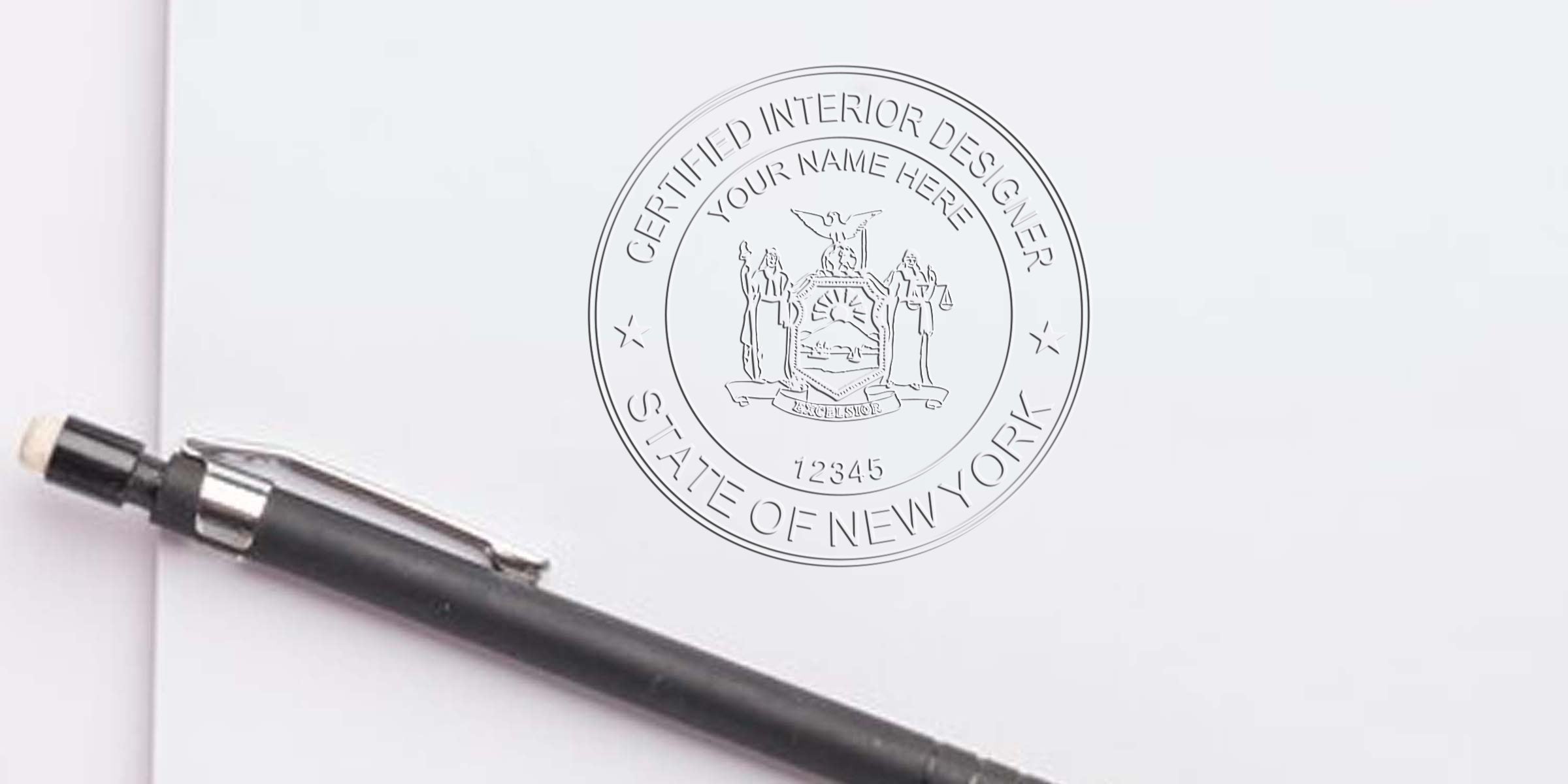
Explore The Official Interior Designer Seal
If you’re working in New York as a licensed interior designer, you’ve probably heard buzz about the official interior designer seal New York requires. At first glance, it might look like just another rubber stamp. But believe me, it’s far more than that. Think of it as your professional signature that proves your qualifications to clients, regulatory boards, and overall project stakeholders. It can even protect you from legal misunderstandings down the road.
By using this seal on design plans, proposals, or construction documents, you’re essentially telling state authorities, “Yes, I’ve met every professional requirement, and my work can be relied upon.” In everyday practice, that’s a pretty big deal. It demonstrates your competence, your attention to detail, and your willingness to follow the rules that govern interior design in the Empire State. The seal also makes life easier for municipal officials who review your documents. They can quickly confirm that everything meets local codes and standards.
Still not entirely sure if you need the New York Interior Designer Stamp or a related seal? Rest assured, once you see the advantages—from establishing credibility to ensuring accurate record-keeping—you’ll understand why it’s a must-have. Let’s walk through the essential details, from core requirements to insider tips on storing and using your seal effectively.
Understand The Licensing Requirements
When you first ventured into interior design, you probably realized licensing laws can be tricky. New York has well-defined rules that govern who can call themselves an interior designer and what that title entails. To legally practice in the state, you’ll need to pass exams, meet education criteria, and adhere to ongoing regulations, including using the correct seal.
- Education: You’re generally expected to have a recognized degree in interior design or a closely related field.
- Experience: Typically, you must log a certain number of professional work hours under a licensed mentor or supervisor.
- Examination: New York usually mandates passing the National Council for Interior Design Qualification (NCIDQ) exam or a similar recognized test.
After you’ve cleared these hurdles, you’ll receive your license number. This is the point where the seal enters the picture. The seal is linked to that unique license number, verifying that the individual stamping design documents is, in fact, a legitimate interior designer approved by the state.
One question often pops up: “Why does New York place so much emphasis on sealed documents?” It’s about safeguarding public well-being and preventing unqualified individuals from submitting unsafe or non-compliant designs. Proper sealing ensures accountability and keeps a structural record of who designed each drawing or plan.
See Why The Seal Matters
You might ask: “Isn’t the official sign-off from a project manager enough?” Not in the eyes of New York State. Your official seal helps separate licensed professionals from amateurs, which can dramatically affect project outcomes. In a place as heavily regulated as New York, city planners and building officials rely on sealed documents to confirm that a design meets all relevant codes.
Below are a few immediate benefits of using a legally recognized seal:
-
Professional Credibility
- Clients can see you’re not only creative, but that you also follow state rules.
-
Streamlined Project Approval
- Local jurisdictions are more likely to expedite review processes when they see a proper seal.
-
Clear Accountability
- If a problem crops up, the sealed documents identify exactly who prepared the design.
-
Legal Protection
- Should disputes arise, the seal serves as evidence that your work followed the required standards.
And remember, sealed drawings often hold more weight in negotiations with contractors, manufacturers, and even insurance providers. Everyone prefers to deal with someone who takes compliance seriously.
Choose A Trusted Supplier
Once you’re clear on the significance of the seal, the next step is figuring out where to get it. This is where Acorn Sales comes in. We’ve been in business since 1964, supporting interior designers, architects, and other professionals who need top-quality stamps and seals. Over the decades, we’ve developed a knack for creating products that last far longer than cheaper alternatives.
With Acorn Sales, you also get a free electronic seal you can use for digital documents, which is incredibly helpful these days, given how many projects are handled online. If you’re looking for a traditional rubber stamp, an embosser, or a self-inking design, you’ll find a variety of templates to match New York’s legal requirements.
Before you finalize your order, be sure you know the difference between stamp styles. Here’s a quick comparison:
| Stamp Type | Features | Ideal Use |
|---|---|---|
| Self-Inking | Built-in ink pad, refills occasionally | Fast stamping of multiple documents |
| Pre-Inked | Reservoir in the stamp, crisp impressions | Crisp, frequent stamping without re-inking often |
| Hand Stamp | Classic rubber stamp plus separate pad | Occasional use, cost-effective option |
| Embosser | Crimps the paper, extra security | Official documents, professional look |
If you need additional insight on how a stamp compares to an embosser, check out the New York Interior Designer Stamp option. You’ll find plenty of details on design choices and recommended best practices.
Obtain The Seal Step By Step
Now that you know exactly whom to turn to for a dependable seal, it’s time to request one. Each supplier might have a different procedure, but the general approach remains similar:
-
Submit Your License Details
- Provide your full name, license number, and any other data required by New York’s interior design regulations.
-
Review The Design Proof
- Reputable suppliers typically email you a digital proof of what your seal will look like. Double-check it for accuracy.
-
Confirm And Finalize
- Once you approve the proof, the supplier will produce your official seal.
-
Test It
- When your seal arrives, test it on a scrap piece of paper to confirm clarity. Adjust ink levels for stamps if needed.
-
Store Securely
- Make sure you keep your seal in a safe place away from unauthorized use, especially if you share an office space.
At first, this process might feel a bit formal. But keep in mind, a good portion of that formality is precisely why your seal carries so much legal weight. You can’t just waltz in and claim an interior designer seal. It has to be backed by evidence that you’re licensed and in good standing.
Follow Proper Stamp And Seal Practice
Securing a trustworthy stamp or embosser is just the start. You also need to apply your seal correctly. Here are a few pointers to keep your workflow simple and compliant:
- Place It On Key Documents: Typically, you’re expected to seal design drawings, final plans, and possibly some project proposals. Make sure you check New York’s rules on exactly where the seal is required.
- Use Legible Ink Colors: A dark, crisp color works best so that scanned or photocopied documents remain easy to interpret.
- Keep It Consistent: Always stamp or emboss the same spot on each type of document. Consistency makes it easier for regulators to locate.
- Note The Date: Some designers add the date along with their signature near the seal, so there’s no confusion about when the design was finalized.
Occasionally, you might see unsealed or incorrectly sealed documents in the industry, often because designers forget or underestimate the significance. Don’t fall into that trap. Skipping your seal or placing it incorrectly can lead to project delays, rejections from local building departments, or even legal repercussions.
Avoid Common Pitfalls
You might think, “All right, I have my official seal, so I’m set.” That’s mostly true. But there are a few missteps interior designers sometimes encounter:
-
Neglecting Renewals
- If your license expires or requires continuing education credits, keep track of those deadlines. An out-of-date license invalidates your seal.
-
Lending Your Seal To Others
- Never let colleagues, friends, or clients use your seal. It’s a personal marker tied to your identity and your legal responsibility.
-
Mixing Old And New Credentials
- When you change your last name or update your license details, order a fresh seal. Don’t reuse an older version that no longer matches your official records.
-
Failing To Keep Records
- In some cases, you might need to produce a history of which documents you sealed and when. Storing digital copies, possibly watermarked with your electronic seal, is a great idea.
Staying vigilant ensures you’re always on the right side of New York law. Avoiding these common pitfalls keeps your reputation intact, protects your clients, and prevents stressful run-ins with regulators.
Final Thoughts On Compliance
Really, the seal is the best friend you never realized you needed. It not only proves that you hold a valid license, but it also speeds up permit approvals and fosters confidence with your clients. Whether you’re designing residential lofts in Manhattan or corporate offices in Buffalo, your official seal is crucial to showing that you do legitimate, regulation-abiding work.
Think about it: Is there a safer route to inspire trust than demonstrating you meet all legal standards? You show your understanding of local codes and your respect for the rules governing your profession. For interior designers with an artistic flair, it also adds a layer of seriousness that says, “Yes, I’m creative, but I’m also on top of my legal responsibilities.”
A well-managed seal practice is something you can be proud of: from the day you pass your licensing exam to the day you finalize your projects with a confident punch of ink or an embossed impression.
If you prefer experienced providers with a longstanding reputation, Acorn Sales might be exactly what you need. We’ve been around since 1964, offering a range of New York-approved interior designer stamps and seals. Plus, you’ll get that free electronic seal, which is a nice bonus. Whichever supplier you choose, make sure they understand state regulations so you don’t end up with an invalid or outdated seal.
You now have an insider’s perspective on the official interior designer seal, New York’s requirements, and the best steps for staying compliant. It’s not just about following the rules. It’s also about showing your clients that every aspect of your work is professional and trustworthy. With the right seal in hand, you’ll confidently tackle each new project, knowing that your documentation stands up to New York’s stringent expectations.
Need a seal or stamp? Don’t hesitate to explore your options, compare features, and invest in a quality product. Your license—and your designs—deserve nothing less.
Frequently Asked Questions
Does Every Licensed Interior Designer Need A Seal In New York?
Yes. If you’re actively practicing, you’ll want a seal that reflects your current license details. It’s a core aspect of complying with state regulations. Some designers don’t realize they need it until they start submitting plans to code enforcement. But trust me, having an official seal from the outset spares you a ton of administrative headaches.
Can I Use A Digital-Only Seal Instead Of A Physical Stamp?
You can absolutely use a digital seal, especially for online document submissions. However, many clients and building officials still request a physical impression. It’s wise to have both a physical and an electronic seal available. Companies like Acorn Sales even include a free electronic seal with your stamp or embosser purchase, so you have all scenarios covered.
Are There Specific Guidelines For Seal Design?
Yes. The state sets guidelines on what information must appear. Typically, you’ll need to show “State of New York,” your professional title of “Interior Designer,” your licensed name, and your unique license number. Some variations exist, so confirm any design details with your supplier and double-check the final proof matches your official license credentials.
What If My Name Changes After I Get Licensed?
If you legally change your name, get a new seal that correctly matches your updated records. Continuing with an old name can lead to confusion, especially if your sealed documents have to be scrutinized in a formal review. Staying up to date triggers fewer red flags when authorities confirm your personal details.








