
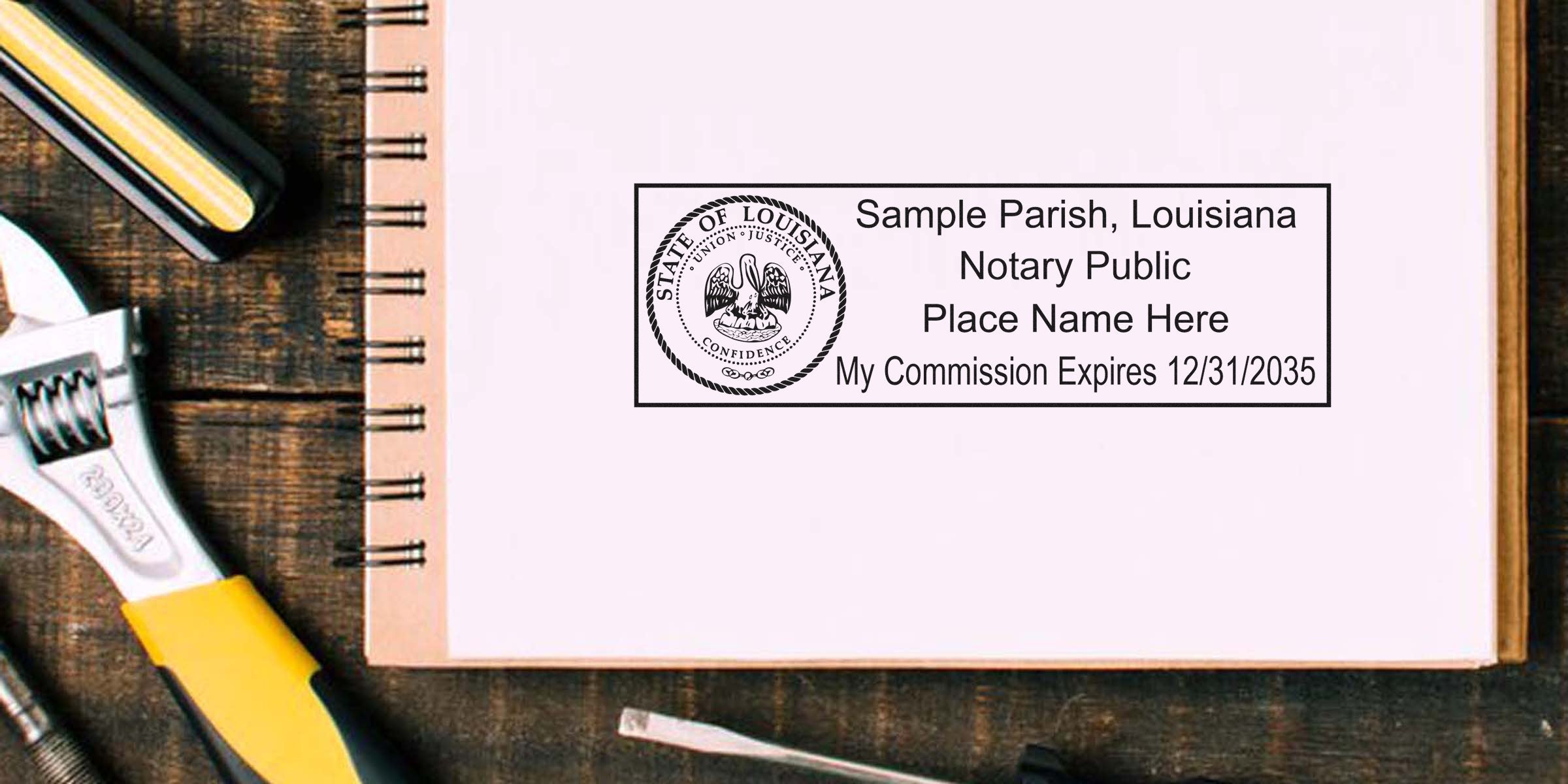
If you are preparing to handle notarizations in Louisiana, you've probably heard how important it is to secure a compliant Louisiana notary public stamp as part of your day-to-day toolkit. It’s more than just a piece of rubber or plastic—it’s a critical element that verifies your authority and makes your paperwork official. Selecting the right stamp can be tricky, especially if you’re on a budget or if you’re unsure about the latest notary rules.
Still, you don’t have to sift through endless websites or guess which options comply with the state’s guidelines. In this post, I’ll walk through the essentials of notary stamping in Louisiana, share a few tips on picking the perfect model for your budget, and highlight ways to make your office life much easier. Whether you’re just getting started or already have a notary commission, a dependable stamp will save you time and unnecessary headaches.
Throughout my experience, I’ve noticed a few key details that frequently surprise new notaries here in Louisiana—from the specific layout of your stamp to ensuring it meets the legal requirements for official documents. It’s not just about picking the cheapest stamp and hoping it holds up. You also need to consider re-inking, durability, and the compatibility of your stamp with other Louisiana notary supplies you may need, such as journals and embossers.
Acorn Sales, a trusted supplier of notarial products for over 60 years, specializes in crafting quick-turnaround, top-quality stamps and seals. They understand the unique demands of Louisiana notaries, addressing key compliance points so you can focus on your work without worrying about whether your stamp meets state regulations. If you’re looking for a company that takes care of the fine print, they’re a terrific place to start.
In this guide, we’ll cover everything from the must-have features of a notary stamp to the different price ranges that fit every wallet. By the end, you’ll know exactly what to look for, how to maintain your stamp, and when to upgrade. Let’s dig into the specifics so you can make your mark confidently, all while keeping your budget in check.
Why You Need A Compliant Louisiana Notary Public Stamp
A properly designed stamp in your notary toolkit is essential for meeting Louisiana’s legal obligations. Even the most meticulous notarial act can be invalidated if the stamp is incorrect, missing vital details, or doesn’t create a clear impression that meets state guidelines.
Ensuring Legal Significance
Your notarial stamp isn’t just an accessory, it’s a legal confirmation of your authority. Louisiana law specifies the elements that must appear on official notarial imprints, from your name to your commission number or parish details. A crisp stamp impression assures your clients—and the courts—that you’re in compliance with louisiana notary stamp requirements and are authorized to validate documents.
In other words, an improperly formatted stamp can create legal complications for you and your signers. If a document is challenged, and your stamp doesn’t measure up, the entire notarization could be invalidated. Needless to say, that’s a scenario you want to avoid at all costs.
The Role Of Your Stamp In Notarial Acts
Whenever you notarize a document—such as mortgage papers, affidavits, or business contracts—you affirm that the signer’s identity has been verified and that they are signing willingly. Your stamp also confirms the location and date of your notarial act, underscoring its authenticity. Depending on the type of stamp you choose (self-inking, pre-inked, or traditional rubber), you want it to consistently produce a complete and legible imprint.
A notary’s stamp should be so reliable that you rarely have to give it a second thought beyond standard maintenance. If you find yourself fiddling with unclear impressions or constantly re-stamping documents to be sure the image is readable, it’s time to consider a better-quality product. After all, the fewer mis-stamps you have, the smoother your day goes.
Key Features To Look For
Before you start browsing for a new notary stamp, put together a quick checklist of essential characteristics. This helps you narrow your options so you only focus on products that align with local laws and practical needs. Below are three of the most important features: the authorized layout, impression quality, and re-inking capabilities.
Authorized Layout And Information
Louisiana law is specific about how notary stamps should look, what text is required, and even sets certain dimension preferences. While there’s flexibility in design, always ensure that your name, commission or identification number, and the words “Notary Public” or a similar official phrase are included in your stamp’s design. For reference, you can check the official guidelines in louisiana notary stamp law, which outline the legal components.
Keep in mind that each parish may apply additional details, so confirm with your local notary board or the Secretary of State’s office if you’re unsure. If you’re feeling stuck, a quick conversation with a knowledgeable supplier such as Acorn Sales can clarify which layout is best for your exact jurisdiction.
Impression Quality And Durability
It can be easy to focus solely on the content of the stamp. However, if your stamp’s impression is blurred or incomplete, it won’t hold up under scrutiny. Cheaply made stamps often degrade quickly, especially if you notarize multiple documents throughout the day. On top of that, inconsistent ink application makes your official seal look unprofessional.
Try to test out different products before committing, if possible. Look for stamps with a solid housing that doesn’t crack easily and an internal mechanism that operates smoothly. If you opt for a self-inking or pre-inked model, verify that the ink pad or ink chamber can stand heavy use. While every stamp will need refills, higher-quality models require fewer re-inkings and produce more even impressions over time.
Re-Inking And Maintenance
Maintenance might not be the first thing you think of when you buy a new notary stamp, but it will be a factor in your day-to-day routine. Notaries can go through hundreds of stamps a month. If your chosen product is difficult to re-ink, or if you’re uncertain about where to buy refill cartridges, you’ll end up wasting time and money.
Reliable suppliers typically offer replacement parts, easy ink refill instructions, and ample stock in case you need to reorder. Think about how often you anticipate using your stamp. Heavy notary work might call for a self-inking option that can handle multiple documents without skipping a beat. Meanwhile, a manual rubber stamp with a separate ink pad might feel cumbersome if you stamp dozens of pages daily.
Budget Options For Every Notary
Budget often plays a huge role in deciding which stamp you pick. The good news is that even an entry-level product can be effective, as long as it meets your state’s guidelines and upholds decent quality. Here’s a breakdown of the main price brackets you’ll encounter, so you can match your financial comfort zone with the features you want.
Entry-Level Stamps
When you’re just starting out, you may be watching your expenses closely. Entry-level stamps are typically made with plastic housings and come with a standard or simple ink pad. They’re often the least expensive way to get your notarial tasks done. Though they may not come with the bells and whistles of more advanced models, many basic designs still meet state requirements.
- Price Range: Around $10 to $20
- Typical Features: Basic plastic build, standard ink pad, minimal customization
- Who It Suits: New notaries, those who rarely notarize documents, or individuals on a tight budget
A straightforward option might be a pre-inked rectangular stamp that offers enough clarity to pass muster but won’t break the bank. Especially if you only handle a few notarizations a month, an inexpensive model could last you a reasonable amount of time.
Mid-Range Solutions
If you’re ready to invest a bit more for a smoother stamping experience, consider mid-range stamps. They tend to have sturdier builds, better ink distribution systems, and often produce sharper impressions. These are great for notaries who regularly handle business contracts, financial documents, or real estate closings and need consistent performance.
- Price Range: About $25 to $40
- Typical Features: Sturdy plastic or metal frame, self-inking or pre-inked design, comfortable grip
- Who It Suits: Notaries with moderate stamping volume, businesses that require professional-looking seals
At this level, you’ll find stamps that are noticeably more durable than bare-bones models. For instance, a self-inking device addressing louisiana notary seal requirements will let you sail through multiple documents quickly without pausing constantly to re-ink. Plus, some come with personalized text plates that highlight your commission information clearly.
Premium And Customized Stamps
For notaries who demand top-notch quality or enjoy a little customization, high-end stamps are the way to go. These might feature steel-mounted cores, ergonomic grips, and specialized ink formulations that meet unique guidelines. Some premium lines allow you to add logos or advanced security features.
- Price Range: Often $45 and up
- Typical Features: Metal construction, ergonomic handling, extended ink capacity, customized text or logos
- Who It Suits: Heavy-volume notaries, professionals who want a prestigious look, or anyone seeking maximum longevity
Premium stamps aren’t only about aesthetics. Many hold up brilliantly under constant use, and their crisp impression remains consistent from the first document to the last. If you want a professional edge—especially if your notary seal doubles as an important branding element for your law office or financial institution—a high-end model might be worth every cent.
Comparison Of Stamp Types
Picking a price range is one aspect, but deciding which stamp type suits your workflow is equally important. Here’s a quick rundown of the three main categories: self-inking, traditional rubber, and pre-inked stamps.
| Stamp Type | Mechanism | Pros | Cons |
|---|---|---|---|
| Self-Inking | Built-in ink pad flips up to re-ink after each impression | Fast, convenient, less messy | Requires occasional ink pad replacements, can dry out if not used often |
| Traditional Rubber | Separate ink pad pressed against rubber die | Typically budget-friendly, easy to use | Requires separate pad, can be messy, slower stamping |
| Pre-Inked | Ink embedded in the stamp’s surface (no flip mechanism) | Crisp impressions, minimal noise | Often pricier, re-inking can be more involved |
If you handle a high volume of documents daily, a self-inking or a pre-inked stamp might be ideal. If you’re just starting and only need the stamp a few times a month, a traditional rubber stamp can do the trick at a lower price point.
Why Choose Acorn Sales For Your Stamp
Not all stamp suppliers are created equal. Acorn Sales has been in the notary game for over 60 years, building a reputation for precise craftsmanship and reliable customer service. When you purchase your stamp from them, you can expect:
- Quick Turnaround: They understand that you can’t afford lengthy wait times. Orders are processed and shipped promptly, so you can continue meeting client needs.
- Compliant Seals: As a decade-spanning stamp and seal maker, Acorn Sales ensures every product aligns with the latest louisiana notary stamp format sample.
- Top Quality Materials: From metal frames to high-grade inks, their designs are built to last.
- Full Product Range: Beyond stamps, they also supply louisiana notary seal embossers, self-inking solutions, refill inks, and curated louisiana notary kit options.
Any time you’re uncertain about a stamp’s layout or which product matches your local guidelines, you can reach out to them. They’ll happily walk you through the ins-and-outs of each design, helping you select the right tool.
Vital Louisiana Notary Supplies Beyond The Stamp
A stamp is essential, but to run your notary business effectively, you may need a few other pieces of equipment. Having top-notch supplies prevents hiccups and keeps your entire operation professional from start to finish.
Embossers And Seals
Although a notarial stamp is your primary marking device, an embosser is sometimes required or requested by clients for added authenticity. Embossers create a raised impression, making them harder to forge. While Louisiana may not explicitly mandate embossers, many notaries add a crisp, raised louisiana notary seal and stamp to important documents for an extra layer of security.
If you anticipate frequently handling real estate or financial paperwork, an embosser can convey a sense of formality—something some clients appreciate.
Notary Journals And Record-Keeping
A comprehensive journal is the backbone of your notarial records, allowing you to log every detail of each act you perform. While Louisiana might not require an official journal, it’s still a wise practice to keep one. This record can protect you in case a notarization is questioned at any point in the future.
Invest in a journal that’s sturdy, has tamper-proof pages, and includes enough space for all essential details—signer’s name, ID type, date, document type, and any special notes. By staying organized, you’ll reduce the risk of errors and build confidence with your clients.
Ink Refills And Seal Stickers
No matter which stamp you choose, you’ll need to plan for inevitable refills. Purchasing an extra set of refills ahead of time means you won’t be stuck mid-appointment with a dry stamp. Always confirm that your refill brand and color match your original purchase so the impression remains consistent.
Additionally, if you use embossers, you can add self-adhesive foil seals for improved visibility, especially on official documents. These small decorative stickers look professional, and they can highlight the raised seal’s details.
Tips For Maintaining Your Stamp
A little upkeep goes a long way, especially when you rely on your stamp every day. You don’t want to scramble for a replacement in the middle of a crucial signing session. By following these tips, you can keep your stamp in tip-top shape for a longer time.
Store It Properly
After you finish a batch of documents, store your stamp in a cool, dry location away from direct sunlight. Extreme heat or cold can warp the plastic frame or dry out the ink prematurely.Clean The Surface Periodically
Dirt and debris can accumulate on the impression area, leading to smudges or incomplete marks. Use a soft cloth or a gentle cleaning solution recommended by the manufacturer to wipe off any residue.Re-Ink On Schedule
Rather than waiting for your stamp to produce faint, barely visible marks, keep track of how often you stamp. If you’re nearing typical usage limits, re-ink the pad or replace the ink cartridge proactively. A well-inked stamp guarantees a crisp, professional look.Handle With Care
Even though many modern stamp designs boast impact-resistant housings, drops and bangs can misalign internal mechanisms. Try to avoid tossing your stamp in a drawer with heavy objects. If you see any cracks or mechanical issues, get a replacement or consult the supplier for repairs.
Following these pointers keeps your stamp producing clear images and helps avoid legal complications from unreadable imprints.
Conclusion
Finding the best Louisiana notary stamp for every budget can be simpler than you think. You just need to consider a few basic factors: your commission details, volume of notarizations, and the state’s formatting guidelines. Even an entry-level stamp can be fully compliant if you go with a reputable supplier who puts state regulations front and center.
With Acorn Sales, you can count on top-notch materials, quick shipping, and knowledgeable support—a combination that stands out in the crowded notary supply market. If you’re ready to invest in a reliable, high-quality seal, consider exploring louisiana notary stamp options that fit your specific budget and work style. Once you’ve picked the right stamp and any accompanying la notary supplies, you’ll be ready to focus on the business of notarizing, rather than worrying about compliance lapses or faded impressions.
The notarial profession is all about trust, clarity, and adherence to the rules. Equip yourself with a proper stamp, maintain it well, keep a record of transactions in a journal, and watch how seamlessly your day-to-day operations run. If you’re in the market for a new stamp or you’re just beginning your journey as a Louisiana notary, take the plunge and select a product that aligns with state requirements. Your commission and your clients will thank you.
Frequently Asked Questions
Do I Need A Special Stamp For Each Parish?
In most cases, one commission covers you statewide, so you won’t need separate stamps for each parish. However, confirm whether your parish adds extra requirements or localized information. If so, consider customizing your stamp layout or simply verifying that your existing design meets local guidelines.
How Often Should I Update My Stamp?
You usually update your stamp when changes occur, such as your name or commission details. Check out the louisiana notary stamp renewal requirements if you’ve renewed your commission. Otherwise, keep an eye on wear and tear, and replace your stamp if it no longer produces clear impressions.
Which Ink Color Is Recommended?
Black ink is the standard for notarial acts. That said, you may choose blue ink to distinguish original documents. Always check local rules in case your parish or particular institutions require a specific color.
Are Self-Inking Stamps Accepted For Official Documents?
Yes. Self-inking stamps are widely utilized by notaries across Louisiana. Just ensure that the impression meets louisiana notary public seal guidelines and remains legible. If you notice diminishing ink quality, refill it promptly to avoid invalid or unclear markings.
Can I Have A Customized Logo On My Stamp?
You can, particularly if you opt for a premium or metal-cased model. But keep the official notarial text separate and ensure it’s not overshadowed by extra designs. The main priority is that your stamp meets louisiana notary seal dimensions and graphics don’t interfere with required details.
What If My Stamp Is Lost Or Stolen?
Report this immediately to the appropriate authorities and consider reordering a replacement right away. A missing stamp could be misused, so acting quickly protects your reputation and ensures that no fraudulent acts are carried out under your commission.








