
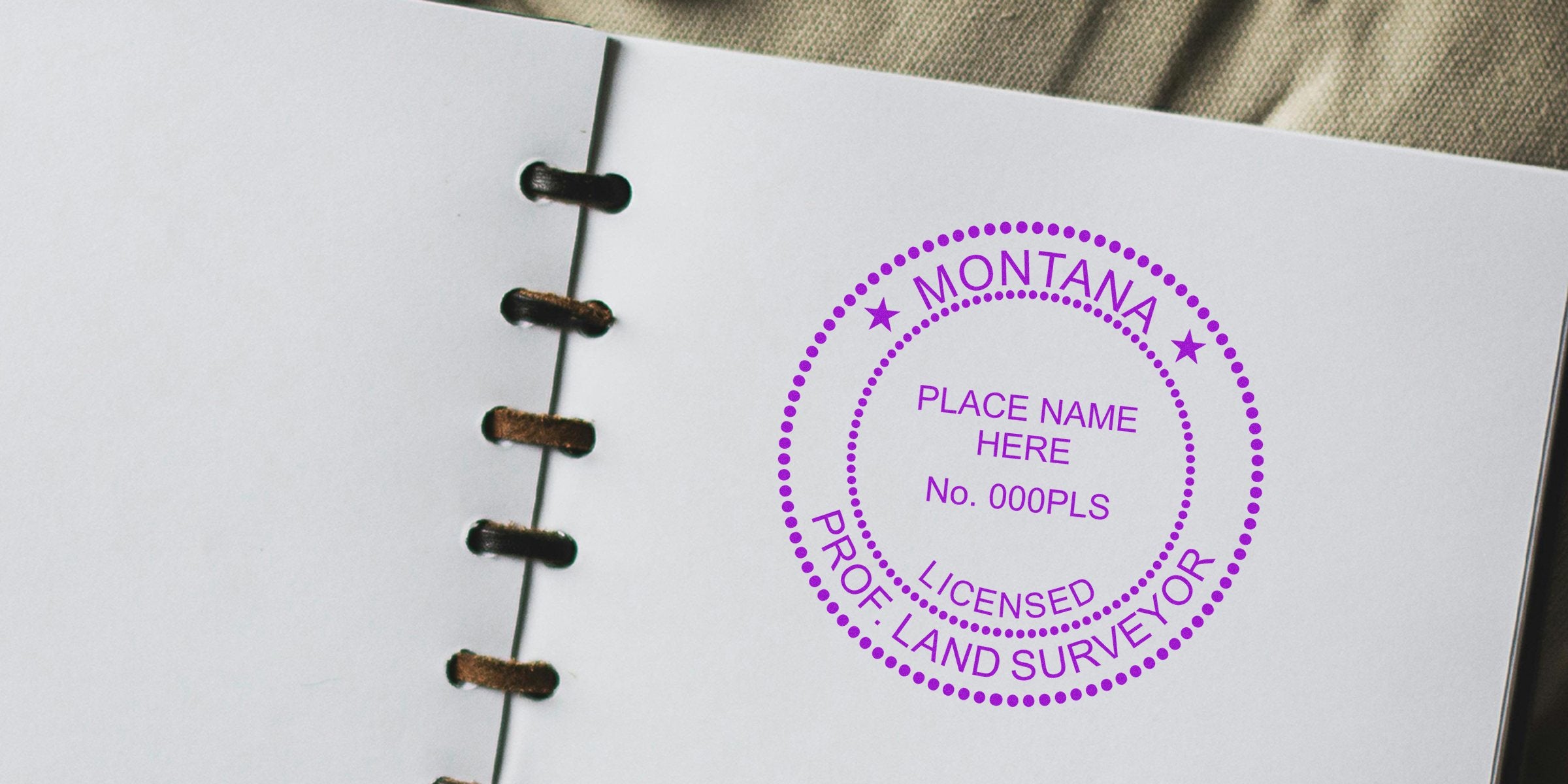
If you’re in Montana and practicing as a land surveyor, you’ve probably come across the requirement for a Montana professional land surveyor seal. This official seal is more than just a symbol on your documents—it’s a legal necessity and a strong statement of your professional legitimacy. But how do you make sure you’re using it correctly and confidently? In this article, we’ll walk through everything you need to know about best practices, from choosing the seal format to keeping your records straight. By the end, you’ll have a clear roadmap for using your seal responsibly and showcasing your expertise.
Understand The Role Of The Seal
As a land surveyor, your seal represents your professional standing and technical competence. It confirms that you’ve met the education, examination, and experience requirements in Montana. Essentially, it’s your personal endorsement that the work you sign is accurate and follows applicable laws.
Establishing Legal Compliance
When Montana’s Board of Professional Engineers and Land Surveyors issues your license, they also expect you to seal your official documents. Why is this so critical? Your sealed plans, plats, and reports demonstrate to clients, agencies, and the public that you’ve verified every measurement and conclusion. Without it, your work might not be recognized as legally valid, and you could face disciplinary action or even legal consequences.
- Always double-check that your name, license number, and expiration date (if required) match exactly between your files and the official licensing records.
- Update your seal promptly if anything changes, such as your name or license renewal date.
Sealing your documents is more than just stamping ink on paper—it means you’ve reviewed your work for accuracy and compliance.
Follow Montana’s Specific Guidelines
State regulations in Montana provide a framework for how your seal must look, where it should appear, and how it should be authored. By following these guidelines, you’ll avoid common pitfalls like an incorrect design or placement that could invalidate your documents.
Proper Dimensions And Wording
Montana typically specifies the diameter of your seal, the engraved border, and the exact text that must appear. The wording usually includes “Professional Land Surveyor” along with your license number. If you have any uncertainty about the precise design requirements, it pays to check with the Montana licensing board directly. Official samples or templates might be available, ensuring you’re 100% compliant.
- Look for direction regarding circle size, wording, and layout.
- Verify the lettering: it should clearly read “Professional Land Surveyor” or the official abbreviation.
- Maintain legibility and clarity so your seal is easily recognizable.
Getting Your License Details Right
Even small errors in your seal’s details can cause confusion. If your name on the seal doesn’t match your legal name or the name on your license, plan reviewers might reject your work. The same caution applies to your license number. A quick sanity check before ordering or using the seal could save you lots of hassle later.
- Confirm your legal name is spelled correctly.
- Ensure the license number is correct and up to date.
- If you renew your license or change your name, order an updated seal right away.
Choose Physical Or Digital Formats
At first glance, the physical stamp may feel like a no-brainer. But did you know digital seals are becoming more common and are allowed under certain conditions? Montana recognizes electronic sealing as valid for specific document types, provided the seal is secure and tied to your unique professional credentials.
Weighing The Pros And Cons
Below is a quick table summarizing some pros and cons of each seal format:
| Format | Pros | Cons |
|---|---|---|
| Physical | - Tangible record | - Requires careful storage |
| - Widely accepted, minimal setup | - Replacement or re-inking needed | |
| Digital | - Convenient for electronic docs | - Must ensure secure encryption |
| - Fast sharing, easy archiving | - May not be accepted by all agencies |
If you prefer a traditional impression on paper or if you’re working primarily in physical media, a hand-stamp or embossing seal could be your best friend. On the other hand, if you’re regularly sending digital files, an e-seal might be more efficient as long as it meets Montana’s electronic authentication standards.
Ensuring Secure Usage
Whether you choose a physical seal or a digital one, keep it safe from misuse. If you have a physical stamp, store it in a locked drawer or cabinet whenever you’re not using it. For digital seals, secure your seal files or digital signature certificates with strong passwords or encryption. You don’t want anyone applying your seal without your knowledge or consent.
Use On Final Documents
Using your seal on every sheet of your preliminary sketches or rough notes may not be necessary. Instead, focus on the final documents that you are formally submitting or presenting. Typically, these are plats, boundary surveys, topographic surveys, or any documents that local officials, clients, or other stakeholders will rely on.
Timing Your Stamp
You’ll usually apply the seal just before you sign and date your final documents. The idea is to confirm your drawing or report is complete and reviewed. If you add the seal too early, any subsequent changes might not be reflected, which could lead to confusion or disputes.
A simple workflow might look like this:
- Complete your calculations and layout.
- Perform internal checks for accuracy.
- Finalize the document layout and text.
- Seal, sign, and date the document.
Submitting Electronic Files
For electronic submissions, you can embed a digital image or signature with your e-seal, but make sure it’s secure. Some local agencies or clients might require a certification statement that references your e-seal’s validity. Always confirm the submission rules with the receiving party so you don’t waste time adjusting your documents at the last minute.
If you want more details on how stamps differ from seals, or if you need practical info about ordering one, be sure to check out the montana land surveyor stamp reference. It offers tips on design choices, materials, and more.
Maintain Your Professional Integrity
Your seal is a reflection of your personal and professional credibility. Using it responsibly bolsters trust with clients, regulatory bodies, and the broader public.
Documenting Revisions And Changes
What happens if you need to amend something after you’ve already sealed and signed a document? You’d typically note the revision, add a brief explanation, and re-seal that change. This ensures there’s a clear history of all modifications.
- Keep a log or table of revisions at the end of your document.
- Each time you revise, reference the date and your updated seal if needed.
- Clearly mark old versions as “superseded” so they’re not mistakenly used.
Avoiding Seal Misuse
While it might be tempting to lend your seal or digital signature to a colleague in a pinch, resist that urge. Your seal must remain under your direct control at all times. Sharing it—even with a trusted peer—can lead to big legal and ethical issues. If you’re swamped, delegate tasks that don’t involve final documentation. But sealing is where you, personally, confirm the accuracy of the work.
- Never share your seal or digital credentials.
- Take the time to review any project bearing your seal.
- If you suspect unauthorized use of your seal, alert the proper authorities immediately.
Recap And Next Steps
Using the Montana professional land surveyor seal might feel overwhelming at first, but once you grasp the basics, it becomes an integral part of your workflow. By following Montana’s design guidelines and ensuring your name and license details are accurate, you’ll keep your documentation valid. Deciding between a physical stamp and an e-seal depends on your project type and personal workflow, but always keep security in mind. Finally, stay consistent with updates, document your revisions, and never let your seal fall into the wrong hands.
Here are a few parting tips to keep in your back pocket:
- Regularly confirm you’re meeting Montana’s latest board rules, as regulations can change.
- Store your seal securely (lock and key for physical, password protection for digital).
- Check that each final plan or survey is sealed, signed, and dated clearly.
- Keep good records of any modifications or revisions.
The bottom line is this: your seal speaks volumes about your commitment to professional ethics, competence, and accountability. Stand by it, and it will stand by you whether you’re dealing with new clients, local agencies, or long-time partners. By following these best practices, you’ll be well on your way to a streamlined, worry-free surveying process. If you still have questions or want to explore stamp options, remember to check out the montana land surveyor stamp. Good luck with your next project, and happy surveying!
Frequently Asked Questions
What information must be included on a Montana professional land surveyor seal?
A Montana professional land surveyor seal should clearly show your name, your license number, and the required professional title or wording specified by the Montana Board of Professional Engineers and Land Surveyors. The seal should be legible, accurate, and consistent with your official licensing records. If any of your license details change, your seal should be updated right away.
Can I use a digital seal for land surveying documents in Montana?
Yes, Montana allows electronic sealing for certain document types when the seal is secure and properly tied to your professional credentials. A digital seal can be a convenient option for electronic submissions, especially if you work primarily with PDFs or online file delivery. Just make sure the receiving agency accepts e-seals and that your digital credentials are protected.
When should I apply my Montana land surveyor seal?
You should apply your seal only to final documents that are complete, reviewed, and ready for submission or official use. This usually includes plats, boundary surveys, topographic surveys, and formal reports. Sealing too early can create problems if the document is later revised.
What is the difference between a physical stamp and a digital surveyor seal?
A physical stamp is a traditional impression used on paper documents, while a digital seal is used for electronic files. Physical seals are widely recognized and simple to use, but they require secure storage and maintenance. Digital seals are faster for online workflows, but they must be encrypted and protected from unauthorized use.
What should I do if my name or license number changes?
If your name changes or your license number information is updated, you should order a new seal that matches your current legal and licensing information. Even small mismatches can cause document rejection or compliance issues. It’s best to verify your records before using your seal on any final work.
How do I prevent misuse of my Montana professional land surveyor seal?
Keep your physical seal in a locked, secure location and protect any digital seal files with strong passwords or encryption. Never share your seal or digital signature credentials with colleagues, even temporarily. If you suspect unauthorized use, report it immediately to the appropriate authorities.








