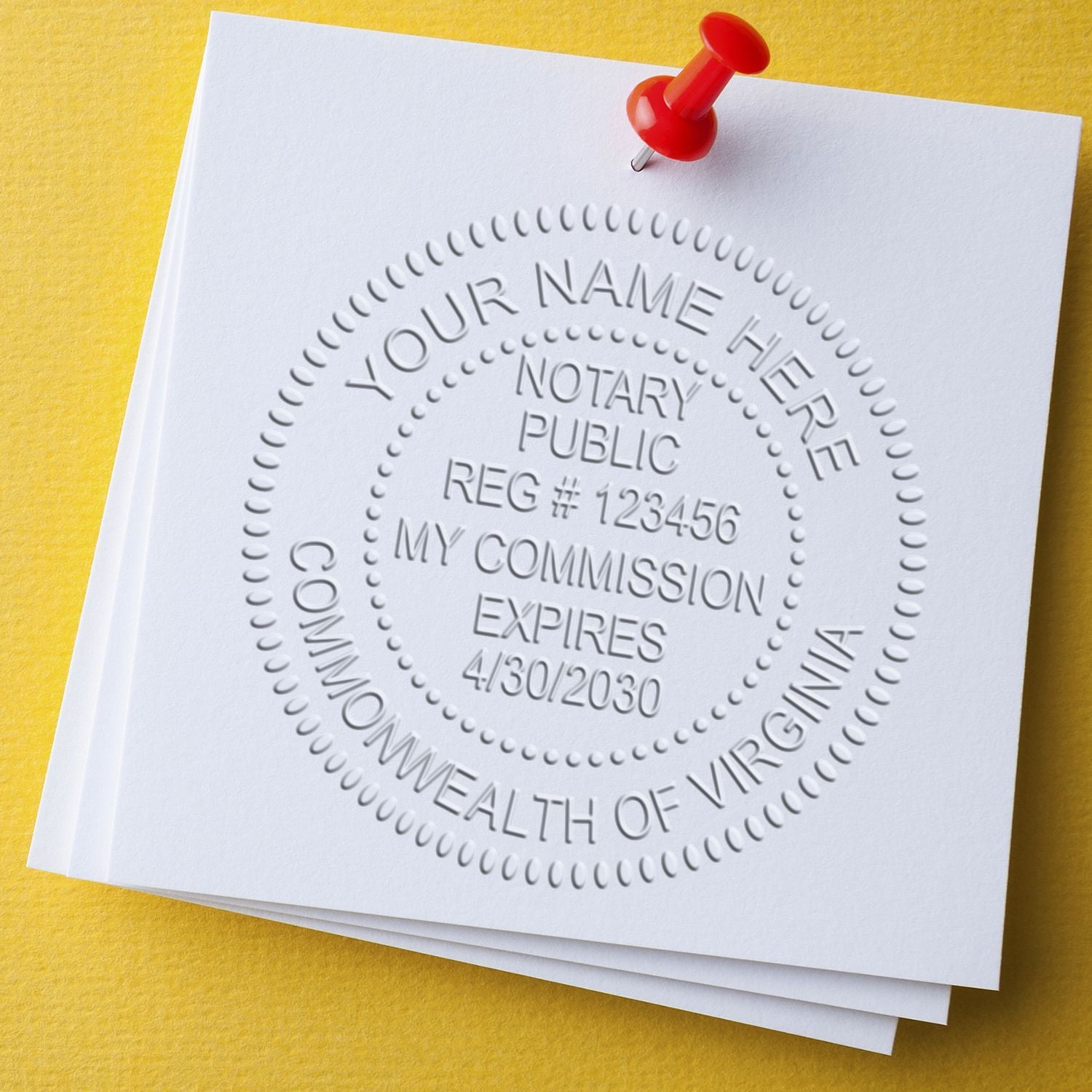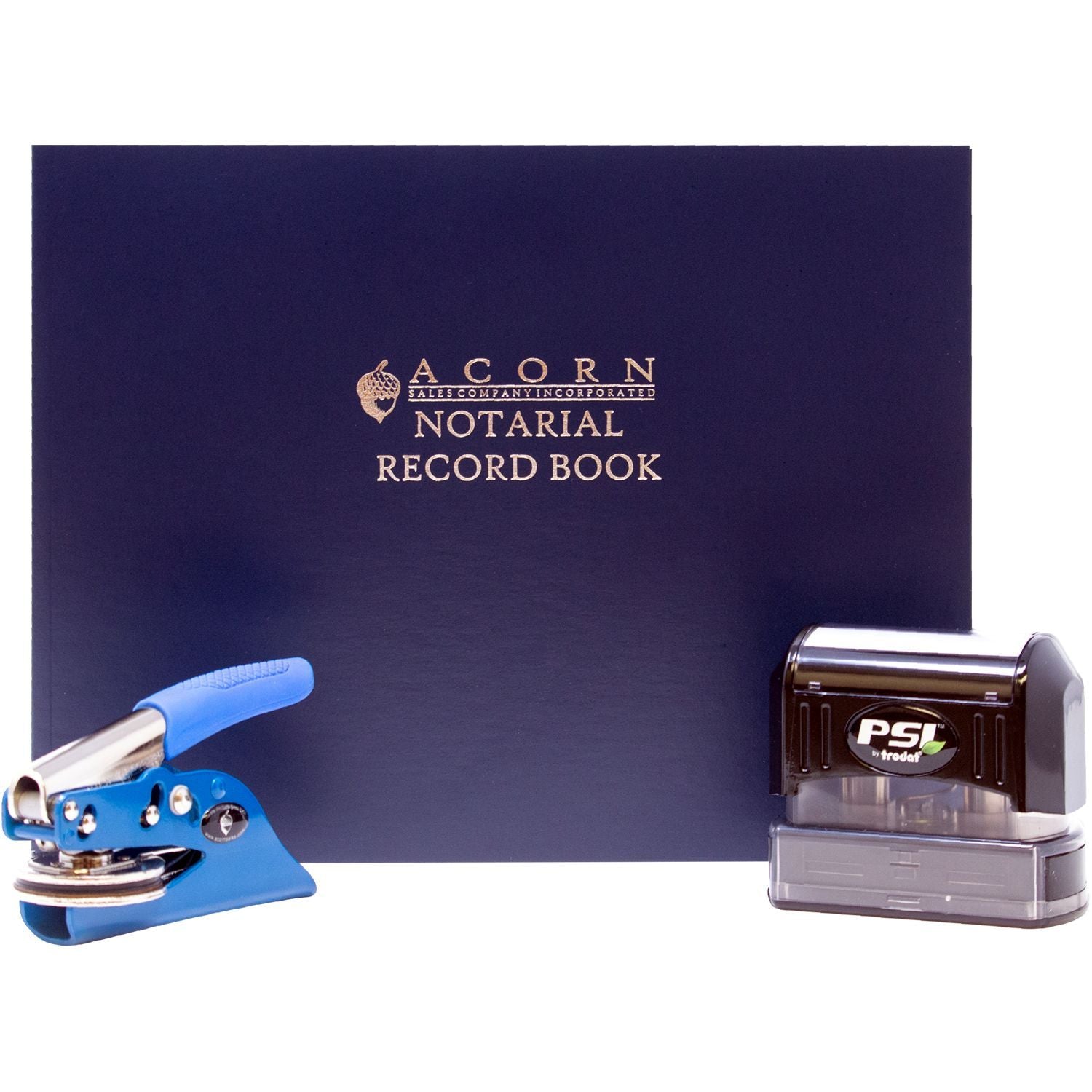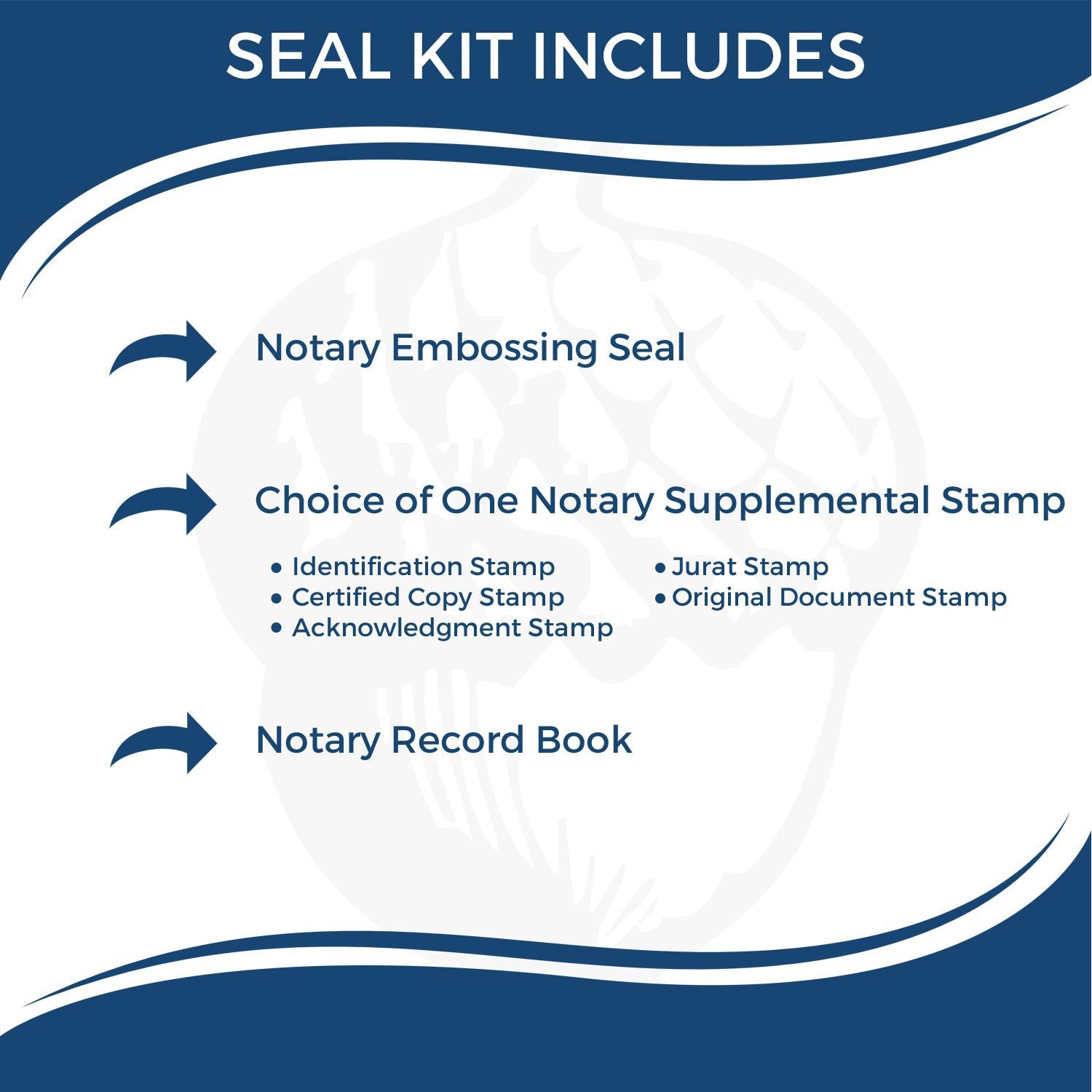
The Importance Of New Jersey Notary Seal Requirements
If you’re a notary in the Garden State, understanding New Jersey notary seal requirements is absolutely crucial. You want to present yourself professionally, avoid any compliance headaches, and ensure each notarization stands up legally. Meeting these guidelines isn’t just about following the law—it’s also about safeguarding your reputation. After all, you’re the person people trust to validate their most important documents.
Below, we’ll explore the essential rules for your notary seal and the impact these regulations have on your day-to-day duties. You’ll learn how to find a compliant seal, keep your commission details accurate, and stay aware of recent notary law changes that affect your practice.
Why Your Seal Matters
You might wonder: Doesn’t every state have similar notary seal requirements? While many share common rules, New Jersey law spells out exactly what your seal must include and how it needs to perform. In short, your seal:
- Proves your authority to notarize.
- Confirms your identity as a valid commission holder.
- Protects against fraud, because it’s tailored to you and your active commission dates.
When clients see your seal, they immediately know their document has been verified by someone who follows state regulations. That builds trust in your work and helps you stand out as a reliable professional.
The Official Elements Of The Notary Stamp
Under New Jersey law, your stamp must include:
- Your name as it appears on your notary commission.
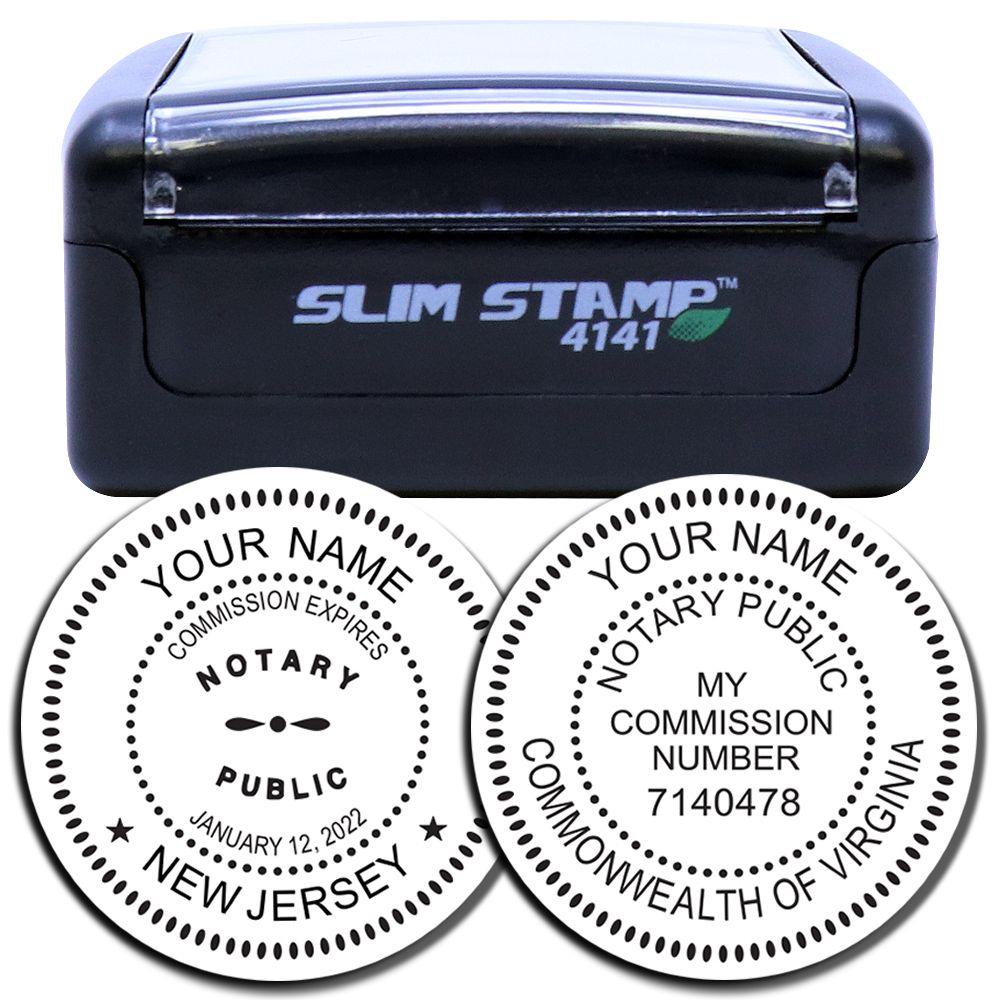
- The title “Notary Public, State of New Jersey.”
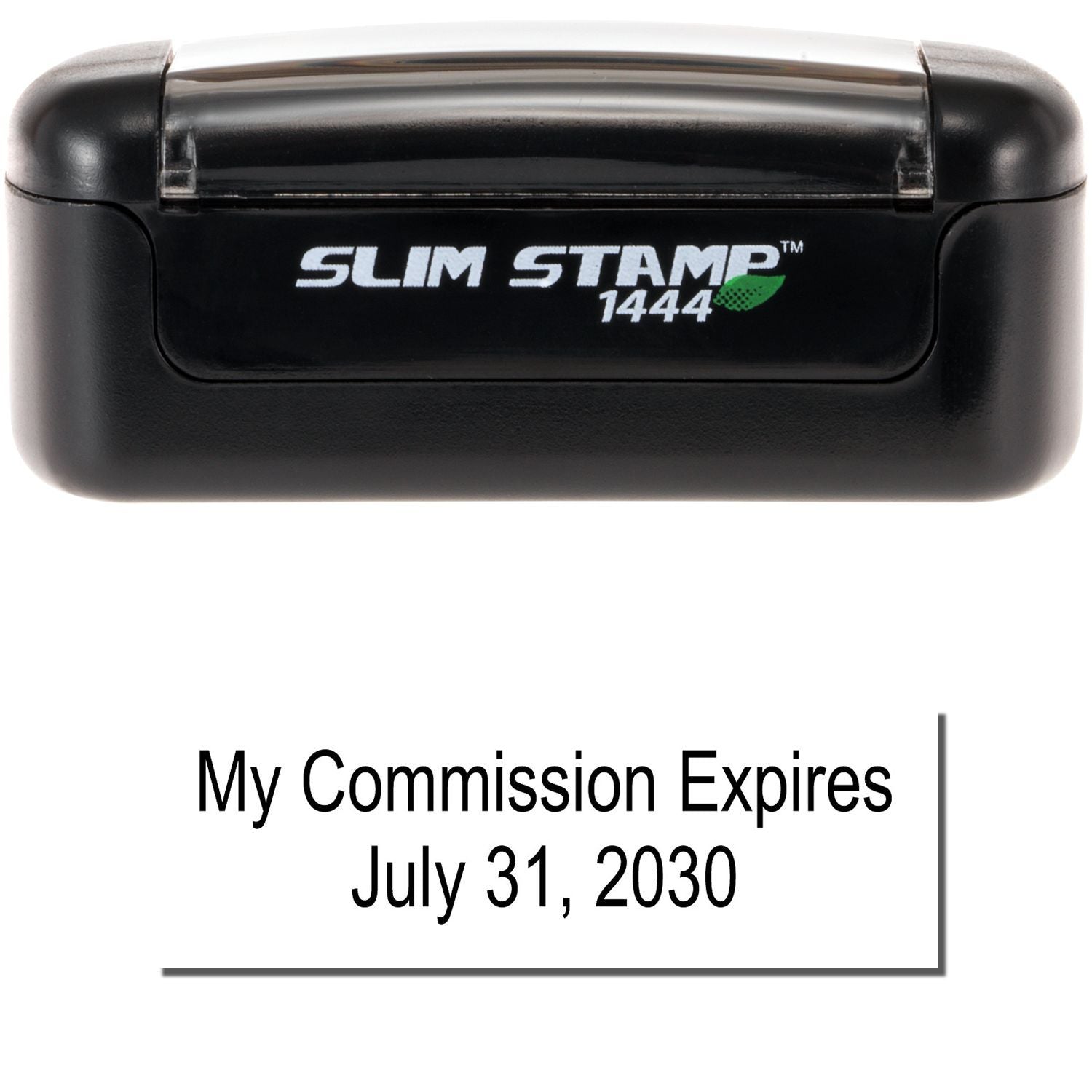
- Your commission expiration date.
In addition, the seal must be capable of being copied or reproduced together with the document. That means ink color, font style, and overall design should be crisp enough that it’s legible on photocopies or digital scans. This might sound like a small detail, but it’s a significant way to ensure the validity of notarized records long after you’ve added your seal.
Breaking Down The Official Requirements
So, how do these rules affect your everyday notary duties? Let’s look at some key aspects of compliance.
Ink Color And Copy-Ability
New Jersey specifically wants your seal to be “capable of being copied together with the record.” That typically means choosing a simple, dark ink that shows up well on standard scanners and copiers. Many notaries pick black or dark blue to guarantee clarity. Avoid pale, flashy colors that might fade or disappear on reproductions.
Matching Your Commission Name
Your notary name on the seal must match the exact name on your commission certificate. If your commission lists you as “Jane A. Smith,” for example, you should not shorten it to “Jane Smith” on your stamp. You can’t omit or rearrange your middle initial—this consistency is vital in preventing confusion about who performed the notarial act.
Confirming The Expiration Date
Your commission expiration date must appear on your seal. Make sure this date is current and accurate. If your renewal is coming up, order or update your stamp accordingly to avoid stamping a date that’s no longer valid. If your seal displays an expired date, it could undermine the credibility of your notarizations and might get questioned in legal settings.
Expiration Dates And Renewal
Every notary in New Jersey has a commission that lasts for a set term. Once that term ends, you’ll need to apply for a renewal so you can continue notarizing. It’s best to keep track of your commission end date well ahead of time. That way, you’re not rushing to get everything sorted at the last minute.
What happens if you use your seal after your commission expires? You risk invalidating the notarized document, and you could face penalties or fines. On top of that, your clients might be left in an awkward position if their paperwork is deemed incomplete. Staying on top of your expiration date and renewing promptly are two key ways to protect yourself and the public you serve.
The Role Of Remote Notarization
Did you know New Jersey now permits remote notarization for both paper and electronic records? This is a significant development for notaries who want to expand their reach. Under the new law, you can be physically present within the state while signers join electronically from elsewhere. This can be a game-changer for individuals who can’t travel or for documents that need expedited verification.
Notarizing Paper Vs. Electronic Documents
For paper documents, the signer sends you the physical paperwork to be notarized. Meanwhile, you connect with them via an approved remote platform. You apply your ink stamp directly onto the paper while verifying their identity online. For electronic documents, you typically use an electronic signature and an official e-seal. Even so, you must still fulfill the core “copy-ability” requirement. Every stamp, whether physical or digital, should be clear, legible, and reproducible.
Keep in mind that you need to notify the State Treasurer before your first remote notarial act. You also must maintain a journal of your remote notarizations, just like you would for in-person acts.
Common Types Of Notary Stamps
Because the stamp you use every day must meet the state’s rules, you’ll want to pick a style that’s comfortable, convenient, and produces consistent impressions. Generally, you can choose among:
Self-Inking Stamps
Self-inking stamps have a built-in ink pad inside a plastic or metal frame. Every time you press down, the stamp face hits the ink pad and then applies your seal to the paper. They’re popular because they’re quick, relatively mess-free, and create a clean impression. Just remember to refresh or replace the ink pad to maintain clarity.
Pre-Inked Stamps
A pre-inked stamp comes with ink injected directly into its stamping surface, so it can create thousands of imprints before you need to refill. Many find that pre-inked stamps deliver a sharper, more detailed seal. If you’re concerned about consistent quality, a pre-inked stamp may be a great choice.
A Classic Wooden Handle
A wooden-handle stamp is the old-school approach. You’ll need a separate ink pad, but some notaries prefer this method for its reliability and control. Wooden stamps can be slightly bulkier to carry around, though, which is worth considering if you do a lot of traveling notary work.
However, whichever style you choose must reflect proper New Jersey notary seal requirements. Always confirm that the stamp layout is correct—your name, your title, and your commission expiration date. Missing or misprinted details can present a real hurdle if someone challenges your stamp down the line.
Purchasing From Acorn Sales
When you’re shopping for a new notary seal, you want more than just a generic rubber stamp. You need a product that complies with state guidelines, stands up to frequent use, and helps you look every bit the professional you are. At Acorn Sales, we’ve dedicated over 60 years to making stamps and seals for notaries across the country—including New Jersey.
Quick Turnaround And Compliance
Our mission is to help you meet or exceed all state rules for your seal. From ensuring your commission name is accurately reproduced to confirming your expiration date is clearly visible, we handle the fine details so you don’t have to stress. We understand how daily notary tasks can stack up, so we pride ourselves on quick turnaround times and friendly customer support.
We also offer an array of designs—from self-inking to pre-inked options—so you can pick the style that best fits your workflow. And because your stamp is an extension of your business, we strive to deliver crisp, professional impressions every time to help your documents stand out.
Additional Perks
Many New Jersey notaries also consider membership perks that can come with certain stamp purchases. Sometimes, buying a specific notary stamp can qualify you for benefits like a free one-year membership to the American Association of Notaries (AAN), updates on state notary laws, or a business webpage listing. Whether or not you choose to take advantage of an organization’s extra services, staying updated is always a good move in this field.
We get how important it is to stay current, so we’re happy to answer any questions you have about notary journals, ink colors, or day-to-day best practices. You can also check out our new jersey notary supplies for more information on the tools you need for a successful notary business.
Maintaining Compliance Through Records
Besides having a proper seal, you also need a journal for all acts you perform as a notary. New Jersey notary law now requires notaries to keep a journal of each notarization, whether performed in person or remotely. You can maintain a bound paper register or opt for a tamper-evident electronic version, as long as you record each act fully and accurately.
Why A Journal Matters
A reliable journal protects you and your clients if someone challenges the validity of a notarized document. Having a clear record of the signer’s ID details, the date of notarization, and the document type goes a long way toward confirming that everything was above-board. Journals also provide a reference if you need to recall specific circumstances or confirm that you notarized a certain document on a certain date.
Storing And Retrieving Records
You should store your completed journals in a safe location, ideally under lock and key or password protection if you opt for an electronic format. The State Secretary or other authorities may ask to see these records if there’s ever a dispute. Good recordkeeping is simply part of the job. With a meticulous notebook or digital solution, you minimize headaches down the road.
Key Changes In Recent Legislation
New Jersey has introduced a handful of notary law updates that could affect the way you work, especially if you’ve been commissioned for years. Remaining on top of these developments ensures that you serve clients efficiently and lawfully.
Training And Exam Requirements
Starting July 22, 2022, nonattorney applicants who want a New Jersey notary commission (including renewals) must complete educational training and pass an exam. You’ll also acknowledge that you’ve read the Notary Public Manual. This requirement isn’t meant to complicate the process; rather, it’s there to ensure that you fully grasp your duties. When you’re well-trained, you’re less likely to commit errors that lead to invalid signatures or potential lawsuits.
Out-Of-State Applicants
In the past, if you lived outside New Jersey, you might not have qualified for a notary commission. Now, out-of-state applicants can become commissioned provided they work for a business with its primary location in New Jersey. Even if you perform notary duties from a home office in an adjoining state, you can still be an NJ notary as long as you meet the application criteria.
Prohibited Notarial Acts
One vital change is that notaries in New Jersey may not notarize documents in which they—or their spouse or civil union partner—have a direct beneficial interest. This helps maintain impartiality and prevents any suspicion that you might personally gain from notarizing the document. Also, keep in mind that any statutory fees a notary can charge are now set by the State Treasurer, so you’ll want to stay updated on the current fee schedule.
Step-By-Step: Ensuring Your Seal Complies
Below is a quick reference to help you prepare or double-check your new stamp:
-
Verify Your Name
- Confirm it’s the exact same name that appears on your commission.
-
Include The Title
- Add “Notary Public, State of New Jersey.”
-
Present The Expiration Date
- Use the correct date. If your commission is set to renew soon, factor that in.
-
Confirm Copy-Ability
- Choose a darker ink color (usually black or blue) that’s easily photocopied.
-
Check Stamp Style
- Self-inking, pre-inked, or wooden handle. Pick what suits your routine best.
-
Approve The Format
- Make sure the overall layout is easy to read, with appropriate spacing.
Double-check these items when you receive your stamp from the manufacturer. It’s worth taking a mock impression on scrap paper to confirm that everything is crisp and aligned. If you see blurred lines or missing details, contact your stamp provider for a replacement.
Comparison Table: Types Of Notary Stamps
Below is a quick comparison of popular stamp types offered by Acorn Sales:
| Stamp Type | Ink Mechanism | Pros | Cons |
|---|---|---|---|
| Self-Inking Stamp | Built-in pad | Fast, clean application, easy to refill | Pad will eventually wear out |
| Pre-Inked Stamp | Ink embedded in die | Very crisp, high-quality impressions | Slightly higher cost |
| Wooden Handle | Separate ink pad needed | Classic feel and control over impression | Bulkier, more manual steps |
If you’re unsure which one you’ll like best, you can always reach out for guidance, explaining how often you notarize or whether portability is crucial to your workflow.
Why Quality Materials Matter
Ever had a stamp run out of ink on you in the middle of a signing? Or come across a broken handle when you needed to notarize five documents in a row? Unfortunately, not all stamps are created equal. A flimsy design might cost a few dollars less, but you’ll pay more in frustration and replacements.
Durability And Consistency
A good stamp doesn’t just leave a pretty impression—it stands up to heavy use without smudging or fading. If you’re a busy notary who handles multiple signings every day, you already know how important it is to have reliable tools. The fewer times you have to replace ink pads, reorder supplies, or troubleshoot mechanical glitches, the smoother your workday will be.
Presentation And Professional Image
When you press your seal onto a client’s document, that impression is a reflection of your expertise. Crisp lines and readable text signal that you care about every aspect of your job. In a field where trust is paramount, presenting a professional seal can reassure clients that they’re in good hands.
Additional Services: Bonds And Insurance
Although stamps get a lot of attention, don’t overlook the value of notary bonds and errors and omissions (E&O) insurance. Many New Jersey notaries carry both to further protect themselves and clients. For instance, notary bonds in the state are typically underwritten by companies like Western Surety Company or Surety Bonding Company of America. These bonds safeguard the public if you make a mistake. Meanwhile, E&O insurance is an extra layer of protection that covers you in case of unintentional errors.
Are These Services Required?
New Jersey notary laws don’t always require bonds or E&O insurance, but carrying them can set you apart as someone who takes their role seriously. Clients often feel more comfortable working with a notary who has safety nets in place, and lenders or title companies may prefer (or require) notaries who have E&O coverage.
Remote Notarization: More Freedom, More Responsibility
Remote notarization might be the most exciting change in New Jersey’s notary landscape. The law allows signers to be located anywhere, while the notary remains physically present in the state. That’s huge for business owners or travelers who need to finalize important documents on short notice.
The Workflow
-
Signer Sends Documents
- Paper copies can be mailed, or digital versions can be uploaded.
-
Online Session
- You connect with your signer via an approved RON (Remote Online Notarization) platform.
-
Verification
- You confirm the signer’s identity, typically using credential analysis and knowledge-based authentication.
-
Notarial Act
- You apply your official seal (physical or e-seal).
-
Journal Entry
- Record the details in your state-approved journal.
Yes, technology is making notarization more flexible. But it also introduces new responsibilities, particularly in verifying IDs and handling legal documents virtually. Always follow your training guidelines and carefully record each remote notarization to maintain compliance.
The Impact On Your Client Relationships
When you handle notarizations efficiently and accurately, you build a base of satisfied clients. Over time, that leads to repeat business and referrals—especially helpful if you’re hoping to expand your notary services within your community or online.
Small details, like the clarity of your stamp or the promptness of your communication, can leave a lasting impression. Remember, people often need notaries at stressful or pivotal moments—buying a house, signing legal declarations, or finalizing estate documents. A smooth, professional experience can mean the world to them.
You now have a complete roadmap to fulfilling New Jersey notary seal requirements. Whether you’re a brand-new notary or you’ve been commission-approved for years, it’s always smart to stay on top of changing laws and best practices. With a proper seal, a reliable journal, and the updated guidelines in your toolkit, you’ll keep your notary services running smoothly—and your clients will certainly appreciate the peace of mind.
Remember, if you need a top-quality notary stamp that fits all of these rules, Acorn Sales has your back. We’ve been perfecting our craft for over 60 years, and we’re ready to help you shine in your notary role.
Frequently Asked Questions
Can I use any color ink for my New Jersey notary seal?
New Jersey law specifically requires that your seal be capable of being copied together with the document. Usually, dark ink such as black or navy is recommended. Avoid lighter colors that might not show up well in scans or photocopies.
What happens if my seal has an incorrect name or expiration date?
You risk invalidating your notarizations. Always double-check your seal when you receive it. If any detail is incorrect, contact the stamp maker for a corrected version before you perform any official acts.
Is remote notarization mandatory or voluntary?
It’s completely voluntary. You can choose to offer remote notarization, but you must notify the State Treasurer before doing your first remote act. If you prefer traditional, in-person notarizations, that’s still valid.
How often do I need to renew my commission and seal?
Your notary commission expires after a set term. You should renew it before that date. Once renewed, you’ll likely need a new seal reflecting the updated expiration date. Staying current helps you avoid legal or logistical hassles.