
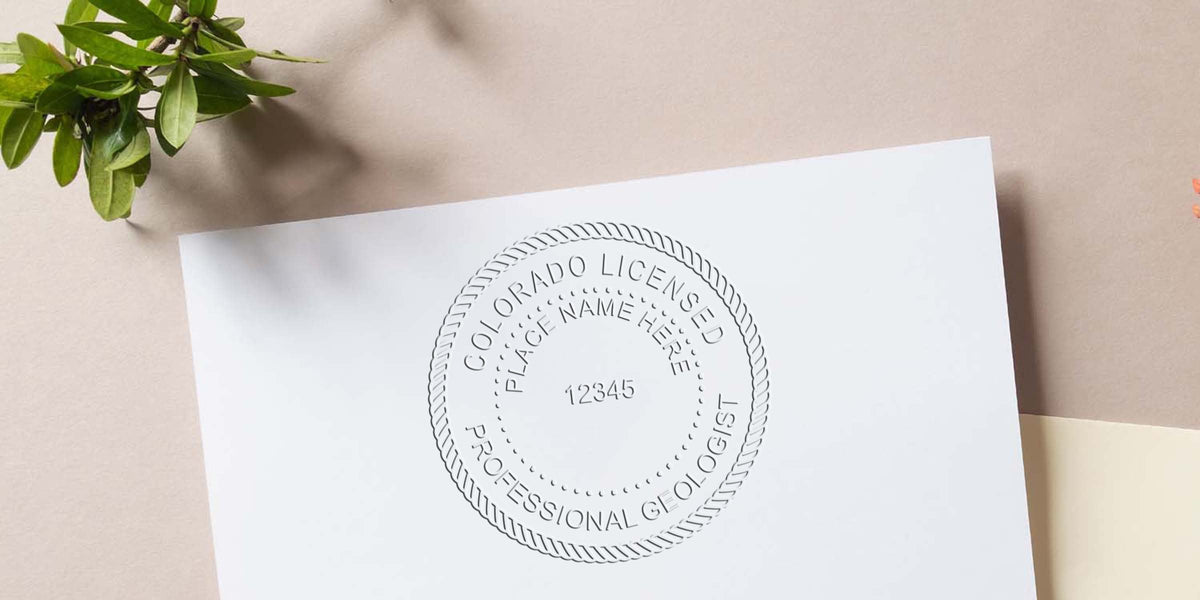
If you’re active in Colorado as a geologist, you’ve likely heard mention of the colorado licensed geologist seal. But what exactly is it, and why does it matter so much? Think of it as your official signature when stamping important geological documents. It tells regulators, clients, and colleagues that you meet Colorado’s professional standards and are authorized to put your name on any scientific findings.
In this post, we’ll walk through the essentials. You’ll see how licensure ensures professional credibility and how the seal itself plays a big role in everything from mapping projects to environmental impact reports. We’ll look at the rules, the items you need, and a few pitfalls to watch out for. Let’s dive in.
Learn the Significance of Licensing
Licensing is your badge of honor as a geologist. It shows you’ve pursued the education, gained the required experience, and passed rigorous exams. More importantly, licensing guarantees you have what it takes to make accurate geological assessments in Colorado’s diverse landscapes.
Why Being Licensed Matters
Imagine you’re preparing a geological site report and recommending a plan worth millions of dollars. Without proper licensing, your clients might wonder if you’re as qualified as you claim. Licensing reassures everyone that you’ve met official state standards. It also ensures you keep up with ongoing training if the state requires it. This helps maintain consistent quality and protects public safety.
Licensing goes beyond just ticking boxes. It’s a responsibility to offer the highest professional standards, which in turn fosters trust in your work. There’s a reason government agencies and private organizations prefer (and sometimes require) licensed geologists for vital projects—the risk of poor workmanship is too high to leave it to chance.
Explore Colorado Licensing Requirements
Colorado’s licensing rules might appear daunting at first. You need specific degrees, work experience, and an exam pass to qualify. So how do you know if you’re fully abiding by the rules? One quick way to make sure is to review the official guidelines from the Colorado State Board of Licensure for Professional Engineers and Professional Land Surveyors. You’ll find the pillars of professional geology, as well as mandatory steps in the licensing journey.
If you’d like more detail, check out the colorado geologist stamp requirements. That page gives a clear overview of the technical details, helping you confirm exactly what work experience and qualifications you need before you apply for your stamp.
Essential Steps
- Earn a recognized geology or geological engineering degree.
- Accumulate relevant professional experience (the state may require a specific number of years under a licensed geologist).
- Pass the required examinations, which usually involve a fundamentals test and a practice exam.
- Complete the official application, including references from established geologists who can vouch for your expertise.
Ongoing Compliance
Once you have your license, you’ll need to keep it current by staying in compliance with any continuing education or renewal fees. You’re also responsible for following the guidelines on how, when, and where to use your seal. This includes stamping final reports, drawings, and certain project documents.
Understand the Seal Essentials
Your seal is a statement of your professional validity. Think of it as your official rubber stamp of authority. Typically, a Colorado geologist’s seal includes:
- Your name, exactly as it appears on your license.
- Your license number, which ties directly to your state records.
- The words “Licensed Professional Geologist” or similar variations as required by Colorado law.
The state might have specific design requirements or size guidelines for the seal. Always confirm with official regulations that your seal—whether physical or digital—meets Colorado’s specifications.
You’ll also need to know the difference between a seal and a stamp. In many cases, the physical device that creates the impressions is called a “stamp,” while the imprint on paper is referred to as the “seal.” Either way, the end result is a distinct marking that helps prove a document’s legitimacy.
Acquire a Colorado Licensed Geologist Seal
Once you’re officially licensed, your next step is to acquire that crucial seal. You can choose from different formats, like an inked rubber stamp, an embosser, or a digital version. Which format is best for you? It depends on how you typically submit documents. If you file mostly electronically, then a digital seal might be easiest. If you’re signing a lot of printed reports or maps, a physical stamp could be more convenient.
Physical Seals vs Digital
Below is a quick comparison of both options:
| Feature | Physical Stamp | Digital Seal |
|---|---|---|
| Application | Ideal for paper documents and printed materials | Best for electronic files or online submissions |
| Security | Can be misplaced, so store carefully | Can include encryption or secure verification |
| Convenience | Straightforward for in-person sign-offs | Quick to apply remotely |
| Professional Impression | Traditional look, often expected in face-to-face contexts | Modern and eco-friendly |
Some geologists use both, adding a digital seal for web-based filings and maintaining a stamp for client meetings. To really future-proof your work, you might want to have both formats ready.
Use Acorn Sales for Your Stamp
If you’re looking for a trusted supplier that understands Colorado’s rules inside and out, consider Acorn Sales. We’ve been in business since 1964, helping professionals secure the exact stamps and seals they need for official documentation. Our expertise ensures you’ll get a seal that meets Colorado’s regulations, so you never have to worry about compliance.
Acorn Sales also provides a free digital seal with many of our packages. This is especially handy if you deal with a mix of physical and online documents. The digital option matches the state’s requirements, so it’s perfectly legitimate. You simply apply your secure digital stamp to PDFs or other file types, and you’re good to go.
Between our longstanding history and dedicated customer support, we aim to make the process quick and hassle-free. You get everything shipped to your door or delivered electronically no guesswork required. If you have special requests, we can likely accommodate those too. After all, we know that every geologist’s workflow is slightly different.
Maintain and Store Your Stamp
Have you ever lost a crucial item when you needed it most? Your Colorado geologist stamp is no exception. Proper maintenance is not just about ensuring its longevity, but also about preventing unauthorized use.
- Keep physical stamps in a locked drawer or cabinet.
- Clean the stamp surface regularly to ensure each imprint is crisp.
- If you opt for an embosser, check the embossing die for wear and tear. Replace it when impressions start to lose clarity.
- For digital seals, back up your files securely. Use reliable software that can protect against tampering or hacking.
Staying organized goes a long way. That means labeling your stamp storage area, setting reminders for equipment checks, and updating your digital software as soon as new security releases come out. One small step at a time prevents big headaches later.
Avoid These Common Pitfalls
It’s easy to make mistakes if you’re new to sealing official documents. Here are a few common pitfalls (and how you can steer clear of them):
-
Using an Illegible Stamp
Over time, dust and ink buildup can make your seal barely readable. If you notice smudges or unclear boundaries on your imprint, clean your stamp or replace its components. -
Misplacing the Seal on the Document
Some engineers or architects place their seal too close to the page edge or over text. Make sure the seal is clearly visible, preferably in an unused corner that doesn’t overlap crucial information. -
Not Updating Information
If you’ve changed your name or your license renewal date, you’ll need a new stamp. Using outdated details can invalidate your documents. -
Forgetting the Paperwork
A stamped document must also have the right signature and date. Simply pressing your seal without noting when it was certified (or who signed off) can cause confusion down the road. -
Overusing the Same Stamp for Multiple States
If you’re licensed in more than one state, be mindful of each state’s unique requirements. You might need separate stamps or different text to remain compliant.
Should you ever find yourself unsure about a detail, don’t hesitate to ask an experienced colleague or check state regulations. A simple call to the board or a quick online search can save you from a big compliance issue later.
Thank you for taking the time to learn about the importance of licensing and the ins and outs of your seal. Whether you’re a newly minted geologist or an experienced pro, the right stamp helps you solidify your professional standing. If you have further questions, feel free to reach out or share your insights with fellow geologists. Over the past several decades, Acorn Sales has made it our mission to empower professionals like you with quality stamps and seals. We’re here to make sure your official documents shine with the authenticity they deserve. Have fun stamping!
Frequently Asked Questions
Who needs a Colorado licensed geologist seal?
Any geologist who practices in Colorado and issues official geological documents must have a recognized seal.
How do I renew my seal?
You renew your credential through the state’s licensing board. Once that’s updated, you can order a revised stamp or digital seal if there are any changes.
Why is the free digital seal valuable?
A digital seal lets you quickly authenticate electronic documents. If you often submit your work via email or online portals, the digital version saves time and reduces paper clutter.
What if I’m licensed in multiple states?
Each state typically sets its own design and text requirements for professional seals. Check each state’s board rules, and use separate stamps to avoid mixing requirements.
What’s the best way to store my seal?
Keep your physical stamp in a secure location, such as a locked drawer, and regularly inspect it for wear. For digital seals, protect them on a secure device with password encryption.








