
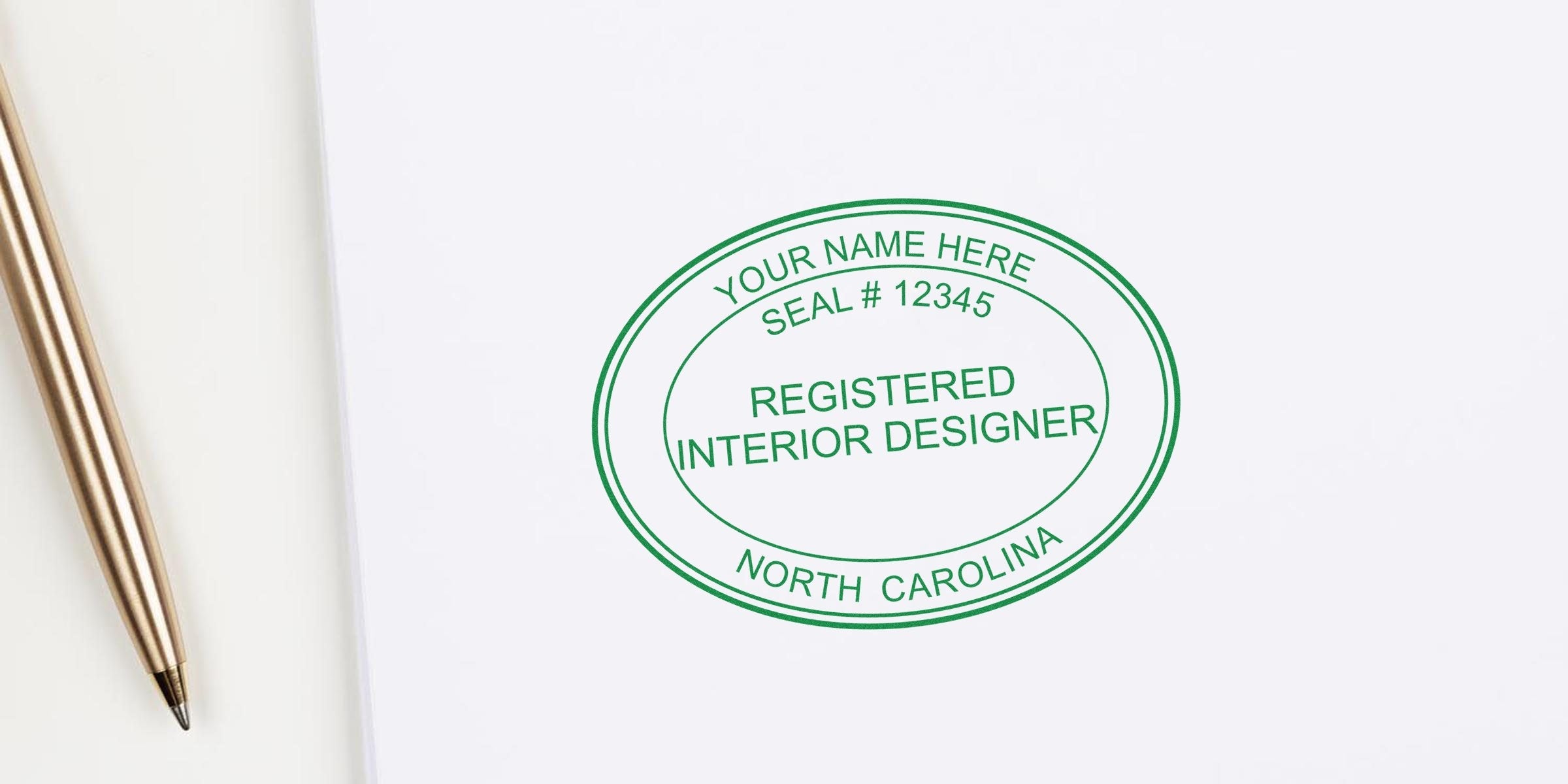
If you’re taking your first steps as a design professional, you’ve probably heard about North Carolina interior designer seal stamping. It’s a non-negotiable part of working in the state. You use it to confirm the authenticity of your plans and demonstrate your compliance with local requirements. This guide tackles the basics of how to obtain, use, and maintain your official seal and stamp in North Carolina. By the end, you’ll have a clear sense of next steps, plus a few practical tips on selecting the right supplier, hint: Acorn Sales has been trusted by professionals since 1964.
Before we start, keep in mind this information is general. Always check the latest regulations to ensure you’re up to date. Now let’s explore the details of seal stamping so you can tackle every project with confidence.
Explore North Carolina Requirements
Navigating North Carolina’s requirements can feel like a maze at first, but it’s essentially about making sure you’re properly licensed and demonstrating that your work meets professional standards. An official stamp or seal is typically required on:
- Final project blueprints
- Construction drawings and specifications
- Any official documents submitted for permits
Why Seal Stamping Matters
Your stamp is your signature in the design realm. It instantly tells local authorities, contractors, and clients that your designs comply with the state’s standards. This goes beyond aesthetics, ensuring that any space you help create is both beautiful and code-compliant.
For interior designers in North Carolina, that seal also reflects your personal accountability. It confirms you’ve given the project your professional stamp of approval by verifying the plans are safe, functional, and aligned with local regulations. Without the proper stamp, you may risk permit delays or even project rejections.




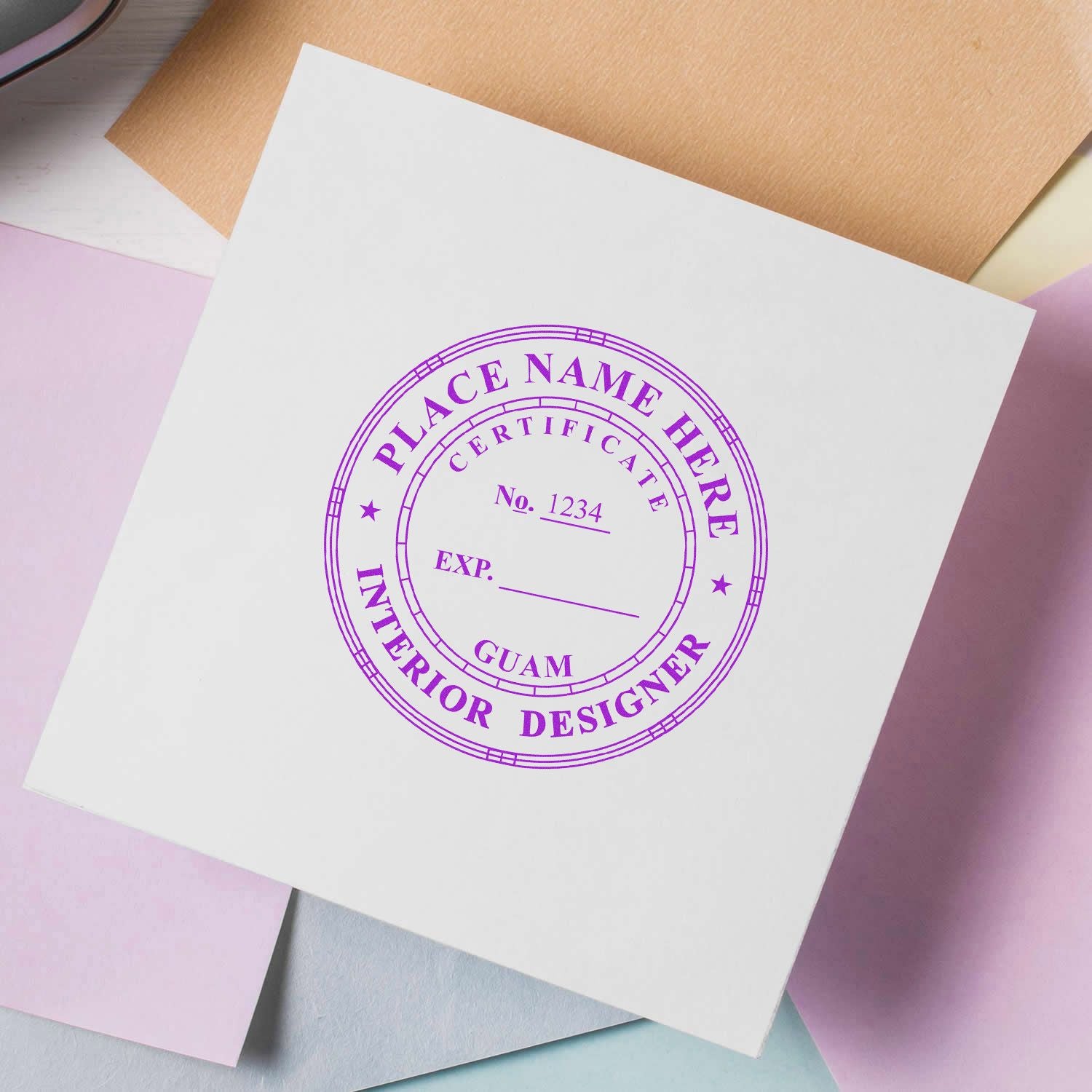
What The Law Says
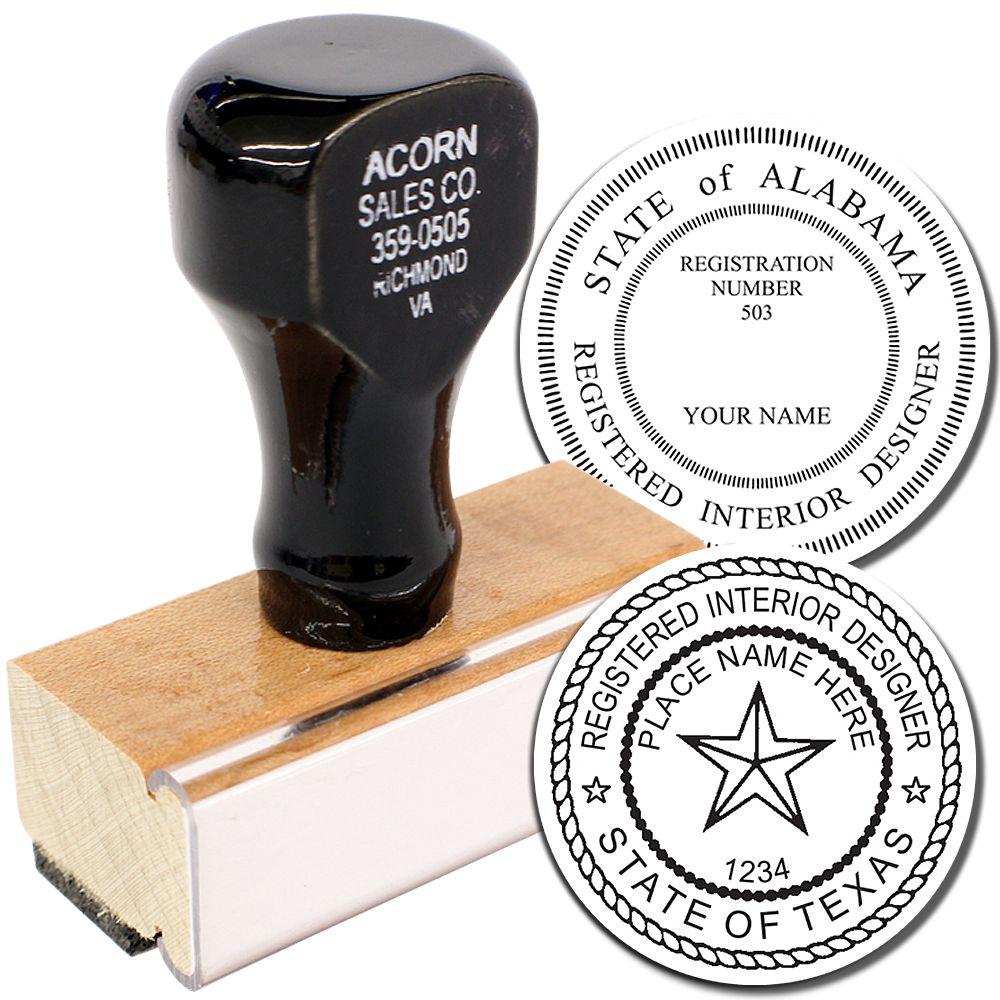
While every state has nuanced legal requirements, North Carolina generally expects each licensed interior designer to affix a clearly legible seal to their project drawings. This seal includes your name and license number, and it confirms you’re authorized to work on that particular scope of design. You should always keep track of updated guidelines on the North Carolina Board of Architecture and Registered Interior Designers website. If you’re ever unsure, it’s best to consult a professional association or reach out to the relevant regulatory body for clarity.
Choose The Right Stamp
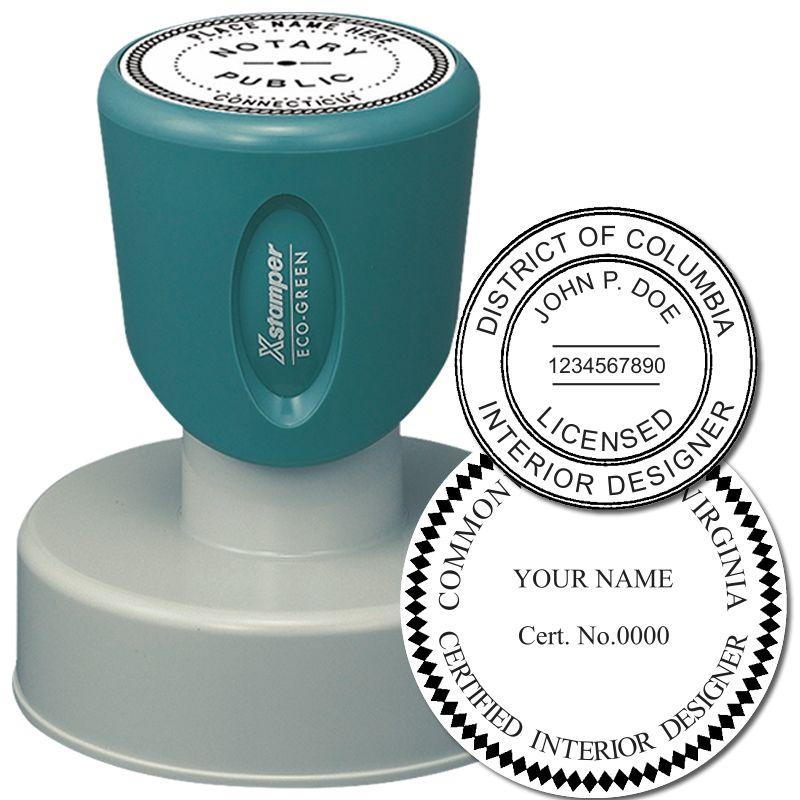
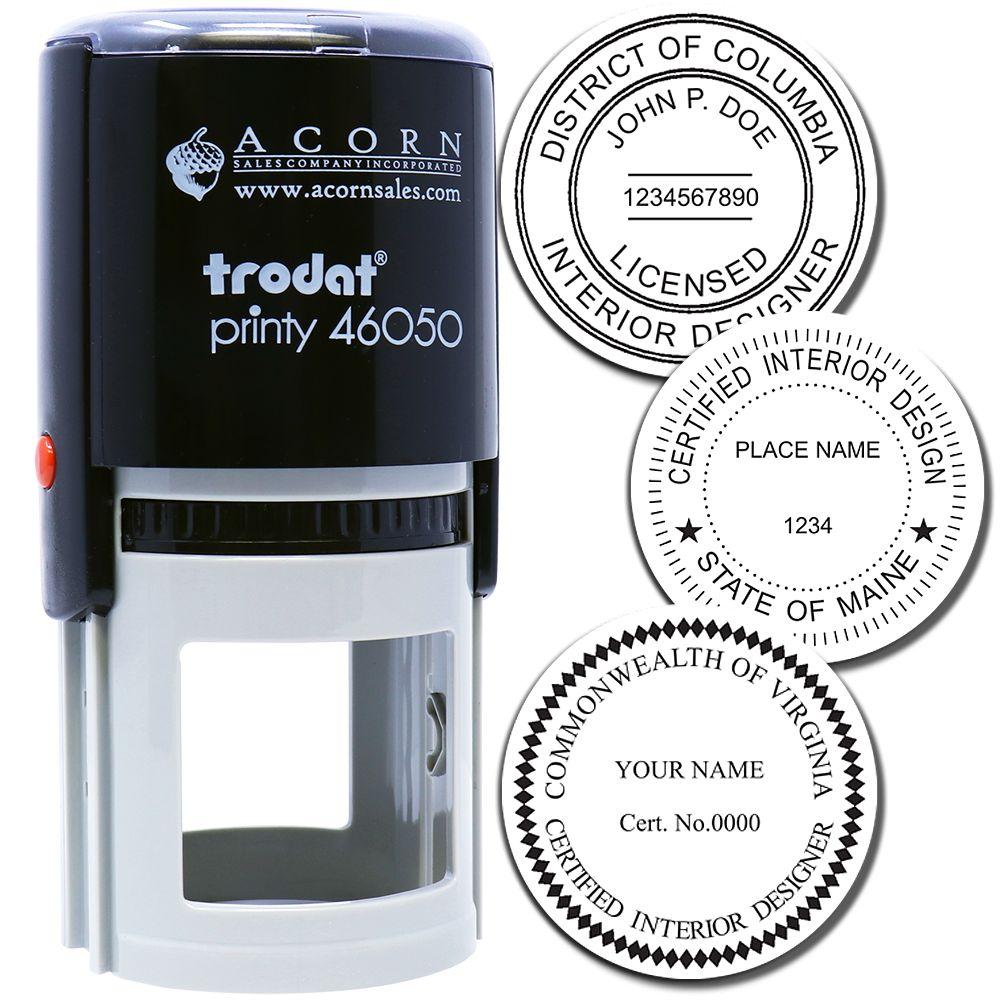
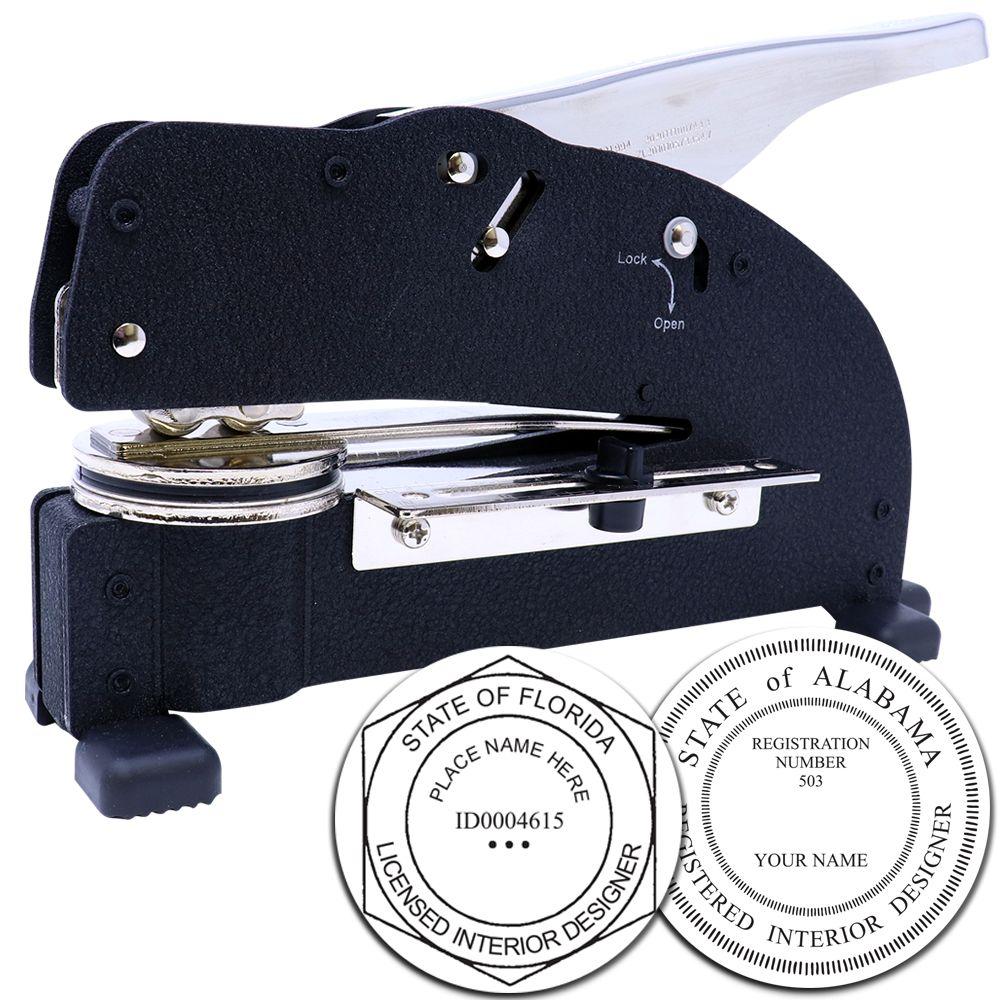
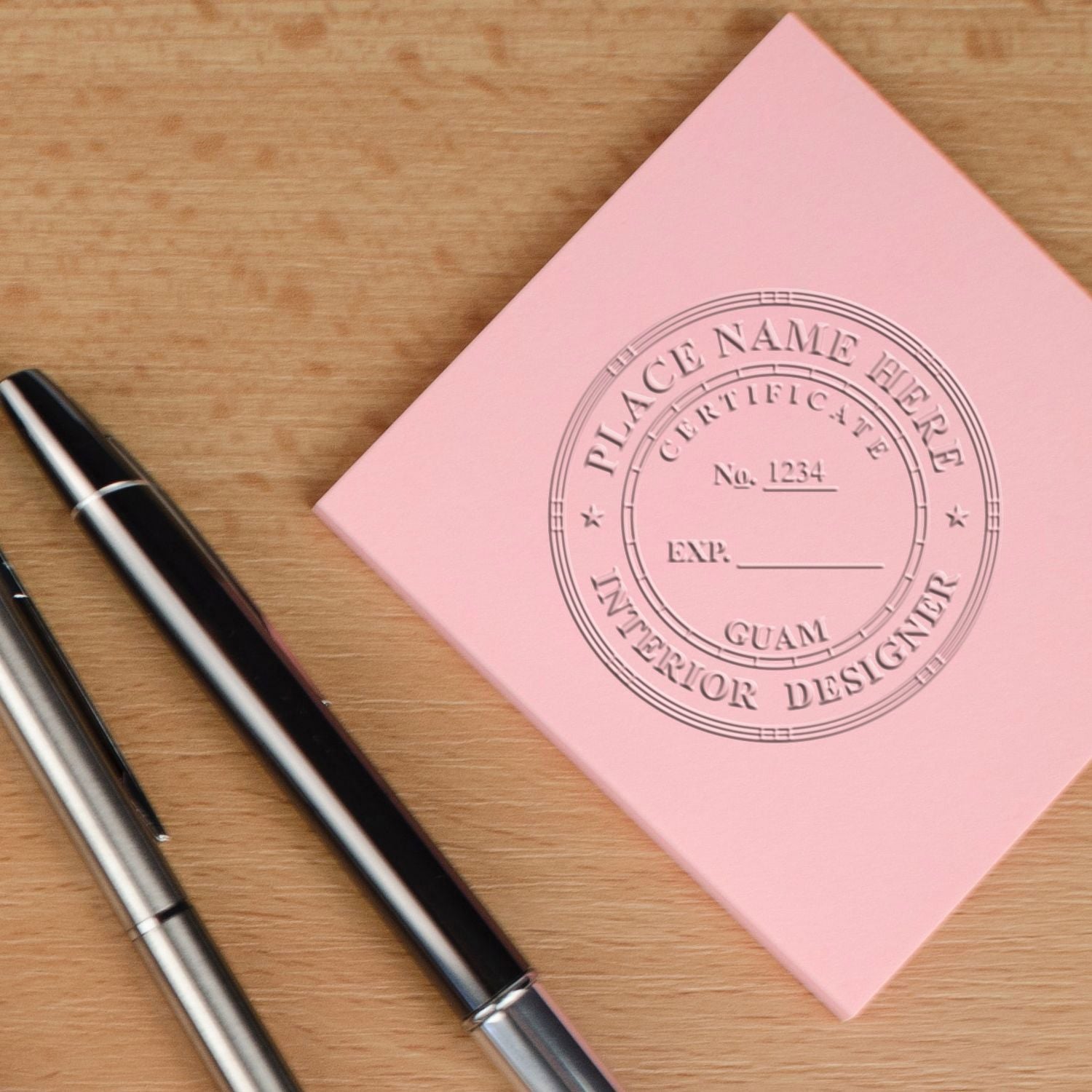
Shopping for the correct stamp can be overwhelming, especially if seal stamping is new to you. Various models exist, from handheld embossers to convenient pre-inked stamps. Each has its place, so it’s wise to pick one that best suits your daily needs.
Different Stamp Types
Let’s break down the common options:
-
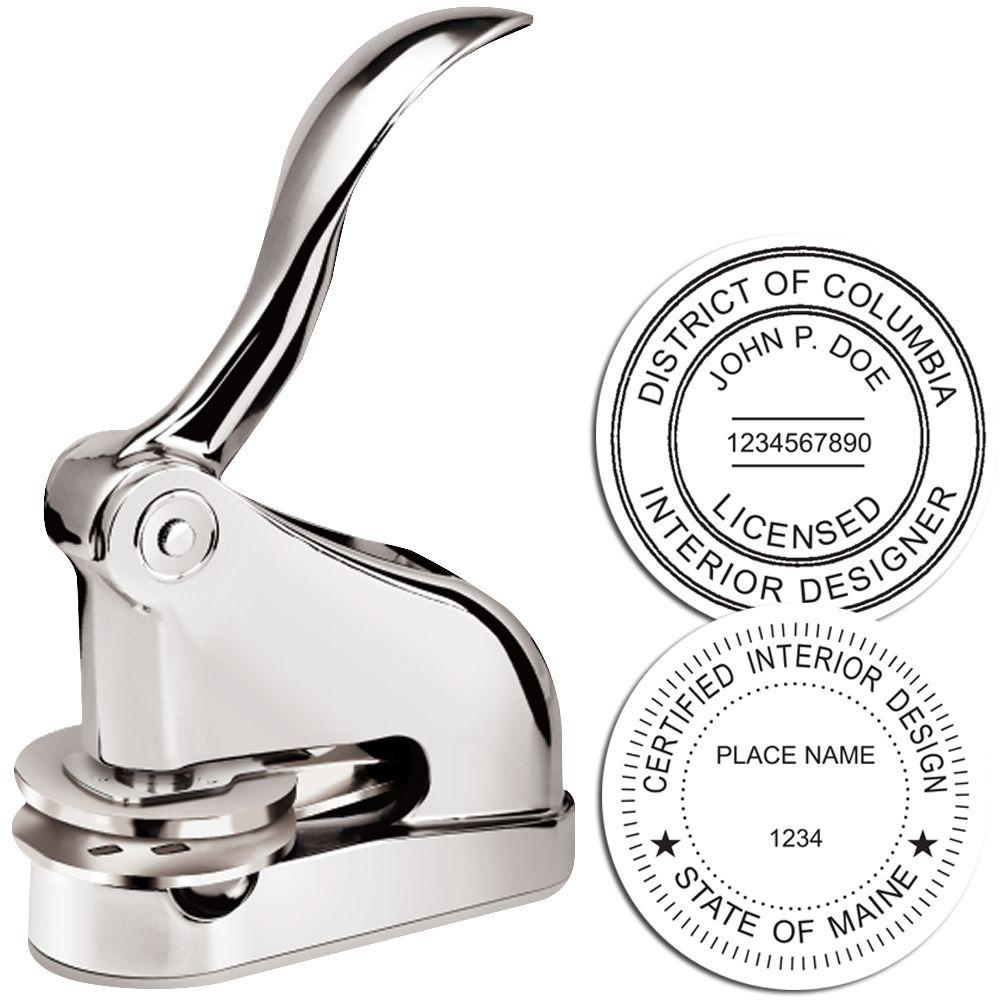
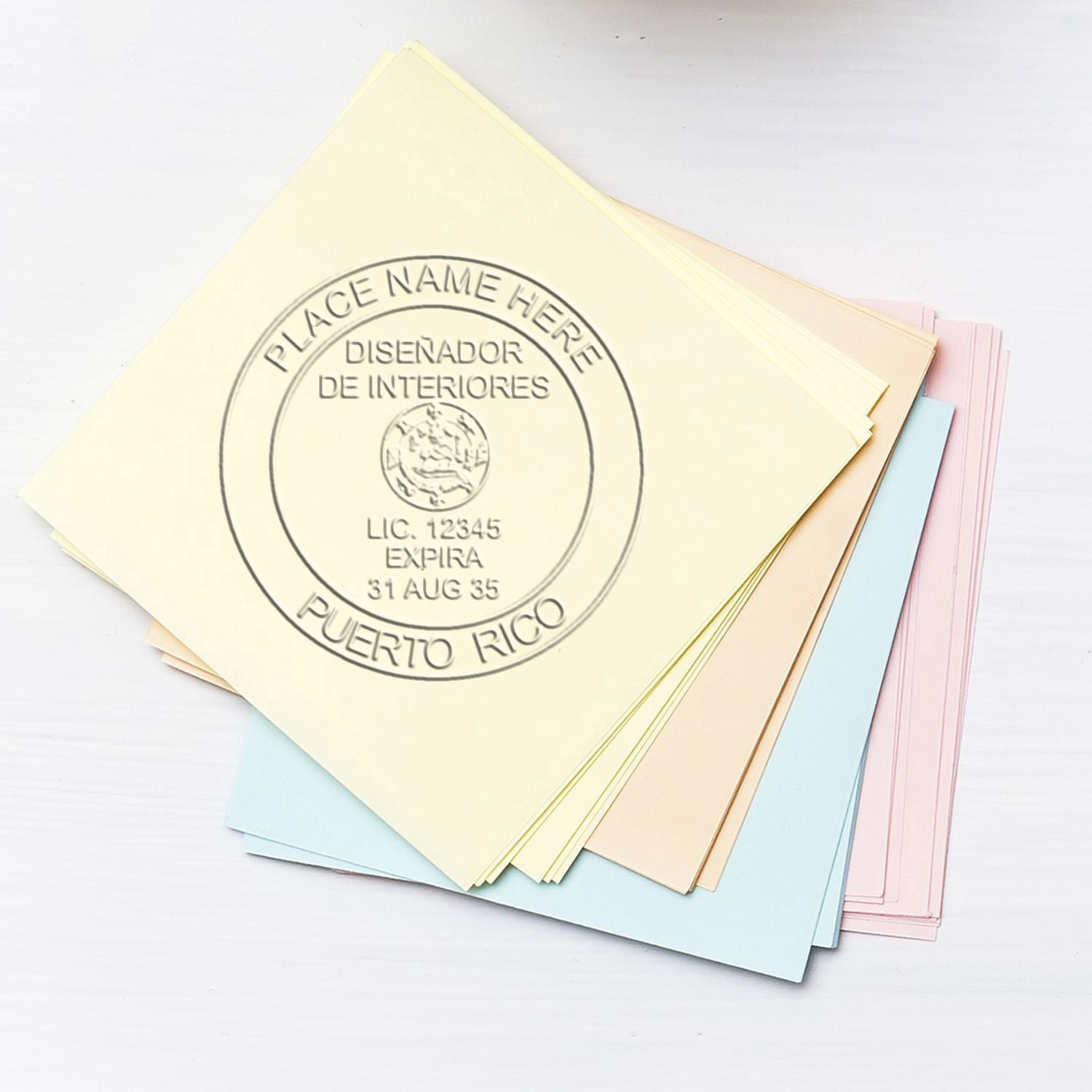
Hand Embosser
- Creates a raised seal impression
- Often used for wall certificates and special documents
- Works best on heavier paper or card stock
-
Self-Inking Stamp
- Includes a built-in ink pad
- Ideal for frequent stamping
- Typically lasts for thousands of impressions
-
Pre-Inked Stamp
- Produces sharper ink impressions and finer detail
- Designed for high-volume stamping
- Ink is embedded within the stamp itself
Here’s a quick comparison table to help you visualize your choices:
| Stamp Type | Main Advantage | Consideration |
|---|---|---|
| Hand Embosser | Creates raised impression | Requires firm pressure to operate |
| Self-Inking | Fast, convenient | |
| Pre-Inked | Fine detail, high volume | Usually costs a bit more upfront |
No matter which type you pick, you want crisp, clean impressions that meet state requirements. To familiarize yourself with available designs and features, simply check out a specialized supplier’s selection, like the North Carolina Interior Designer Stamp options from Acorn Sales.

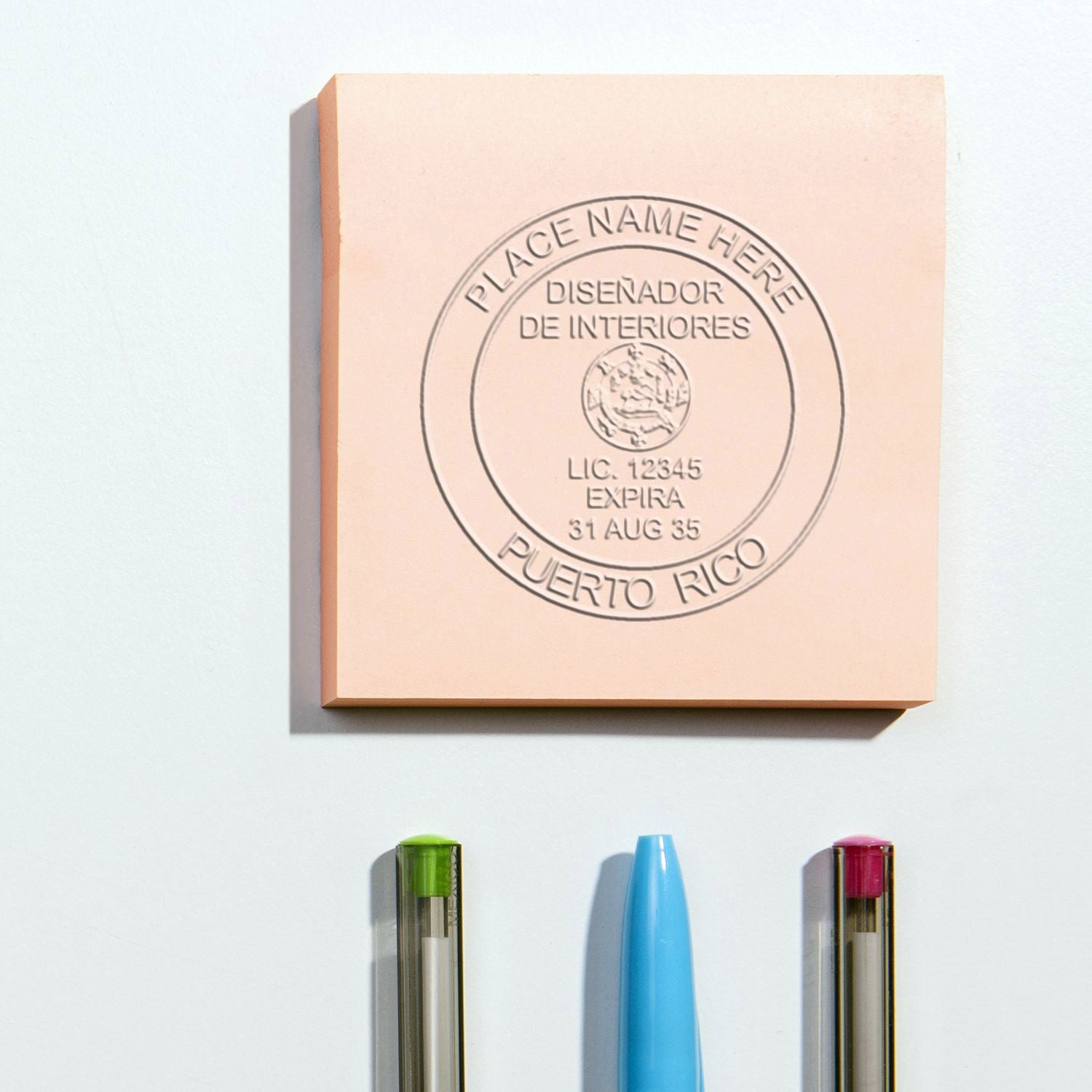
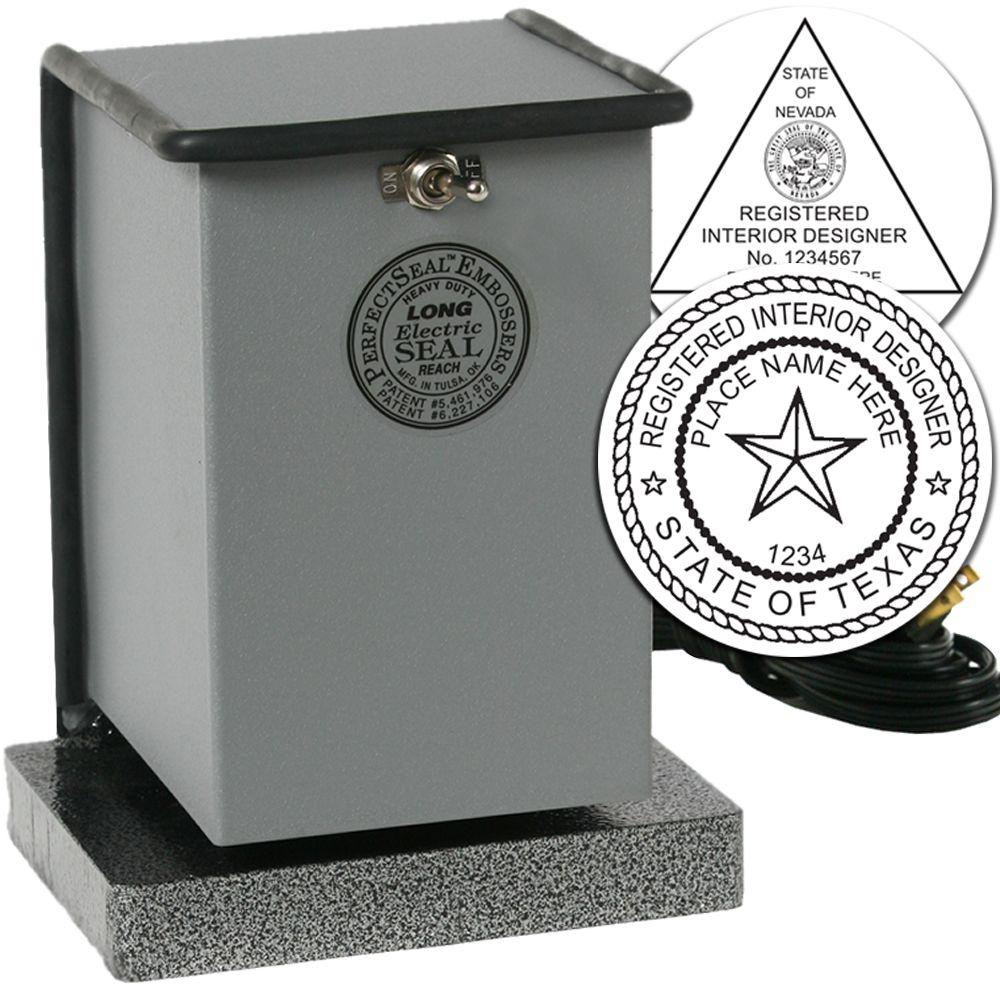

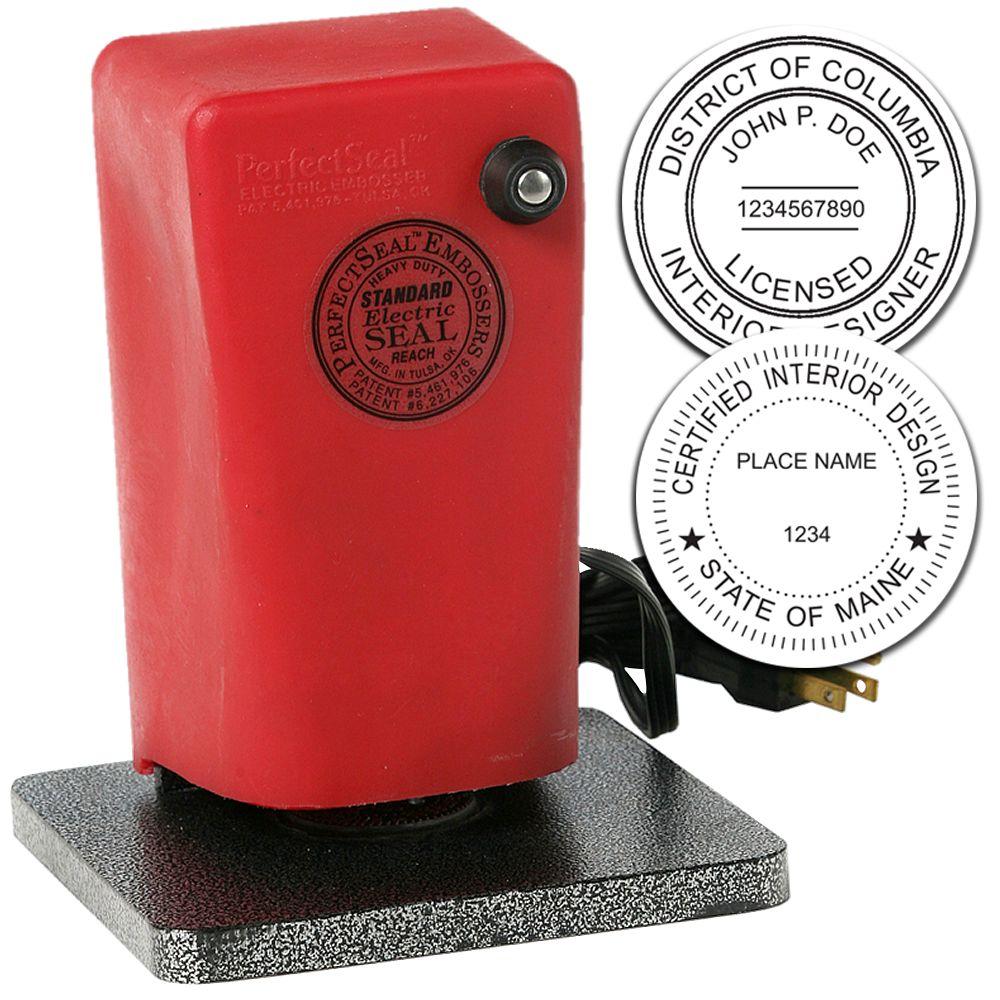

Meet Your Design Preferences
While compliance is top priority, you also want a stamp that reflects your personal style. If you embrace minimalism, a sleek pre-inked stamp might blend into your workspace. Prefer something more traditional? An embosser adds that classic, professional look to your documents or awards.
Remember that official bodies require certain elements, like name, license number, and state label, to be part of the seal itself. Within those parameters, you might be able to choose different fonts or a round vs. rectangular layout, but make sure everything stays within legal guidelines.
Follow Stamping Best Practices
When it’s time to apply your stamp, details matter. You’re attesting that everything in the document is accurate, so one quick slip can create confusion. Proper technique ensures your seal is readable and recognized by local officials.
Position Your Stamp
The typical rule is to place your seal on the bottom corner or near the title block of each page for clarity. Whenever possible, avoid stamping over key elements like text or lines. If you’re dealing with multiple pages, label them methodically. For instance:
- Cover page: Provide an official seal with your signed date.
- Subsequent pages: Use your seal near the bottom to indicate each sheet is officially reviewed.
It’s also wise to confirm if your local jurisdiction has additional guidelines. Some offices have specific instructions about where the seal can or cannot appear, so do a quick check before finalizing your documents.
Ensure Legibility
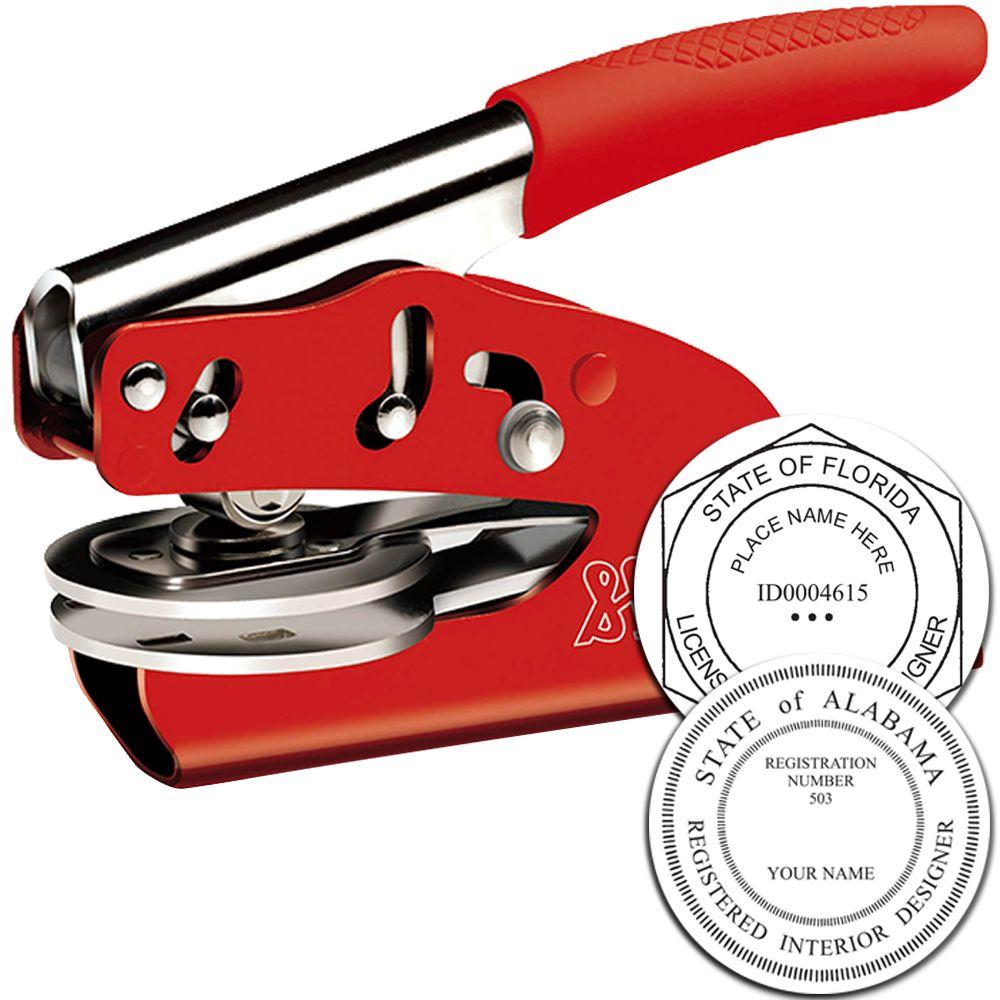
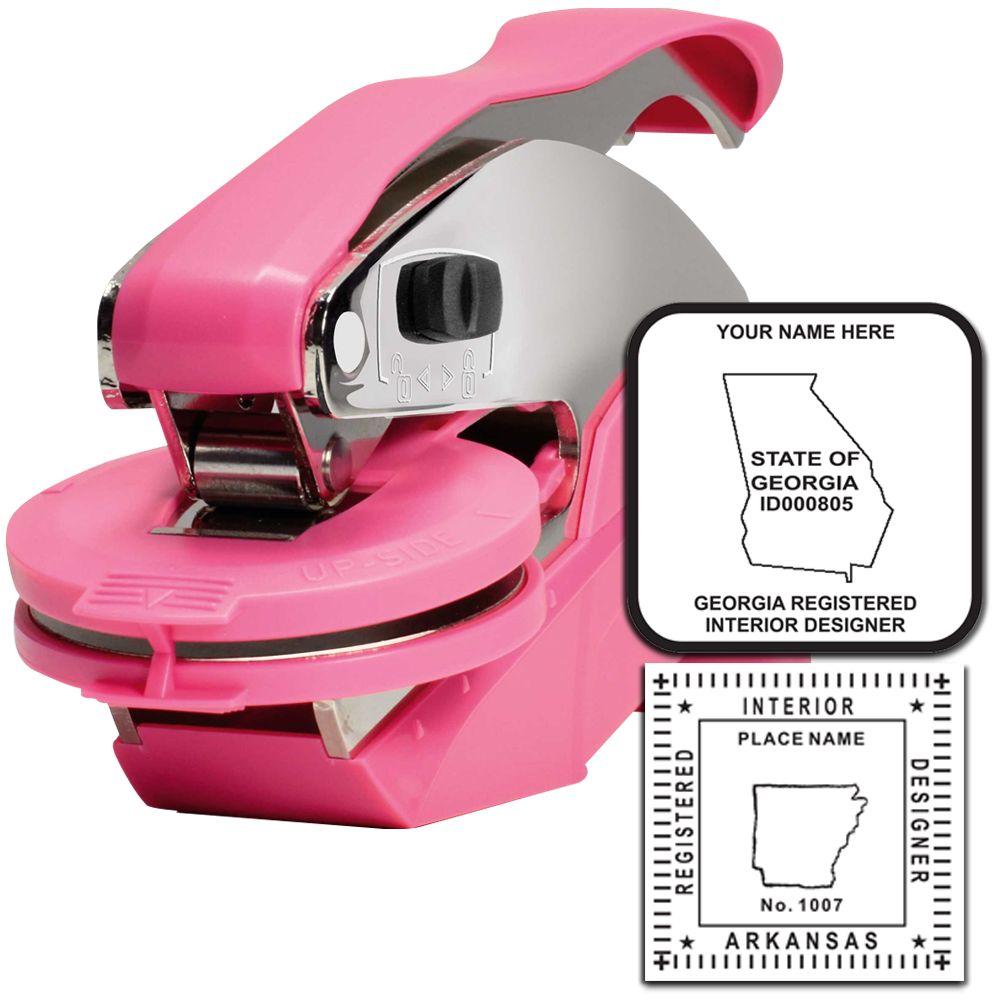
Your stamp should be crystal clear. If you’re using an embosser, apply consistent pressure to avoid a weak impression. With self-inking or pre-inked designs, watch out for ink smearing or fading. For each impression:




- Double-check the stamp surface for dust or residue.
- Practice stamping on scrap paper first to confirm ink coverage.
- Press firmly for a second or two, then lift straight up without rocking.
If a stamped impression is blurred or incomplete, it could be deemed invalid by city or county officials. Make it a habit to inspect each stamp after application, especially if your impression is nearing the end of its ink life.
Partner With Acorn Sales
Picking a reputable supplier is just as important as choosing the right type of stamp. You’ll want a partner that understands North Carolina’s interior design requirements, offers quality products, and stands by them long-term.
Acorn Sales has been in business since 1964, earning a solid reputation among architects, engineers, and interior designers. They’re a trusted supplier for those seeking North Carolina Interior Designer stamps and seals. One highlight is their free electronic seal package, included with your purchase. That means you can stamp physical documents by hand and also embed a digital seal for any electronic submissions or presentations, giving you flexibility across all your projects.
With Acorn Sales, you’ll typically find:
- A variety of stamp and embosser styles
- Quick turnaround times
- Support regarding the correct size and design for each state
- Friendly, knowledgeable staff to answer questions
If you’re on the hunt for a reliable, compliance-ready tool, consider exploring their North Carolina Interior Designer Stamp and seal options. It’s a simple but important step in ensuring you follow the rules while presenting a polished, professional image.
Maintain Your Compliance
Of course, using a stamp isn’t an one-and-done affair. You have to maintain standards over time, from renewing your license to updating your seal if anything changes. Staying organized can help you avoid last-minute scrambles or project delays.
Updating Your Seal
If you change your name, switch licensing status, or alter your business details, you’ll likely need a new seal. Notify the North Carolina Board of Architecture and Registered Interior Designers about any changes as soon as possible. They’ll let you know if you need an updated license number or an entirely new seal design.
Renewing Your License
North Carolina typically requires interior designers to renew their licenses periodically. During each renewal cycle, you’ll confirm you’ve met continuing education requirements and stayed current in the field. It’s also a good time to review whether your stamp needs repairs or if the ink pad is wearing out.
Depending on the volume of your projects, plan on refreshing your stamping supplies when you reorder other office essentials. If you’re consistently stamping large sets of documents, it’s wise to keep extra ink or a spare seal on hand. That way, you’re never left hanging mid-project because your stamp starts fading out.
Seal stamping is a required skill for North Carolina interior designers. Think of it as your official handshake with the local authorities, it tells them you’re a professional who takes safety and design standards seriously. Once you lock down the right stamp or embosser and learn how to apply it properly, you’ll breeze through your projects with far fewer headaches.
If you haven’t already, check out your stamp options and consider a knowledgeable provider such as Acorn Sales. They’ll help you stay compliant and maintain a clean, sharp seal for years. Ready to get started? Give yourself a quick pat on the back for tackling this important step in your interior design journey, and then go pick out the perfect stamp to match your professional style.
Frequently Asked Questions
Do I really need to use a seal on every page?
It depends on local rules and the scope of your drawings. Some jurisdictions require a seal on each sheet, while others accept a cover page seal with your signature. Always follow your permitting office’s guidance.
How often should I replace my stamp?
If you notice fading or incomplete impressions, it may be time for a new seal device. Generally, well-maintained stamps last for thousands of impressions before needing a replacement.
Can I digitally stamp electronic documents?
Yes. Many designers use digital seals for electronic plans. At Acorn Sales, they provide a free electronic seal option that replicates your physical stamp. It’s best to confirm format acceptance with local regulatory bodies, but most do allow the use of secure, digitally applied seals.
Is my seal valid if I move to another state?
No. Each state has its own regulations, so a seal from North Carolina won’t automatically apply elsewhere. If you plan to work outside the state, you’ll likely need to get licensed there and obtain a distinct seal for that jurisdiction.
Where can I buy an official stamp that meets North Carolina’s guidelines?
Consider going directly to a trusted supplier like Acorn Sales. They’ve been in the industry since 1964 and understand exactly what each state requires. Their North Carolina Interior Designer Stamp selection is an easy place to start.








