
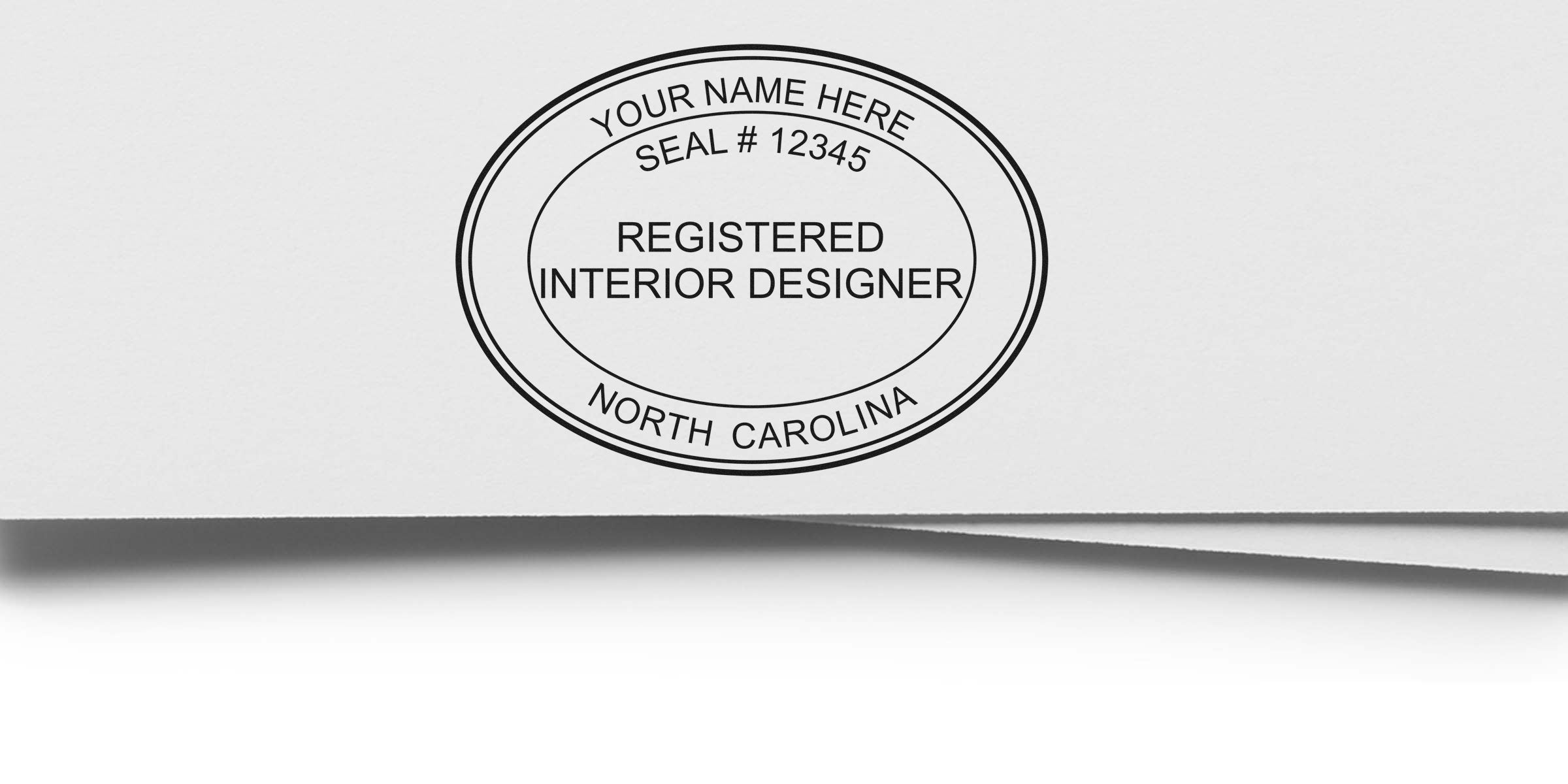
Understand What the Stamp Does
If you’re an interior designer working in North Carolina, you’ve probably heard about the North Carolina interior designer stamp. But what exactly does this stamp do for you? Think of it as your professional mark of approval, ensuring that the design work you submit meets state standards and is easily traceable to you. North Carolina’s regulations often require certified interior designers to apply an official seal or stamp on project documents, so having one is a key piece of your daily practice.
A proper stamp doesn’t merely satisfy a paper-pushing exercise. It reflects your commitment to quality, accurate planning, and professional ethics. Whether you’re creating a blueprint for a stunning office lobby or a cozy boutique, this mark helps you show that your work complies with local rules and meets the highest industry expectations.
Meet North Carolina Requirements
The state of North Carolina maintains specific requirements for interior designers. These guidelines cover everything from the educational path you take to the documentation you create for clients and government agencies. The North Carolina Board of Architecture and certain regulations (involving construction, space planning, and safety) may require your official seal or stamp on final plans.
Putting off your stamp until the last minute might cause headaches. If a building inspection officer or client requests to see your stamped documents, you don’t want to be fumbling around. Instead, you want to confidently display the well-placed imprint that proves you’re properly credentialed. While every designer’s journey is different, the constant thread is the need for compliance. A stamp helps you check off that important box.
Know the Core Elements
What should your official mark look like? Typically, the official seal includes your legal name, the words “Interior Designer,” and any identifying license numbers. Because the design of this mark must follow the rules, you should look into north carolina interior designer stamp regulations to see the specific requirements.
Many designers assume it’s just a question of picking any template and printing it out at your local office-supplies store. In reality, the North Carolina Board likely mandates a particular style or size standard that you’ll need to match. This includes how large the circle or rectangle can be, where the seal fits on the page, and the wording spelled out around the border. Any detail that’s off can get your paperwork rejected, so it’s worth doing your homework first.
Common Visual Features
- Name of the state (North Carolina)
- Your name as it appears in your license
- Custom border or ring that meets state criteria
- Phrase denoting “Licensed Interior Designer” or similar
By planning ahead, you’ll avoid last-minute changes. The last thing you want is to scramble just before a big submission. So, make sure you have the exact state-approved layout from the start.
Purchase What Suits You
You might be wondering, “How do I find the right vendor, and how do I finalize my stamp choice?” Plenty of suppliers promise quick turnaround, but you’ll want more than just speed. You want quality, longevity, and compliance. One way to ensure you’re checking all these boxes is to review a north carolina interior designer stamp purchase guide that lists credible providers.
Stamps come in various styles: self-inking, pre-inked, or manual rubber stamps. Each has different advantages:
-
Self-Inking
-
Built-in ink pad reduces mess.
-
Often suitable for high-volume stamping.
-
Pre-Inked
-
Crisp, clear impressions.
-
Designed for repeated, professional use.
-
Manual Rubber Stamp
-
Requires a separate ink pad.
-
Typically less expensive, but can be a little less convenient.
Additionally, you may need an embosser. An embosser raises the design on the paper rather than stamping it with ink. For many official documents, an embossed impression looks elegant and often appears more difficult to replicate fraudulently. If that appeals to you, take a peek at the north carolina interior designer seal embosser. Whichever format you pick, you’ll appreciate having a legitimate seal on demand.
Explore Your Design Options
Not all interior designers want the same font, border thickness, or general style for their marks. A more personalized look can set you apart—so long as you stay within guidelines. That’s where a custom interior designer seal north carolina service might come in handy. Let’s say you want a crisper font that stands out on architectural drawings. Or maybe you’d prefer a decorative ring that gently nods to your signature design aesthetic. As long as it meets state standards, you can often customize aspects like:
- Font choice and text placement
- Border style (double ring, dotted, or solid line)
- Additional accent lines that remain within official rules
Before you finalize that design, verify the official measurements. You don’t want to invest in a gorgeous border only to find the entire design is too large for state requirements. Many professional stamp providers offer design proofs, so you can preview how your seal will look and confirm its compliance well before you finalize the order.
Learn About Electronic Seals
Although stamping physical documents is the norm, many clients and municipalities have begun accepting digital paperwork. Quickly emailing documents for review can save time for you and your clients, so having a digital version of your seal can be a lifesaver. If you plan to present your designs in secure PDF format, you might want an electronic seal that you can drop directly onto design layouts.
At Acorn Sales, for example, you receive a free electronic seal with your purchase of a physical stamp. This means you can add your mark to your online drawings, ensuring they remain valid as you send them out for approval or printing. Whether you prefer old-school pen-and-paper or modern digital workflows, you’ll stay covered on all fronts.
Trust Acorn Sales for Quality
Seeking a dependable supplier for your official mark? Acorn Sales has been a trusted name in the stamping and sealing world since 1964. That’s more than half a century of helping professionals get stamps that meet precise standards. Our stamps are long-lasting, easy to use, and carefully designed to match North Carolina’s rules. We know you’d rather focus on color schemes and fabric swatches than fuss over errors on official documents, so we go the extra mile to make sure everything’s correct from the get-go.
We also include a free electronic seal with every physical stamp, so you can handle online submissions without extra hassle. From permanent stamps to embossers, we offer a range of solutions. If you’d like to browse options or even create your own design, check out the north carolina interior designer stamp design section or speak with our support team to fine-tune a custom order.
Benefits of Choosing Acorn Sales
- Decades of experience (since 1964)
- Free electronic seal included
- Compliance with state regulations guaranteed
- Quick turnaround and helpful customer service
Use and Maintenance Tips
Once your stamp arrives, you’ll want to set it up right away. If it’s a self-inking stamp, give it a few test presses on scrap paper to confirm the clarity of the imprint. Lightly press down—no need to push too hard. For embossers, you’ll want to make sure the die (the metal plate) aligns properly with its matching counterpart, ensuring the paper gets that crisp raised image.
Caring for your stamp or embosser is straightforward:
- Store it in a cool, dry area.
- Keep your self-inking stamp’s lid closed to prevent the pad from drying out.
- If you use a separate ink pad, seal it when you’re not using it.
- Occasionally check the impression for clarity. If the ink wears thin, replace or refill the ink pad.
When you treat your stamp well, it can serve you for many years. That consistency helps maintain the professional look of all your official documents.
Stay Up to Date
Regulations for interior designers can evolve over time. A simple change in wording or dimension can mean you need an updated stamp. If you’re unsure whether you need to refresh your seal in line with new guidelines, the safest bet is to confirm with a local authority, or check with your professional organization’s website for official announcements. You might also browse your north carolina interior designer stamp online options to see if a redesigned stamp is already available for your next project.
Keeping your license active is another vital part of the puzzle. Renew your credentials on schedule, match the name on your license to the name on your stamp, and ensure you’re aware of any new continuing education requirements in North Carolina. The more proactive you are, the fewer surprises you’ll face when it’s time to submit a design review or building permit.
Explore Additional Stamp Accessories
Stamps themselves are just one piece of the puzzle. Sometimes, you need a little extra help to keep those marks in top shape. For example, you might decide you need specialized ink that’s fade-resistant if you’re stamping drawings stored in sunlit offices. Maybe you’d prefer self-adhesive seals that combine convenience with a professional look. If that sounds appealing, you can investigate options like the north carolina interior designer seal sticker, which adheres neatly to your documents.
Alternatively, if you’re worried about incorrectly placed marks, you might prefer a handle stamp that offers you a bit more control over pressure and position. Some designers keep both an embosser and a stamp because certain documents call for embossing, while others are better served by an inked impression. Having multiple tools gives you ample flexibility when juggling different project demands.
Final Thoughts
Securing your North Carolina interior designer stamp is more than a formality. It’s a straightforward way to protect your professional reputation and align with North Carolina’s regulations. From ensuring your documents pass building inspections to projecting a trustworthy image to clients, an official seal does the heavy lifting behind the scenes.
When you’re ready to invest in your official mark, remember that Acorn Sales has been offering reliable stamps and seals since 1964 and includes a free electronic seal with every physical purchase. With compliance-focused designs, fast service, and a proven track record, we help you handle stamping so you have more time to do what really drives your business—crafting inspiring and functional interiors. If you haven’t taken the leap yet, consider it your next step toward a smoother and more professional workflow. After all, your seal is more than just ink on paper. It’s your profession’s stamp of approval.
Frequently Asked Questions
Do I really need a stamp if I already have a license certificate?
Yes. While a license certificate shows you’re officially permitted to practice interior design in the state, North Carolina typically also requires a visible seal or stamp on official documentation. That’s how local authorities verify your credentials at a glance.
Is there a difference between a seal and an embosser?
Although people sometimes use these words interchangeably, a “seal” often refers to the actual design or official imprint, while an “embosser” is the tool that raises the design on paper. Some prefer embossers for an elegant look, while others choose an ink stamp for convenience.
What if my name changes—do I need a new stamp?
If you change your legal name, you almost always need a new stamp or seal that reflects it. Failing to do so can create confusion on official documents, making it difficult to prove that the work is actually yours.
How long does it take to receive my stamp?
At Acorn Sales, we strive for a quick turnaround. Most orders arrive within a few business days, although custom requests can take slightly longer. If you’re on a tight deadline, let us know, and we’ll do our best to expedite your order.
Is a digital seal acceptable for official submissions?
It depends on the local authority’s rules and the agency receiving your documents. Many places now allow digital submissions, and a free electronic seal that matches your physical stamp can help you meet these modern requirements. However, some municipalities still prefer paper copies, in which case you’ll need the physical stamp or embosser.








