
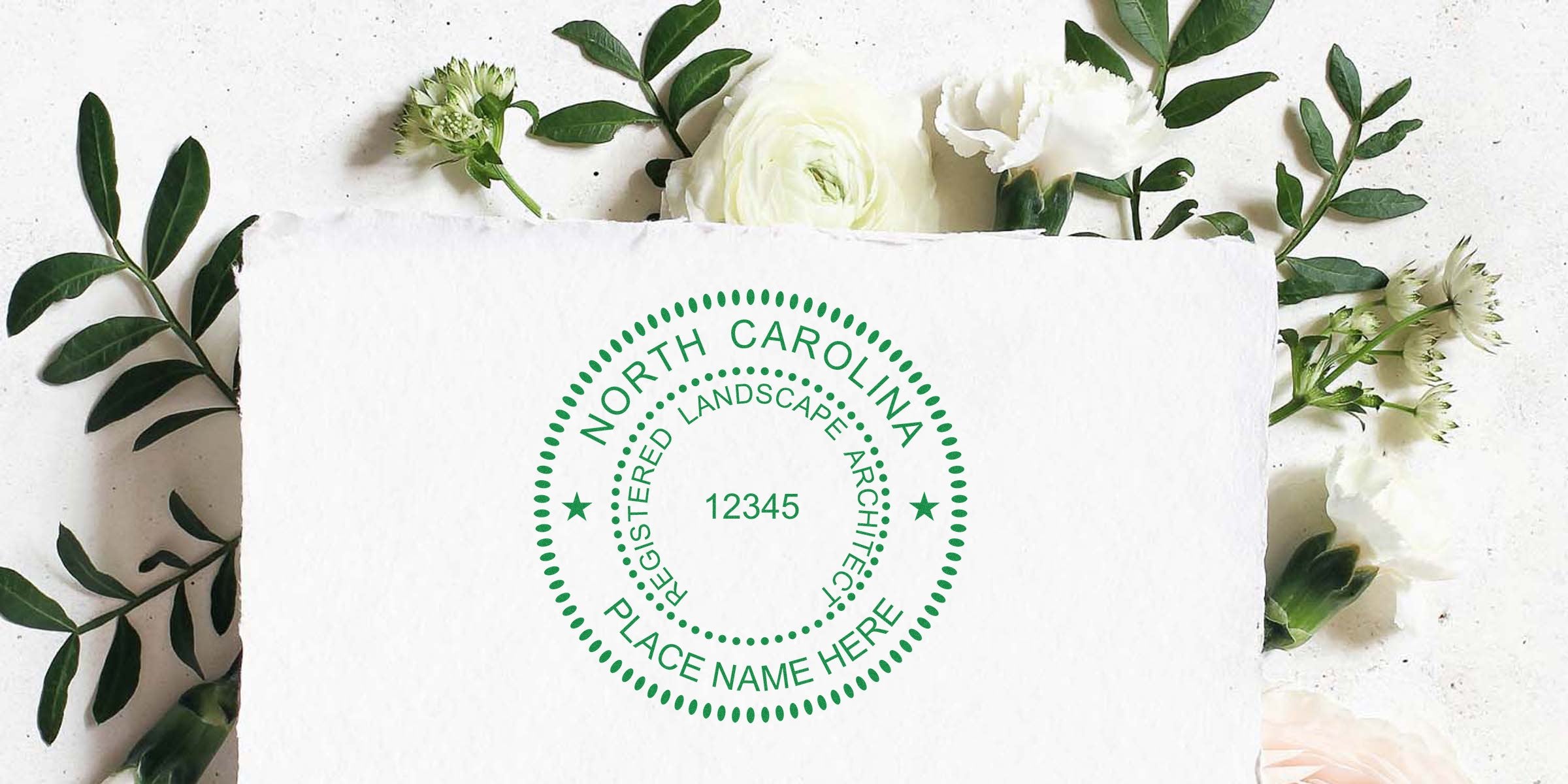
Discover the Official Seal
If you’re practicing as a licensed landscape architect in the Tar Heel State, you already know that presentation matters. A well-thought-out North Carolina landscape architect seal design is essential for solidifying your professional reputation. Think of it like a personalized emblem that provides more than just a pretty mark on paper. It confirms your credentials, validates your work, and meets state requirements at the same time.
You might be wondering what’s so special about a seal design. In North Carolina, using a clear and accurate seal is often a make-or-break component when submitting project documentation. Not only does it verify you’re properly licensed, but it also ensures local authorities and clients can trust the authenticity of your plans. Seals and stamps serve as a shorthand for “Yes, this person is qualified and compliant.”
Here’s the thing: Even though designing your official seal may feel like a small detail, it carries incredible weight. If your seal impressions look sloppy, feature incorrect text, or fail to meet regulations, your projects could face delays or even outright rejection. On the flip side, a crisp, regulation-approved seal elevates your overall deliverables. It shows that every aspect of your work, right down to your stamp mark, is handled with professional care.
Whether you’re just starting your practice or updating an existing stamp, having the right seal ensures that you meet the standards set by the North Carolina Board of Landscape Architects. Let’s walk through these rules and design fundamentals step by step, aiming to make the entire process easier for you. By the end, you’ll feel confident in how to plan, purchase, and care for your official seal.
Know the State Regulations
State-specific regulations can sound intimidating, but once you grasp the basics, it starts to feel manageable. Being a licensed landscape architect in North Carolina means you have to align with rules set forth by the board that oversees professional workflow. After all, these guidelines are here to protect both the public and your career.
Licensing and Stamp Usage
First things first, you’ll need to confirm your active license status. If your license is expired or has not been renewed on time, using any official seal or stamp could land you in hot water. It’s wise to double-check your license renewal dates every year and keep a physical or digital note reminding you to stay compliant.
Once that’s in order, it’s good to review the fundamental guidelines around seal usage. Typically, you are required to place your seal on final drawings, plans, or other critical documents that validate your professional input. The placement of your seal often has to be near your signature and the date. This extra step helps ensure clarity about who’s taking responsibility for the architectural components of each project.
Additionally, it’s important to pay attention to any updates on official specifications. Requirements can change over time. For a deeper look at particulars, feel free to visit the North Carolina Landscape Architect Stamp Requirements. It covers crucial details on size, wording, and format that can help you avoid compliance hiccups.
Rules on Digital Versions
If you’re an eco-friendly pro who prefers paperless processes, you’ll want to confirm state rules on digital seals. Some states allow for a digital seal and signature, but only if it meets encryption or password-protection standards. Others may still require an original ink impression for submission. Make sure you double-check any electronic file requirements when dealing with city or county agencies. You wouldn’t want to finalize a design, only to find out a specific office insists on hard copies.
Keeping your license current and understanding official usage guidelines go hand in hand with designing a seal that meets state standards. Up next, we’ll dive into the basic design elements you should consider when creating or ordering your stamp.
Focus on Key Design Elements
A great seal isn’t just about looking nice—it must also pass the scrutiny of local boards, municipal offices, and your clients. So how do you achieve the perfect balance of style and compliance? Let’s explore some of the core design elements.
Highlight Size and Shape
In many states, the official seal must fit within a specific diameter, typically around one to two inches. Even a minor discrepancy can lead to a violation. You’ll also want to confirm whether your seal needs to be round or can be a different shape, like oval. North Carolina usually requires a circular design, but it’s best to confirm any recent guideline shifts. Going smaller or bigger than permitted is a common pitfall, so always look for the recommended size in official documents or check with a reliable stamp supplier.
Maintain Readability
One crucial factor is clarity. Tiny details might look artful on screen, but they could vanish once you stamp your paperwork. The lettering should be legible without smudges. If your name or license number is crammed into a small space, a final impression could become unreadable. Crispness matters here. If the text is blurry or tough to decipher, you risk your seal being rejected.
Feature Specific Wording
Most states require the words “Licensed Landscape Architect” (or a close variant) plus your name and license number. In North Carolina, you’ll often see the phrase “Registered Landscape Architect.” Always verify your particular licensing body’s phrasing. You might also need the state name placed prominently, which serves as a direct indicator that you’re licensed in North Carolina. Skipping or shortening state-mandated text can invalidate your seal, so keep these phrases front and center.
Add Simple But Meaningful Icons (Optional)
While many official seals simply include text, some professionals like to incorporate a small emblem—a tree silhouette or a leaf outline, symbolizing the environmental aspect of your work. If you choose to do this, keep it understated. Anything too large or complicated can overshadow the required text. Besides, some boards discourage extra imagery within the official border, so double-check if icons are permitted before you place them in your seal design.
Choose a Trusted Supplier
Now that you’ve explored the design must-haves, it’s time to figure out where to get your stamp. You’ll want a supplier that understands both the aesthetic and regulatory angles. Plus, a well-crafted seal saves you headaches down the road. The last thing you want is a cheap, hard-to-press stamp that leaves blotchy impressions.
Why Choose Acorn Sales
One name that has been in the industry for over 60 years is Acorn Sales. People consistently turn to Acorn Sales for North Carolina Landscape Architect stamps and seals because they’ve honed their craft with decades of expertise. They understand the nuances of state requirements and can guide you through selecting just the right size and format.
Along with their reliable craftsmanship, Acorn Sales provides a Free Digital Seal. This means you get both a physical stamp for paper-based documents and a digital version for any online submissions that might be accepted by your local authorities. It’s a convenient one-two combination for modern-day professionals. Even if you’re not fully digital now, having the option is always a huge plus.
Additionally, their seals are designed with durability in mind, so you won’t have to replace them frequently. Think of it like investing in a high-quality tool that serves you for years. It’s a small purchase that holds tremendous power over your professional image and the acceptance of your documentation.
Use and Care Guidelines
You’ve ordered your new seal and it looks pristine. Now comes the everyday maintenance. Let’s face it—stamps and seals face plenty of wear and tear, especially if you’re working on multiple projects. The right approach to cleaning, storage, and usage can prolong the life of your seal and maintain crisp impressions for every plan you approve.
Storage Recommendations
It might be tempting to toss your stamp in a desk drawer, but a little extra precaution goes a long way. Consider storing it in a cool, dry spot—something like a small box or dedicated compartment keeps dust away. Prolonged exposure to direct sunlight or unusually high temperatures may cause the stamp material to deteriorate. Even moisture can lead to mold or rust on certain components, so avoid damp corners or leaky areas.
Ink Pad Care
When it comes to traditional rubber stamps with a separate ink pad, aim to keep that pad lightly moist but not dripping. You can purchase seal-specific ink that’s resistant to smudging. Check the label for quick-drying formulas, especially if you frequently stamp glossy paper. Replace the pad or ink when it starts to feel tacky or leaves incomplete impressions. Caring for your stamping supplies means sharper, more professional marks every time.
Clean Impressions Every Time
If your impressions become fuzzier over time, a gentle wipe can help. Use a soft, lint-free cloth lightly moistened with water or a mild cleaner to remove debris. Avoid harsh chemicals that can degrade the rubber or metal over time. Once cleaned, let the stamp dry completely before its next use—nothing’s worse than a watery blur on an official document.
Helpful Tips For Compliance
It’s always good to have a checklist of practical tips, especially if you’re new to using a professional seal in your daily workflow. Here are a few straightforward ways to stay on top of compliance:
- Keep a Record: Maintain a small log of where and when you used your seal. This can come in handy if a client or regulator questions the authenticity of a document.
- Double-Check Impressions: Before sending out final plans, ensure each seal impression is clear and legible. An unreadable stamp could be deemed invalid.
- Avoid Over-Stamping: Make sure to stamp only once on any section of a document. Multiple impressions or partial overlaps can cause confusion about which version is correct.
- Follow Current Rules: Regulations can shift. Stay in the loop with the state landscape architecture board, and consult guidelines often.
- Consider Locking Your Seal: If you have staff or share an office, store your seal in a locked drawer. You’re responsible for its usage. Unauthorized stamping could land you in serious trouble.
If you’re not entirely sure about certain technicalities, the North Carolina Landscape Architect Stamp Requirements resource can shed more light on any official standards, from sizing to labeling specifics.
Usually, you won’t have to renew your physical seal unless the regulations or your license number changes. However, keep an eye out for official updates that might impact the required text or format. Also, if your stamp gets worn out or the impressions start losing clarity, consider ordering a fresh one. There’s no strict timeline for renewal unless the board changes its rules or your personal information changes.
Conclusion
Crafting a professional, easy-to-read design, choosing a trusted supplier, and following proper usage guidelines all play a critical role in using your North Carolina landscape architect seal. It represents your expertise, and a crisp impression on each document will reinforce the trust people place in your work. Whether you’re working with local municipalities, presenting plans to clients, or simply proud of the credentials you’ve earned, a well-designed seal speaks volumes about your commitment to quality.
With a bit of careful planning, consistent maintenance, and reference to official regulations, you’ll continue stamping out beautiful—and fully compliant—landscape architecture documents. If you’re ready to give your seal a facelift or just need a reliable supplier, Acorn Sales has you covered, from traditional hand stamps to free digital seals. Here’s to many successful projects that carry your official mark of excellence every step of the way.
Frequently Asked Questions
Can I Use an Older Seal Design?
It depends on if that older design still meets current regulations. North Carolina may update guidelines occasionally, such as requiring new wording or slightly altering the allowed dimensions. If your seal was made more than a few years ago, it’s a good idea to compare it against the most recent specifications. When in doubt, reach out to a trusted supplier like Acorn Sales for a quick design review.
What If My Seal Impression Smudges?
No one wants a blurry, illegible mark. If your stamp smudges, you can try re-inking or cleaning the surface. Make sure you’re using the right type of ink pad—some are better suited for rubber stamps, while others work best on pre-inked devices. If the problem persists, you might need a replacement pad or new stamp altogether. Also, consider how hard you’re pressing: too much force can cause ink to spread.
Do I Need a Digital Seal Too?
In many modern offices, yes. A digital seal can save you the hassle of manually stamping endless sheets, and it’s often acceptable for electronic submissions. If your local jurisdiction allows electronic documents, having a password-protected or encrypted digital seal keeps everything legit. Many professionals appreciate the flexibility, so even if you don’t need it today, it’s worth planning for tomorrow. Acorn Sales offers a Free Digital Seal with certain purchases, which can simplify your workflow immediately.








