
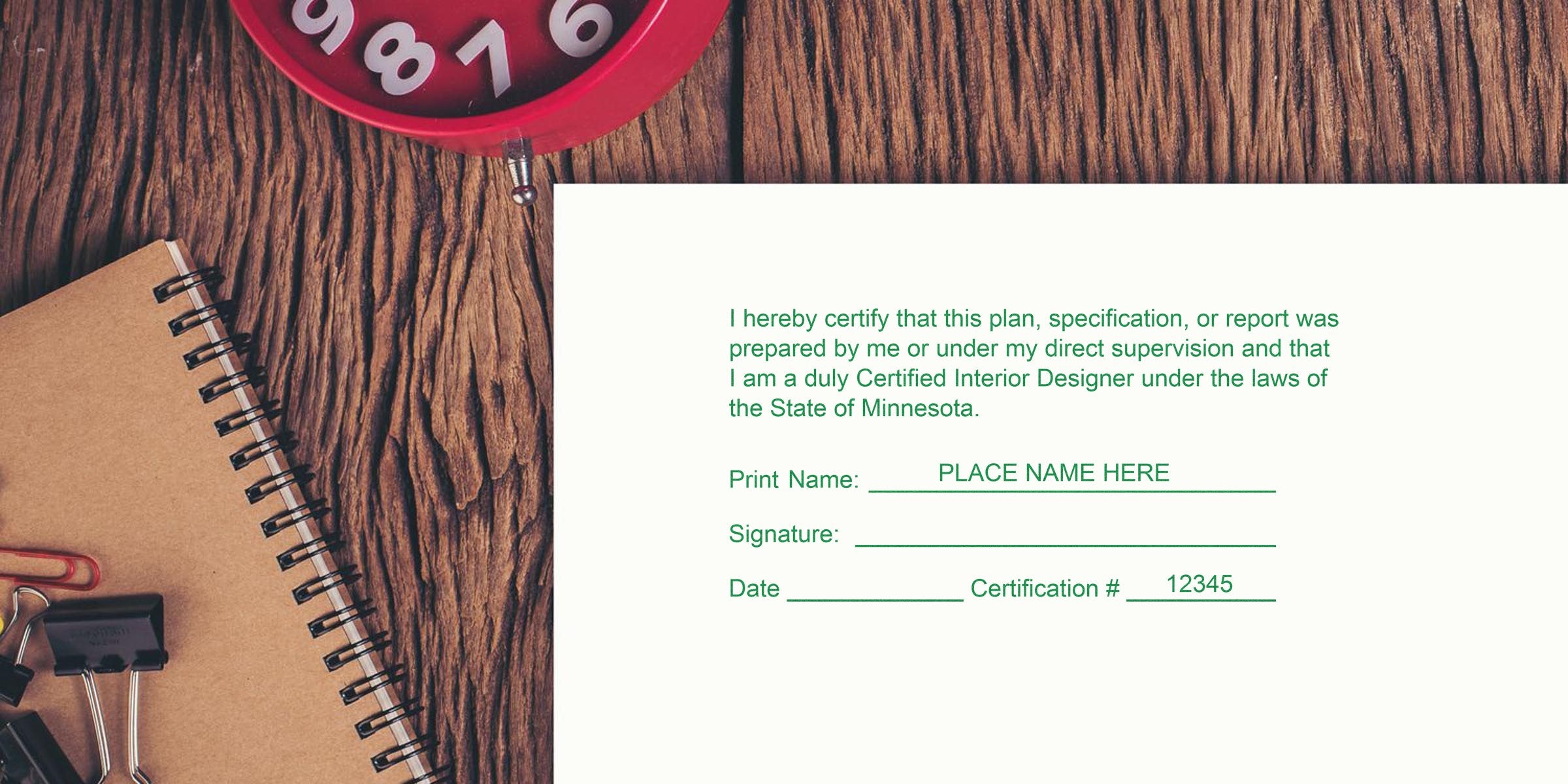
Overview Of Minnesota Stamp Regulations
If you’ve ever wondered about Minnesota interior designer stamp regulations, you’re not alone. As an interior designer in the North Star State, you’re expected to follow specific guidelines about when and how to use a professional stamp or seal. This requirement isn’t just for show—it’s a safeguard that helps protect public health, safety, and welfare. Understanding these regulations will make your work more credible and compliant.
In this friendly guide, you’ll learn who needs a stamp, what the legal requirements are, and how to select one. You’ll also discover how to avoid typical pitfalls, plus a few handy tips along the way. By the end, you’ll feel confident about incorporating the right seal on your projects, so let’s dive in.
Key Legal Requirements
Before you go shopping for any design tools or gear, it’s smart to understand the basics of the law in Minnesota. Regulations can seem intimidating at first, but they all boil down to proper authorization and accurate documentation.
Who Needs A Stamp?
In Minnesota, a stamp or seal is typically needed by interior designers who meet certain qualification standards set by the state’s regulatory board. Here are a few scenarios where a seal might be necessary:
- Submitting interior construction documents for official reviews.
- Providing final drawings that impact major venues like corporate offices or public buildings.
- Certifying design plans where public safety could be affected.
If you’re not sure whether your specific project calls for a stamp, it never hurts to consult Minnesota’s official guidelines or talk to your local board. Rules can change based on project scope, so always stay updated to avoid surprises.
Authority And Verification
You’ve likely seen official stamps or seals on drawings and project plans. Why are they such a big deal? In Minnesota, having a valid stamp verifies that the work meets both design and safety benchmarks. It also certifies that you, the professional, stand behind your design. This makes it easier for inspectors, builders, and clients to trust the quality of your plans.
Where To Use The Stamp
While rules can vary based on project type, your seal generally appears on the following:
- Title sheets or cover pages of design documents.
- Specific detail pages that require certification (like life-safety plans).
- Any final or “issued for construction” set of prints.
You might not need a stamp on preliminary drafts or design sketches, but once your drawings enter the final realm, the stamp is essential.
Selecting The Right Stamp
When it’s time to choose a Minnesota interior designer seal, you want something that’s both accurate and long-lasting. Your stamp is a direct reflection of your professionalism, so it’s worth investing in a quality product.
Approved Stamp Design
Minnesota typically provides guidelines for the stamp’s size, shape, and information. You should see elements like:
- Your name, matching your official license or registration.
- The words “Licensed Interior Designer” or a state-approved variation.
- Any identifying number or additional text specified by the board.
If you’re unsure about a particular design, check the official state website or reach out to industry colleagues. Overly fancy fonts or off-standard formatting can raise red flags and may not be accepted.
Acorn Sales’ Offerings
Wondering where to find a reliable source for your stamp? Look no further than Acorn Sales, a trusted supplier of Minnesota interior designer stamps and seals. They’ve been in business since 1964, and their team knows the ins and outs of state regulations. Along with professional stamps, you’ll also get a free electronic seal—perfect for adding your official mark to digital documents.
If you’ve been eyeing a new physical stamp or you’re curious how an electronic seal could simplify your workflow, it’s worth taking a peek at what Acorn Sales has to offer. Quality, quick delivery, and a thorough understanding of Minnesota’s stamp guidelines—what more could you need?
Use Your Minnesota Stamp Effectively
Getting the right stamp is one thing, but you also need to use it properly. The following tips will help you protect your license and maintain that polished, professional image.
Placement On Documents
You’d be amazed how often designers forget to place their stamps in a legible spot. Avoid that pitfall by following these guidelines:
- Make sure the stamp is large enough to be crisp and readable.
- Position it so no important text or lines overlap.
- Keep it within the margins, so it doesn’t get trimmed off during printing.
If you find your stamp is consistently cut off or blurred, you may need to resize or reposition it. This detail might sound minor, but clarity counts when plan reviewers and clients look at your documents.
Electronic Vs Physical Seals
In a world of digital submissions, you might be tempted to stick a digital JPEG of your seal onto your documents. That’s perfectly acceptable—if your local authorities allow it. Here are some quick pointers for both formats:
- Physical Stamp: Traditional rubber or self-inking stamp that you apply to paper.
- Electronic Seal: A digital file you embed in PDFs or other digital drawings.
As technology evolves, more jurisdictions accept electronic seals. Just be sure yours meets local rules. One advantage of going digital is you can reduce the need for multiple paper copies, which saves time and money. And remember, Acorn Sales offers a free electronic seal with your purchase, making it a breeze to pivot toward electronic stamping whenever you’re ready.
Comply With Minnesota Interior Designer Stamp Rules
Once you’ve got your stamp set up, it’s helpful to keep a small compliance checklist at your desk. That way, no matter how busy you get, you’ll avoid common oversights. Below is a simple table to keep you on track:
| Action | Reason | Frequency |
|---|---|---|
| Verify Final Documents | Ensure all completed pages are ready to seal | Before submitting |
| Check For Proper Text | Confirm correct license name and number | Whenever stamping |
| Inspect Stamp Condition | Look for fading ink or wear-and-tear | Monthly, at least |
| Update Digital Seal | Keep files in standard formats (PDF, etc.) | Twice a year |
A table like this can be your quick reminder to double-check everything. Small, consistent habits go a long way toward staying on top of your professional responsibilities.
Common Mistakes To Avoid
Regulations can feel complex, but plenty of pros manage them successfully. Dodge these typical errors, and you’ll keep your workload lighter—and your license safer.
- Stamping Incomplete Drawings
Ever get excited and stamp a draft, only to make last-minute changes? That can lead to confusion. Stamp only final documents. - Ignoring Changes In Regulation
Laws evolve as industries grow and technology changes. Bookmark or subscribe to updates from Minnesota’s board, so you’ll never be caught off guard. - Letting Others Use Your Stamp
Your stamp is for you alone. Lending it out or sharing electronic files can land you in hot water, especially if the resulting work doesn’t pass official scrutiny. - Misplacing The Date
Some stamp formats require you to include the date. Make sure you clearly indicate the correct date when you apply your seal. - Using A Non-Compliant Format
Double-check you’re using an approved format like the minnesota interior designer stamp. A close-but-not-quite version could be rejected.
Tips For A Smooth Process
Here are a few more insights to help you streamline your stamping routine.
- Keep Extra Ink Pads
If you’re using a physical stamp, an ink pad can dry up at the worst moments. Having a backup saves you from last-minute store runs. - Maintain Color Consistency
Some documents require black ink, while others accept blue. Stay consistent so your stamp doesn’t appear on some pages in black and others in faint gray. - Learn Digital Markup Tools
If you plan on using electronic seals frequently, get comfortable placing them properly in PDFs or design software. This saves a lot of time and frustration. - Document Review Dates
When you stamp, note the date you reviewed or submitted the final drawing. This can settle disputes about version changes later on.
Why Choose Acorn Sales
If you’re looking to streamline your compliance approach, Acorn Sales offers more than just stamps. Their decades of experience—since 1964—means they’ve seen every possible seal scenario. And with a free electronic seal included, you can adapt to digital best practices without a hassle.
Acorn Sales also provides helpful customer support for any Minnesota-specific queries. Whether you’re double-checking the official stamp size or just curious about shipping timeframes, you’ll find their team friendly and knowledgeable. Plus, you’ll know your stamp meets the official guidelines, giving you peace of mind when you submit any project documentation.
This depends on your stamping provider. In many cases, you’d purchase an updated stamp or order a revised electronic seal if any major changes occur. Some vendors may offer discounts for existing customers. If you have questions, it’s best to contact your supplier or the state board directly.
Final Thoughts
Complying with Minnesota’s interior designer stamp regulations doesn’t have to be stressful. By choosing a stamp that meets the official guidelines and using it the right way, you’ll stay on top of your professional responsibilities. Whether you opt for a physical tool or a digital seal, accuracy and consistency are key.
Keep in mind that staying updated on the state’s requirements is an ongoing task. As your projects grow and technology changes, you’ll want to revisit the rules periodically. With solid resources, like Acorn Sales, and a bit of diligence, you’ll breeze through the stamping process whenever you submit design documents. Happy designing!
Frequently Asked Questions
How Do I Know If I Need A Minnesota Interior Designer Stamp?
If your design projects involve public spaces or official documentation, you’ll likely need a stamp. Minnesota regulations generally require licensed interior designers to stamp final drawings that affect safety, occupancy, or structural elements. Check with the state board if you’re unsure.
Can I Use An Electronic Seal For All My Projects?
Electronic seals are increasingly accepted across many states, including Minnesota. However, some jurisdictions or clients may still request a physical stamp for archival records. Always confirm acceptance with the relevant authority before you rely solely on a digital format.
What Happens If My Stamp Doesn’t Match The State’s Format?
An incorrect or non-compliant stamp could delay project approvals or lead to rejection of your documents. Verify your stamp format carefully against Minnesota’s guidelines. Alternatively, reach out to a trusted supplier like Acorn Sales to ensure you receive a compliant design.








