
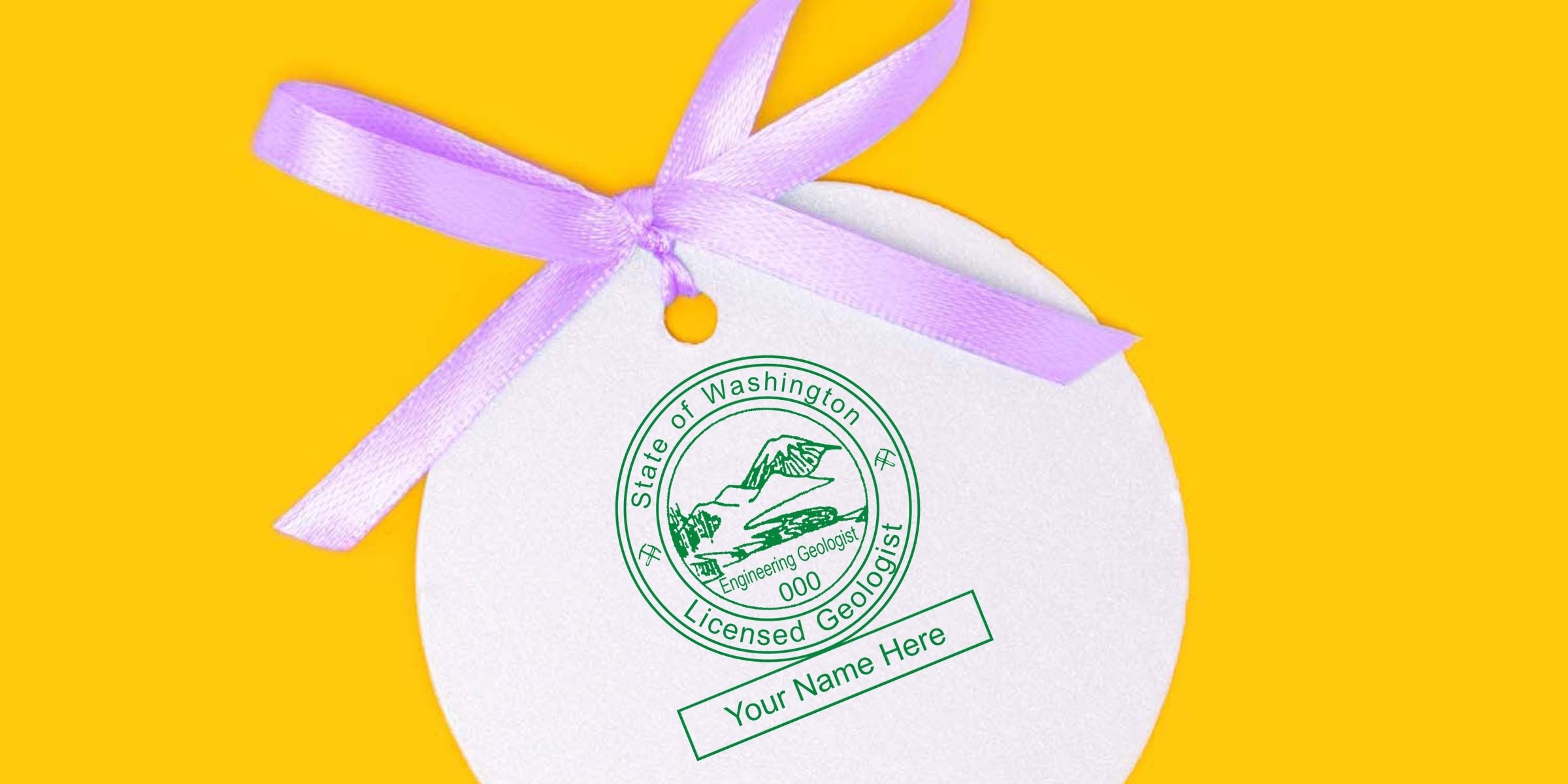
If you’re working toward meeting Washington Geologist Stamp Guidelines, you might be feeling slightly overwhelmed. After all, geology isn’t just rocks and strata—it’s about ensuring the work you do is recognized, trusted, and fully compliant with state rules. That’s where a clear understanding of Washington’s requirements comes in handy. In this friendly guide, you’ll learn what a geologist stamp is, how it’s used, and how to make sure your documentation passes muster.
Below, you’ll find helpful tips on obtaining and using your official seal, staying up to date on regulations, and choosing a reliable provider. Your professional reputation is on the line, so let’s explore how to keep everything aboveboard and worry-free.
Understand Washington State Requirements
In Washington, licensed geologists are expected to follow specific rules that outline when and how to use an official stamp (also called a seal). The state’s goal is to ensure the public knows your work meets recognized standards of practice. Here’s a quick overview of these key requirements:
- You must be a Washington State-licensed geologist (or hold a related specialty license).
- You need an official stamp or seal that shows your name, license number, and Washington geology designation (e.g., Licensed Geologist).
- All final documents you issue—reports, maps, or other technical materials—should feature an original or electronic stamp to signify you’ve approved them.
Confirming Your Licensure
Before you consider stamping any reports, double-check your license status. Are you fully licensed in Washington, or are you transitioning from another state? Make sure your paperwork is in line with the Washington State Department of Licensing (DOL). It sounds basic, but licensing can sometimes get tangled. If your license has lapsed or is in the process of renewal, you can’t legally stamp a thing until you’re back in good standing.
Staying Within Scope
Washington regulations also specify that you only stamp documents related to the areas in which you’re qualified. If you’re a hydrogeologist, your stamp shouldn’t appear on, say, engineering geology reports outside your professional expertise. It’s both a legal issue and an ethical one—your seal implies you’re taking responsibility for the scientific conclusions.
Know The Purpose Of Your Stamp
Think of your stamp like a personal signature with some extra heft. Your seal signals that you’ve personally reviewed and accepted responsibility for the contents of a document. In other words, you’re certifying that the report or design meets the standards set out by Washington’s geology regulations.
Reinforcing Trust
This seal isn’t just about the state. Clients and the public see your stamp as a symbol of confidence in your work. By stamping each crucial page, you ensure readers know exactly which sections fall under your direct oversight. If a question arises, anyone can quickly identify which aspects you verified.
Guarding Against Misuse
Keep in mind that stamping a document you haven’t reviewed thoroughly is risky business. If there’s an error, you’re still on the hook. So always ensure the text, data, and interpretations in each document align with your professional expertise and the state’s ethical guidelines.
Follow The Design Specifications
You might be thinking, “It’s just a seal, right?” Actually, Washington has specific design criteria so no confusion arises between different professional seals (think architects, engineers, or land surveyors). The geologist’s stamp usually features:
- A circular or rectangular border, easy to read at a glance.
- Words like “Licensed Geologist” or the relevant specialty.
- Your full name and license number in a clear font.
- The official Washington State reference or abbreviation.
Double-Checking Graphics
If you’re creating a custom design, be sure it matches the exact dimensions and wording Washington requires. Some geologists opt for a standard design their supplier provides, which can save time and hassle. A quick check with your stamp maker goes a long way toward preventing costly misprints.
Electronic Vs. Physical
In many cases, you can use an electronic seal (a digital version) in place of a physical stamp. The key is ensuring the digital format can’t easily be tampered with. PDF encryption or a secure digital signature tool is often used. It’s best to confirm with the relevant Washington guidelines and your organization’s policies to see where electronic sealing is acceptable.
Use The Stamp Correctly
Now that you have a seal, it doesn’t mean you slap it on everything. Washington’s legislature outlines guidelines on proper usage:
- Only final or “record” versions of a document should display your seal. Drafts or in-progress documents should generally remain unstamped.
- The stamp is typically placed near your signature block or below your name on each relevant page.
- Stamped documents must be dated so readers know exactly when they were finalized.
Consistency Counts
Aim for a consistent look. If you’re stamping multiple pages of a large geotechnical report, always place the seal in the same position. This cuts down on confusion and speeds up document reviews or audits.
Keep Documentation Organized
Even with the right stamp, your geologist documentation can get messy fast, especially if you produce multiple versions. Remember to keep a clear log of the documents you’ve sealed and the date you did so. This is your paper trail if the state ever conducts an audit or if a client raises questions about which version is official.
Maintain Compliance Over Time
Obtaining your license is a big deal, but your responsibilities don’t end there. Washington, like most states, expects you to keep up with renewal deadlines and continuing education. That helps you stay current on evolving best practices and ensures your stamp remains valid.
Renewal Reminders
Mark your calendar for when your license expires, and watch for renewal notifications from the state. You don’t want to inadvertently use a seal tied to a lapsed license. If you do, it could not only jeopardize your professional standing, it could also compromise your projects.
Track Continuing Education
Geologist regulations often require continuing education credits to maintain or renew your license. These credits serve as proof you’re updating your knowledge and honing your skills, which is vital for your professional growth. In many cases, you can find quick online courses or local workshops that fit your schedule.
Choose A Trusted Supplier
When you’re ready to order your official Washington geologist stamp, it helps to find a reliable provider who understands the ins and outs of the guidelines. That’s where Acorn Sales has you covered. Our team has been crafting top-quality stamps and seals for geologists (and many other professionals) for over 60 years. We pride ourselves on following the state’s exact design specs, so you don’t have to.
Why Acorn Sales?
- We’ve supported Washington geologists for decades, so we know the current regulations.
- Each stamp purchase comes with a free electronic seal, an excellent bonus if you’re submitting digital files.
- We use durable materials designed to produce clean, crisp impressions every time.
- If you need a Washington Geologist Stamp, we offer designs that meet the state’s distinct layout requirements.
Ordering Tips
Ordering your seal is easy, but a few thoughtful steps can streamline the process:
- Gather Your Details: Double-check your name, license number, and any specialty designation.
- Choose Your Format: Decide if you want a physical stamp, an embosser, or a purely electronic seal.
- Verify Proofs: Once you receive a digital proof, review it carefully for typos or design issues.
- Approve And Ship: Give the final thumbs-up, and expect your stamp to arrive ready for immediate use.
Put Your Stamp To Use
There’s a certain satisfaction in placing your fresh stamp on the first official report. Beyond that moment of pride, you’ll notice your workflow becomes simpler once you establish a routine:
- Keep a designated spot in your office where your stamp or embosser lives.
- Ensure your electronic seal is protected with safe passwords or encryption.
- Create a final checklist for each report—verifying data, verifying references, stamping, then signing.
Recognize Your Responsibility
Your seal is a mark of professional authority, so treat it with respect. Keep it secure, and don’t let unauthorized people use it on your behalf. If you’re part of a team, make sure everyone understands the significance of that stamp and your role as the responsible professional.
Stay Updated On State Rules
Rules for professional stamps and seals can change as new technology or legal frameworks arise. Periodically checking Washington’s official regulations can save you hassle down the road. You might also benefit from joining a professional network of geologists who share tips and keep each other updated on changes in the law.
Tap Into Professional Associations
Organizations like the Association of Environmental & Engineering Geologists (AEG) or other local geology groups sometimes share news about upcoming legislative changes. Attending meetings or checking their newsletters can be an easy way to ensure you’re up to speed.
Revisit Best Practices
As you accumulate more experience, revisit how you use your stamp. Are you mindful about stamping only finalized documents? Is your date always included? Have you changed your specialty area so your stamp design or text needs an update? Regular self-checks help you avoid developing sloppy habits over time.
Final Thoughts And Next Steps
Owning a Washington geologist stamp is more than a formality—it’s a formal promise to uphold professional and ethical standards in your work. By understanding the regulations and following them carefully, you give clients and the public reassurance about the quality of your geological insights. Keep your license current, use your seal only on final documents, and store your stamp securely so it always represents credibility.
If you’re ready to upgrade or order your first seal, consider Acorn Sales. With more than six decades of experience serving professionals nationwide, we can guide you through selecting and personalizing a Washington Geologist Stamp that meets every specification. Plus, you’ll get a free electronic seal to streamline your digital documentation. So let’s make sure your geology reports are stamped with confidence—your final documents, and your peace of mind, will both thank you!
Frequently Asked Questions
Do I need separate stamps if I have multiple specialties, like Engineering Geology and Hydrogeology?
If you’re licensed in more than one specialty under Washington law, you might need separate stamps. Each stamp would display the correct designation (e.g., Licensed Engineering Geologist vs. Licensed Hydrogeologist). Confirm with the DOL to see if multiple stamps are necessary or if a single combined one is acceptable.
How often should I update my stamp design?
Usually, you keep the same design unless a regulation change prompts you to modify it. That said, if you legally change your name or add a new specialty to your license, you’ll likely need a revamped design to reflect your current professional status.
Is an electronic seal valid for all documents in Washington?
Many official documents accept an electronic seal provided it’s secure and tamper-resistant. However, some government entities or clients might require a hard copy. Always confirm with the relevant agencies or your client’s preferences.
What happens if I accidentally stamp a preliminary report?
If you used your official seal on a document that wasn’t fully verified, it’s best to clarify right away. You may need to issue a revised final version. Documenting what happened in an internal project log can help you correct the mistake if anyone questions the validity of your stamped work.
Are there penalties if I use a stamp while my license is lapsed?
Yes. Using a geologist stamp with a lapsed license can lead to significant legal and professional consequences. You could face fines or disciplinary actions from the state’s Board of Licensing. Always verify your license status is active before applying your seal.








