
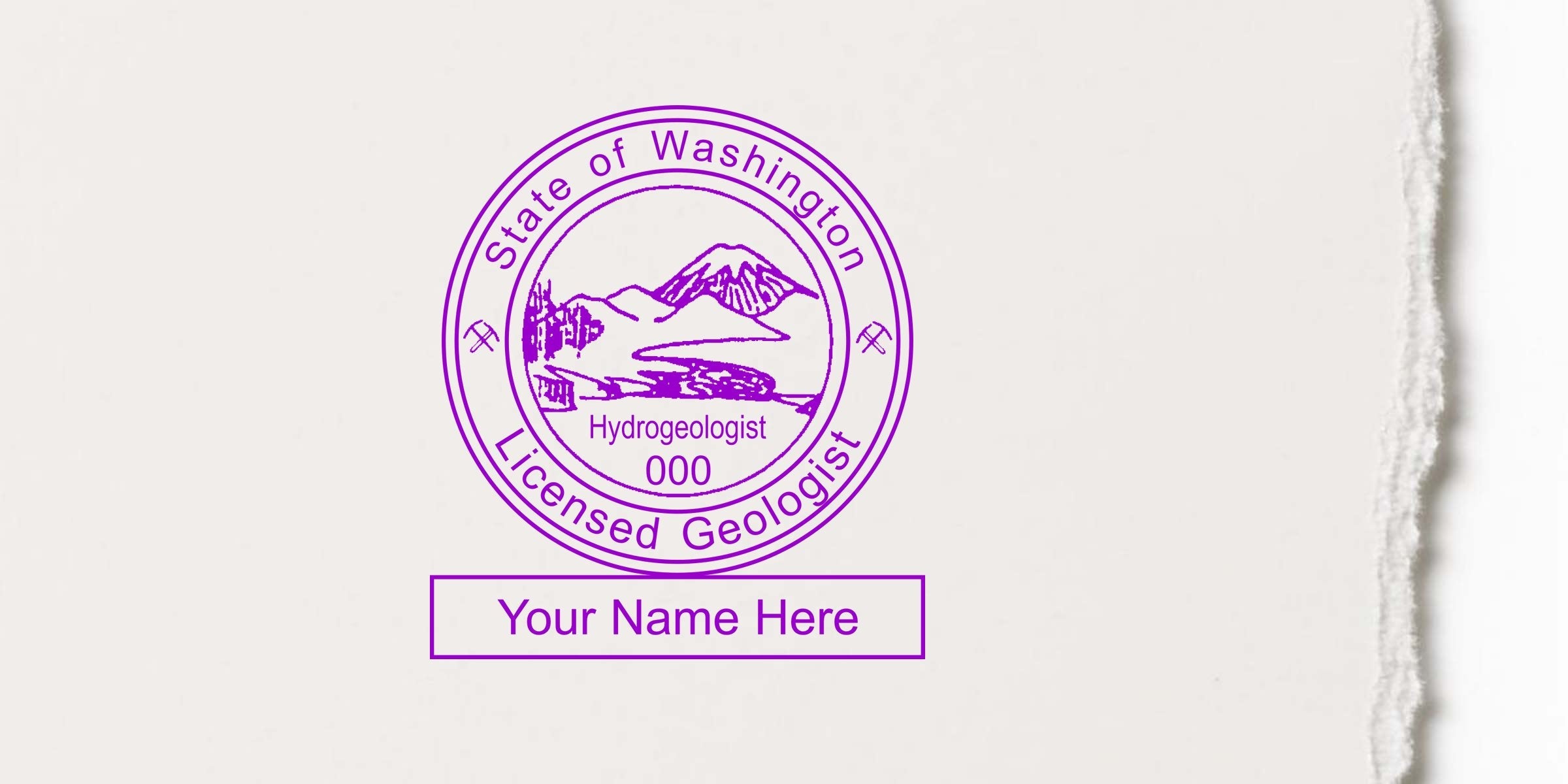
If you’re tackling Washington geologist seal regulations for the first time, you probably have a few questions. What does a seal really do? How do you get one, and why does everyone say it’s a must for professional documents? In short, your seal is more than a rubber stamp. It proves you’re credentialed, that you’ve met the state’s rigorous standards, and that your work is officially sanctioned. Just like a handshake can seal a deal between two people, a geologist seal in Washington confirms you’re operating under the recognized guidelines of your profession.
Below, you’ll find everything you need to know to stay in compliance, choose the right seal or stamp, and avoid any misunderstandings down the road. We’ll also talk about how ACORN Sales, a trusted supplier for over 60 years, can help you get your official seal plus a free electronic version. Ready to sort out all the details? Let’s dive in.
Understand Washington Geologist Seal Regulations
Before you do anything else, it’s good to clarify exactly why Washington geologist seal regulations exist. A seal (or stamp) is not just a formality, it’s a marker of professional credibility. When you affix your seal to a report, a map, or any official geologic document, you’re basically stating, “I stand by the accuracy of this work.” In Washington, these seals are governed by specific state statutes and board rules, which outline who can use them, where to place them, and what should be included.
State Board Oversight
To become a licensed geologist in Washington, you need to follow certain guidelines set by the appropriate regulatory body (often the state’s geologist licensing board). Once you meet the educational and experiential requirements, plus any exams, you’re granted a credential that lets you legally practice geology. Then, you’re eligible to order your official seal or stamp, something that remains valid as long as your license is active.
The Consequences of Non-Compliance
You might be wondering, “What if I skip this step or forget to stamp my documents?” Simply put, operating without a seal or failing to stamp your documents correctly can lead to disciplinary action. In some cases, unsealed documents might be rejected by agencies or clients. That means rework, lost revenue, and possible legal or professional headaches. So, it’s worth taking the time to do it right from the start.
Know the Purpose of a Geologist Seal
So, why does a licensed geologist even need such a seal? Think of it like a notary’s stamp or an architect’s seal. It’s a straightforward but powerful way to confirm that the information you’re presenting is legitimate and that you’re qualified to provide it.
Building Trust
Your seal is a trust-building tool. When a client or government agency sees that seal, they know you’ve gone through the proper channels. You’re recognized by the state to perform geologic work in Washington, and you’re willing to put your name (and license number) on the line. That’s huge for clients who might otherwise wonder if they’re hiring a random hobbyist or a real, certified professional.
Protecting Public Interests
Geology isn’t just about rocks, it often deals with the safety and development of land for communities. For example, if you’re assessing a slope’s stability for a construction project or evaluating groundwater contamination, the public has a stake in your findings. The seal ensures there’s accountability, reducing the risk of misinformation or corner-cutting that could jeopardize safety.
Obtain Your Official Stamp or Seal
Now that you know why seals matter, let’s walk through how to get yours. It’s not a complicated process, but you do need to follow a few steps to ensure everything is properly documented, especially if you’re looking to keep up with Washington geologist seal regulations.
Choose a Reputable Seller
When it comes to ordering a seal or stamp, not all vendors are created equal. Some might offer cheap, low-quality materials that wear out quickly or produce faint, illegible impressions. Since you’ll be using your seal repeatedly, it’s worth investing in something that lasts.
- Look for a company that specializes in professional seals.
- Check that they follow state specifications for design, size, and layout.
- Make sure they provide multiple format options, like a traditional embosser or a self-inking stamp.
ACORN Sales: Trusted for 60+ Years
One name you can count on is ACORN Sales. They’ve been in the seal and stamp-making business for over six decades, so they know the ins and outs of official requirements. You can get a traditional seal, a pre-inked stamp, or even a digital seal. Best of all, you receive a free electronic seal included with your purchase, which helps you work faster in today’s digital-first environment. Whether you’re stamping paper reports or attaching an electronic seal to PDF documents, you’ll have options that fit your workflow.
Follow the Key Compliance Points
Obtaining your seal is only the first step, you also need to use it correctly. Washington is pretty clear about how, when, and where you should apply your seal. Here’s what you need to keep in mind:
-
Seal Placement
Generally, you’ll place your seal on the title page or final page of your document. Make sure it’s visible and not distorted by any images or graphs. -
Signature Requirements
Many rules state that your seal must be accompanied by your handwritten or digital signature. Double-check whether you also need to date it (some forms require a date next to your signature). -
Document Types
Most final geologic reports, maps, specifications, or drawings need a seal. But do all preliminary drafts require it? Not necessarily. Confirm if the state board only requires final documents to be sealed. -
License Number Inclusion
Your license number is generally part of your seal design, but in some cases, you might need to print or type it near your signature. Clarity is key, so the document reviewer can’t miss it.
Reviewing Regulations Annually
Here’s the thing: Regulations can change. While Washington geologist seal regulations are fairly stable, boards do occasionally update language or add new clarifications. Try to schedule an annual check-in, maybe each time you renew your professional license. A quick look at board announcements can save you from unexpected surprises.
Avoid Common Mistakes and Pitfalls
Even seasoned geologists occasionally slip up when it comes to stamping or sealing. Mistakes range from minor oversights (like a faded stamp) to more serious compliance issues (like failing to seal at all). Here’s what to watch out for:
Unreadable Impressions
Ever see a stamp so light you could barely read it? That’s not only unprofessional, it could be considered non-compliant. If your seal isn’t clearly visible and legible, it’s basically unusable. Solution: get a high-quality stamp and check it regularly for wear.
Incorrect Document Versions
This can happen when you rush. If you seal an early draft, but you forget to seal the final draft, you technically haven’t sealed the actual final document. Make it a habit to seal once the content is fully verified. And if you revise that design or report, it may require a new seal, especially if substantial changes were made.
Overlooking Digital Workflows
A lot of geologists finalize documents in digital format these days, especially for large-scale or complex maps. Don’t forget that Washington typically allows an electronic seal, as long as it meets the required guidelines. With ACORN Sales, you get a free electronic seal that you can import into PDFs. Just confirm that your digital signature solution is also recognized.
Order Your Washington Geologist Stamp
If you’re ready to pick up a new seal, or if your old one is worn out, you can head straight for the Washington Geologist Stamp page to see options. Whether you prefer a traditional hand stamp or a self-inking variety, you’ll find something that fits your style. You’ll also get:
- A standardized design that meets Washington’s specs.
- Sharp, clean impressions that stay legible for the long haul.
- Multiple layout and color options.
And yes, you’ll receive a free digital file of your seal, which can be a lifesaver when dealing with electronic submissions.
Save Time With ACORN Sales
Let’s be honest: you probably have better things to do than spend hours researching stamp vendors. ACORN Sales has been helping professionals like you for over 60 years, and you can bet they understand the specifics of Washington geologist seal regulations. They’ve served countless geologists, engineers, and other licensed experts who need official marks for their practice.
Why Choose ACORN Sales
- Over six decades of experience, so you’re in safe hands.
- Quality products built to last (no faint or smudgy seals).
- Easy reordering process, perfect if you need an update or a replacement.
- Quick shipping, so you get your seal fast.
If you have questions about how to use your seal, ACORN Sales also offers friendly customer support to help you navigate the specifics of Washington’s rules.
Key Takeaways
By now, you should feel confident about navigating Washington geologist seal regulations. You know how the seal underpins professional credibility and protects the public interest. You also know where to get your stamp, how to place it, and what pitfalls to avoid. With ACORN Sales, you can rely on a reputable company that provides high-quality seals, stamps, and even a convenient electronic version to keep you on the cutting edge.
If you haven’t already, explore the Washington Geologist Stamp options and pick one that aligns with your style. In just a few days, you’ll have your official seal in hand (and in your inbox). By making the right choices now, you’ll save yourself a world of hassle later.
Have you already tried ACORN Sales or tackled any of these steps? Feel free to share your experience or ask a question. We’re all in this professional journey together, and your insights might help someone else get on the right track.
Frequently Asked Questions
Do I Need to Renew My Stamp or Seal Every Year?
” Not exactly. Your stamp or seal is linked to your license. If your license is active and valid, you can continue using your existing seal. However, when your license renewal is due, it’s a good time to confirm that your seal still meets current requirements and that the impression remains legible.
Can I Use the Same Stamp for Different Services?
” Yes, as long as each service falls under your geological license. But remember that each final document you produce should bear your seal. Just make sure it’s the right seal for the state of Washington, and you’re set.
What If I Move Out of Washington?
” If you relocate, you’ll need to check regulations in your new state (or region). Each location has its own stipulations for geologist seals, so your Washington seal may not cover you elsewhere unless there’s reciprocity. Always contact the appropriate licensing board if you decide to practice out of state.
Is an Embosser Better Than an Inked Stamp?
” It depends on personal preference and the nature of your documents. An embosser creates a raised impression, which some find more official. An inked stamp is often faster and more visible in scans or photocopies. Modern offices tend to prefer self-inking stamps, though embossers can add a traditional touch.
When Must I Switch to an Electronic Seal?
” You don’t have to switch, but an electronic seal is handy for digital documents. Washington generally permits electronic seals if they’re adequately protected against tampering. Since ACORN Sales includes a free electronic seal with your order, it’s smart to keep that file on hand whenever you submit PDFs or digital forms.








