

All engineers working in Tennessee must affix official seals to certain documents. Indeed, this is true for many states. Landscape architects and architects are bound by the same rules outlined here, and need to use the same type of seal, in addition to otherwise being licensed to work in the state.
Tennessee Engineers Seal Design
Official engineering and design documents must be stamped with the engineer’s name and registration numbers, per TCA 62-2-306. The Tennessee Society of Professional Engineers (TSPE) offers the stamps and embossers for sale as do a number of other online vendors. The state determines the official design and the TSPE sets licensing requirements, in addition to selling the stamps and seals through a third party.
The only major variation, in addition to the obvious addition of a name would be the specification of seal type: architect, engineer, or landscape architect.
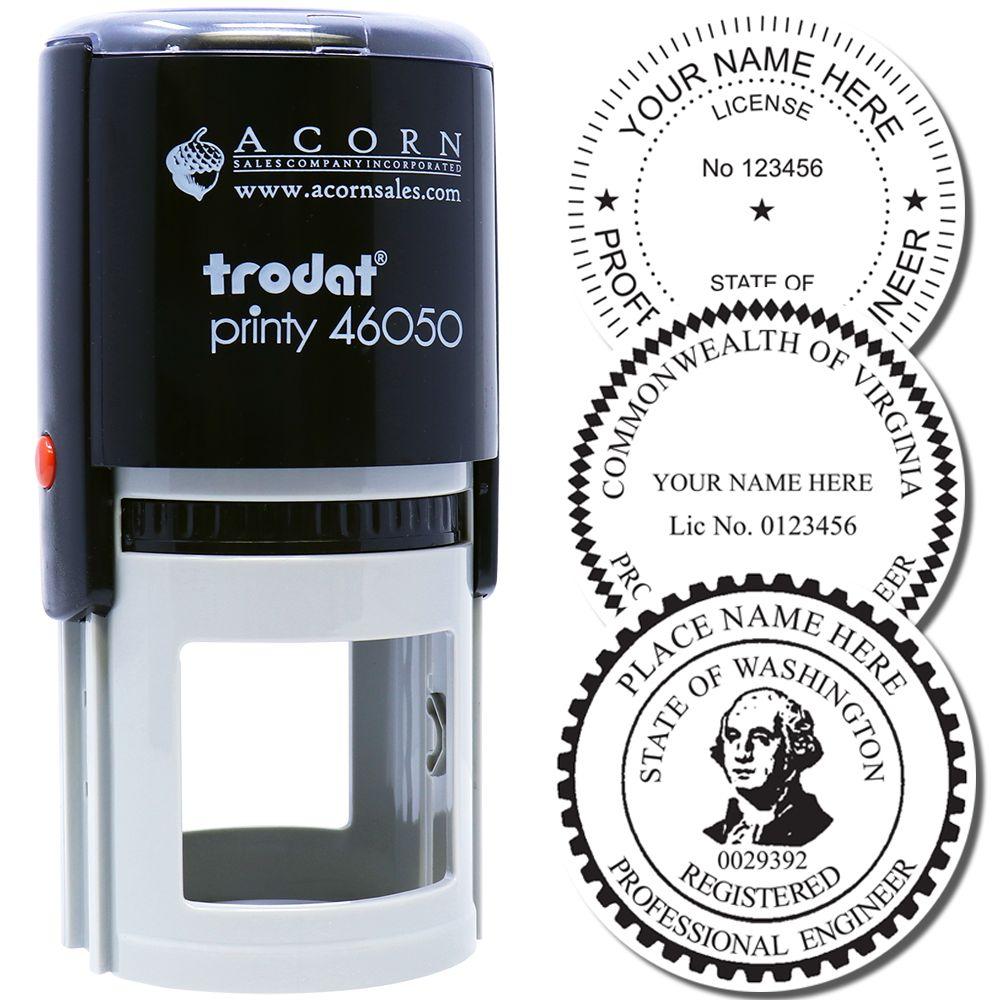

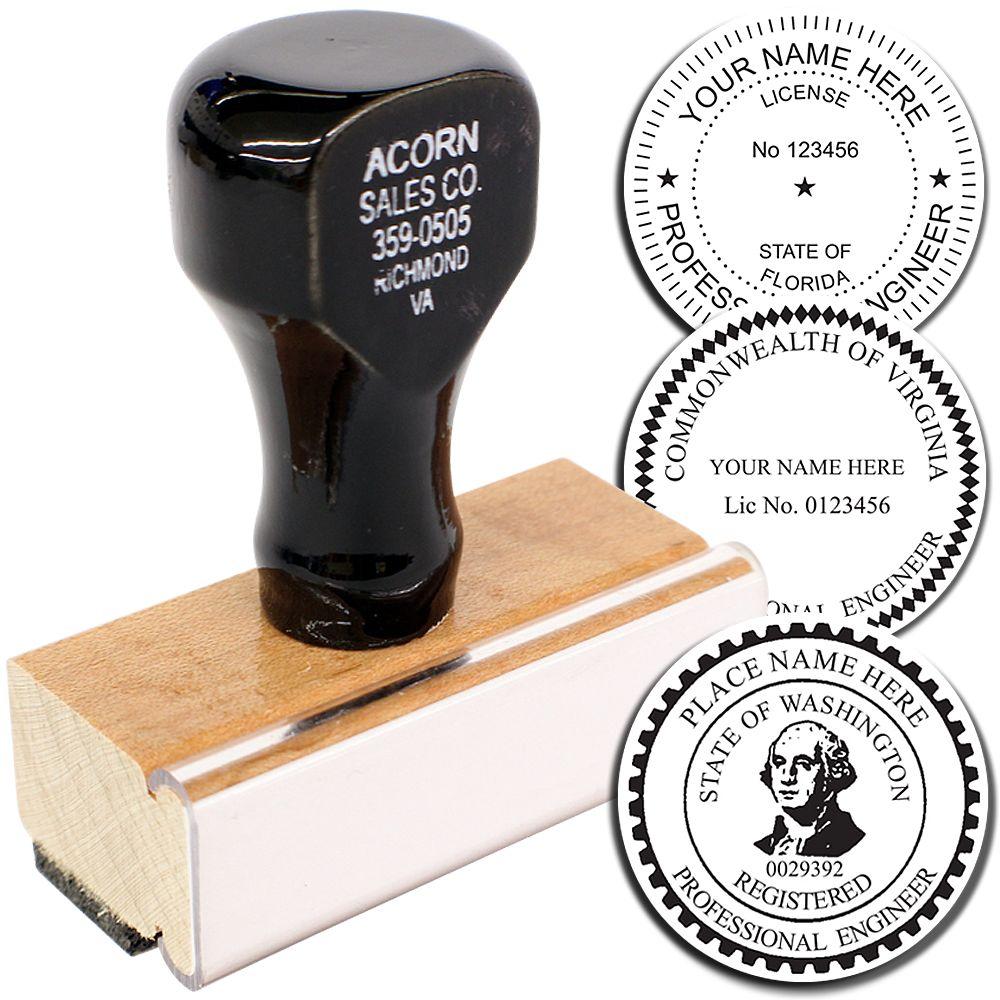

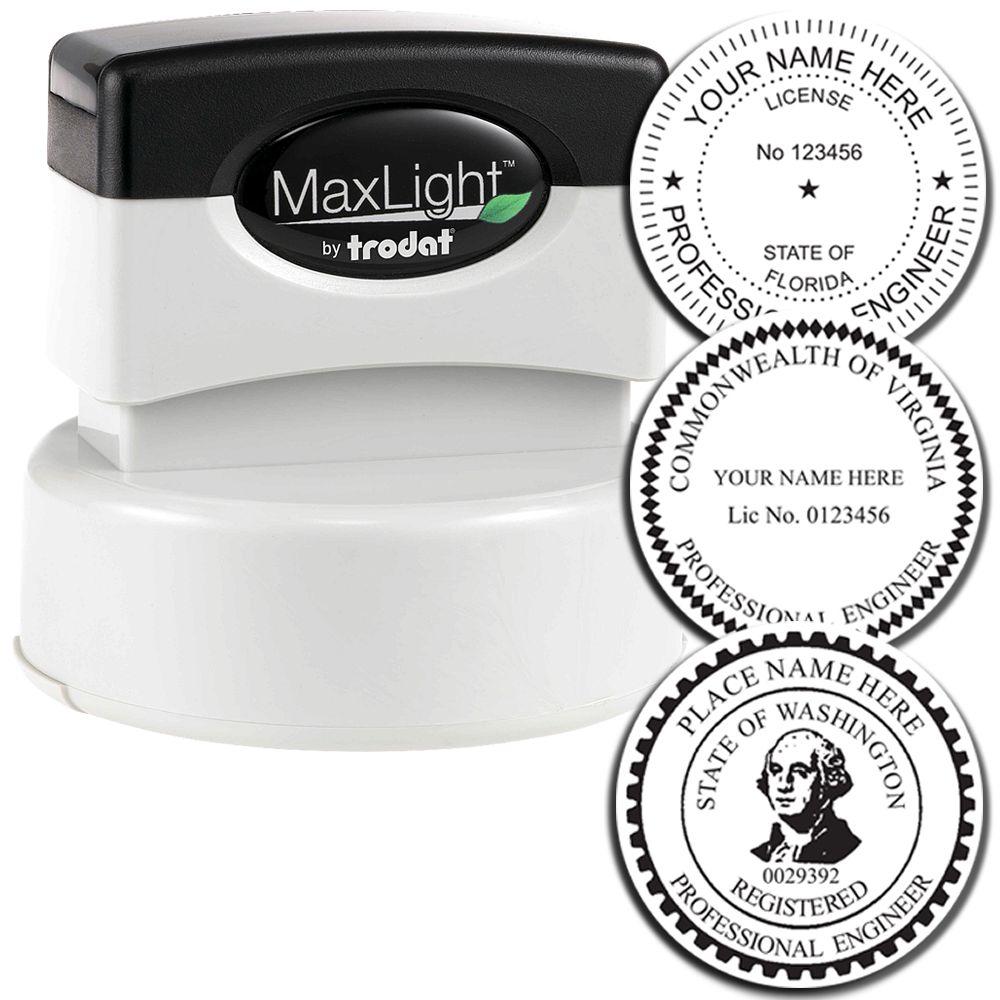



Proper Use of the Tennessee Engineers Seals
A state board in Tennessee approves the seals that all professional engineers in the state must use. It also determines where they must be affixed, either physically or electronically. The Tennessee board tells Tennessee engineers what work products must contain the engineer’s official seal:
- Preliminary and final drawings
- Reports and plans
- Specifications
- Electronic documents
- Blueprints
Both electronic and print seals would need to contain the words “Registered Architect”, “Registered Engineer”, or “Registered Landscape Architect” as well as “State of Tennessee” on them. Make sure whoever you buy from has those bases covered! You’ll also need to have your registration number at hand, of course.
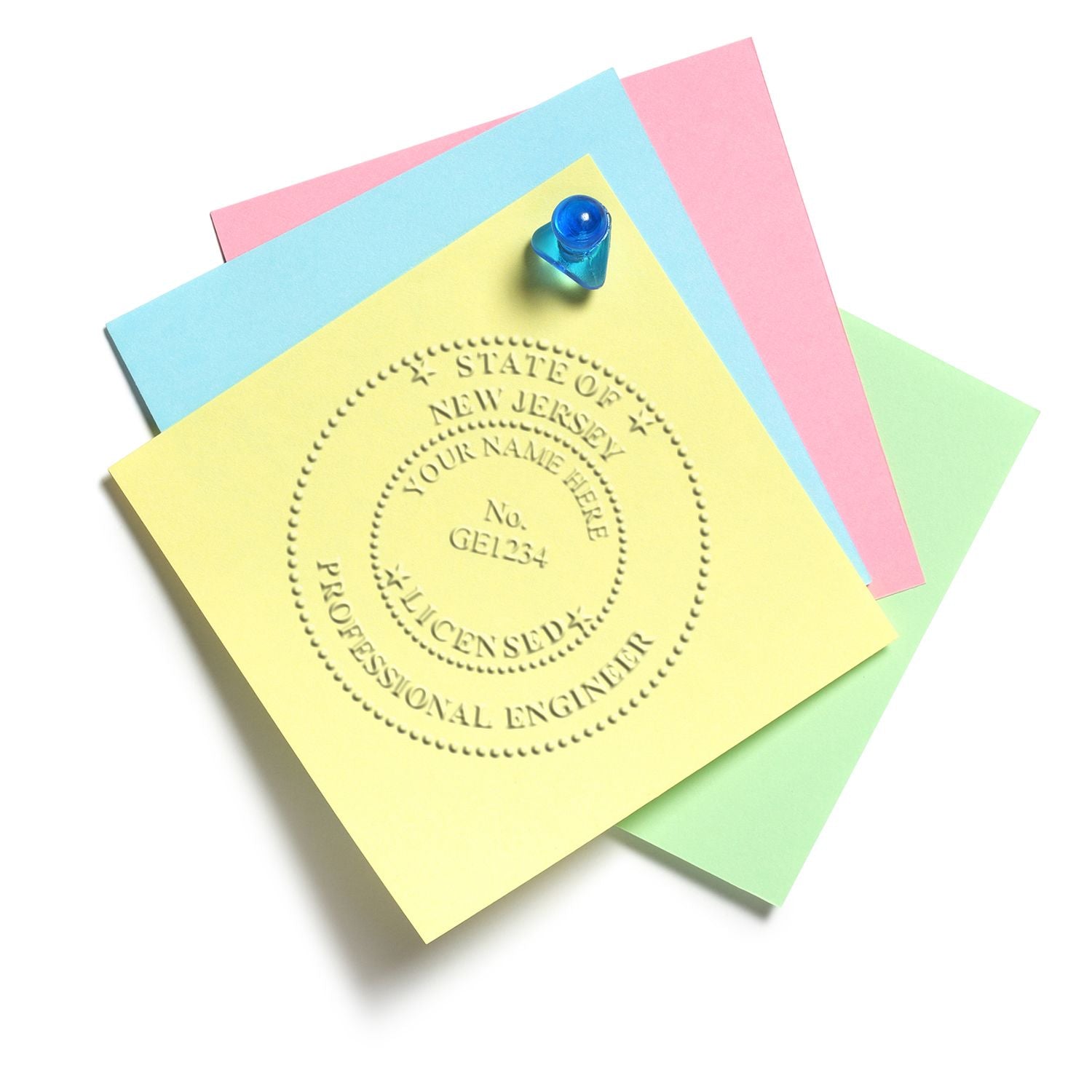
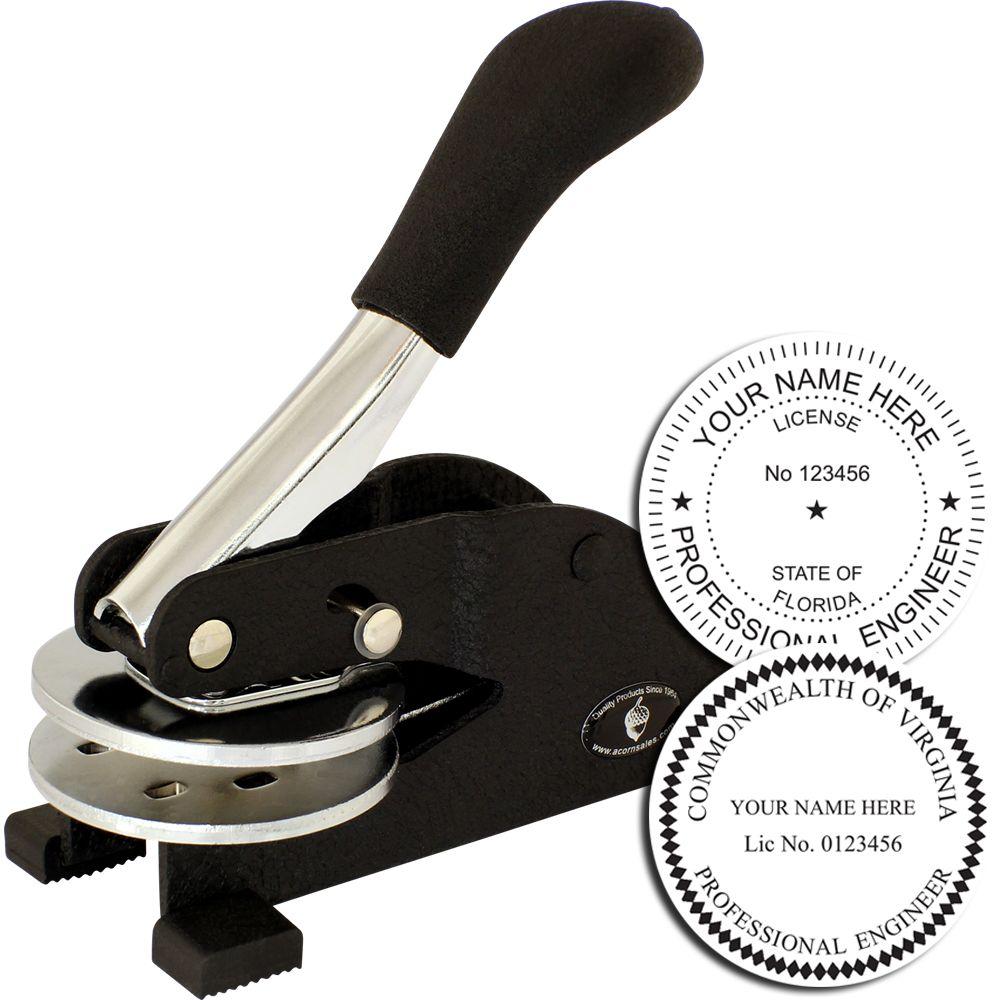

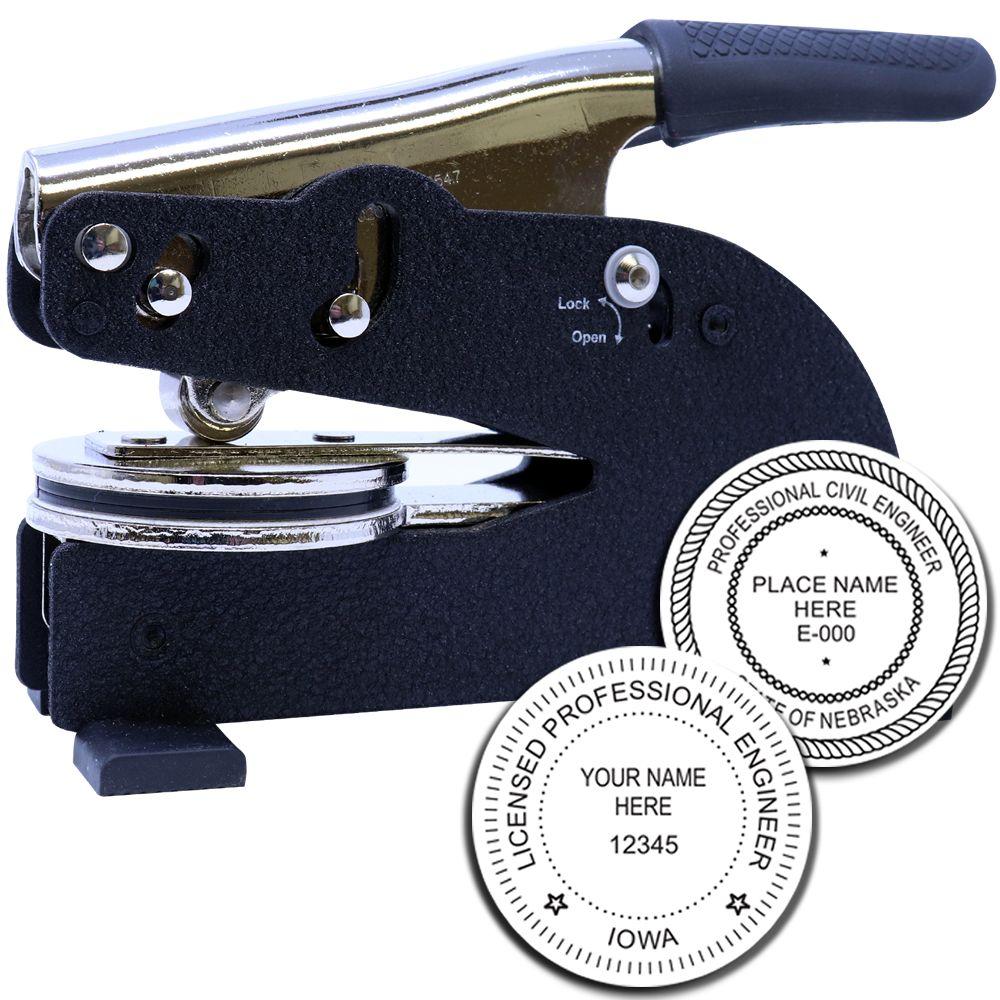

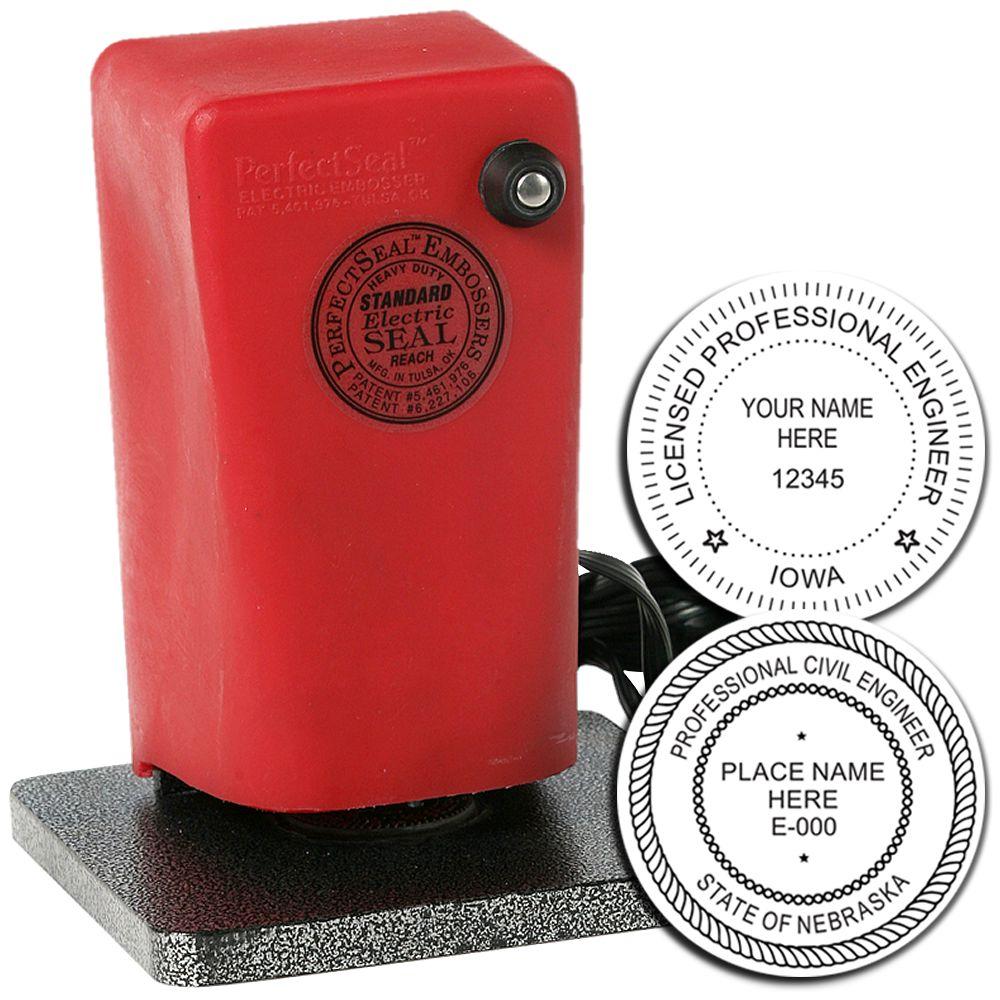
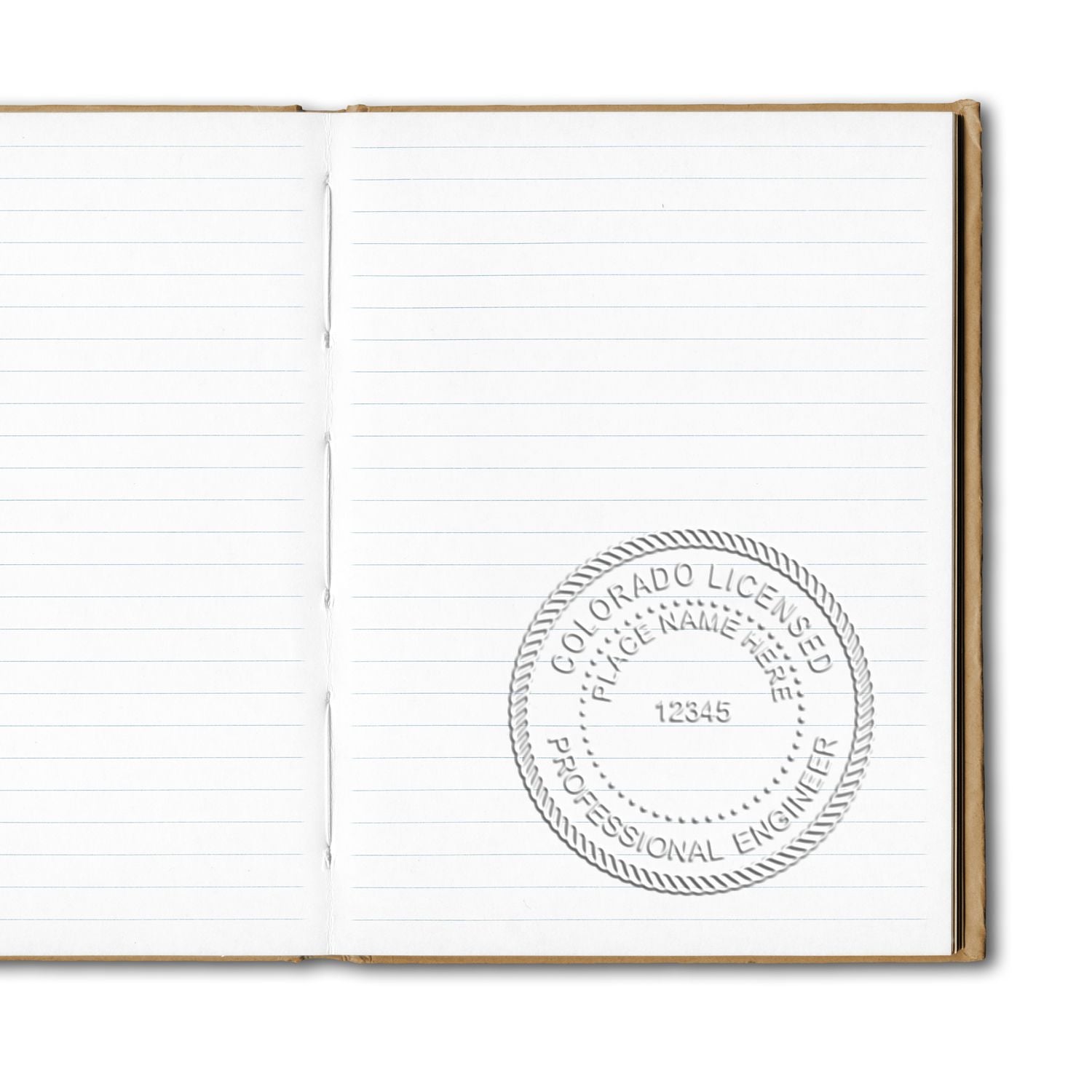
In 2015, there are electronic documents and an approved electronic seals that Tennessee engineers can use. Anyone could, in theory, scan the printed version and create a JPEG out of it. But that is not an especially good idea. The file might not be considered a legitimate seal.
More importantly, the electronic seal still needs to contain the engineer’s name and registration number. Both electronic and print seals would also need to contain the words “Registered Architect”, “Registered Engineer”, or “Registered Landscape Architect” as well as “State of Tennessee” on them.
All licensed engineers in Tennessee need to obtain and use stamps containing the state-approved seals, as long as that engineer is doing any design, drafting, or analysis work at least. Any work not prepared by that individual may not be stamped. Of course, no seal may be used after the holder’s license has expired. Additionally, Tennessee rules state that seals must be used in three places, according to EngineerSeals.com:
- On the first page of a specification.
- On the first page of a report.
- On all pages of a bound set of plans.
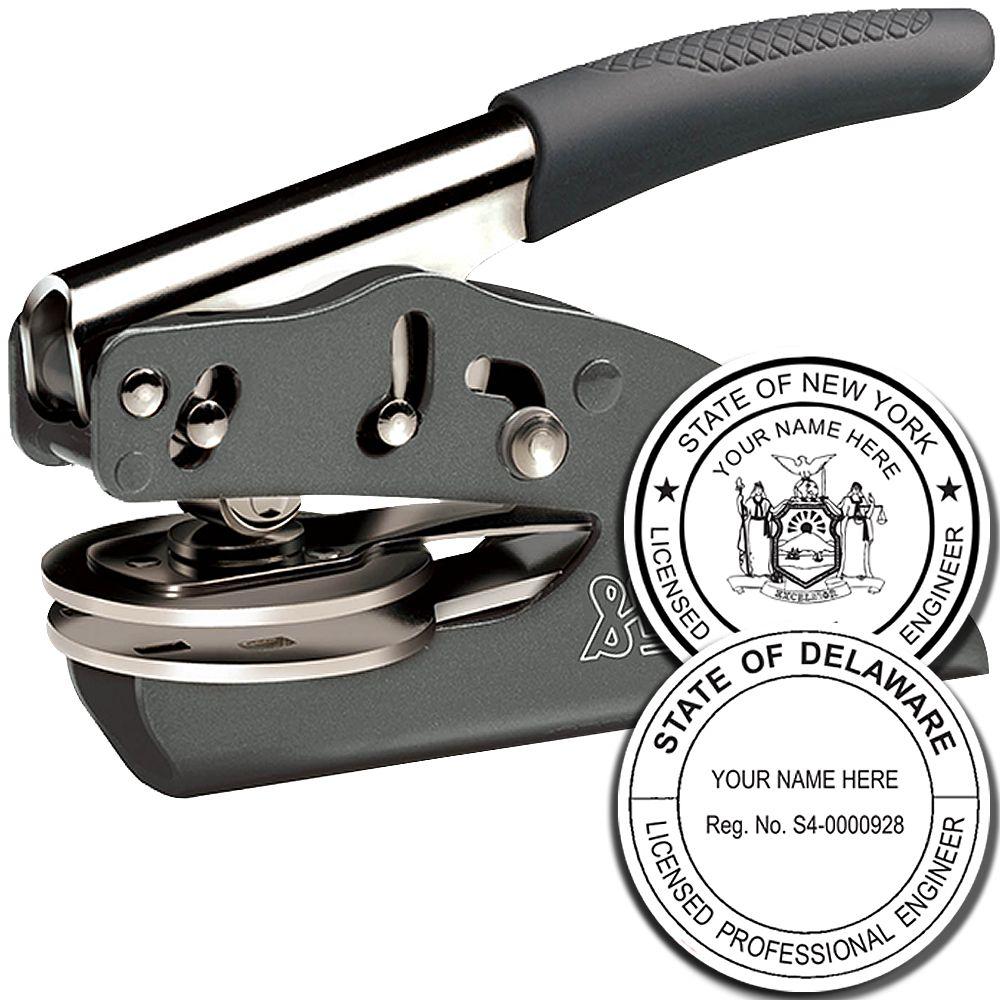
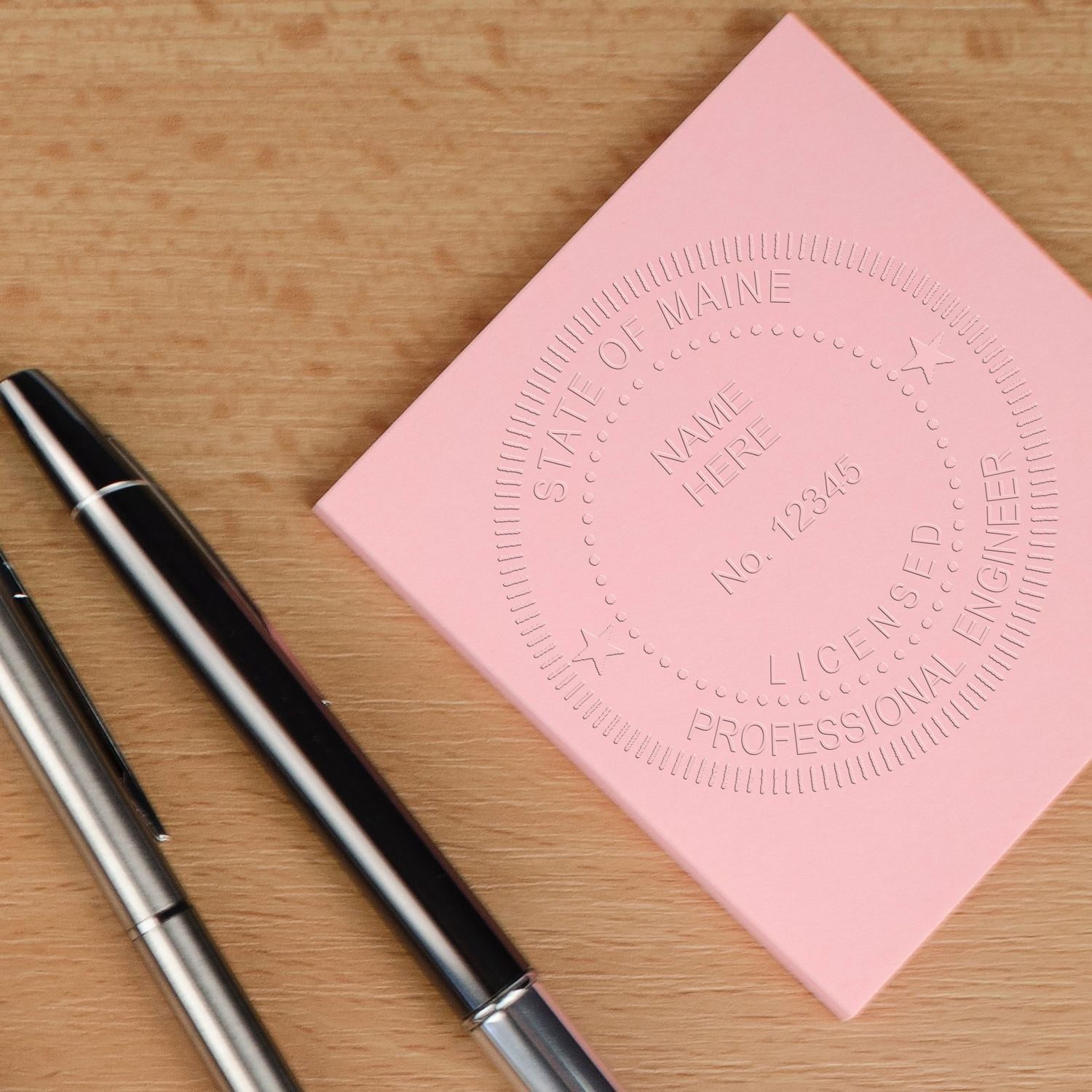
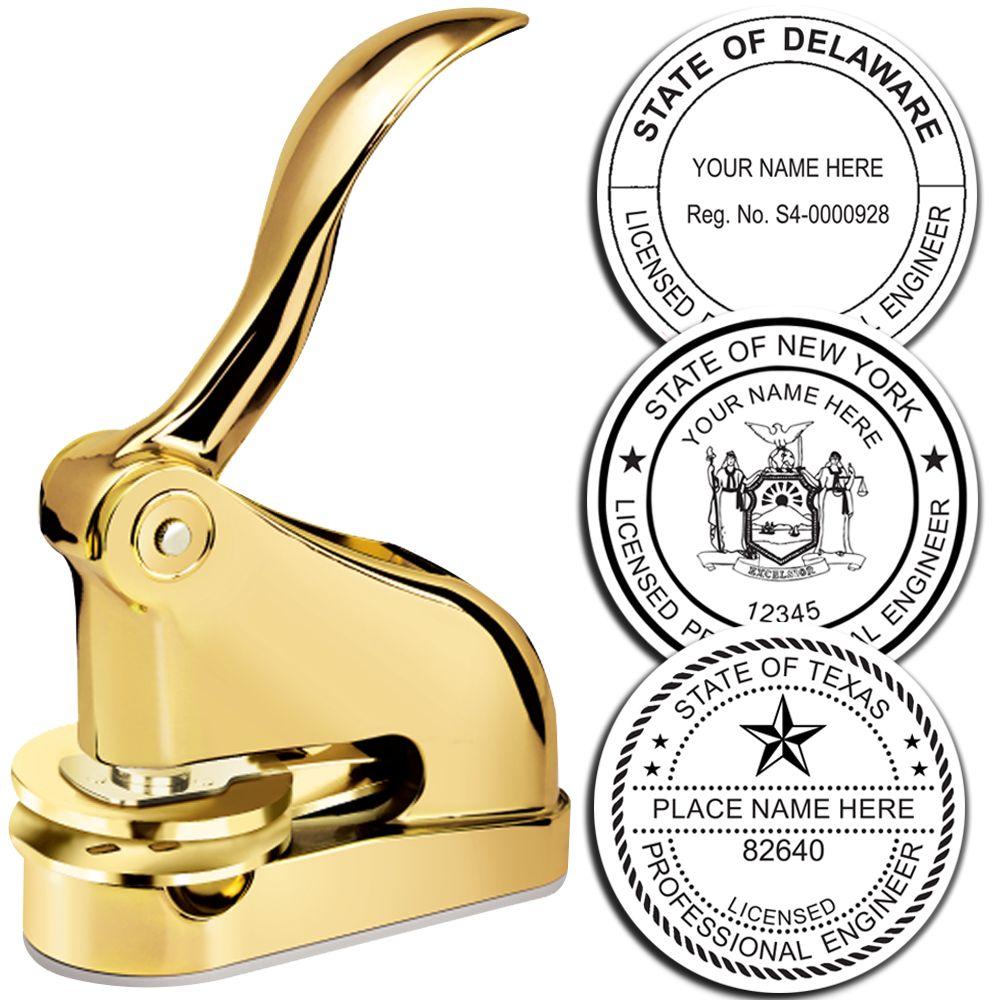
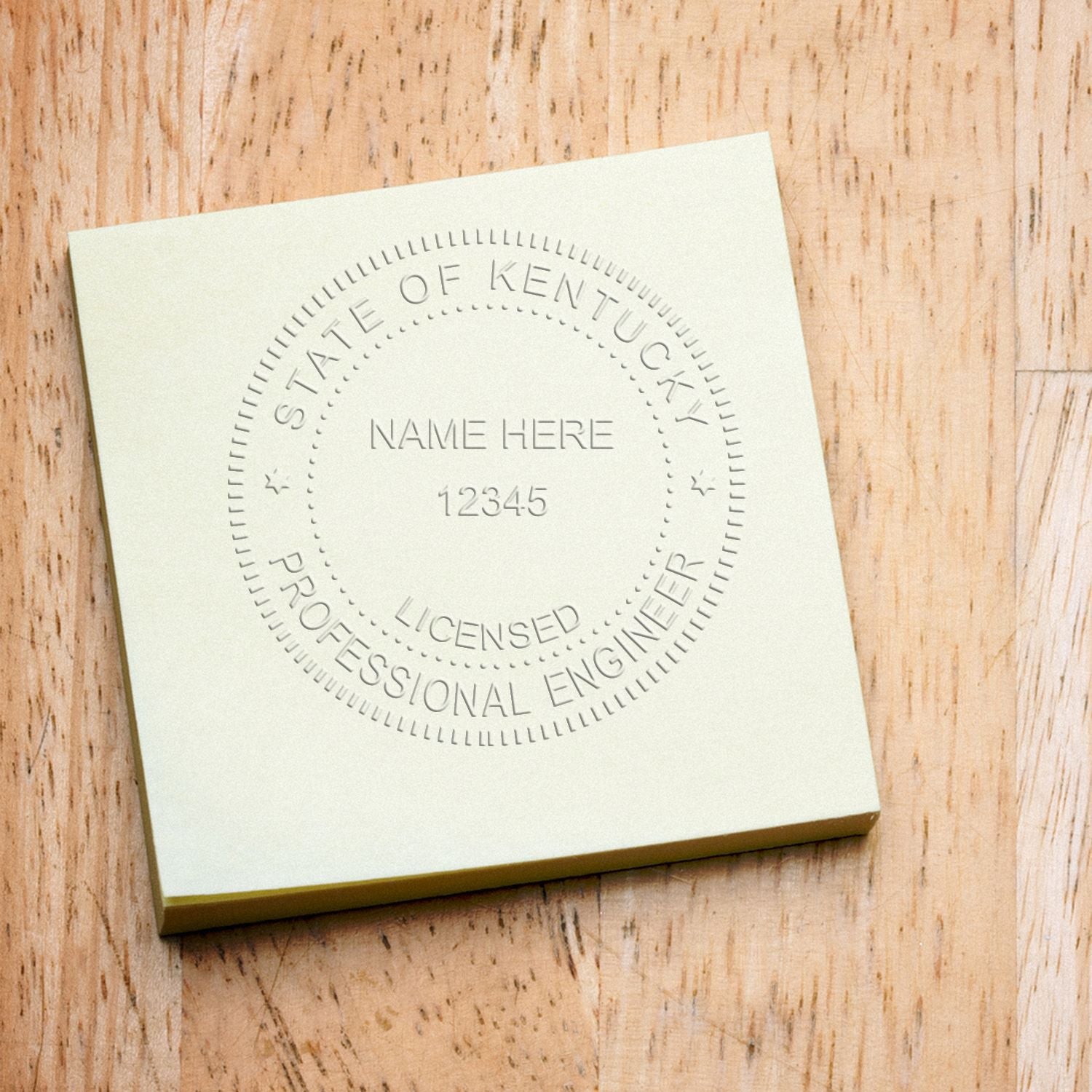
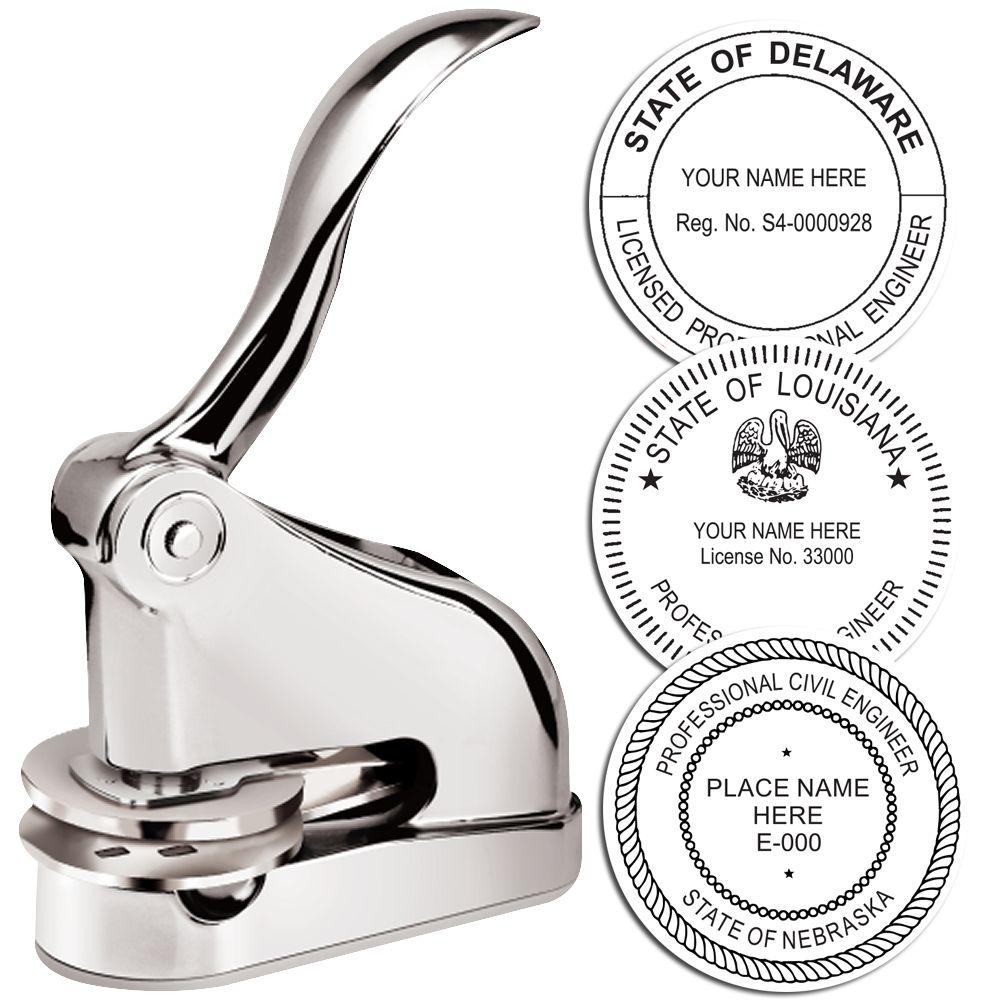
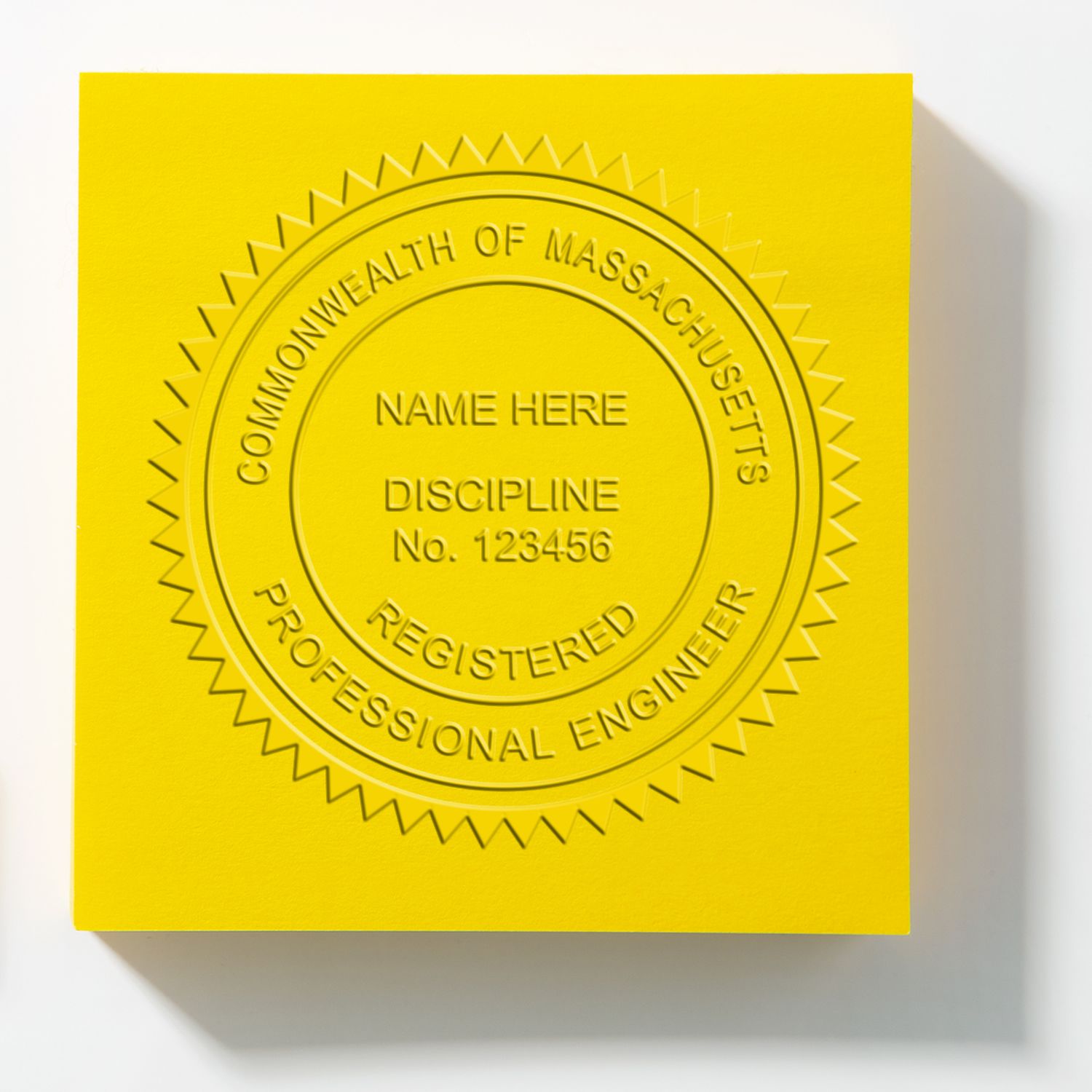
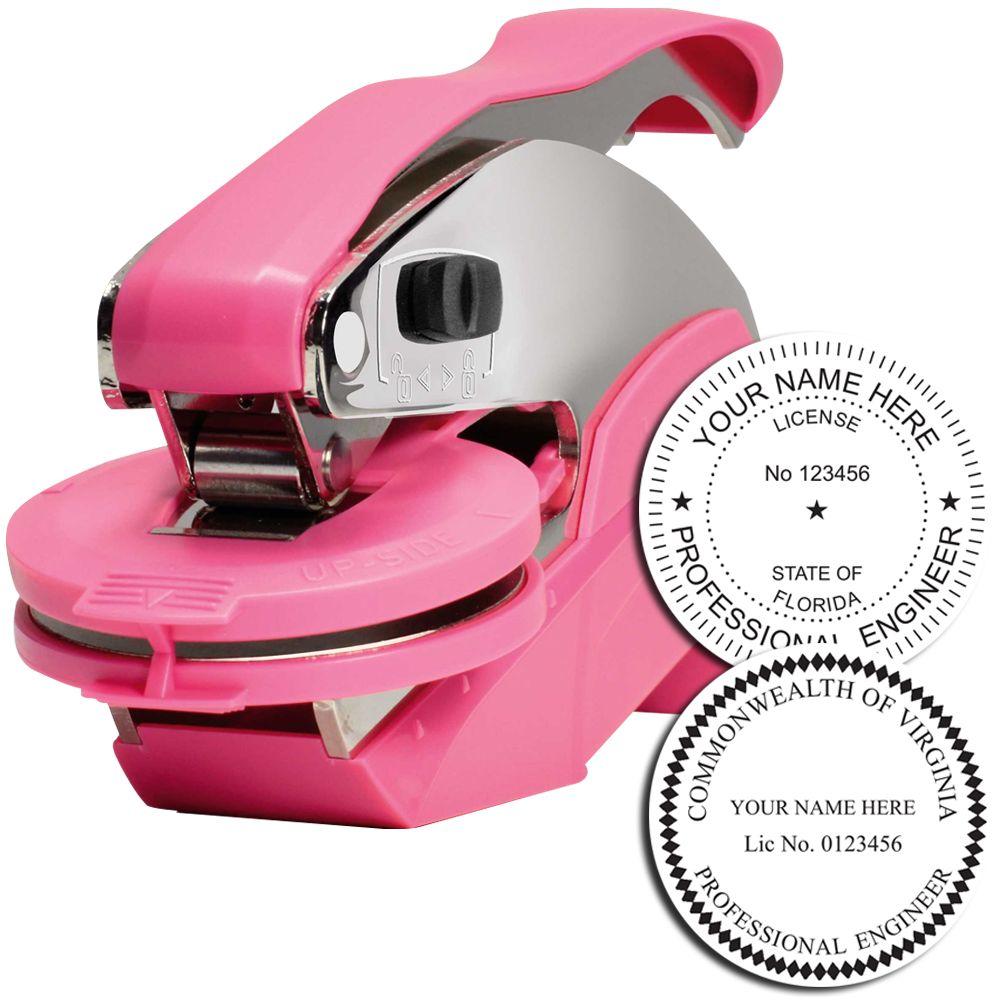
Unfortunately, the stamps and so forth are not cheap. The Tennessee Society of Professional Engineers offers a rubber stamp, a self-inking rubber stamp and an embossing seal. Some vendors offer an electronic JPEG seal as well. In any case, the seal, stamp or embossed logo type of seal needs to conform to TSPE requirements.


Keeping Up Your Seal
Architects, landscape architects, and engineers in Tennessee need to make sure they have a current seal that meets all of the above requirements. Given the realities of 21st century work, an electronic seal that has all of the elements of a stamped or embossed version is probably a requirement.
As with any product, a Tennessee engineer needing seals or stamps needs to do some comparison shopping. At least most elements of the seal stay the same for many years. The only likely changes are the engineer’s name and registration number, though such changes are rare.
If you are a Tennessee engineer, you can get seals and stamps from Acorn Sales.
Frequently Asked Questions
What are the Tennessee engineer seal requirements?
Tennessee engineer seal requirements generally require licensed engineers to affix a state-compliant seal to certain engineering documents, including plans, specifications, reports, and electronic files. The seal must include the engineer’s name, registration number, and the required wording such as “Registered Engineer” and “State of Tennessee” to meet Tennessee PE stamp regulations.
Which documents must be stamped by a Tennessee professional engineer?
In Tennessee, a professional engineer seal is typically required on preliminary and final drawings, reports, plans, specifications, blueprints, and electronic documents that were prepared, reviewed, or approved by the licensed engineer. If the work is not the engineer’s own or if the engineer is not responsible for the content, it should not be sealed.
What information must appear on a Tennessee engineer seal?
A compliant Tennessee engineer seal must include the engineer’s name, registration number, and the correct designation, such as “Registered Engineer,” along with “State of Tennessee.” If you are using an electronic seal, it must still contain the same required information and match state-approved Tennessee engineer seal design standards.
Are electronic Tennessee engineer seals allowed?
Yes, Tennessee allows approved electronic seals for certain documents, but they must be properly formatted and compliant with state rules. Simply scanning a printed stamp into an image file may not create a valid electronic seal. The electronic version must still clearly show the engineer’s name, registration number, and required state wording.
Where should a Tennessee engineer seal be placed on documents?
Tennessee rules require seals to be placed in specific locations depending on the document type. According to the guidance in the post, the seal should appear on the first page of a specification, the first page of a report, and on all pages of a bound set of plans. This helps ensure the document is properly identified and accepted for review.
Can I use my Tennessee engineer seal after my license expires?
No, you should not use your Tennessee engineer seal after your license has expired. Once a license is inactive, expired, or otherwise invalid, the seal should no longer be used on any engineering documents. Keeping your seal current is essential for compliance, liability protection, and project approvals.








