
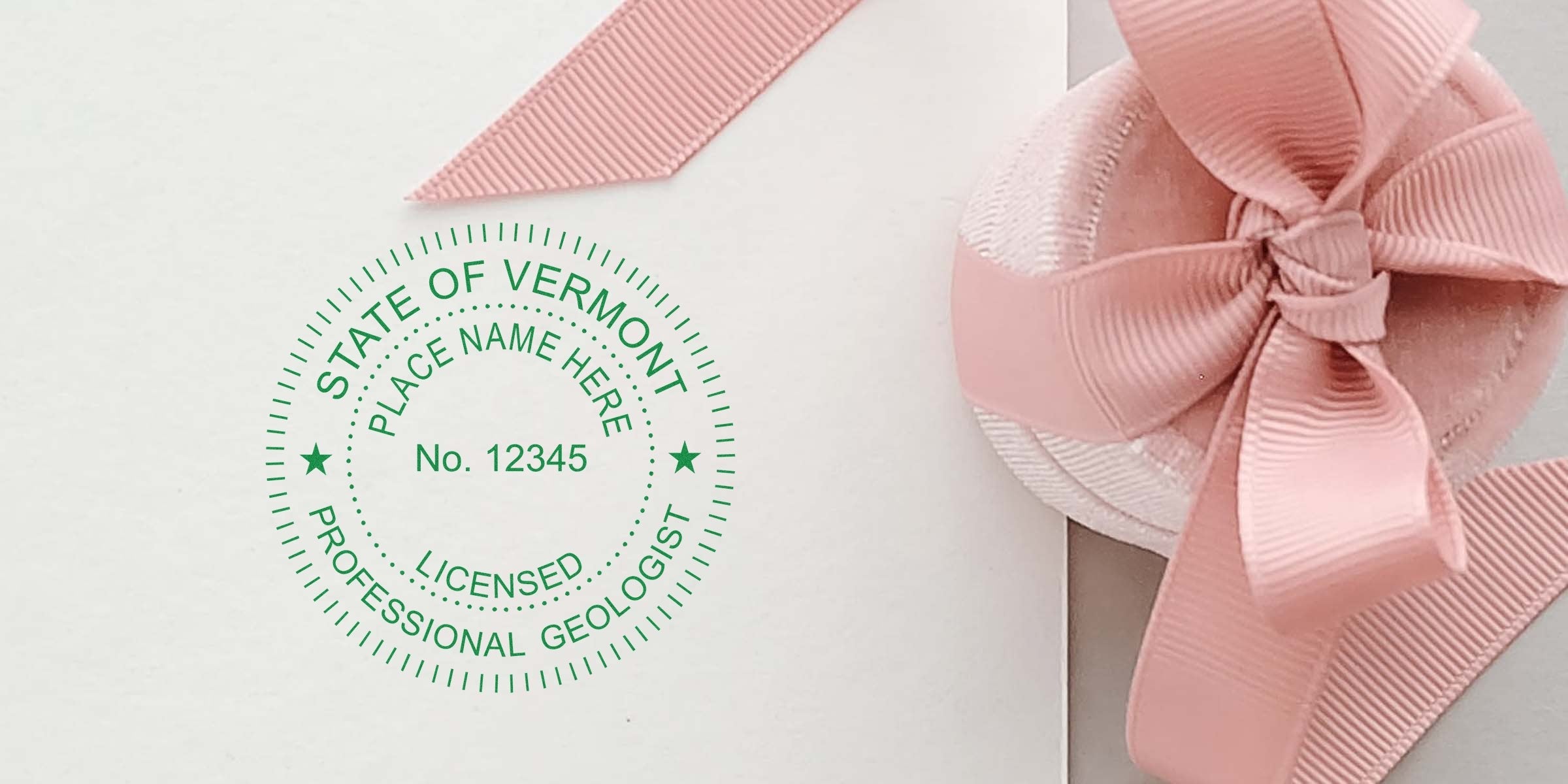
Are you trying to figure out the surprising Vermont Geologist Stamp cost? You’re not alone. Whether you’re a seasoned geologist in Vermont or just starting your professional journey, understanding what goes into the price of a required stamp (or seal) can save you time, money, and a fair bit of frustration. From licensing details to the different tools available, it helps to know exactly where your dollars are going.
Below, we’ll explore everything you need to know about the Vermont Geologist Stamp. You’ll see why this tiny piece of equipment is far from trivial, plus get some tips on finding just the right vendor. By the end, you’ll feel more confident about your purchase and the steps needed to maintain your professional credentials.
Understand The Vermont Geologist Stamp
The Vermont Geologist Stamp (sometimes called a seal) signifies that you’re a licensed geologist in the state. You’ll use it to validate plans, reports, and any official documents that might cross your desk. It’s not just a formality either. Your stamp confirms your authority, signals compliance with state regulations, and helps build client trust.
A standard geologist stamp usually consists of your name, license number, and a statement such as “Licensed Professional Geologist.” In Vermont, both a physical impression seal and a digital version are often recommended. A physical stamp lets you quickly mark documents in person, while the digital version comes in handy for electronic submissions. As time goes on, more organizations are shifting to paperless processes, so having both versions gives you flexibility.
Why A Geologist Stamp Is Essential
- Demonstrates your professional qualifications to clients and employers.
- Keeps you compliant with local board regulations (no confusion about whether you’re properly licensed).
- Adds a layer of credibility that can set you apart from non-licensed competition.
If you’re wondering whether you can get by without it, the short answer is: not really. In Vermont, geologists are expected to stamp their official work, so skipping it could put your license status at risk. It’s best to invest in the proper tools right from the start.
Explore Factors Affecting Cost
The cost of your stamp can vary based on several factors. Some of these are purely practical (like the materials used or if you want a customization), while others relate to the vendor’s location or shipping methods. By identifying what affects the price, you can make better-informed decisions and stick to your budget.
Material And Build Quality
Stamps come in different materials, including rubber, self-inking devices, and metal embossers. Depending on which you choose, your price tag might shift significantly. A rubber stamp with a separate ink pad is often cheaper, while self-inking or sturdy metal options can cost a bit more but may last longer.
Customized Design
Your name, license number, and the circular design associated with geologist stamps are standard, but you might want additional customizations. Some professionals prefer multi-colored designs, or a higher-definition impression. Extra touches usually add to the price, so if you’re on a tight budget, be mindful of how much customization you really need.
Electronic Stamp Options
In Vermont, you may need a digital seal to accompany your physical one. Some suppliers bundle a free electronic stamp with your purchase, making it easier to justify a slightly higher upfront cost. If you buy a physical stamp separately and then purchase a digital seal from another vendor, you might end up paying more overall. Look for suppliers who offer combo deals, so you don’t have to worry about extra charges down the line.
Shipping And Handling Fees
If you’re ordering your stamp online, remember that location and shipping speeds play a role in overall cost. Faster shipping might be handy for last-minute needs, but it usually comes with an added fee. Standard shipping might be less expensive, but you’ll wait a little longer. Some suppliers waive shipping costs over a certain purchase amount, so if you’re also ordering other supplies, consider that before checking out.
Bulk Orders And Discounts
If you order multiple stamps at once, you could see a lower per-stamp rate. This is common for companies that hire multiple geologists or teams that might need extra seals. Although it might not be relevant if you’re working solo, it’s worth asking your supplier if they have bulk rates or any ongoing promotions.
Find Your Trusted Supplier
Once you know what influences stamp pricing, your next step is finding a trustworthy supplier. Not all providers have the same reputation, so it helps to do a little sleuthing before you commit.
Check Company History
If you want assurance that your stamp is up to state standards, look for a company with a solid track record. Acorn Sales, for example, has been in business since 1964, focusing on stamps, seals, and other professional marking devices. With decades of experience under their belt, they understand exactly what Vermont geologists need.
Look For Special Offers
Reputable suppliers often stand by the quality of their products with guarantees or extra perks. For instance, Acorn Sales includes a free electronic stamp with many of their Vermont Geologist products, ensuring you have both the physical and digital versions. Those little add-ons can alleviate cost concerns if you’re trying to budget carefully.
Read Reviews And Testimonials
Customer reviews can give you insight into reliability, shipping times, and the durability of the stamps. It’s easy to overlook these details when you’re ready to purchase, but a quick scan of the supplier’s reputation can prevent headaches later on. Nobody likes receiving a faulty stamp days before an important deadline.
Select The Right Stamp Type
You’ll find a few different categories of stamps. Each type has its own strengths, so think about how frequently you’ll use your stamp and in what settings.
Rubber Hand Stamp
- Requires a separate ink pad.
- Usually the most budget-friendly option.
- Can be replaced easily if the stamp face wears down.
Self-Inking Stamp
- Contains a built-in ink pad that re-inks after each impression.
- Mid-range cost.
- Convenient for rapid, repeated stamping without pausing to re-ink.
Pre-Inked Stamp
- Infuses ink directly into the stamp surface.
- Typically yields crisp, high-resolution impressions.
- Often more expensive but can provide thousands of impressions before needing a refill.
Embosser
- Creates a raised impression in paper (often used for official or historical aesthetics).
- Ideal for documents that need a tactile seal.
- Tends to cost more, but adds professional flair.
If you’re unsure about state standards, you can learn more by reviewing vermont geologist stamp requirements. This resource lays out key guidelines, so you’ll know exactly what the final design should look like.
Follow Practical Usage Tips
Once you’ve nailed down the right stamp and supplier, it helps to develop a routine for storing and using your seal. Proper habits not only make your job more seamless, they extend the life of your stamping device.
Store Your Stamp Correctly
- Keep it in a cool, dry place, away from direct sunlight.
- If you have a self-inking or pre-inked stamp, store it face-down or upright as recommended to avoid ink leaks.
- For embossers, ensure you wipe them clean before storing to prevent paper dust buildup.
Test Before Every Major Use
No one wants to discover a problem with their stamp halfway through a stack of important documents. Test it on a scrap paper first. Check that the impression is crisp, your name is spelled correctly, and the license number is still legible.
Replace Ink When Needed
A faint or blurry impression can diminish your professional image. Keep extra ink on hand, especially if you frequently stamp documents. With self-inking or pre-inked stamps, refilling them at the right time can stave off any last-minute panic.
Maintain Your Digital Seal Too
If you’ve received a free electronic stamp from your supplier, be sure to store the file in a secure location. Regularly back it up, especially if you rely heavily on electronic submissions. You never know when a computer crash might hit, and it’s easier to retrieve your digital seal if you’ve got it safely archived.
Wrap Up Key Thoughts
Paying attention to the ins and outs of a Vermont Geologist Stamp can solidify your professional standing and keep you in compliance with state regulations. From finalizing the design to choosing a reputable supplier like Acorn Sales, every detail factors into a seamless (and stress-free) experience.
When you know the elements that affect pricing, you can better manage your Vermont Geologist Stamp cost and ensure you’re not overpaying. At the end of the day, the right seal supports your reputation and helps you perform crucial geological work with full credibility.
It depends on the type and how often you use it. A high-quality rubber stamp can last several thousand impressions, while pre-inked stamps might handle even more before needing a refill. Regular maintenance, such as cleaning and proper storage, will also stretch the stamp’s life.
By paying attention to these details, you’ll make the most informed decision possible. From choosing the right format to picking a tried-and-true supplier, your Vermont Geologist Stamp is a crucial tool you’ll rely on for years to come. Go ahead, invest in quality, and enjoy the peace of mind that comes with having a properly certified document every single time.
Frequently Asked Questions
Do I Really Need A Vermont Geologist Stamp?
Yes. You must authenticate official professional documents in Vermont to be considered compliant with the local geologist board. This stamp functions as proof that you’re licensed and have approved the content of your work.
What Is The Usual Turnaround Time For Delivery?
Delivery times can vary by supplier. Standard shipping can take around a week, but opting for expedited shipping might reduce this to a few days. Always check with your chosen provider, especially if you’re up against a tight deadline.
Are Self-Inking Stamps Worth The Extra Cost?
Many geologists find self-inking stamps practical if they expect to stamp large volumes of documents. While they might cost a bit more than basic rubber stamps, the convenience and faster operation often justify the difference.
Is A Digital Seal Required In Vermont?
Although not always mandatory, digital seals are increasingly popular. They let you certify electronic documents in paperless environments. Some suppliers, like Acorn Sales, include a free electronic stamp when you purchase a physical seal.








