
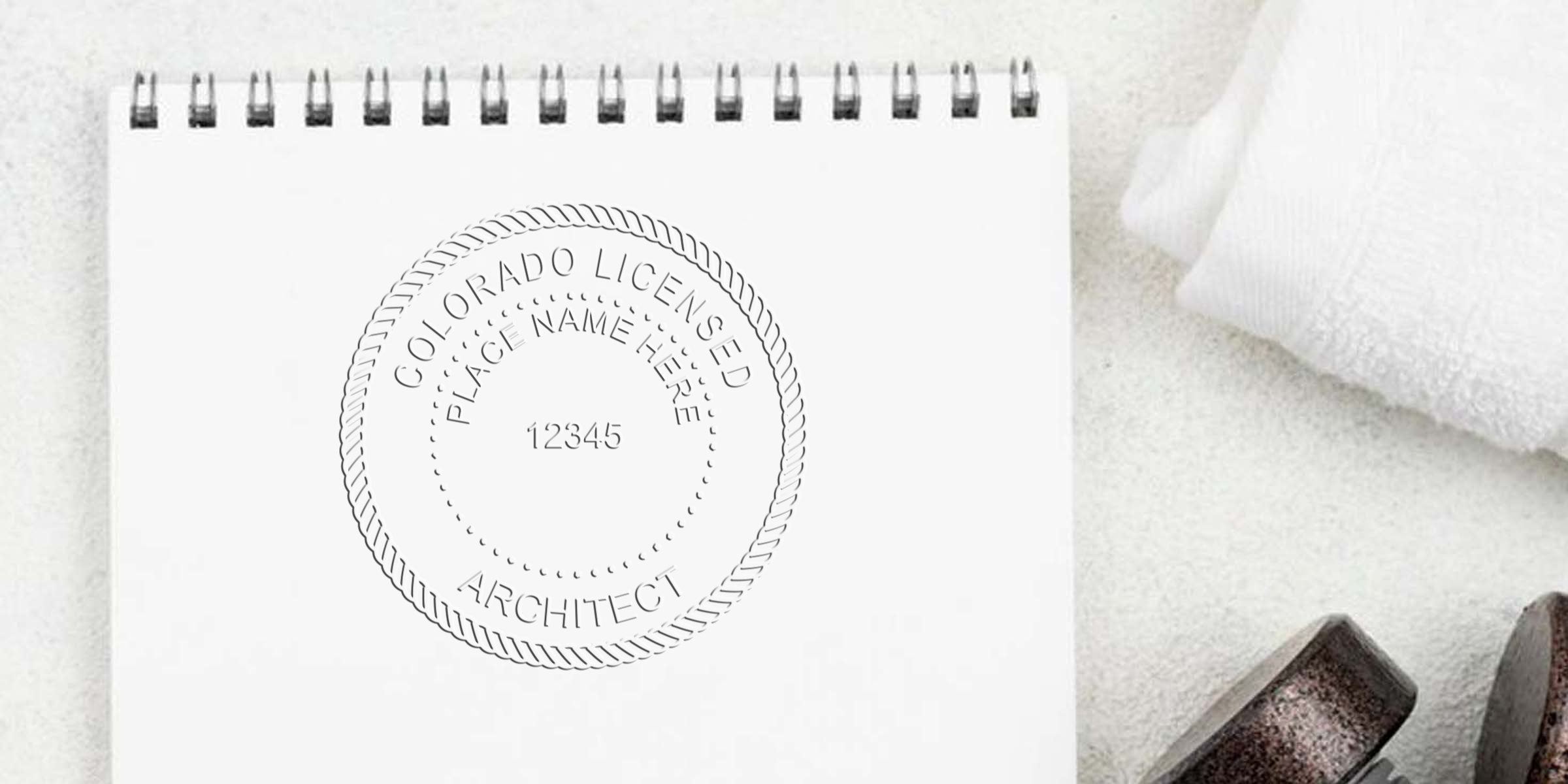
Understand The Seal Requirements
If you practice architecture in Colorado, you’ve likely heard about the official Colorado architect seal size specifications. The state has particular rules to ensure clear, professional identification on all your drawings and documents. By understanding the required dimensions and design, you’ll show your clients and regulatory boards that you know your stuff.
Why The Dimensions Matter
Think of your seal as your architectural signature. When it’s too small, officials or clients may struggle to read it. If it’s too large, it can crowd vital details on your plans. A properly sized seal signals professionalism and compliance, which is critical for any licensed architect in the state.
Typical Seal Layout
Colorado typically mandates a circular seal that includes your name, license number, and the words “Licensed Architect.” The standard diameter usually hovers around two inches, but check the latest requirements to confirm. Elements are evenly spaced to keep everything neat. If you want to read more about mandated layouts, consider reviewing these colorado architect stamp requirements.
Below is a brief snapshot of general sizing guidelines:
| Diameter | Design Elements |
|---|---|
| 2 inches | Name, License Number, “Licensed Architect” |
| 1.5 inches | Sometimes accepted for smaller document formats |
Exact measurement can vary, so always confirm the most current regulations with state authorities.
Ensure You Remain Compliant
To keep your work legally sound, it’s important to stay on top of Colorado’s rules for stamping. Even a minor change in spacing or text size can result in non-compliance, so a quick review now can save headaches later.
Key Colorado Regulations
- Always include your official license number.
- Use the correct wording, like “Architect” or “Licensed Architect,” as required by law.
- Check that the text around the seal is legible and not compromised by lines or shading.
Pay special attention to any updates to state codes. What might have been acceptable two years ago could have been revised, so keep an eye out for any announcements from the Colorado Board of Architects.
Common Mistakes To Avoid
- Using outdated seal designs that no longer meet state standards.
- Employing a seal so large that it obstructs important drawing details.
- Forgetting to renew or update your seal if your license number changes.
Go With A Trusted Supplier
Finding the right seal provider is just as important as knowing the rules. If your seal is off by a fraction of an inch or missing a required element, it can cause unnecessary delays or rejections.
Why Choose Acorn Sales
At Acorn Sales, we’ve specialized in delivering Colorado Architect Stamps and Seals for 60+ years. Our team understands state-compliant designs, so you don’t have to stress about sizing or layout. We also offer:
- CO Architectural Seal Stamps that match the latest state specifications.
- Quick turnaround times so you can meet tight project deadlines.
- High-quality materials, including digital stamp options, for crisp results on every print.
Placing Your Order
Ordering a seal from Acorn Sales is straightforward:
- Visit our website and select your Colorado seal template.
- Input your license details.
- Confirm that all text and spacing meet state rules.
- Submit your order and let us handle the rest.
From there, we’ll produce your seal with precise dimensions. We even offer digital versions for clients who need a stamp for electronic documents.
In the end, the correct seal size secures your professional reputation and ensures your documents align with Colorado rules. Once you’ve got your precise stamp in hand, you can focus on the creative part—designing amazing structures for your clients. If you have questions about size, format, or anything else related to your Colorado seal, the team at Acorn Sales is always ready to help.
Frequently Asked Questions
Do I need a specific stamp size for residential vs. commercial projects?
The state usually sets one standard seal size for all project types. Always confirm current regulations to ensure compliance.
Is a digital seal acceptable for official submissions?
Many jurisdictions now accept digital seals, as long as they meet the same requirements. Check with your local permitting authority for details.
How often should I update my seal design?
Typically, you only need to update if your license number changes or the state updates its rules. However, it’s wise to review regs yearly for any modifications.
What if my seal isn’t fully legible on final prints?
You should adjust your print settings or talk to your seal vendor about resizing. Clarity is a legal requirement, so don’t overlook it.
How can I get a seal quickly?
Acorn Sales specializes in fast turnaround. We use state-compliant layouts and top-notch manufacturing so you can get your seal without delays.








