
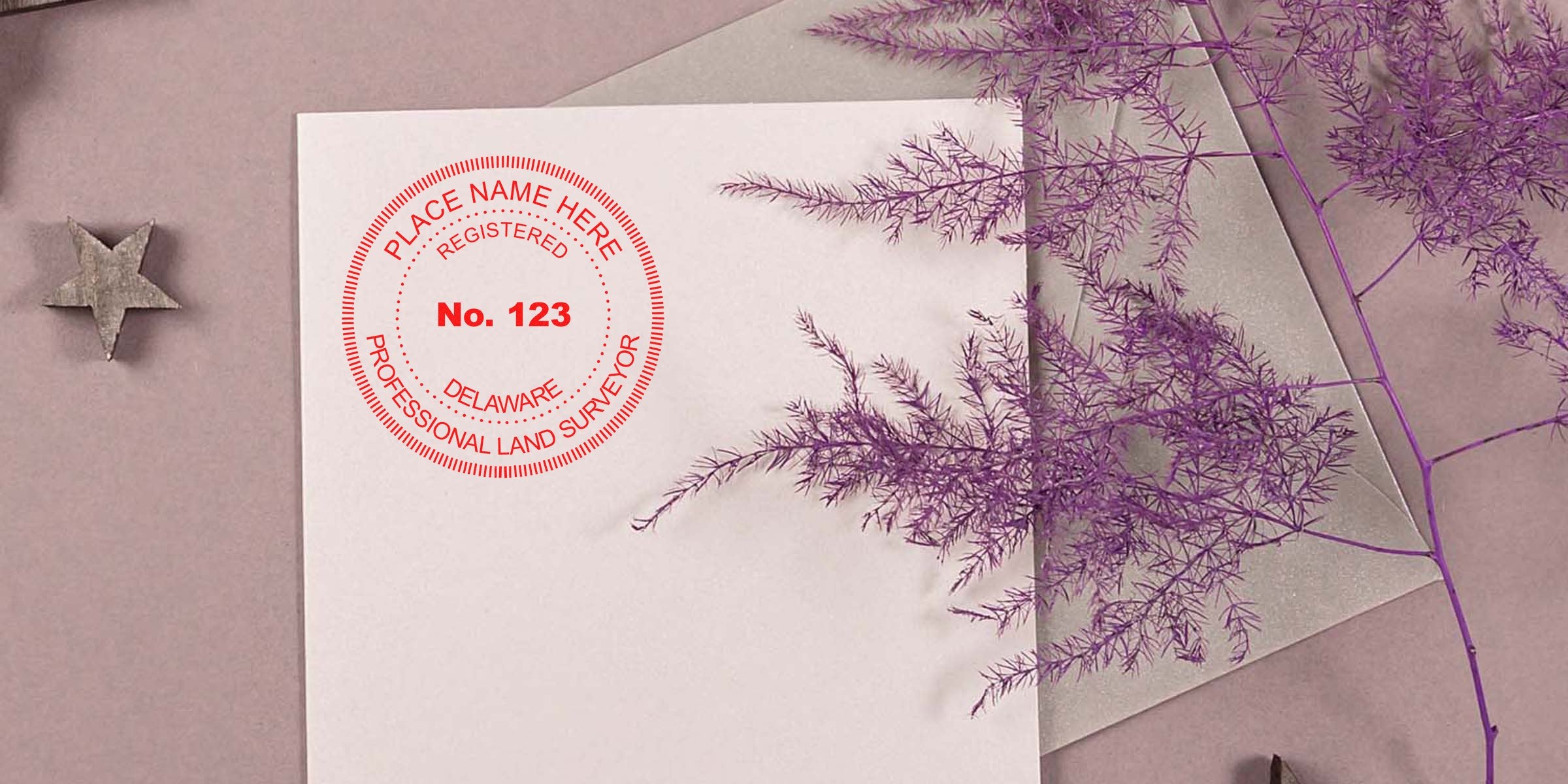
In a state like Delaware, details matter. If you’re a practicing surveyor or planning to become one, you’ve probably already heard the term “delaware land surveyor seal specifications.” Sounds formal, right? But don’t worry, it’s not as daunting as it might seem. In this guide, you’ll find a friendly walkthrough of how these requirements work, why they matter, and how to stay on the right side of the law. You’ll also pick up a few tips on getting your own seal, including a free digital seal option offered by Acorn Sales, a trusted supplier that’s been in business since 1964. Let’s roll up our sleeves and explore everything you need to know.
Understand The Legal Foundation
When you’re working as a Delaware land surveyor, your stamp or seal isn’t a mere accessory. It’s your official signature on critical documents, showing that your work meets the ethical and technical requirements set by the state. This seal tells clients, partners, and regulatory bodies, “Yes, I’m qualified, and I stand by the accuracy of this survey.”
Why the Seal Matters
- It validates your licensure and credibility.
- It’s required by professional boards to confirm compliance with local regulations.
- It protects the public by ensuring that only qualified individuals perform official survey tasks.
If you’re thinking, “But I already have a license, so why do I need a seal?” The short answer is that state boards insist on a distinct method of identification that can’t be easily forged. Handwritten signatures can vary, but a standardized seal is harder to tamper with. This helps keep land records accurate and protects clients from fraud.
Explore State Board Requirements
Delaware’s Board of Professional Land Surveyors sets the standards for land surveyor seals. They’re the folks who decide size, design elements, and how precisely you must apply your seal on official documents. Their rules aren’t meant to confuse you, though. They’re simply there to maintain consistency throughout the profession.
Key Features The Board Usually Expects
- Clearly legible text featuring your name and license number.
- The words “Licensed Professional Land Surveyor,” or a close variant, encircling the seal.
- Proper usage in all your official documents, like final plats and reports.
Because boards can update guidelines periodically, always stay alert to announcements that might change how your seal is designed or applied. If you want a deeper look into statewide regulations, delaware land surveyor stamp requirements is a helpful resource to consult.
Determine Essential Components
Let’s be honest. Not everyone enjoys digging through legal documents searching for small details. But when it comes to delaware land surveyor seal specifications, a few components stand out as non-negotiable. Getting them right the first time saves you—and your clients—time and headaches.
Typical Elements in a Land Surveyor Seal
- Your legally recognized name, exactly as it appears on your license.
- Your unique license or registration number.
- The “State of Delaware” designation.
- The title “Licensed Professional Land Surveyor” or a closely related term.
Most seals incorporate two concentric circles, with outer text indicating the state and professional title, and your personal details in the center. Sometimes, advanced design software is used to create a polished layout that fits the official diameter requirements.
Review Seal Dimensions And Shape
Delaware’s design preferences are fairly standard: a circular shape usually measuring around 1⅝ inches or 2 inches in diameter. Because the board wants a seal that’s easily readable—both on paper and in digital form—it’s best to stick to their recommended size ranges. Smaller stamps might look neat, but if they’re hard to read, state authorities won’t be thrilled.
Common Seal Dimensions
| Specification | Typical Measurement |
|---|---|
| Diameter | 1⅝ inches or 2 inches |
| Outer Ring Text | “Delaware” + “Licensed Surveyor” |
| Inner Circle | Name and License Number |
A seal that’s too large can overwhelm your documents or appear unprofessional. Meanwhile, a seal that’s too small might not show the details clearly enough for official review. Trust the guidelines for a balanced, professional look.
Decide Between Ink And Embossing
Seals can come in multiple forms, such as self-inking stamps, pre-inked devices, or embossers. Deciding which route to go depends on how you typically file your documents and who’s reviewing them. For instance, if electronic submission is your go-to method, you might prefer a crisp ink stamp that scans well. An embosser, on the other hand, leaves a raised impression—nice for that official feel, but it can sometimes be harder to reproduce in copies.
Common Format Choices
- Self-Inking Stamp: Easiest for repeated stamping and consistent clarity.
- Pre-Inked Stamp: Delivers sharp, smudge-free impressions with little pressure.
- Embosser: Creates a raised seal—visually appealing, but not always the best for digital scans.
- Digital Seal: Ideal for electronic documents; quickly added or overlaid onto PDFs.
Many surveyors like to keep one of each, especially if they expect to submit both physical and digital files. This versatility ensures that every application meets the exact requirement, no matter the format.
Learn About Acorn Sales Offerings
If you’re wondering where to get a Delaware-compliant seal or stamp, you’re not alone. Acorn Sales has been serving professionals like you since 1964, building a reputation for quality and reliability. We stand by every product, offering personalized seals that meet the latest state guidelines and include precise text and license details.
Free Digital Seal Included
One reason many surveyors pick Acorn Sales is our free digital seal option. After all, digital submissions are only becoming more common. Why not have a pre-created image of your seal for quick placement on your documents?
Other Perks
- Machines that deliver crisp, uniform impressions every time.
- Timely shipping so you’re never left waiting.
- Knowledgeable customer support who can guide you if the board’s rules change.
When you shop with a supplier that focuses specifically on professional stamps and seals, you cut out the guesswork. Let’s be honest, verifying “the right specs” is easier when you have experts who do it every day.
Follow Application Guidelines
Having a well-designed seal is half the battle. The other half? Using it properly. In Delaware, you’re often required to apply your seal to final drawings, official reports, and any legal documents that involve boundary determinations or property lines. Always remember to form a neat impression and include your signature near the seal if mandated by local regulations.
Tips For Proper Use
- Stamp in a clearly visible spot—avoid stamping over text or images.
- Use ink color that contrasts well (commonly black or dark blue).
- Double-check document placement before finalizing. Blur or overlap can raise questions about authenticity.
Sometimes, you’ll find that certain counties or municipalities request the seal in a specific section of the page. Check local building or zoning departments for extra instructions so you don’t run into issues down the road.
Secure Your Stamp Or Seal
You might not think of your seal as something that needs heavy security. But consider this: it bears your name and license number. If a misplaced or stolen seal ends up on fraudulent documents, you could face blame (and potential disciplinary action) until the matter is resolved.
Simple Security Measures
- Store physical stamps or embossers in a locked drawer or cabinet.
- Keep digital seal files on a secure computer or in a password-protected folder.
- Log each use if you want an extra layer of accountability—for instance, maintain a small notebook with a quick entry for each document you seal.
When you’re a busy professional, it’s easy to overlook these steps. However, consistent habits ensure you maintain your credibility and avoid headaches if you’re ever asked to verify a questionable seal.
Add Value With Your Seal
The seal isn’t just about meeting regulations—it can also serve as a marketing tool and quality indicator. When someone sees your properly stamped survey or plan, it sets you apart from non-credentialed competitors. This is particularly helpful when clients are new to hiring surveyors and want reassurance they’re dealing with a vetted professional.
Ways To Leverage Your Seal
- Mention “State-Licensed Surveyor” (with your license number) in your email signature.
- Provide copies of sealed documents to clients so they see firsthand that you follow official processes.
- Mention your compliance with delaware land surveyor stamp requirements to highlight your diligence.
By showing that you follow the rules, you instantly build trust, which is crucial in any line of work that impacts property boundaries and legal records.
Handle Revisions And Updates
Let’s say you need to revise a previously stamped document. Maybe you discovered an oversight or changing circumstances require adjustments. How should you handle your seal in this case?
Best Practices For Document Revisions
- Cross out or void the old seal imprint, then mark any earlier versions as “superseded.”
- Add your updated seal with a fresh date on the revised document.
- Keep records of each revision, including the date and reason for the change.
This organized approach keeps your files tidy and shows you respect the professional process. It also provides a clear paper trail if anyone questions the latest version of your plan.
Prepare For Renewals And Continuing Education
Licenses don’t usually last forever, and that means your seal should be updated if you change your name or license number. You may also need continuing education credits to keep your license valid. Each requirement ensures that practicing surveyors stay informed about emerging methods and technology, ultimately benefiting both the profession and the public.
Proactive Steps
- Mark renewal deadlines on your calendar.
- Check if changes in license numbers call for a new seal or if you can keep using your existing one.
- Stay current with new regulations. For example, if the Delaware Board modifies text requirements, you’ll want to update your stamp or embossing plate right away.
Keeping up with administrative tasks might not be the most exciting aspect of your career, but it’s a crucial one.
Submit And Record Documents Properly
When all the details are in place, from the correct seal size to the accurate wording, your final step is document submission. Depending on the job, you may file these papers with local agencies, property owners, or state offices. Don’t skip any steps here—surveying is a precise profession, and a missed signature or incomplete form can throw a project off track.
Typical Submission Checklist
- Ensure your seal is clear and legible.
- Add the date and your signature if required.
- Verify that all key details (like property boundaries or reference points) are correct.
- Provide copies to relevant parties or keep them in your project files.
A little diligence goes a long way. After all, your clients rely on these documents to make big decisions about land development, transactions, or legal disputes. A thorough submission process helps everyone move forward with confidence.
There’s no strict timeline, but if the impression starts to fade, or the text and edges become unclear, it’s time for an upgrade. Regular maintenance or occasional re-inking can extend a stamp’s life. Embossers typically last longer, but they can wear out over time.
By now, you should have a clear idea of how the Delaware Board outlines seal usage and why these guidelines exist. Keeping everything aligned with delaware land surveyor seal specifications isn’t just about bureaucracy—it’s about maintaining trust, credibility, and quality in your professional field. Once you’ve got your stamp or embosser set up (and carefully stored), you’re ready to work confidently, knowing each official document you touch meets state standards.
If you’re in the market for a new stamp or you just want to learn more about the free digital seal option, check out the products at Acorn Sales. We’ve been handling professional seal solutions since 1964, and our team is ready to help you pick the perfect fit. Whether you need a self-inking stamp for everyday work or an embosser for those extra-official documents, we’ve got you covered. Here’s to making your surveying tasks smoother—and sealed to perfection!
Frequently Asked Questions
Do I Need Different Seals For Different Projects?
Usually not. One properly designed seal, inking tool, or embosser should serve all your survey work. However, you might keep multiple devices—like a self-inking stamp and an embosser—just to adapt to different document requirements.
What If My License Information Changes?
If your name or license number changes, you should order a new seal immediately to avoid confusion or invalid documents. Make sure all your official papers reflect the updated license data.
Are Electronic Versions Accepted Everywhere?
Many agencies now allow electronic sealing and signing. However, the acceptability of a digital seal can vary by county or project type. If in doubt, verify with the relevant agency. At Acorn Sales, we include a free digital seal, so you’ll be ready for electronic submissions when they’re appropriate.








